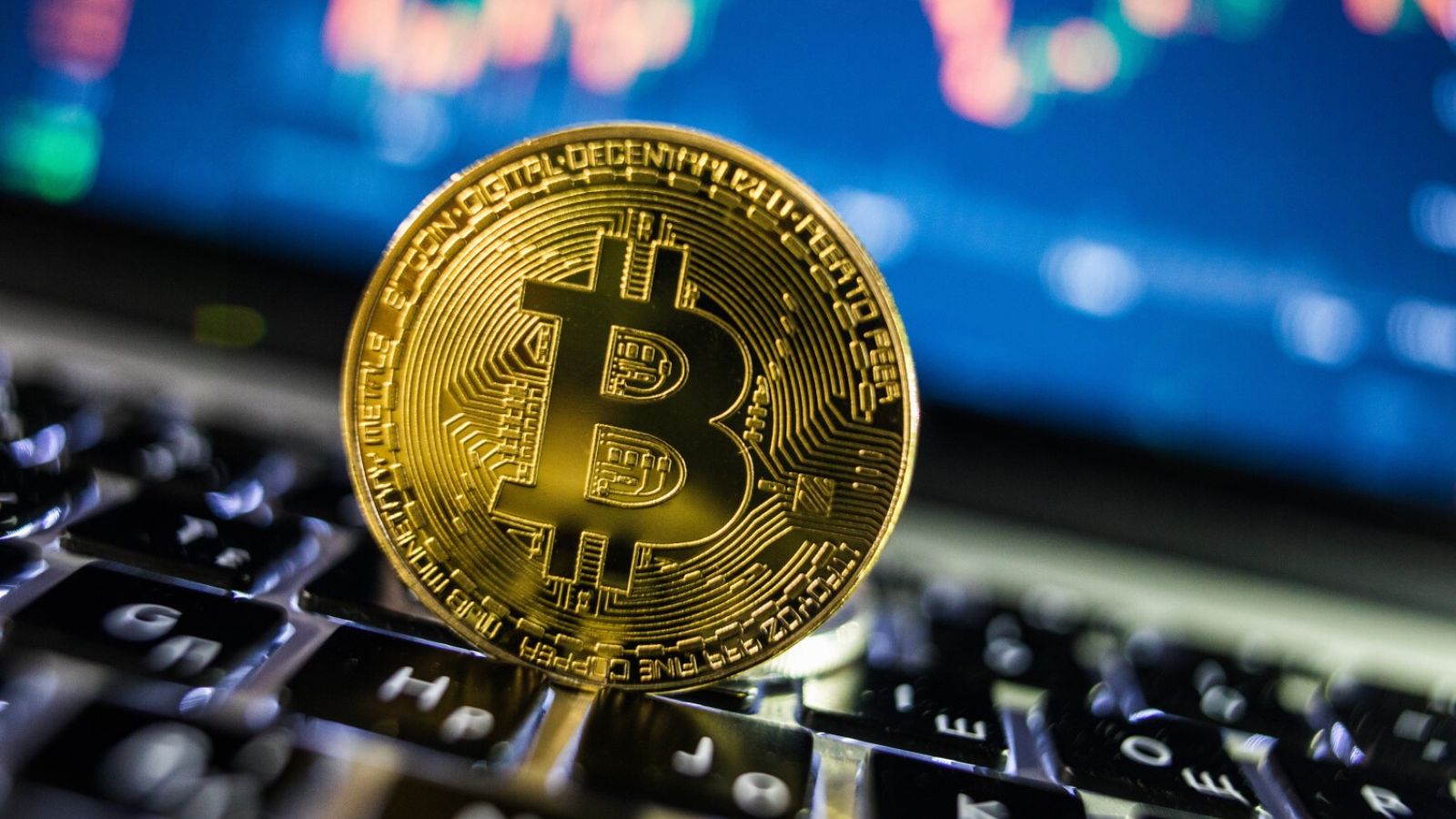
Bitcoin, the world’s first decentralized cryptocurrency, has become a hot topic in recent years. Its proponents see it as a tool for financial freedom, while its detractors view it as a speculative bubble. In this article, we will explore the power dynamics of Bitcoin, its property-like nature, and its potential for freedom. If you’re thinking of investing in Bitcoin, trading Bitcoin on bitcodemethods.com is straightforward, even for those new to cryptocurrency. Let’s get started and discuss the topic in detail without any further delay. Read on!
The Power of Bitcoin
Bitcoin’s power lies in its decentralized nature. Unlike traditional banking systems, which are controlled by central authorities, Bitcoin is not controlled by any single entity. Instead, it operates on a peer-to-peer network that allows users to transact directly with each other without the need for a third party.
This decentralized nature gives Bitcoin several advantages over traditional banking systems. Firstly, it allows for greater privacy and anonymity in transactions. Secondly, it reduces the risk of censorship and government control over financial transactions. In countries where financial freedom is limited, Bitcoin provides an avenue for citizens to transact without government interference.
However, Bitcoin’s decentralized nature also means that it is not backed by any government or central authority. This lack of regulation can make it more volatile and risky than traditional forms of investment. Additionally, it can make it more difficult to trace and recover lost or stolen funds.
Property Rights and Bitcoin
Bitcoin has been described as a form of property, similar to other assets like gold or real estate. Like other forms of property, Bitcoin can be bought, sold, and traded. It can also be used to purchase goods and services. However, Bitcoin’s property-like nature is not recognized by all legal systems. Some countries treat it as a commodity, while others view it as a currency.
Bitcoin’s property-like nature has important implications for its use and regulation. For example, it means that Bitcoin can be subject to taxes and regulations, just like other forms of property. It also means that Bitcoin can be seized or confiscated by governments in some circumstances. Bitcoin can also provide property rights to individuals who may not have access to traditional financial systems. In many countries, individuals may not have access to banks or may not be able to prove ownership of their assets due to inadequate legal systems. Bitcoin’s decentralized nature allows individuals to hold and transfer assets without the need for a traditional bank account or proof of identity.
Freedom and Bitcoin
Bitcoin has the potential to provide greater financial freedom to individuals and communities. In countries with restrictive financial systems, Bitcoin can provide an alternative means of transacting and storing value. Additionally, Bitcoin can be used to support political dissent, as it allows individuals to support causes and organizations without fear of government retaliation.
However, Bitcoin’s potential for freedom is not unlimited. Its decentralized nature makes it more difficult to regulate and control, which can make it a target for criminal activity. Additionally, the lack of regulation can make it difficult to ensure the security and stability of the Bitcoin network.
The Discourse Surrounding Bitcoin
The discourse surrounding Bitcoin is often polarized, with proponents seeing it as a tool for financial freedom and detractors viewing it as a speculative bubble. However, there are many different perspectives on Bitcoin, and the discourse surrounding it is complex and multifaceted.
Some of the arguments in favor of Bitcoin include its potential for financial freedom, its decentralized nature, and its potential to disrupt traditional banking systems. Some of the arguments against Bitcoin include its lack of regulation, its volatility, and its potential for use in criminal activity.
The discourse surrounding Bitcoin has an important impact on its adoption. Positive discourse can encourage more people to use and invest in Bitcoin, while negative discourse can discourage adoption and lead to price drops.
Conclusion
In conclusion, Bitcoin is a fascinating and complex phenomenon that is changing the way we think about money and financial systems. Its decentralized nature, property-like characteristics, and potential for freedom make it a unique and valuable asset in today’s world. However, its lack of regulation and potential for criminal activity also make it a risky investment. The discourse surrounding Bitcoin is complex and multifaceted, and its impact on adoption cannot be understated.
-
NEWSLETTER
 Subscribe for our daily news

Most Popular