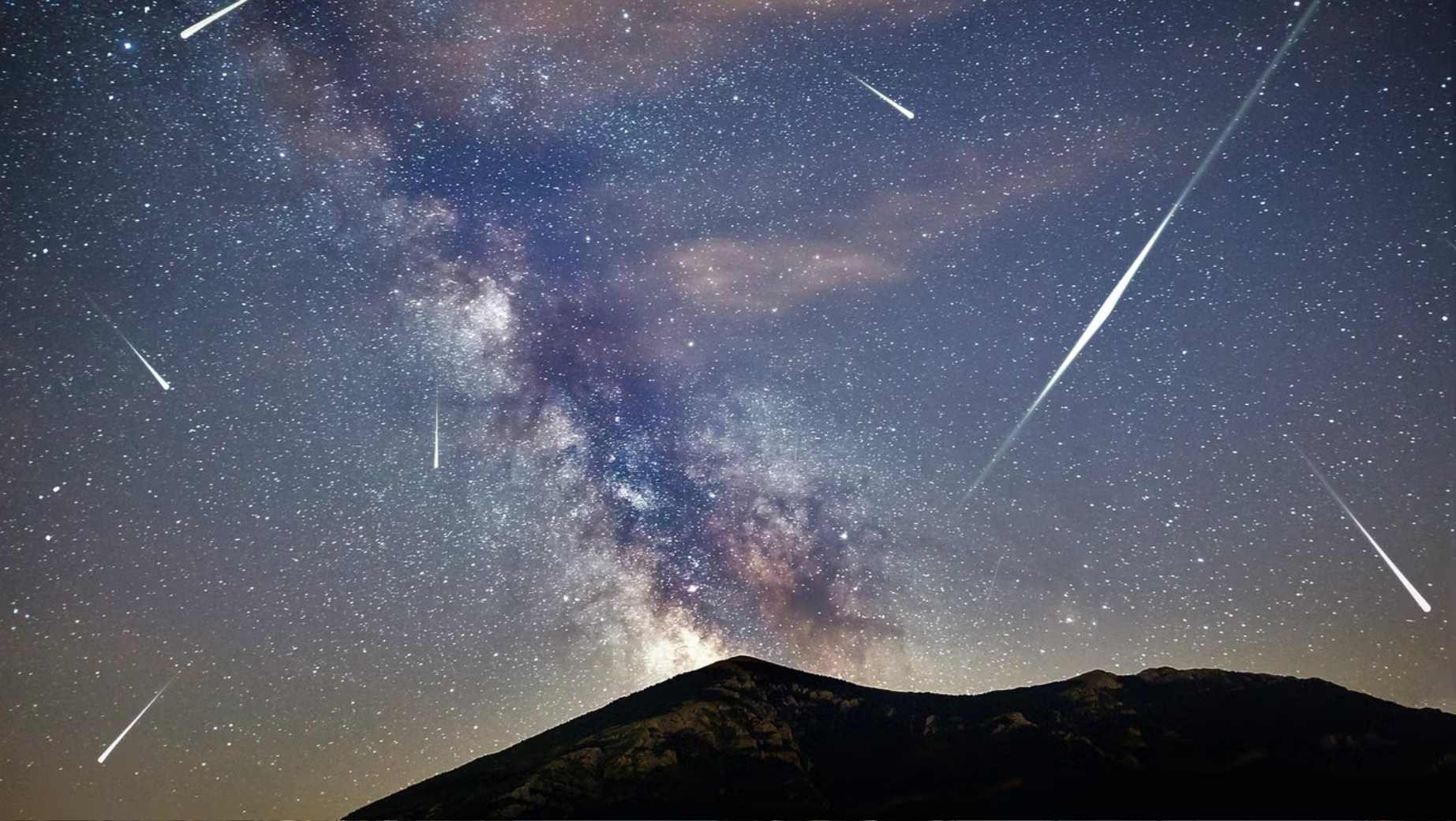
The 2026 meteor season is shaping up to be one of the most favorable in recent years.
Astronomers report that several major meteor showers will peak under near-ideal viewing conditions, including the Perseids in August, expected to reach their strongest levels in two decades.
During most major meteor showers, moonlight will be minimal or absent, leaving skies dark enough to reveal even faint streaks that are usually lost in brighter conditions.
August: Perseids in absolute darkness
The standout moment will arrive in mid-August, when meteor counts are expected to reach levels not seen in roughly twenty years. But strong displays will also appear in spring, late autumn, and early winter, offering multiple chances to observe fast-moving debris as it burns up in Earth’s atmosphere.
The August Perseids, the most widely followed meteor shower of the year, will peak on the night of August 12 into the early hours of August 13. With a new Moon falling at the same time, viewing conditions will be close to ideal. Observers under clear skies could see as many as 80 meteors per hour, making this the strongest Perseid display in two decades.
Spring and Autumn: From the Lyrids to the Leonids
Spring brings the first notable activity in April, when the Lyrid meteor shower reaches its maximum around April 22–23. The Moon will set before midnight, allowing the darkest hours of the night to fall during peak activity. Lyrids are often remembered for their persistent trails, which briefly remain visible after the meteor itself has vanished.
In early May, attention shifts to the Eta Aquarids, debris left behind by Halley’s Comet. Their peak on May 5–6 will be best observed in the early morning hours, roughly between 2 a.m. and 4 a.m., after the Moon has set.
Orionids (October 21–22): Another greeting from Halley’s Comet, but this year they will be unlucky. The full moon will “wipe out” most of the meteors.
Leonids (November 17–18): Extremely fast meteors. Conditions will be excellent – the Moon will set at midnight and the second half of the night will offer a breathtaking spectacle.
December: Geminids: The year will end with the visually densest shower – the Geminids. Up to 130 meteors per hour can fall on the night of December 13–14. The moon will set in the narrow crescent phase early in the evening, so conditions will be almost ideal.
Would you like us to write about your business? Find out more
-
NEWSLETTER
 Subscribe for our daily news

Most Popular