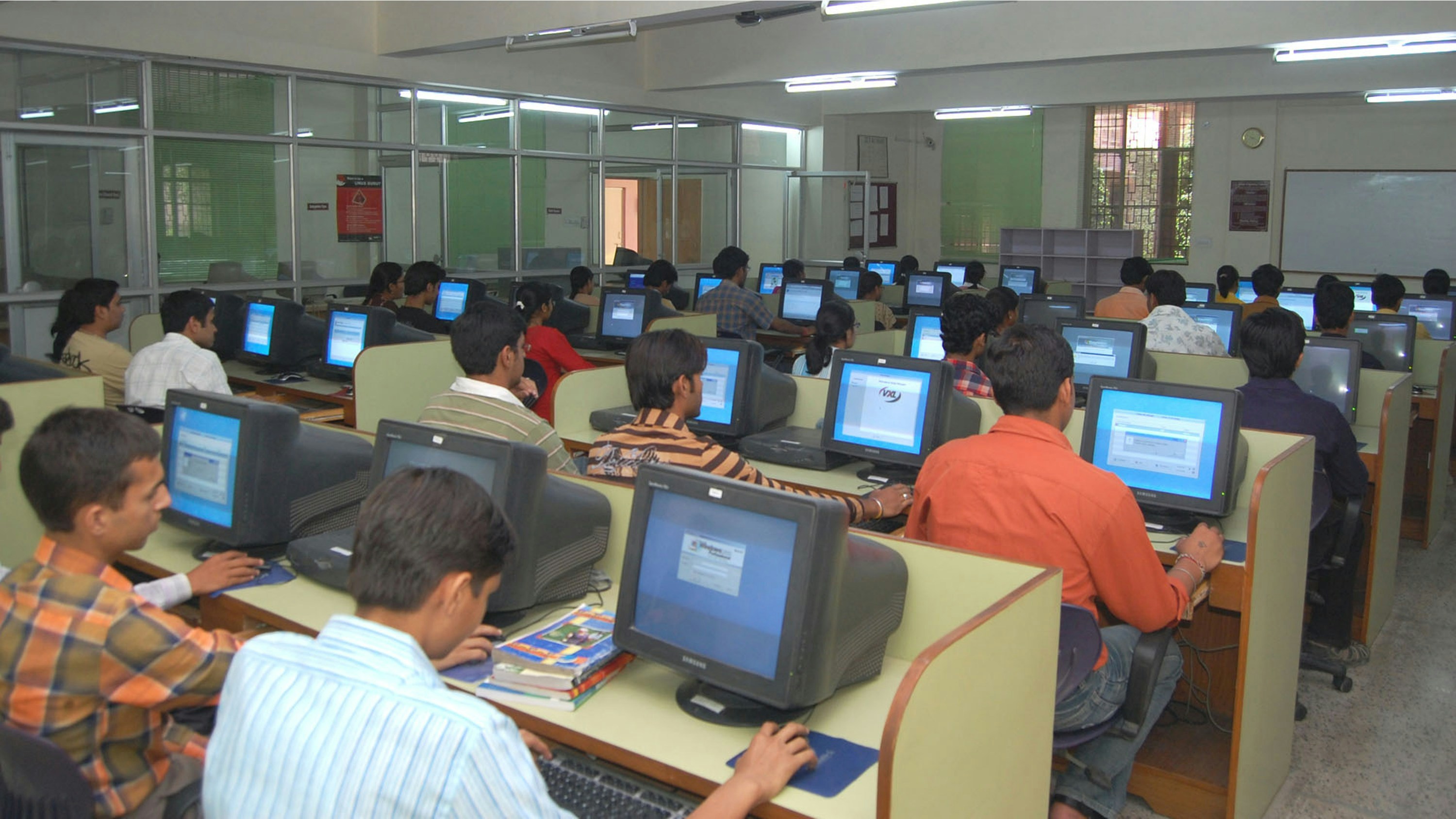

Institutions rely heavily on digital systems for education, administration, and collaboration. Modern learning environments depend on reliable software delivery to ensure students and staff can access the resources they need without delay. Traditional computer labs once defined academic technology, but times have changed. Schools and universities now seek flexible, efficient, and secure ways to deliver applications anywhere, on any device. Modern tools for software access redefine that experience and support better outcomes for everyone involved.
Improving Flexibility in Software Delivery
Education no longer happens only in classrooms. Students expect to work on assignments from home, in libraries, or on the move. Modern access tools make that possible without complicated installations or hardware limitations. Institutions that adopt cloud-based application delivery systems allow users to reach software securely from any device.
This flexibility improves participation and supports remote learning initiatives. Whether students work on a campus computer or a personal laptop, they experience the same functionality. Faculty members benefit from the same advantage when preparing lessons or managing grading software. Accessibility from multiple locations keeps productivity high and eliminates dependency on specific lab computers.
Reducing IT Burden and Streamlining Management
Institutional IT departments face growing demands with limited resources. Managing multiple software versions across hundreds of devices consumes valuable time. Modern access solutions simplify this process through centralized control. Administrators can manage licensing, permissions, and updates in one interface instead of working machine by machine.
Automation tools further reduce manual work. Updates deploy instantly across all devices, ensuring every user runs the most secure and compatible version. These systems lower maintenance costs and minimize disruptions during academic sessions. With less time spent on installations, IT teams can focus on improving infrastructure and user support.
Enhancing Performance and User Experience
Lagging or inconsistent software performance frustrates students and instructors. Newer delivery models use cloud-based optimization to ensure smooth performance regardless of device power or location. Applications launch faster and run more efficiently, creating a consistent experience across all platforms.
Modern solutions manage bandwidth intelligently. They adjust performance dynamically to match connection strength, maintaining stability even during peak usage. This performance consistency supports active learning environments where timing and reliability matter most. Institutions gain happier users and fewer technical complaints.
Strengthening Security and Compliance
Data protection remains a top priority for educational organizations. Student records, grades, and research materials require strict security controls. Modern software access tools integrate advanced encryption, multi-factor authentication, and centralized policy enforcement to protect sensitive data.
With traditional installations, security depended heavily on individual devices. Centralized access eliminates that risk. When applications run in secure environments rather than directly on user hardware, institutions control every interaction. Compliance with privacy regulations becomes easier to maintain. Consistent monitoring and access logging protect against unauthorized use and potential data loss.
Exploring Flexible Virtual Access Solutions
Virtualization changed the way institutions think about software access. Traditional virtual desktop infrastructure (VDI) once led the field, but its limitations prompted the rise of improved systems. Many organizations now explore VDI alternatives to achieve the same accessibility with less complexity and cost. These solutions offer lightweight, browser-based access that delivers the same software experience without requiring full virtual desktops. Institutions using such services can provide seamless access to all students, no matter what device they use. This modern approach reduces overhead, increases scalability, and adapts easily to evolving academic needs.
Supporting Hybrid and Remote Learning Models
Modern education relies on flexibility. Students combine in-person and remote learning, making consistent access vital. Advanced software delivery tools enable that hybrid structure with ease. Users access the same set of applications from any location without needing multiple licenses or physical installations.
Institutions benefit from simplified resource management. They can scale access quickly to accommodate growing enrollment or temporary remote learning requirements. When software lives in a centralized environment, institutions avoid logistical challenges like distributing licenses or updating local machines individually.
Increasing Accessibility for Diverse Users
Accessibility goes beyond physical spaces. Modern tools make software available to all learners regardless of their technical skills or disabilities. Cloud-based access supports screen readers, adaptive devices, and personalized interfaces that improve usability.
Students who use different operating systems or older hardware no longer face barriers. The technology adapts to their devices instead of the other way around. This inclusivity aligns with institutional goals of equal access to education for everyone.
Simplifying Collaboration Across Departments
Effective collaboration drives innovation within universities and colleges. Shared access platforms create smoother communication between departments and project teams. Faculty can work together on research applications, while students from different programs can share the same software environments.
This unified access supports interdisciplinary projects that rely on multiple software tools. Instead of juggling installations or compatibility issues, users focus on their work. Centralized management keeps data consistent and eliminates confusion about software versions or storage locations. Collaboration becomes faster and more organized.
https://unsplash.com/photos/a-group-of-people-sitting-at-desk-with-laptops-LKySOH0mr38
Institutions that embrace modern tools for software access improve flexibility, security, and user experience across every department. Students gain freedom to learn anywhere, while faculty and IT teams work more efficiently. Cost savings, enhanced accessibility, and consistent performance make these systems invaluable for education in a connected world. Adopting forward-thinking solutions ensures institutions remain resilient, innovative, and ready to meet the needs of the next generation of learners.
-
NEWSLETTER
 Subscribe for our daily news

Most Popular