
European automakers have long dominated the market, but a new wave of competition from China is on the horizon.
Following BYD’s entry into Czechia in April, seven more Chinese brands are preparing to follow, targeting both budget-conscious buyers and the premium segment. Their arrival marks a new chapter in the region’s transition to electric mobility.
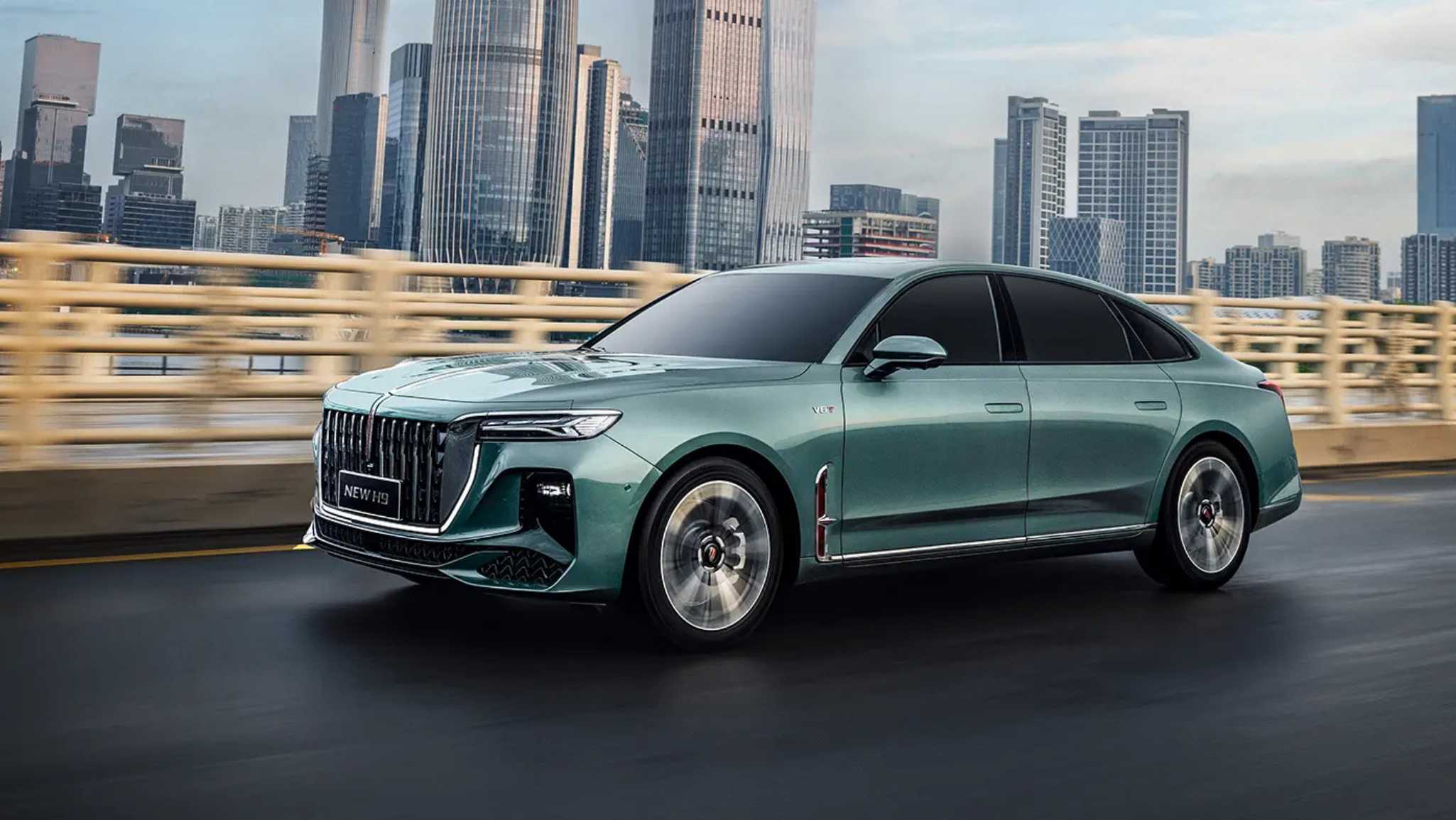
Hongqi: China’s Luxury Answer to Mercedes and BMW
Hongqi, which means “Red Flag”, has an illustrious past. Once the exclusive supplier of limousines for Chinese political leaders, the brand has evolved into an ambitious global player. In China, it competes directly with Audi, BMW, and Mercedes-Benz, and now it plans to take on the same rivals in Europe.
While Hongqi originally produced combustion models for the elite, it now focuses on electric vehicles. Its flagship model, the E-HS9, is a large electric SUV reminiscent of the Rolls-Royce Cullinan in both size and style. It combines premium materials with strong performance and a range exceeding 500 km.
Hongqi has already launched in Norway and Sweden, with plans to enter the UK and other Western European markets in 2026. It aims to win customers through bold design and competitive pricing, though convincing European buyers that a Chinese luxury brand can rival established names will be a challenge.
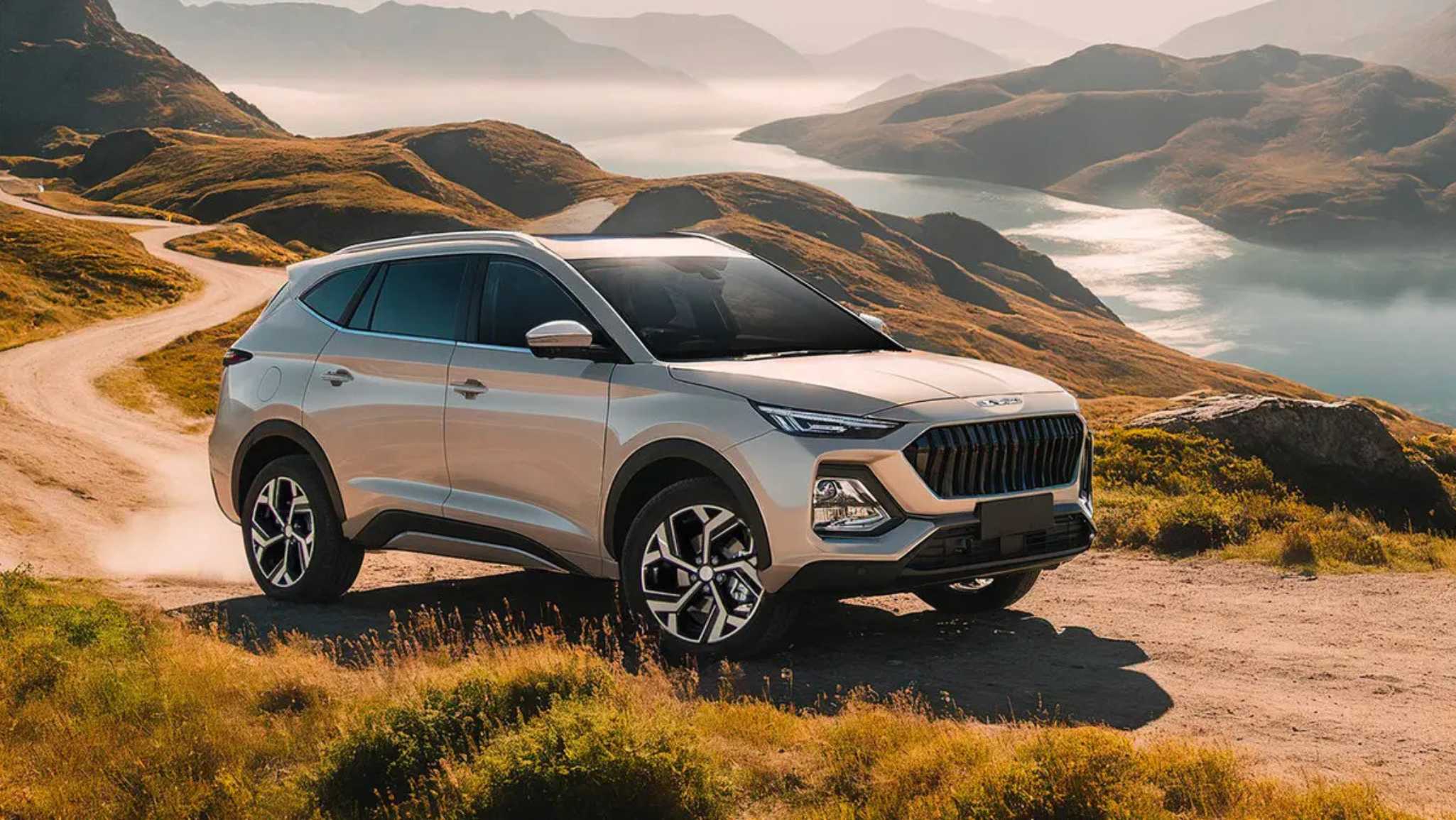
Omoda and Jaecoo: Chery’s Twin Brands for Young and Premium Drivers
Under the umbrella of Chinese manufacturer Chery, two new brands — Omoda and Jaecoo — are preparing to enter the European market. Though they share the same technical platform, each targets a distinct audience. Omoda focuses on young, tech-oriented drivers, while Jaecoo aims for higher-end customers seeking off-road-capable SUVs.
Omoda’s first European model, the Omoda 5, comes in both combustion and electric versions and features striking styling, advanced safety systems, and a high-tech interior. Jaecoo’s 7 model targets competitors like the Volkswagen Tiguan and Toyota RAV4, available with gasoline or hybrid powertrains.
Chery plans to begin sales of both brands in Czechia in 2025. With modern technology and an aggressive pricing strategy, Omoda and Jaecoo could become serious challengers in the crowded crossover and SUV segments.
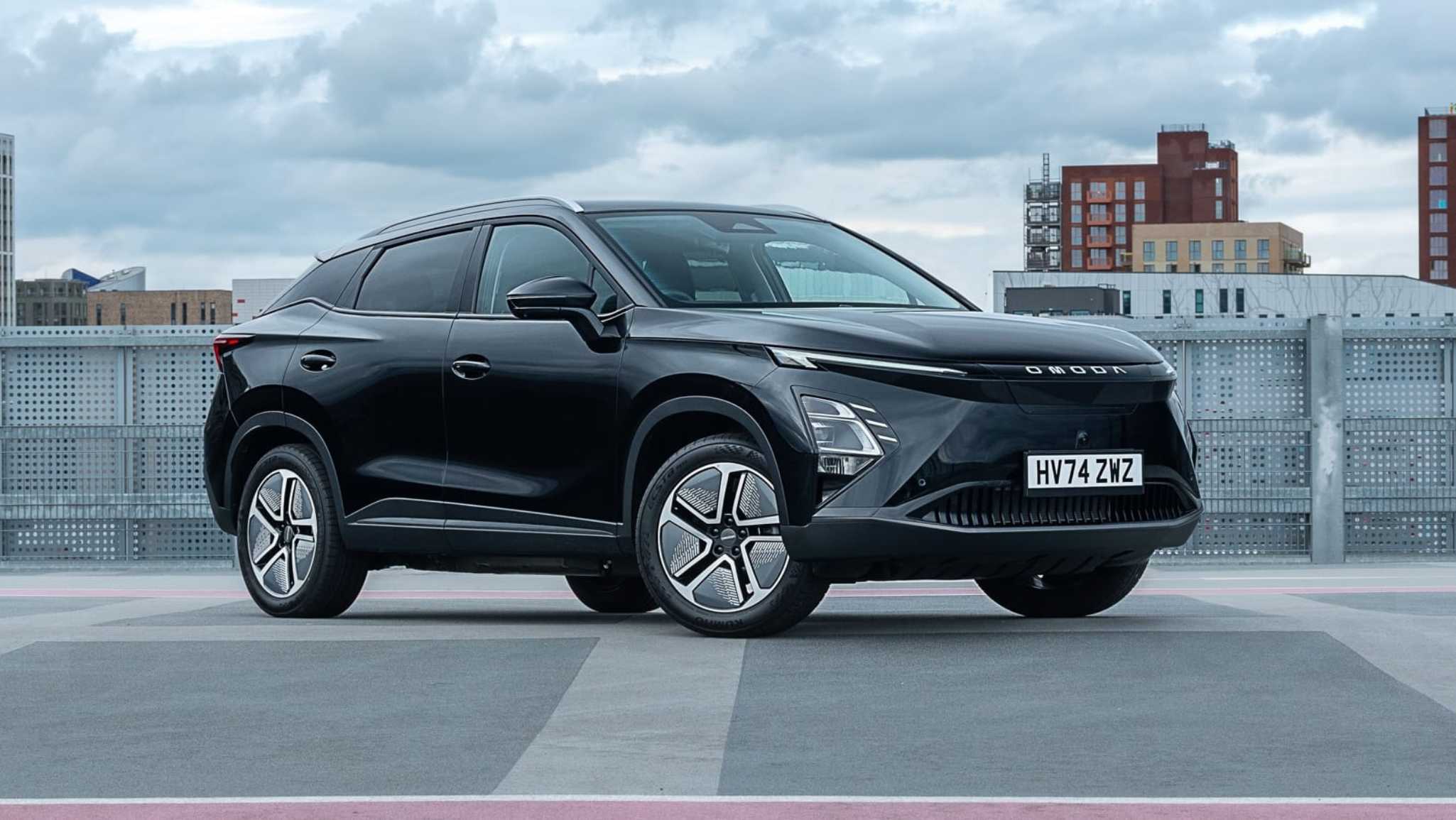
Omoda E5
DR Automobiles: An “Italian” Brand with Chinese Roots
DR Automobiles, an Italian manufacturer founded in 2006, combines European design with Chinese engineering. Its business model is straightforward: use platforms and engines from Chery, JAC, and BAIC, adapt them for Europe, and offer them at competitive prices.
In 2023, the company was fined nearly CZK 150 million for misleading consumers about the origin of its vehicles. Although marketed as Italian, DR cars were essentially imported from China and rebadged. Investigations found models like the DR 3.0 and DR 5.0 to be nearly identical to Chery’s Tiggo 2 and Tiggo 4.
The brand offers affordable SUVs such as the DR 5.0 and DR 7.0, comparable to Hyundai and Dacia models. It also operates EVO, Sportequipe, and ICX sub-brands focused on sportier or greener variants.
DR Automobiles entered the Czech market in 2024. Its strength lies in pricing and equipment levels, offering larger, well-equipped vehicles for the price of smaller European ones. The real test, however, will be long-term reliability and quality.
Geely: The Chinese Powerhouse Behind European Icons
What began as a Chinese automaker, Geely has grown into one of the most influential players in global automotive manufacturing. Rather than competing solely through its own models, it has strategically acquired major European brands such as Volvo, Lotus, and Smart, along with LEVC (the maker of London taxis) and a stake in Mercedes-Benz.
Geely’s premium electric division, Zeekr, offers models like the Zeekr 001, a luxury fastback with a 600+ km range, competing with the Tesla Model S. Another sub-brand, Lynk & Co, is experimenting with car subscriptions instead of traditional ownership.
While Volvo is already well established in Czechia, Zeekr and Lynk & Co are currently focusing on Western Europe. Geely’s gradual expansion suggests it could soon strengthen its presence in Central Europe as the region’s demand for electric vehicles continues to rise.
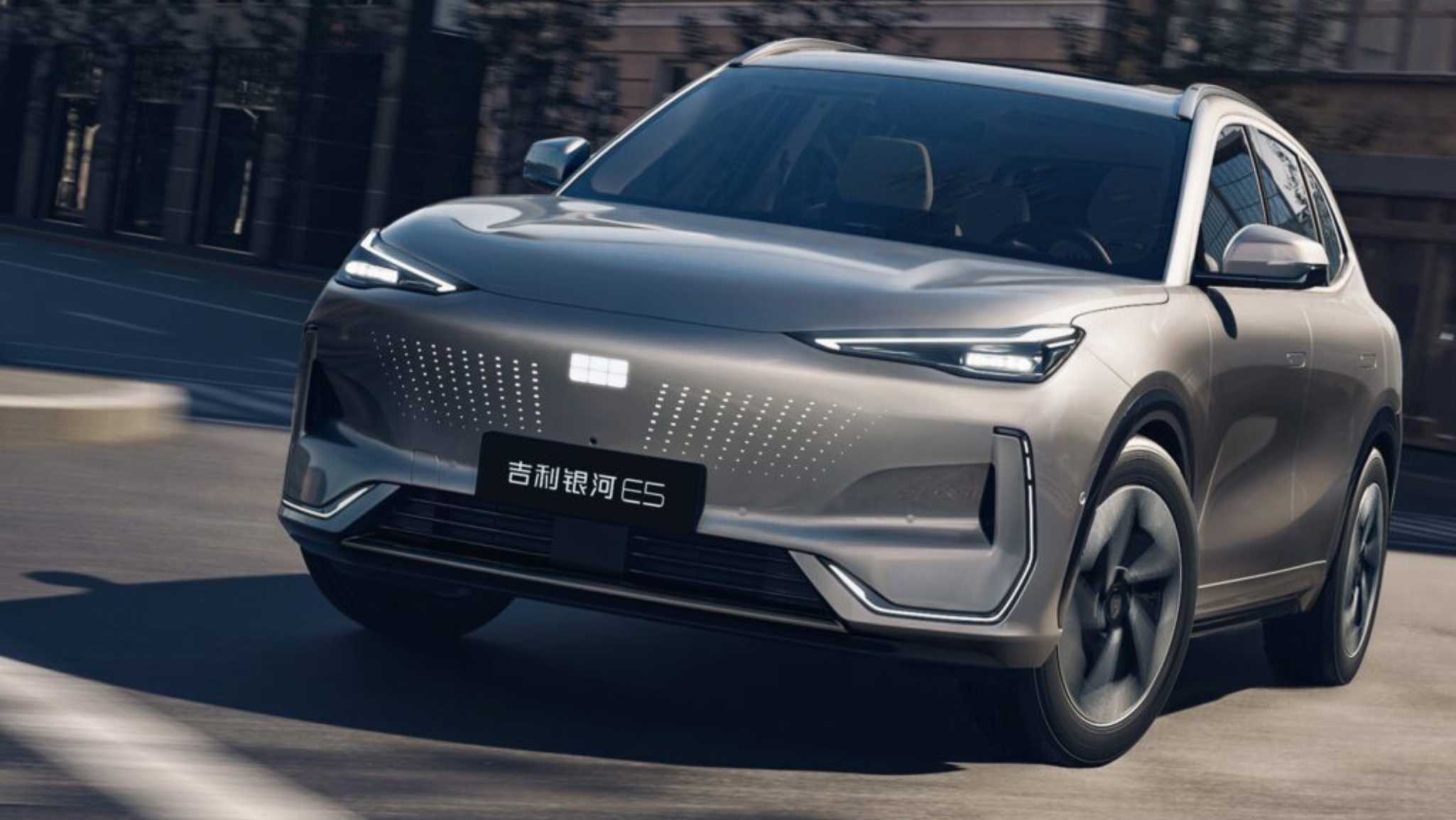
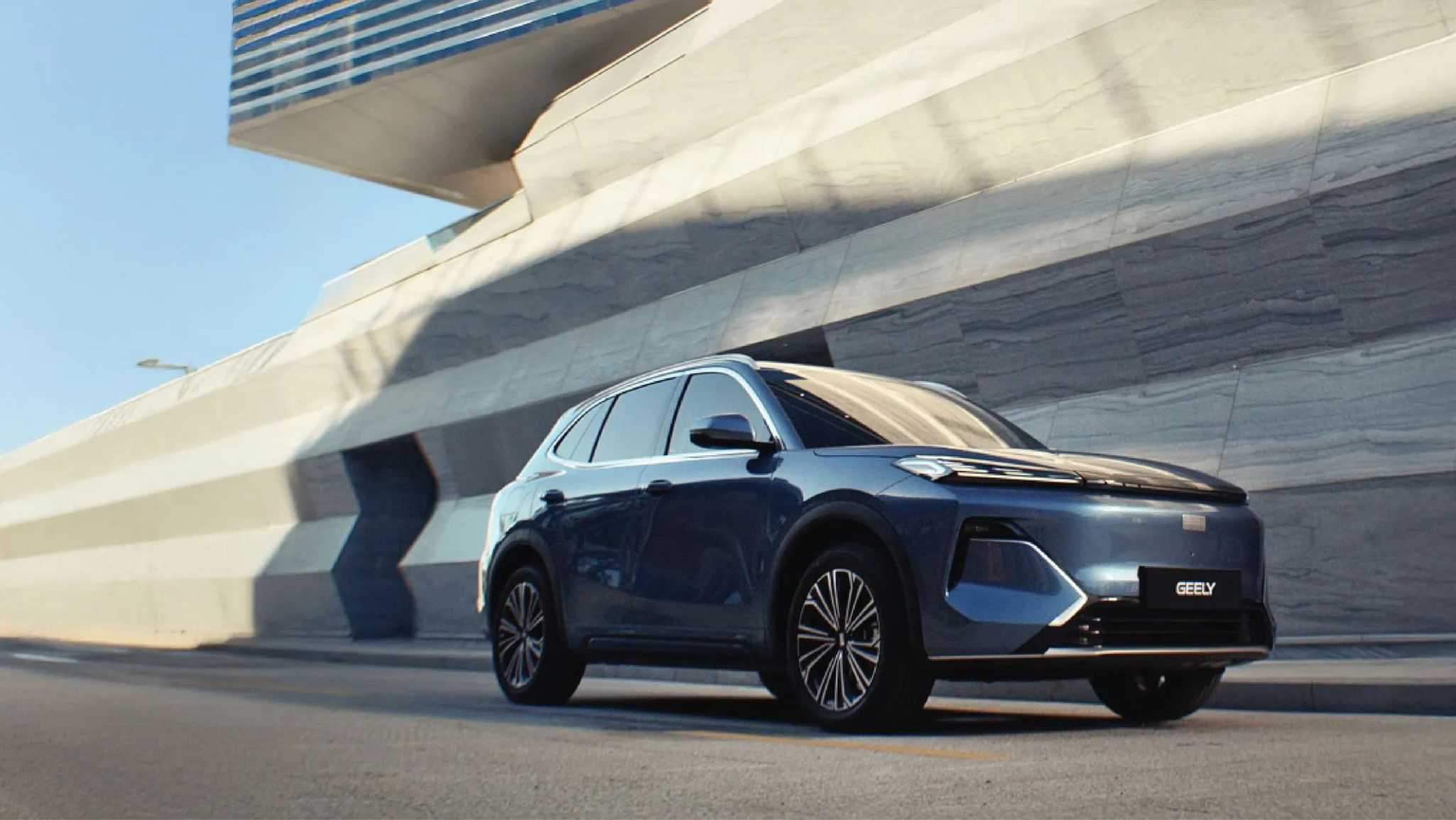
Geely SUV Galaxy E5
Nio: The “Chinese Tesla” with a Battery-Swap Revolution
Often dubbed the “Chinese Tesla,” Nio builds premium electric cars with long range, minimalist design, and advanced technology. Its standout innovation is the Power Swap system, which allows a depleted battery to be replaced with a fully charged one in just three minutes — eliminating charging wait times altogether.
Nio has already deployed this network across Norway, Germany, and the Netherlands, where EV adoption is strongest. It is now planning to expand eastward and launch a more affordable Firefly brand, which could make it appealing for markets like Czechia. If battery-swap infrastructure spreads further, Nio’s model could redefine electric mobility convenience.
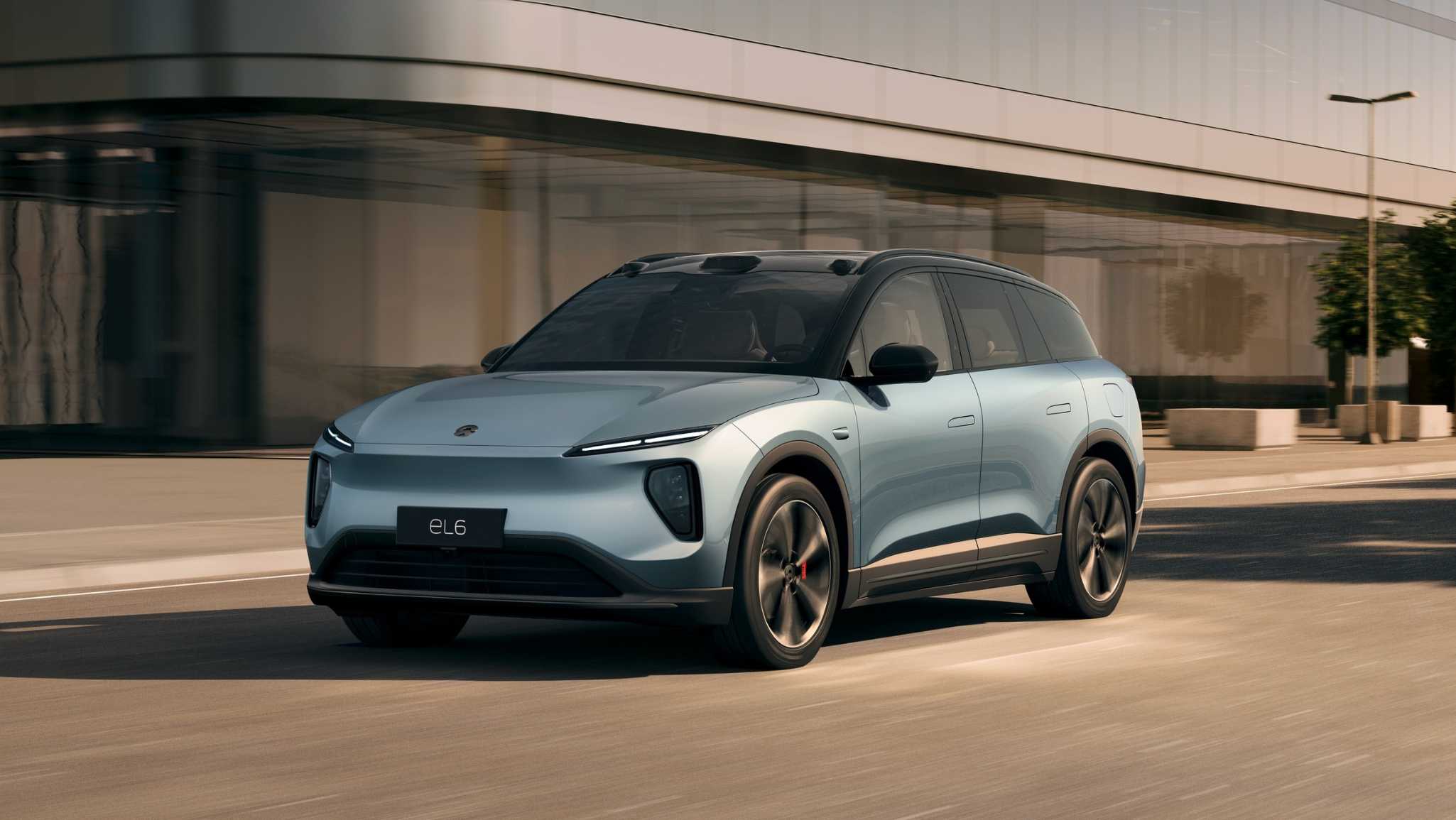
nio el6
Xpeng: The High-Tech Challenger Backed by Volkswagen
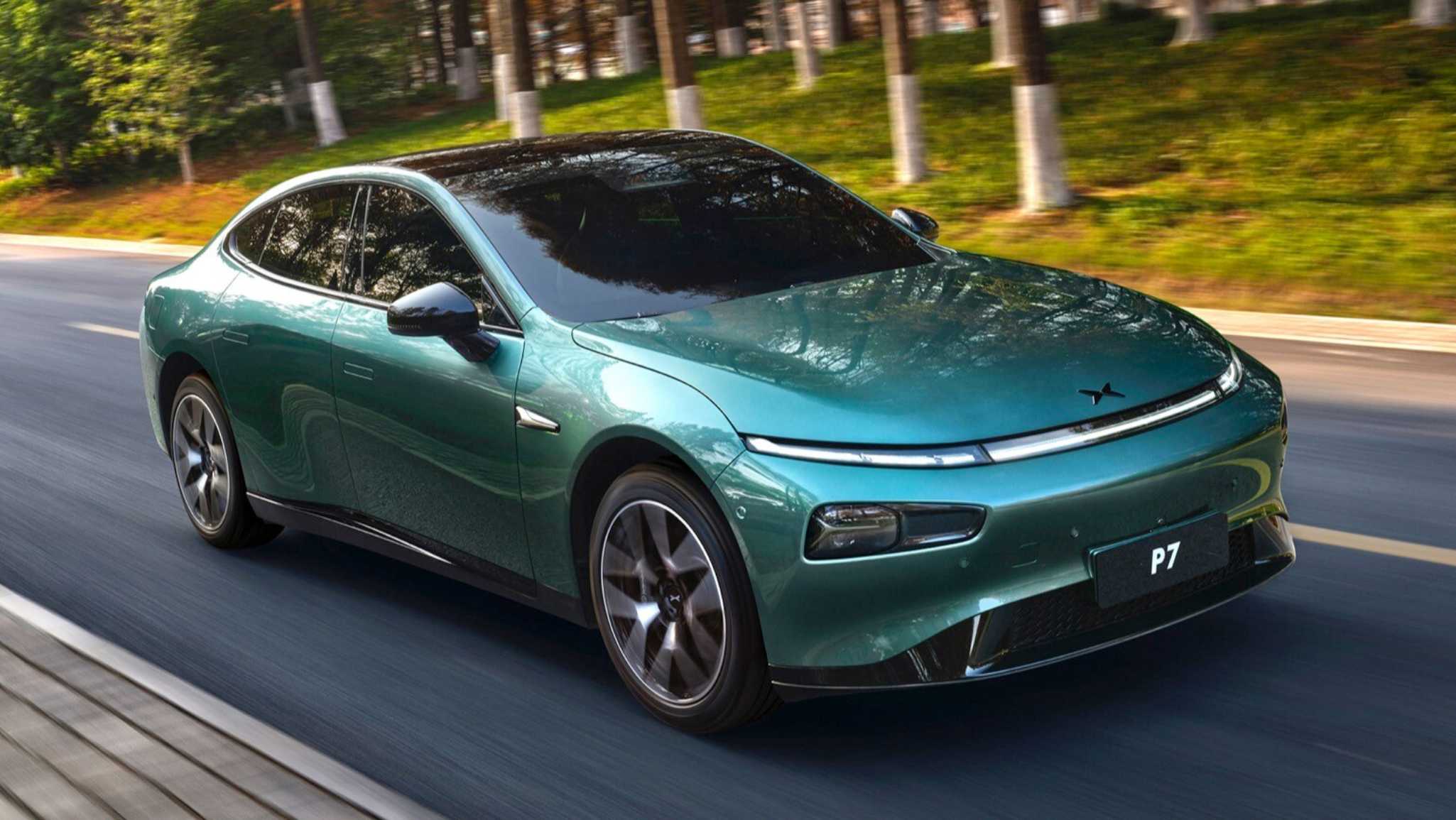
Xpeng has made a name for itself through its focus on autonomous driving, AI integration, and cutting-edge software. Its models, including the P7 sports sedan and G9 luxury SUV, feature advanced sensors and assistance systems that rival the best from Europe and the U.S.
In 2023, Volkswagen Group announced a strategic partnership with Xpeng, investing directly in the company and collaborating on future electric models. This partnership gives Xpeng access to European expertise while accelerating its expansion.
Currently selling in Norway, Sweden, and the Netherlands, Xpeng plans to enter Germany, the UK, and France in 2025, with Central Europe expected to follow soon after. With Volkswagen’s backing, Xpeng could become a serious contender on Czech roads.
MG: A British Icon with Chinese Power
Originally founded in the UK, MG (Morris Garages) rose to fame in the 20th century as a maker of sporty roadsters. After financial struggles in the 1990s, it was acquired by Chinese giant SAIC Motor, which transformed it into a modern manufacturer of affordable and technology-driven cars.
Thanks to Chinese investment and Asian production, MG has successfully returned to Europe with popular models like the MG4 (compact EV hatchback), MG ZS EV, MG EHS hybrid, and the MG5 EV estate — one of the few electric cars available as a station wagon.
Already strong in Western Europe, particularly in the UK, Netherlands, and Germany, MG is now gaining ground in Central Europe. It entered the Czech market less than three years ago and is already among the top 20 best-selling brands thanks to its price-to-performance appeal.
Would you like us to write about your business? Find out more
-
NEWSLETTER
 Subscribe for our daily news

Most Popular