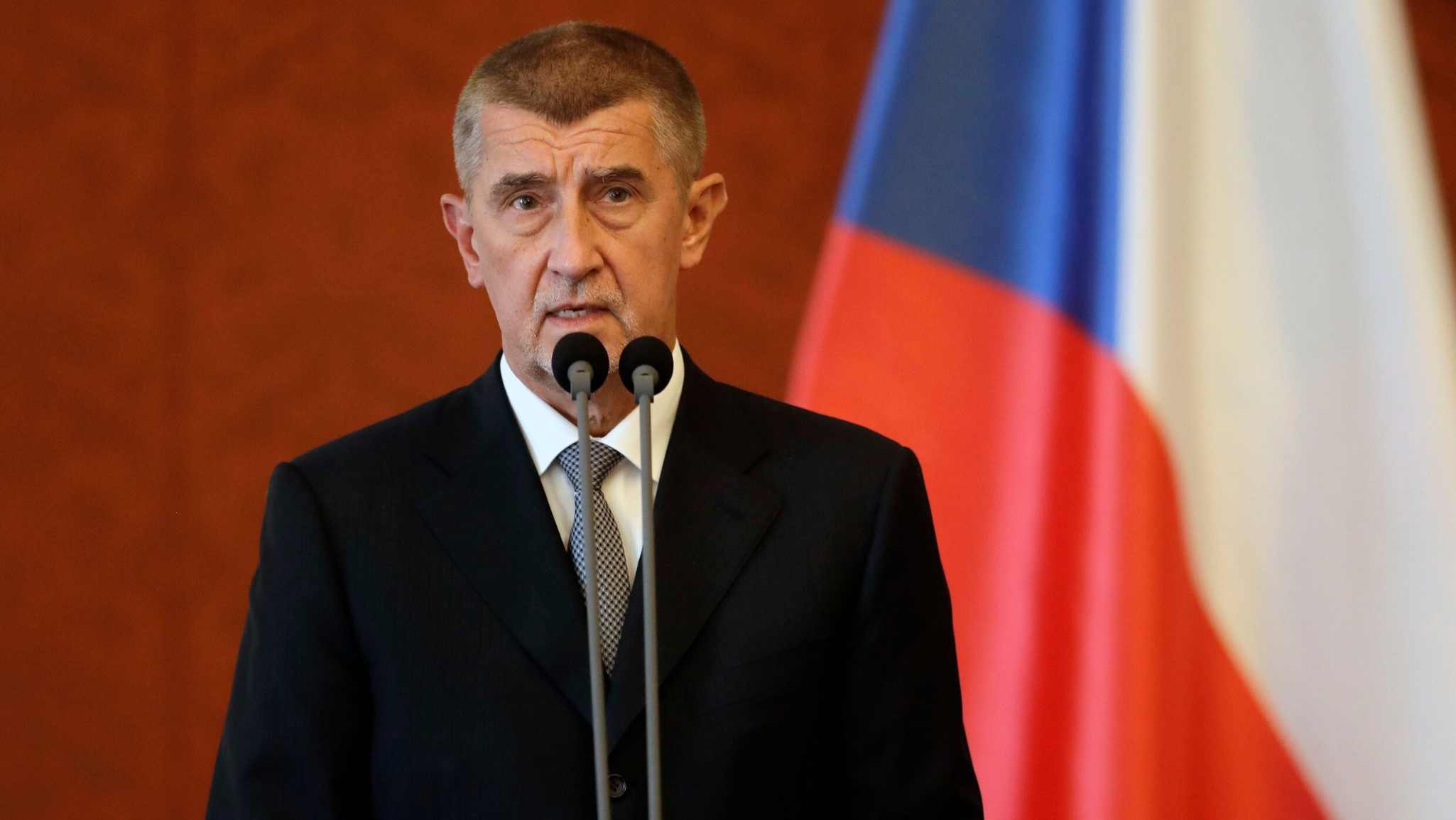

The Czech Republic has delivered over a million artillery shells to Ukraine, but the populist ANO party criticizes this initiative.
Its leader, Andrej Babiš, promises to stop supplies if he comes to power, considering the costs too high for taxpayers.
Babiš stated that the money should be spent “on our own people.” In an interview with Reuters, he called the initiative “rotten” and said it would be stopped if his party returned to power.
“According to the information we have, it’s about an inadequate profit margin, low quality, and questionable suppliers. For these reasons, this issue should be dealt with at the NATO level,” said ANO deputy chairman Karel Havlíček to POLITICO.
The Czech government, led by Prime Minister Petr Fiala, has defended the ammunition supply initiative.
“Any halt to the initiative would be a real gift to [Russian President Vladimir] Putin. Those who talk about it risk Europe’s security,” Foreign Minister Jan Lipavský warned last month at a meeting with Czech ambassadors.
Prague launched the ammunition supply program in 2024 in response to US delays in supplying shells to Ukraine. Due to a shortage of weapons, Kyiv experienced a critical lack of arms at a time when Russia was receiving aid from its ally North Korea and gaining an advantage on the battlefield.
Czech President Petr Pavel stated that before the initiative began, Russia had a tenfold advantage in artillery ammunition, but since then, this advantage has narrowed to two to one in Moscow’s favor.
The initiative involves collecting ammunition donated by the West, as well as purchasing shells on the global market and sending them to Kyiv. This eases the burden on other countries, and organizers claim that the amount of donations is proof of its success.
Last year, the Czech Republic coordinated the supply of 1.5 million large-caliber ammunition with financial support from 14 countries. This year, 1.8 million ammunition units are planned to be delivered, said Oleksiy Vytechka, head of the Intergovernmental Agency for Defense Cooperation.
These efforts have been criticized for alleged lack of transparency, but in an interview with the BBC, Pavel called such complaints “attempts to undermine the initiative.”
Would you like us to write about your business? Find out more
-
NEWSLETTER
 Subscribe for our daily news

Most Popular