
Alcohol consumption in the Czech Republic is once again under debate, as doctors, public health experts, and policymakers call for stricter rules on sales, advertising, and availability.
Emerging data and mounting pressure are forcing politicians to consider legislative changes—some of which now appear in party platforms ahead of the next elections.
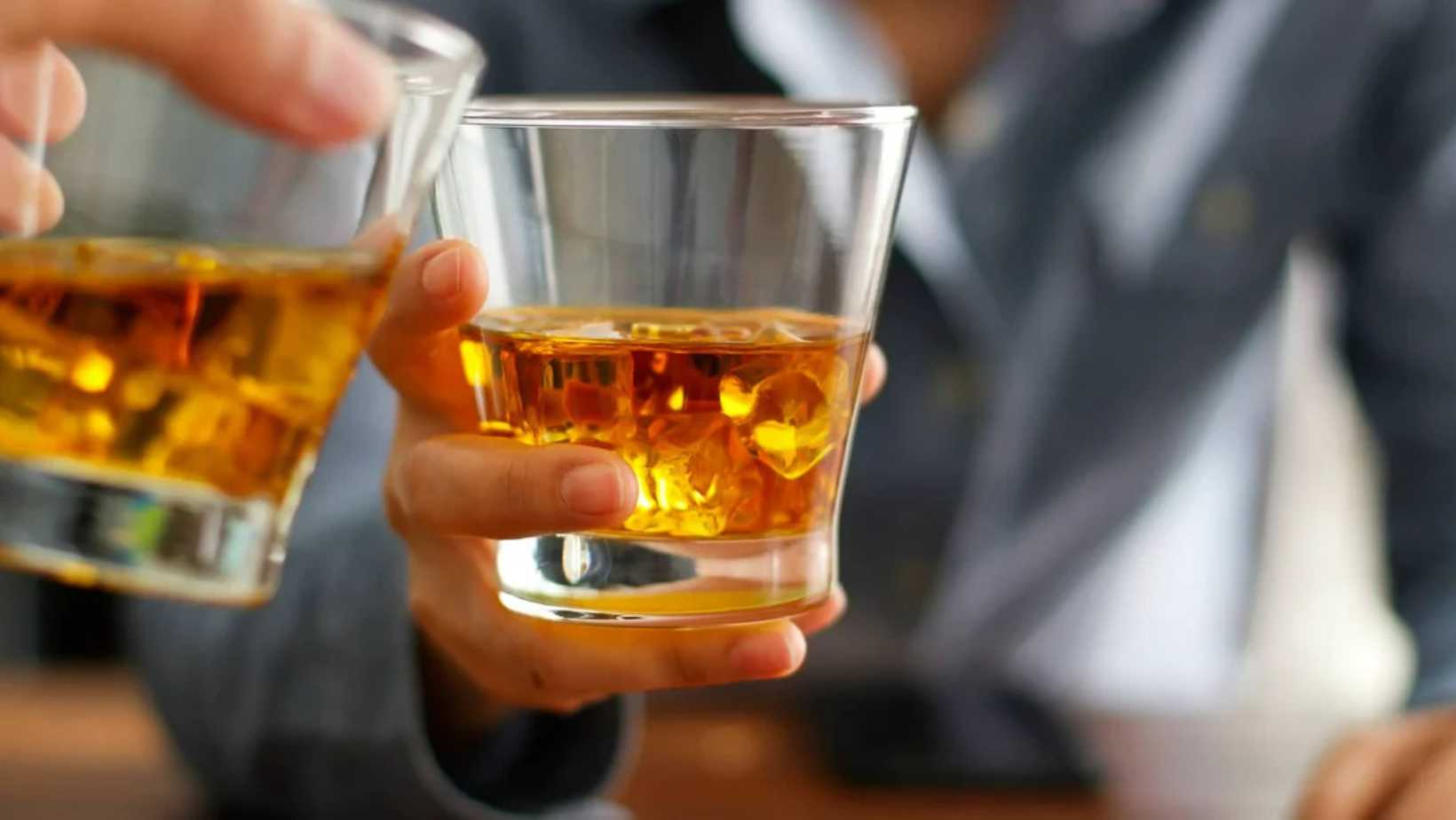
According to statistics cited in Seznam Zprávy, the average Czech drinks over 160 liters of alcoholic beverages annually, equal to more than 9 liters of pure alcohol per person. Beer remains the dominant drink (46%), followed by spirits (28%) and wine (25%).
But the figures that worry experts most involve teenagers. Nearly three-quarters of Czech 15-year-olds have already tried alcohol. Despite existing laws prohibiting sales to minors, availability remains high, and enforcement is patchy at best.
Random police checks are carried out, but their effectiveness is limited. Price is also a factor—alcohol remains affordable even for teenagers, and the cultural norm treats drinking as a casual part of adolescence.
“There is no such thing as a safe dose of alcohol,” said Dr. Tomáš Šebek, founder of the Minister of Health think tank. “People associate drinking with liver damage or pregnancy complications, but they overlook increased risks of cardiovascular disease and weakened immunity.”
The Minister of Health initiative, backed by the World Health Organization (WHO) and the Association of Addiction Medicine, is now calling for tighter restrictions on alcohol advertising. Public opinion polls show strong support for banning alcohol ads at concerts and limiting their reach on radio and TV.
While Czech law already prohibits alcohol advertising aimed at youth, critics say enforcement is weak. Alcohol producers, who spend billions of crowns each year on marketing—especially around holidays and summer events—still reach a broad audience.
Not everyone supports tighter laws. Producers and importers argue that existing regulations are sufficient and enforcement, not legislation, is the issue. They warn that further restrictions would hurt small businesses.
Some measures are particularly controversial. For example, regularly increasing the excise tax or banning alcohol sales during late-night hours are not popular with the general public. But Health Minister Vlastimil Válek (TOP 09) believes tax policy needs a serious review, including removing the current exemption for still wines. He also supports tax harmonization across the European Union to stop consumers from traveling abroad for cheaper alcohol.
Beyond health, the economic costs of excessive drinking are massive. Estimates suggest alcohol-related issues—from healthcare expenses to lost productivity and public safety—cost the country between 50 and 75 billion CZK each year.
Still, regulation alone won’t solve the problem, experts warn. Changing the country’s relationship with alcohol requires a broader cultural shift, starting with how drinking is modeled to children and how society treats those who choose sobriety.
Would you like us to write about your business? Find out more
-
NEWSLETTER
 Subscribe for our daily news

Most Popular