
January 16 marks exactly 57 years since Czech student Jan Palach’s self-immolation at the top of Wenceslas Square that would lead to his death in hospital three days later.
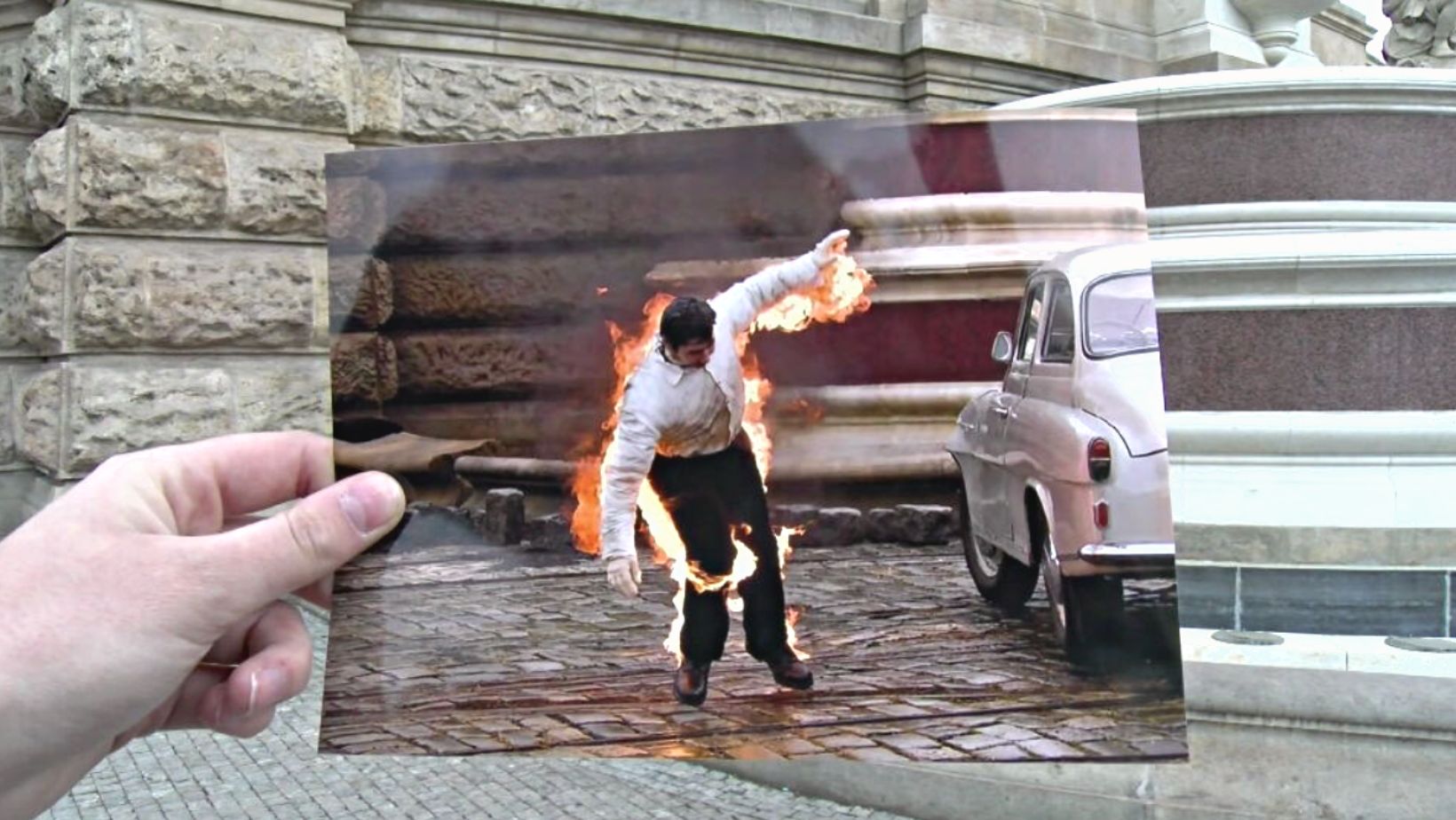
About half-past one, Jan Palach doused himself in petrol and set himself on fire near the fountain at the National Museum in Wenceslas Square in Prague. After several minutes, those passing managed to extinguish the living torch.
The seriously burnt student was taken to the Faculty Hospital in Vinohrady, but the injuries were so serious that he had no hope of surviving.
He left a letter at the site explaining the motives of his terrible act:
“As our nation is living in a desperate situation, and its reconciliation with fate has reached its utmost stage, we have decided that in this way we will express our protest and shake the conscience of the nation …ˮ He died three days later, on 19 January 1969.
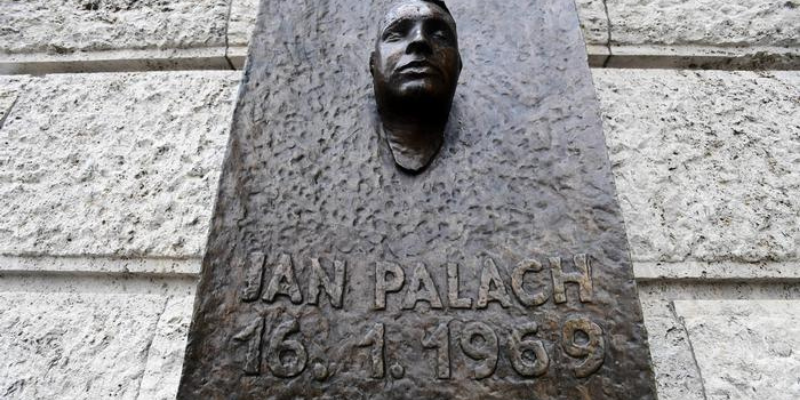
Palach called himself “Torch no. 1” in his letter, giving the impression that he was a part of a larger group which in fact did not exist. But several others followed his example in Czechoslovakia and other eastern bloc countries.
“People must fight against the evil they feel equal to measure up to at that moment,” Palach said before he died in hospital on Jan. 19.
Palach’s death did not change the gradual, almost total resignation in the Czechoslovak Socialist Republic. For almost twenty years, the name Jan Palach could only be whispered in public.
His life story immediately got into “forbidden” songs or strongroom literary works. Only after a change in relations in the autumn of 1989 could historians, documentarists or artists officially and freely present it.
Palach was not the only person to protest via self-immolation. Student Jan Zajíc followed on Feb. 25, 1969, also on Wenceslas Square. In April in the town of Jihlava, Evžen Plocek set himself on fire, though this was less publicized.
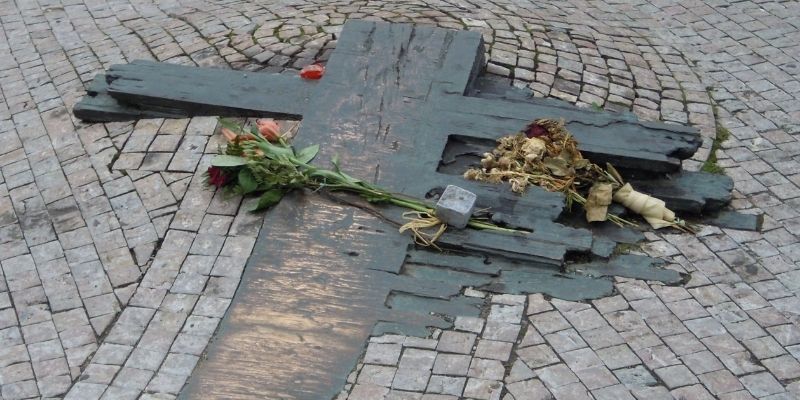
A memorial bronze cross on a small rise in the sidewalk is in front of the National Museum on Wenceslas Square.
There is a square in Prague named after Palach, náměstí Jana Palacha, where the Rudolfinum concert hall; Academy of Arts, Architecture and Design in Prague (VŠUP); Museum of Decorative Arts In Prague (UPM); and Philosophical Faculty of Charles University are located.
There are also streets and places named after him in other Czech towns, as well as in Luxembourg, France, Italy, the Netherlands, Poland, and Bulgaria.
Reactions to Palach’s act
Palach’s funeral in Prague on January 25, 1969, was attended by an estimated 200,000 people, turning the ceremony into a silent protest for freedom. Speaking at the funeral, Oldřich Starý, then head of Charles University, said:
“We – who care deeply for the fate and welfare of our country – take up the torch lit by Jan Palach, and, side by side, seek to defend life, truth, and freedom. We want to build a society where such heavy sacrifices are no longer necessary, where people can breathe freely, live with liberty, and take joy in life. This is the legacy of Jan Palach’s sacrifice, and may it never be forgotten, for it carries a timeless and universal significance.”
Would you like us to write about your business? Find out more
-
NEWSLETTER
 Subscribe for our daily news

Most Popular