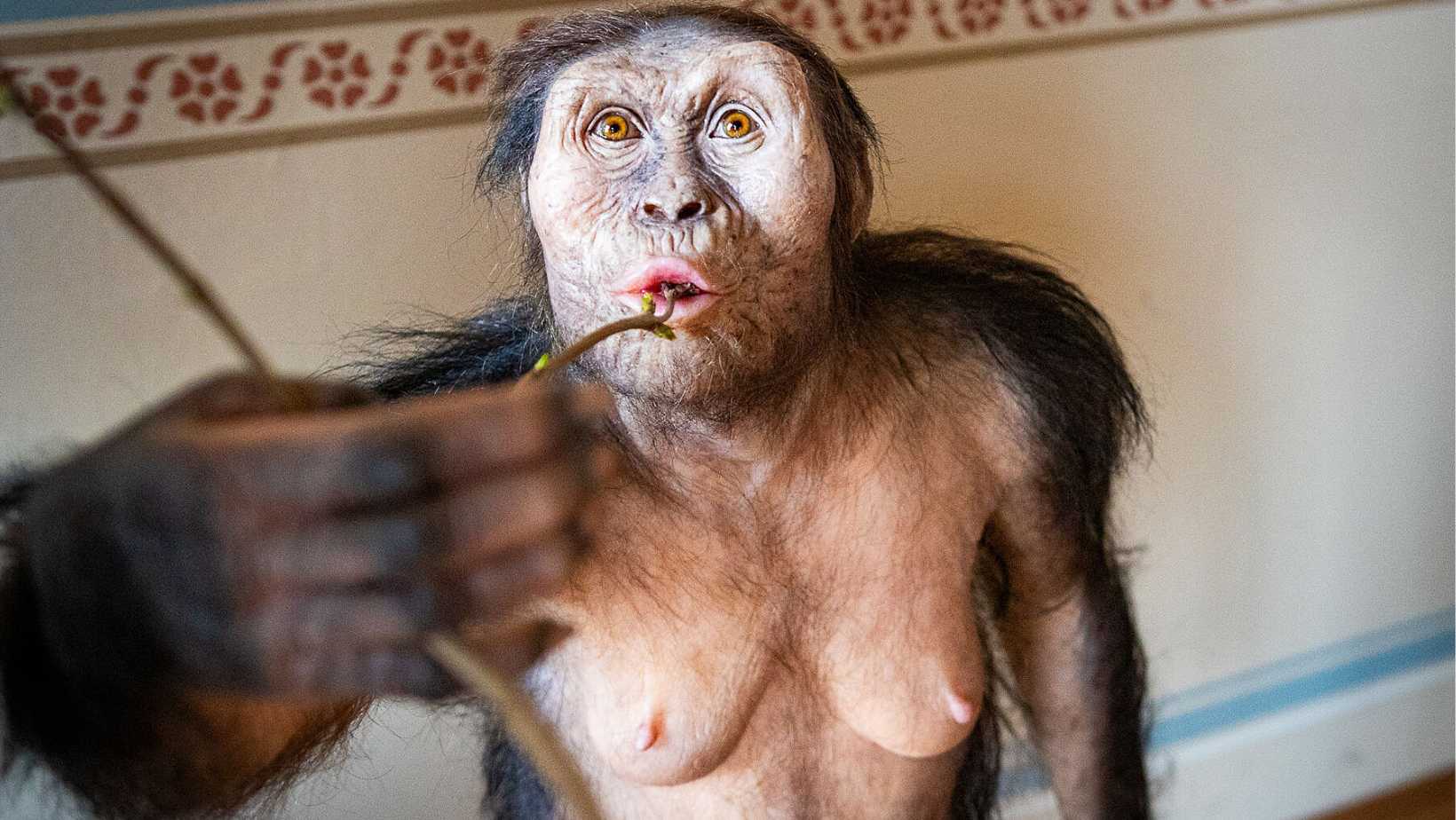

The famous fossil of Lucy, a 3.18-million-year-old Australopithecus afarensis, is being displayed in Europe for the first time at Prague’s National Museum.
The 52 bone fragments, on loan from Ethiopia’s National Museum in Addis Ababa, will remain on view for 60 days as part of the exhibition Human Origins and Fossils.
Lucy was discovered in Ethiopia in 1974 by Donald Johanson and became one of the most complete early human ancestor finds of its time.
Her remains include parts of the pelvis, skull, and femur, offering groundbreaking insight into human evolution.
Alongside Lucy, visitors can also see Selam, the fossilized skeleton of a young Australopithecus who lived about 100,000 years earlier and was unearthed in the same region in 2000 by Zeresenay Alemseged.
This marks Selam’s first showing outside Ethiopia.
National Museum director Michal Lukes called the remains “among the most precious and oldest paleoanthropological exhibits in the world.”
Ethiopian officials highlighted the exhibition as a way to promote the country as the birthplace of humanity.
Lucy, named after The Beatles’ Lucy in the Sky with Diamonds, stood about 1.1 meters tall and walked upright. Research suggests she may have also climbed trees and possibly died from a fall.
Once considered the oldest known human ancestor, her place in history has since been redefined by even older discoveries such as Ardi and Toumai.
Would you like us to write about your business? Find out more
-
NEWSLETTER
 Subscribe for our daily news

Most Popular