
European gas prices surged this week after liquefied natural gas production in Qatar was halted and shipping routes in the Strait of Hormuz were disrupted.
While several EU countries face potential supply pressure, Czechia is not directly exposed to the current outage.
At the Dutch TTF hub, the benchmark for European gas trading, prices climbed sharply. On Tuesday morning, gas rose by 26 percent to more than €56 per megawatt-hour. By midday, April contracts exceeded €64 per MWh, marking a rise of roughly 45 percent since the start of the week.
The escalation follows attacks on energy infrastructure in the Middle East. On Monday, the Qatari state energy company QatarEnergy suspended LNG production after drones struck its Ras Laffan industrial complex and a power facility. Iran also targeted oil installations in Saudi Arabia, forcing parts of a refinery operated by Saudi Aramco to halt operations.
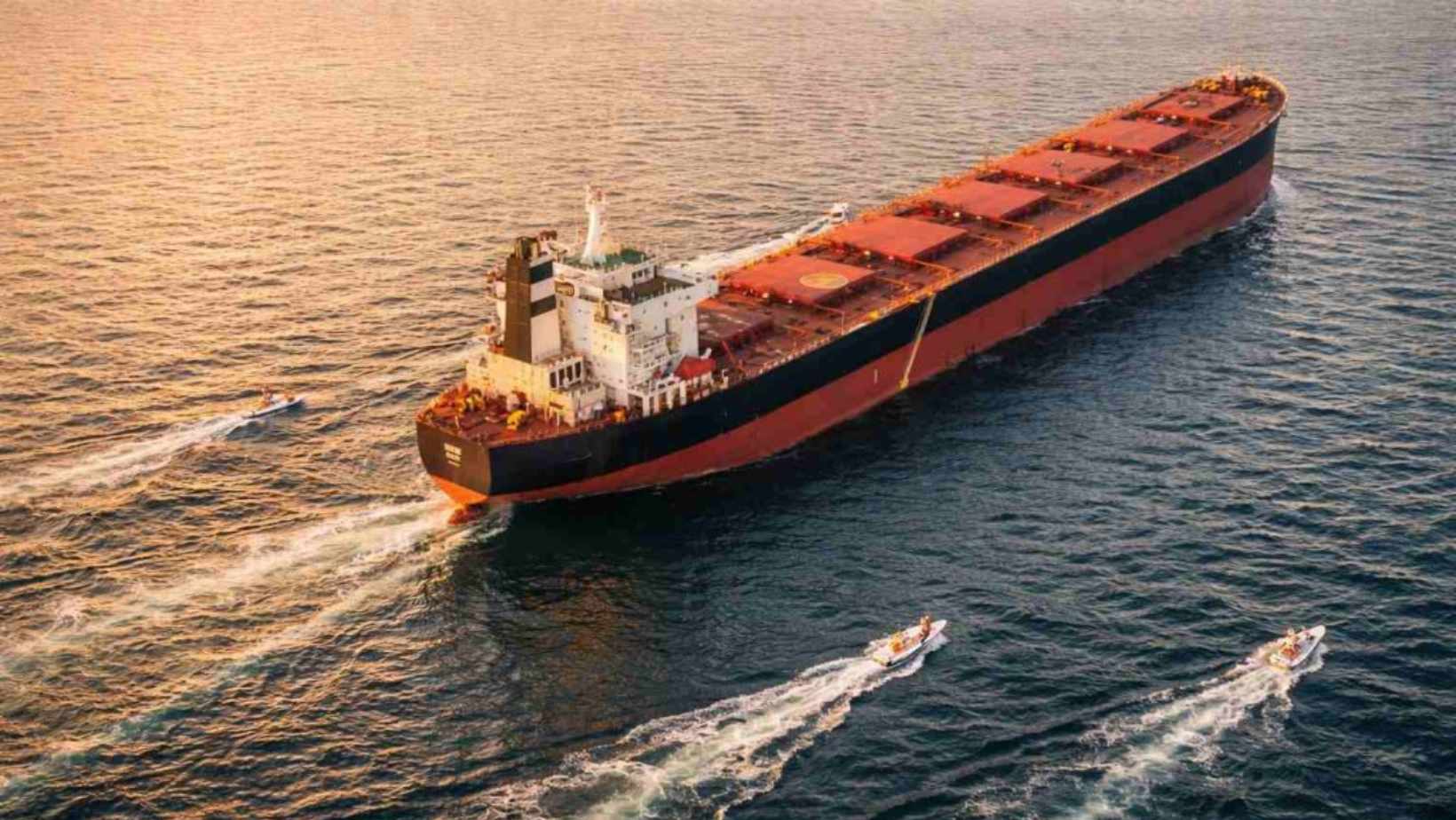
Shipping traffic through the Strait of Hormuz — a key corridor for global energy exports from Qatar and the United Arab Emirates — has been blocked since the weekend. The disruption immediately affected commodity markets. On Monday alone, European gas prices jumped by as much as 50 percent.
Qatar supplies roughly 10 percent of Europe’s LNG imports. About half of its deliveries were destined for Italy, making it the most exposed EU country in the short term. Additional volumes flow to Belgium, Spain and Poland.
According to Martin Slabý, chairman of the Czech Gas Association, Qatar sends around 2.7 billion cubic meters of gas annually to Poland’s LNG terminal in Świnoujście under a long-term contract.
Czechia does not import Qatari gas directly. Domestic supplies therefore remain stable for now. “The key factor is that the current situation does not threaten gas availability in the short term, especially as the heating season is coming to an end,” said Pavel Grochál, spokesman for energy supplier Innogy.
Still, prolonged instability in the Middle East could translate into higher prices for households and businesses. If wholesale prices remain elevated for weeks or months, suppliers may adjust tariffs for customers without fixed contracts.
Grochál noted that most Czech households are protected from immediate price swings because they have fixed-rate contracts lasting up to three years. New customers or those on variable tariffs could feel the impact sooner, depending on how markets evolve in the coming weeks.
Analysts say the supply gap left by Qatar could be partially offset by LNG shipments from the United States. However, competition with Asian buyers may limit availability. Asian importers — particularly China, India and Japan — account for the majority of Qatari exports and are now seeking alternative supplies.
Some European countries may face additional pressure because of relatively low gas storage levels, particularly the Netherlands, Germany and, to a lesser extent, France and Poland. As temperatures rise in Central and Western Europe, seasonal demand should ease, reducing immediate risks.
According to Bloomberg, the search for replacement cargoes is already under way. Chinese gas buyers have reportedly urged Tehran to ensure continued operation of energy routes in the region.
Would you like us to write about your business? Find out more
-
NEWSLETTER
 Subscribe for our daily news

Most Popular