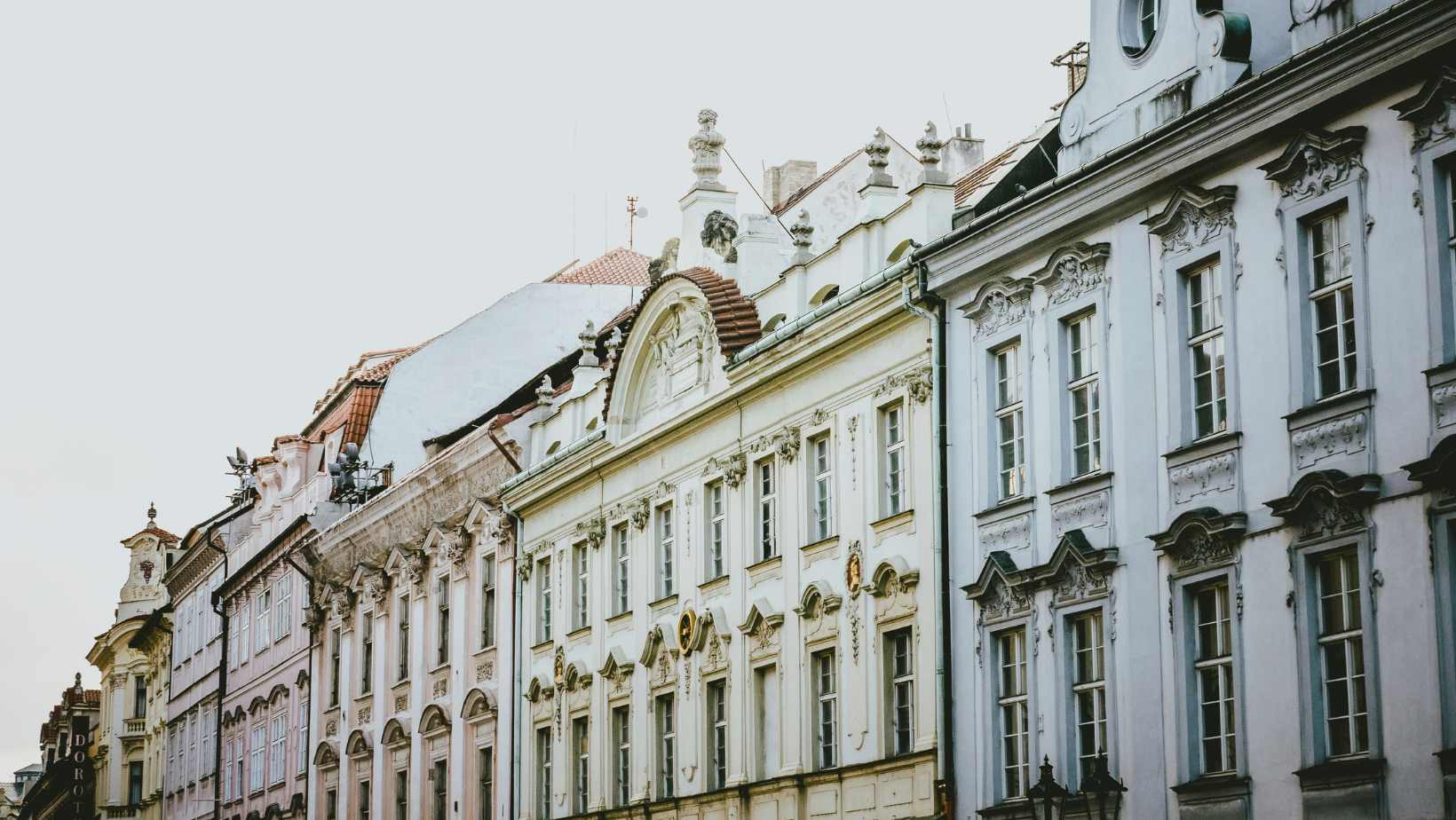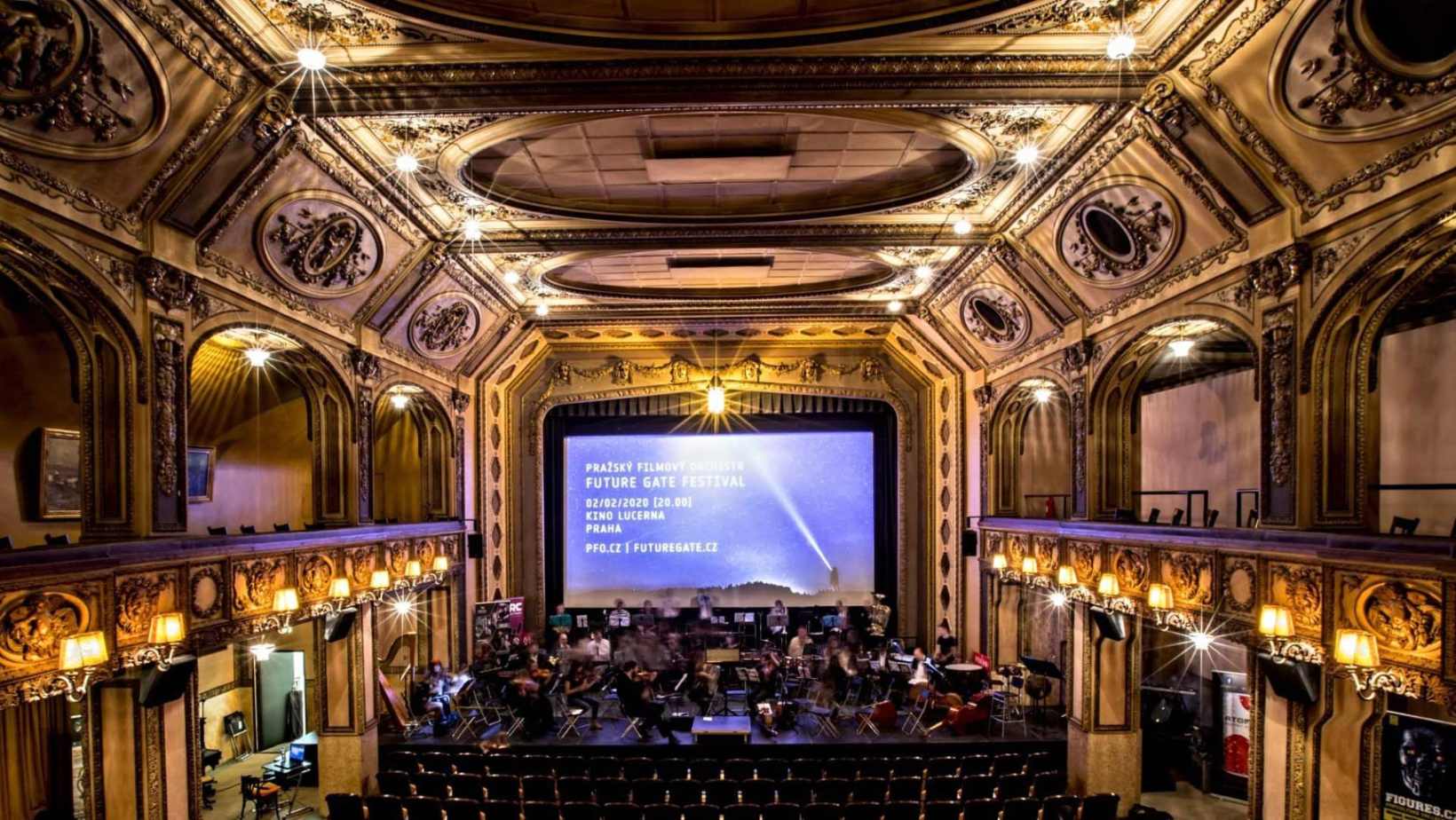

Over the next decade, Prague will transform into one of Europe’s most modern capitals.
A series of large-scale infrastructure projects — from new metro lines and bridges to redesigned train stations and neighborhoods — will reshape how people live and move across the city.
1. Smíchov Station: Prague’s New Transport Gateway
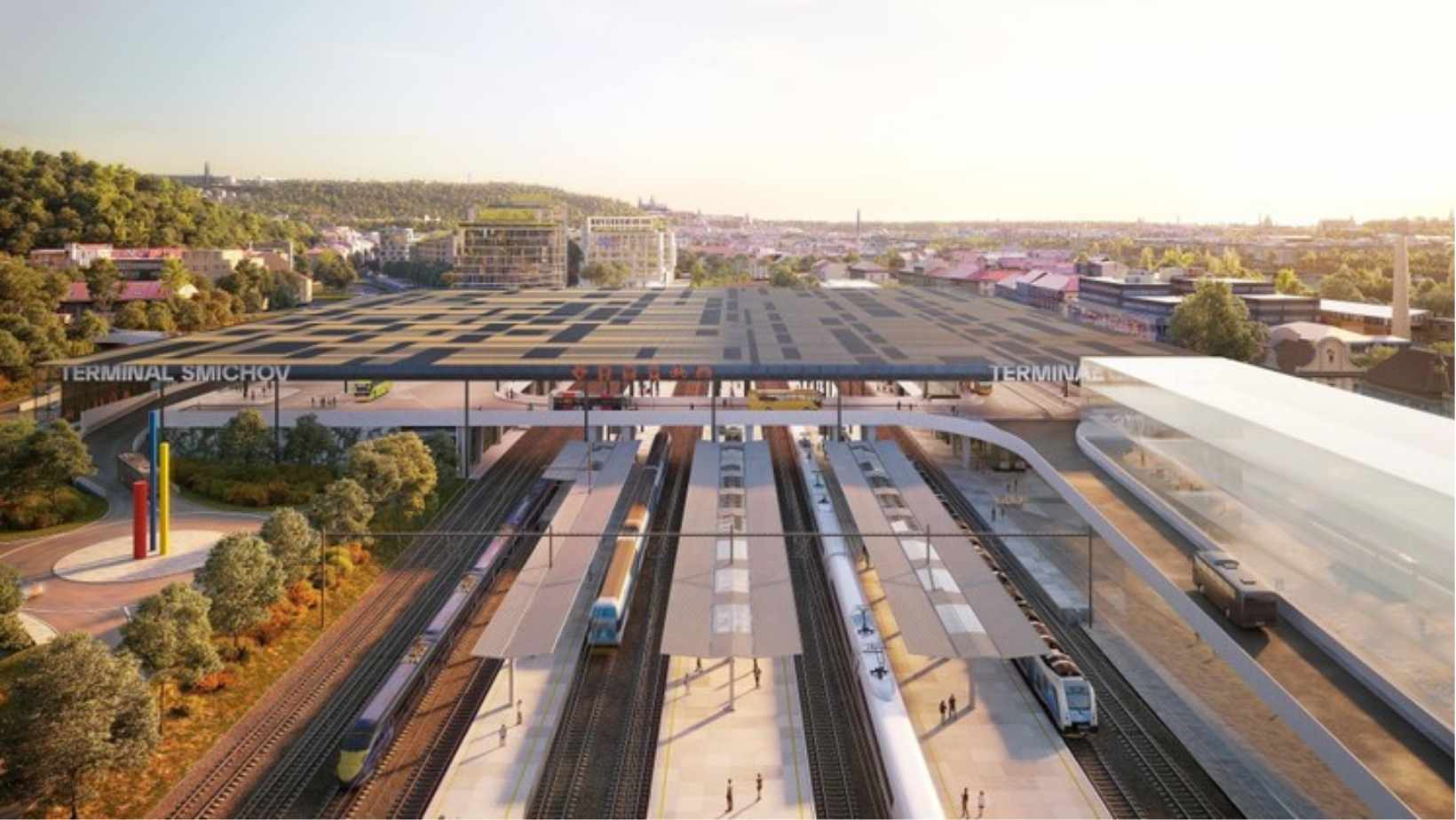
The Smíchov Station reconstruction will create a modern, barrier-free transport hub with new platforms, underpasses, and a large bus terminal above the tracks. A new footbridge and promenade will directly link the station to surrounding streets, improving access between Smíchov and Radlice. Once completed, this area will become one of Prague’s most important transport junctions, integrating rail, metro, trams, buses, and pedestrian routes.
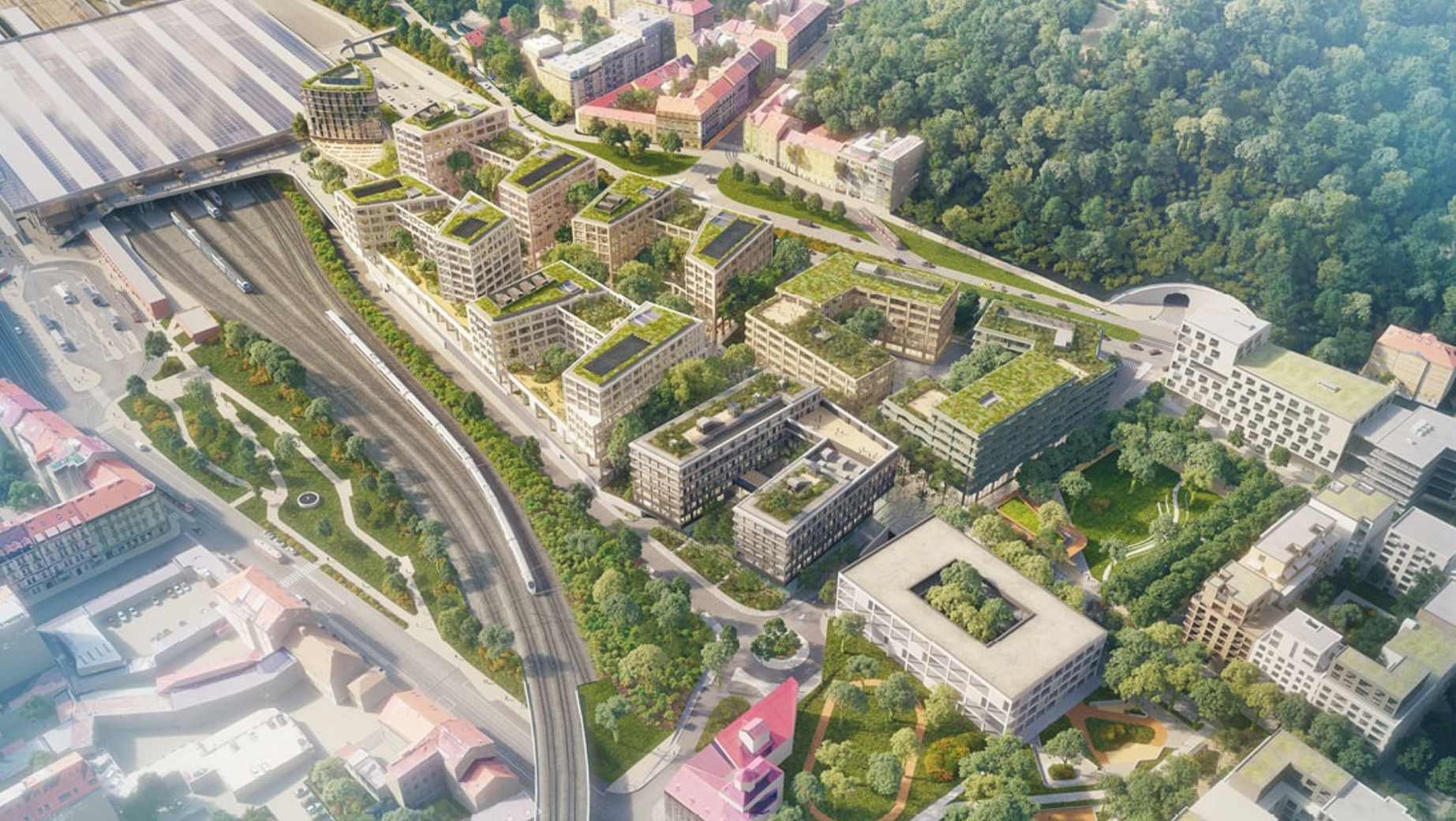
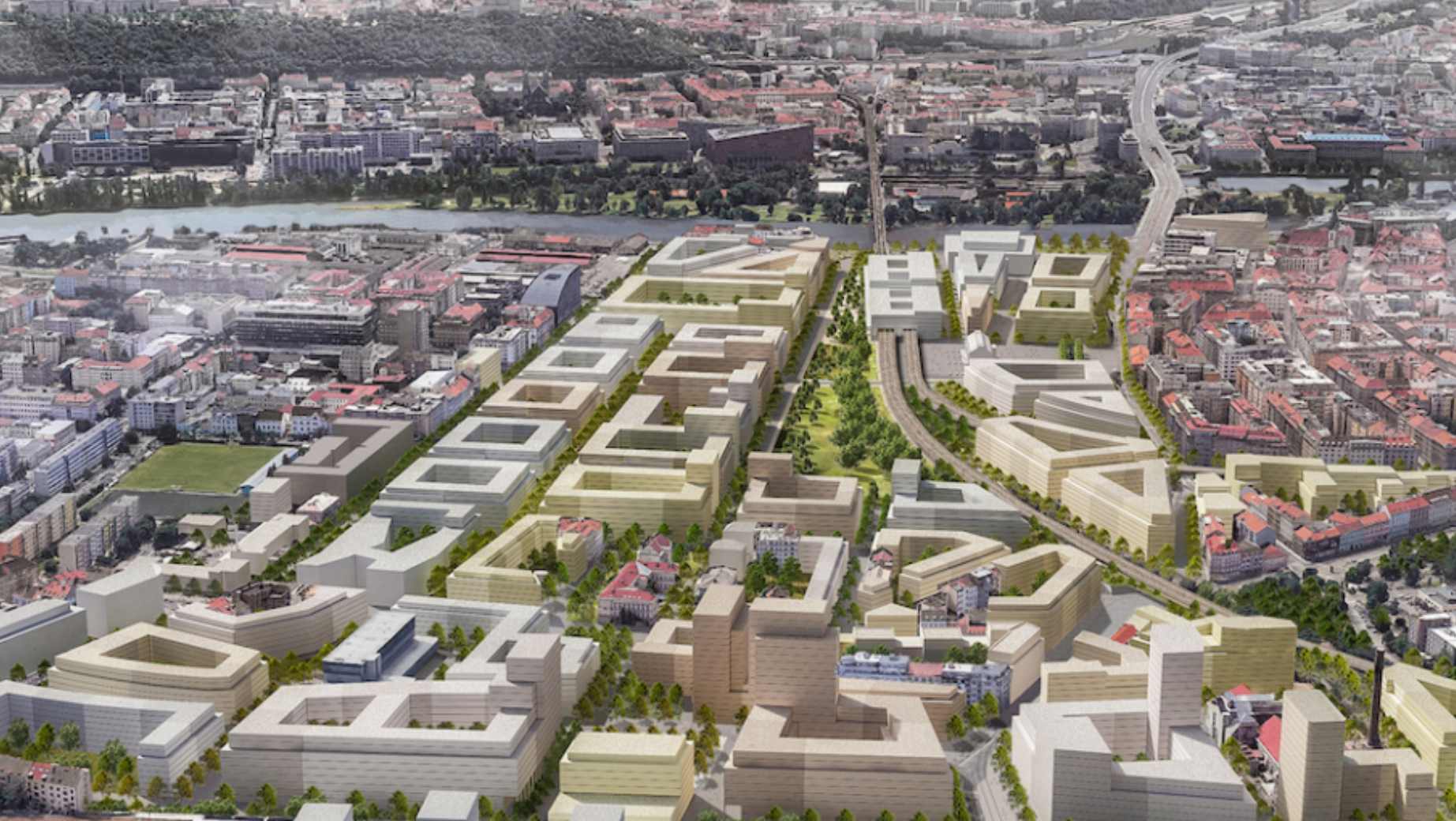
2. Smíchov City: A Modern Urban District
Beside the station, the Smíchov City development is taking shape on the site of former rail yards. The project — already under construction — will include housing, offices, parks, and schools, turning the area into a fully functional urban neighborhood by 2032.
The centerpiece will be Česká spořitelna’s new campus, four interconnected buildings spanning 75,000 square meters. A boulevard linking Smíchov Station with Na Knížecí will be named after Madeleine Albright, who was born in Smíchov. Other streets will honor influential women such as Jiřina Šiklová and Hannah Arendt.
3. Masaryk Station: Historic Hub Turned Modern Landmark
Masaryk Station will soon feature a raised platform connecting Florenc and Hybernská Street, with green spaces and seating for commuters. Completion is expected in 2027. The redesign includes solar panels, rainwater collection systems, and expanded capacity — from seven to nine tracks — to accommodate the growing number of passengers.

4. Dvorecký Bridge: A Sculptural Crossing Over the Vltava
The Dvorecký Bridge, scheduled for completion in 2026, will connect Prague 4 and 5. Unlike most bridges, it will be reserved for trams, buses, cyclists, and pedestrians, with cars prohibited except for emergency vehicles.
The bridge will also serve as a cultural space, featuring a light installation by artist Krištof Kintera and a nearby amphitheater for performances on the Podolí riverbank. Kintera’s striking “Heavy Head” sculpture, inspired by Czech Cubism, will add a distinctive artistic element to the structure.

5. Metro D: Prague’s First Driverless Line
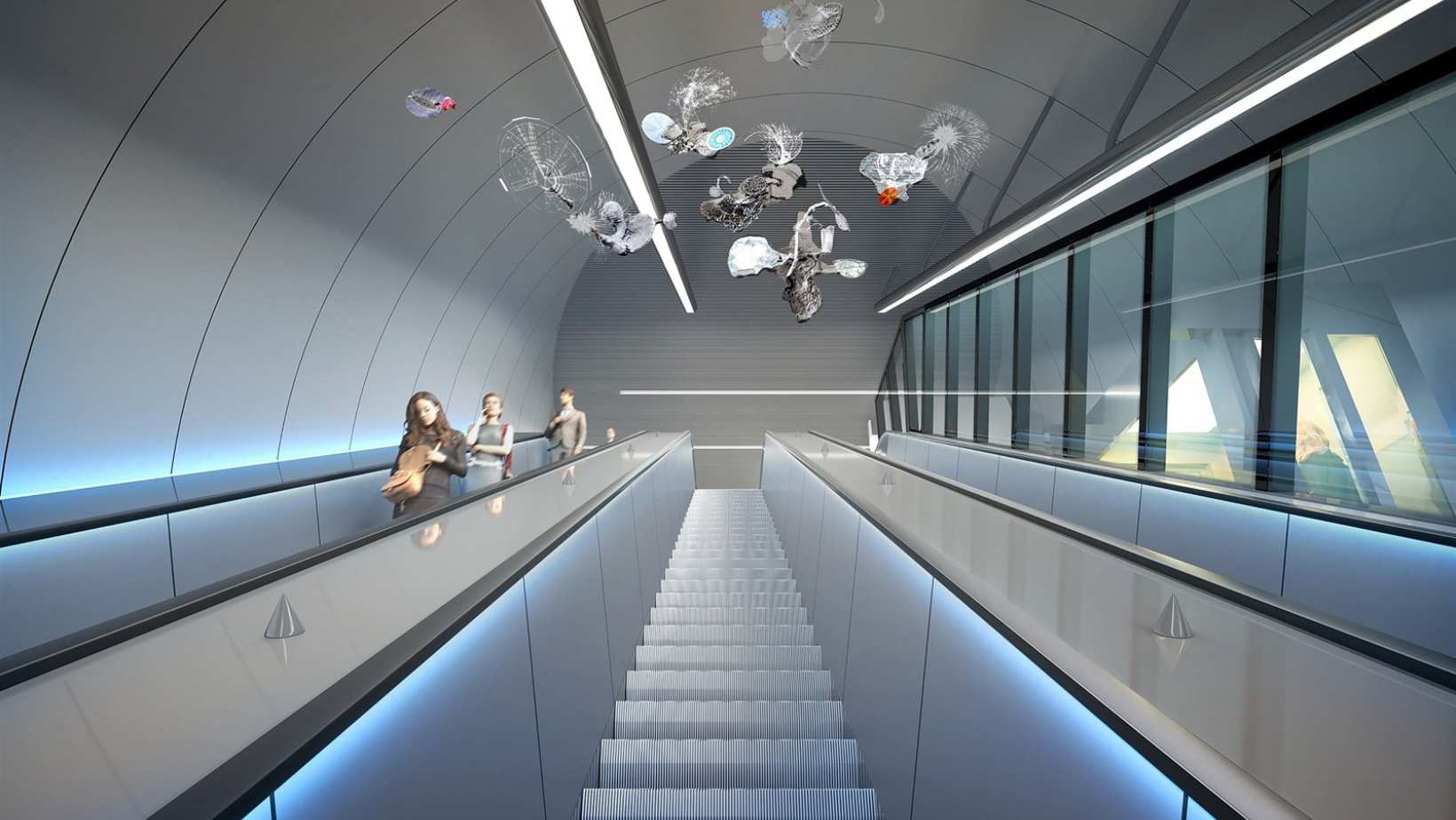
The long-planned Metro D — Prague’s fourth metro line — will connect the city center with Písnice, adding ten new stations and easing pressure on the overcrowded Line C. Construction began in 2022, with full operation expected by 2036.
Metro D will be fully automated, featuring driverless trains, smart traffic control, and safety glass walls on platforms. Each station will also feature unique artwork chosen through a public art competition.
6. Trams Return to Wenceslas Square
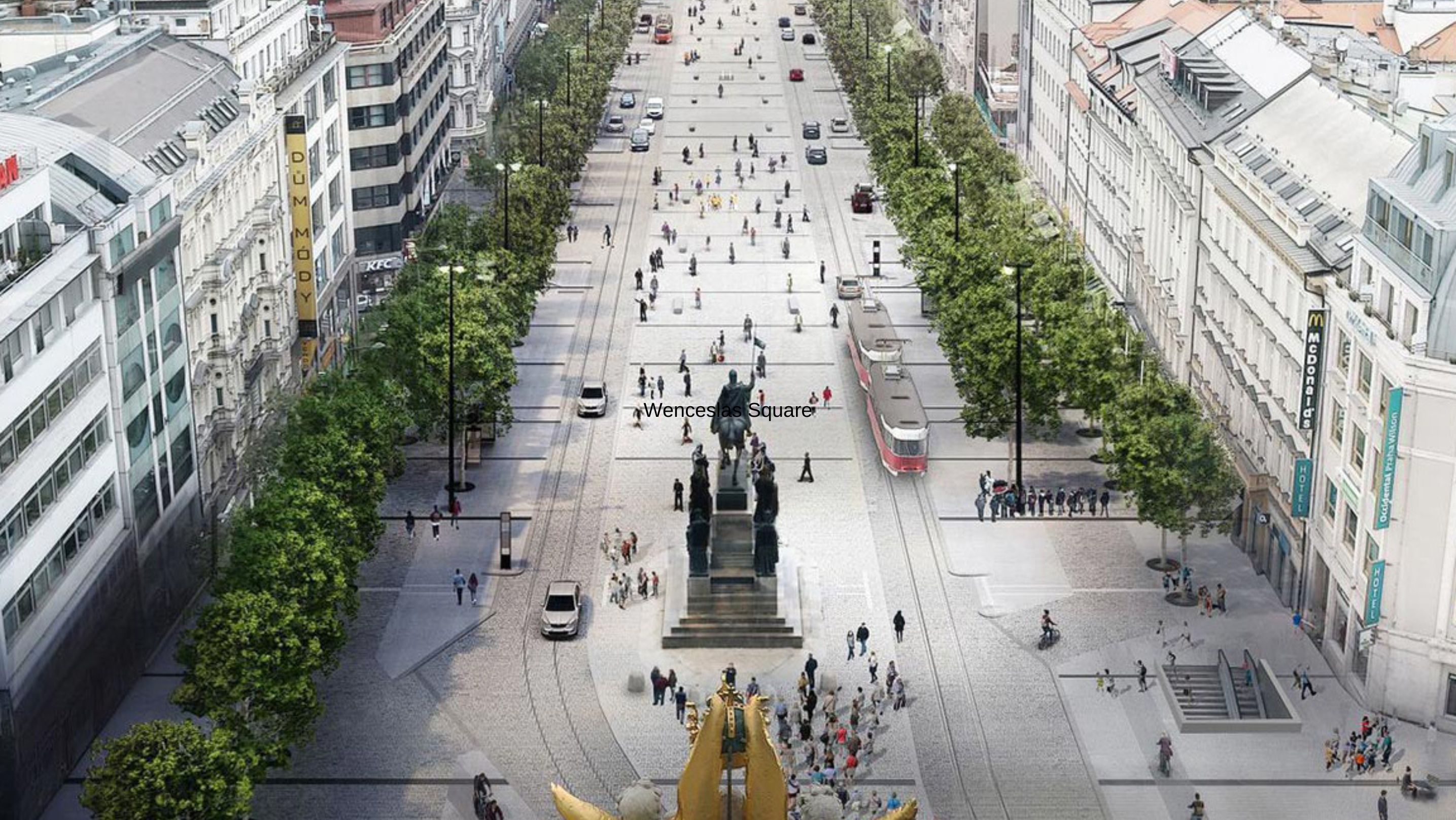
Trams will once again run through Wenceslas Square, where they last operated in 1980. The new track will run along both sides, while the center of the square will be turned into a pedestrian promenade with greenery and benches. Construction begins in summer 2024 and is set to finish in June 2027.
The CZK 1.24 billion project will include new tracks, trees, and an upgraded ceiling above the Muzeum metro station, creating a more pleasant urban space.
7. The Long-Awaited Train to the Airport
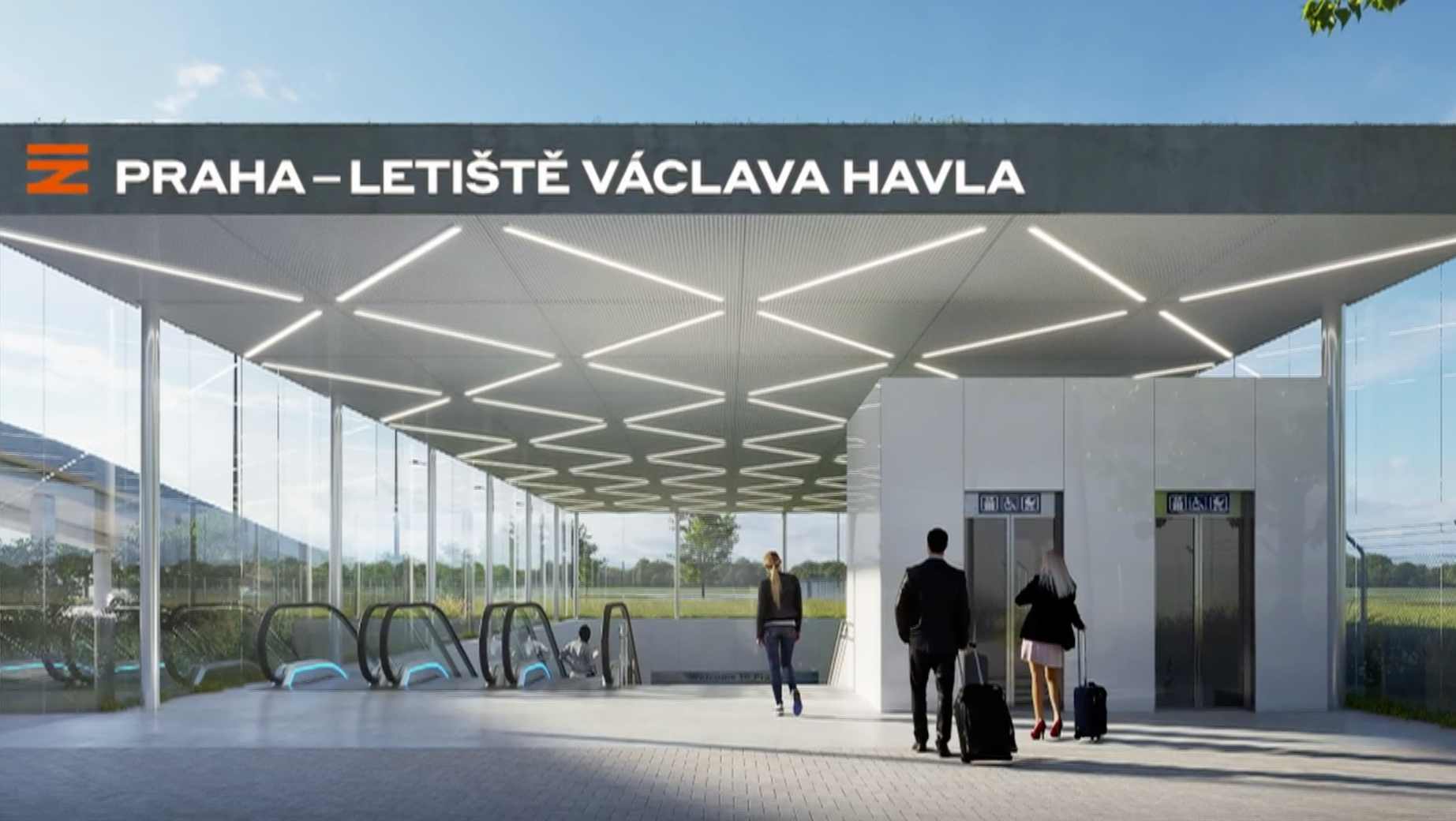
After decades of discussion, Prague will finally get a direct train connection to Václav Havel Airport. The journey from Masaryk Station will take around 25 minutes, with construction beginning in 2027 and finishing by 2030–2035.
The new underground station at the airport will be part of the Prague–Kladno modernization project, which includes several new bridges and tunnels. The total cost is estimated at CZK 50 billion.
8. Bubny-Zátory: A New Home for 25,000 Residents
The vast Bubny-Zátory area in Holešovice will become a vibrant district for more than 25,000 people. The plan includes a six-hectare park, new schools for 5,000 pupils, a tram line linking Letná with Holešovice, and a rail connection to the airport and Kladno.
Some historic industrial buildings — including the old railway station and power plant — will be preserved. Among the first projects is the MUSE7 residence, offering 150 energy-efficient apartments with views of Stromovka Park and the city skyline. The full district should be completed by 2040.
9. Vltava Philharmonic Hall: Prague’s Cultural Landmark
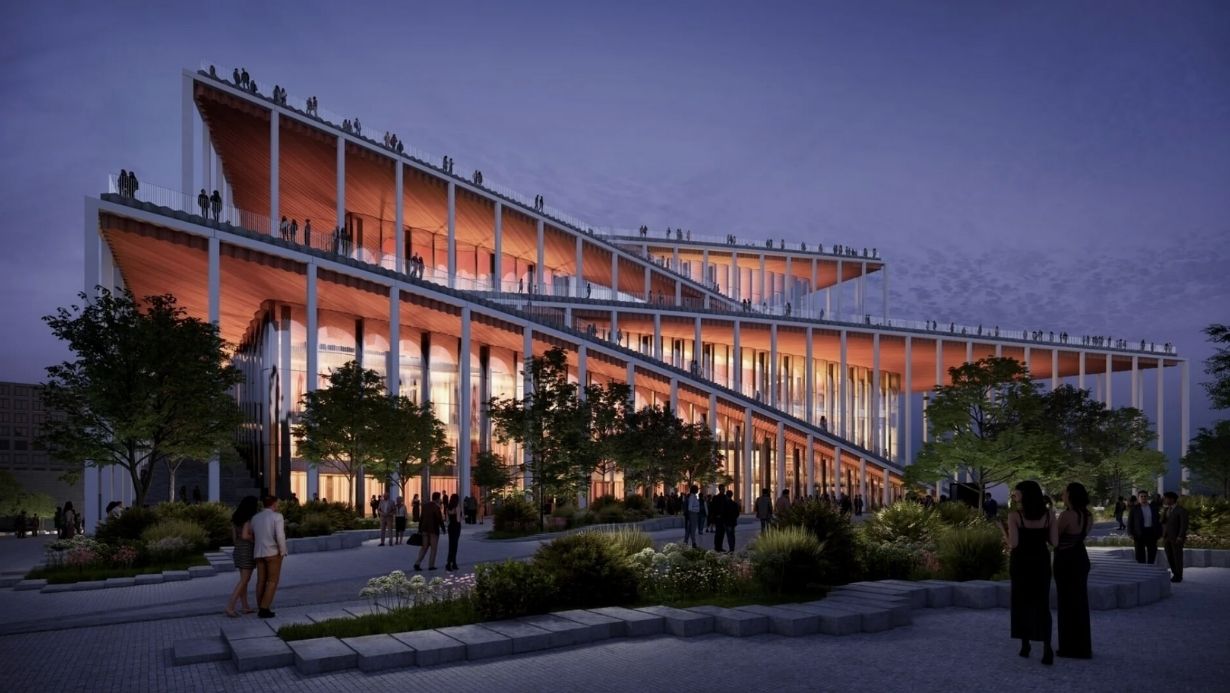
A new Vltava Philharmonic Hall is planned for Holešovice, with construction expected to begin in 2027 and finish by 2033. The complex will house the Czech Philharmonic and Prague Symphony Orchestra FOK, as well as a creative hub, cafés, and public spaces.
The main concert hall will seat 1,800 people, with two smaller halls accommodating up to 1,200 more. The hall’s wooden interior, made from Šumava forest timber, will pay tribute to the Vltava’s history and the Czech tradition of woodcraft.

Would you like us to write about your business? Find out more
-
NEWSLETTER
 Subscribe for our daily news

Most Popular