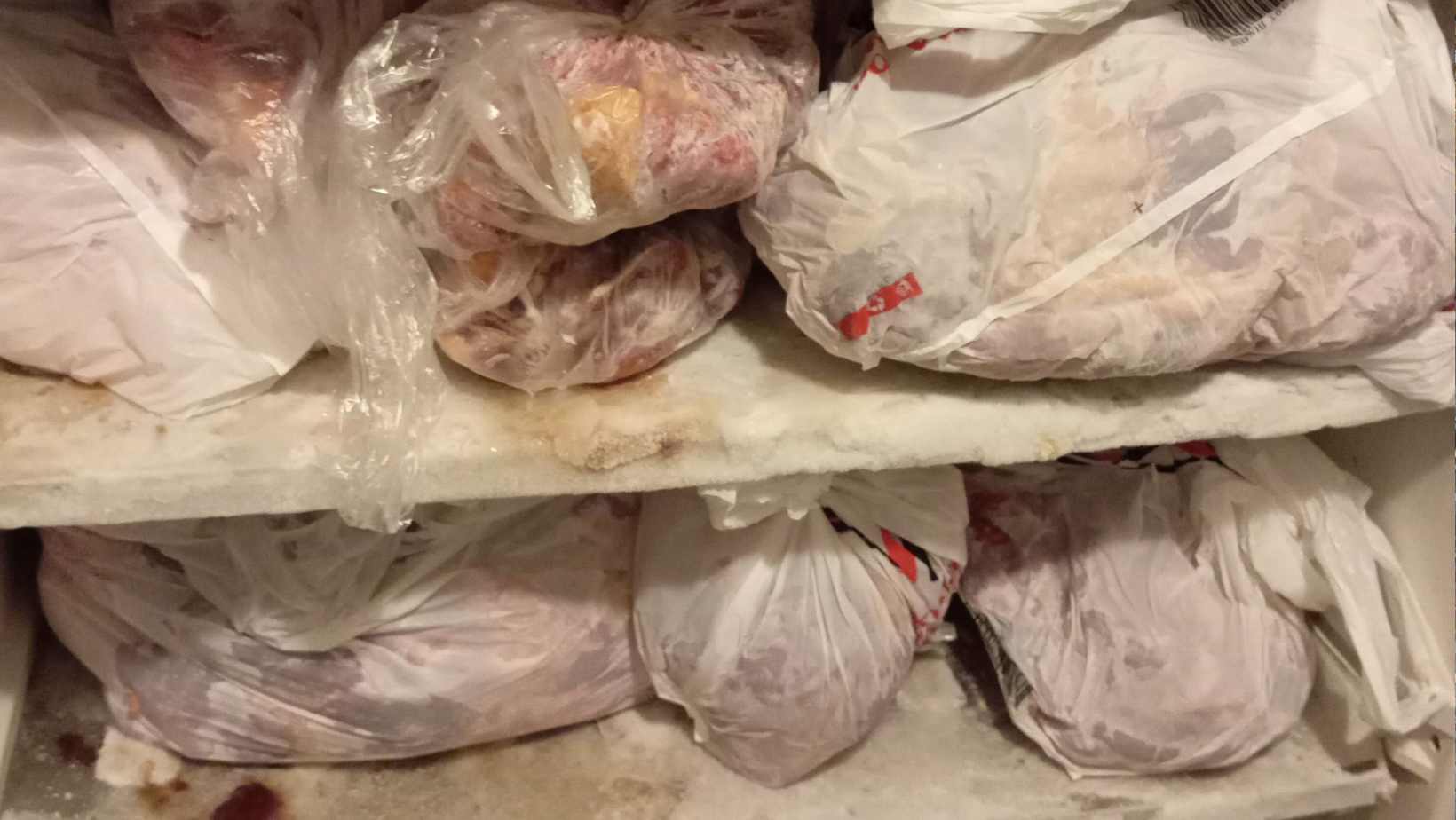

A restaurant serving Uzbek cuisine in Prague 3 is under investigation after veterinary inspectors discovered nearly 300 kilograms of potentially dangerous meat, including a cow head with eyes, stored in unsanitary and illegal conditions.
The business could face a fine of up to CZK 50 million for serious violations of food safety regulations.
The inspection, carried out by the State Veterinary Administration (SVS), revealed over 130 kilograms of frozen meat kept in non-original packaging without proper labeling or proof of origin. Much of it showed signs of improper freezing, raising concerns about contamination.
“It was packed in non-original containers without any markings or documents. Some of the meat had damaged packaging that could not prevent contamination. Several items showed signs of ‘freezer burn,’ indicating incorrect freezing procedures,” said SVS deputy spokesperson Petr Majer.
In addition to the frozen stock, inspectors found over 160 kilograms of unrefrigerated meat, including lamb carcasses lacking health certification and beef cuts without any identification marks.
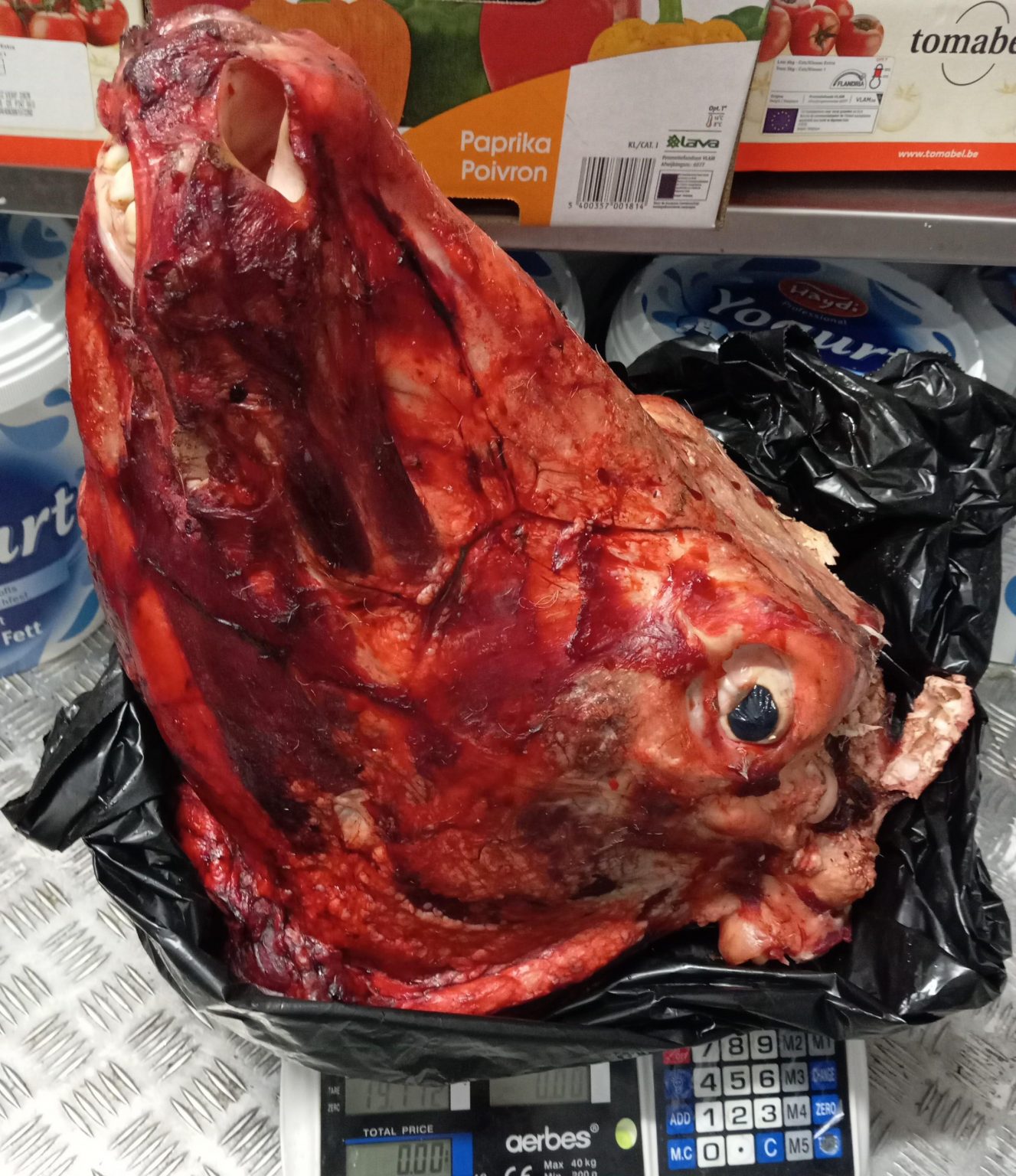
One of the most shocking finds was a cow head with eyes still intact, which under Czech law must be classified as specified risk material due to the possibility of BSE (mad cow disease) contamination.
“These products must be destroyed as required by legislation. There were also no supporting documents confirming their origin,” Majer added.
Despite repeated requests, the restaurant failed to provide any documentation proving the origin of the meat. The seized food was marked with devaluation paint and the operator was ordered to dispose of the products through an authorized sanitation company, at their own cost.
“We suspect this meat came from illegal slaughter and bypassed veterinary inspection entirely. It poses a serious risk to public health,” Majer stated. “The operator has still not supplied any explanation or documentation.”
The incident is part of the SVS’s ongoing efforts to monitor food of animal origin, a major part of its supervisory mandate. In 2024, veterinary inspectors conducted nearly 38,400 inspections, slightly fewer than the previous year.

A quarter of last year’s violations were related to improper hygiene practices, while 17% involved incorrect product labeling. Additional issues included poor sanitation, missing documentation, and improper food handling.
The restaurant’s name has not yet been released, but it remains under official investigation and could face one of the largest fines ever imposed for a food safety violation in Prague.
Would you like us to write about your business? Find out more
-
NEWSLETTER
 Subscribe for our daily news

Most Popular