
Foreigners moving to or visiting the Czech Republic often describe locals as distant, reserved, or difficult to approach.
According to the Expat Insider 2025 survey, this perception places the country among the least friendly nations in the world, ranking second from the bottom. Only Kuwait scored lower, while Panama topped the list as the most welcoming destination.
The survey reflects a long-standing image of Czech society as cautious and emotionally restrained. Smiling at strangers is uncommon, casual conversation is rare, and personal space is closely guarded.
While this behavior may appear unfriendly to outsiders, Czech experts say it is rooted more in cultural habit than hostility.
Psychologist Lenka Čandová explains that Czech communication tends to avoid surface-level interaction. People prefer meaningful conversations and often skip what many cultures consider polite small talk. For foreigners, this can feel abrupt or cold, especially in everyday situations such as shops, offices, or public transport.
Another factor is the Czech approach to honesty. Locals often speak directly and without softening their words. What is intended as openness or efficiency may be interpreted elsewhere as rudeness. Czech humor can also play a role. Irony, sarcasm, and joking about serious topics are common, but these cues are frequently missed by non-native speakers.
Historical experience has also shaped social behavior. The Czech lands have gone through repeated political upheavals, foreign rule, and regime changes. According to social scientists, this has encouraged caution and a certain level of distrust toward strangers. Openness, especially toward people from outside familiar circles, developed more slowly than in countries with a more stable past.
Psychiatrist Karel Nešpor points to lifestyle pressures as another explanation. The Czech Republic has long reported high alcohol consumption, and many people spend extended hours at work. Fatigue, he says, affects communication. Tired individuals tend to withdraw socially, speak less, and show less patience in everyday interactions.
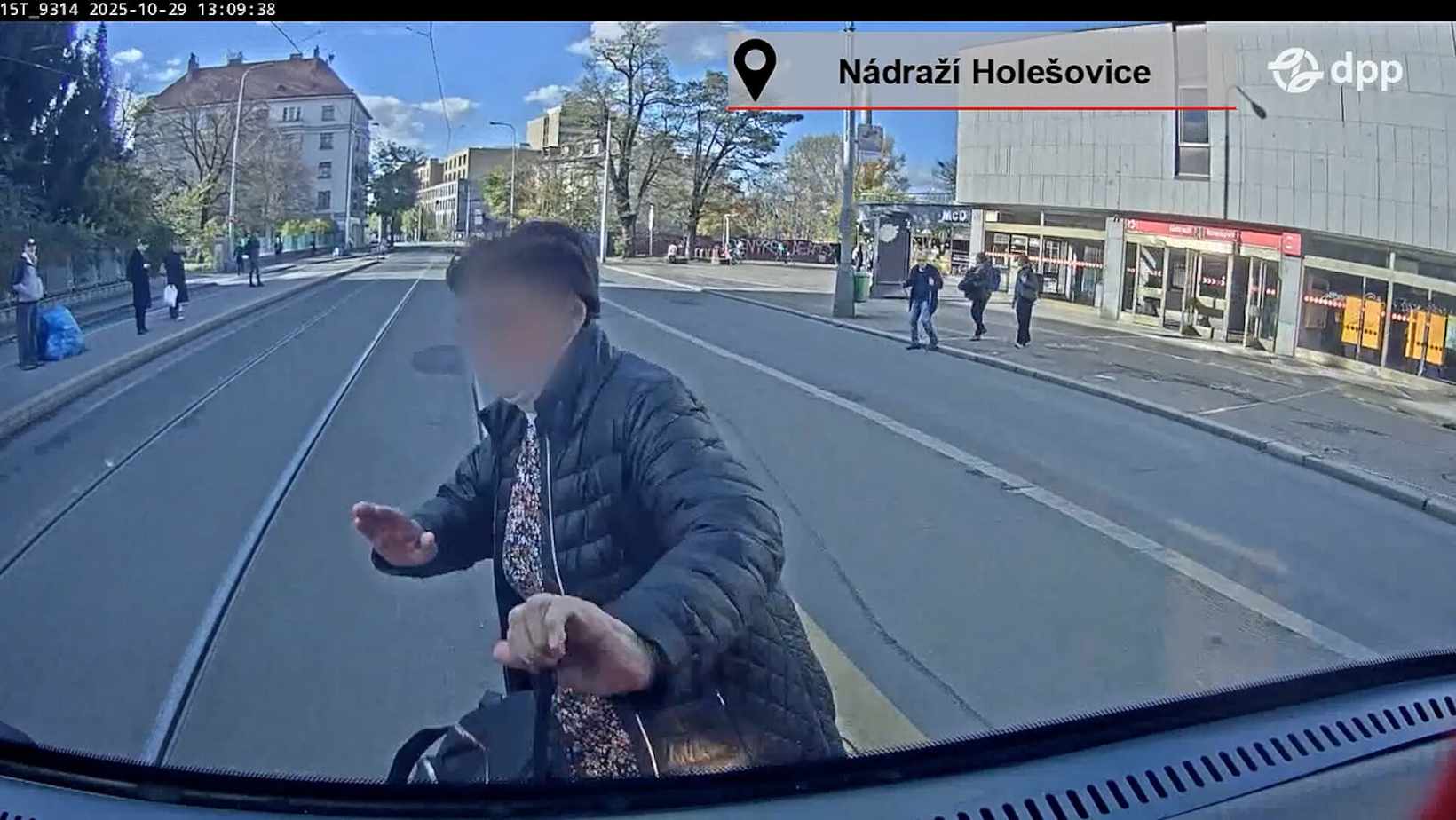
Some Czechs themselves acknowledge that behavior toward tourists is not always welcoming. Visitors asking for directions or help in busy city centers are sometimes met with irritation or blunt responses. In extreme cases, locals may react rudely, especially if they feel interrupted or stressed.
Language barriers further deepen the divide. Limited confidence in foreign languages makes some Czechs uncomfortable engaging with non-Czech speakers, leading them to avoid conversation altogether. This hesitation can easily be mistaken for disinterest or dislike.
Despite the ranking, experts caution against labeling the nation as unfriendly. Many emphasize that once trust is established, relationships tend to be loyal and long-lasting.
The initial distance, they argue, is more about boundaries than rejection.
Would you like us to write about your business? Find out more
-
NEWSLETTER
 Subscribe for our daily news

Most Popular