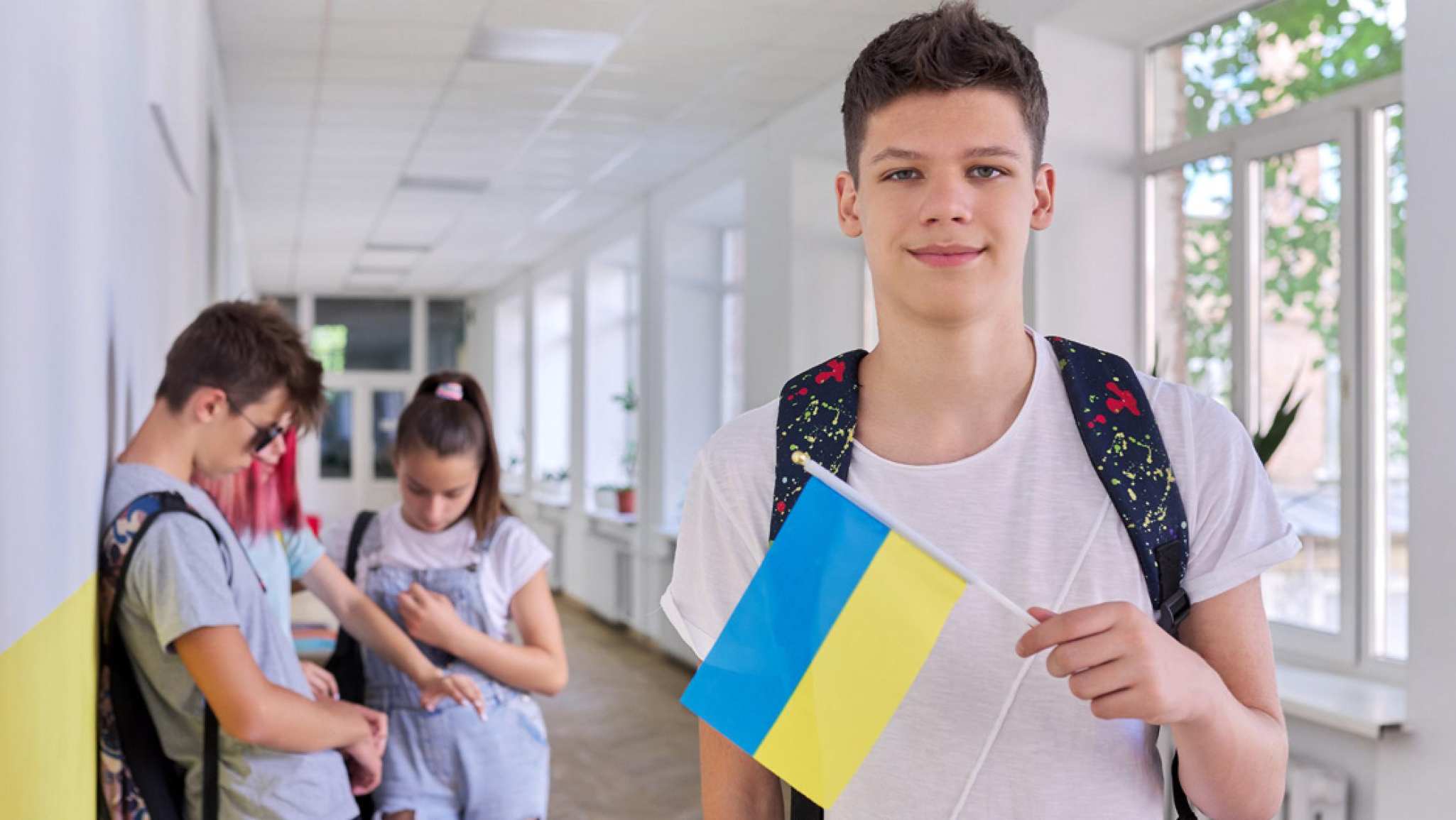

Since the start of Russia’s invasion, tens of thousands of young Ukrainians have arrived in Czechia.
The debate is no longer about whether they will remain, but how well they can be integrated into Czech schools, companies, and communities. If managed effectively, their arrival could strengthen the country’s economy and ease pressure on its labor market.
Experts point out that this wave of migration differs from previous ones. Ukrainians are generally closer in language and culture, often have higher levels of education, and show a strong willingness to work. Many are entering professions where Czechia has long struggled to fill vacancies, including healthcare, IT, and skilled trades.
The government’s role will be decisive. Analysts stress the need for faster and more efficient administration, particularly in processing residence permits and work visas.
Language support is another critical area, requiring sustained funding for Czech-language courses, both in schools and online. Regional coordination also matters, since local labor market needs vary widely. Without a clear national plan, integration risks becoming fragmented and uneven.
Employers are already adapting to the new workforce. Some firms have begun offering Czech lessons directly in the workplace, while others encourage mentoring systems to help young Ukrainians adjust. Flexibility is key, with part-time positions or combined study-work arrangements helping newcomers balance education and employment.
Schools are equally important in shaping integration. Bilingual classrooms, supported by Ukrainian teaching assistants, are one way to ease the transition for younger pupils.
Digital tools are being used more widely to speed up language acquisition, while secondary and vocational schools are being urged to align their courses with the skills most needed by the Czech economy. Teachers stress that early investment in education pays off quickly, both for students and society as a whole.
Czechia’s experience with Ukrainian migration also highlights why this process may succeed more smoothly than past waves of migration from more distant regions. Cultural and religious similarities reduce barriers, and linguistic closeness makes learning Czech considerably easier.
Many Ukrainians also bring experience in technical fields, allowing them to enter the workforce faster. Surveys suggest they are more willing to take on jobs that local workers are reluctant to do, which could ease chronic shortages.
Economists warn that failure to integrate this generation would be a wasted opportunity. But with coordinated efforts from government institutions, schools, and employers, Czechia stands to gain not only economically but also socially.
Would you like us to write about your business? Find out more
-
NEWSLETTER
 Subscribe for our daily news

Most Popular