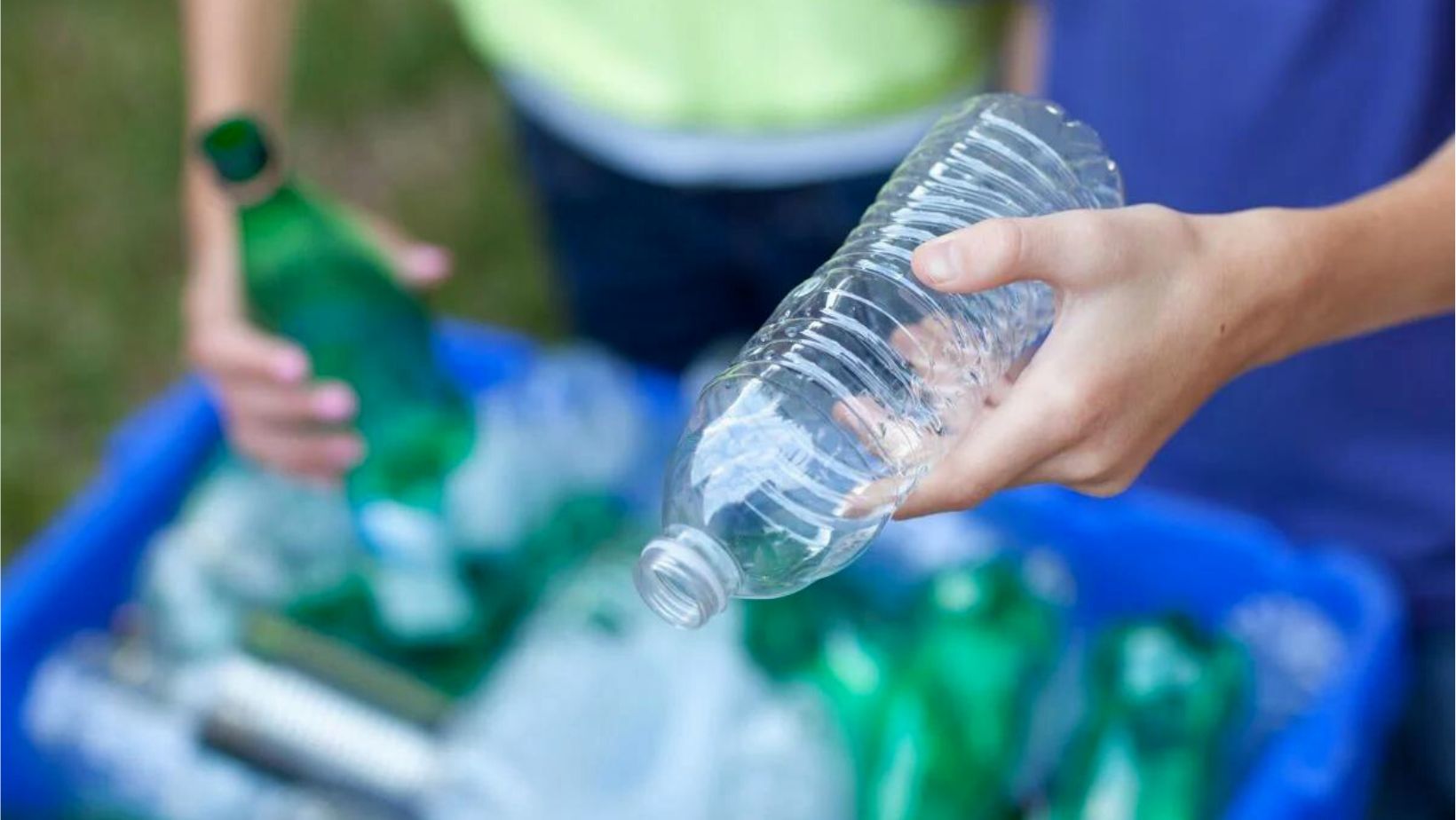
On 23 February, Kaufland and Lidl retail chains will launch a test project for the take-back of beverage bottles and cans. Each chain will allow customers to return packaging in three of its stores. Spokespeople for both companies, which are part of the Schwarz Group, announced the news in a press release. In the Czech Republic, PET bottles and cans are not yet backed up. However, the Ministry of the Environment is preparing a legislative proposal for possible introduction. Customers who use the service will receive discount coupons for their purchases in shops. Lidl spokesman Tomáš Myler said that the pilot project in stores is intended to support the idea of introducing the backup of PET bottles and cans in the Czech Republic. “Since customers will primarily return beverage containers to retailers if the system is introduced, it is important for us that the setup of the entire system is as customer-friendly as possible,” he added. The chains have not yet indicated in which stores people will be able to try out returning bottles. According to David Surý, director of the environmental protection section of the Ministry of the Environment, the chains’ test project can verify whether people in the...
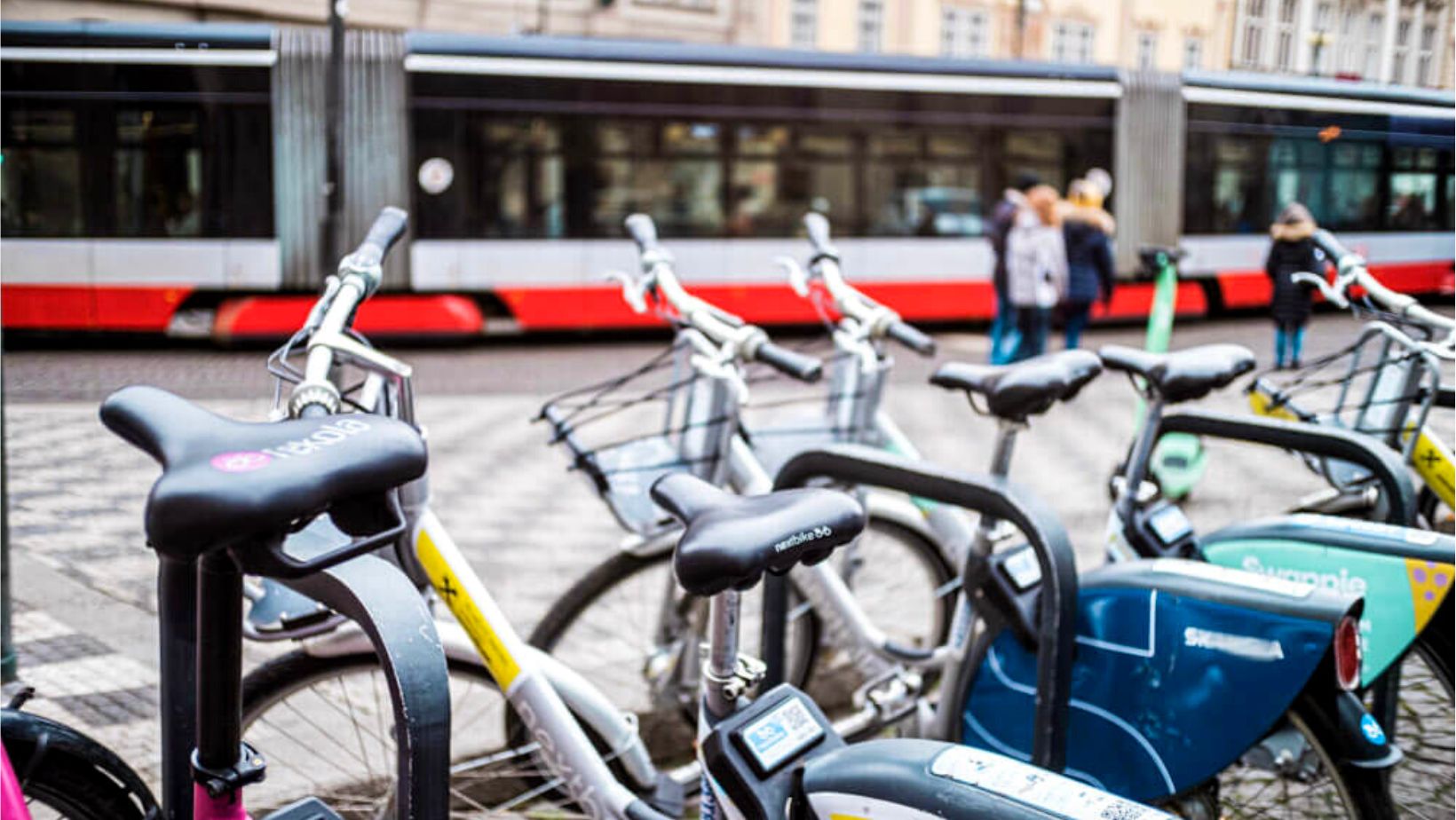
Last year, over half a million free bike trips were made by the Lítačka subscribers of Prague, confirming that its citizens are getting used to pedaling around the city. Inspired by other world capitals, Prague wanted to expand its public transportation offers with another alternative – bikesharing. The 2021 pilot project proved to be successful, which is why last summer the decision was made to permanently integrate bikesharing in Prague’s public transport. “The pilot project of cooperation between shared bikes and Prague Integrated Transport has been running since October 2021, and during that time it has been used by over 23,000 people, who have made a total of 343,000 rentals. The record day was June 23, when we registered 3,239 loans,” said Adam Scheinherr, deputy mayor of Prague and councilor for transport, in July. Lítačka card holders are entitled to 15-minute free bike rides twice a day with shared bike operators Nextbike and Rekola. “The advantageous combination of Prague’s Lítačka and the shared bike service significantly improves the possibilities of moving around Prague. From the obtained data, it became clear that most often people rent bicycles precisely at metro stations or tram stops. Cycling is such a great way to get...
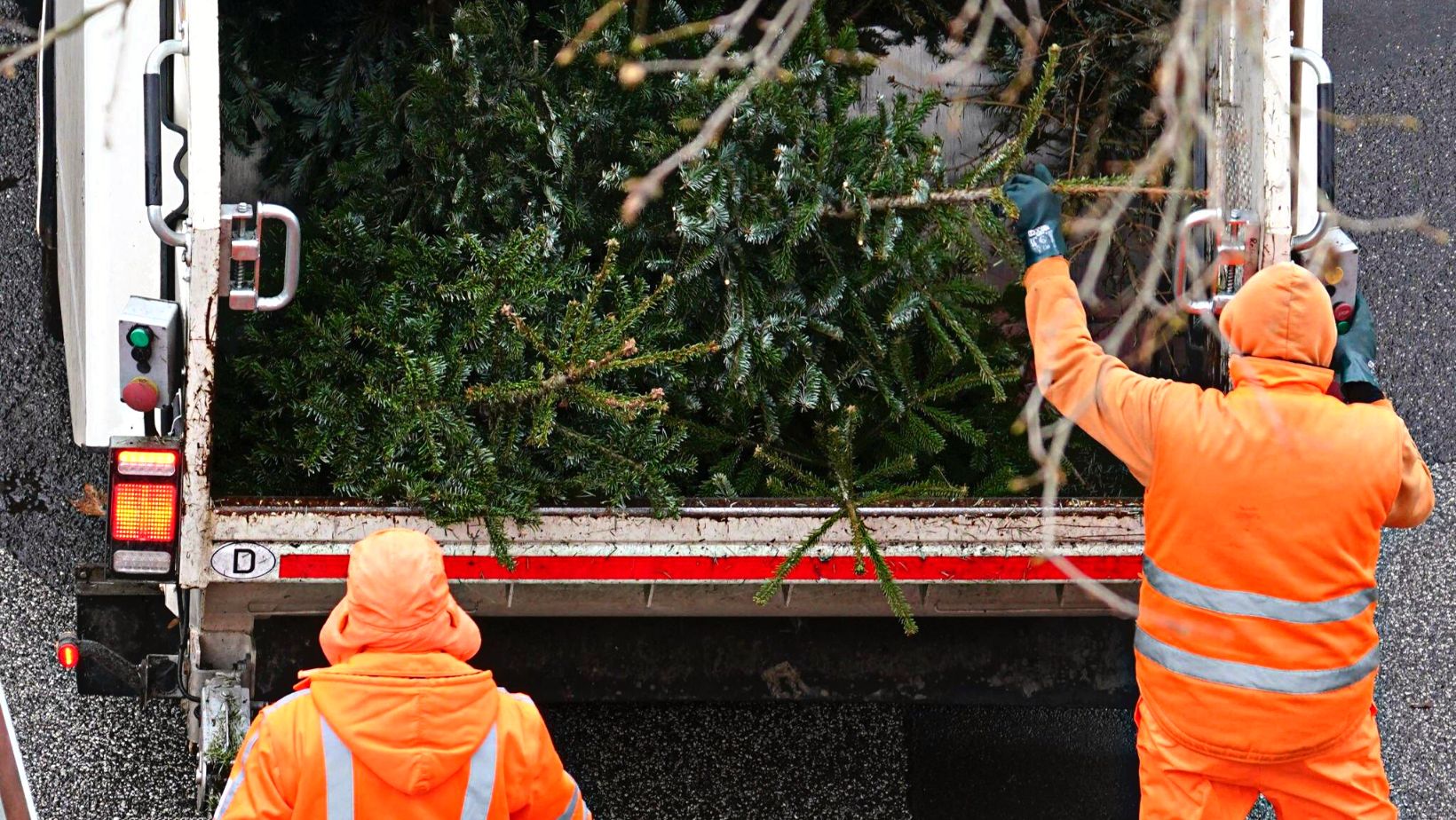
According to Prague Services, people in Prague throw away about 300,000 Christmas trees every year. They usually do so on the 6th of January or later; that is why Christmas trees are collected by the garbage collection service until the end of February. According to Prague’s maintenance services spokesman, Radim Mana, people should not leave saplings near trash cans in courtyards, in locked cages, or near trash cans in family homes. “Trees should definitely not end up next to such containers, not even when the dustbin is placed in front of the building for regular collection. The right place for a retired tree is a separate bin with colored containers,” said Mana. He added that the current strong wind can move away the saplings placed by the garbage cans and therefore they recommend waiting for disposal until Sunday when the meteorological warning is supposed to pass. The collection of trees will be handled by smaller flatbed trucks and larger specially designated garbage trucks. The trees will be transported to the transhipment points in Průmyslová, Proboštská and Puchmajerova streets and from there they will go to composting plants where they will be used to produce wood chips and compost. Some of the dirty or...
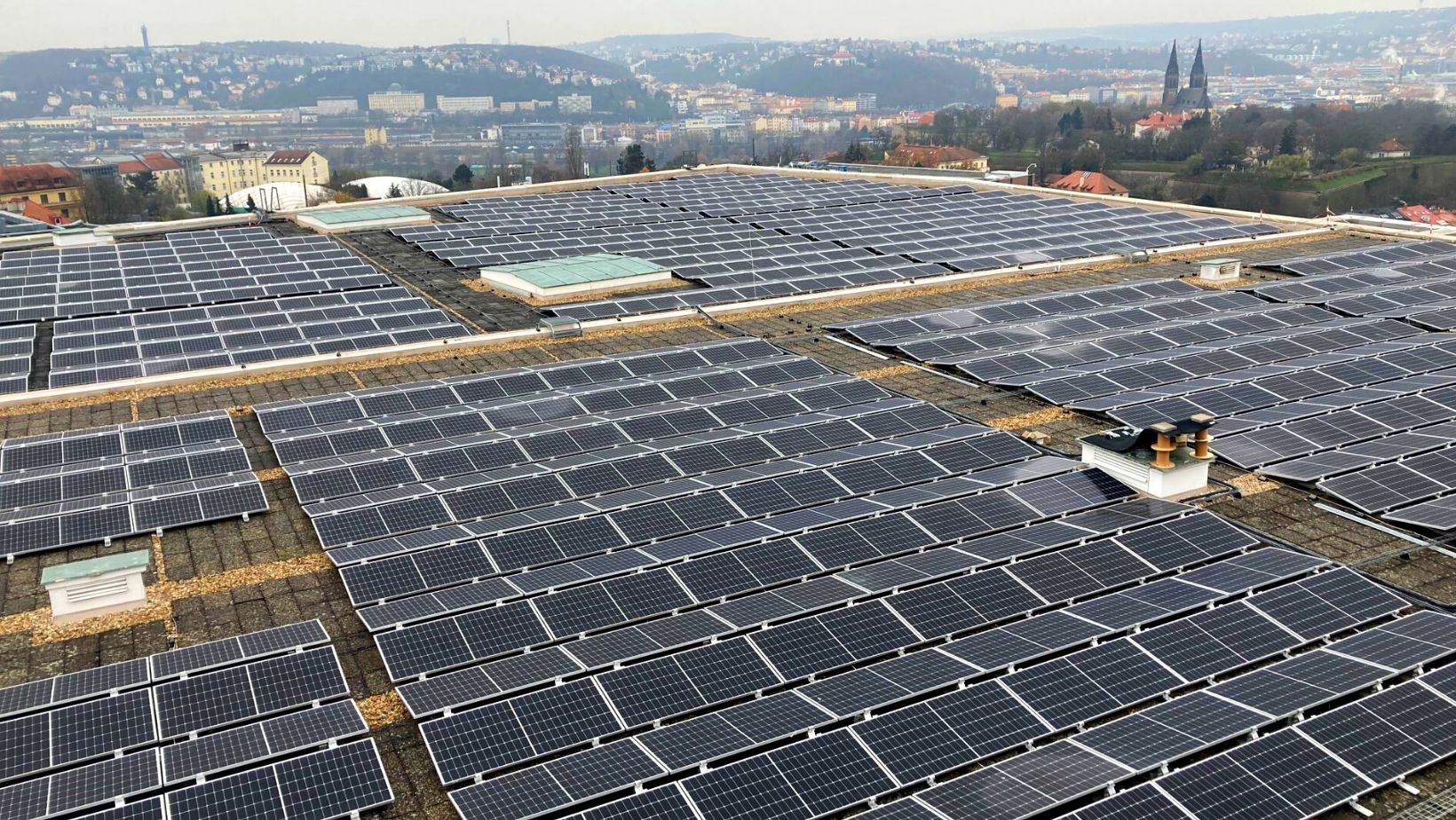
The construction of the largest solar array in the centre of Prague has commenced at the Prague Congress Centre. A total of 2,080 solar panels will be erected on an area of 7,000 square metres, which will save the Prague Congress Centre CZK 5.5 million a year in electricity costs. The solar power plant will be an addition to one of the largest energy savings projects in the Czech Republic, which is being implemented in the PCC by ENESA, a subsidiary of ČEZ ESCO. The project has already saved the centre CZK 32 million this year. “We have recently observed a clear trend in Czech companies and public institutions: reducing energy costs goes hand in hand with consistent decarbonisation and efforts to operate in a more sustainable fashion. Our task at ČEZ is to assist with this as much as possible. The largest solar array in the centre of Prague will add to one of the largest energy savings projects in the Czech Republic and will increase the annual savings of the Prague Congress Centre by more than 5 million,” said Daniel Beneš, CEO of ČEZ. Photovoltaics for CZK 1 PCC will use ČEZ ESCO’s innovative model called “Photovoltaics for CZK 1”. PCC will thus acquire a power plant with...
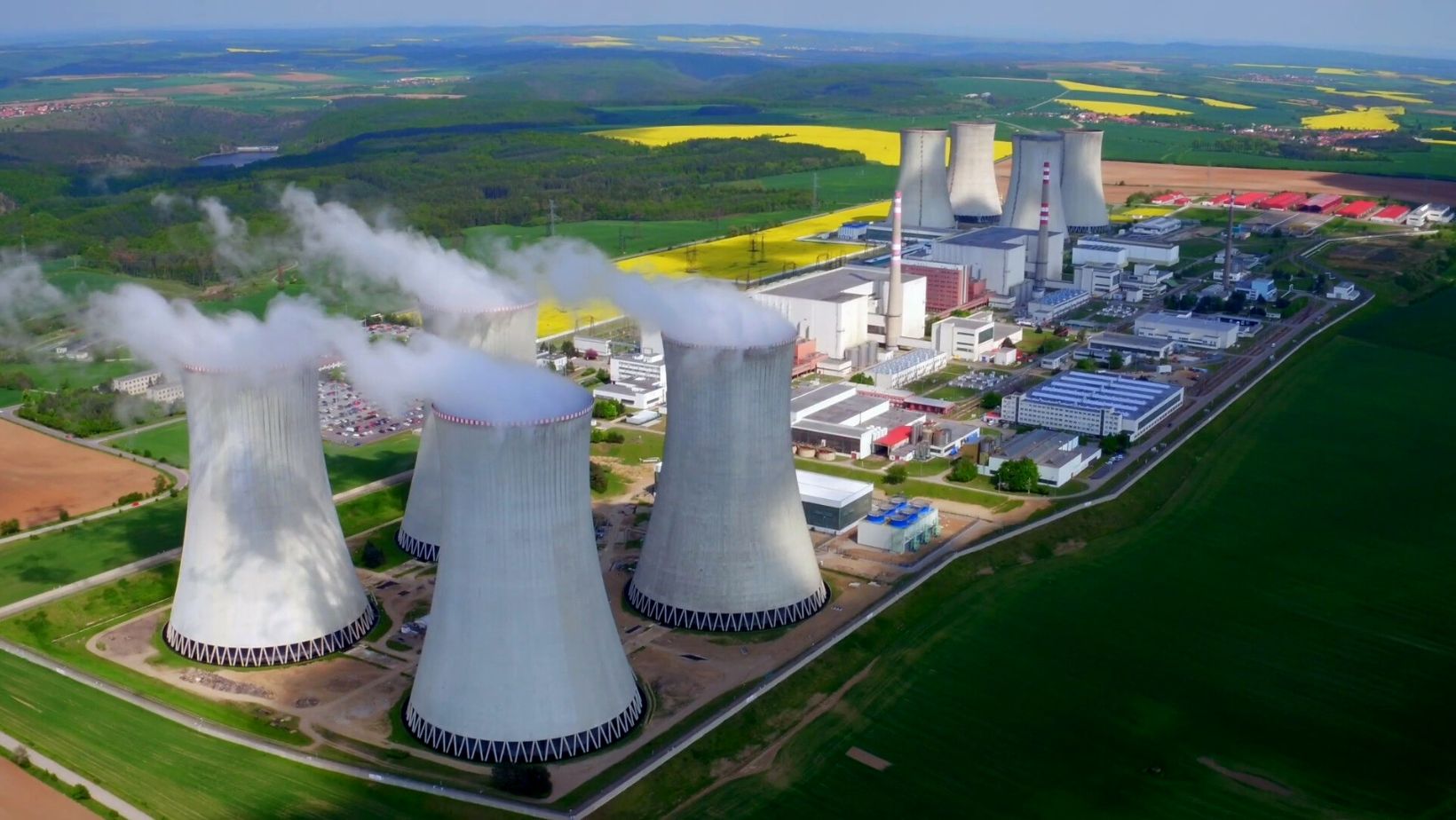
France’s EDF, South Korea’s KHNP, and U.S.-Canadian group Westinghouse Electric have made initial bids to build a new unit at the Czech Republic’s Dukovany nuclear power plant, Czech utility CEZ said on Wednesday. The Czech Republic has been a strong backer of nuclear energy as a carbon-free power source for the future, unlike European Union neighbours Germany and Austria. Majority of state-owned CEZ, which launched the Dukovany expansion tender in March, said final bids would come in by the end of September 2023. “We expect the contracts to be finalized in 2024,” board member Tomas Pleskac said in a statement. The 1,200 megawatt-unit should be completed in 2036 and help the country replace current Soviet-designed units at Dukovany that will eventually be decommissioned. CEZ plans to build three more nuclear units – on top of the one now planned – at its Dukovany and Temelin nuclear sites, as the country diversifies away from coal. It is also planning to build smaller modular nuclear power plants. Nuclear made up 36% of Czech electricity output in 2021. Candidates from China and Russia were excluded on security grounds, in contrast to Hungary which has chosen Russia’s Rosatom for its nuclear project. Poland picked Westinghouse last month to...
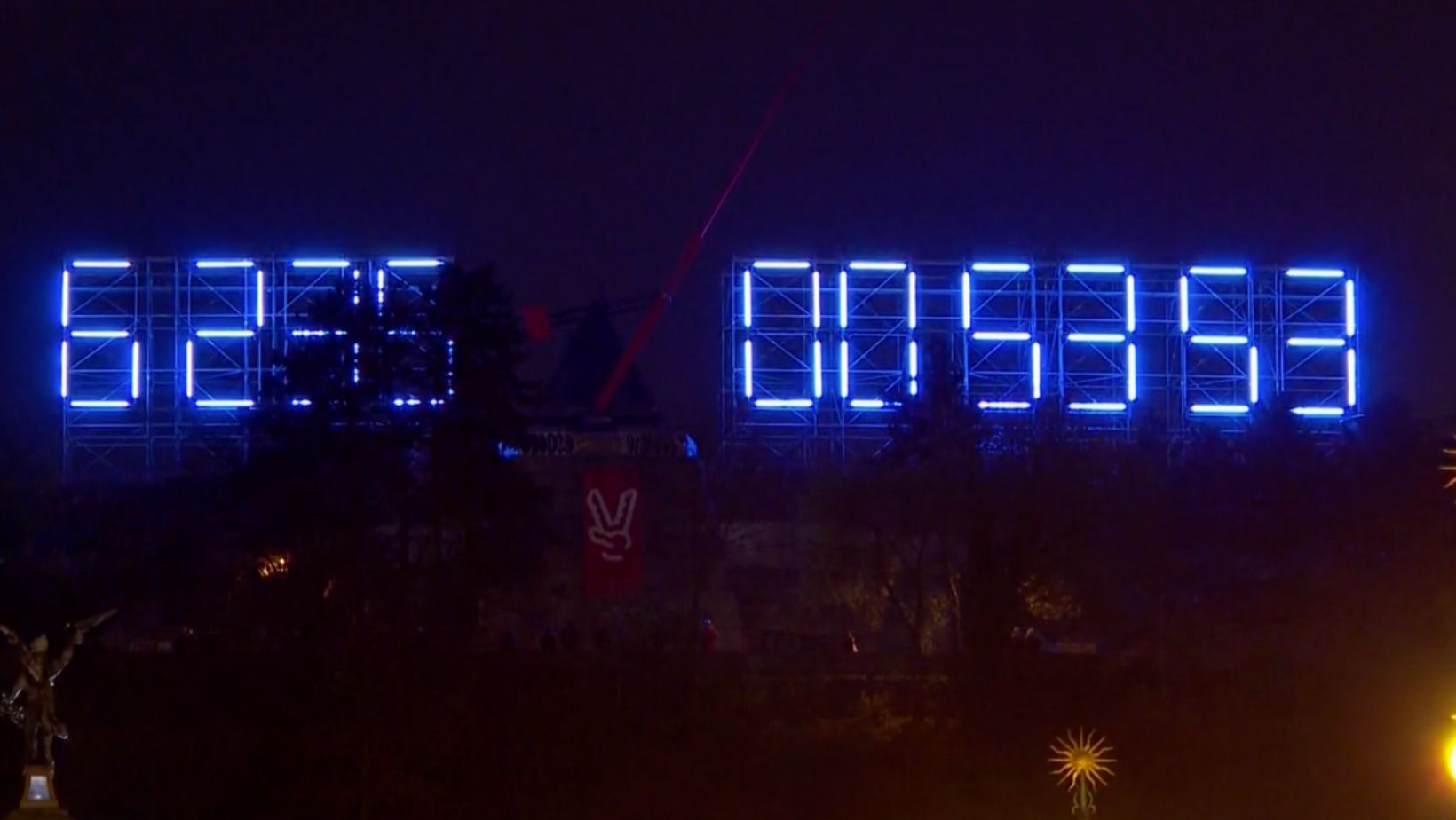
Climate campaigners unveiled in Prague a huge countdown clock on Tuesday evening, showing how little time is left before global temperatures hit a critical high. The electronic clock has been installed on Letna Hill, next to the famous metronome as part of the Freedom Festival. The clock is 8 meters high and 35 meters wide. It will remain on the hill for just two weeks, until December 12. The left side of the clock shows the number of years and days, while the right side shows the hours, minutes, and seconds remaining until “mankind passes the point of no return, when climate change will become irreversible and catastrophic for the planet.” A report by the United Nations issued in 2018, said global warming was likely to reach 1.5°C over preindustrial levels between 2030 and 2052 if it continues at the current rate. That level of warming is projected to increase damage to many ecosystems and cause an estimated $54 trillion in damage, the report said. The digital installation shows six years and 235 days remaining before average global temperatures, at current emission rates, reach 1.5 degrees Celsius above pre-industrial levels. The organizers of the Freedom Festival in Prague have also...
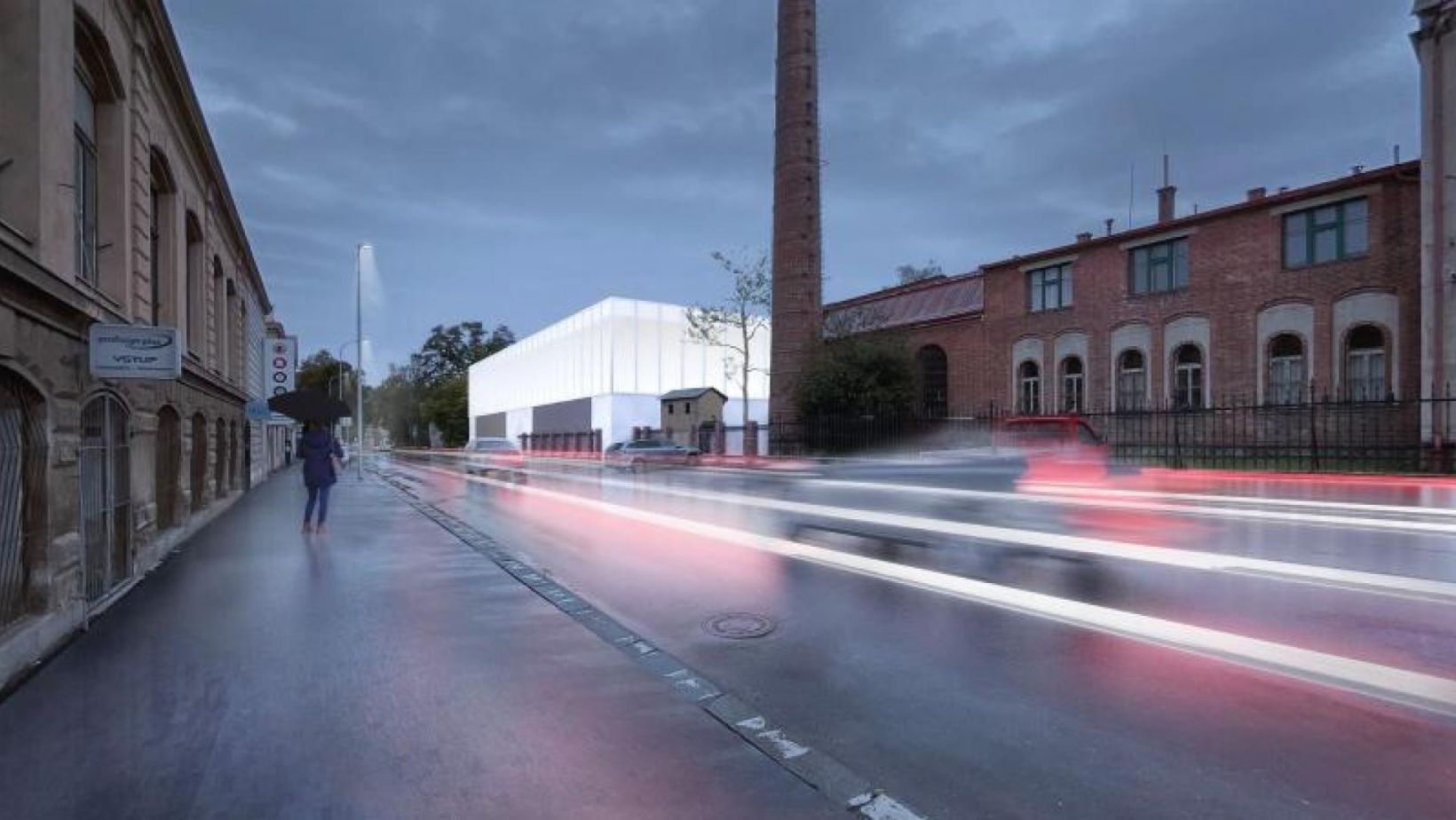
After all, this is one energy resource that is literally inexhaustible and domestically produced. The City of Prague has plans to develop a new residential district for 25,000 people on a hundred-hectare brownfield in Bubny-Zátory. This time around though, urban planning is taking into account current crises, such as fossil fuel dependency and energy security, to offer an innovative solution – using treated sewage surplus heat to keep homes warm in winter. For this purpose, a new energy centre will be built next to the wastewater treatment plant on Císařský island and near the planned district. The idea behind it is simple, install 12 heat pumps and channel the heat where it can be of benefit – 200,000 households. Don’t let heat go to waste, let waste go for heating “The (energy centre) project has been in the making for about two years. It uses the heat of wastewater that is treated on Císařsky island. Every second, three cubic meters of treated wastewater leave the treatment plant, which even in the coldest months has a temperature higher than ten degrees. We have a huge opportunity to use this water to obtain heat for up to a third of Prague. It has been working successfully for decades in Denmark...
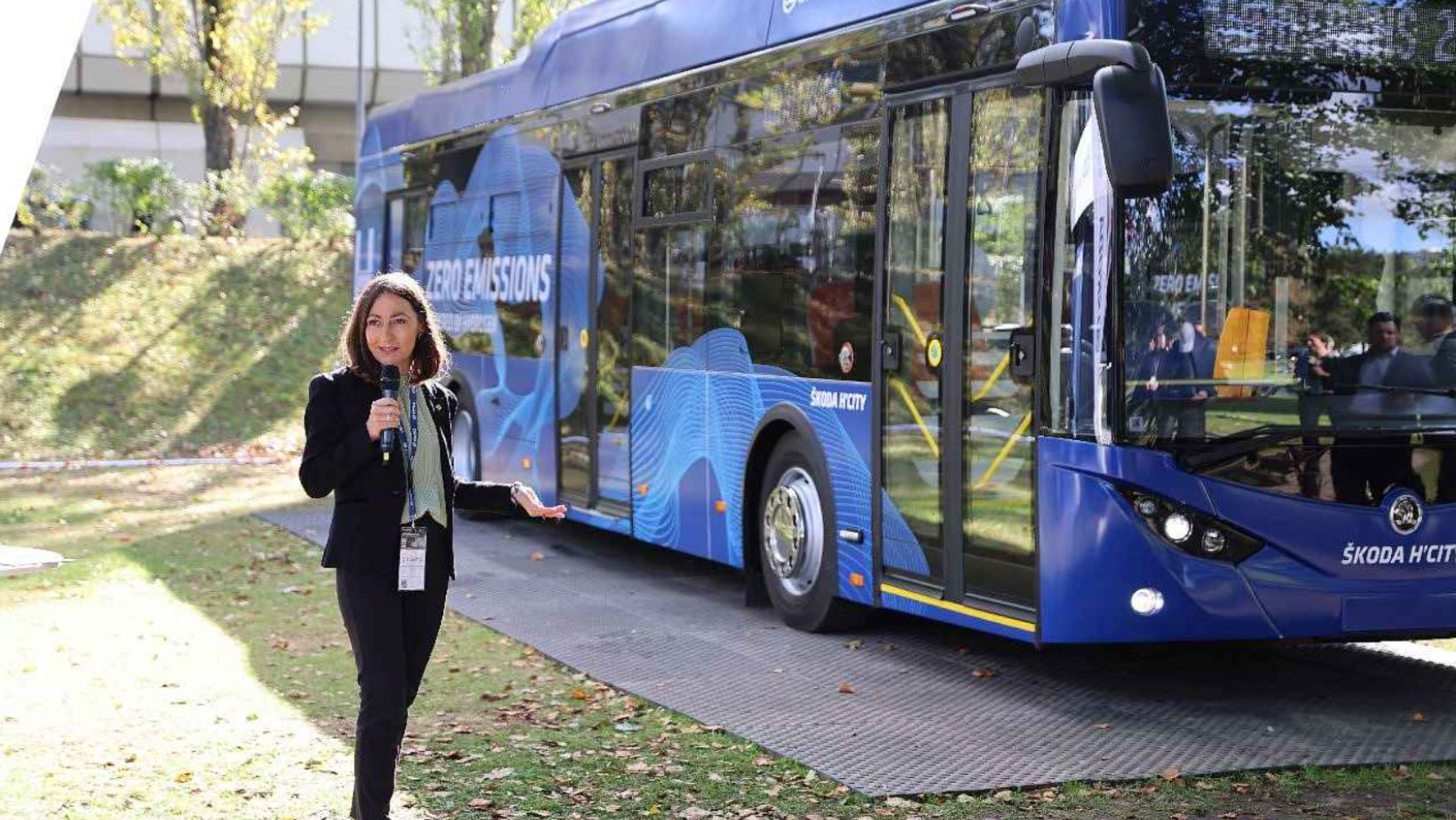
In the first quarter of 2023, the Prague Transport Company will launch a test program for the city’s first-ever hydrogen-powered bus. The pilot project will last for two years. The authorities have already signed an agreement with the Czech manufacturer Škoda Transportation to lease its latest hydrogen bus Škoda H’CITY, which was presented on Tuesday, 22 November. Under this project, the company will deploy the bus on line 170, connecting Jižní město and Barrandov, in the second half of 2022 for a period of 2 years. In a press release, the Mayor of Prague Zdeněk Hřib praised the trial, noting that it is an important step in ensuring sustainable urban mobility. What is more, he revealed that about 50% of the capital’s population currently relies on public transport to move around the city. The hydrobus has a range of about 350 kilometres. This is three times as much as the electric bus, which needs several refuellings during the working day. In addition, it takes 10 minutes to refuel with hydrogen, whereas it takes several hours for an electric bus to fully charge its battery. Although the hydrogen-powered bus will be emission-free and sustainable, its operations will be costly. On its website, the...
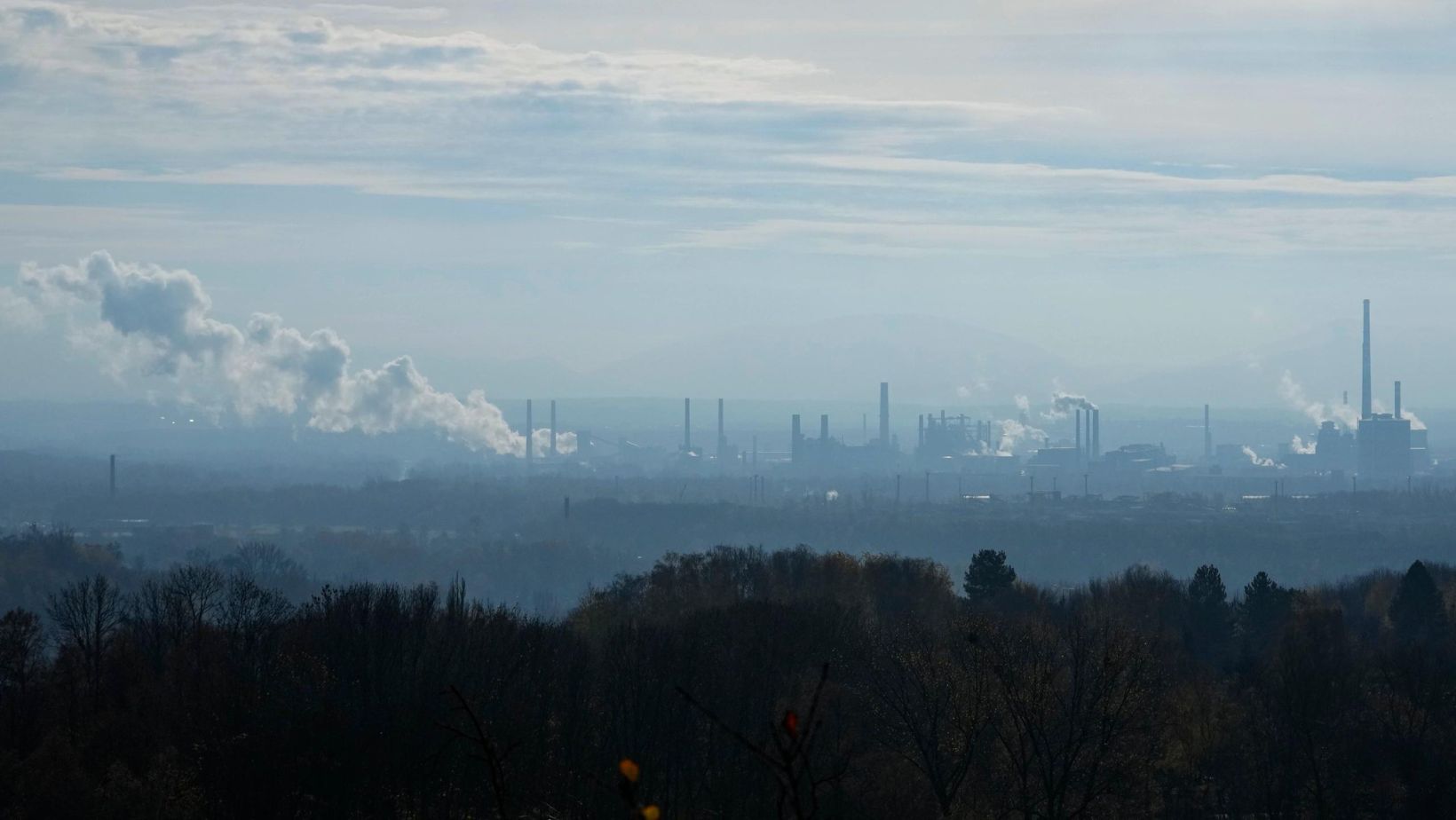
In Ostrava, huge piles of coal are stacked up ready to sell to eager buyers and smoke belches from coal-fired plants that are ramping up instead of winding down. The city has been working for decades to end its legacy as the most polluted area of the country, transitioning from an industrial working-class stronghold to a modern city with tourist sights. But Russia’s war in Ukraine has triggered an energy crisis in Europe that as paved the way for coal´s comeback, endangering climate goals and threatening health from increased pollution. Households and businesses are turning to the fuel once considered obsolete as they seek a cheaper option than natural gas, whose prices have surged as Russia slashed supplies to Europe. Demand for brown coal – the cheapest and most energy-inefficient form – used by Czech households jumped by almost 35% in the first nine months of 2022 over a year earlier. In the same period, production rose more than 20%, the first increase after an almost continuous, decadeslong decline, the Czech Industry and Trade Ministry said. Coal-fired power is not only disastrous for climate, it´s also a health hazard, releasing heavy particle emissions, nitrogen oxides and mercury, which contaminates fish in lakes and rivers. A 2021...
Prague Airport has won the ninth gold medal in a row for its blossom honey, competing in the Czech Honey contest, held annually by the Czech Beekeepers Association. Once again, the airport honey samples received a 100% rating in parameters such as water content, sucrose, electrical conductivity, correctness of information on the labels, and the overall aesthetic impression of the honey packaging. Prague Airport has been submitting its honey samples to the competition since 2013. “Beekeeping was established at the airport in November 2011, primarily as a means of air quality biomonitoring, to assess the air transport impact on the quality of the environment. The collected honey and pollen samples are subjected to analyses by the accredited laboratory of the University of Chemistry and Technology Prague,” Soňa Hykyšová, Prague Airport Environment, Sustainability, and ESG Director, said. “Biomonitoring using bees is only a small part of the overall environmental monitoring, where the airport monitors about 40 parameters above the scope of legal requirements,” added Hykyšová. Since 2019, the airport has also been monitoring its bees using a system for electronic monitoring of bee colonies – ProBee. Using this system, we monitor the weight of the hives, the temperature, and the acoustic behavior...
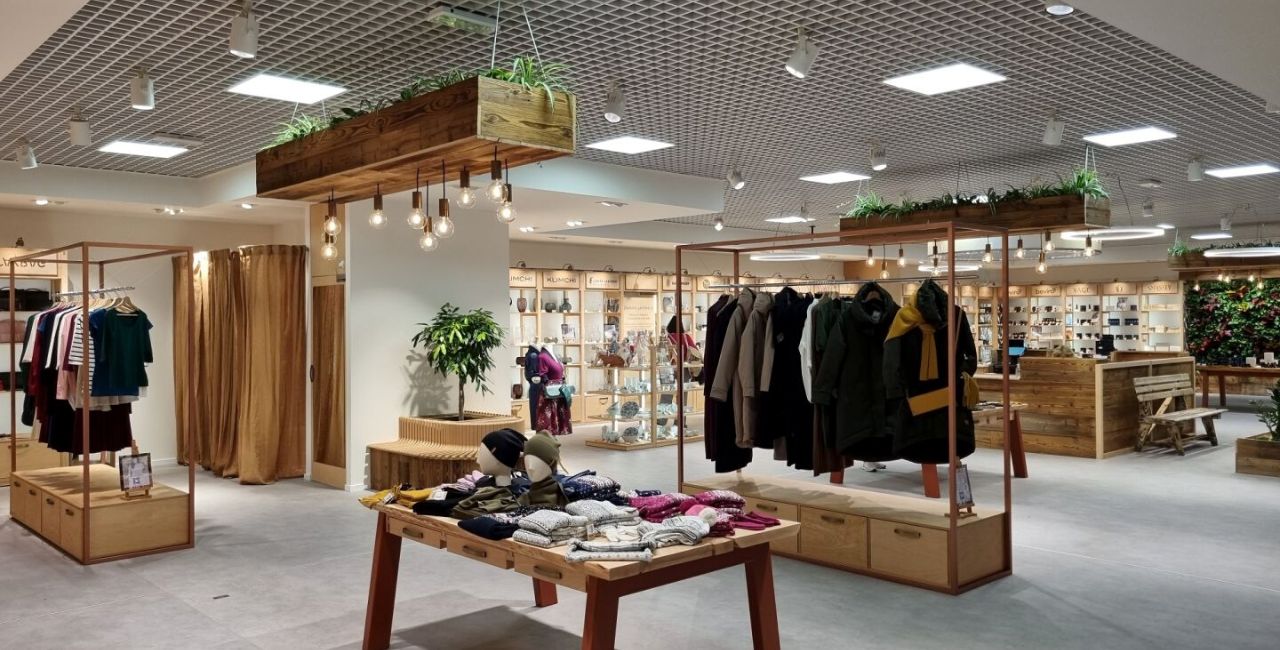
Future is Local is the name of a new shop at in the Terminal 2 building, which purposely promotes almost thirty Czech and Slovak brands. All offered local goods are produced from quality materials, in a sustainable manner, and with respect to the environment. The concept and design of the shop, located directly in the Terminal 2 building, also bear the same elements. “We are happy that, together with Lagardère Travel Retail Czech Republic, we have opened a purely local shop, which is the first of its kind at the airport and promotes a concept unique even on a global scale. We have long been advocating the topic of sustainability. Therefore, the concept fits right into the entire company strategy. Further expansion of airport services with a similar approach has our full support,” Jakub Puchalský, Member of the Prague Airport Board of Directors, said. The Future is Local shop features not only established companies with a long tradition, but also small starting businesses, and includes products from a protected workshop. Passengers can find there fashion and gift items, alongside natural cosmetics products from brands such as Klara Rott, KAMA, Studio Malíská, Havlík’s Natural Pharmacy, Chrpa protected workshop, ABRAKA, Reparáda, and others. “The idea on which...
A climate-neutral urban district that will not depend on gas or coal should be created in Bubny-Zátory. According to the study, it will use heat and cold from the planned Energocenter in Bubenč. The study on the technical infrastructure of the future new urban district in Bubny-Zatory was approved by the city council. A detailed plan for the location of supply networks was also needed for the 100-hectare area. According to information on Prague 7’s website, one of the largest brownfields inside the city would use heat and cold from the planned Energy Centre at the Central Wastewater Treatment Plant in Bubenec. It will generate heat using wastewater with the help of high-capacity pumps. “The Energocentre project uses the heat of wastewater that is treated on Císařský ostrov. Every second, three cubic metres of treated wastewater leaves the treatment plant, which is at a temperature of more than 10 degrees even in the coldest months. We have a huge opportunity to use this water to provide heat for up to a third of Prague. It has worked successfully for decades in Denmark and Sweden, and there is no reason why it should not work here too.” said Prague Deputy Mayor...
Don’t have an account? Register
[swpm_registration_form level=”6″]
Already have an account? Log In
How Would You Like to Promote Your Business? PR ArticleDisplay bannersVideo productionNewsletter adsJob ListingsInfluencer Marketing
Your Email
We will come back to you within 24 hours with our proporsal