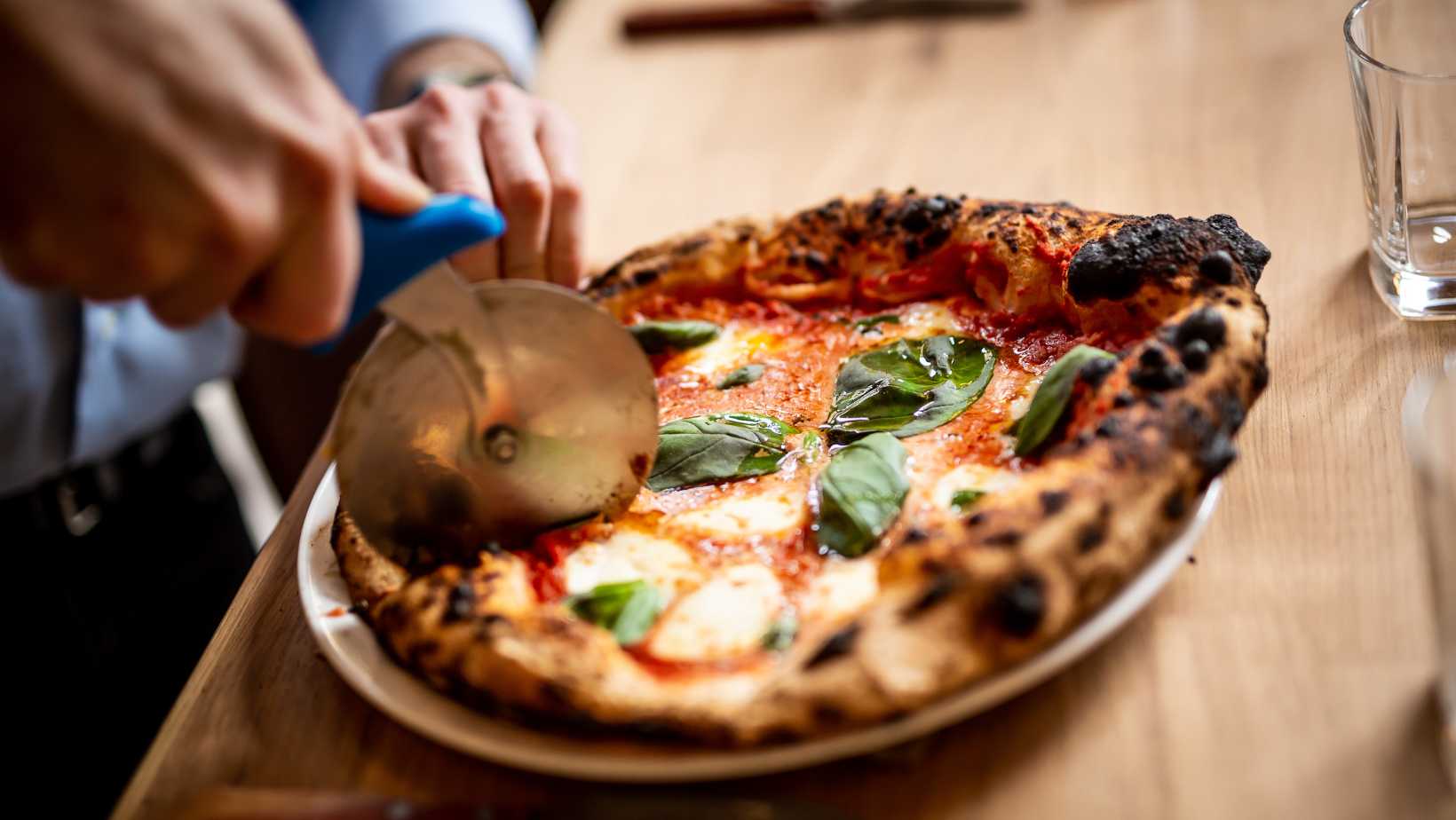
Pizza prices across the Czech Republic rose by about 11.5 percent year on year, according to new data from Foodora. Despite the increase, the country remains among the cheapest markets in Europe where the delivery platform operates. The company’s Pizza Index, modeled loosely on global purchasing-power comparisons used in fast-food pricing, tracks average pizza costs in cities with the highest order volumes. The figures show clear regional differences inside the country. The lowest average price last year was recorded in Liberec at around 226 CZK. It was followed by České Budějovice with 233 CZK, Plzeň at 245 CZK, and Brno at roughly 251 CZK. The highest average price remained in Prague, where customers paid about 260 CZK per pizza. Across all countries covered by the index, prices were lower only in Hungary. The cheapest city overall was Szeged with an average price equivalent to about 207 CZK. At the opposite end stood Lillestrøm in Norway, where the converted price reached roughly 465 CZK. Higher ingredient costs, especially wheat, tomatoes and cheese, together with energy and operating expenses, have pushed prices up. Some major cities nevertheless recorded small declines, which the dataset links to stronger competition and more efficient production. Ordering...
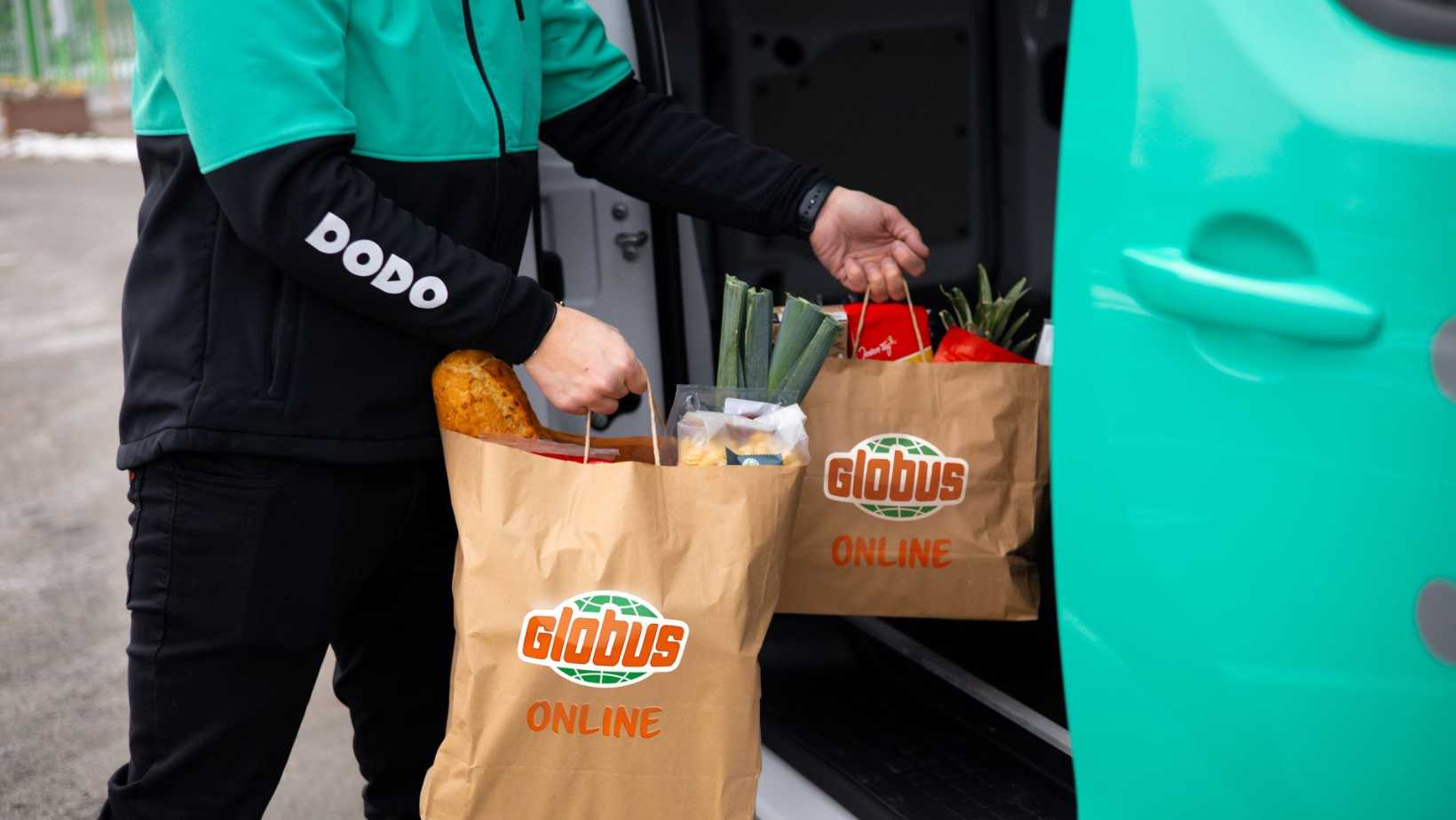
Globus has launched its own online grocery delivery service in Prague, marking a major step in the retailer’s push into e-commerce. Customers can now order around 30,000 products through the new Globusonline.cz platform, including fresh food and popular items from the chain’s in-house production. The service officially started on January 27, 2026, initially covering Prague. Expansion to parts of the Central Bohemian Region and Ostrava is planned for spring 2026, with further rollout expected later. According to Globus spokeswoman Aneta Turnovská, the move reflects changing shopping habits. Many customers simply lack time to visit large hypermarkets, while demand for online grocery shopping continues to grow. Fresh food, particularly meat prepared by Globus butchers, is expected to make up a large share of orders. The new platform replaces earlier online ordering options that allowed customers to reserve purchases for pickup in Ostrava and Prague-Zličín. The updated system now combines online ordering, personal pickup in Prague-Čakovice and full home delivery into one service. Integration with the Můj Globus mobile app is planned later this year. Unlike some international retailers that rely on centralized warehouses, Globus has opted for a system built around its existing hypermarkets. The company says this approach allows better...
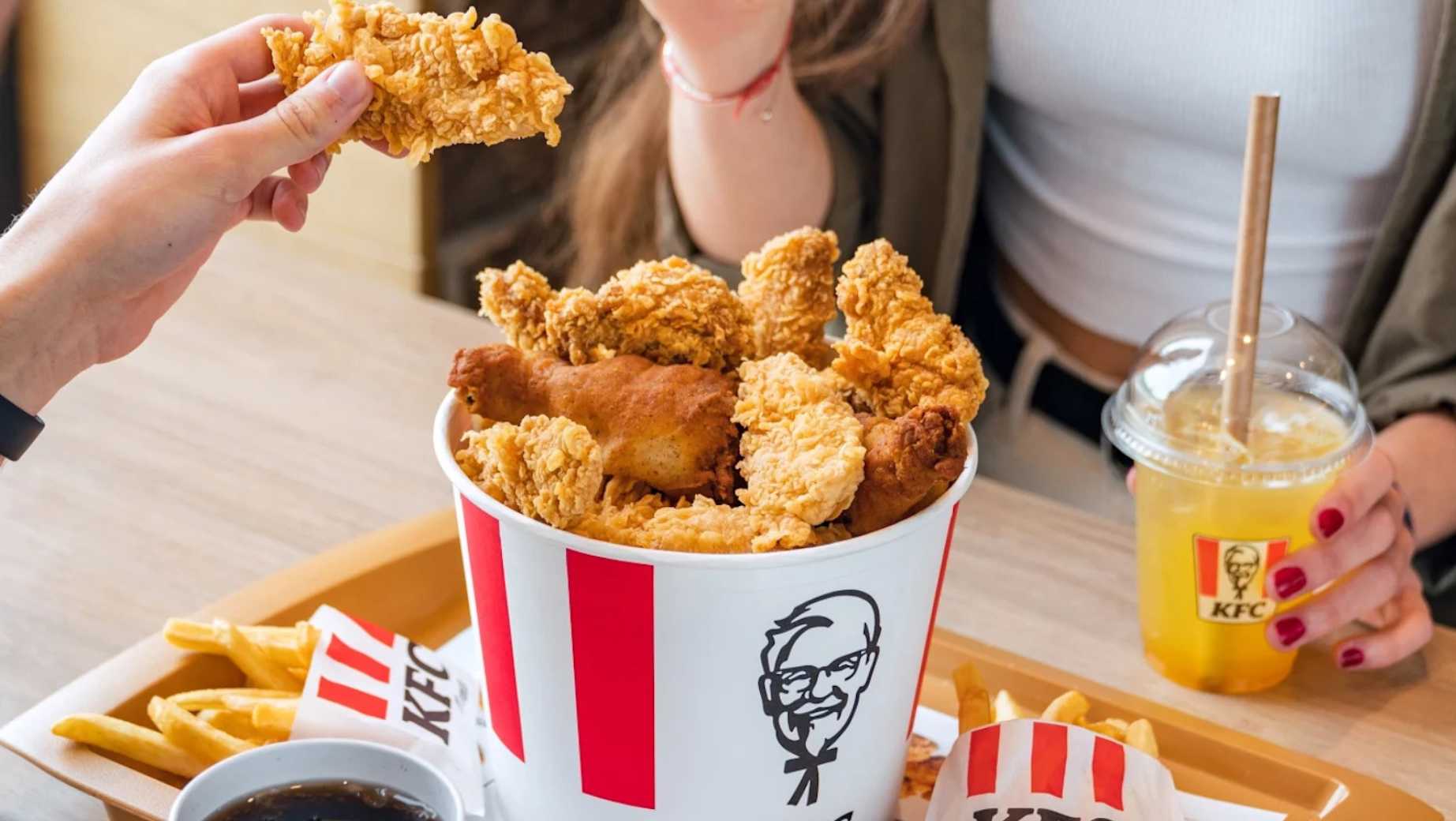
Problems with food safety were found in roughly one out of three KFC restaurants inspected across the Czech Republic last year, according to data released by the Czech Agricultural and Food Inspection Authority (CAFIA). Inspectors carried out 144 checks covering every branch of the chain, in some cases repeatedly. The seriousness of the findings differed from location to location, said CAFIA spokesman Pavel Kopřiva. Some violations involved direct risks to food quality. Inspectors reported moldy muffins offered for sale at a KFC outlet in Jenišov near Karlovy Vary. In Liberec, staff used meat past its expiration date during marinating. At a Prague-Dejvice branch, meat was thawed in standing water, a method that does not meet hygiene standards. Tests elsewhere revealed contaminated surfaces and ice samples exceeding permitted microorganism levels. Hygiene failures were the most frequent issue. Authorities recorded 38 cases linked specifically to food cleanliness rules. Inspectors also noted 13 breaches tied to food safety management procedures and one case involving incomplete meat traceability documentation. The inspection campaign followed reporting by independent Czech journalist Jan Tuna. His investigation alleged repeated improper meat handling, including altered shelf-life labels and preparation of dishes from meat described as spoiled or foul-smelling. The Czech...
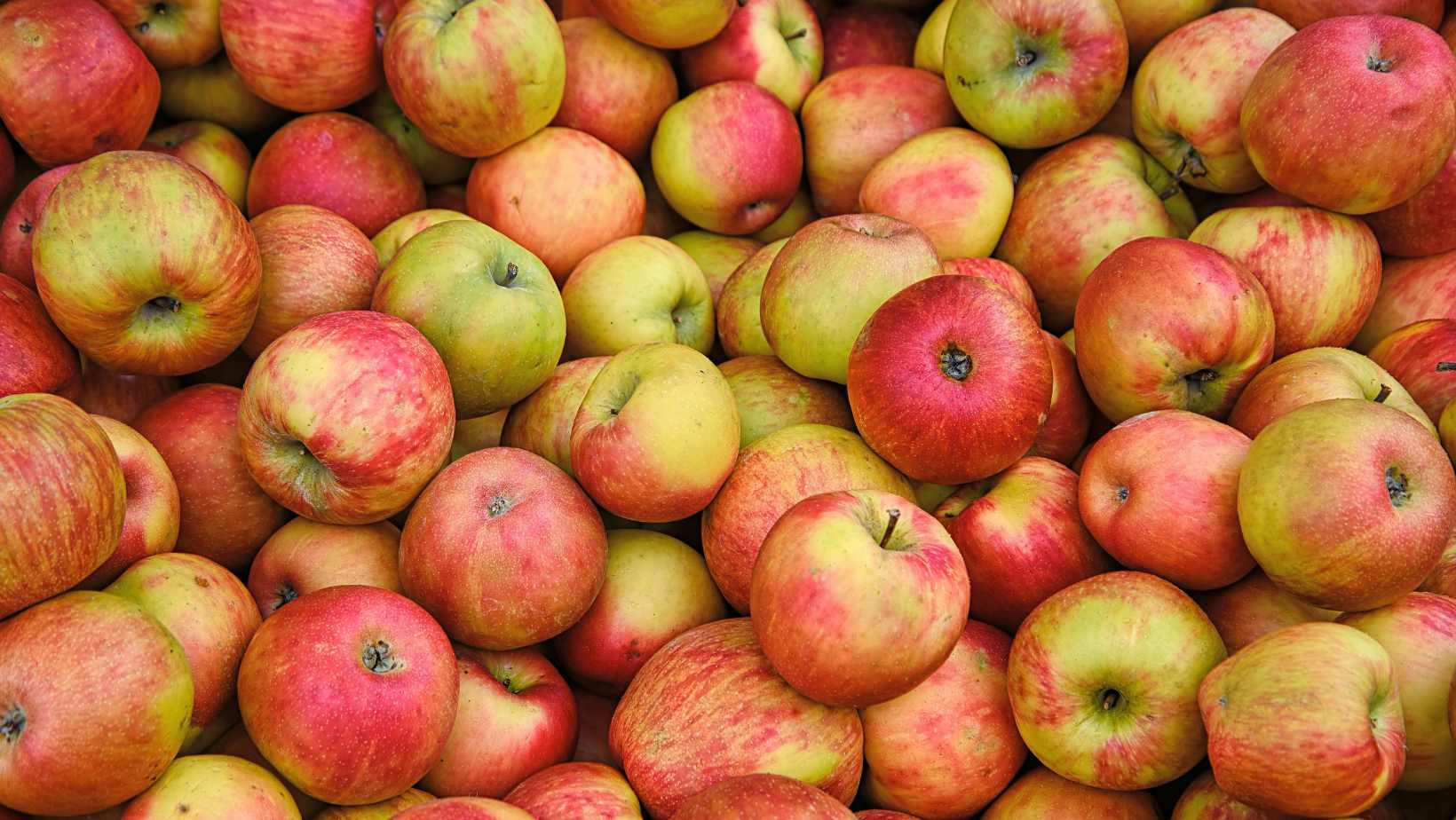
Laboratory tests have found that apples grown and sold in the Czech Republic contain some of the highest pesticide levels in Europe, with residues that may pose a risk to infants. The findings come from a Europe-wide analysis coordinated by PAN Europe, a non-governmental organization focused on public health and environmental protection. One Golden Delicious apple purchased in a Czech supermarket contained seven different pesticide residues. According to the analysis, several were present at concentrations considered unsafe for baby food. Foods containing pesticide residues above 0.01 milligrams per kilogram are regarded as unsuitable for infants under European rules. In total, 59 apples from 13 European countries were tested. Only four samples, sourced from Denmark, Belgium, and Italy, met the criteria for use in infant food. All five apples from the Czech Republic failed. On average, Czech samples contained 3.8 different pesticide substances, around 20 percent more than the European average. Only one apple from Luxembourg recorded a similarly poor result. The testing focused on common varieties including Golden Delicious, Gala, Honeycrunch, and red apples. The samples were purchased by the Czech environmental group Rainbow Movement in three major retail chains: Tesco, Lidl, and Billa. Retailers were contacted for comment. Lidl...
Ambiente has expanded its presence in Prague with the opening of three food businesses at the Holešovice Market. A new branch of the Myšák pastry shop, the Skô restaurant led by Slovak chef Tomáš Valkovič, and a Naše maso butcher shop have begun operating in Halls 27 and 28. The project brings together brands long associated with Ambiente and well known from central Prague. Each venue keeps its original focus while adapting to the market setting. Guests can move freely between the businesses and use the courtyard as a place to eat, meet, or pause during a visit to the market. At the heart of the concept is the courtyard, which connects the individual operations into a single space. Naše maso in Hall 27 offers beef and pork from Czech farms, smoked meats based on First Republic recipes, and ready-to-eat items such as burgers, steak tartare, and meatloaf sandwiches. The shop is designed for both takeaway and quick stops. Sharing Hall 27 is the Myšák pastry shop, focused mainly on takeaway. The menu includes classic Czech desserts, cakes made from historical recipes, filled and baked croissants, buns with vanilla cream, homemade granola, and coffee from the Nordbeans roastery in Liberec....
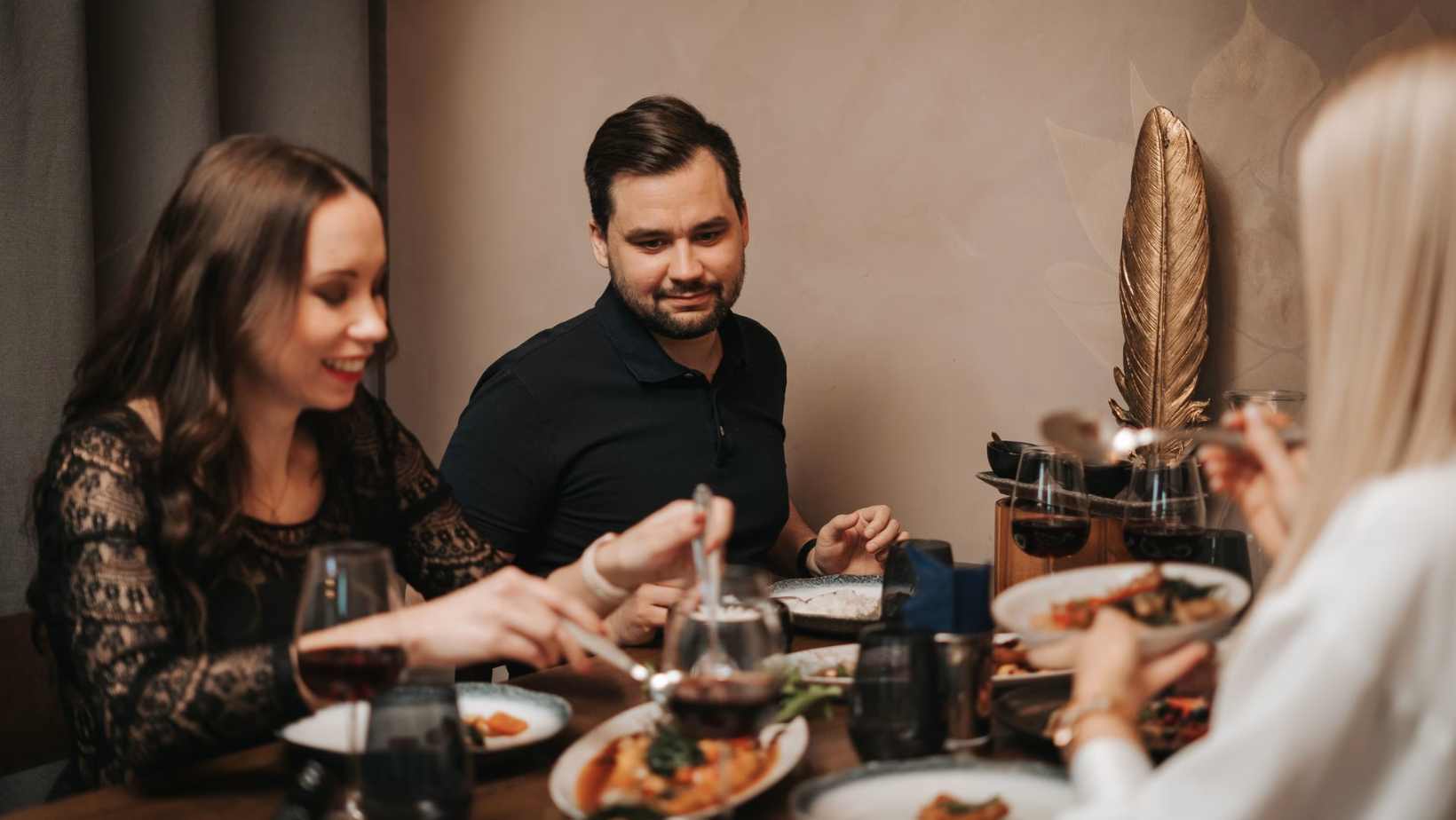
Restaurants across the Czech Republic are facing a steady drop in in-house customers, particularly during the working week. According to industry data and business owners, many establishments now rely on just three days to stay afloat. Thursday, Friday, and Saturday have become the only profitable days for a growing number of restaurants. From Sunday through Wednesday, most operators either break even or lose money. Some have already adjusted their opening hours. Others have closed entirely on weekdays. “Our restaurant doesn’t open from Monday to Wednesday anymore,” said Lumír Sendrej, a restaurant owner. “If we did, we would be operating at a loss.” Industry figures confirm the trend. Over the past three years, revenues in Czech restaurants have dropped by around 10 percent. Weekday foot traffic alone fell by roughly 8 percent compared to last year. Lunch service has been hit hardest. “Lunch is basically gone,” said Luboš Kastnér, a board member of the Association of Small and Medium-Sized Entrepreneurs. “It’s no longer a fight. It’s over. People simply don’t go out for lunch during the week anymore.” Instead, customers are increasingly ordering food to their homes or offices. Delivery services are no longer a supplement. For many restaurants, they are...
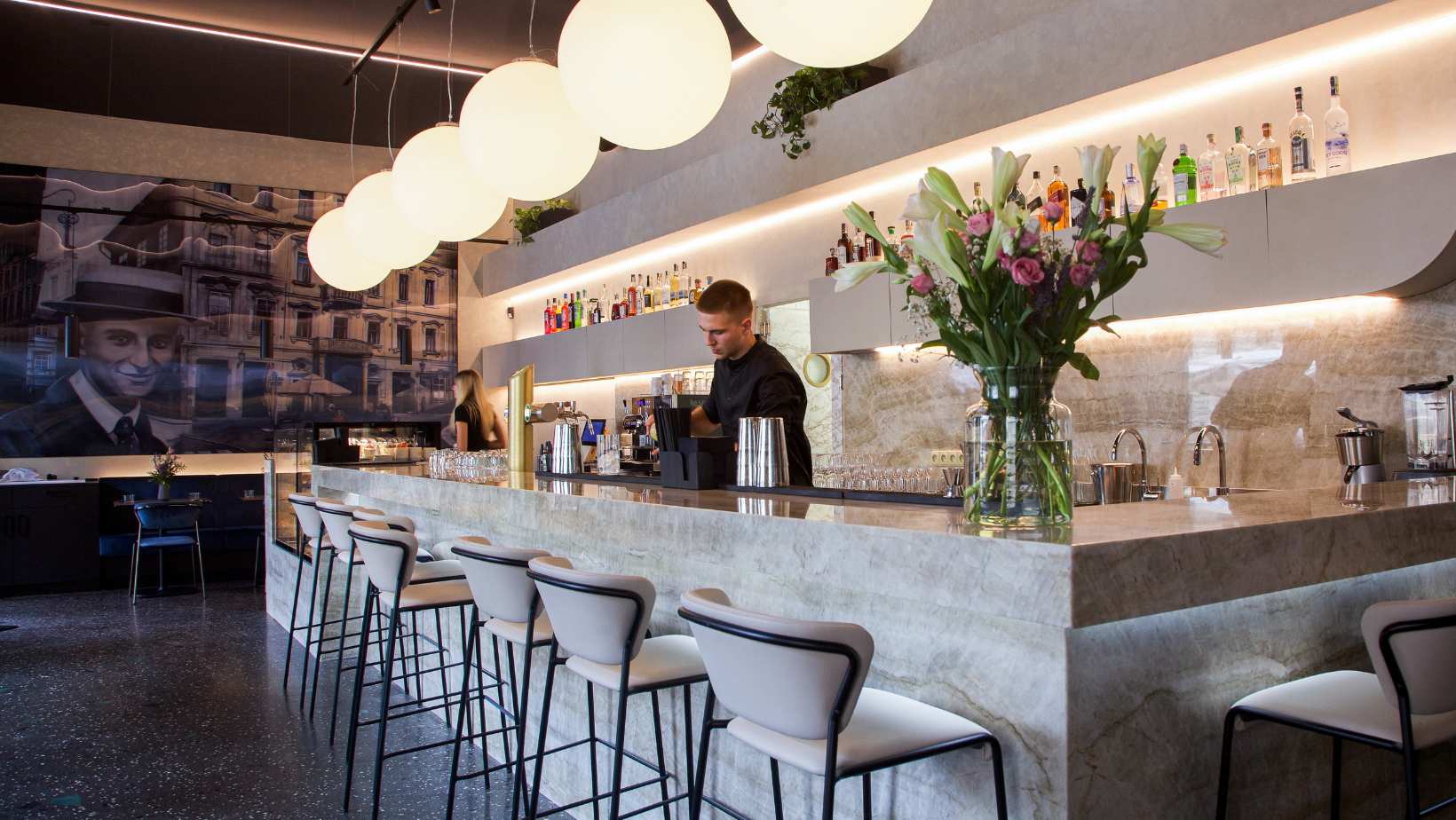
The legacy of Franz Kafka has resurfaced with the arrival of Kafkoff, a project that features a café, bar, bistro and gallery situated in the Franz Kafka House just off the Old Town Square. Open since early August, the venue aims to keep Kafka’s memory present in everyday life, using the space where he was born as a home for art, culture and community. One of the most striking features inside the café are the two stunning pieces of art on the walls—images that transform depending on the angle you view them from. These “two paintings in one” were conceived by Jakub Behyne, one of the founders of Prague’s Illusion Art Museum, and executed by an impressive team of artists. Zdeněk Daněk, one of the leading Czech masters of grisaille painting, collaborated with two of Europe’s top graffiti artists: Caer8th (Vladimir Hirsher) and Lukero. The result is a pair of artworks that feel dynamic, playful, and deeply in tune with the shifting worlds Kafka often explored in his writing. But Kafkoff isn’t only about visual surprises. The menu features an all-day brunch, comfort classics with a focus on quality ingredients sourced from local suppliers. The emphasis on freshness and thoughtful...
A little bit of language first. The full name is obložený chlebíček (singular) or obložené chlebíčky (plural) which literally means “small garnished bread(s)”. However, if you say just chlebíček or chlebíčky, everybody in the Czech Republic will know what you mean. What type of sandwiches are these? The most important feature is that there is only one slice of bread. Besides this basically, anything goes. In general we could say that a chlebíček has three main parts: bread, spread and garnish. The bread is usually plain white baguette called veka. The spread can be anything from butter through typical Czech sandwich spreads like vlašský salát (vlašák). As for the garnish, there are traditional garnishes like cheese, ham, egg and gherkins but there are also luxurious varieties with caviar and smoked salmon. As for the size, the original chlebíčky sandwiches were rather small, nowadays, they come in different sizes. Brief history of chlebíčky The creator of chlebíčky was a Czech charcuterie shop owner, Jan Paukert, who founded his shop in 1916 and invented the open sandwich not long after. It was the painter Jan Skramlík who came to his friend Paukert and said that he didn’t like the canapés called jednohubky because they were too small. He suggested that the ideal party food should be for two to...
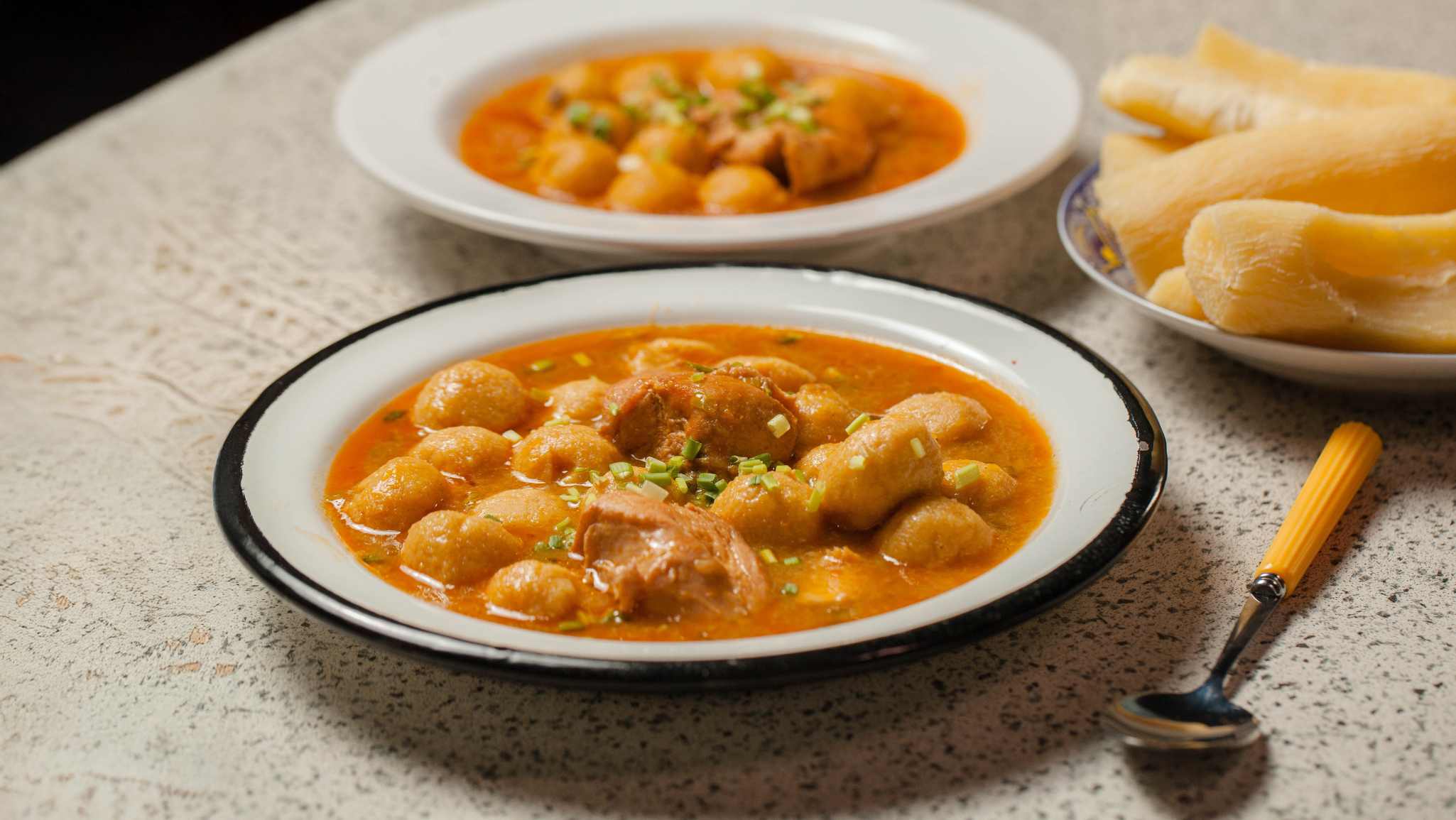
TasteAtlas has released its annual list of the 100 best dishes in the world, drawing on thousands of ratings submitted by readers and food enthusiasts worldwide. The highest-ranked dish comes from South America. Vori-vori, a traditional Paraguayan soup, claimed first place overall. The dish consists of small balls made from cornmeal and cheese, simmered in a rich broth. It is commonly eaten across Paraguay, from rural households to city kitchens, and is considered one of the country’s most familiar comfort foods. Second place went to Neapolitan pizza. Prepared according to strict regional traditions, it relies on a simple combination of tomato sauce, mozzarella, fresh basil and oregano. Despite its global popularity, the dish continues to rank highly among TasteAtlas voters. Italy’s influence is especially visible near the top of the list. Third place was awarded to tajarin al tartufo bianco d’Alba, a Piedmont specialty made with thin egg pasta tossed in butter and topped with freshly grated white truffles. Another Italian dish appears in tenth place, pappardelle al cinghiale, wide pasta served with a slow-cooked wild boar ragù. Between these Italian entries, the ranking reflects a broad mix of global cuisines. Fourth place went to sate kambing, a grilled goat...
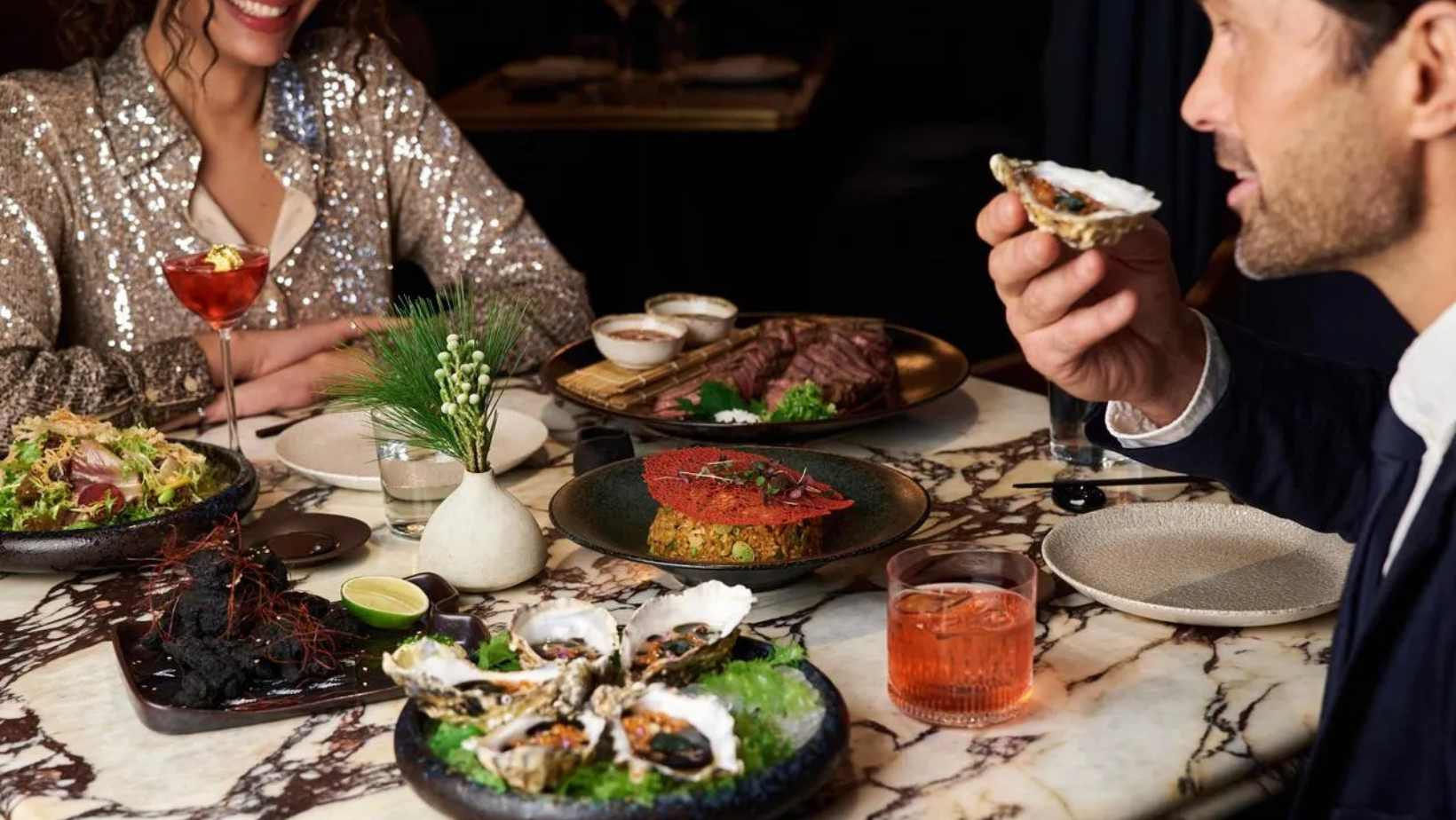
Deciding where to celebrate New Year’s Eve? Prague offers a variety of spots, from lively themed parties to cozy restaurants, perfect for enjoying fireworks, food, and festive drinks. Whether you’re looking for a high-energy celebration or an intimate evening with great food, Prague has an option to suit every taste. 1. W Hotel New Year’s Eve at W Prague usually means a chic, modern celebration with multi-course dining, champagne, and DJ-led parties in the hotel’s signature stylish setting. The New Year’s Eve dinner features a three-course sharing menu served with oysters and a glass of bubbles to start the night. Price: 7,500 CZK per person* Time: 6 PM – 11 PM 2. Night Jungle NYE Party – Falkensteiner Hotel Step into a lush, jungle-themed setting at the Falkensteiner Hotel Prague and celebrate New Year’s Eve in style. Hosted by The Monkey Bar, guests can look forward to: Duo DJs, Laser Shows, Masquerade, live cooking stations, rich buffet, bottomless drinks, cocktails, bubbles, and more. The main party runs from 7 PM to 12 AM, followed by an afterparty from 12 AM to 3 AM. 3. Agave Restaurant Located at Masná 620/2 Staré Město, Avage Restaurant brings the vibrant flavors...
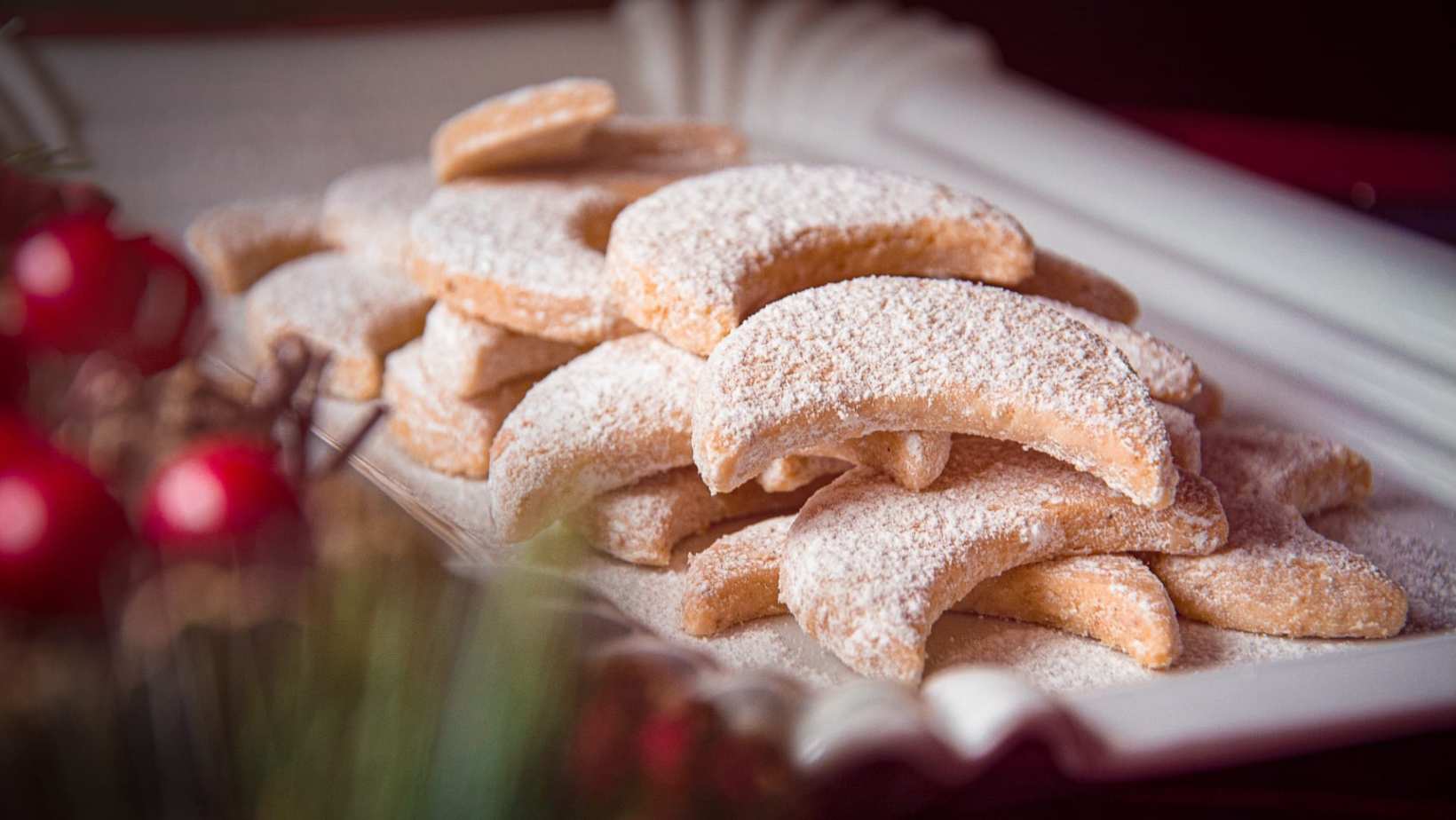
In Czech households, Christmas baking begins long before December 24. Kitchens turn into production lines, recipes are pulled from handwritten notebooks, and cookies are baked days—or even weeks—in advance. Among the dozens of traditional sweets prepared each year, two appear almost without exception: linecké cukroví (Linzer cookies) and vanilkové rohlíčky (vanilla crescents). Both rely on simple ingredients, careful handling, and time. And both tell a story of Central European tradition that has changed very little over generations. Linecké cukroví (Czech Linzer cookies) Linecké cukroví are delicate sandwich cookies made from shortbread dough and filled with fruit jam, usually red currant or raspberry. They are traditionally shaped as hearts, flowers, or stars, with a small cut-out in the top layer so the jam shows through. Czechs bake them several days before Christmas, allowing the cookies to soften and develop their characteristic tender texture. Ingredients All-purpose flour (plus extra for dusting) Unsalted butter, cold but slightly softened Powdered sugar (for the dough and for dusting) Egg yolk Freshly grated lemon zest Vanilla (paste or extract) Seedless red currant jam or raspberry jam Method Sift the flour into a bowl. Add the cold butter cut into small pieces, powdered sugar, egg yolk, lemon...
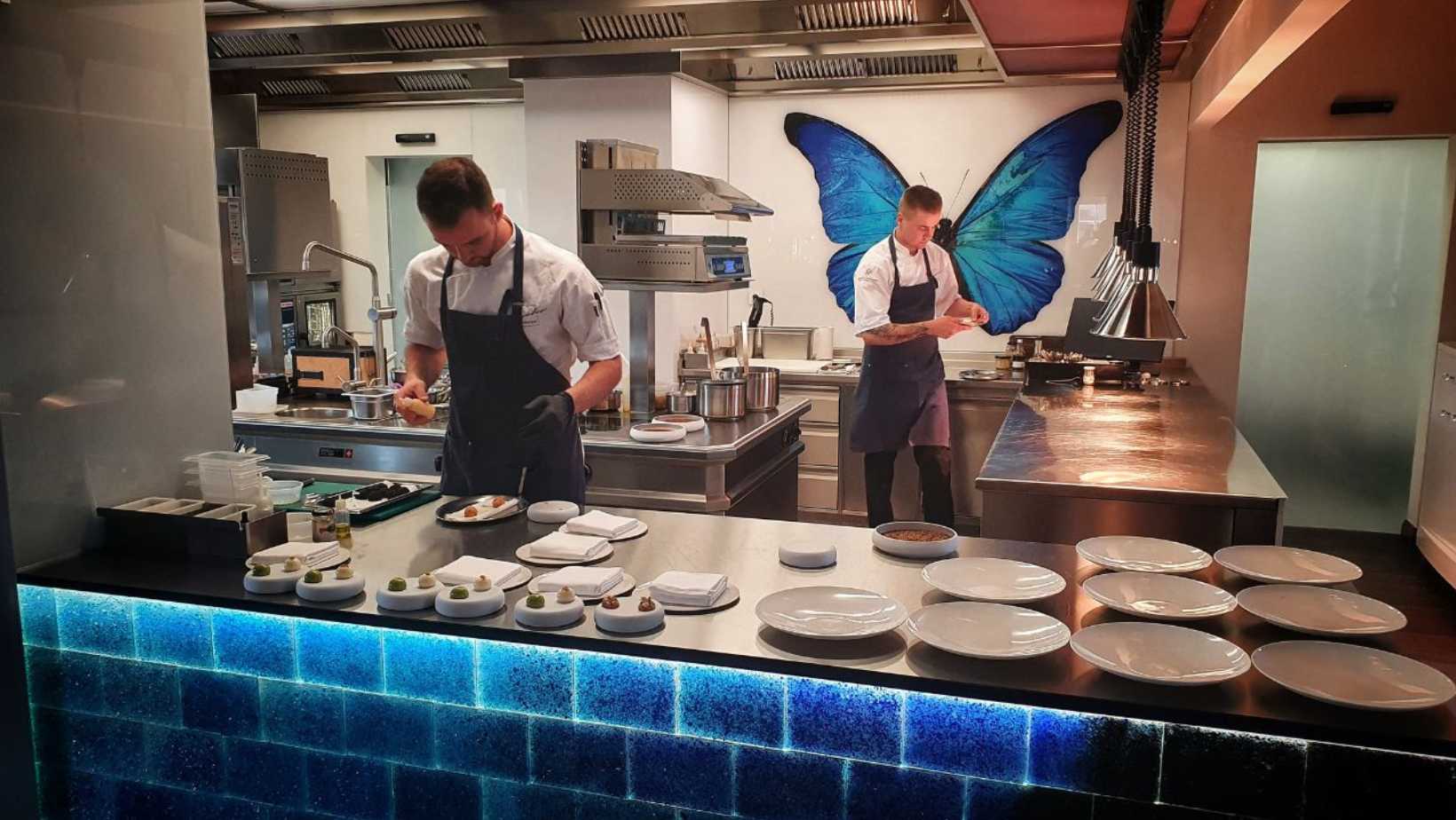
Czech gastronomy reached a milestone this week when Restaurant Papilio in Vysoké Újezd near Beroun became the first dining spot in the country to earn two Michelin stars. The recognition arrived as the Michelin Guide released its new Czech edition — the first to assess restaurants beyond Prague. The expansion of Michelin’s focus reshaped the national culinary map. Inspectors awarded 9 starred restaurants across the country, while another 18 venues received Bib Gourmand, the guide’s mark for quality food at reasonable prices. Four restaurants were also honored with Green Stars for sustainability, along with several individual awards for service and young talent. Until now, Michelin had concentrated on Prague, where La Degustation Bohême Bourgeoise and Field have long held one star each — and both retained their status. The restaurants Entrée in Olomouc, Vila in Zlín, Essens in Hlohovec in the Břeclav region and the Prague restaurants Levitate, Štangl, Pole, and Casa De Carli each received one star. But the spotlight largely shifted outside the capital for the first time. The biggest attention fell on Papilio, now holding two stars, led by chef Jan Knedla, who previously worked in acclaimed Michelin kitchens worldwide, including the three-star Amber in Hong Kong. Inspectors...
Don’t have an account? Register
Already have an account? Log In
How Would You Like to Promote Your Business? PR ArticleDisplay bannersVideo productionNewsletter adsJob ListingsInfluencer Marketing
Your Email
We will come back to you within 24 hours with our proporsal