The days of ex-partners and former friends holding onto each other’s Netflix passwords are officially coming to an end. Users will receive an email reminding them that Netflix accounts are intended for one household only, but it will be possible to add another user to an account in Czechia for an additional CZK 79 per month. The exact date when this will happen has not yet been disclosed. Netflix has previously estimated that over 100 million households worldwide share an account. The company initially ignored password sharing, alleging it nourished growth for the platform. But last year the streamer changed its tune, announcing that it was going to crack down on password sharing because it hurts its overall net income. The company has already made moves to shut down password sharing in other countries like Canada, New Zealand, Portugal and Spain. In each market so far, Netflix has reported seeing a “cancel reaction” which gives way to “increased acquisition and revenue.” Netflix’s bold move to combat password sharing is a game-changer in the streaming industry. As the battle for subscribers intensifies, the company is taking decisive action to protect its revenue streams and invest in even more jaw-dropping content. With password sharing now under strict scrutiny, Netflix...
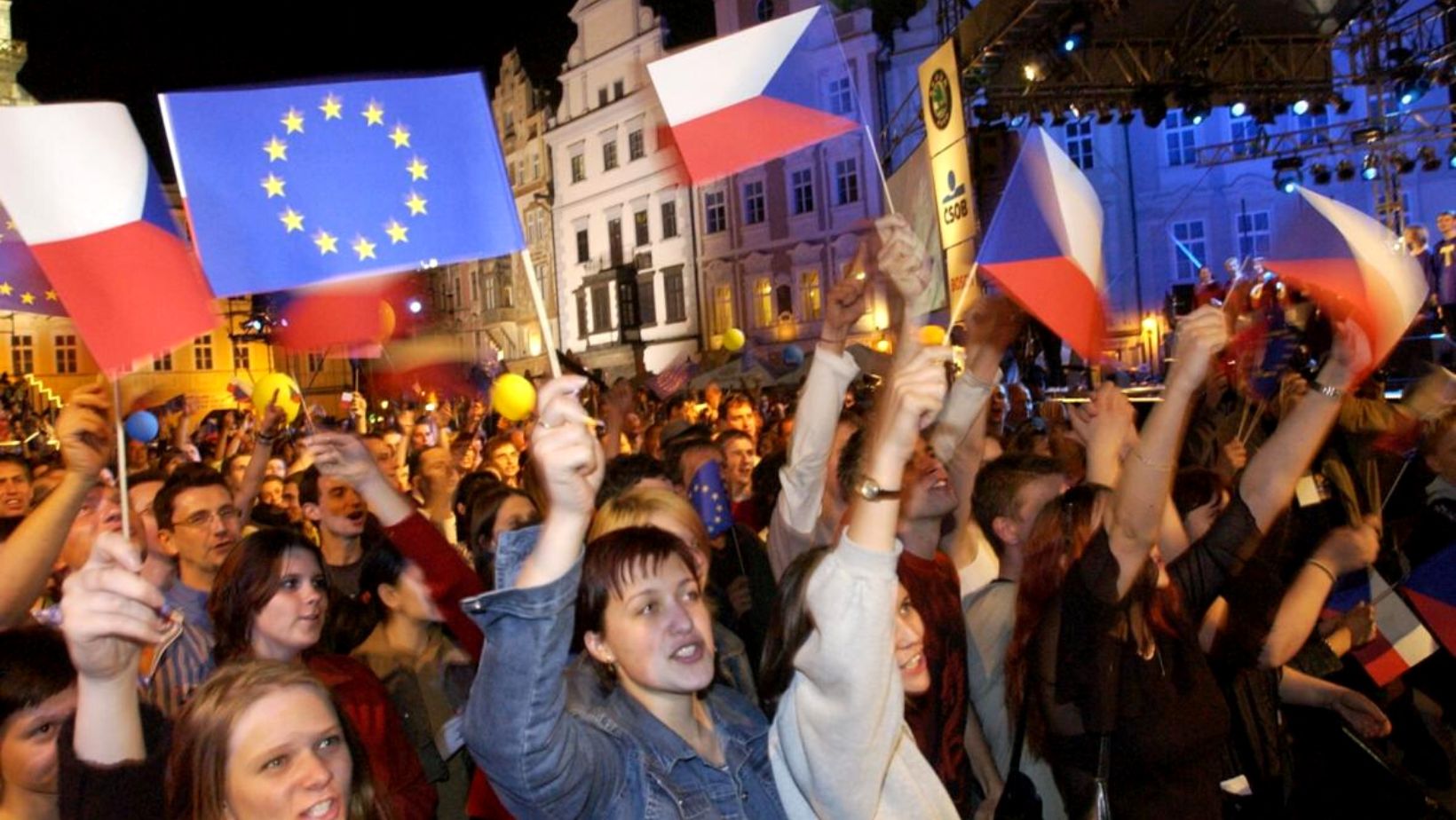
If the Czech Republic held a referendum on leaving the EU today, 63% of Czechs would vote to remain, a fresh survey conducted in one of the EU’s most eurosceptic countries found. The survey was conducted by the Europeum Institute and analytical agency STEM even though no such referendum is currently on the political agenda. Indeed, Czechs are generally optimistic about the EU, with 56% of respondents expressing this opinion. Still, they remain sceptical about introducing the common euro currency, as less than one in five said they favoured adoption, the Czech News Agency reported. Besides examining Czechs’ attitudes towards the EU, the survey also found that most Czechs still support welcoming Ukrainian refugees. According to Interior Ministry figures, there are currently some 325,000 in the country. Still, Jaromír Mazák, director of the STEM research agency, believes that while support for accepting Ukrainian refugees has been stable over time, it is quite fragile. “More than half of the public is concerned about the negative impact of migration from Ukraine on the quality of public services and the economy as a whole,” said Mazák, as quoted by the Czech News Agency. The survey found that 44% of Czechs are willing to help even at...
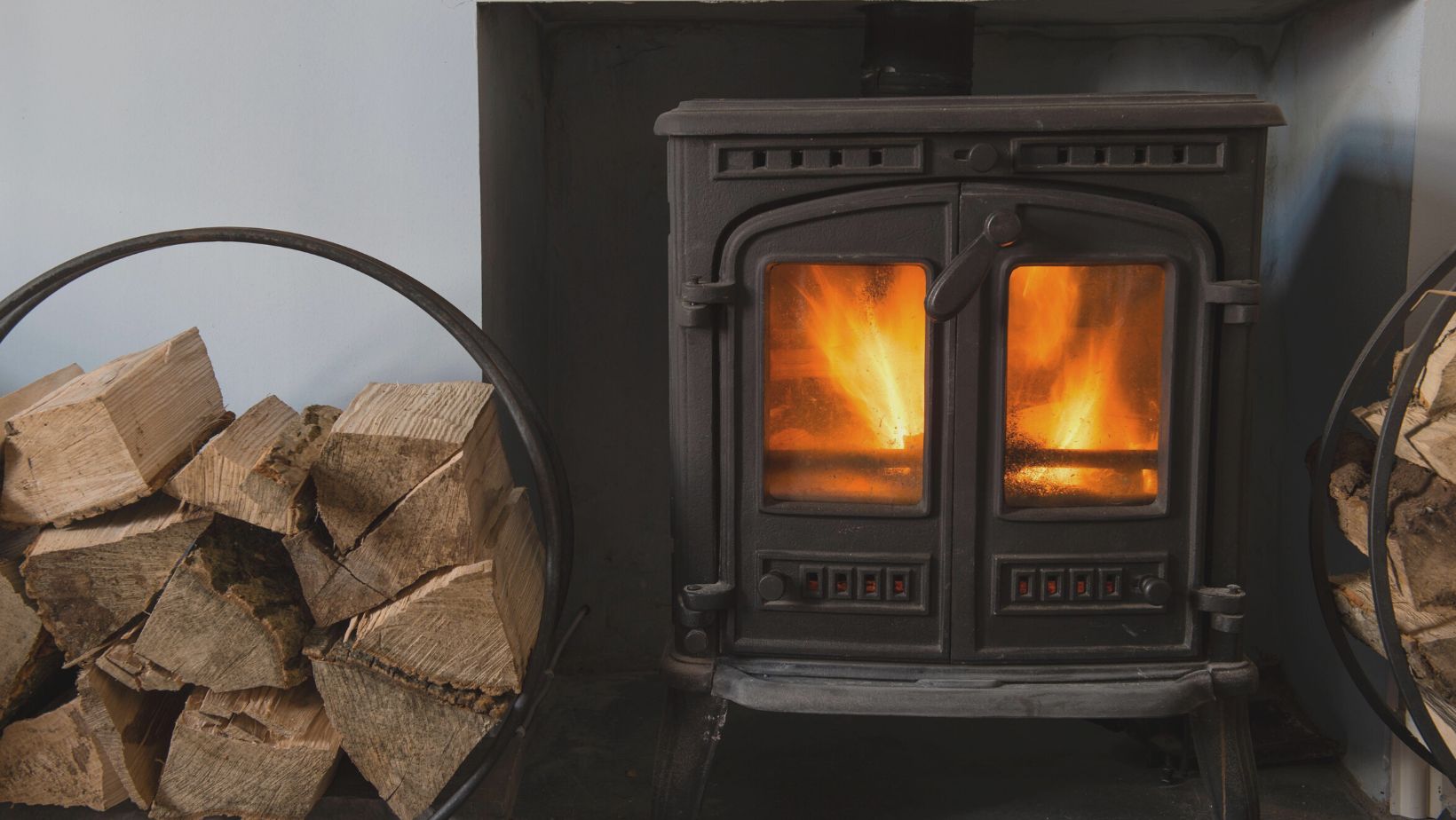
The Ministry of the Environment has announced its intention to implement a ban on the sale of coal for home heating starting from January 2025. This move aims to encourage individuals who currently rely on coal as a heating source to evaluate the condition of their stoves and coal supplies and explore alternative options. Under the proposed amendment to the Air Protection Act, combustion appliances powered by solid fossil fuels with a capacity of up to 300 kilowatts will no longer be permitted to enter the market as of January 1, 2025. Lucie Ješátková, the spokesperson for the ministry, has confirmed the plans, stating, “The ban on introducing combustion sources using solid fossil fuels up to 300 kilowatts to the market will be implemented from January 1, 2025.” However, the sale of existing coal stockpiles will still be allowed after this date. It’s worth noting that the ban does not extend to certain types of coal, such as brown and black coal, anthracite, and coal briquettes. Czech manufacturers will still be permitted to produce coal-fired stoves for export. This measure is seen as a proactive step in preparation for the expected limited availability of coal and in line with the...
Almost one-tenth of adults in the Czech Republic, around 900,000 people, drink alcohol every day, and around 1.5 million drink hazardously. A recent report on addictions, commissioned by the Czech government and published by the National Monitoring Centre for Drugs and Addictions, sheds light on the situation. The report reveals that close to ten percent of adults over the age of 15 consume alcohol on a daily basis. Moreover, an estimated 1.5 to 1.7 million people fall into the risky drinking category. One might assume that having a couple of beers in the evening would not pose a significant threat to one’s health. However, for women, consuming an average of over 20 grams of ethanol per day – the equivalent of less than two small beers or three glasses of wine – is already considered risky. Men, on the other hand, should not exceed 60 grams of ethanol. Furthermore, the act of consuming five or more drinks in a single sitting brings about additional risks. In this category, the Czech Republic ranks among the countries with the highest prevalence worldwide. “Women are more likely to drink wine,” said Chomynova. “Drinking patterns among women are different. Women are more likely to...
A Czech medical worker, severely injured in Donbas in March and transferred to the Central Military Hospital in Prague in April, has passed away. “With deep sorrow, we inform you of sad news. Taylor, the founder of the Phoenix project, our friend and hero who personally saved many wounded soldiers on the eastern front and trained thousands of soldiers and civilians in combat medicine, succumbed to his severe injuries on May 15, 2023, after weeks of fighting,” said representatives of the Phoenix programme on social media. According to the Czech Ministry of Foreign Affairs, two Czech volunteers fighting against the Russian army have lost their lives in Ukraine. One passed away in March 2023 and the other in June 2022. The Phoenix project trains Ukrainian troops in combat medicine, while medics provide direct assistance on the front lines. Taylor suffered shrapnel wounds (Ukr) in mid-March during an artillery shelling in Donbas while assisting in evacuating a wounded Ukrainian soldier. At the time, the Czech Ministry of Foreign Affairs reported that the injured individual’s condition did not allow immediate evacuation. The medical worker was evacuated (Ukr) to the Prague Central Military Hospital in early April.
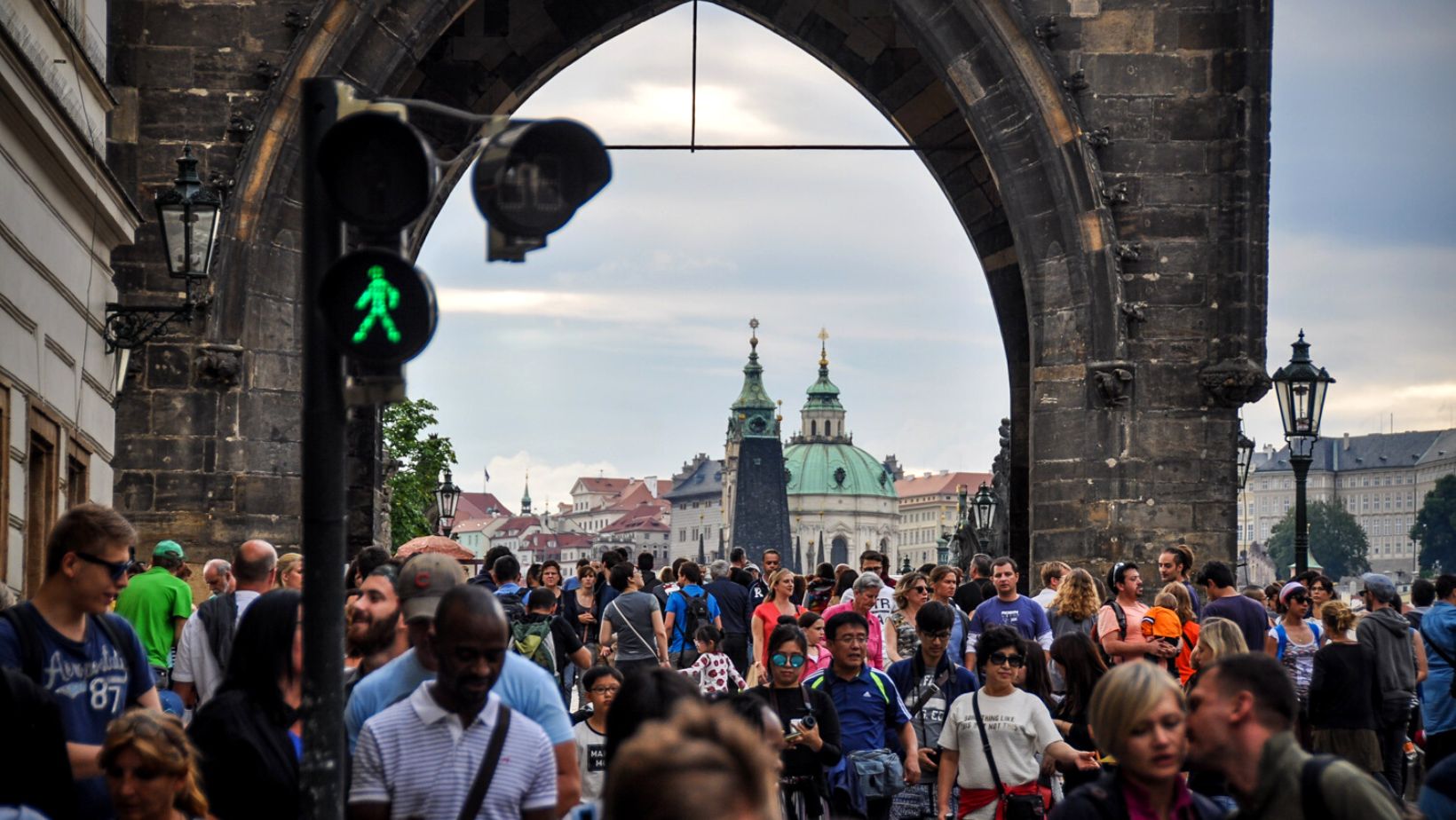
Around 3.8 million tourists stayed in the Czech Republic in the first quarter (Q1) of this year, a third more than in 2022, the Czech Statistical Office (CSU) said on Friday. Of them, 1.7 million tourists arrived from abroad, an almost 90 percent increase year-on-year, the CSU said, noting that, as in previous years, most of them came from Germany. The number of tourist overnight stays in collective accommodation establishments in the Czech Republic was 9.9 million in Q1 2023, up 26.4 percent year-on-year. “After the COVID-19 crisis, the number of guests was gradually increasing. However, it was still not at the same level compared to the year 2019. Operators of accommodation establishments were still missing a fifth of their clientele from abroad, who were coming to the Czech Republic before the crisis,” Pavel Vancura, head of the CSU’s Tourism and Environmental Statistics Unit, said in a statement. In Q1 2019, four million tourists stayed in the Czech Republic, the majority of whom were foreign visitors. According to fresh figures published on Tuesday by the United Nations World Tourism Organization (UNWTO), an estimated 235 million tourists traveled internationally in the first three months of this year, more than double the...
It was a zappy ending. A Czech man has died — and there’s no way to put this delicately — with a pingpong ball up his bum, after electrocuting himself during a self-pleasuring session gone horribly awry. The shocking incident was detailed in the journal Legal Medicine by doctors from the University Hospital Hradec Králové where the autopsy was performed. Authors said the 30-year-old man was trying to simultaneously satisfy multiple atypical fetishes — a practice known as autoerotic paraphilia. His unorthodox self-stimulation methods involved “body wrapping, cross-dressing, anal masochism, self-fetishism, and lower abdomen stimulation with an electric mechanical massage device.” According to the case report, the singleton’s parents realized something was amiss after their son, who lived in the same apartment, didn’t open his locked door despite them knocking multiple times. They called the fire department, who pried open the door with a lever, whereupon they saw their son’s lifeless body lying on the floor. He was wearing a “one-piece women’s swimsuit” while his lower limbs, trunk and neck were tightly bound with plastic and textile straps, per the case study. Next to his corpse was a one-handed electric massage device with signs of “wear” that he’d purportedly used on...
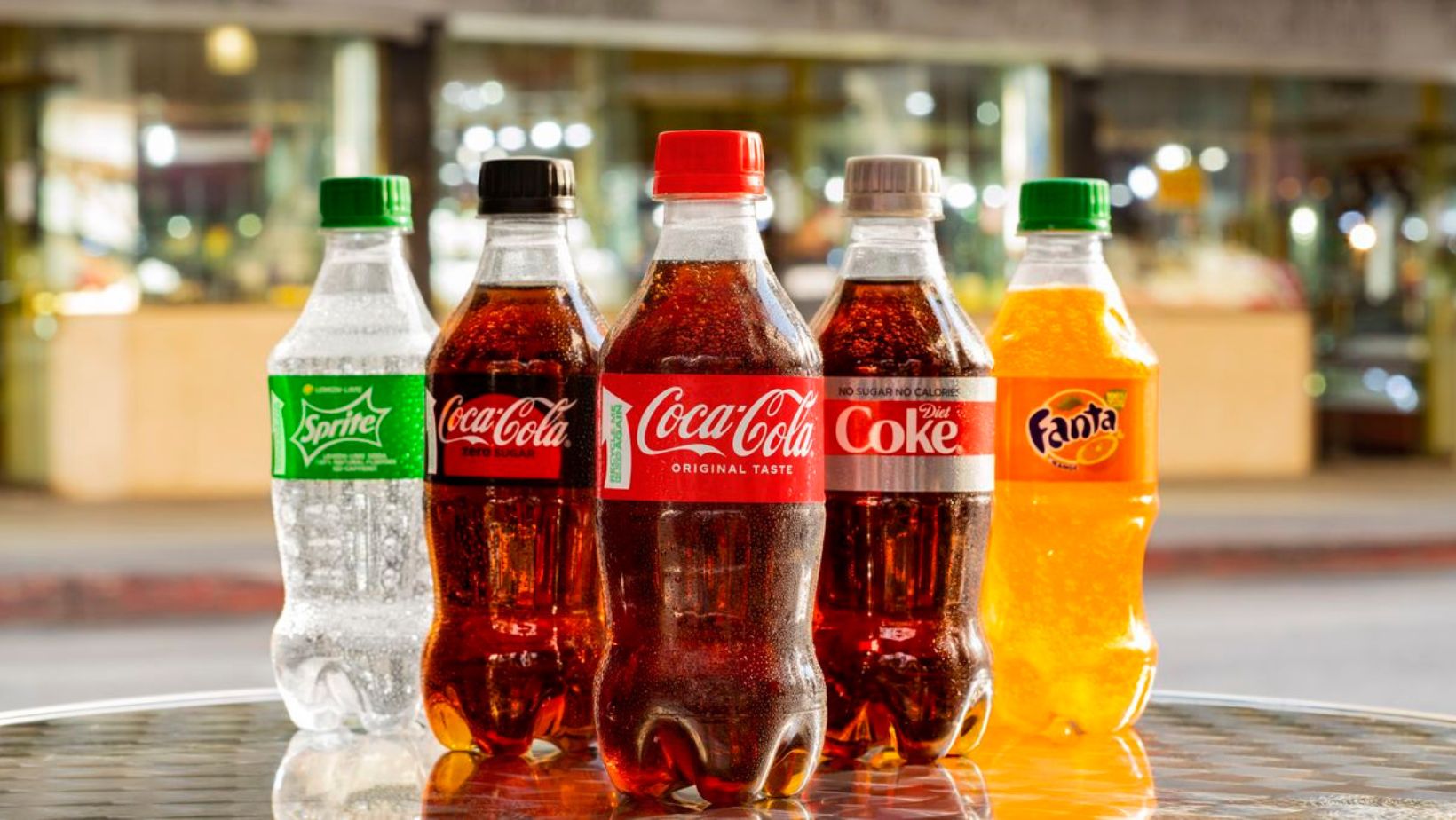
Mineral water, cola, juices and energy drinks. The tax surprise caught beverage producers by surprise. One significant ambiguity has loomed since the remarkable unveiling of the consolidation package yesterday (May 11). Based on the government’s report and Finance Minister Zbyněk Stanjura’s (ODS) statement, looks like that beverages would be subject to the higher VAT rate. Regarding VAT rates, there will be a separation between food and soft drinks. With the exception of tap water (which falls under the 12 percent rate due to water and sewerage charges), soft drinks’ prices will increase by up to seven percentage points. Štefan Fous from the Ministry of Finance confirmed that the reasons for this adjustment include the growing consumption of energy and sweetened beverages, as well as the frequent sale and distribution of such products in disposable packaging, often made of plastic. Veronika Jakubcová, executive director of the Association of Soft Drink Producers, expressed her dismay, stating, “The beverage industry views this development very unfavorably. It is a significant disappointment for us, as it will inevitably lead to higher prices for the end consumer.” Jakubcová believes that the higher tax should also be applied to coffee. Conversely, milk and dairy products such as...
A legal definition of domestic violence, missing in the national legislation so far, was introduced into law in the Czech Republic on Tuesday. Despite alarming numbers, Czech legislation had no domestic violence definition, which brought significant uncertainty into police conduct or judicial decision-making. Therefore, the Czech government office created an overarching definition of domestic violence in the Civil Code, which should be in force by the middle of next year. The proposal was presented by the Czech Government Commissioner for Human Rights Klára Šimáčková Laurenčíková on Tuesday. Almost 30% of women and 12% of men in the Czech Republic have experienced domestic violence, according to data from 2022. In the majority of cases, the perpetrator is an intimate partner, while less than one-fifth of the victims report abuse by other family members. “The experience of organisations helping victims has long shown that our system of protection against domestic violence is not perfect,” she said to Czech journalists, adding that the problem could be even more than presented statistics say. “The published figures are just the tip of an imaginary iceberg. Only one in five cases of serious domestic violence is reported,” she said. According to Branislava Marvánová Vargová of the...
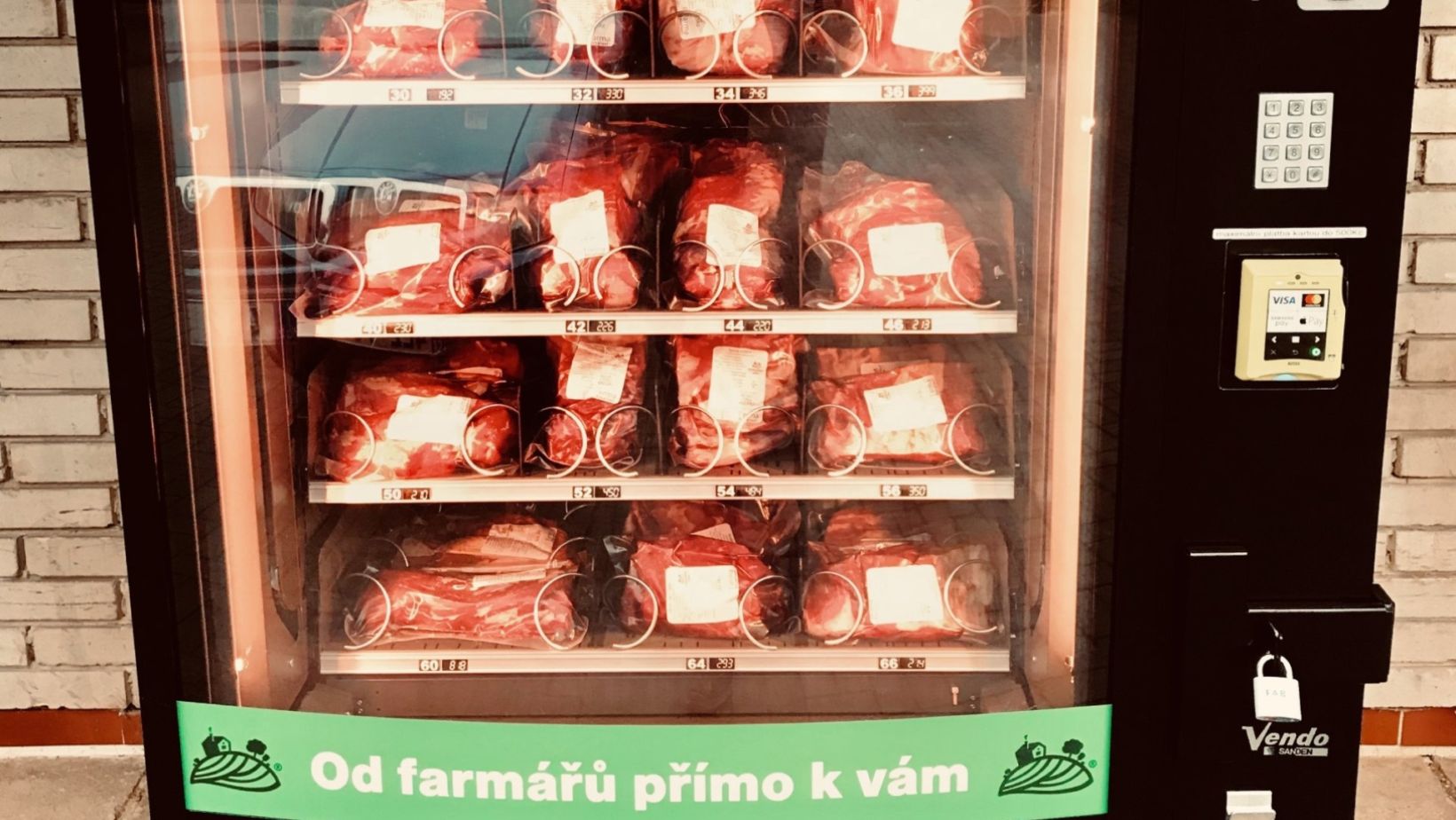
In and around Prague, you can find vending machines that sell fresh eggs, while in Brno, you can stumble upon vending machines for fruits and vegetables. In the northern regions, they sell locally sourced meat. Ten years ago, Josef Dvořák traveled across Europe to learn about chicken farming practices abroad. During his travels, he found a vending machine where people could easily purchase eggs at any time, day or night. Inspired by this, he decided to introduce a similar concept in the Czech Republic. Today, after nine years, he operates sixteen vending machines in the country, offering fresh eggs directly from his hens. Dvořák has no plans to expand further. He initially wanted to place the vejcomat (eggcomat) in areas where fresh eggs are scarce, such as the center of Prague, but the conditions weren’t suitable at the moment. “I’m referring to the issue of rents, which vary. It’s more about financial constraints. Selling eggs is not the same as selling Red Bulls,” says Dvořák, mentioning that he hasn’t reached an agreement with the shopping center in Chodov. The farm supplies the egg machines approximately every two days. Although a single machine can hold six hundred eggs, Dvořák assures that they...
Orlando Bloom, the Hollywood star who lived in Prague for years during the filming of Amazon’s Carnival Row, apparently became a big fan of Czech beer in that time. Bloom has recently signed up to become the new brand ambassador for the Prague-based brewery, Staropramen. He will be the face of the new Staropramen TV commercial and social media campaign throughout Europe, set to launch later this year. “I’m happy to be representing such a quality product like Staropramen,” the actor states through a press release. “I think it’s important to partner with brands that practice what they preach. The team at Staropramen talk about quality and expertise a lot and, when it comes down to it, this is a great-tasting beer, brewed by some incredibly talented people.” The announcement of Bloom as its new ambassador comes after the expansion of the brand worldwide, including markets in Europe and Asia. Staropramen has been catering to a discerning audience for well over a century, which speaks to the high quality of their beer. The company also launched their zero-alcohol beer Staropramen 0.0 earlier this year in the United Kingdom, Ireland, and other European markets. Parent company Molson Coors is seeking further...
Czech lawmakers have launched a proposal to remove the sterilisation requirement for legal gender transition, but progress to lift society-wide prejudices is slow. The Czech Republic is one of the few European Union countries to continue to require a sterilisation procedure before a trans person can legally change their gender. This, despite the European Court of Human Rights officially declaring such state-imposed requirements to be a form torture. Leaders of the country were largely undisturbed by this comment, believing that legalising registered partnerships – as well as an interrupted attempt to legalise same-sex marriage – were more important to the LGBT community. But with more and more European countries lifting the sterilisation requirement over the years, the Czech Republic remains the westernmost EU member state to still officially demand the procedure. A bill has now been proposed by the Ministry of Justice to change this, despite the government’s strong conservative leanings. The draft still needs to be passed by both houses of parliament and be signed by the president before it can be enforced. In the Czech Republic you have to go to a sexologist if you want to start transitioning. Kryštof Stupka, an activist and member of the government’s...
Don’t have an account? Register
Already have an account? Log In
How Would You Like to Promote Your Business? PR ArticleDisplay bannersVideo productionNewsletter adsJob ListingsInfluencer Marketing
Your Email
We will come back to you within 24 hours with our proporsal