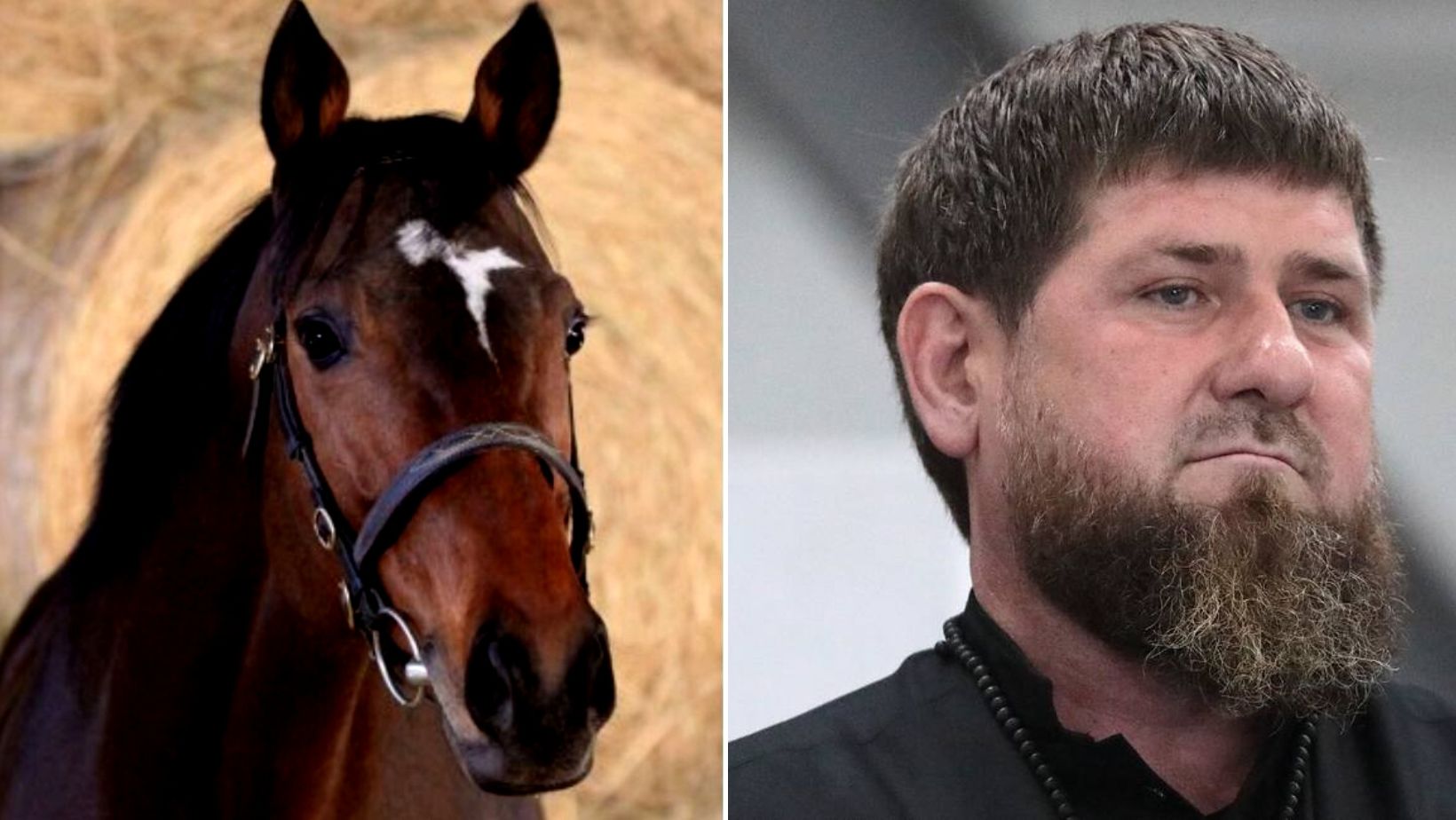
Czech police say a horse reportedly belonging to Chechen leader Ramzan Kadyrov has been stolen from a stud farm near Prague, online media Idnes reported on Tuesday. The 16-year-old English thoroughbred ‘Zazou’ disappeared in the early hours of Saturday. He’s worth some 20,000 USD. The statement said a chain securing the sliding doors to the stable had been removed and the horse led away, presumably under cover of darkness. “Litoměřice police received a report about the theft of a horse from a stable in Krabčice. The theft probably took place on the night of March 3-4,” local police spokesman Pavel Kofrov said. The stallion is part of the property that was sanctioned by the European Union nine years ago. The horse has a characteristic white mark on its forehead in the shape of a star. In March 2022, the local media reported another attempt to take Zazou from the stable, together with a second Kadyrov-owned horse. About a month before Russia invaded Ukraine, two Russian-speaking men came to the barn claiming they had to move the horses to Poland. After the barn owner refused to cooperate, they spent five days camping in their trailer not far from the barn. The horse, purchased by the...
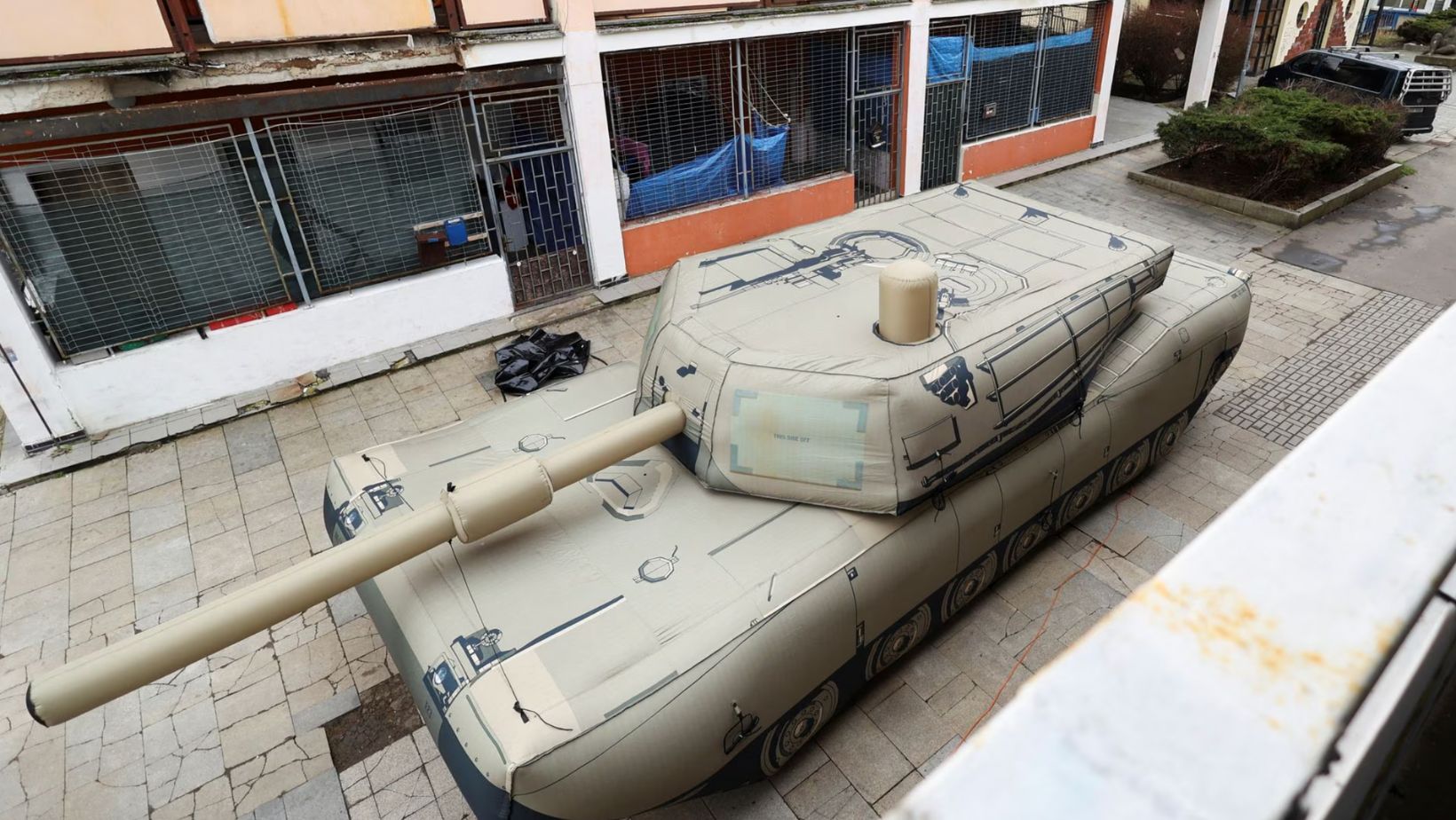
Losing a tank or valued U.S.-made high mobility artillery rocket systems (HIMARS) can hurt an army less if the weapon is a cheap inflatable decoy placed on the frontlines to deceive the enemy. With the war in Ukraine boosting the need for heavy military vehicles, guns and planes, it has also been a boon to Inflactech Decoys, a Czech maker of fake army equipment. The company has added HIMARS to its fleet of over 30 types of inflatable real-size decoys it sells to customers worldwide, Chief Executive Vojtech Fresser said on Monday. Inflatech would not confirm Ukraine is among the destinations, but Fresser said he would expect them to find their way there. “I can imagine that if we want to support a partner country which is in trouble, we will send them Inflatech inflatable decoys and they are already there or certainly will be,” he said. The Czech Defence Ministry, which helps organise Czech military supplies to Ukraine, was not immediately available for comment. The decoys are made out of synthetic silk and, apart from misleading the adversary visually, have a thermal footprint and appear on radars to fool enemy reconnaissance. They pack into sacks that two to four...
A survey conducted by the project “The Founds of the Czech Interests in the EU” in January of this year has shown that 60 per cent of respondents agreed that accepting refugees from Ukraine in the Czech Republic is the right thing to do. Through a statement released on February 20, the European Commission revealed that this figure was a slightly higher percentage than in the summer of last year when 57 per cent of respondents in the Czech Republic said the same. The EU Commission also emphasised that in April of the same period, the same figure stood at 70 per cent. “The most recent survey was conducted between 4 and 15 January 2023 by a consortium of the STEM research agency, the European Institute for European Policy and the Association for International Affairs,” the statement of the EU Commission reads. The same said that other polls conducted in 2022 by the CVVM research agency revealed that despite a general decline in public interest in events in Ukraine, more than two-fifths of Czech citizens remain interested in the situation of the displaced from Ukraine. The Russian invasion of Ukraine has created a serious humanitarian crisis. By the end of last...
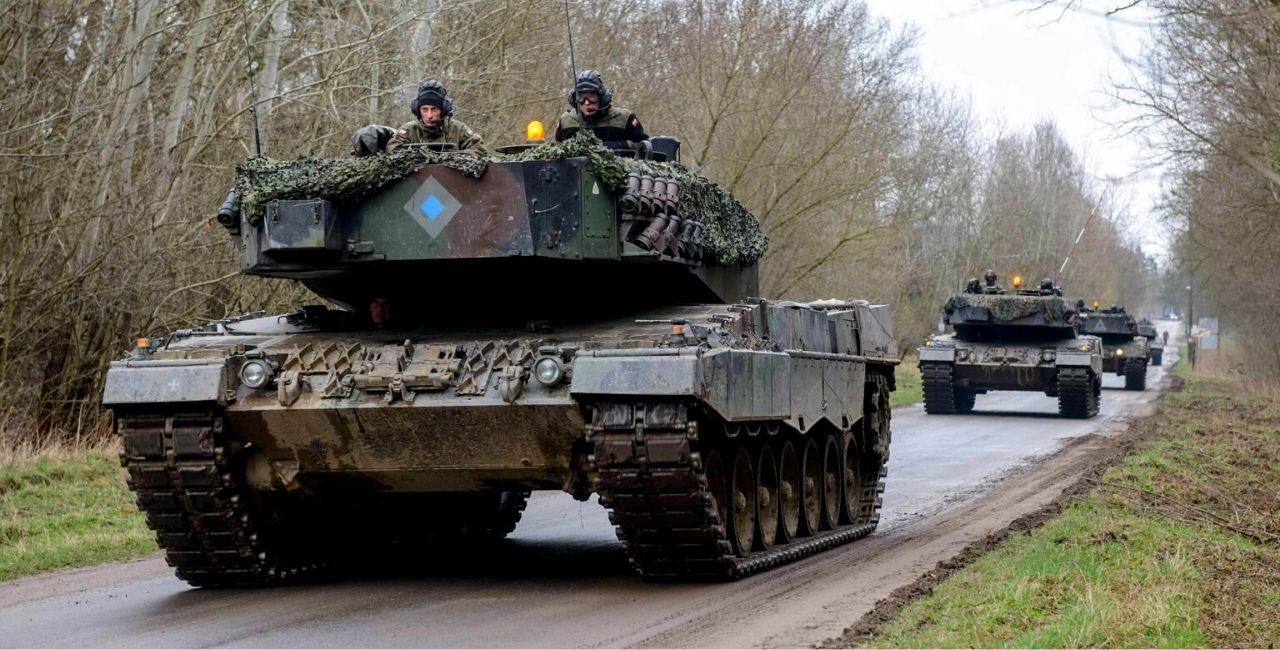
Western allies should provide Ukraine with more weapons and improve its military capacities as they can expect a large-scale and intensive military conflict, said Senior Director of the Defence Policy and Strategy Section of the Czech Ministry of Defence Jan Jireš. “The main goal (of both the EU and NATO) in the coming months and years should be to prepare for a large-scale, prolonged and extremely material-intensive military conflict,” said Jireš. In recent years, Europe has invested little in defence, admitted Francisco Casalduero, the Defence Development Programme project manager at the European Commission’s Directorate General for Defence Industry and Space (DG DEFIS). This applies to the overall volume of investments and the development of crucial new technologies. “This means a non-existent common defence,” Casalduero summarised, adding that this is why the European Commission is now making common European defence a priority. However, representatives of the Czech defence industry are worried that the EU will just stick to words, not actions. According to Kristýna Helm, deputy director of the Czech Association of Defence and Security Industry, the sector faces great demand and is “sold out for a decade ahead”. However, this demand mainly comes from third countries. “For example, for Czech...
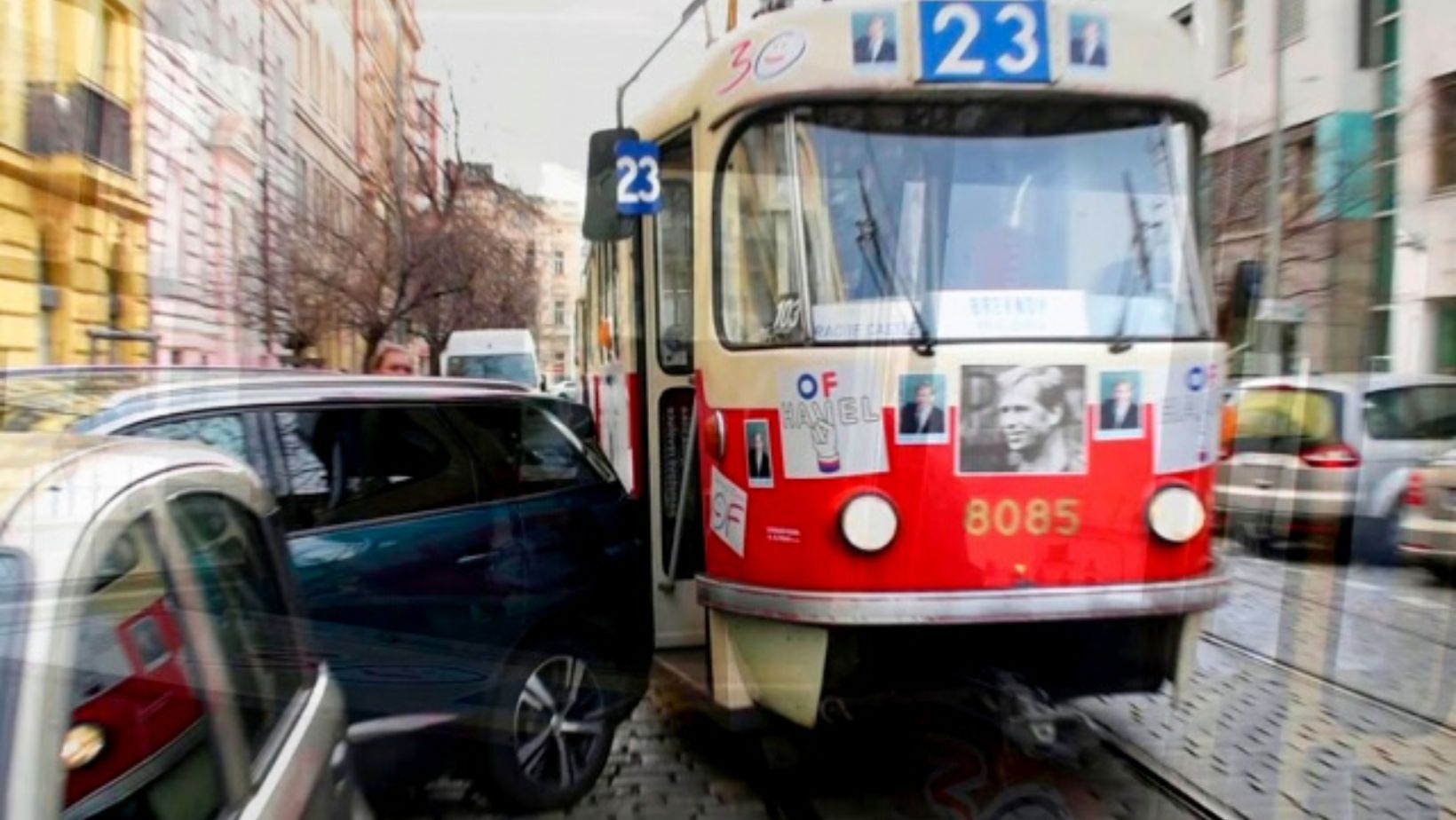
The Czech Ministry of Transport is preparing to substantially increase the penalties for improper parking that disrupts traffic or blocks public transport. This most often happens with trams, when drivers park their cars too far from the curb or second row, blocking the tracks. Trams are frequently affected by cars parked too far from the curb, which delays both public and private transportation. The current maximum fine of CZK 2,000 is proposed to be raised to CZK 10,000. The suggested alterations are based on an amendment to the Road Traffic Act, approved by the lower house of Parliament on February 21. If the proposed legislation finds support in the Senate – and is subsequently signed by the President – it will come into effect on January 2024 The law will now include sanctions on “stopping or parking that has obstructed traffic”. Currently, this act is categorized as improper parking, but under the proposed legislation it would be classified as a misdemeanour of medium severity – such as parking in a disabled space. “The offender will face a fine of CZK 2,500 to CZK 3,500 on the spot, or CZK 4,000 to CZK 10,000 in the case of an administrative proceeding....
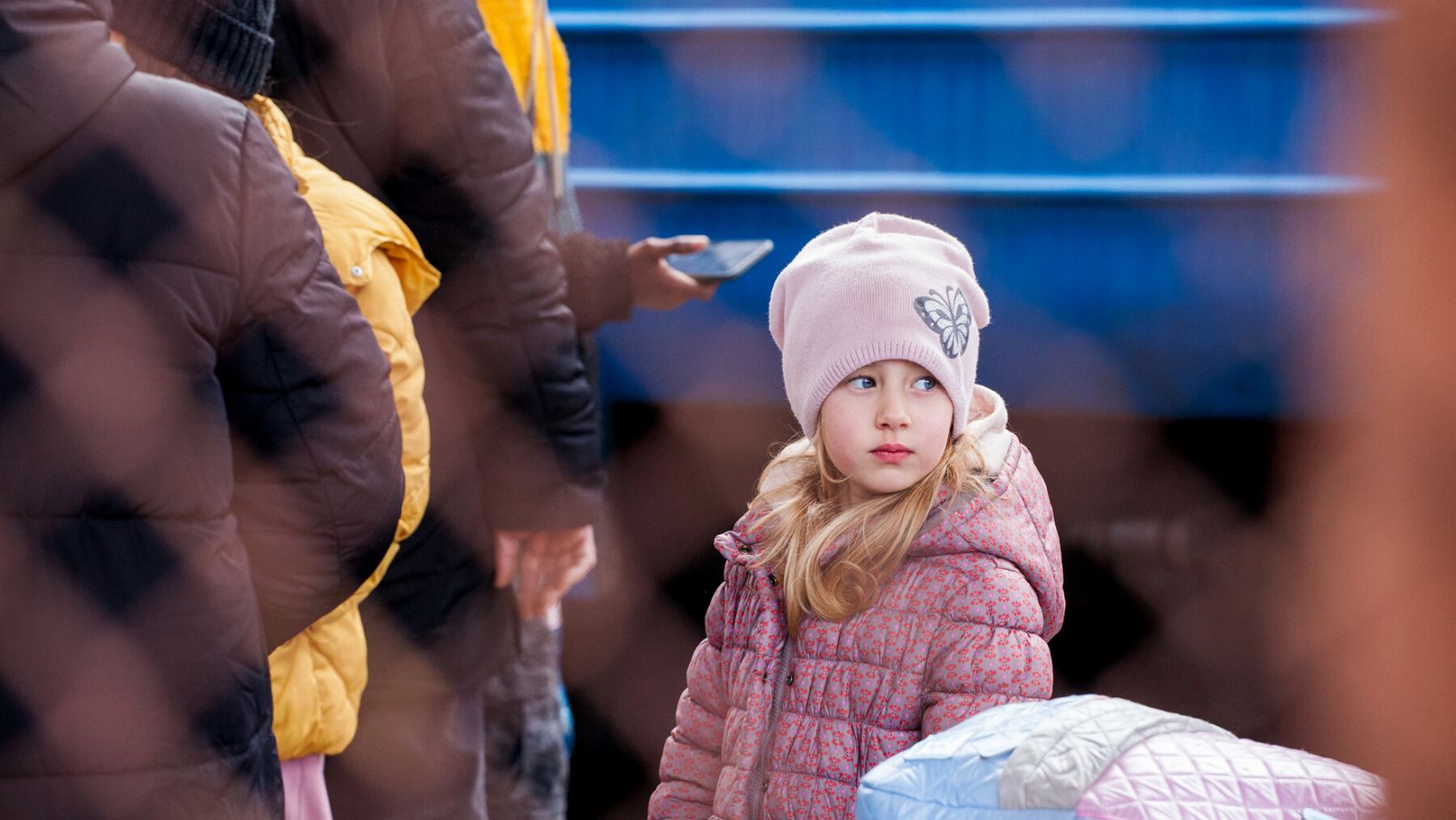
According to Klara Šimáčková Laurenčíková, the human rights commissioner for the Czech Republic and national coordinator for the adaptation and integration of refugees, there are around 30,000 Ukrainian children living in the Czech Republic without adult accompaniment. Some of these children live in children’s homes and require more support and integration from Czech authorities and organizations. Experts recommend providing places in schools for these young people, expanding the availability of Czech language education and leisure-time activities. The PAQ Research agency conducted a survey at the end of last year, which found that 46% of Ukrainian youths attended secondary schools and 90% of Ukrainian children went to primary schools in the Czech Republic. Šimáčková Laurenčíková considers this group to be especially vulnerable because they lack bonds to the community and broader family support networks. The government must stay in touch with this group and offer them support and assistance if needed. Most of the Ukrainian youths leaving for the Czech Republic alone are over 15 years old and are granted temporary protection visas upon arrival, which give them access to education and healthcare. Social workers from the child protection section register unaccompanied minors upon arrival, collect data about their accommodation, and...
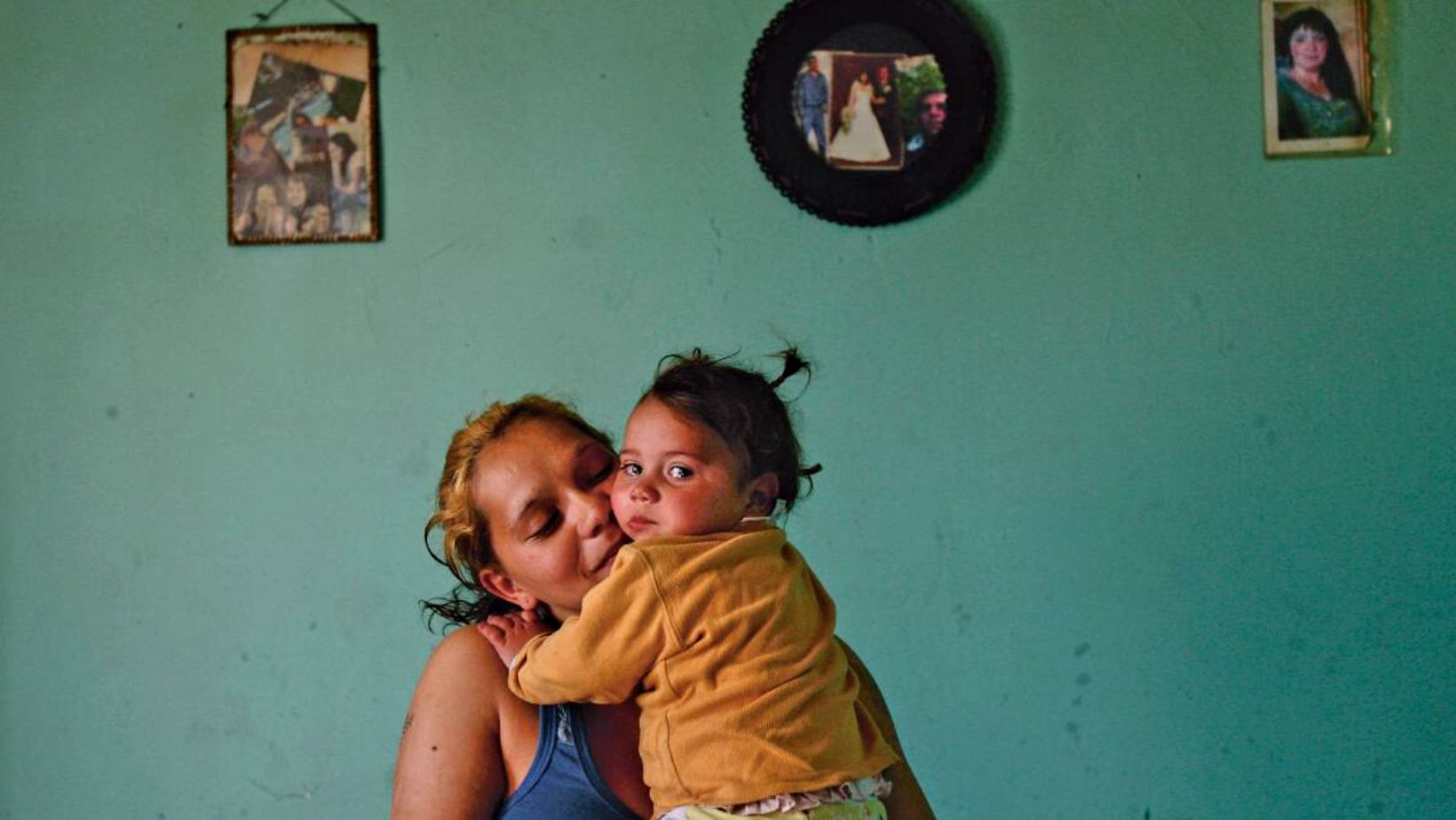
Roma communities in the Czech Republic face discrimination in many areas, Council of Europe Commissioner for Human Rights Dunja Mijatović said after her visit to the country on Monday. According to the commissioner, there were some positive developments but problems remain in education, housing, employment and interaction with the police. For example, the country should ensure that children of all backgrounds, including Roma children or children with disabilities, can learn together and should not be separated. “The Czech Republic should spare no effort to address the long-standing problem of the exclusion of Roma people and people with disabilities, and to ensure that they can live in equality and dignity,” Mijatović said on Monday. Moreover, the Commissioner warn against the different treatment of Roma refugees coming to the Czech Republic from Ukraine. While Ukrainian people fleeing from the country found housing or employment quite easily, Roma Ukrainians faced severe obstacles. According to the Council of Europe statement, the treatment of Roma Ukrainians “highlighted the deep-rooted prejudices against Roma that still exist in Czech society.” After the outbreak of the war, hundreds of Ukrainian-Romani people asked for help in the Czech Republic. Some of them returned to Ukraine, others found a place...
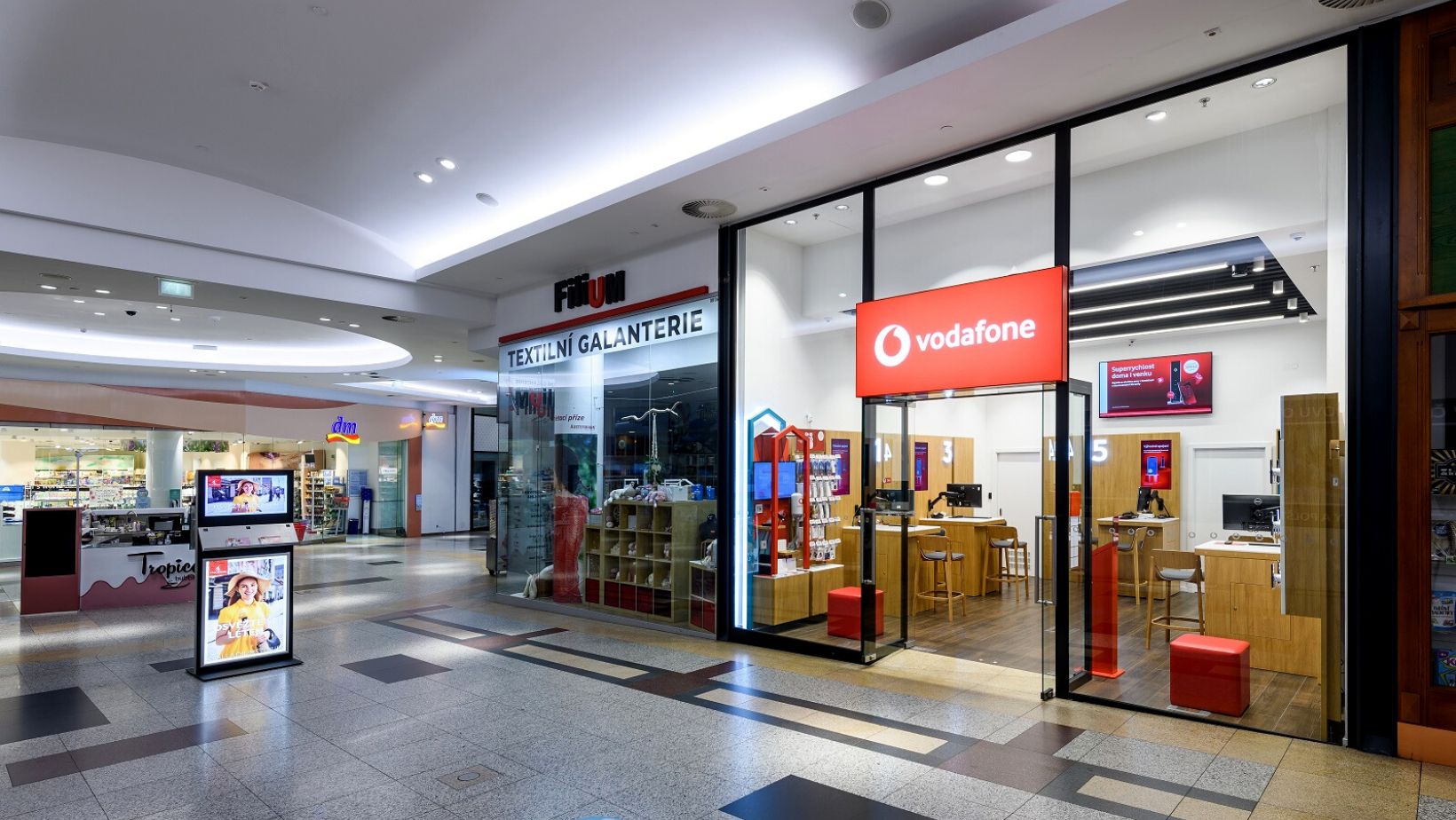
Czech mobile operator Vodafone raised the price of its ‘lump-sum mobile services’ on Monday, 27 February, by an average of 9%. The company announced the move a month ago. Vodafone described the measure as forced, dictated by rising electricity costs. The hike affected both new and existing clients, not only individuals but legal entities as well. At the same time, the operator assured customers who are currently receiving any personal discounts that they will be preserved and taken into account in the price adjustment. The increase in price only affected mobile tariffs. The prices of cable internet, pre-paid phone cards, and other services remain the same.”
Local authorities in the Czech city of Ostrava have announced a competition for the design of what will become the first skyscraper in the Czech Republic after original plans failed to meet building standards. Architects are being encouraged to submit their design proposals for Ostrava Tower, a building that will be approximately 175 meters tall and the tallest building in the Czech Republic. “We now consider the architectural competition to be the only way to find a permanent and high-quality solution for the city,” declared Ostrava Mayor Tomáš Macura on Monday. “Today we approved the matter at the council, after about a year of negotiating the terms. The investor informed us in about April 2022 that the original form of the building was unfeasible for him, due to the founding conditions and the economics of the construction,” said Deputy Mayor Zuzana Bajgarová. The result of the competition is expected by June 2024, and the application for the issuance of a permit must then be submitted to the building authority for approval. The initial design included a public lookout point at the top of the building along with a restaurant. It planned to contain both commercial and residential elements including offices,...
A rare aurora was visible in northern Bohemia late on Sunday evening and should be even more pronounced on the night from Monday to Tuesday, according to astronomer Petr Horálek. The rare sight in the night sky was caused by a geomagnetic storm from the Sun’s activity. The aurora could be seen with a naked eye both in Czechia and Slovakia. “Particles from this eruption are still flying towards us and will hit the Earth in the next hours to tens of hours,” meteorologist Martin Adamovsky explained to CNN Prima NEWS. According to the Czech Hydrometeorological Institute (ČHMÚ), the flare could therefore be even more pronounced on Tuesday night, but it depends on other factors. “Anything can happen, the glow can be weak or it can come at five o’clock in the morning, then it would be visible in the United States, but not here. But there is a chance, and it is not small,” Adamovský added. If the glow is strong, it should be visible over the horizon almost all over the Czech Republic, but people in more northern regions will have better conditions. “To observe it, you generally need the darkest sky possible, i.e. outside cities. The further...
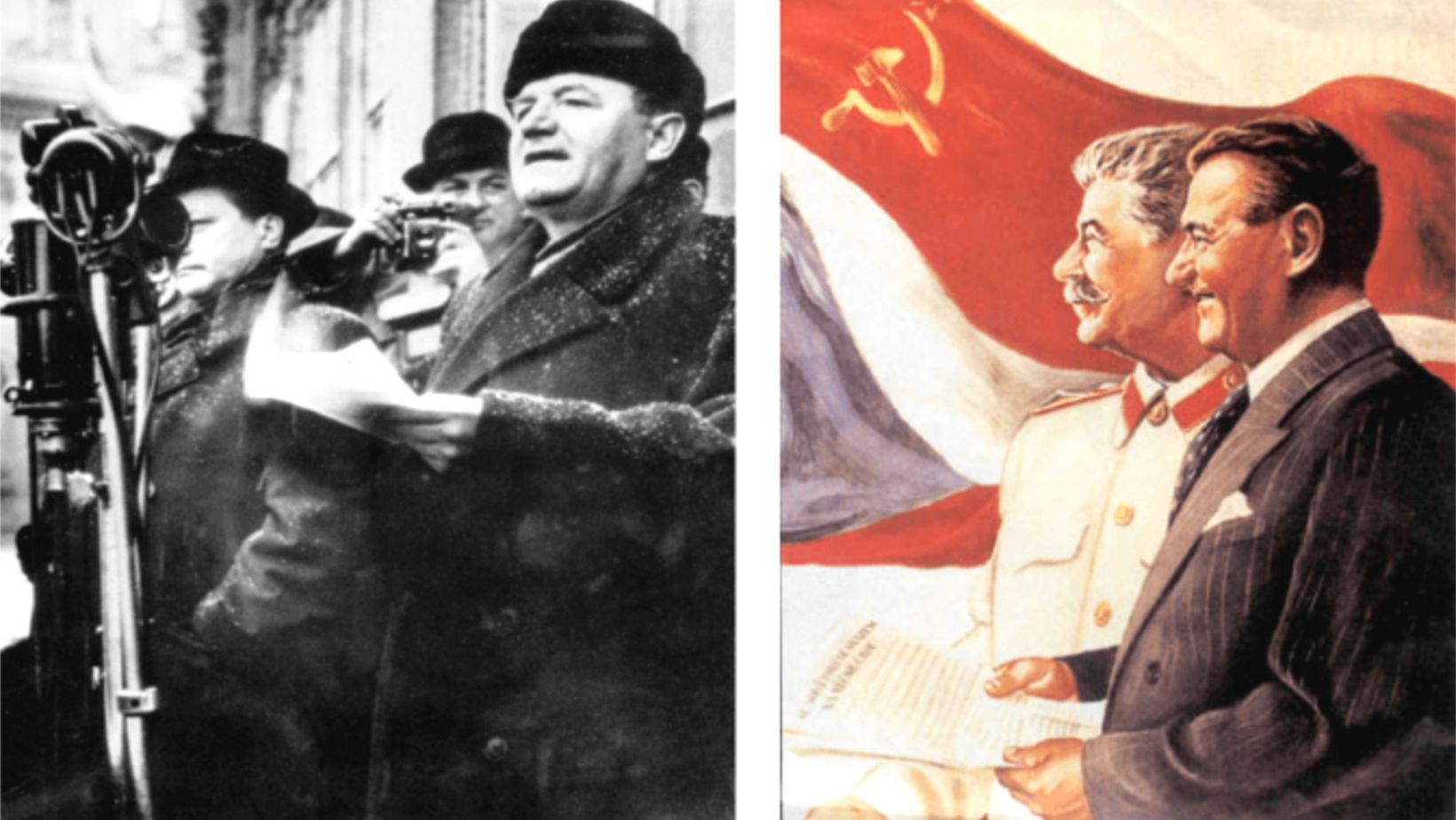
On February 25, 1948, the Communist Party, with Soviet backing, assumed undisputed control over the government of Czechoslovakia, marking the onset of four decades of undisguised communist rule in the country. After World War II through May 1946 After World War II, Czechoslovakia looked favorably on the Russians, who had liberated them. In fact, the Communist Party had had a solid following in the country from the 1920s, when the nation was democratic. Eduard Beneš, who became the postwar president, had signed a friendship treaty with the Soviets while working with the government-in-exile in 1943. The Czechoslovak army and local government structure were modeled after those in the USSR. By the beginning of 1946, there was no USSR military presence in the country, yet Communists were well-represented in the government with Klement Gottwald as the Prime Minister and other Communists looking after the ministries of the interior, agriculture, information, defense, and education. The results of the May 1946 elections demonstrated the popularity of the Party, as it nabbed 38 percent of the vote. The Communist Party’s popularity drops From May 1946 until July 1947, things seemed to be running smoothly in Czechoslovakia. Then the nation wanted to obtain Marshall Aid....
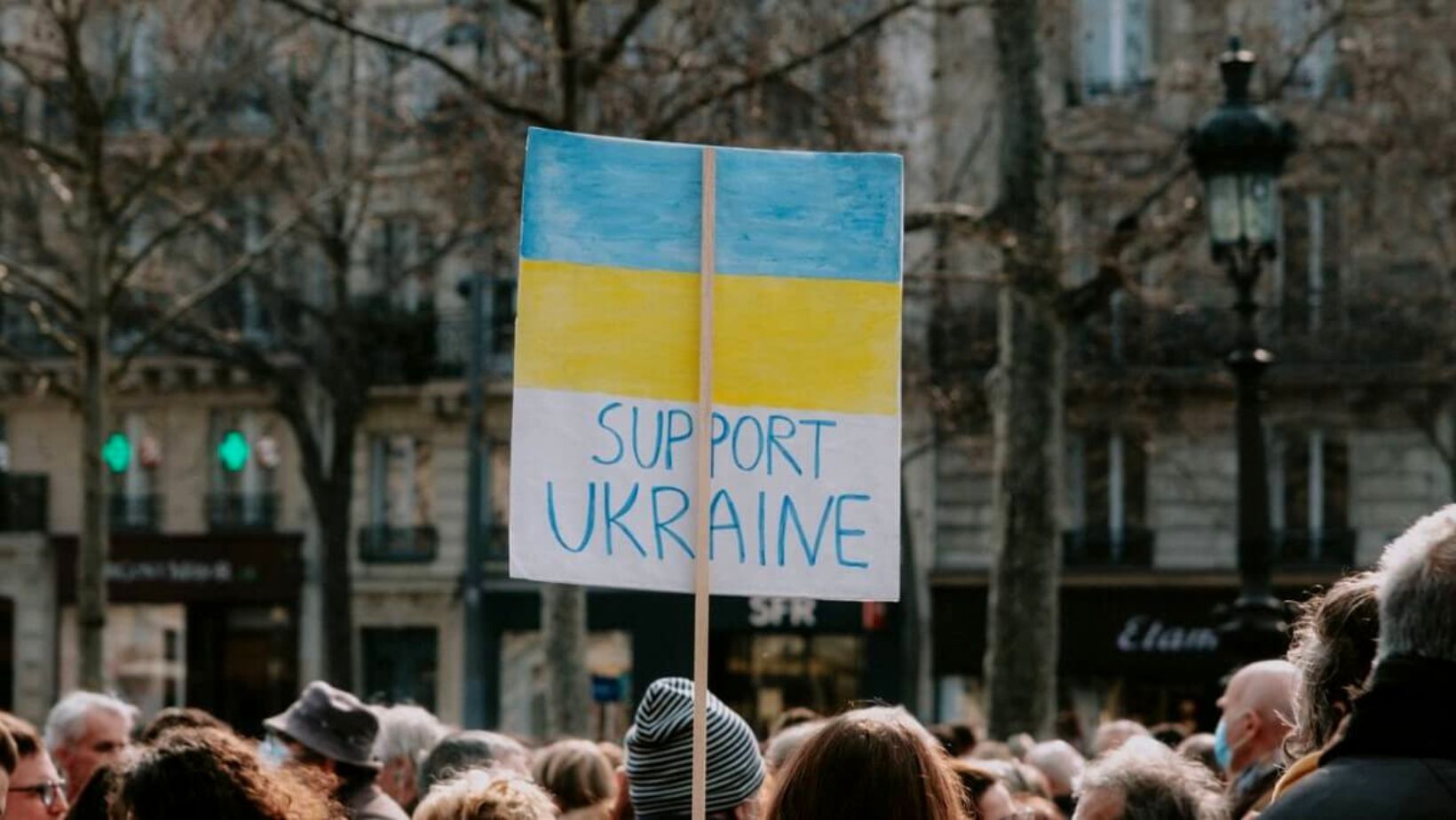
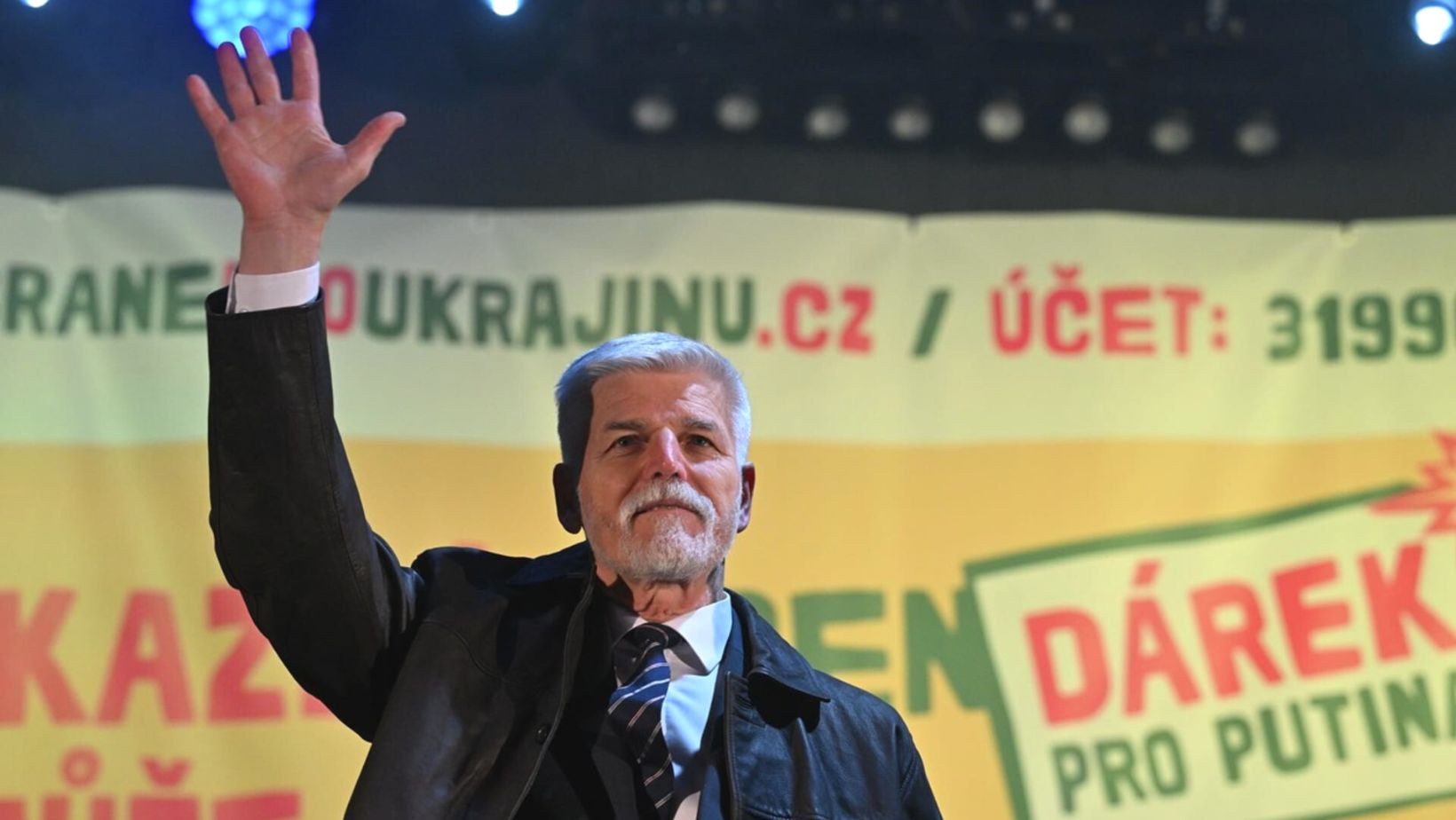
“Back then, before World War II, Hitler behaved in exactly the same way as Putin is behaving now with regard to Ukraine,” the ex-general said at a pro-Ukraine demonstration in Prague on Saturday evening. Czech President-elect Petr Pavel has drawn parallels between the actions of Russian leader Vladimir Putin and Adolf Hitler. “Back then, before World War II, Hitler behaved in exactly the same way as Putin is behaving now with regard to Ukraine,” the ex-general said at a pro-Ukraine demonstration in Prague on Saturday evening, according to Czech News Agency (CTK). Pavel said Hitler abused the German minority in the Sudeten territories of what was then Czechoslovakia to stir up emotions and incite violence. Nazi Germany annexed the predominantly German-populated Sudeten territories under the Munich Agreement of September 1938. A few months later, in March 1939, its forces invaded the rest of Czechoslovakia. World War II finally broke out with the invasion of Poland on Sept. 1 that year. The rally was attended by several personalities. Among the speakers was Interior Minister Vit Rakusan, the British, German and US ambassadors to Prague and Ukraine’s Chargé d’Affaires Vitaly Usatyj. It was organized by the civic association Million Moments for Democracy, Memory of the Nation, the Ukrainian Embassy and the Gift for Putin initiative. Pavel...
Don’t have an account? Register
Already have an account? Log In
How Would You Like to Promote Your Business? PR ArticleDisplay bannersVideo productionNewsletter adsJob ListingsInfluencer Marketing
Your Email
We will come back to you within 24 hours with our proporsal