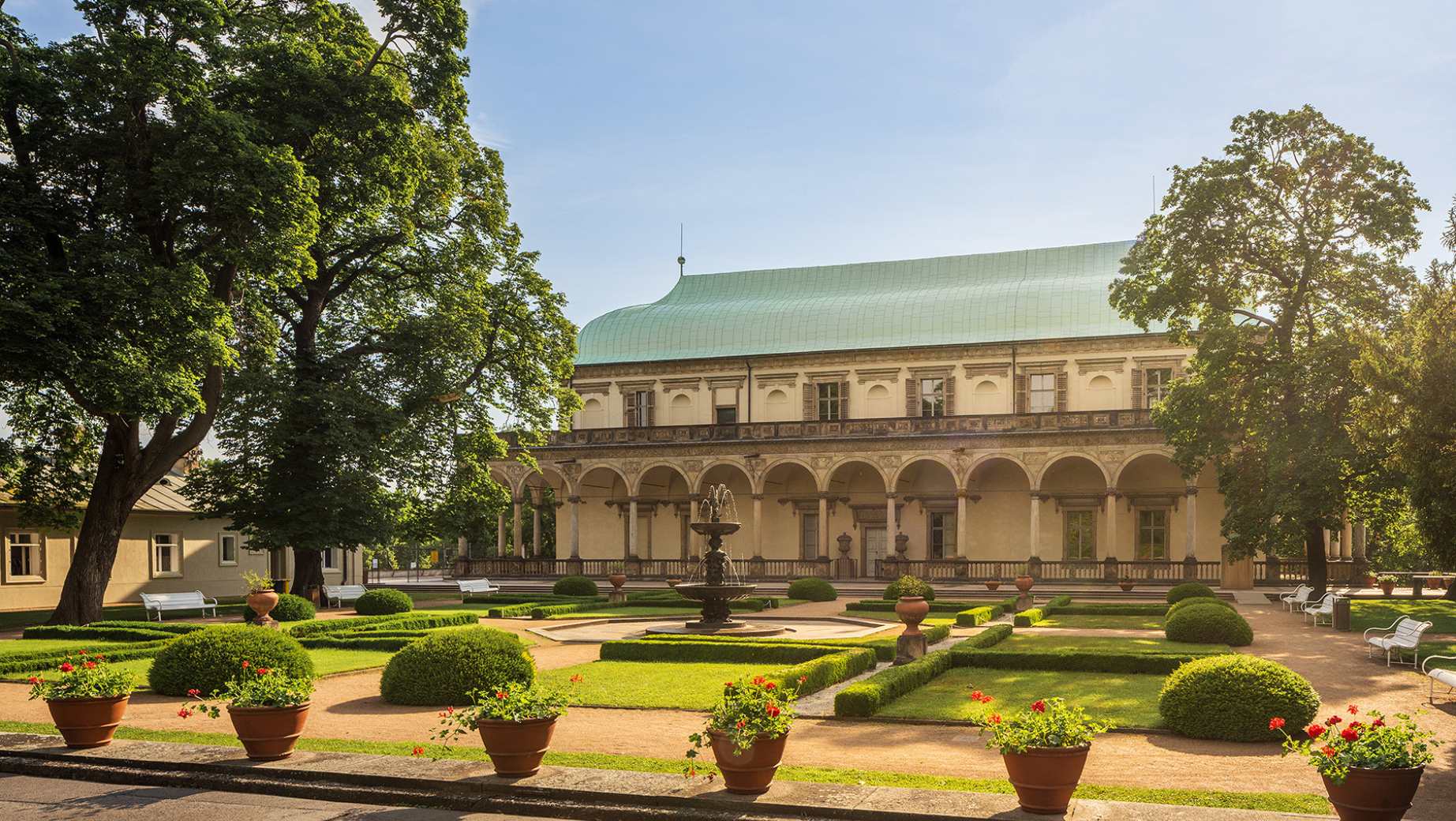
One of Prague’s most celebrated Renaissance landmarks is getting a full restoration. The Prague Castle Administration has launched a major reconstruction of the Royal Summer Palace — widely known as the Belvedere — a project expected to run for roughly two years at a cost of approximately 100 million CZK. The building, which sits in the Royal Garden at Prague Castle, is regarded as the finest example of Italian Renaissance architecture north of the Alps. Work will cover the facade, historic interiors, columned arcades, stone and metal elements, stucco decorations, and joinery, including windows, doors and shutters. “The Summer Palace is one of the most fundamental buildings of Prague Castle,” said Pavel Vyhnánek, director of the Prague Castle Administration. “We will restore the wooden coffered ceiling in the upper hall and return it to its original appearance, following the design of Bonifác Wolmut.” New Lighting, Refurbished Chandeliers Interior upgrades are a central part of the project. According to Barbora Feret, who heads the castle’s construction preparation and implementation department, the exhibition spaces will receive new, purpose-designed lighting, while the publicly accessible areas will be fitted with wall lights. # The historic chandeliers that dominate the interior will be refurbished rather...
Three Taiwanese theatre companies are bringing dementia, Lady Macbeth, and poetic confusion to one of Prague’s most beloved festivals. Taiwan is making its Prague Fringe debut this May, with a dedicated showcase called Taiwan Week running from May 25 to 30 at Divadlo Inspirace in the city centre. The initiative is the first official collaboration between Taiwan’s Ministry of Culture — represented locally by the Taipei Economic and Cultural Office — and the Prague Fringe Festival, now celebrating its 25th anniversary. This year’s festival brings together 60 companies from 17 countries across seven venues in historic Prague. Taiwan’s contribution: nine performances from three companies, plus a side of Taiwanese tea and traditional snacks for good measure. What’s on stage The three productions are as different from each other as you’d expect from a country that clearly isn’t playing it safe: Dancing with Dementia (Bandone Productions) is a solo show by Hsuan Szu-Min, drawn from her own experience of caring for a mother living with dementia and depression. Minimal staging, expressive movement, and a lot of emotional weight. The Rodin Project: Lady Macbeth (Shinehouse Theatre) mashes up Rodin’s Gates of Hell with Shakespeare’s most ruthless female character — performed by three...
For two days at the end of May, vineyards scattered across Prague will swing open their gates — many of them sites that remain closed to visitors for most of the year. On May 30 and 31, 2026, residents and tourists alike will have the chance to walk through municipal and private vineyards, taste locally produced wines, and hear the stories behind some of the city’s oldest green spaces. Most vineyards will be open free of charge between 10:00 and 18:00 on both Saturday and Sunday. The exception is the St. Clare Vineyard (Vinice sv. Kláry), where a small entrance fee covers a guided cellar and vineyard tour plus two wine samples. Two locations — Salabka and the St. Wenceslas Vineyard — will only take part on Sunday, May 31. Where to Go Lysolajská Vineyard — Sportovců 50/4, Prague 6 – Lysolaje | Bus 160, 355 (Žákovská) | Guided tours both days, 10:00–18:00 Modřanská Vineyard — Chuchelská 1, Prague 4 – Modřany | Tram 17 / Bus 117 (Modřanská škola) | Guided tours both days, 10:00–18:00 Salabka Vineyard & Restaurant — K Bohnicím 849/2a, Prague 7 – Troja | Bus 112, 234, 235, 236 | Guided tour and wine tasting...
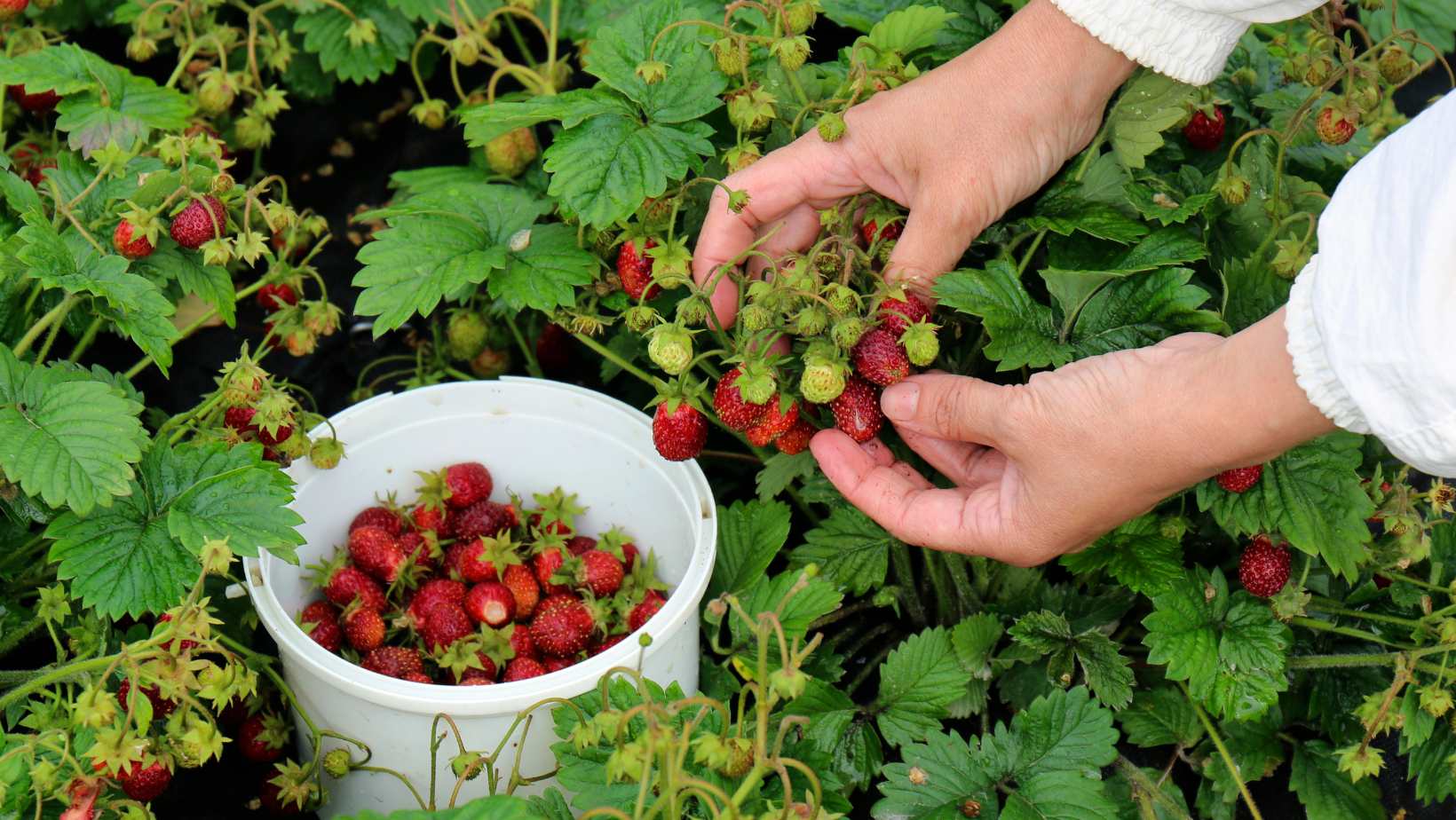
Strawberry season in the Czech Republic is getting underway earlier than many expected. Several farms are welcoming pickers from mid-May, with the bulk of the season running through late May and into June. Kunratická Jahodárna in Prague is among the first to open, targeting a start date no later than May 20. Other operations across the country are planning to follow in late May or early June, though exact dates remain weather-dependent. “The weather is unpredictable and difficult to forecast,” says Jan Simandl, who runs Farma Simandl in the Vysočina region. “We expect to begin picking in early June.” Prices are going up — but only slightly Most farms are not planning dramatic price hikes, though nearly all acknowledge that costs have risen. Inputs like fertilizers and chemicals have become more expensive, and that is beginning to show at the farm gate. At Kunratická Jahodárna, assistant to the director Eva Jakoubek Čorbová was direct: “The price will definitely be higher. Our costs have increased — everything has become more expensive.” At Albaflor, manager Jiří Sixta put a number to it. Prices will rise by ten crowns compared to last year, when a kilogram sold for 79 crowns. That said, the...
Passengers from the United Kingdom, Japan, Taiwan and South Korea can now use the automated eGATE border control system at Václav Havel Airport in Prague. The gates opened to these new groups on Friday, May 15th, marking a significant broadening of a system that had previously been restricted to citizens of EU and European Economic Area countries, as well as Switzerland. To use the gates, travellers must be 15 years of age or older and carry a biometric passport. The service is available only on departures outside the Schengen area. The move follows the launch of the Entry/Exit System — known as EES — across the European Union in April. Czech authorities say an earlier rollout was technically impossible. The EES, which tracks the movement of non-EU nationals crossing external Schengen borders, required technical adjustments to the airport’s existing automated gate infrastructure before third-country nationals could be admitted to the system. Ahead of a Record-Breaking Summer Prague Airport is approaching 20 million passengers annually, a figure that grows each year. The eGATE expansion is being rolled out deliberately ahead of peak season, when passenger numbers surge and pressure on passport control intensifies. Martin Kučera, board member responsible for operations and...
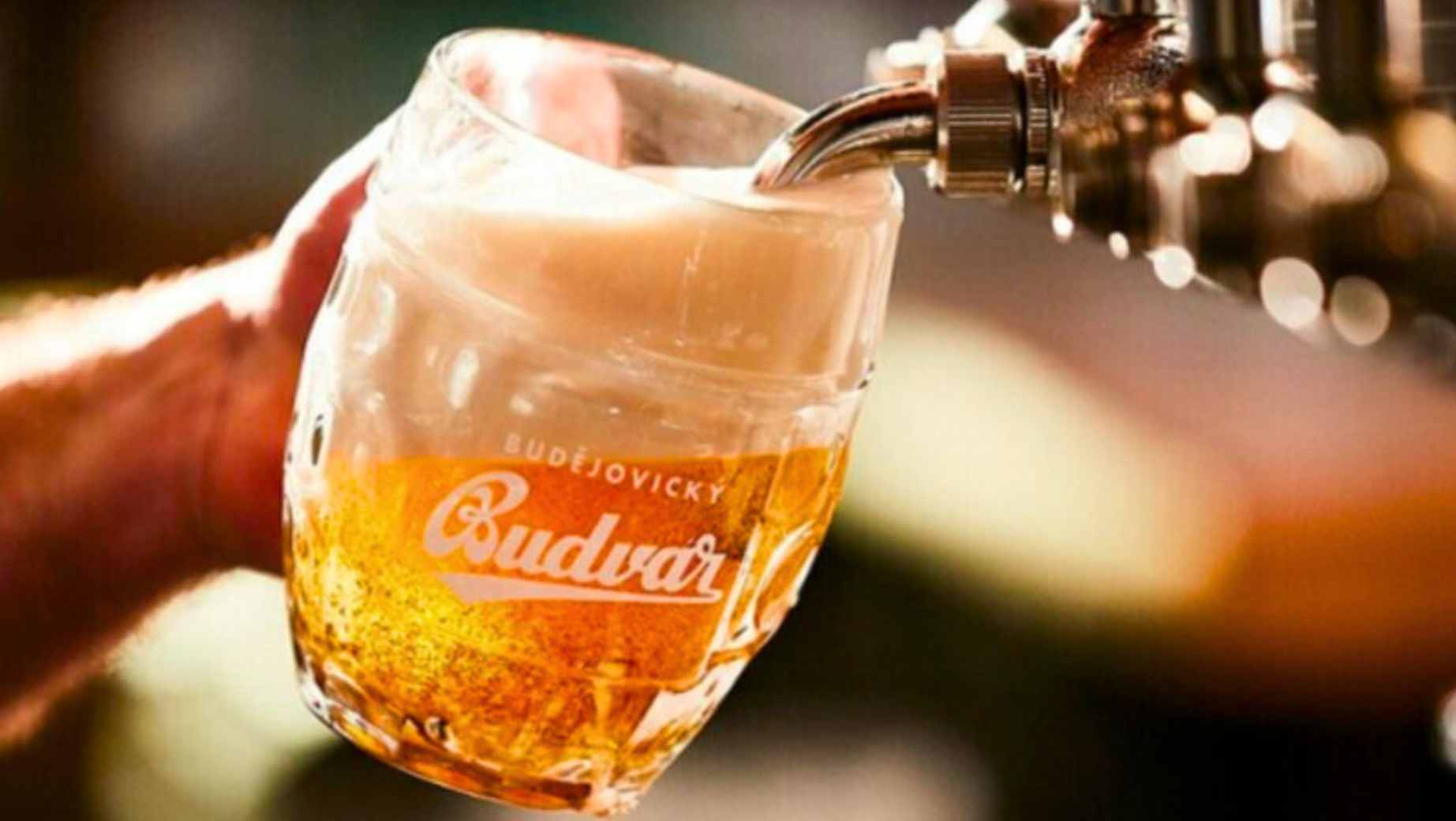
Walk into any Czech pub and ordering a “desítka” (ten) or a “dvanáctka” (twelve) is as natural as asking for a coffee. But that could change. The European Union is advancing a proposal to standardize beer labeling across member states — a move that could make the Czech degree system, rooted in 19th-century chemistry, obsolete. Under the draft regulation, the traditional measurement based on degrees Plato (°P) — which indicates the richness of the original wort before fermentation — would be phased out in favor of a simpler label showing alcohol content. If the plan moves forward, implementation could begin around 2031. The Plato scale has deep roots in Czech brewing. It was developed in the mid-1800s by Karel Napoleon Balling, a chemist who went on to serve as rector of the Prague Polytechnic. For Czech producers, the system is not just a technical standard — it is a cultural inheritance. “This has been our traditional method of taxation for roughly two hundred years,” said Tomáš Maier, an economist at the Czech University of Life Sciences in Prague. “I see no reason to change it. It is certainly not in the interest of the Czech brewing industry.” The proposal raises...
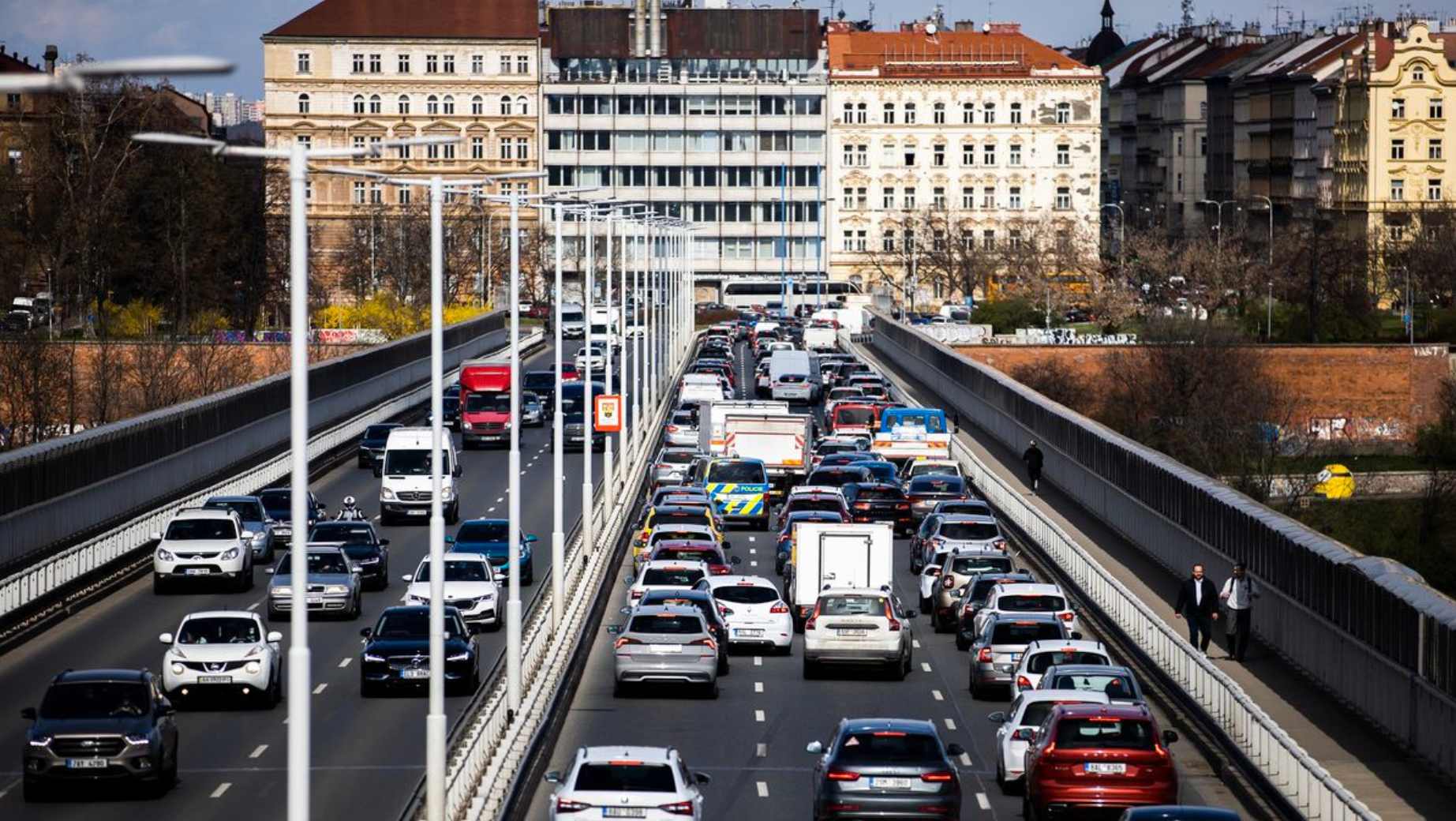
Prague has added cars at a pace nearly unmatched anywhere else in the European Union, according to data from Eurostat. Over the past decade, the number of registered passenger vehicles per 1,000 residents rose from 565 to 753 — a jump of roughly 190 vehicles per 1,000 people that ranks the Czech capital among the ten most motorised regions on the continent. In absolute terms, the shift is even more striking. Prague counted just over 821,000 registered passenger cars in 2013. By 2023, that figure had climbed to 1,186,209 — a 44 percent increase in ten years. Among EU regions, only two Italian areas and parts of Romania recorded similarly steep percentage gains. Romania’s case is largely a product of arithmetic: with only 242 cars per 1,000 residents in 2013 — well below the EU average of 493 at the time — even modest absolute growth translates into outsized percentage jumps. Prague, by contrast, was already above the EU average a decade ago, making its sustained rate of growth considerably more significant. The two Italian regions — Valle d’Aosta and the autonomous province of Trento — benefit from specific local tax arrangements that make vehicle registration there particularly attractive, which...
Prague is moving to green its streets with hundreds of trees engineered — through selection, not genetics — to survive the increasingly hostile conditions of a warming city. The plan calls for planting 900 climate-resistant trees across the capital over the next ten years, alongside climbing plants on building facades, as the city braces for the accelerating effects of climate change. The warming rate in Prague has nearly doubled over the past fifteen years compared to earlier measurements, according to a city climate report. The effort is already underway. This year, the city planted 23 trees along V Cibulkách Street in Prague 5. The next target is Pod Strašnickou vinicí Street in Prague 10. Individual species will be monitored over fifteen years, after which only the hardiest performers will be replicated across the city. Officials plan to use the findings to gradually replace existing urban trees — primarily lindens, maples, and acacias — which are increasingly struggling under current conditions. A project four years in, with modest results so far. The Klimastromy project launched in 2022, but the numbers on the ground have been slow to grow. Since its start, only 29 trees — elms — have been installed, at...
Long before air travel reshaped Europe, luxury trains defined how people crossed the continent. In Prague, that era has been brought back to life through a restored dining carriage dating to 1906, offering passengers a glimpse into how travel once looked—and tasted. The historic restaurant car, originally built in Smíchov by the Ringhoffer company, has been carefully restored and now operates on special routes departing from the Czech capital. Designed for the Swiss Dining Car Company, the carriage once served passengers across the railway network of the Austro-Hungarian Empire. Guests are served a multi-course menu inspired by historical recipes, paired with drinks, in an interior that closely reflects its original design. The restoration itself took two years and required extensive work. According to the team behind the project at the Museum of Old Machines and Technologies in Žamberk, much of the carriage had to be rebuilt due to missing or damaged components. Specialists focused on preserving the smallest details, including brass fixtures and original-style lighting. Where original elements could not be saved, replacements were crafted using historical references to maintain authenticity. The culinary side of the experience was developed in collaboration with JLV, a catering company linked to Czech Railways....
One of Prague’s most distinctive open-air festivals is moving to a new home. Full programme at www.festivalarena.cz. Tickets are already on sale. ARENA, the annual celebration of theatre, new circus, music and visual art organized by the Forman Brothers Theatre, will take over Štvanice Island in Prague 7 from June 4 to 25. Entry to the festival grounds is free. The headline show is Bird’s Meeting, a production by the Forman Brothers inspired by the work of Persian mystic Fariduddin Attar. The piece is returning to Prague after a year-long tour of France and Belgium. Joining it are two international acts: French visual artist Boris Gibé with a new performance called Anatomy of Desire, and Belgian ensemble Les P’tits Bras with the acrobatic show Vent d’Ouest. The island will also host the Imaginarium — an interactive exhibition featuring installations, puppets, theatrical props, painted works and mechanical contraptions created by artists and collaborators of the Forman Brothers. It opens on May 10, ahead of the festival itself, and is designed for visitors of all ages. Štvanice Island was chosen deliberately. “We were looking for a place that would have its own character — open, by the river, with space for great...
A Prague appeals court has confirmed the sentence handed down to a tram driver who verbally attacked a Ukrainian family on a city tram last year. Daniel Bejvl must complete 200 hours of community service, attend a social training program, and pay the couple 55,000 Czech crowns in compensation. The ruling by Prague’s Municipal Court of Appeal is final and cannot be further challenged. Bejvl has maintained his innocence throughout the proceedings and declined to comment after Tuesday’s decision. What happened on tram 7 The incident took place on February 27 last year, on Prague tram line 7. A Ukrainian couple was traveling with their two-year-old grandson when the child began knocking on the driver’s cabin and jumping on the seats with his shoes on. At the Vršovické nádraží stop, Bejvl stepped out to confront the family, telling them they were “making a mess of the tram.” When he realized from their speech that they were Ukrainian, he repeatedly told them to get off or he would call the police. He also used the slur “fucking Ukrainians” and told them they had no right to be in the country. According to the court verdict, he also struck a 63-year-old man...
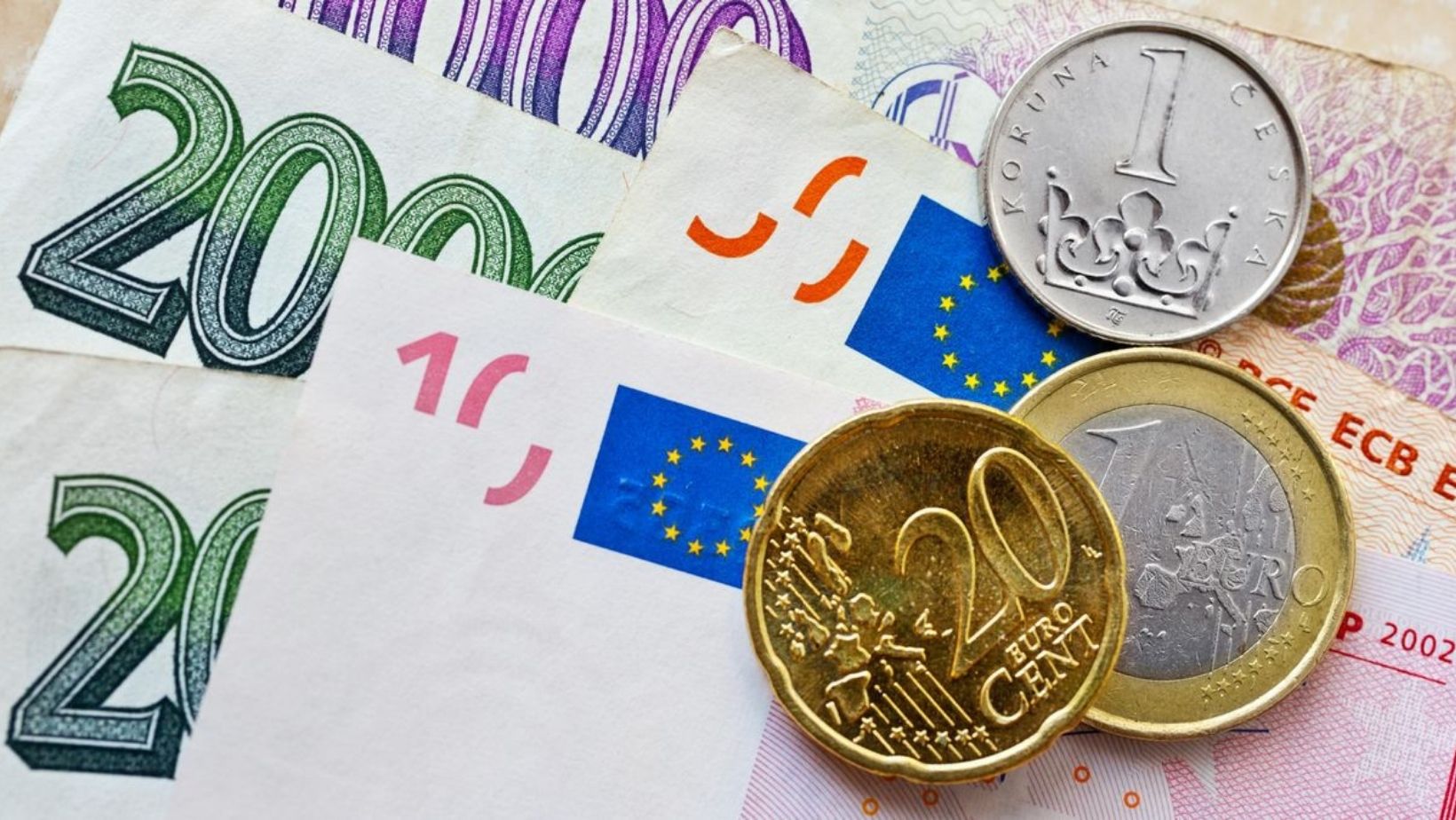
The Czech government has stepped away from earlier expectations that the country could adopt the euro by 2030. After a cabinet meeting on May 11, Prime Minister Andrej Babiš said the government would no longer commission annual reports evaluating whether the country meets the conditions to join the eurozone. “There is no reason to revisit the issue every year. This government does not intend to adopt the euro,” Babiš said, adding that the decision should be left to a future administration in the early 2030s. The reports had been prepared jointly by the Czech Ministry of Finance and the Czech National Bank. They tracked the country’s progress toward meeting the economic conditions required for euro adoption and assessed how closely the Czech economy aligns with the eurozone. Those evaluations consistently pointed to strong economic ties with eurozone countries, particularly in trade and manufacturing. At the same time, they highlighted ongoing gaps in wages and prices, as well as structural differences that could affect how the Czech economy responds to external shocks. The country’s reliance on industry, for instance, makes it more sensitive to fluctuations in global demand than many eurozone economies. The decision to abandon the reports drew criticism from...
Don’t have an account? Register
Already have an account? Log In
How Would You Like to Promote Your Business? PR ArticleDisplay bannersVideo productionNewsletter adsJob ListingsInfluencer Marketing
Your Email
We will come back to you within 24 hours with our proporsal