If your day doesn’t start until you’re up to speed on the latest headlines, then let us introduce you to our new morning fix. In the second quarter of 2022, the average gross monthly wage in the Czech Republic was CZK 40,086, an increase of 4.4% compared to the corresponding period of the previous year, according to data from the Czech Statistical Office (ČSÚ). However, due to inflation, this represents a drop of 9.8% in real terms, the biggest decrease in the nation’s history. . US Secretary of Defence Lloyd Austin is due to arrive in Prague on Friday, September 9. The Pentagon chief will hold talks with Defence Minister Jana Černochová and Prime Minister Petr Fiala, focusing on aid to Ukraine and the current security situation. The Czech prime minister, Petr Fiala, has congratulated Liz Truss on her new role as UK PM and leader of the Conservative Party. Mr. Fiala, who heads the right-wing Civic Democrats, said on Monday that he believed the UK would remain a valued ally of Czechia and the European Union. Union leaders have called a demonstration for Prague’s Wenceslas Square on Saturday October 8. At a meeting in the capital...
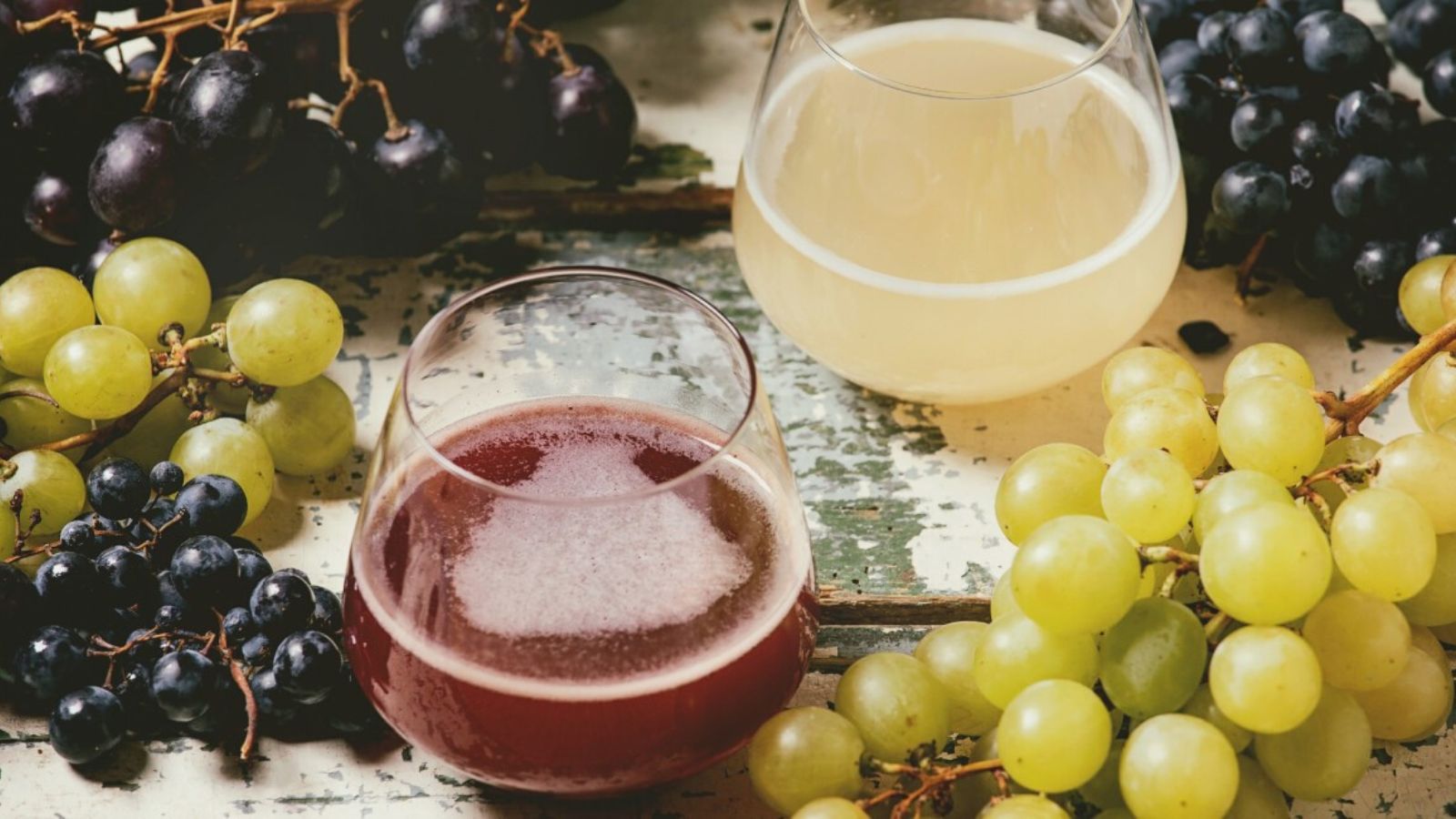
“Burčák” is partially fermented young wine and it is a very popular drink in Moravia, Austria, and Bavaria. This alcoholic wine drink is produced when pressed grape juice is partially fermented. Its consumption is typically connected with the first autumn days. The law states that to be labeled a burčák, the product has to be made of Czech or Moravian fruits and can only be sold between August 1 and November 30 of the year. The drink is considered to be a national treasure. Moravians are very passionate about the drink and claim that drinking seven liters per year guarantees good health in the upcoming year! We have prepared a list of festivals where you can find “burčák” this year: Vinohradské vinobraní Burčák from ten different producers – just this fact is enough to have a rest and relax here after the working week. In addition, guests will enjoy a wide range of natural farm delicacies and wines from all over the Czech Republic, theatrical performances and other entertainment for children. Where: Náměstí Jiřího z Poděbrad, Praha 3 When: 9 and 10 September, from 10:00 to 21:00 Price: free entrance Program: click here Malostranské vinobraní Several ensembles of traditional Moravian...
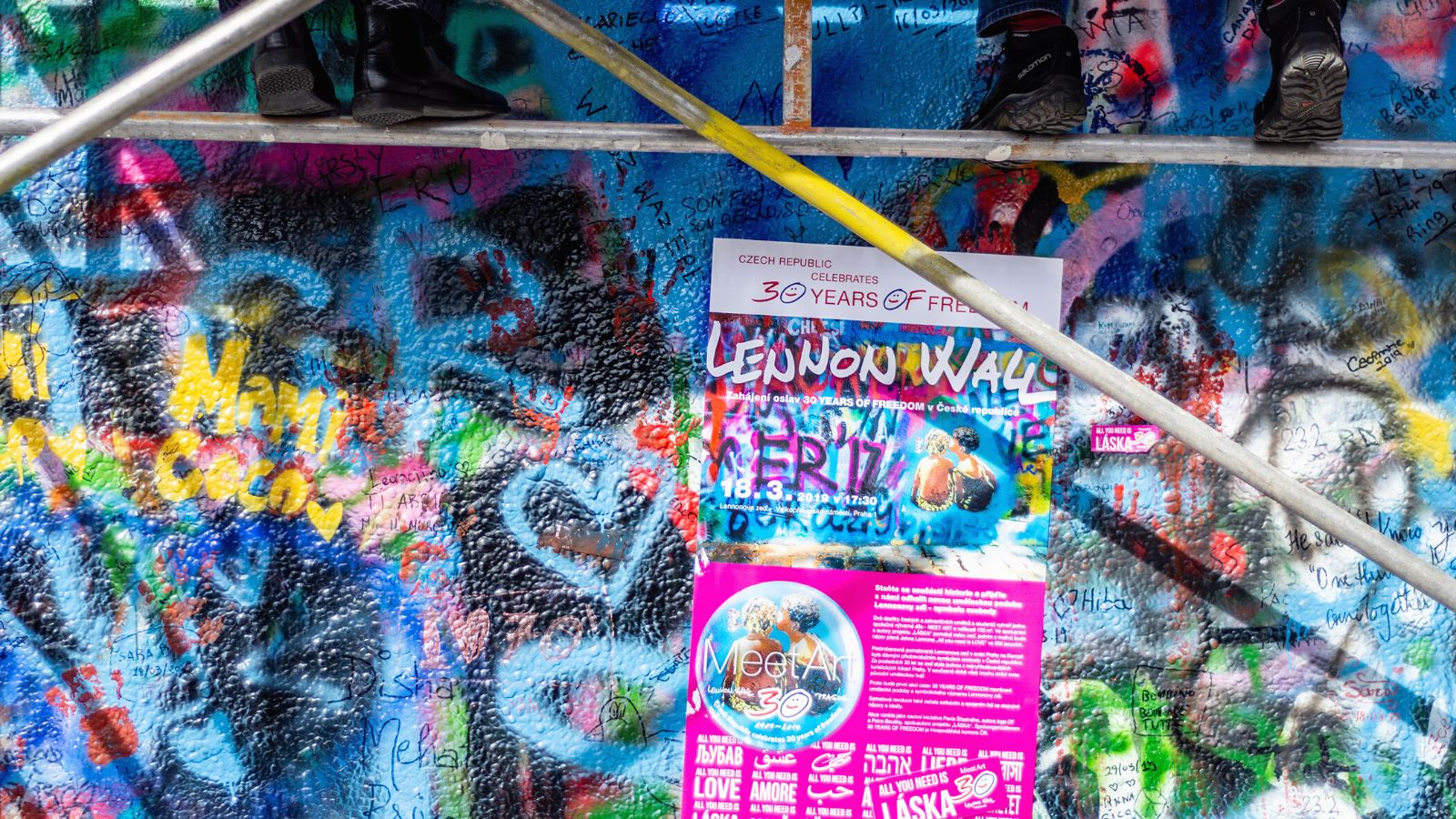
Prague’s Lennon Wall on Velkopřevorské náměstí is one of the most visited monuments in the capital. Over the years, the colourfully painted wall behind which an enchanted garden is hidden has become a symbol of freedom, peaceful resistance to the communist regime, a bulletin board for love poems and a kind of symbolic tombstone a memorial of love for John Lennon. More recently, it has served primarily as a canvas for professional and amateur artists worldwide. On September 7, 27 artists (each representing an EU country) and two special guests from Norway and Ukraine will gather in front of the Wall of Freedom & Energy. In the spirit of “United in Diversity”, they will transform Lennon’s wall beyond recognition in one day. Together they will create a “painting” of an impressive size of 35 x 5 metres, which will symbolise the alliance of the European nations of which the Czech Republic currently holds the presidency. As a tribute to France, the country that held the EU presidency in the first half of the year, the work will then be photographed and printed at a scale of 1:1 on a 2-metre thick inflatable wall and sent to Strasbourg, Paris and Brussels...
The average gross monthly salary in Czechia rose by 4.4 percent year-on-year in the second quarter of 2022 to CZK 40,086, according to the data released by the Czech Statistics Agency on Monday. In real terms, taking into account inflation, the real wage dropped by 9.8 percent in the same period. It is the third quarter in a row that it has been falling. Central Europe’s economies are bracing for a rough second half of the year, which could even mean a fall into recession for some, caused by double-digit inflation rates that are hitting consumer demand and taking away a key driver of the region’s post-pandemic recovery. With inflation in the Czech Republic averaging 15.8% in the second quarter, wages were down by real 9.8% from a year before. The nominal wage rose 4.4%. “It was clear that wage growth at such a pace would not be enough (to keep up with inflation),” Raiffeisen analysts said. The real wage drop was slightly deeper than a Reuters poll forecast of a 9.5% decline but less than a central bank forecast of a 13.1% fall. The central bank, which held interest rates unchanged last month but has not fully shut the...
If your day doesn’t start until you’re up to speed on the latest headlines, then let us introduce you to our new morning fix. An estimated 70,000 people protested in Prague against the Czech government on Saturday (3 September), calling on the ruling coalition to do more to control soaring energy prices and voicing opposition to the European Union and NATO. . US Secretary of Defence Lloyd Austin is due to arrive in Prague on Friday, September 9. The Pentagon chief will hold talks with Defence Minister Jana Černochová and Prime Minister Petr Fiala, focusing on aid to Ukraine and the current security situation. The number of newly confirmed Covid-19 cases in Czechia dropped week-on-week on Saturday after increasing for six days, according to the Ministry of Health data. Laboratories recorded 378 new cases on the first day of the weekend, which was 62 fewer than on the same day a week ago. Twelve people, mostly children, have been injured after a chair swing carousel collapsed at a funfair in Havířov, North Moravia on Saturday. The structure with seats rode up the central column to a height of about 15 metres. The European Union will invite...
Tens of thousands of protesters from the far right and far left joined forces to rally against the country’s pro-Western Czech government in the capital on Saturday. Police estimated that the crowd at Prague’s central Wenceslas Square numbered around 70,000. Some of the groups represented at the demonstration included the major anti-migrant populist Freedom and Direct Democracy party and the Communist Party. The protesters demanded the resignation of the current coalition government led by conservative Prime Minister Petr Fiala, criticizing it for a number of issues, including its Western-oriented policies. They condemned the government for its support of the sanctions against Russia over its war in Ukraine and accused it of not being able to tackle soaring energy prices. The demonstrators also criticized NATO, and the European Union and the 27-nation bloc’s plan to cut greenhouse gas emissions and reach climate neutrality. Fiala said everyone has a right to demonstrate, but said those protesting are expressing pro-Russia views “that are not in the interest of the Czech Republic and our citizens.” The Czech Republic firmly supports Ukraine in its battle against Russia’s invasion and has donated arms, including heavy weapons, to the Ukrainian armed forces. The government is planning to...
Nearly three decades after Czechoslovakia peacefully split into two states, Czechs are still looking for a proper name in English for their country. “The Czech Republic” has been widely used, though the shorter “Czechia” has slowly been catching on since its official registration by the United Nations in 2016. Today the European Union and NATO member’s current stint at the helm of the rotating EU presidency offers an opportunity for a breakthrough. “We are seeking to unify the presentation of our country abroad and at home after a long 30 years,” Deputy Foreign Minister Martin Dvorak, an advocate of “Czechia”, told AFP. “It is absurd to have 27 EU members and 29 NATO members using their short names and Czechia as the only member country stating its political status,” as a republic, he added. The foreign ministry promotes the shorter name, while Prime Minister Petr Fiala’s office has largely used “the Czech Republic” on its website and social networks. To make matters worse, at times the two names show up in tandem. When it took over the EU presidency on July 1, the government rolled out a website hailing the “natural beauty of Czechia” in one sentence and the cultural...
The Czech government survived a no-confidence vote on Friday after a marathon 22-hour debate in parliament amid opposition claims of inaction against soaring inflation and energy prices. The vote showed how Europe’s energy crisis is fuelling political instability as soaring power prices add to inflation, already at levels unseen in three decades. The centre-right, five-party coalition led by Prime Minister Petr Fiala has an eight-seat majority in the 200-seat lower chamber, easily denying two opposition parties the needed 101 majority required by in parliamentary votes. Lawmakers gathered on Thursday and debated the motion throughout the night before a vote at midday on Friday. “Prime Minister Fiala and his ministers are not able to run our country…. the energy crisis has completely got out of their hands,” opposition leader Andrej Babis told lawmakers. Former prime minister Babis, a billionaire who was defeated in an election last year, also accused the government of links to people being investigated for alleged corruption in a scandal that has forced the resignation of the head of the secret service. A loss of confidence would have been an embarrassment for the Czech government, which is leading the European Union’s rotating presidency as the bloc seeks to...
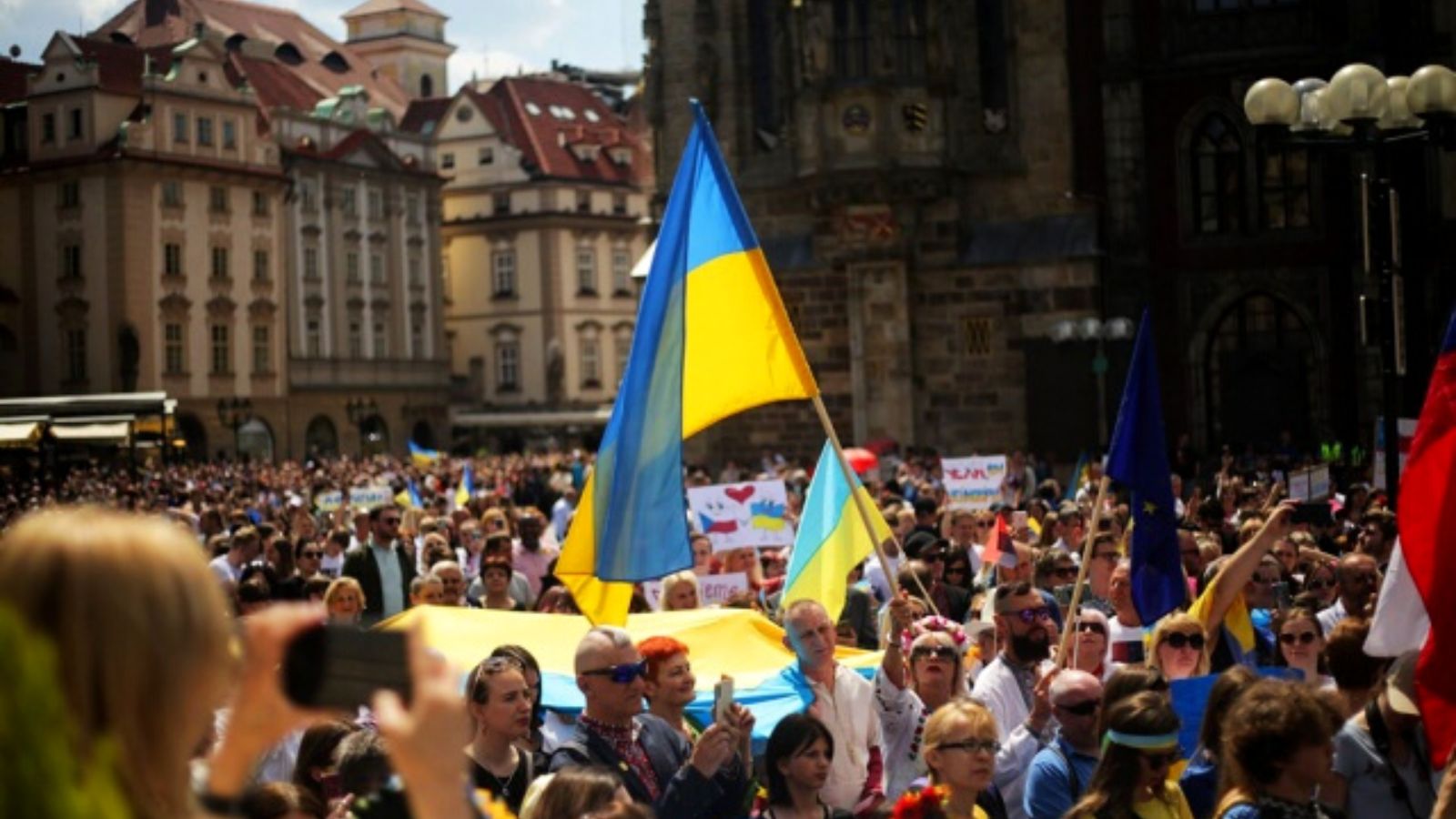
Ukrainians will hold a “March of Gratitude” through the streets of Prague to thank the Czech people for the help they have provided to refugees fleeing Russia’s invasion and the Czech government for the support it has given to Ukraine. It will take place on Sunday, 4 September. At 12:00 the participants will gather on Wenceslas Square and then walk along the main streets to Old Town Square. During the march, women and children will distribute flowers and small handmade souvenirs to passersby. “All of us who found refuge in Prague and the Czech Republic, want to say “thank you”. Someone has settled us in the house, has invited for dinner, has helped to orientate us in the city and to sort out documents, or has looked after our children. We want to thank all these people with songs, dances and kind words. We will be very happy if you join our march”, say the organizers. More information can be find here More than 101,000 Ukrainian refugees, who moved to Czechia as a result of Russia’s invasion of their home country, have managed to find work since their arrival, the Ministry of Labour and Social Affairs announced on Wednesday citing...
This July, Czech households paid the highest price in Europe for electricity; and yet, something many Czechs see only as a cruel joke, the country remains among the largest exporters of electricity in the world. The July HEPI index (Household Energy Price Index), which compares the price of energy for households in individual European capitals, shows clearly what is occurring. People living in Prague pay the highest price for electricity in all of Europe, according to the purchasing power parity of the currency. This index includes member states and countries outside the EU, such as Switzerland, Norway, and Russia. According to the study, the people of Prague paid roughly 52 euro cents per kilowatt-hour in July. That is roughly twice as much as what residents of Bratislava pay and approximately three times more compared to the costs of residents of Budapest or Moscow. Prague’s residents also pay almost four times more than households in the Swiss capital of Bern and over four times as much as households in Oslo, Norway. Electricity prices in Prague are high even in absolute terms, without conversion, that is, according to the purchasing power parity of the currency. In this case, Prague residents pay the fourth-highest price in the EU, roughly 41 euro cents...
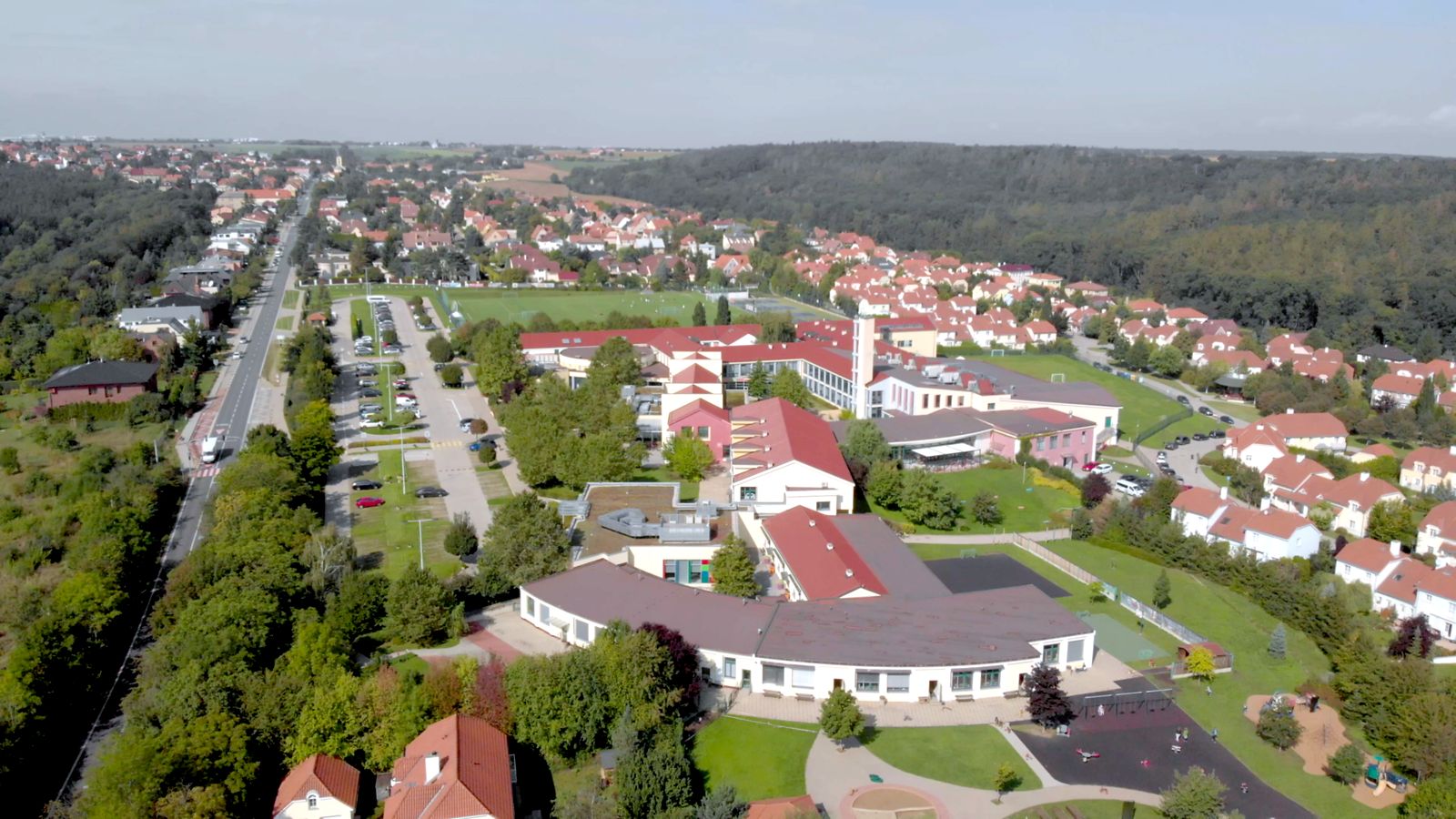
The International School of Prague (ISP) is honored to welcome Czech-born artist, illustrator, and author, Peter Sís, as their first guest of the ISP Distinguished Speaker Series. The Distinguished Speaker Series was set up in honor of former director, Dr. Arnie Bieber, whose transformational leadership over his 13-year tenure has made ISP the leading international school in Prague, committed to inspiring, empowering, and engaging all learners to be curious, competent, compassionate changemakers. Peter Sís was born in Brno, Czechoslovakia, and attended the Academy of Applied Arts in Prague, and the Royal College of Art in London. He has published over 40 children’s books and is recognized all over the world for his incredible achievements in the field. His numerous awards include the prestigious Hans Christian Andersen Medal, Caldecott Medal, and MacArthur Fellowship. Peter Sís will visit the International School of Prague campus in Nebusice from 8 – 9 September. ISP is pleased to extend an invitation to the Prague community to attend a film screening of “Dreams About Stray Cats”* (watch trailer) along with a discussion and Q&A with Peter and David Sís (filmmaker). It will be an incredible evening, not to be missed! What: An Evening with Peter Sís,...
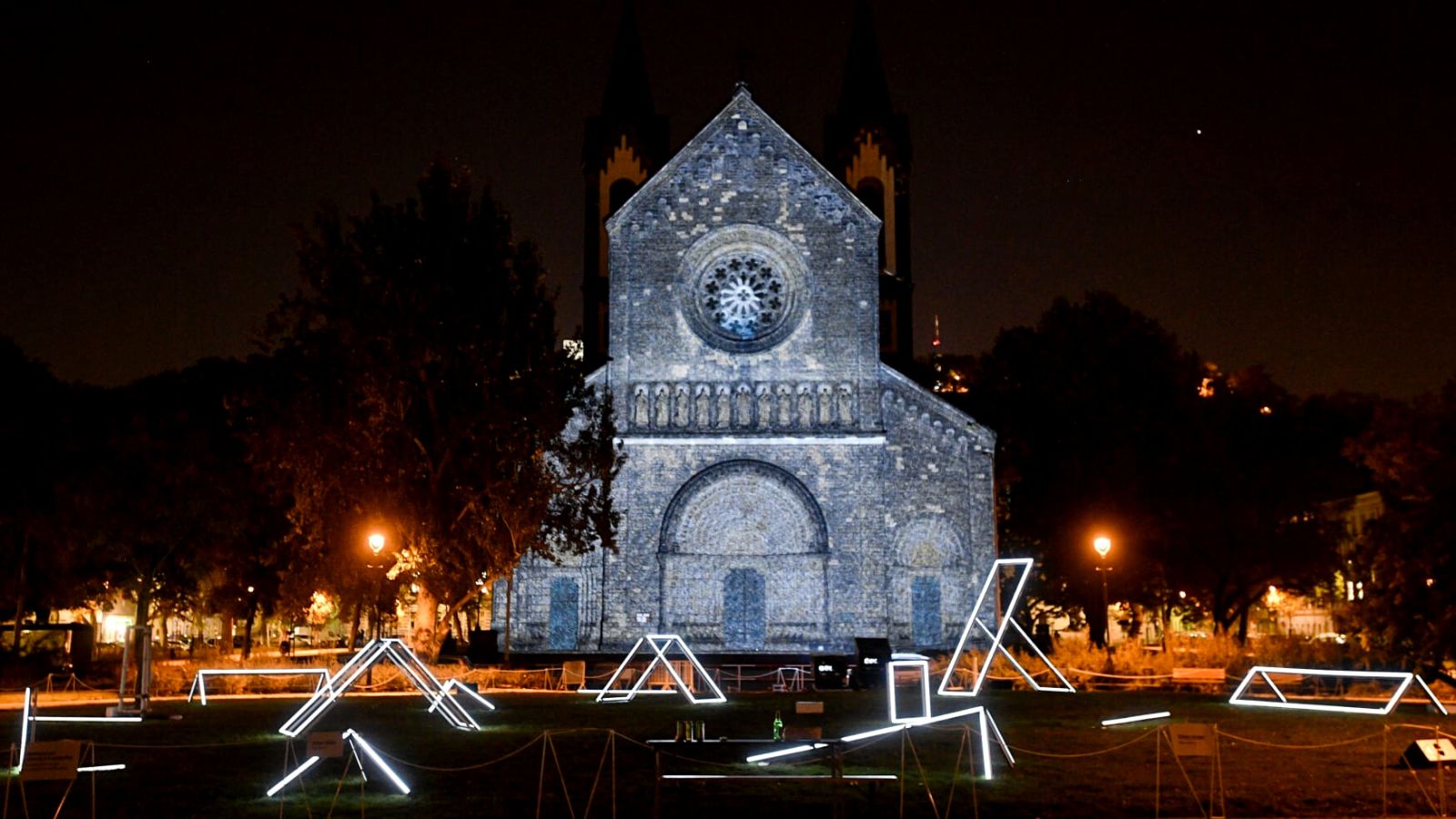
The tenth edition of the Signal Festival of digital and creative culture returns to Prague next month, lighting up the city for four days of exhibitions, tech-based displays and performances spread over 14 locations. The festival – which is the most visited cultural event in the Czech Republic – will take place from October 13th to 16th, featuring work from many artists including world-renowned Turkish new media artist Refik Anadol and Czech designer Maxim Velčovský. Visitors can visit nine of the 15 exhibitions free of charge, with the remaining displays available with a Signal Plus pass currently available for 240 Kč on the festival’s website. A VIP pass allowing viewers to skip queues at all 15 locations and access food and drink catering is also being sold for 1690 Kč. Speaking to Prague Morning, Signal Festival director Martin Pošta said the tickets are “very important to support the future of the event”. “It’s not for profit and it’s very affordable,” he said. “It allows us to keep being creative.” “We aren’t just promoters of art, we produce it. These works have been created especially for the festival.” Pošta recommends visitors set aside two nights for the festival as “it’s not...
Don’t have an account? Register
Already have an account? Log In
How Would You Like to Promote Your Business? PR ArticleDisplay bannersVideo productionNewsletter adsJob ListingsInfluencer Marketing
Your Email
We will come back to you within 24 hours with our proporsal