On Saturday, February 22nd in 1998 all people from the Czech republic were watching an early morning gold medal game – the final Czech republic against team Russia. Czech TV speaker Robert Zaruba was opening the golden gate and screamed on air: ” We are Olympic champions! Rewrite the history – the Czech republic won the Olympic Games.” The 1998 Winter Olympics in Nagano were the first games that the NHL allowed their players to participate in. The result featured the best hockey talent that the world had to offer at the time. The Czech Republic had a number of those players, including the legendary Jaromír Jágr, Hall of Fame goaltender Dominik Hašek, Martin Ručinský, and defenseman Petr Svoboda, the first Czech to play 1000 games in the NHL. And while the USA and Canada – who had previously faced off in the 1996 World Cup – were the heavy favorites to win, the Czech team stunned the world by beating both of them and then topping Russia in the gold medal final to become only the 7th country ever to win a gold medal in ice hockey, just five years after the nation had been founded An incredible performance...
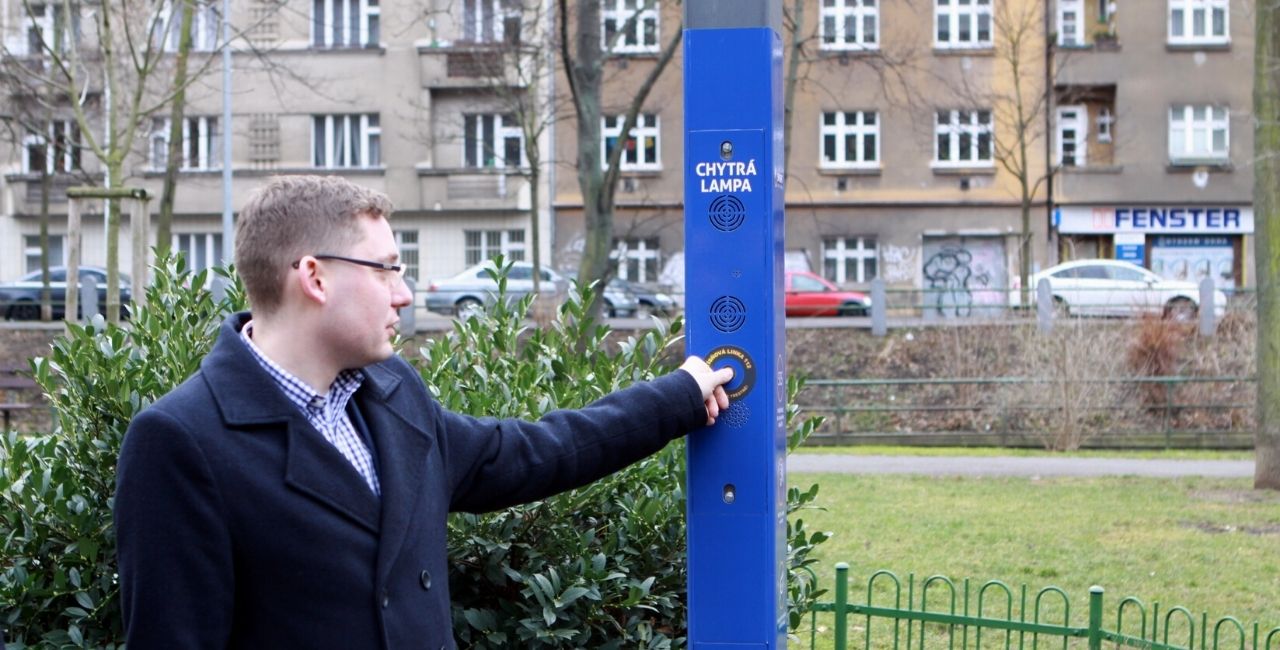
Prague city will install new chargers for electric cars in 82 streetlights during this year, said the councilor Jan Chabr (TOP 09). According to the city’s plan, their number is to increase gradually in the future, which is why the municipality plans to replace and modernize more than 600 lamps this year. There are about 135,000 public lighting lamps in Prague. The municipality cooperates with Pražská energetika (PRE) in locating the chargers. “Through this project, we will get chargers for Prague lamps during the year. Electromobility is now the preferred option in the European car market and it is necessary to prepare the charging infrastructure in the public space. Not everyone can use their own garage for charging,” said Chabr. It is necessary to bring new bands to the lamps, which will be able to supply energy for both the lamp and the charger. The city, therefore, cooperates with PRE and when replacing the cables, it also inserts the cable for the charger into the sidewalk. This year, 654 lamps will be replaced and chargers can be connected to 189 of them. The lamps will be replaced by the Municipal Society of Technology of the Capital City of Prague (THMP)in ten city districts. According to earlier...
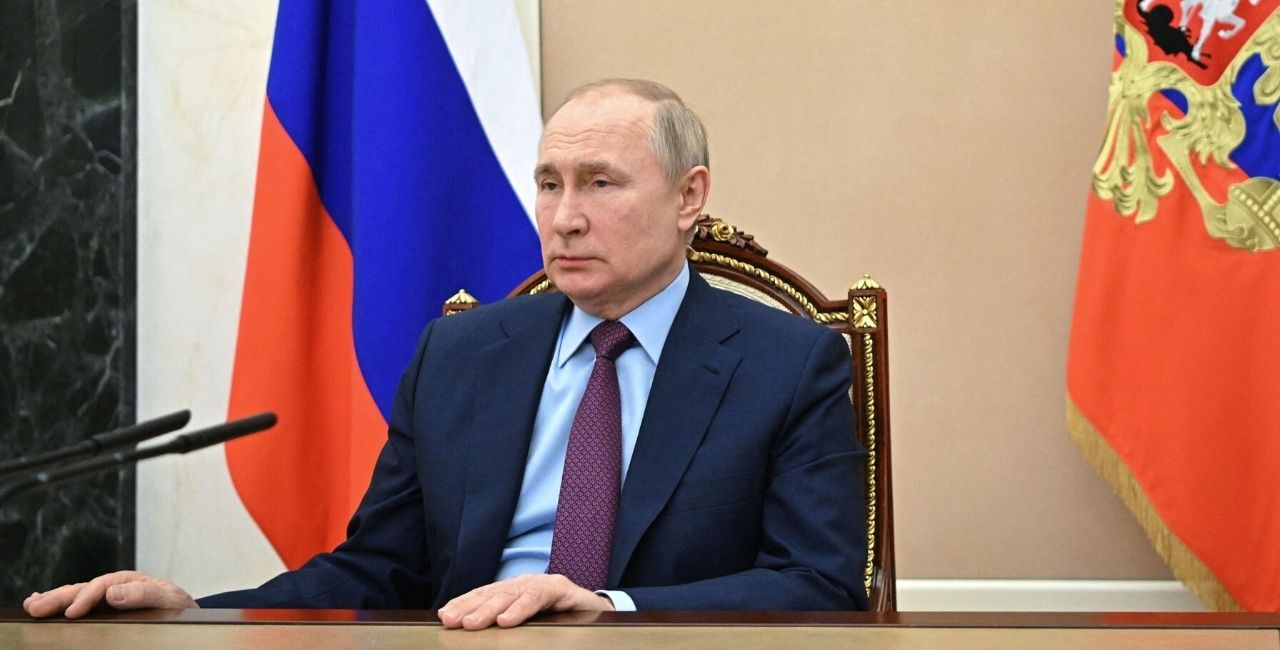
The Ministry of Foreign Affairs of the Czech Republic strongly condemns the decision of the Russian Federation to recognize the independence of the so-called Donetsk People’s Republic and Luhansk People’s Republic. “This is a clear violation of the UN Charter, the Minsk Agreements and the Budapest Memorandum of 1994. After the illegal occupation and annexation of Crimea in 2014, this is yet another step by which the Russian Federation has long trampled on the fundamental principles of international law and its own obligations regarding the territorial integrity and sovereignty of Ukraine,” states the official website. The recognition of the independence of the so-called people’s republics is another step in the escalation of the already tense situation and threatens the security of the whole of Europe. “The Czech Republic, together with its NATO and EU allies, supports international diplomatic efforts to avert aggression against Ukraine and preserve peace. The Czech Republic will respond in unity with its allies. We reaffirm our long-standing, principled support for the territorial integrity and sovereignty of Ukraine within its internationally recognized borders,” said minister Jan Lipavsky. “We call on the Russian Federation to reconsider its steps and return to the negotiating table in the interests of...
If you worked for the whole year or part of it in the Czech Republic, you should file a tax return in order to receive some money back
If your day doesn’t start until you’re up to speed on the latest headlines, then let us introduce you to our new morning fix. President Milos Zeman signed an amendment to the pandemic law that widens the measures against coronavirus and extends the validity of the legislation till the end of November. The legislation will also enact the practice of ordering quarantine or isolation by phone or a brief SMS. The Czech Association of Professional Theatres has called on the country’s theatres, culture, public and state institutions to fly Ukrainian flags on their buildings as symbolic support for the inviolability of state territory. Kunsthalle Praha, a new non-profit cultural space located in the historical city centre is due to open to the public on February 22, 2022 with an exhibition called 100 Years of Electricity in Art. The Czech minister of foreign affairs, Jan Lipavský, will meet for talks with his Australian counterpart Marise Payne on Wednesday, the Czech Foreign Ministry reported on its web page. It is the first visit to Prague by an Australian foreign minister in 17 years. Brno City Council has approved a package of support for 21 non-profit organisations dedicated to...
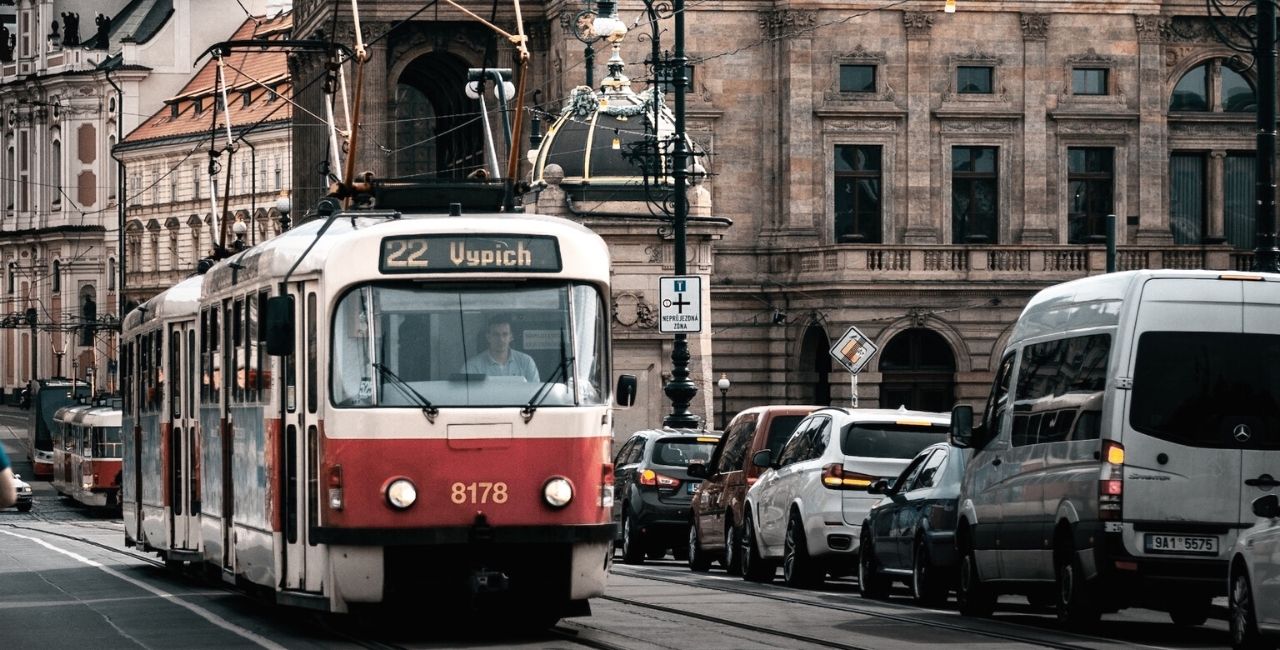
This February 22, the world hits an unprecedented milestone. It’s the date itself: 2/22/22. And this so-called “Twosday” falls on a Tuesday, no less. Thousands of Prague residents are going (or better, would like) to celebrate this special date in an unusual way: taking a ride on the tram 22 at exactly 22:22. The Facebook event sees so far 3,300 people joining and other 21,000 interested. According to the organizer, tomorrow at 22:22, there will be 13 trams operating in both directions. However, with an average capacity of 250 passengers, trams will not be able to host all of the participants. February 2022 is full of rare and special dates. Feb. 2, 2022 (aka Groundhog Day) was one of them because it’s a palindrome; it reads the same backwards and forwards (2/2/22). All the rest of 2022’s palindrome dates are toward the end of the same month, but none of them are viewed as more auspicious than Tuesday, Feb. 22, 2022. The astrology on February 22, 2022, alone proves that it’ll be a lucky day.
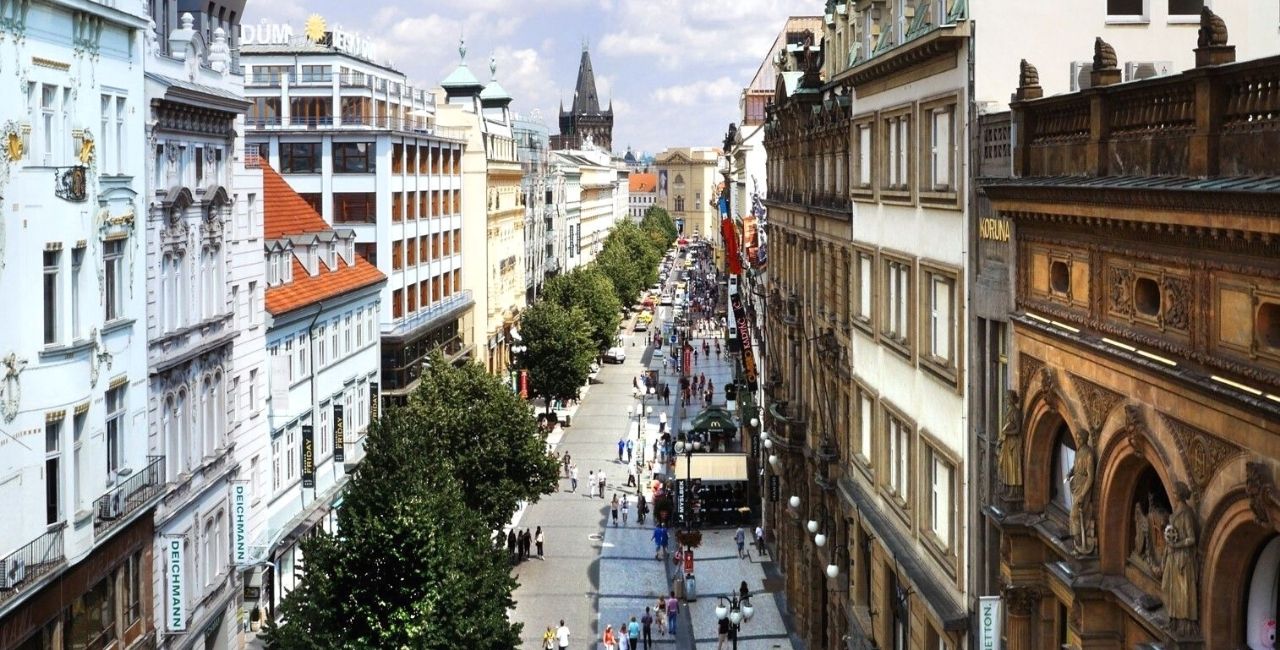
Lidl has announced plans to open a new store in the center of Prague as part of an international expansion. The German discounter will use the premises of the historic building, the former headquarters of the Czechoslovak Commercial Bank. Lidl expects to open the new shop in the middle of the year, it said in a press release today. Na Příkopě Street is ranked as the 20th most expensive street in the world by Cushman & Wakefield. The grocery store will be spread over an area of 1140 square metres. “The setting of the store in these unique spaces is a challenge for us and we believe that the new store will simplify life especially for residents of adjacent neighborhoods, but also for employees and tourists who do not have access to a grocery store in their immediate surroundings,” said Lidl spokesperson Tomáš Myler. The building on the corner of Na Příkopě and Panská streets was renovated by Immofinanz and Lordship about ten years ago. It offers commercial and office space as well as underground parking. In the past, there was a house called U tří lip on this site, where the writer Božena Němcová died in 1862. In the...
Dinner in a restaurant with a bottle of wine and watching a movie at the cinema – this is the typical date that hundreds of millions of couples around the world do on weekends. Picodi.com’s new ranking, however, compares which of 56 capitals and large cities of the world are the cheapest and which are the most expensive. Zurich, Oslo, and Helsinki are the most expensive cities on this list. The price of a romantic encounter in these cities ranges between US$184 and US$226. Manila was placed in the cheaper half of the ranking–in 12th place from the bottom. In the capital of the Philippines, a dinner for two in a mid-price restaurant with wine and cinema screening costs $64. Similar prices can be found in Mexico City, New Delhi and Sao Paulo. On the other hand, in New York such a date would cost $175. The ranking shows that in Prague the cost of a date is lower than in Bratislava but higher than in Warsaw. Prague ranks 22nd. “In the Czech capital, a dinner for two in a medium-priced restaurant with wine and cinema tickets costs around CZK 1,700 (€68). Similar prices can be found in Budapest and...
If your day doesn’t start until you’re up to speed on the latest headlines, then let us introduce you to our new morning fix. The Czech healthcare system is currently lacking 2,500 nurses at hospitals around the country. Experts say that the situation will only get worse unless schools begin turning out more nursing graduates. The minister of health, Vlastimil Válek, plans to pour more financing into the training of nurses in the next two years. There have now been over 3.5 million confirmed cases of Covid-19 in the Czech Republic (population 10.7 million) since the start of the pandemic. Experts have said that the real number could in fact be two or three times higher. The National Drug Control Centre (NDC) has arrested and charged eight people who allegedly cultivated marijuana in the Czech Republic for several years and sold it mainly to the UK and Ireland. A litre of the best-selling petrol, Natural 95, is currently selling at Czech petrol stations for an average of CZK 37.13, which is CZK 0.35 more than one week ago. Meanwhile, diesel has risen in price by 0.29 per litre. The CEO of Czech Railways (ČD), Mr....
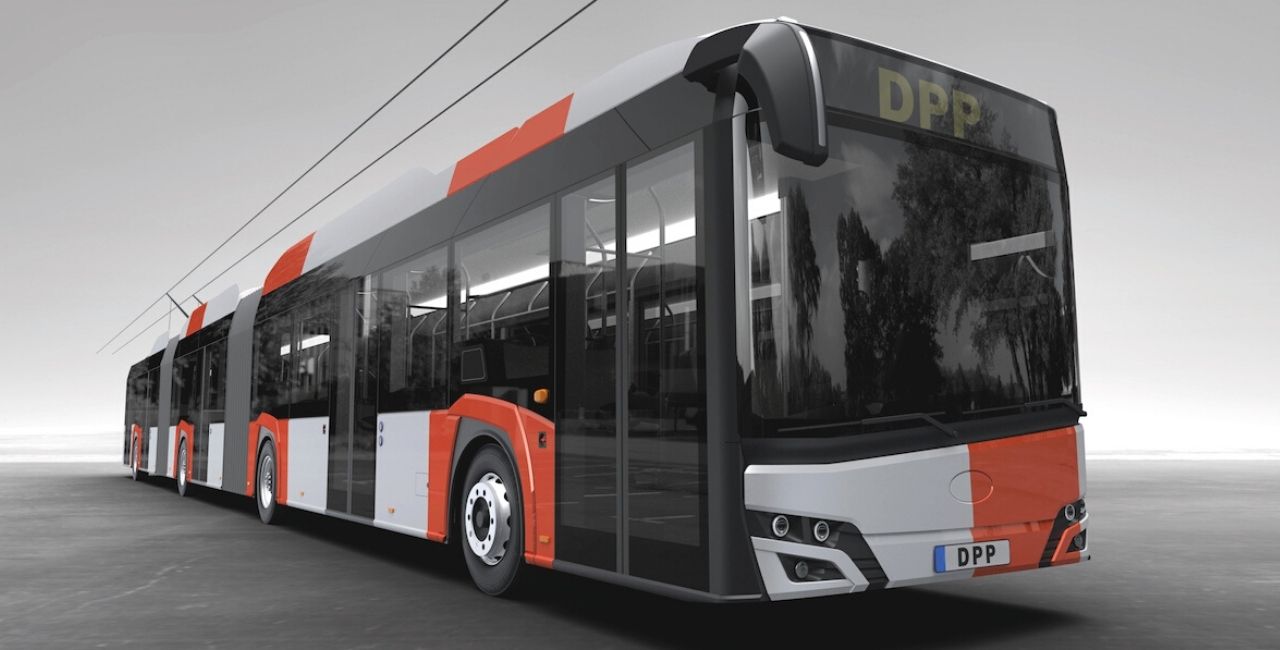
A consortium comprising Solaris Bus & Coach, Solaris Czech and Škoda Electric has submitted a winning bid in a tender for the delivery of 20 bi-articulated Trollino 24 electric trolleybuses, held by the Prague public transport operator DPP. This is the first such large order for vehicles of this type. The deliveries shall be carried out within 24 months of the signing of the contract. Each vehicle will feature four axles, including two drive axles. The drive of the Trollino 24 will consist of two traction motors. Traction batteries, used as a source of energy in the event of power supply failure, will be placed on the roof of the vehicle’s second section. The minimum range of the trolleybus, when running on traction batteries stipulated in the tender specification, amounts to 11 km. The bi-articulated trolleybus is 24,700 mm in lnegth. It can carry up to 179 passengers, including 54 people seated. The vehicle interior will also feature two bays for passengers in wheelchairs. The Trollino 24 is a five-door-model with a 2-2-2-2-2 door layout. Both the lighting in the passenger compartment and external lighting have been designed using LED technology. The bi-articulated Solaris trolleybus was presented for the first...
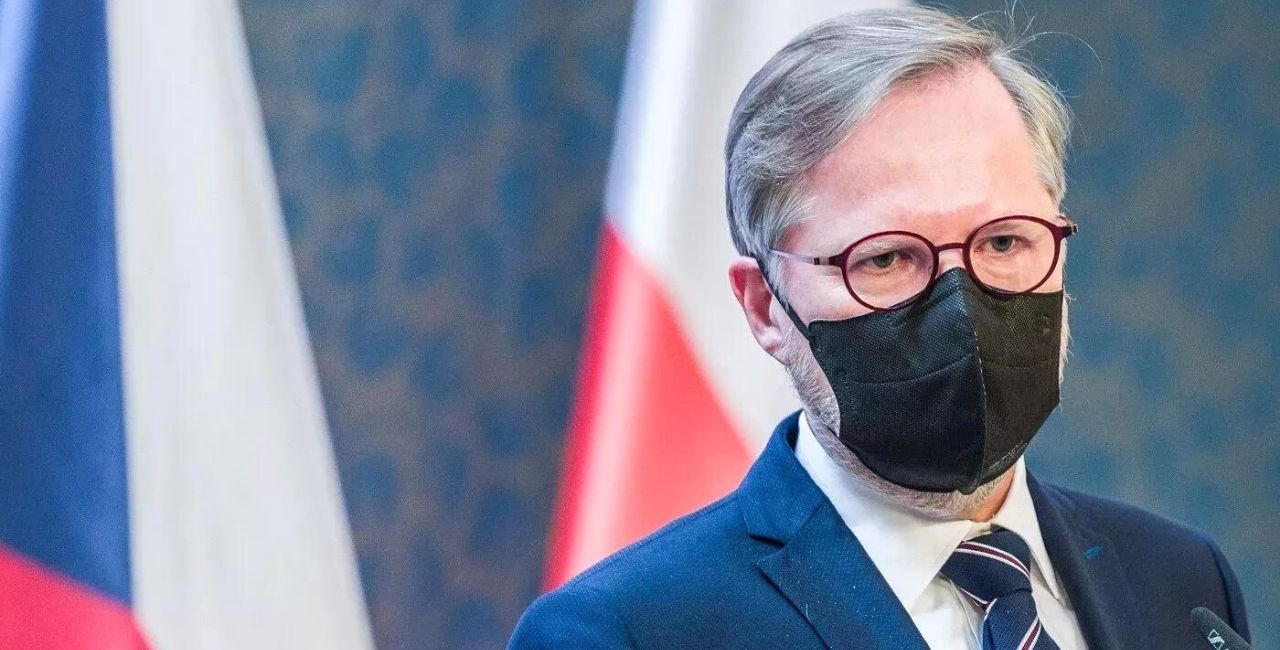
The Czech government is prepared for all development scenarios in Ukraine, including the interruption of energy supplies, said Prime Minister Petr Fiala (ODS) in a video posted on social media on Saturday. The solution to the situation, according to him, is not war, but even thoughtless concessions. From the side of Russia, he sees an effort to make the Czech Republic once again a weak and divided country, which he will be able to influence. The basic condition for dissuading Russia from aggression is to show unity and an uncompromising attitude. Any war conflict, according to Fiala, would undoubtedly have repercussions on the Czech Republic as well. “I would like to assure you that our government is prepared for this situation, that we can manage it together. We are prepared for all scenarios, whether there is a power cut or a refugee wave,” the Prime Minister said. He noted that no one wants such a development, and that is why the government is trying at the international level to resolve the critical situation in a diplomatic and peaceful way. At the same time, he stressed the need for unity and firmness in matters of principle. He recalled the historical experience...
Czech Health Minister Vlastimil Valek wants almost all anti-COVID restrictions to be lifted by April 1 at the latest, he told a press conference yesterday. He added that he plans to submit a proposal of a gradual relaxation of the measures to the cabinet meeting next week. Valek said he would like people in the Czech Republic to be able to spend Easter, which falls in mid-April this year, in a way they were used to before the March 2020 coronavirus epidemic outburst. The end of mandatory blanket testing Mandatory blanket testing in schools, companies, and institutions ended yesterday, February 18. All company employees have been tested twice a week while schoolchildren and all school employees have been tested once a week since Jan. 17. The highest numbers of positive tests were registered in the week between January and February, with almost 49,000 cases. The state will contribute 60 crowns to the cost of testing for each employee four times a month. Latest statistics 13,774 new cases of Covid-19 were registered in the Czech Republic on Friday, the lowest figure for a weekday in five weeks. There were also over 2,500 confirmed new reinfections. Both figures were down by around...
Don’t have an account? Register
Already have an account? Log In
How Would You Like to Promote Your Business? PR ArticleDisplay bannersVideo productionNewsletter adsJob ListingsInfluencer Marketing
Your Email
We will come back to you within 24 hours with our proporsal