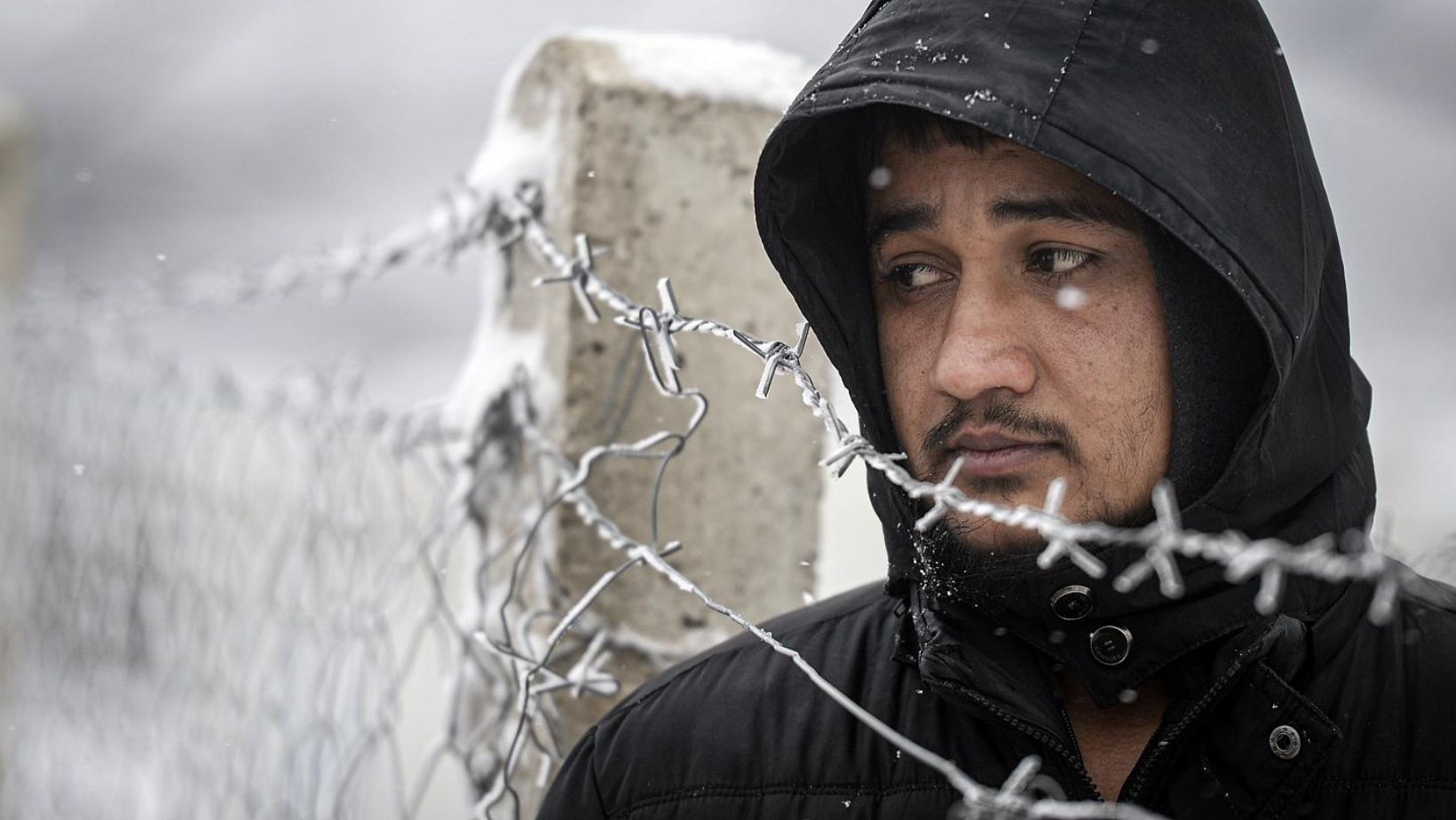
This year, the Czech Republic will send 140 million CZK from the On-Site Assistance program mainly to the Western Balkans and Jordan to relieve these countries from strong migratory pressures or to assist refugees in their countries of origin. Central European countries like the Czech Republic and Hungary have long advocated sending aid to countries where migrants come from to reduce the pressure on Europe’s borders. In addition, the Medevac health and humanitarian program with aid totaling 55 million korunas (€2.14 million) will go to international organizations that help in Iraq, Mauritania, and Nigeria, according to Eurozpravy.cz. As the Czech Ministry of Interior stated in a press release, the goals of both programs include sending medical teams to problematic areas, building medical infrastructure, providing direct assistance to refugees, and fighting against illegal migration. A total of 50 million CZK will go to Bosnia and Herzegovina, North Macedonia, and Serbia this year. The aim is to strengthen the countries’ capacities in asylum policy, receiving migrants, and their integration or return to their home countries. The Czech Republic plans to donate another 25 million CZK to Jordan on stabilizing the situation of Syrian refugees in the country. The same amount will go...
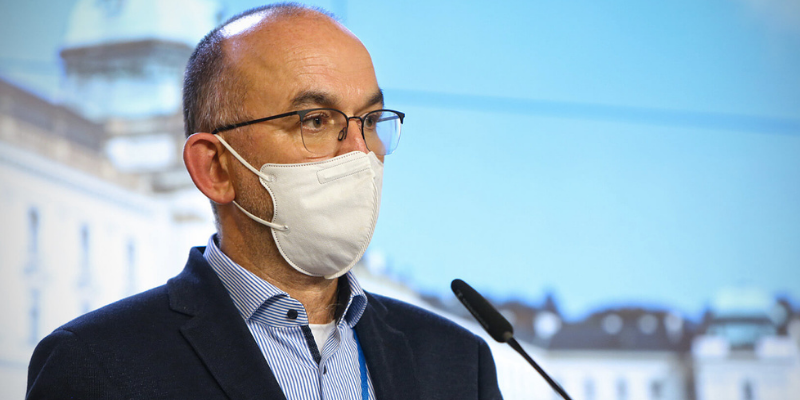
The situation with the coronavirus epidemic across the Czech Republic may be as serious as in the Cheb, Sokolov, and Trutnov districts in two to three weeks, Health Minister Jan Blatný told journalists on Wednesday. The government has cordoned off the districts Cheb and Sokolov, west Bohemia, and Trutnov, east Bohemia, due to the rapid spread of the coronavirus. Blatný said the more contagious UK variant of the virus was increasingly spreading in the western part of Bohemia. The minister said hospitals were close to capacity and were only coping with an influx of Covid patients thanks to transfers between regions. On average, about 40 percent of people tested for COVID-19 show a British coronavirus mutation. However, there are big differences between the regions. For example, laboratories in the Liberec region reported up to a 70% share, Hradec Králové region about a 60% share. The occupancy of hospitals and their intensive care units also differs. On average, 16 percent of ICU beds are available in the whole Czech Republic. Latest statistics The official death toll from COVID-19 has reached 18,596 as of Tuesday, a rise of 166 which includes deaths from that day and revisions to previous days, according to...
Article by Vita Cafnik, pre-school teacher at Cherry Tree, English-speaking preschool in the heart of Vinohrady. If you are thinking about setting on a marvelous journey of education with your child, you might find yourself overwhelmed with options. Prague truly has a lot to offer when it comes to early childhood education, and there are various things to consider when choosing a school best suited to your needs. If you appreciate nature and all it has to offer, and if you wish your child could spend more time outdoors, a Forest school might be the way to go. Our relationship with nature, and the way we introduce it to our children, set an example for their future and forms a bond that lasts a lifetime. By greeting the outdoors with open arms, Forest schools offer a beautiful gateway to learning, paved with wonder and discovery. The learning process of Forest schools has a long tradition. Originating in Scandinavian countries, it has since gained popularity all over the world. Including right here, in Prague. Focusing on outdoor education, Forest schools moved their classrooms into open-air settings by letting kids grow with nature and helping nature prosper by raising environmentally conscious kids....
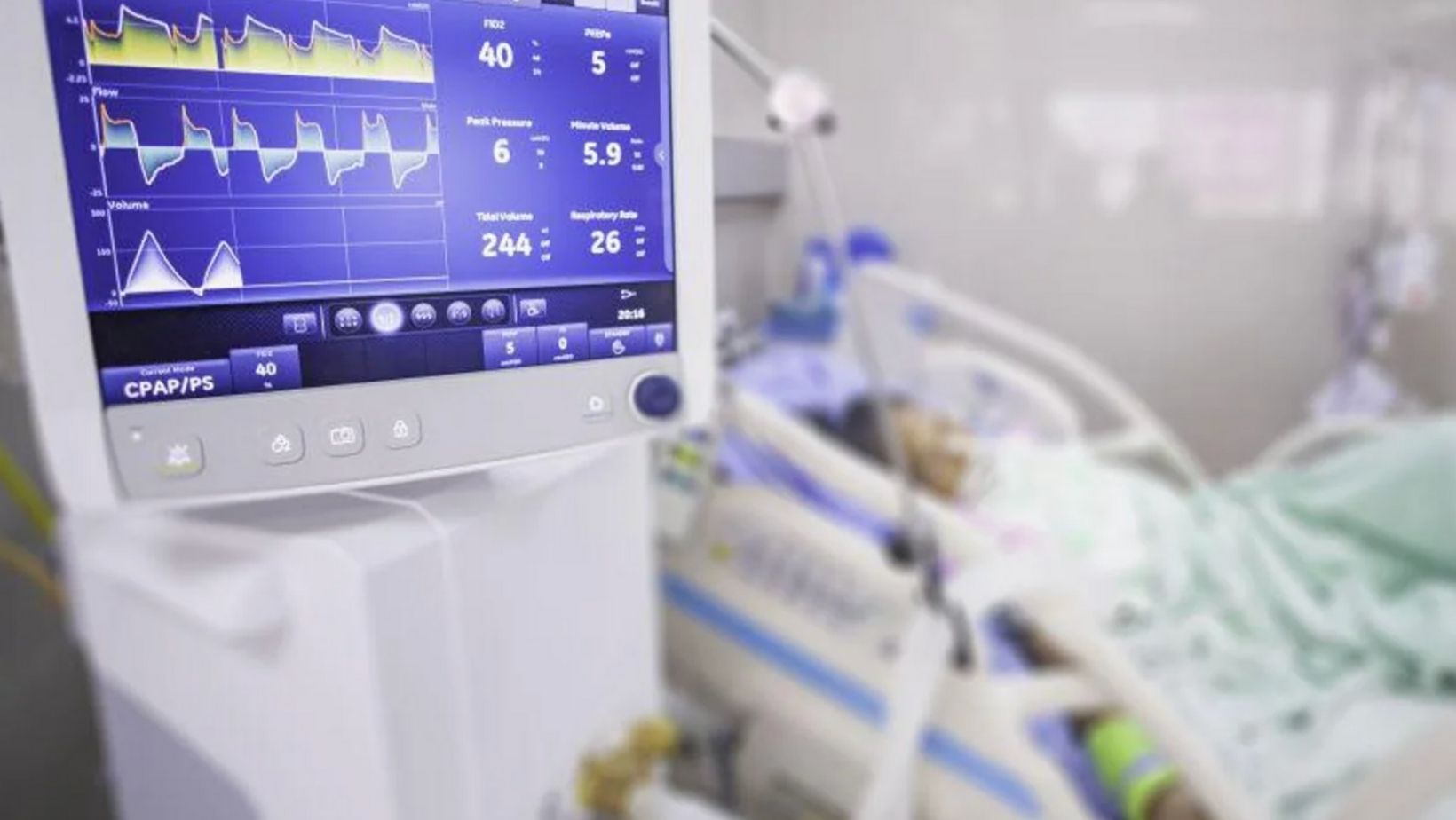
There are only about 180 ICU beds available in Czech hospitals for patients with COVID-19 out of a total of more than 3,900. The situation is worse in the western part of the Czech Republic, Minister of Health Jan Blatný (ANO) said at a press conference after today’s government meeting. About 84 percent of the total capacity in the country is occupied. “At the moment, the number of people in the ICU is growing slightly,” the minister said on Czech Television. Therefore, he did not want to state any specific date when it would be possible to relax one of the measures as requires by the regional governors, ie the opening of shops and services. “The situation is different than in the spring or autumn wave of the epidemic. People in intensive care units need care for longer than before”. On average, about 40 percent of people tested for COVID-19 show a British coronavirus mutation. However, there are big differences between the regions. For example, laboratories in the Liberec region reported up to a 70% share, Hradec Králové region about a 60% share. The occupancy of hospitals and their intensive care units also differs. On average, 16 percent of ICU...
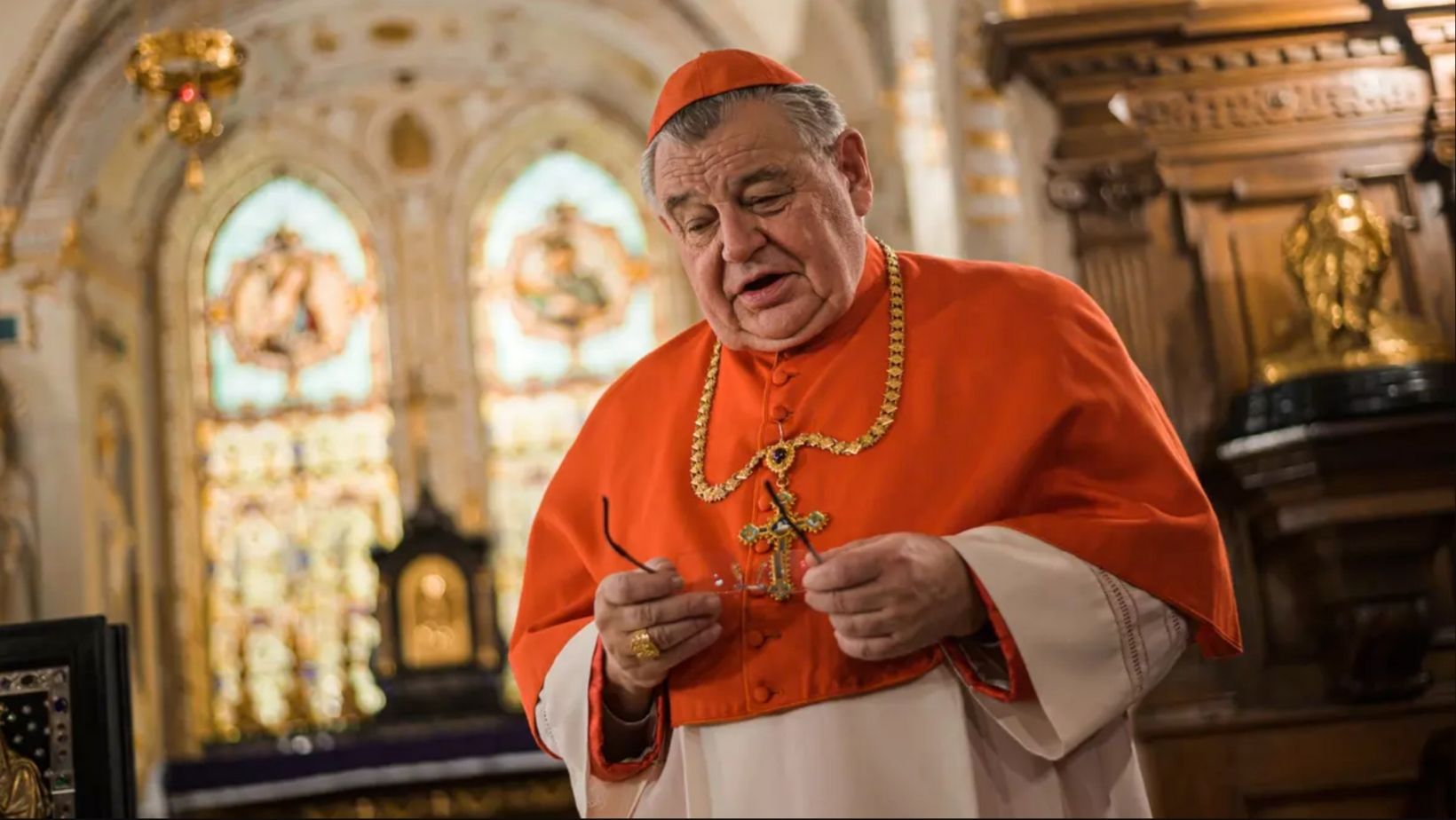
Czech Cardinal Dominik Duka gave a sermon in early February where he made some bold claims about the COVID-19 virus. Duka claimed the virus originated as a biological weapon and that his claims could be supported by the military. “All military specialists around the world are convinced of this, who are either afraid to say it or they must not say it,” Duka claimed during the sermon. Jiří Prinz, a spokesman for the archbishop of Prague told CNN Prima News that the cardinal made this statement as more of a theory but that his claim is supported by members of the Czech army. Despite this statement, Prinz did not indicate which member of the Czech army would support such a claim. The Czech military has made it clear that they do not agree with Duka’s sermon. Jan Pejšek, a spokesman for the Ministry of Defense, told iROZHLAS.cz: “We have no such evidence, nor have we ever presented it anywhere. The World Health Organization is now trying to find out the origin of the virus. We will wait for the opinion of the experts. We refuse to speculate,” said Pejšek. Duka also made comments about how the virus is outperforming our advanced society....
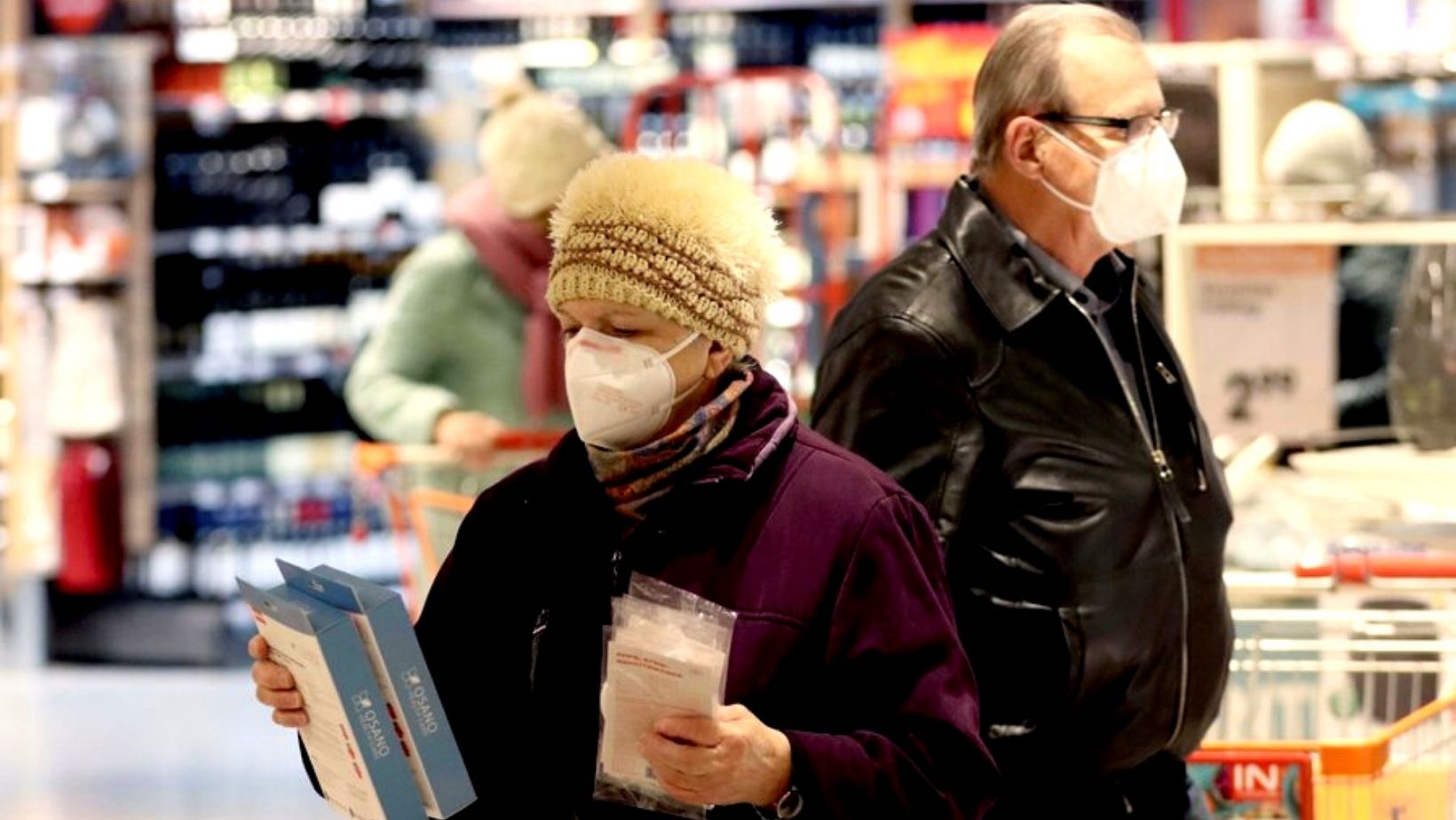
Minister of Health Jan Blatný has agreed to reopen stores next Monday. However, the store staff needs to wear FFP2 respirators. Customers will not be required to wear respirators, but are encouraged to do so. The proposal awaits approval by the Czech government. “The opening of retail stores is a significant shift. It’s a big psychological break. After a long time, people will see the light at the end of the tunnel,” said Deputy Prime Minister and Minister of Industry and Trade Karel Havlíček on Twitter on Tuesday. He also has support from the Minister of the Interior and the head of the Central Crisis Staff, Jan Hamáček. Havlíček announced the opening date on Monday after negotiations with regional representatives, and his words were confirmed by the chairman of the regional association, Martin Kuba. The number of shoppers per store area will remain limited, ie still to 15 square meters per person. Customers should also keep a distance from others and use disinfectants. Další krok ke znovuotevření maloobchodu v pondělí 22/2. Po dohodě na Radě vlády pro zdravotní rizika je tento návrh přijatelný, a to za předpokladu, že personál obchodů bude povinně používat respirátory na bázi FFP2, do osvěty zapojíme...
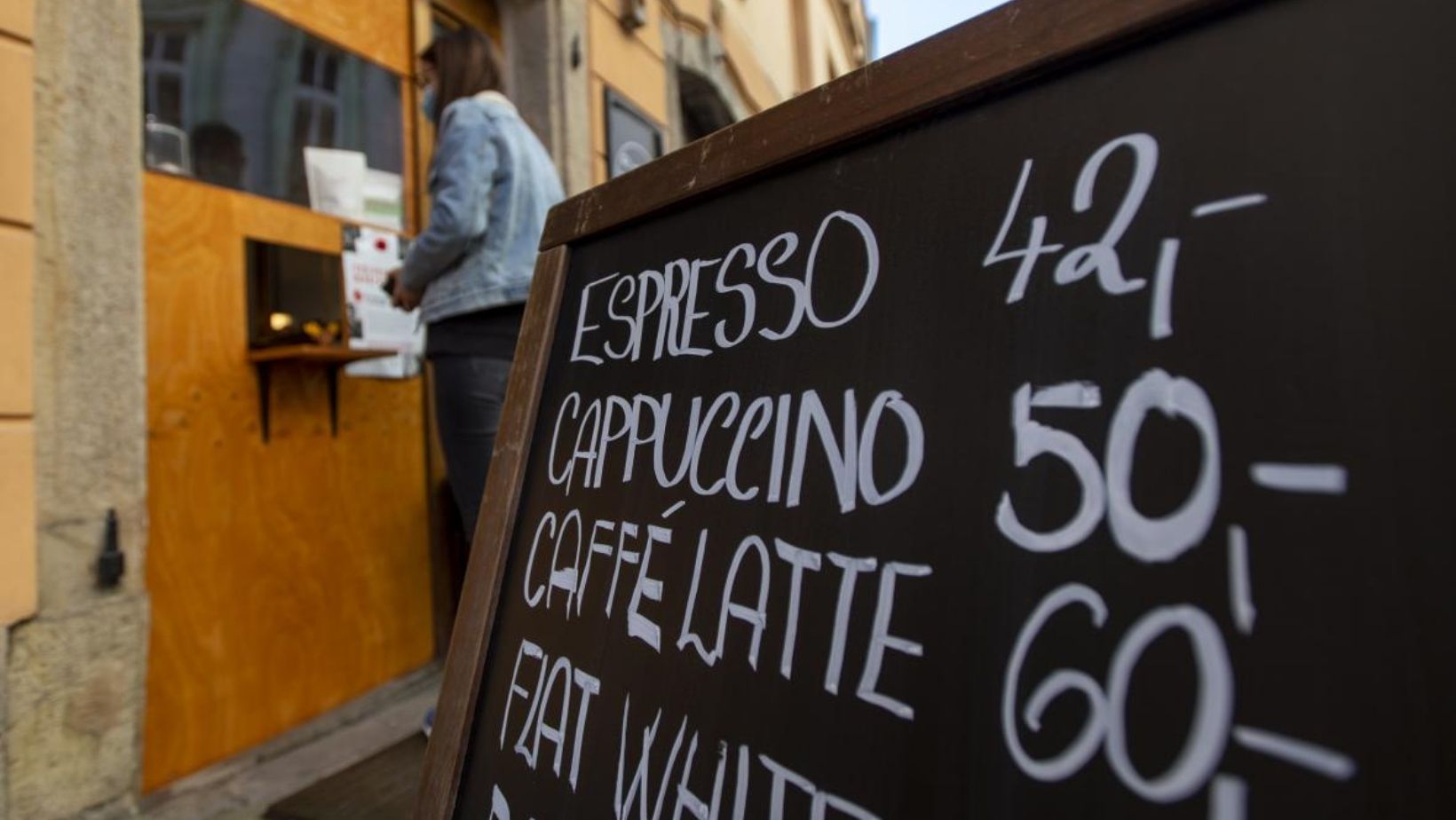
Prague’s restaurant businesses have been innovating and coming up with new ways to keep attracting customers and catch up with their sales. Some sell two portions for the price of one, and some offer weekly home menus, for example. As E15.cz reports, According to a study conducted by Dotykačka, sales for many restaurants fell by 63 billion CZK in 2020, a sharp decline from a sale of 195 billion CZK in 2019. Conditions have become significantly worse, as one in four businesses is on the verge of complete extinction. At the moment, many employees in gastronomy have had to be laid off. On the other hand, cafés and bistros have remained intact during the continuing lockdown, since many of them were already created to adapt and use the concept of ‘take-away’ food even before the lockdown started. Sales for these types of places have apparently fallen by only 15%. Yet there are still restaurateurs who, even after almost a year of pandemic, do not lose hope and have decided to offer their customers an alternative to visiting the hospitality industry. Take a look at our report on Prague companies that have thrown themselves into inventing news for customers. Eat Perfect...
Article written by Kathy Zabinski, Literacy Coach at International School of Prague Oral language, speaking and listening, is an important foundation for learning to read and write. Understanding this, the International School of Prague’s Early Childhood Foundation’s program provides young children with both informal and structured opportunities to grow as speakers and listeners. Children build their vocabulary, begin to internalize sentence structures, and develop listening skills to build social connections and to learn new information. This year our Early Childhood Foundations’ teachers have engaged in a professional inquiry exploring the relationship between oral language, reading, and writing. Working with renowned early literacy experts, Matt Glover and Kathy Collins, and collaborating with international school teachers around the world, we are studying how students tell stories. As Matt and Kathy write, “When we can notice and name how children are composing language in one area, we can use that knowledge to support how they compose language in another area.” For example, if we notice a child making connections across pages and using that to say more about each page in her writing, we can then ask her to try this when reading. Our professional inquiry with Matt and Kathy is focused on...
Where to turn when you or your loved ones have had enough? Here’s a list of specialized centers and English-speaking therapists in Prague that you can reach out to. Prague Crisis and Medical Centers When it’s an emergency. RIAPS Crisis Center RIAPS is a 24-hour psychiatric emergency center at Žizkov. It’s a healthcare facility providing complex patient care in difficult life situations that threaten their mental health. It connects psychologists, psychiatrists, nurses, therapists, and social workers, helping clients actively resolve their problems. The methods used are primarily crisis intervention, individual and group psychotherapy, relaxation techniques, and others. +420 222 580 697 – Crisis line, non-stop Chelčického 39, 130 00 Prague 3 Crisis Intervention Center in Bohnice CKI is open to anyone who, for whatever reason, finds themselves in a crisis. You can visit the center in person at any time. The center offers immediate assistance without an appointment 24 hours a day. The telephone operators speak Czech only, but most doctors speak English. +420 284 016 110 Psychiatrická nemocnice Bohnice Ústavní 91, 181 02 Prague 8 Psychiatric clinic of General University Hospital in Prague The VFN Psychiatric Clinic provides comprehensive diagnostic and therapeutic care for patients with mental disorders...
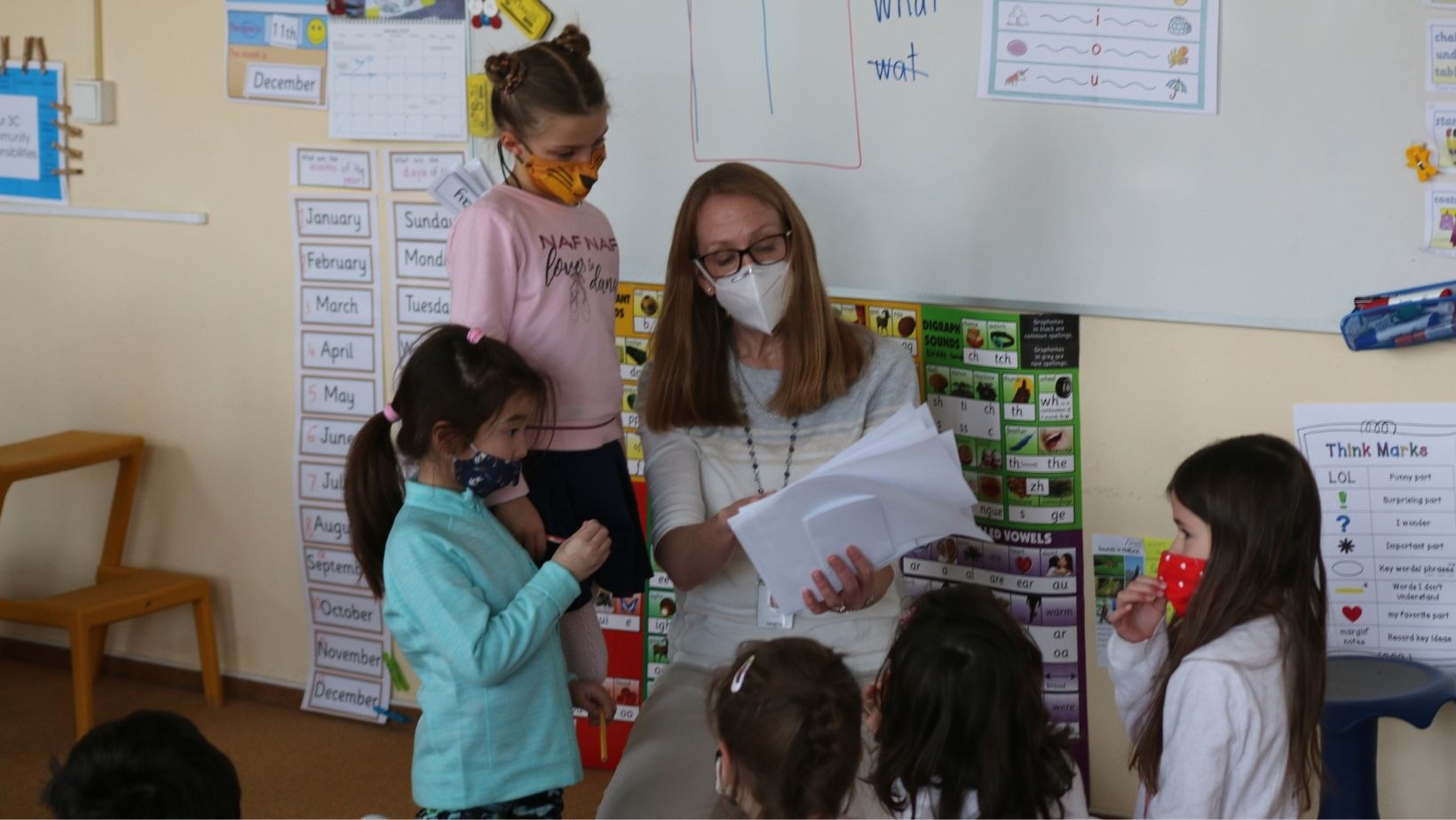
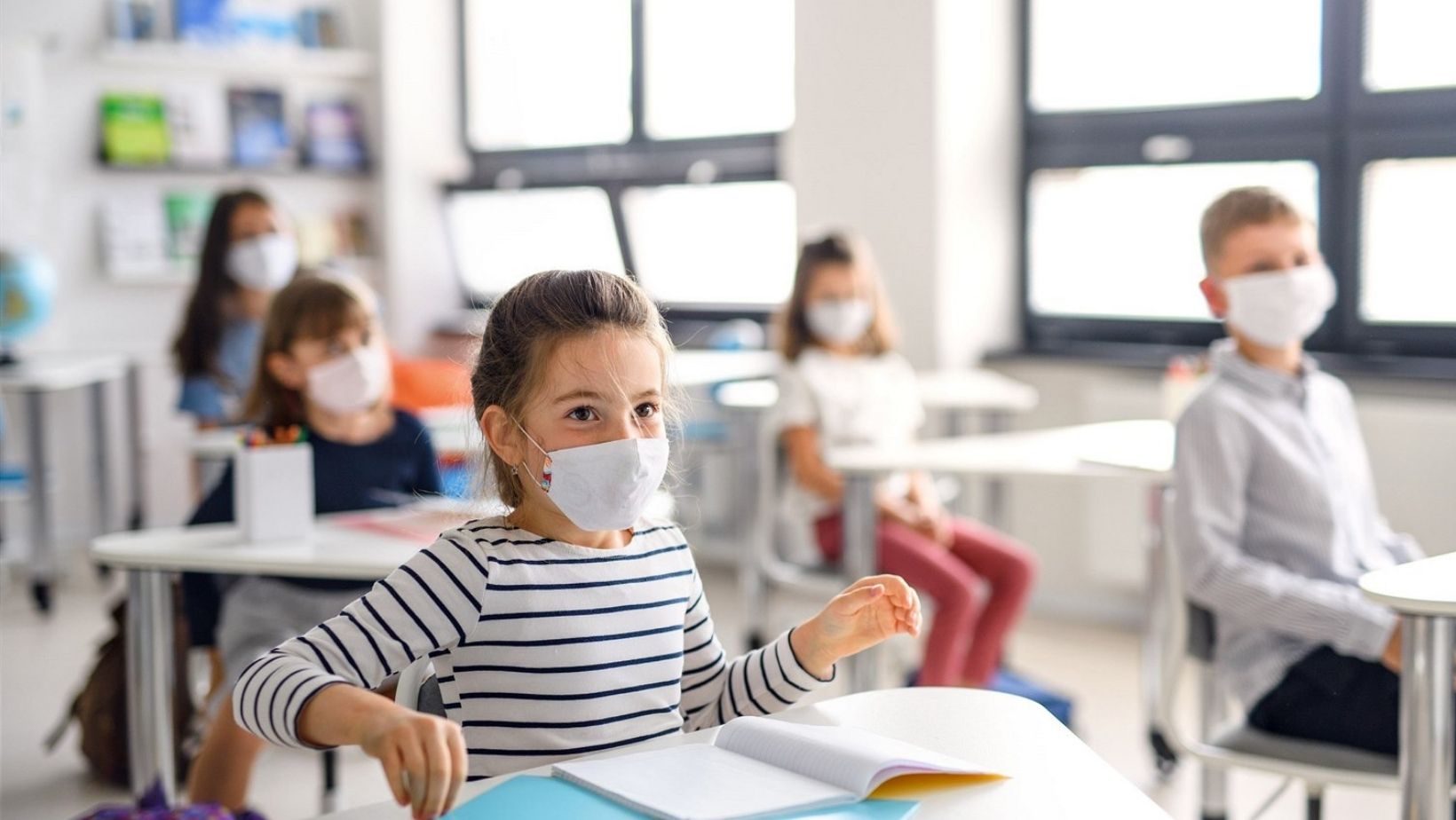
The Czech government plans to reopen schools for more students from March 1 with regular testing for coronavirus infections, which remain at high levels, ministers said on Monday. The gradual reopening of schools has been one of the main demands from opposition parties and the public increasingly weary with the country’s lengthy lockdown. In-class tuition is at the moment open only for children in the two lowest grades of elementary schools, along with kindergartens. “If we secure enough (tests), nothing prevents children from beginning to return to schools,” Interior Minister Jan Hamacek told a news conference. Education Minister Robert Plaga said the return would start with final years of primary and secondary schools and be followed by other grades, hand in hand with the government’s ability to secure enough suitable rapid-result antigen tests. The plan for school reopening comes as hospitals in several regions creak under the inflow of COVID-19 patients, which is in part due to the spread of the more infectious British variant of the virus. Germany on the weekend tightened entry restrictions on the Czech and Austrian borders due to the spread of coronavirus mutations in the two countries. The Czech Republic has reported 18,250 coronavirus deaths...
Data from the Czech Statistical Office has indicated that the number of tourists visiting Prague last year dropped significantly to 27 percent of 2019’s numbers. The report finds that only 2,178,267 visitors came to Prague last year. The massive drop in tourism is not surprising during a global pandemic where many European countries have restricted movement throughout the European Union. Last summer, however, saw a 16 percent increase from 2019 in domestic tourism as Czechs from other regions flocked to visit the capital in the summer months. The past year saw about 700,000 domestic tourists visiting Prague followed closely by our neighbors from Germany, Poland, and Slovakia. The number of tourists from Russia and the United Kingdom hovered around eight hundred thousand in 2019 but decreased to 200,000 in 2020’s Covid-stricken Prague. Prague City Tourism is a government-funded organization that has successfully executed marketing campaigns like the At Home in Prague campaign which sought to increase domestic tourism during 2020’s restrictions and saw a 16 percent increase from the previous year. PCT chairman František Cipro says the agency is focused on ways to revive the suffering tourism industry. “Since our new strategy includes a greater focus on the domestic market,...
As the coronavirus pandemic continues, we have to deal with many restrictions that have an impact on the very basics of our lives. One of the aspects of our lives that are greatly affected by these restrictions is, of course, work. Not only does it make working more difficult but even getting a job in the first place is very toilsome, to say the least. There is, however, another problem most people currently don’t have to experience – travelling to the Czech Republic for work. The Very First Step It is crucial to mention that if you are a third-country citizen, then in order to be able to arrive in the Czech Republic for work, you first need to get a job. Sure, it may sound odd since searching for a job in a foreign country is much easier once you’re there, but without having a job you cannot get a visa. And without a visa, there is no chance you’ll be even able to enter the country. This, however, only applies to non-EU citizens, so if you are coming from an EU member state, you don’t have to be worried about this. As for the visa itself, it...
Don’t have an account? Register
Already have an account? Log In
How Would You Like to Promote Your Business? PR ArticleDisplay bannersVideo productionNewsletter adsJob ListingsInfluencer Marketing
Your Email
We will come back to you within 24 hours with our proporsal