A little bit of language first. The full name is obložený chlebíček (singular) or obložené chlebíčky (plural) which literally means “small garnished bread(s)”. However, if you say just chlebíček or chlebíčky, everybody in the Czech Republic will know what you mean. What type of sandwiches are these? The most important feature is that there is only one slice of bread. Besides this basically, anything goes. In general we could say that a chlebíček has three main parts: bread, spread and garnish. The bread is usually plain white baguette called veka. The spread can be anything from butter through typical Czech sandwich spreads like vlašský salát (vlašák). As for the garnish, there are traditional garnishes like cheese, ham, egg and gherkins but there are also luxurious varieties with caviar and smoked salmon. As for the size, the original chlebíčky sandwiches were rather small, nowadays, they come in different sizes. Brief history of chlebíčky The creator of chlebíčky was a Czech charcuterie shop owner, Jan Paukert, who founded his shop in 1916 and invented the open sandwich not long after. It was the painter Jan Skramlík who came to his friend Paukert and said that he didn’t like the canapés called jednohubky because they were too small. He suggested that the ideal party food should be for two to...
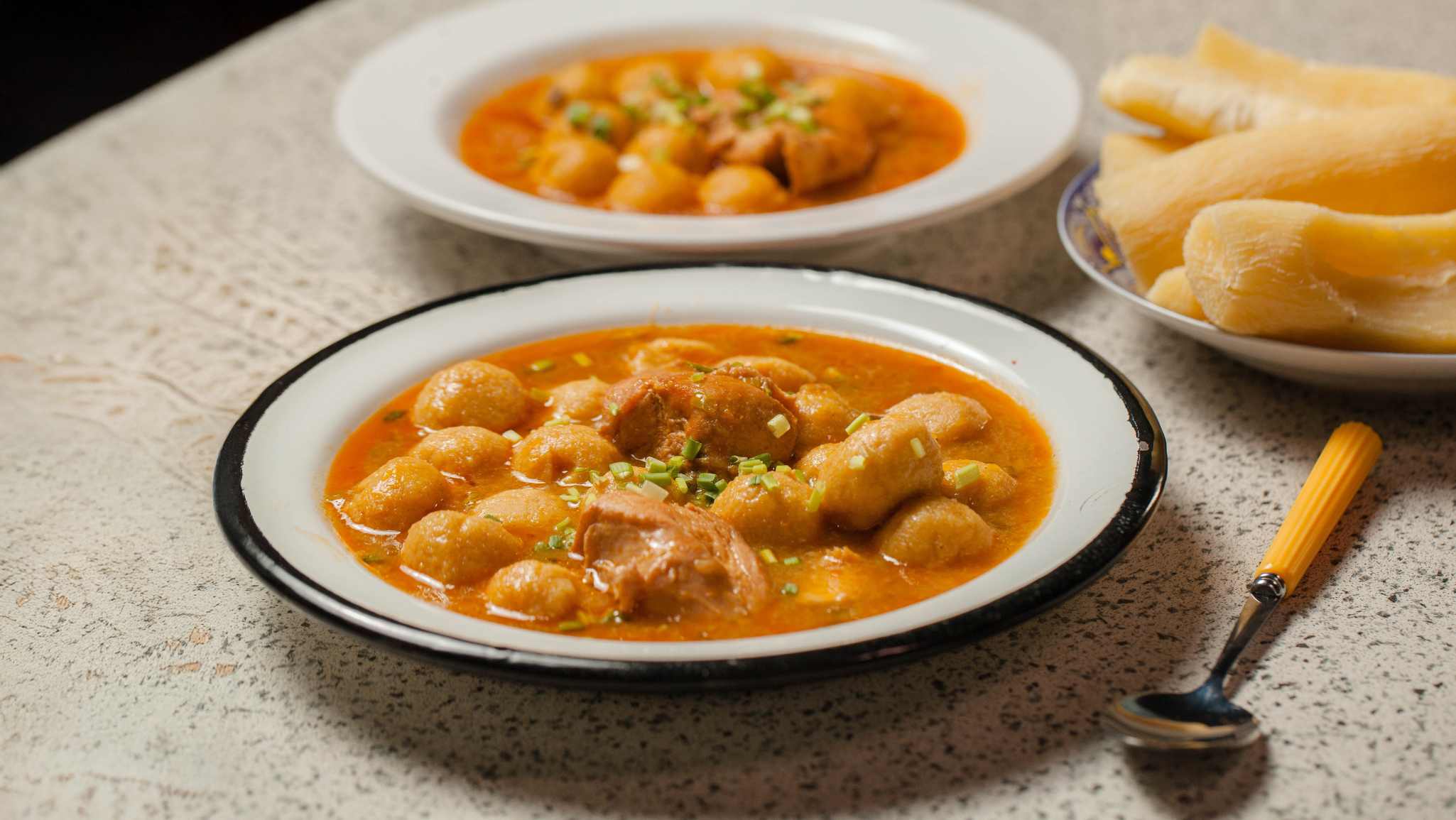
TasteAtlas has released its annual list of the 100 best dishes in the world, drawing on thousands of ratings submitted by readers and food enthusiasts worldwide. The highest-ranked dish comes from South America. Vori-vori, a traditional Paraguayan soup, claimed first place overall. The dish consists of small balls made from cornmeal and cheese, simmered in a rich broth. It is commonly eaten across Paraguay, from rural households to city kitchens, and is considered one of the country’s most familiar comfort foods. Second place went to Neapolitan pizza. Prepared according to strict regional traditions, it relies on a simple combination of tomato sauce, mozzarella, fresh basil and oregano. Despite its global popularity, the dish continues to rank highly among TasteAtlas voters. Italy’s influence is especially visible near the top of the list. Third place was awarded to tajarin al tartufo bianco d’Alba, a Piedmont specialty made with thin egg pasta tossed in butter and topped with freshly grated white truffles. Another Italian dish appears in tenth place, pappardelle al cinghiale, wide pasta served with a slow-cooked wild boar ragù. Between these Italian entries, the ranking reflects a broad mix of global cuisines. Fourth place went to sate kambing, a grilled goat...
Prague is heading into a year that will shape its political leadership, transport network and cultural calendar. From municipal elections and long-awaited infrastructure projects to global sporting events and major urban development, the Czech capital faces a series of milestones that will affect daily life across the city. Political decisions Residents of Prague will return to the polls next year to elect new municipal and district representatives, marking the end of the current four-year term. At the national level, voters across Czechia will also take part in Senate elections. These votes come at a time when the city is preparing to approve key strategic documents that will guide development for decades. Dvorecký Bridge Nears Completion One of Prague’s most closely watched construction projects is nearing completion. The Dvorecký Bridge, connecting Prague 4 and Prague 5, is expected to open in the first months of the year after repeated delays. Construction began in 2022 and was originally scheduled to finish earlier. The bridge, which cost around CZK 1.5 billion, is designed exclusively for public transport, cyclists and pedestrians. Private cars will not be allowed. Another delayed project from the same period is the reconstruction of the Industrial Palace at the Výstaviště...
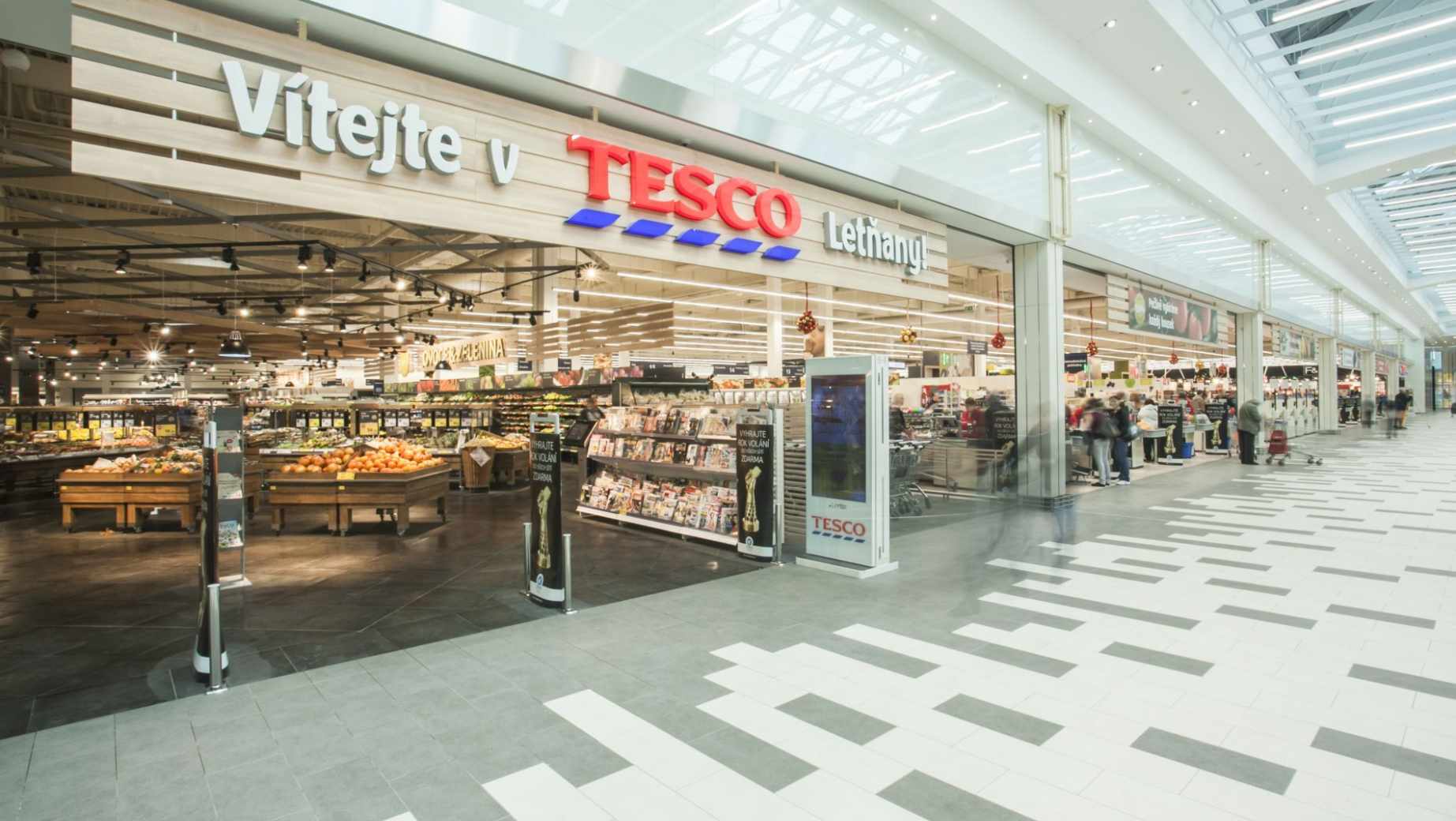
As the end of the year approaches, shoppers across Czechia often face uncertainty about when stores are open. While New Year’s Eve remains a regular working day, New Year’s Day is governed by strict legal limits that affect most large retailers. In practical terms, the difference between the two dates is clear. On Wednesday, December 31, 2025, shops are legally allowed to operate without restrictions. Czech law does not impose mandatory closures or shortened hours on New Year’s Eve. However, many retail chains voluntarily reduce their opening times, citing internal policies and employee considerations. Most major supermarkets typically close earlier than usual on the final day of the year. Large chains such as Albert, Kaufland, Globus, Tesco, and MAKRO usually shut their doors around 6 p.m., while Billa, Lidl, and Penny tend to close at approximately 5 p.m. Customers are therefore advised to check individual store schedules in advance, as hours may vary by location. The situation changes completely on Thursday, January 1, 2026. New Year’s Day is a public holiday officially known as the Restoration Day of the Independent Czech State and New Year’s Day. Under Czech law, retail outlets with a sales area exceeding 200 square meters must...
The Czech Republic is shaping up for another strong concert season in 2026, with international stars, major festivals, and arena shows already confirmed. From heavy metal icons to singer-songwriters and pop acts, the calendar suggests a year that will keep both Prague and regional venues busy. One of the most anticipated appearances of the year will take place in Moravia. Marilyn Manson is scheduled to perform at the Masters of Rock festival in Vizovice, held from July 16 to 19, 2026, at the Rudolf Jelínek distillery. The artist will headline the Ronnie James Dio Stage, marking his return to the Czech festival circuit. Manson, the sole permanent member of his band, has released twelve studio albums to date, most recently One Assassination Under God – Chapter 1 in 2024. The Rock for People festival in Hradec Králové will also play a central role in the 2026 season. Running from June 10 to 14, the five-day event will feature Iron Maiden as a headliner on the final day. The British band’s appearance adds further weight to a lineup that traditionally mixes established names with newer acts, alongside late-night programming and themed stages. Another major development is the relocation of Metronome Prague....
Prague will welcome the first day of 2026 with reduced admission to several major cultural and leisure venues, offering residents and visitors an alternative to the city’s former New Year’s fireworks. On Thursday, January 1, nine institutions across the capital will take part in the city-backed initiative known as the New Year’s Gift for residents, making museums, galleries, and popular attractions more accessible on the public holiday. One of the strongest draws is Prague Zoo, which will open from 9 a.m. to 4 p.m. with a flat admission fee of 100 CZK for all visitors. The offer applies throughout the day and does not require proof of permanent residence. The zoo’s participation continues a tradition that has made New Year’s Day one of its busiest winter dates. A similar price applies at the Museum of Public Transport in Střešovice, where entry will cost 100 CZK during opening hours from 11 a.m. to 5 p.m. The museum, housed in historic tram depots, documents the development of Prague’s public transport network and is a frequent choice for families with children. Nature lovers can head to the Botanical Garden in Troja, which will offer a 50 percent discount on standard admission when tickets...
Prague will once again invite residents to stay active during the holiday period with the 17th edition of Free Sports Week. The event will run from Thursday, December 25 to Wednesday, December 31, 2025, offering free access to dozens of sports facilities across the capital. The initiative is aimed at encouraging people to spend the final days of the year moving rather than sitting at home. Swimming pools, ice rinks, gyms and outdoor sports grounds throughout Prague will open their doors to the public, allowing visitors to try a broad range of activities without paying an entrance fee. A detailed and regularly updated overview of venues, dates and conditions is available at prahasportovni.cz. More than 40 different sports are expected to be available during the week. In Prague 4, the Podolí Swimming Stadium will offer free access to both indoor and outdoor pools, while the HAMR sports complex in Braník will open its football pitches. Baseball and softball activities will be available at Eagles Park, and public skating will take place at the HC Kobra Prague rink. Prague 5 will join with free swimming at the newly renovated SK Motorlet swimming pool. In Prague 6, residents can use beach volleyball...
A late-night helicopter crash on the slopes of Mount Kilimanjaro has claimed the lives of five people, including two tourists from Czechia, Tanzanian authorities confirmed on Thursday. The aircraft went down shortly before midnight on Wednesday during a rescue operation in the high-altitude zone between Barafu Camp and the summit of Kibo, at more than 4,000 meters above sea level. The rugged terrain and thin air in this section of Africa’s highest mountain are known to complicate both flight operations and emergency responses. According to information reported by international and local media, the victims included two Czech citizens, a Tanzanian mountain guide, a medical doctor, and a pilot from Zimbabwe. All five people on board died at the scene. The helicopter was conducting a medical evacuation when the accident occurred. The Czech Ministry of Foreign Affairs later confirmed the deaths. A spokesperson said the Czech embassy in Tanzania is working closely with local officials but declined to release further details. “Unfortunately, we can confirm that two Czech citizens died near Mount Kilimanjaro,” Czech Foreign Ministry spokesman Daniel Drake said. “Our embassy is in contact with the local authorities. Out of respect for the families, no additional information will be provided...
Most shops across Czechia will close on December 25 under national retail regulations. The law affects all large stores and many online services, leaving only a limited number of places where people can still buy food, essentials, or last-minute items. While the law targets large retail chains, several exceptions remain in place. Smaller shops are allowed to open without restrictions, and the decision is left to individual owners. In practice, many convenience stores stay open, while others choose to close for the holiday. Retail outlets located at transport hubs are also exempt. Shops at railway stations and airports can operate, although those inside metro stations are not covered by the exception. Gas stations are permitted to stay open as well, including those selling food and groceries. Some major chains operate under these exemptions Selected Tesco stores at petrol stations will open on December 25, typically between 9 a.m. and 5 p.m., according to company representatives. At Prague’s main railway station, Albert will close completely for both December 25 and 26, while Billa will remain open until 5 p.m. The same applies to Billa at Brno’s main station. At Václav Havel Airport in Prague, Billa will operate until 9 p.m. Pharmacies...
Plans for new football stadiums are gathering pace across the Czech Republic, with several clubs either preparing full rebuilds or outlining long-term construction projects. Brno One of the most ambitious projects is taking shape in Brno. After years of uncertainty, Zbrojovka Brno’s prospects changed following the arrival of new owner Vojtěch Kačina. The club is now openly working toward a new stadium with a capacity of roughly 25,000 to 30,000 seats. The preferred location is the area behind Lužánky, where the club played its home matches until 2001. In November, Brno city councillors approved the basic terms for a concession process linked to the stadium’s construction. Under the proposed model, a private investor would purchase the required land, finance the build, and operate the venue. The city plans to launch the concession procedure in August 2026, a timeline that has drawn criticism from civic groups advocating a faster return to the historic site. Ostrava In Ostrava, attention has turned to the planned New Bazaly stadium. Early designs were unveiled in November, sparking interest among supporters who have long relied on the municipal stadium in Vítkovice. The proposed arena would hold around 20,000 spectators and is expected to cost...
The Czech government is preparing to end its military support for Ukraine. Tomio Okamura, chairman of the SPD party and speaker of parliament, announced after a nearly three-hour meeting that the Ministry of Defense has been instructed to prepare documentation to terminate the Czech Republic’s participation in the ammunition supply program for Ukraine. Okamura emphasized that the Czech state budget will no longer finance Ukraine’s military efforts. The prepared documents are scheduled for discussion first at a coalition council meeting and then at the cabinet level. The SPD leader also reported that Defense Minister Jaromír Zuna, representing SPD in the government, declined an invitation to visit Ukraine, reversing his earlier announcement to journalists regarding such a trip. Budget allocations for purchasing ammunition and weapons for Ukraine will cease, Okamura confirmed. He stressed that any remaining support should aim to expedite the conflict’s resolution and contribute to a peaceful settlement, which, in his view, should proceed through negotiations with Russia based on a plan associated with former US President Donald Trump. The Czech government has not yet reached a decision regarding the acquisition of American F-35 fighter jets. Okamura reiterated SPD’s stance that the purchase is unsuitable and prohibitively expensive. He...
The calendar for 2026 is shaping up to be unusually kind to workers in Czechia. With several public holidays falling on Mondays and Fridays, the year offers repeated chances to enjoy long weekends without using much vacation time. Easter, May, late summer, and the year-end holidays all align in ways that make planning time off easier than usual. The year opens with a public holiday on Thursday, January 1, which marks both New Year’s Day and the Day of the Restoration of the Independent Czech State. Easter once again brings an extended break. In 2026, Good Friday falls on April 3 and Easter Monday on April 6, creating a four-day weekend from Friday to Monday. As in recent years, Easter remains one of the most reliable opportunities for a longer spring break without taking extra leave. May is particularly generous. Both Labor Day on May 1 and Victory Day on May 8 fall on Fridays, resulting in two separate three-day weekends in a single month. For many employees, May will be the most convenient period of the year for short trips or rest without touching their annual leave balance. The summer holidays are less evenly spread. The Day of Saints...
Don’t have an account? Register
Already have an account? Log In
How Would You Like to Promote Your Business? PR ArticleDisplay bannersVideo productionNewsletter adsJob ListingsInfluencer Marketing
Your Email
We will come back to you within 24 hours with our proporsal