Deciding where to celebrate New Year’s Eve? Prague offers a variety of spots, from lively themed parties to cozy restaurants, perfect for enjoying fireworks, food, and festive drinks. Whether you’re looking for a high-energy celebration or an intimate evening with great food, Prague has an option to suit every taste. 1. W Hotel New Year’s Eve at W Prague usually means a chic, modern celebration with multi-course dining, champagne, and DJ-led parties in the hotel’s signature stylish setting. The New Year’s Eve dinner features a three-course sharing menu served with oysters and a glass of bubbles to start the night. Price: 7,500 CZK per person* Time: 6 PM – 11 PM 2. Night Jungle NYE Party – Falkensteiner Hotel Step into a lush, jungle-themed setting at the Falkensteiner Hotel Prague and celebrate New Year’s Eve in style. Hosted by The Monkey Bar, guests can look forward to: Duo DJs, Laser Shows, Masquerade, live cooking stations, rich buffet, bottomless drinks, cocktails, bubbles, and more. The main party runs from 7 PM to 12 AM, followed by an afterparty from 12 AM to 3 AM. 3. Agave Restaurant Located at Masná 620/2 Staré Město, Avage Restaurant brings the vibrant flavors...
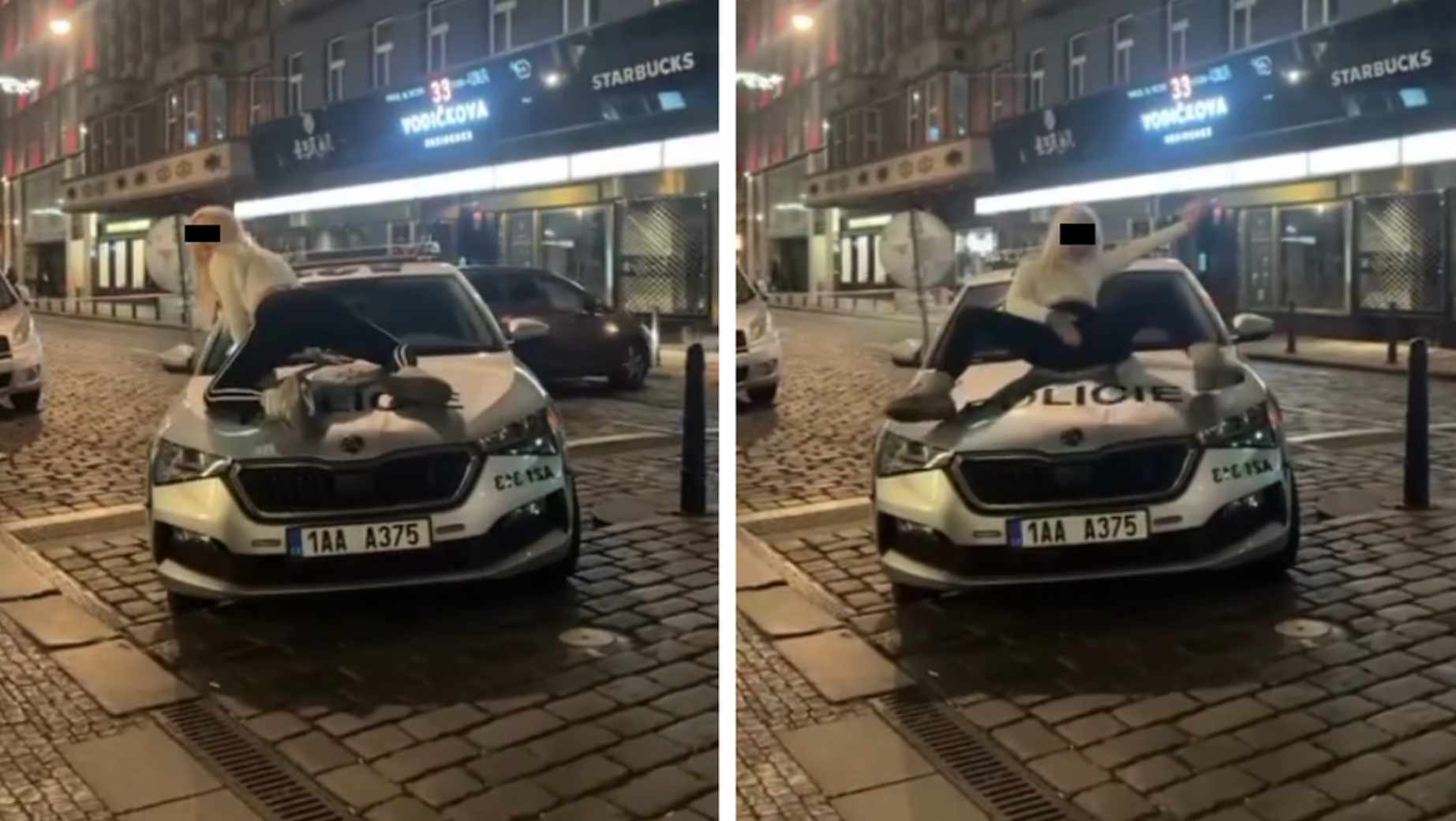
A short video filmed in central Prague late on Sunday night has led to a criminal investigation and could send a young woman to prison. Police say a 26-year-old damaged a police car on Vodičkova Street, just outside the Lucerna arcade, after climbing onto the vehicle and posing for a camera held by her friend. The incident happened between 3 and 4 a.m. According to police, the woman climbed onto the hood of the parked car and began performing explicit poses while her companion filmed and encouraged her. The footage was later shared online and quickly drew attention. In the recording, the woman can be seen kneeling on the hood, turning toward the camera, and later lying across the vehicle. As the situation escalates, a police officer approaches and warns her to get off the car. By that point, however, damage had already been done. Police spokesman Jan Daněk said the woman caused damage estimated at around 20,000 crowns. Officers later confirmed that she is already known to police and has several previous entries in the criminal register. Because of her prior record, the case is being treated as damage to another person’s property, a criminal offense under Czech law....
As Christmas approaches, charitable organisations in Prague are once again preparing special events for people living on the streets. Several organisations are stepping in to offer food, shelter, and a sense of shared celebration. One of the organisations involved is Naděje, which plans to distribute meals at selected locations on December 24. According to the organisation’s director, Aleš Strnad, Christmas is often marked by loneliness for people experiencing homelessness. “For most people, these days mean meeting with family. That is usually not the case for homeless people,” he says. Naděje aims to ease that burden by creating a modest Christmas atmosphere through shared meals and contact with staff and volunteers. The organisation also prepares a traditional Christmas Eve dinner for its clients. The menu includes soup, potato salad, and schnitzel, followed by Christmas cookies. Some of the sweets are donated, while others are baked by clients themselves within Naděje’s residential services. For Strnad, the gesture is simple but important: helping people feel that the holidays have not passed them by entirely. Another major Christmas event is organised by the Archdiocese of Prague, which hosts around 200 people facing difficult life situations on Christmas Eve each year. Guests are served duck...
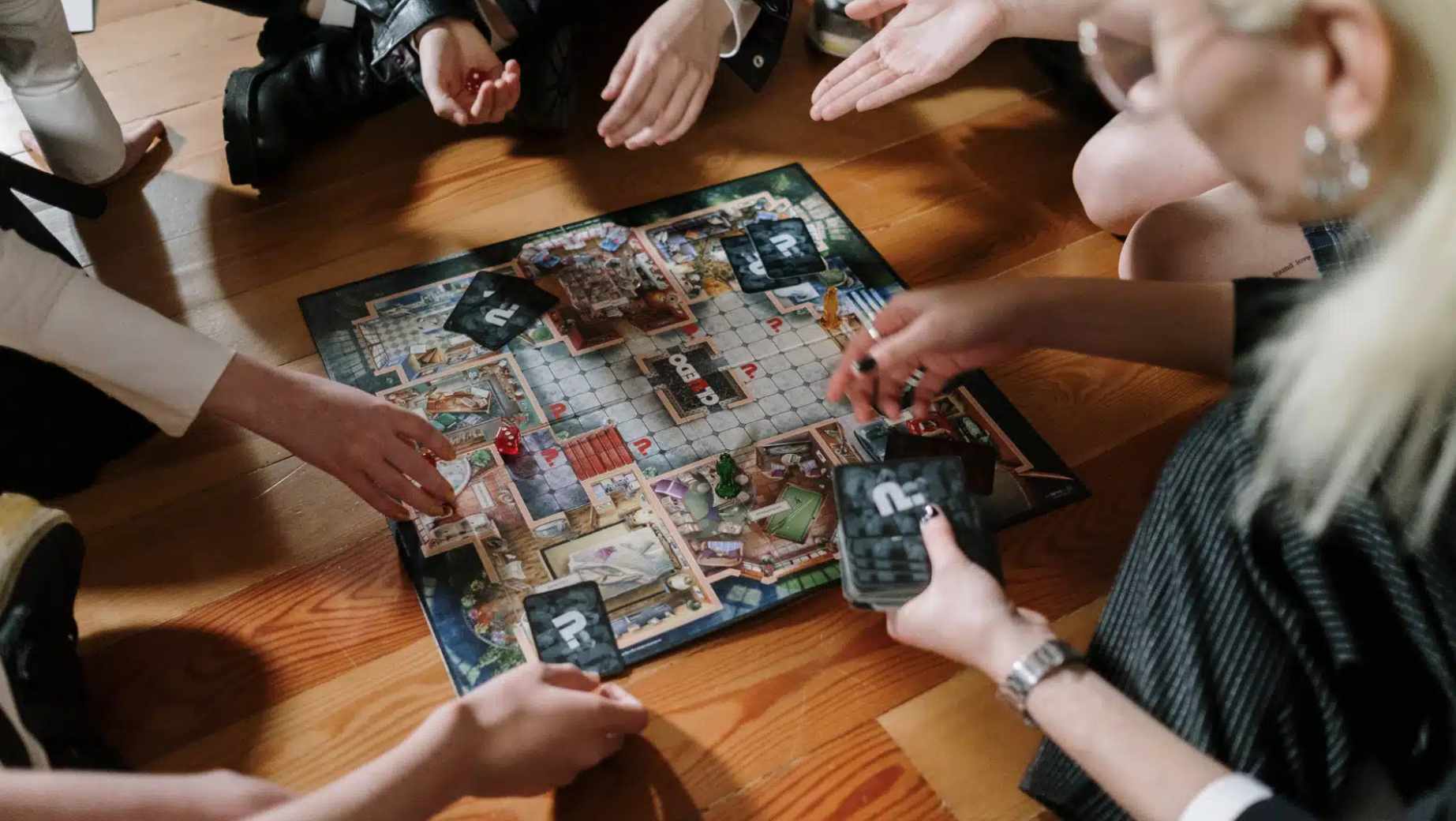
Nerd Alert, a board game bistro and store in Prague’s Vršovice, has been creating a vibrant space for fun, art, and meaningful human connections since opening in October. Dagmar and her husband left their corporate jobs to turn their lifetime dream into reality. They created Nerd Alert, a space where people can connect, unwind, and play. A place to play Nerd Alert welcomes both locals and expats to relax, play, and truly be themselves. As owner, Victor Duke says, “Don’t forget to be yourself when you visit us. We welcome everybody.” The bistro introduces a fresh concept for social gatherings, offering board games in both English and Czech. Whether you’re a long-term resident or new to the city, Nerd Alert provides a welcoming space to meet people, and enjoy a fun night by playing board games from all over the world. Visitors often describe Nerd Alert as feeling like a living room, with soft lighting, comfortable seating, and tasty snacks that make it easy to linger for hours. The space blends a board game bistro — with a kitchen and a bar — with a friendly local game store, offering a curated selection of games, art books, and specialty items,...
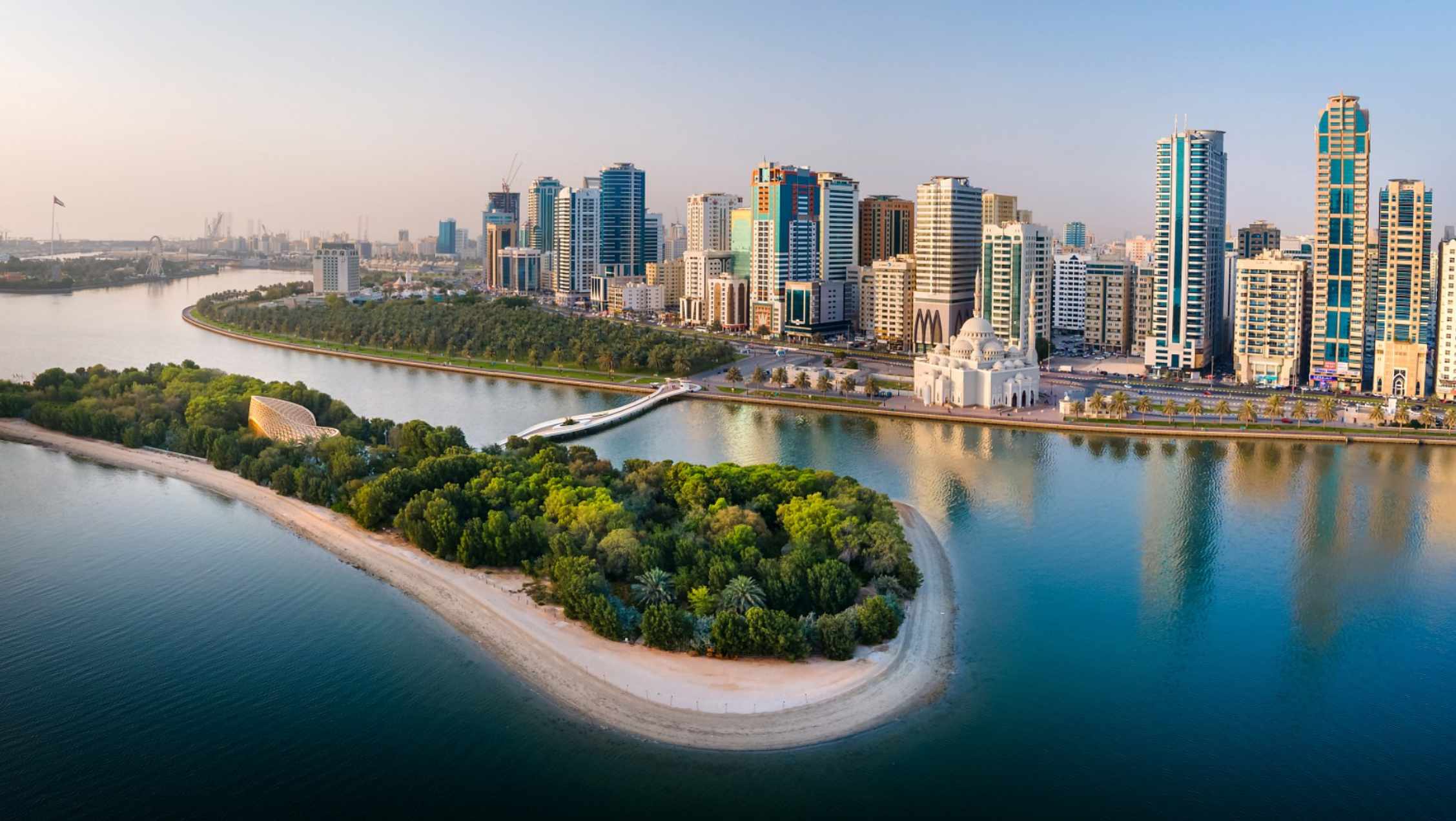
Prague travelers now have another direct link to the Middle East. Low-cost carrier Air Arabia has resumed service at Václav Havel Prague Airport after nearly six years, officially launching daily flights to Sharjah this past Saturday. The route is set to operate seven times a week, marking Prague Airport’s eighth carrier connecting the city with the Middle East. The addition of Sharjah to Prague’s flight network not only increases options for travel to the UAE but also opens convenient connections to other popular destinations. “Passengers will have more opportunities to reach destinations in East Africa, India, Sri Lanka, the Maldives, Thailand, or Kuala Lumpur,” said Jiří Pos, Chairman of the Board at Prague Airport. Air Arabia’s flights between Prague and Sharjah are scheduled daily. Evening departures from Prague are available at 9:35 p.m. on Mondays, Wednesdays, and Fridays. On the remaining days—Tuesdays, Thursdays, Saturdays, and Sundays—flights depart early at 12:40 p.m. The carrier operates the route using an Airbus A320neo with a seating capacity of 174 passengers. Air Arabia previously served this route from December 2018 until March 2020 with a frequency of five flights per week. Sharjah, the third-largest city in the United Arab Emirates and the capital of...
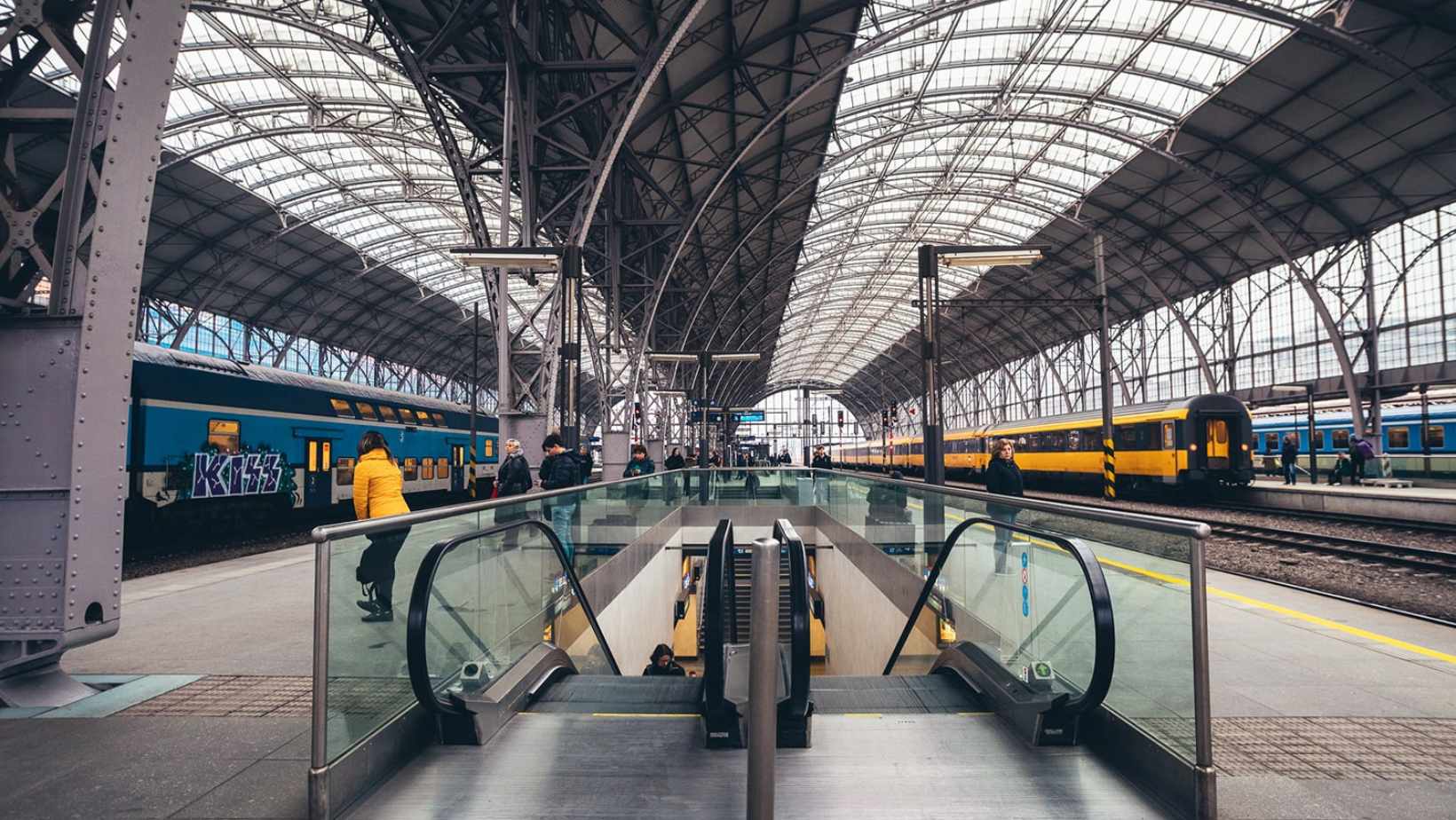
Cable theft on a key rail section in Prague caused widespread disruption to train services across the Czech Republic on Sunday, delaying dozens of connections and forcing some regional routes to be canceled. Long-distance and international trains departing the capital were among the hardest hit, with delays exceeding three hours by early afternoon. The incident occurred on the busy stretch between Prague-Vršovice and Prague Main Station, one of the most important rail corridors in the country. Traffic on the line was reduced to a single track, significantly limiting capacity. According to the national carrier České dráhy, the disruption began at around 5:20 a.m. and was expected to last until approximately 3 p.m., when repairs were scheduled to be completed. By midday, delays at Prague Main Station had reached more than 200 minutes on routes heading east and southeast, including services via Pardubice to Brno and Břeclav, as well as connections continuing to Olomouc and Ostrava. Both local commuter trains and express services were affected, with some regional connections canceled altogether. ‼️ Praha ‼️ Kvůli krádeži kabelů zabezpečovacího zařízení je aktuálně výrazně omezen provoz vlaků v úseku Praha-Vršovice a Praha hl. n. Vlaky projíždějící zmíněným úsekem mohou navýšit svá zpoždění až...
Joyful Christmas is celebrated in almost all countries around the world! The period and process depend on cultural and religious customs. Who gives presents on Christmas Eve in the Czech Republic? One of the traditional symbols of Czech Christmas is Ježíšek, in English “Christ Child”, who brings Christmas presents and places them for children under the Christmas tree. Ježíšek in the Czech Republic Certain clues about Ježíšek with Christmas presents come from the 17th century. There was a short mention from the calendar of Šimon Partlic, where it was written that children receive presents from their parents on Christmas Eve. However, this tradition was not fully accepted until the 19th century. At that time, people imagined Ježíška either as a kind of angelic figure or an invisible Baby Jesus. Traditionally today, Ježíšek brings presents on Christmas Eve after the first star appears in the sky. He places Christmas presents under a decorated tree without anyone actually seeing him. Like Santa Claus, Baby Jesus has a residence where children can post letters to. But unlike the Western Santa, Baby Jesus does not live at the North Pole. Instead, he lives in the mountains, in the town of Boží Dar. The Czech Republic has placed its own spin on Santa Claus which can be enjoyed by children and...
In Czech households, Christmas baking begins long before December 24. Kitchens turn into production lines, recipes are pulled from handwritten notebooks, and cookies are baked days—or even weeks—in advance. Among the dozens of traditional sweets prepared each year, two appear almost without exception: linecké cukroví (Linzer cookies) and vanilkové rohlíčky (vanilla crescents). Both rely on simple ingredients, careful handling, and time. And both tell a story of Central European tradition that has changed very little over generations. Linecké cukroví (Czech Linzer cookies) Linecké cukroví are delicate sandwich cookies made from shortbread dough and filled with fruit jam, usually red currant or raspberry. They are traditionally shaped as hearts, flowers, or stars, with a small cut-out in the top layer so the jam shows through. Czechs bake them several days before Christmas, allowing the cookies to soften and develop their characteristic tender texture. Ingredients All-purpose flour (plus extra for dusting) Unsalted butter, cold but slightly softened Powdered sugar (for the dough and for dusting) Egg yolk Freshly grated lemon zest Vanilla (paste or extract) Seedless red currant jam or raspberry jam Method Sift the flour into a bowl. Add the cold butter cut into small pieces, powdered sugar, egg yolk, lemon...
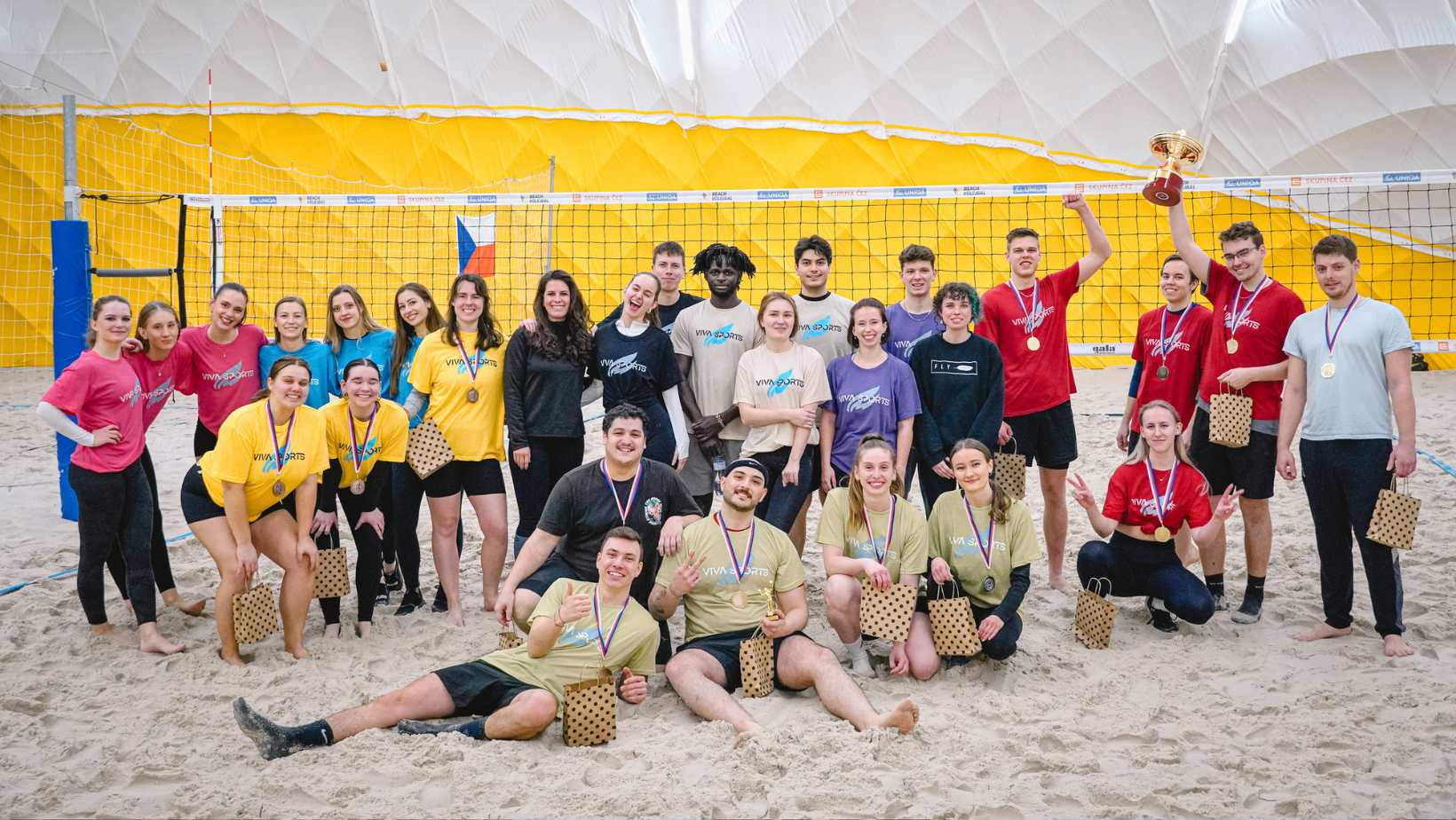
Viva Sports, Prague’s largest sports and social club, is inviting players to stay active this winter with the launch of its indoor beach volleyball and basketball leagues. Known for bringing people together through leagues, tournaments, and social events across the city, Viva Sports focuses on a friendly, social atmosphere that welcomes both experienced players and complete newcomers. The winter leagues are open to full teams as well as individuals. Many participants join on their own and are placed into teams, making it easy to meet new people and become part of the community. Viva Sports is offering two indoor social beach volleyball leagues at Sports Centrum Koráb in Prague 8. Both leagues run for eight weeks in a 5v5 social format, with matches played from 8:00 to 9:00 pm. The Wednesday league takes place midweek, while the Friday league is scheduled for the end of the week. Registration for both leagues closes on 12 January 2026. Visualizza questo post su Instagram Un post condiviso da VIVA Sports (@vivasports.cz) Basketball players can join the winter basketball league at Sports Centrum Řepy in Prague 17. The league runs for seven weeks, with 5v5 games played on Mondays from 9:00 to...
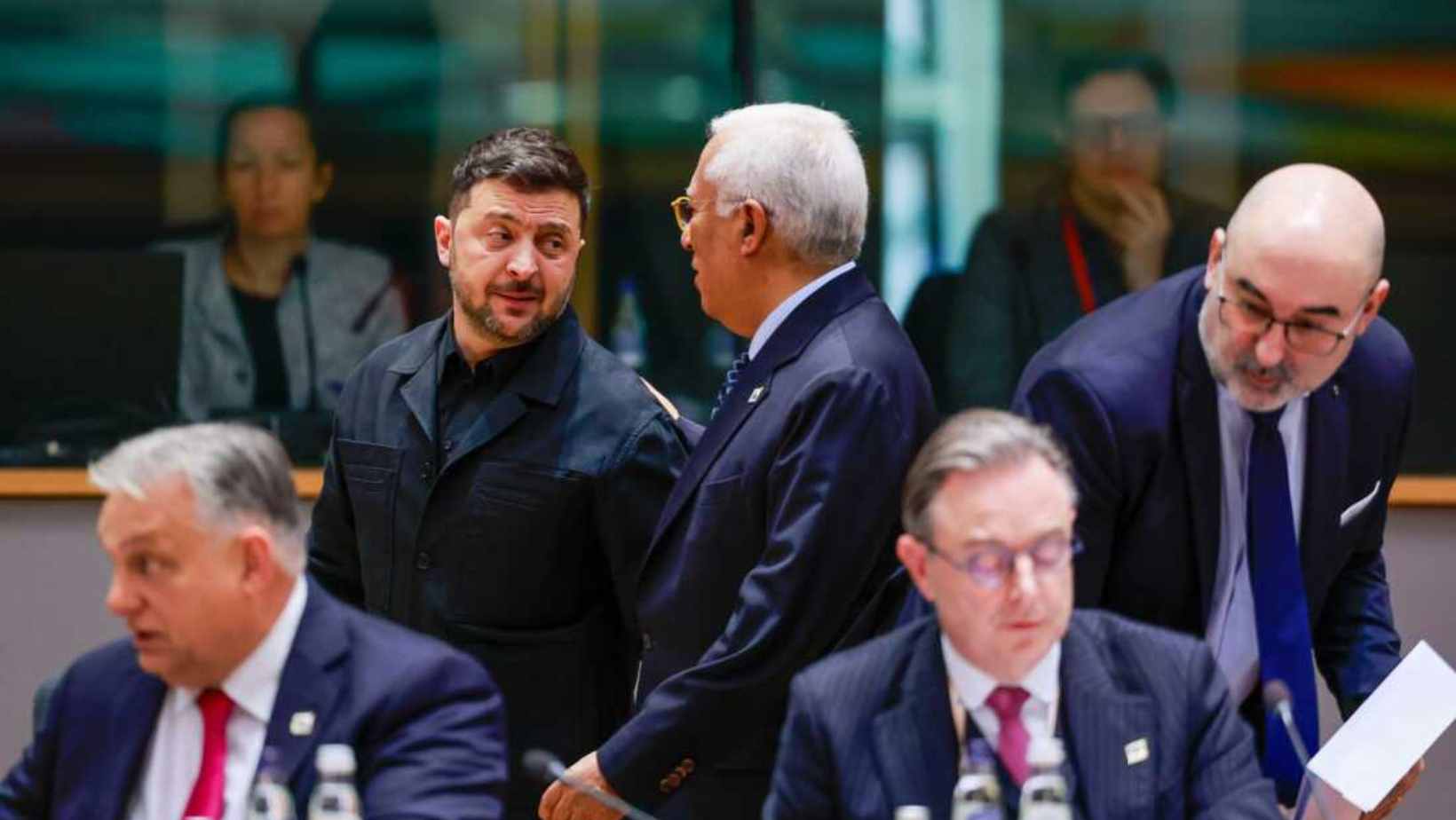
European Union leaders decided on Friday to borrow cash to loan 90 billion euros to Ukraine to fund its defence against Russia for the next two years rather than use frozen Russian assets. The leaders also gave the European Commission a mandate to keep working on a so-called reparations loan based on Russian immobilised assets but that option proved unworkable for now, above all due to resistance from Belgium, where the bulk of the assets is held. “Today we approved a decision to provide 90 billion euros to Ukraine,” EU summit chairman Antonio Costa told a press conference early on Friday morning after hours of talks among the leaders in Brussels. “As a matter of urgency, we will provide a loan backed by the European Union budget.” The idea of EU borrowing initially seemed unworkable as it requires unanimity and Hungary’s Russia-friendly Prime Minister Viktor Orban had opposed it. But Hungary, Slovakia and the Czech Republic agreed to let the scheme go ahead as long as it did not impact them financially. The EU leaders said Russian assets, totalling 210 billion euros in the EU, will remain frozen until Moscow pays war reparations to Ukraine. If Moscow ever takes such...
Prague’s public transport network has taken a visible step toward cleaner mobility. This week, the city began operating its first new electric buses in regular service, marking the initial phase of a broader transition away from diesel vehicles. Four battery-powered buses are now running on route 213, following their delivery by Czech manufacturer SOR Libchavy. These vehicles are part of a first batch of 18 electric buses ordered under a long-term framework agreement. According to the Prague Public Transport Company (DPP), the remaining 14 buses from this delivery will be introduced gradually over the coming weeks, once final technical and administrative preparations are completed. Passengers are expected to encounter the new electric buses across a wider range of routes in the near future. In addition to route 213, the vehicles will serve lines 154, 159, 185, 126, 133, 173 and 175, with weekend operations planned on routes 124 and 207. As new electric buses enter service, they will directly replace some of the oldest diesel vehicles still operating in the city. DPP says this one-to-one replacement is designed to reduce emissions without cutting capacity. The move supports Prague’s Climate Plan as well as national requirements aimed at lowering pollution from...
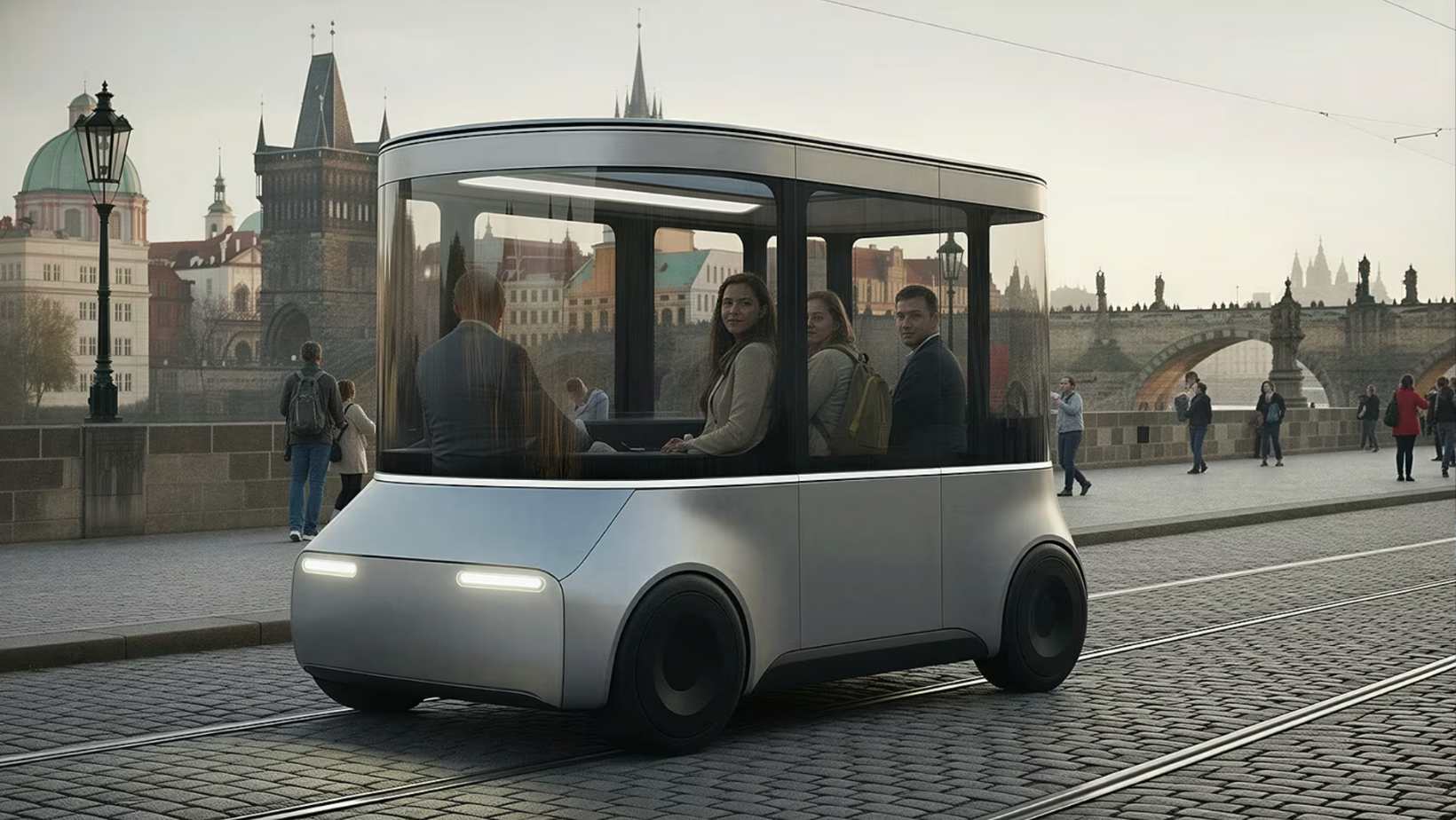
Prague’s historic center has long struggled with the impact of sightseeing transport that many residents see as intrusive. Flashing rickshaws, noisy electric trikes, and horse-drawn carriages often clash with the atmosphere of narrow streets and protected monuments. A new student project now suggests a different direction—one that focuses on calm movement, clear design, and respect for the city. Senior students from the Industrial Design Studio at the Academy of Arts, Architecture and Design in Prague (UMPRUM) were asked to create a contemporary sightseeing vehicle that could serve as a credible alternative to what currently circulates through the city center. The goal was not to produce a novelty, but to explore transport that fits naturally into Prague’s urban and cultural setting. Students also had to consider comfort, functionality, and how such vehicles would operate in a dense historic environment. Each design was required to accommodate at least three passengers and to work as a realistic form of urban transport rather than a spectacle. The resulting concepts vary in form and purpose. One proposal reimagines sightseeing as a slow-moving mobile café, combining city exploration with a curated food experience. Others focus on compact, autonomous vehicles designed for up to five passengers, offering...
Don’t have an account? Register
Already have an account? Log In
How Would You Like to Promote Your Business? PR ArticleDisplay bannersVideo productionNewsletter adsJob ListingsInfluencer Marketing
Your Email
We will come back to you within 24 hours with our proporsal