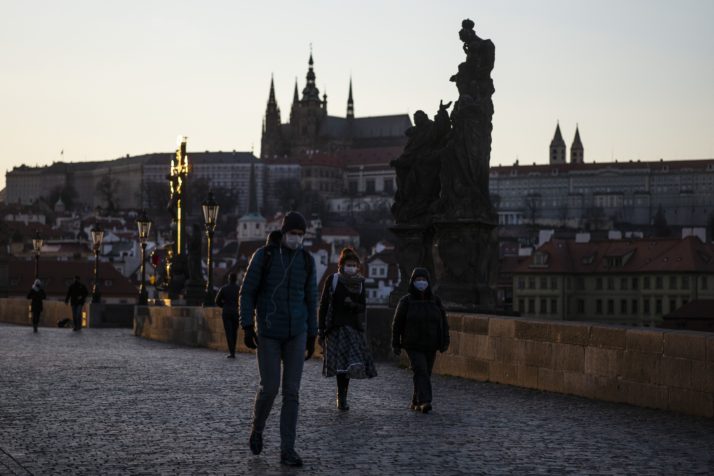
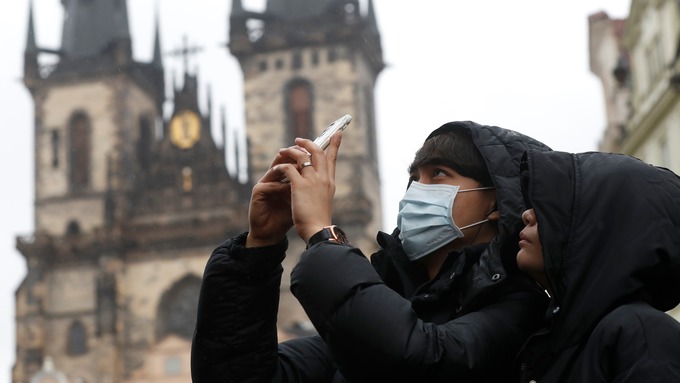
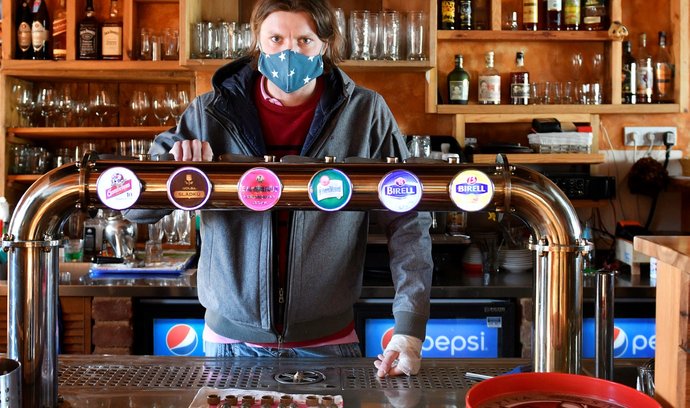
Restrictions in the Czech Republic will be lifted on April 20, with the opening of farmers’ markets, craft shops, and bazaars. Wedding celebrations with fewer than 10 people will also be allowed to take place. From April 27, shops under 200 square meters in size will also be allowed to open. The government clarified today that also shops over 200 square meters that are not located in large shopping centers will be allowed to open. They can reduce the sales area with safety tape and reach the required size. From May 25, the outdoor areas of cafes, pubs, and restaurants will be able to open. Services including barbershops, hairdressers, pedicure and manicure facilities, spas and massage parlors, as well as museums, galleries, and zoos, will also be able open from this date. Czechs will continue to be required to wear masks for the time being, Health Minister Adam Vojtech said. His deputy, Roman Prymula, added that now “a person with the virus infects less than one person on average” and that the epidemic is in decline, Reuters reported. The plan will be divided into five stages. The first restrictions will be eased on April 20 with craft shops, farmers’ markets, car showrooms,...
Self-employed workers affected by the pandemic will receive in May a one-time payment of CZK 15,000 from the state, PM Andrej Babiš (ANO) said to Pravo. “The government is also ready for payments in June if necessary,” he added. For the period from March 12 to April 30, the contribution is CZK 25,000. The payment is available based on individual applications, in which applicants must prove by way of an affidavit that they meet a number of conditions: The applicant is self-employed. The applicant’s self-employed activity is their main activity (except pensioners, primary carers, and those who are receiving disability or parental benefits). The government previously approved the firest lump sum of CZK 25,000 on April 2. Up to June 30th, 2020, you can request this allowance in person at your Tax Office, via e-mail and that even without an electronic signature, via a data box or via the tax portal here. The applicant must enter the bank account number to which the amount is to be sent. The administration accepts applications via data box, by post, and collection boxes placed in front of tax offices.
The data came from sources including the World Health Organisation, Johns Hopkins University, in addition to overall economic and technological development.
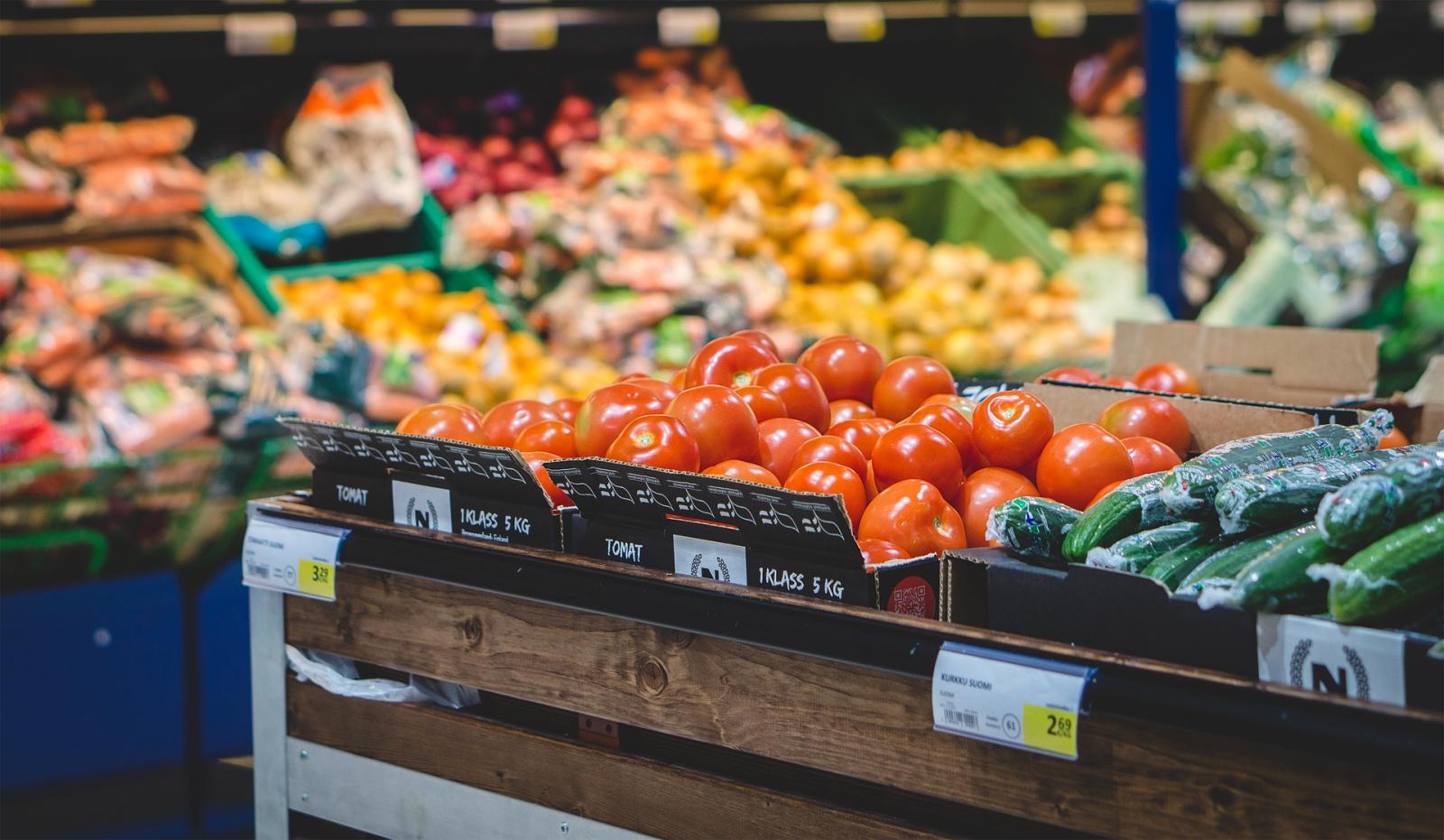
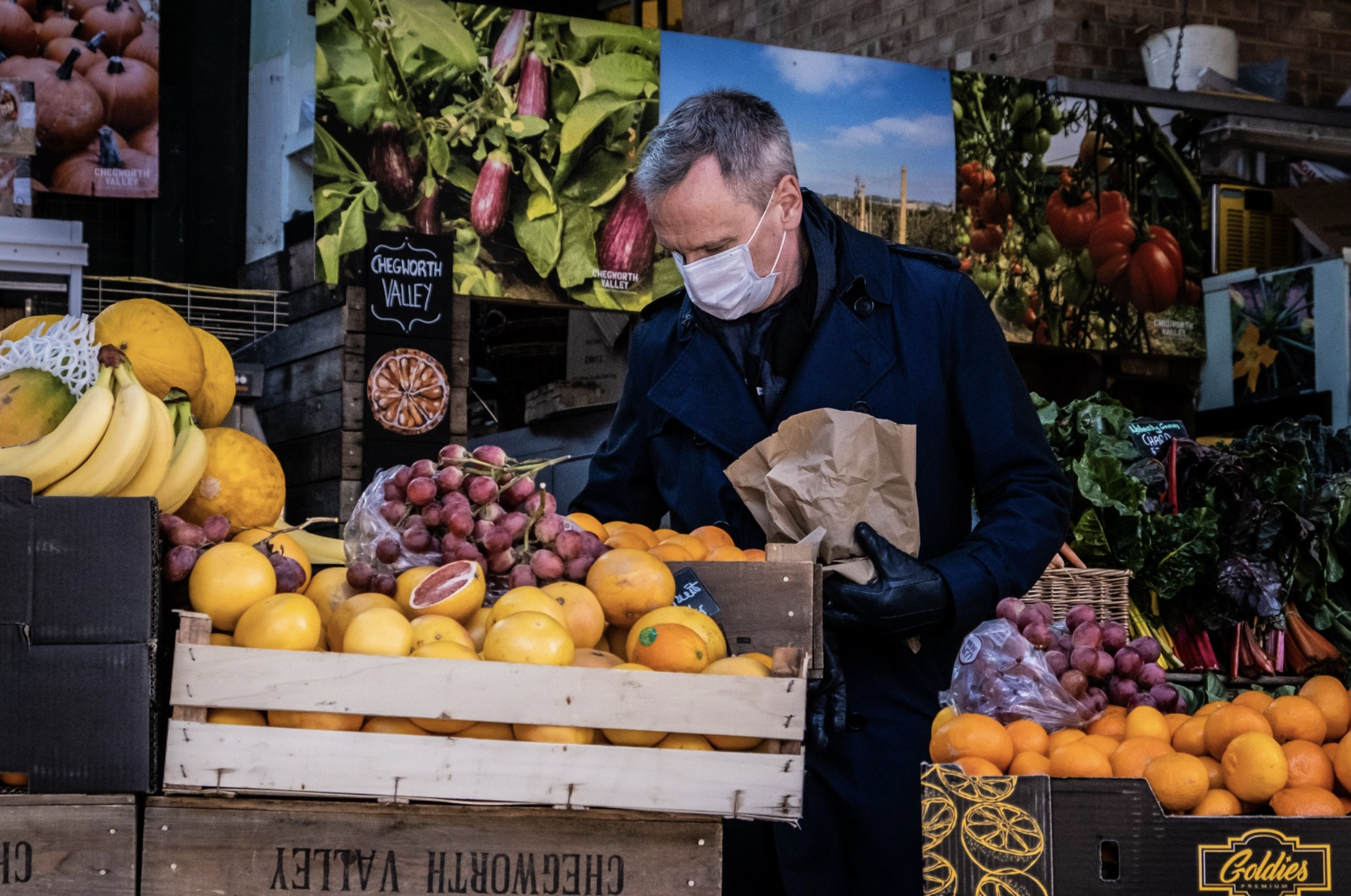
Analysts predict a significant rise in the prices of fruits and vegetables in Czech stores. Reasons are different: the Czech crown currency’s recent weakening, spring frosts and a shortage of workers in agriculture. At the moment in Tesco supermarkets, bell peppers cost 80 CZK/kg, tomatoes 60 CZK/kg, and lemons 55 CZK/kg. These prices are about 30% more expensive than last year. Prices are expected to rise also in rice, as there is a significant increase in global demand. It is characteristic that, according to Reuters data, the price of rice has climbed to the highest levels since April 2013. Farmers all over the world feel the lack of employees, including major European suppliers – Great Britain, Spain, France and Italy. The numbers involved are substantial: France is short of about 200,000 workers until the end of May, while Spain has a shortfall of 70,000 to 80,000. Italy needs about 250,000 seasonal workers in the next two months, while the UK normally receives 70,000 to 80,000 over the season and Germany 300,000. The restrictions around the coronavirus outbreak have made it impossible for thousands of migrant workers to come and harvest crops in Spanish fields. “Farmers are forced to hire local residents and pay them...
Web portal mylaw.cz launch initiative “Law Against Coronavirus” – free phone consultation with lawyers from dozens of law firms.
According to Deputy Minister of Health Roman Prymula, the restrictions on travel abroad will probably be eased in the next weeks. “Slovakia and Croatia are considered as possibilities, but we need an agreement with the respective countries which would have to open their borders to Czech holidaymakers”. “The Czech government is under pressure to open at least a few holiday “channels” out of the country,” he added. In mid-June, the situation will be more clear. Prime Minister Andrej Babis (ANO) added that the government will continue to explore the possibility of free travel. Croatia was the most popular foreign destination for Czechs in 2018. According to data from the Czech Statistical Office, 813,000 Czech tourists spent their holidays there. More than five million Czechs went on holiday abroad last year. On March 14, the government put a ban on entering the territory of the Czech Republic for all arriving foreigners except for foreigners with permanent or temporary (over 90 day-long) residency in the Czech Republic. All people entering the territory of the Czech Republic are subject to a fourteen-day mandatory quarantine unless stated otherwise, subject to exceptions. With effect from April 14th, foreigners residing in the Czech Republic, like Czech...
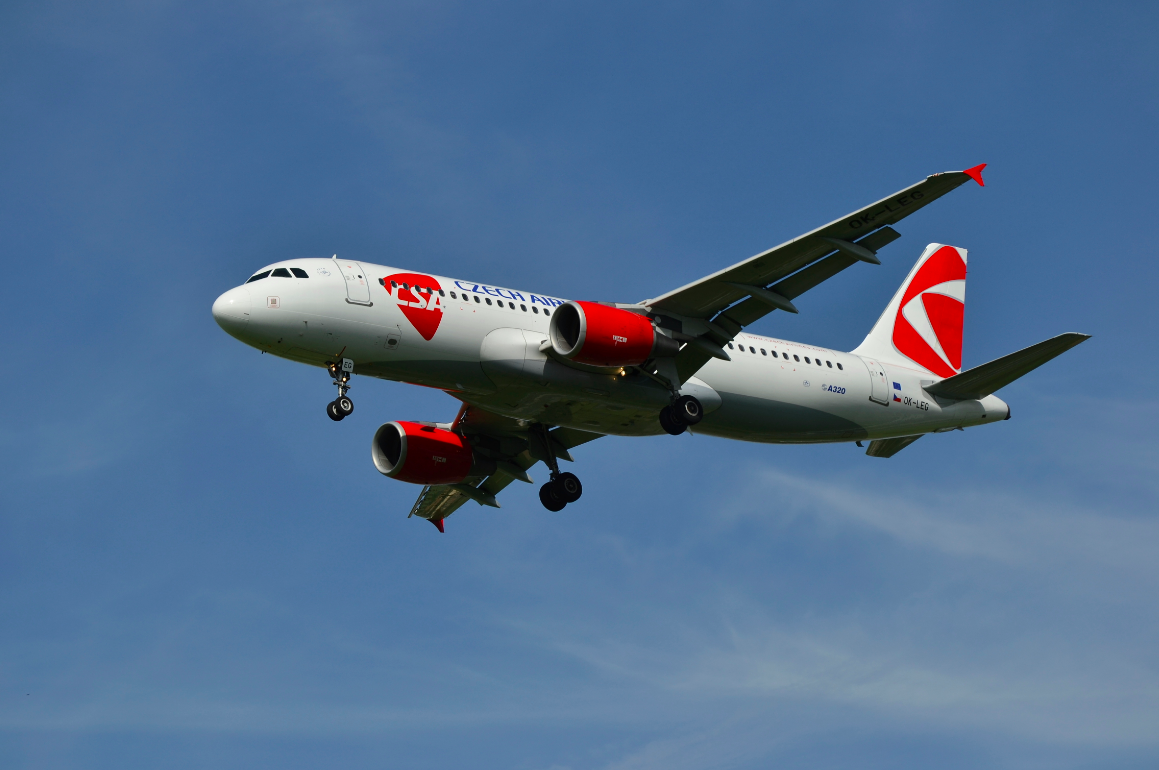
Czech Republic‘s Finance Minister Alena Schillerová proposed the government acquire CSA Czech Airlines, however noting complications may arise due to a minority foreign ownership in SmartWings Group. Schillerová expects the Ministry of Industry and Trade to prepare an analysis of strategic companies affected by the coronavirus outbreak. As previously reported by CAPA, Smartwings Group implemented austerity measures to mitigate the financial impact of the drop in demand. In 2018, 97.74% of Czech Airlines was bought by the privately-owned Smartwings and CSA became a part of the Smartwings Group. The remaining 2.26% of CSA is owned by insurance company Česká Pojišťovna. CSA is the fifth oldest still operating airline in the world, after Dutch KLM (1919), Colombian Avianca (1919), Australian Qantas (1920), and Soviet/Russian Aeroflot (1923). It was the first airline in the world to fly regular jet-only routes (between Prague and Moscow). Join us on Telegram and follow our Insta Stories to read the latest updates on the coronavirus in the Czech Republic.
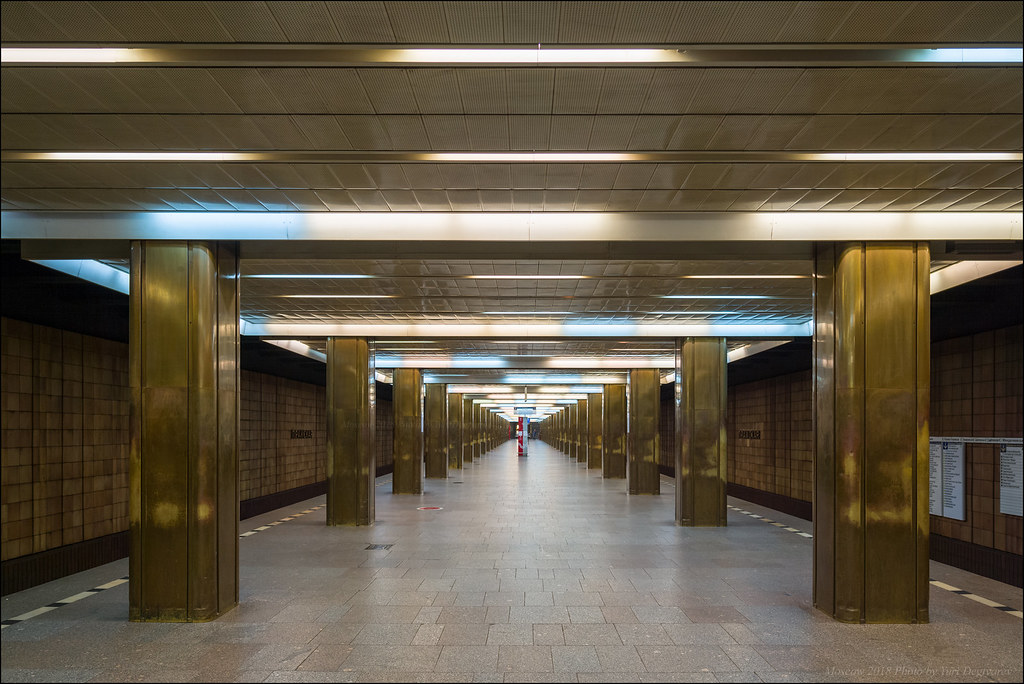
The Public Council at the Russian Ministry of Defense proposed renaming the Prazhskaya metro station to Marshal Konev station.
Like other European states, the Czech government has announced a considerable financial stimulus package to help businesses during the crisis, but other several private projects appeared online in the last few weeks. The following list refers to ‘save projects’ which go beyond the regional level and thus have a wider impact. Save the beer The online platform Zachraň Pivo (Save beer) aims to help 307 small breweries throughout the Czech Republic unload surplus beer. At the moment, there are 9 559 530 half-liter glasses of craft beer sitting in tanks. How does it work? Visit the website and the map will help you to locate your nearest brewery and make an online order for collection. Save the food “We are a bunch of gastronomic enthusiasts from Ostrava and Prague who want to help restaurants in these difficult times. Almost without sleep, food, and sex, we programmed a restaurant aggregator and an ordering portal in one website: Jidloo.cz. It’s basically a Heureka in the gastro industry,” says one of the founders. You can place your order without having to pay a commission for the delivery. Users can contact directly the restaurant by e-mail, or via the app. Currently, there are more than 2000 restaurants. Save...
The long-discussed cable car across the Vltava river between Podbaba, Prague Zoo and Bohnice will officially go into operation on 2023.
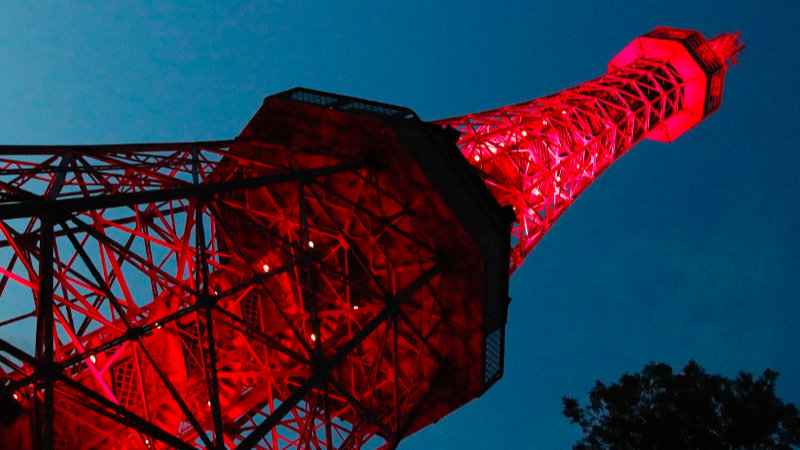
This Friday (April 17), landmarks all over the world were lit up in red in a show of support for World Hemophilia Day, including the Petřín Tower in Prague.
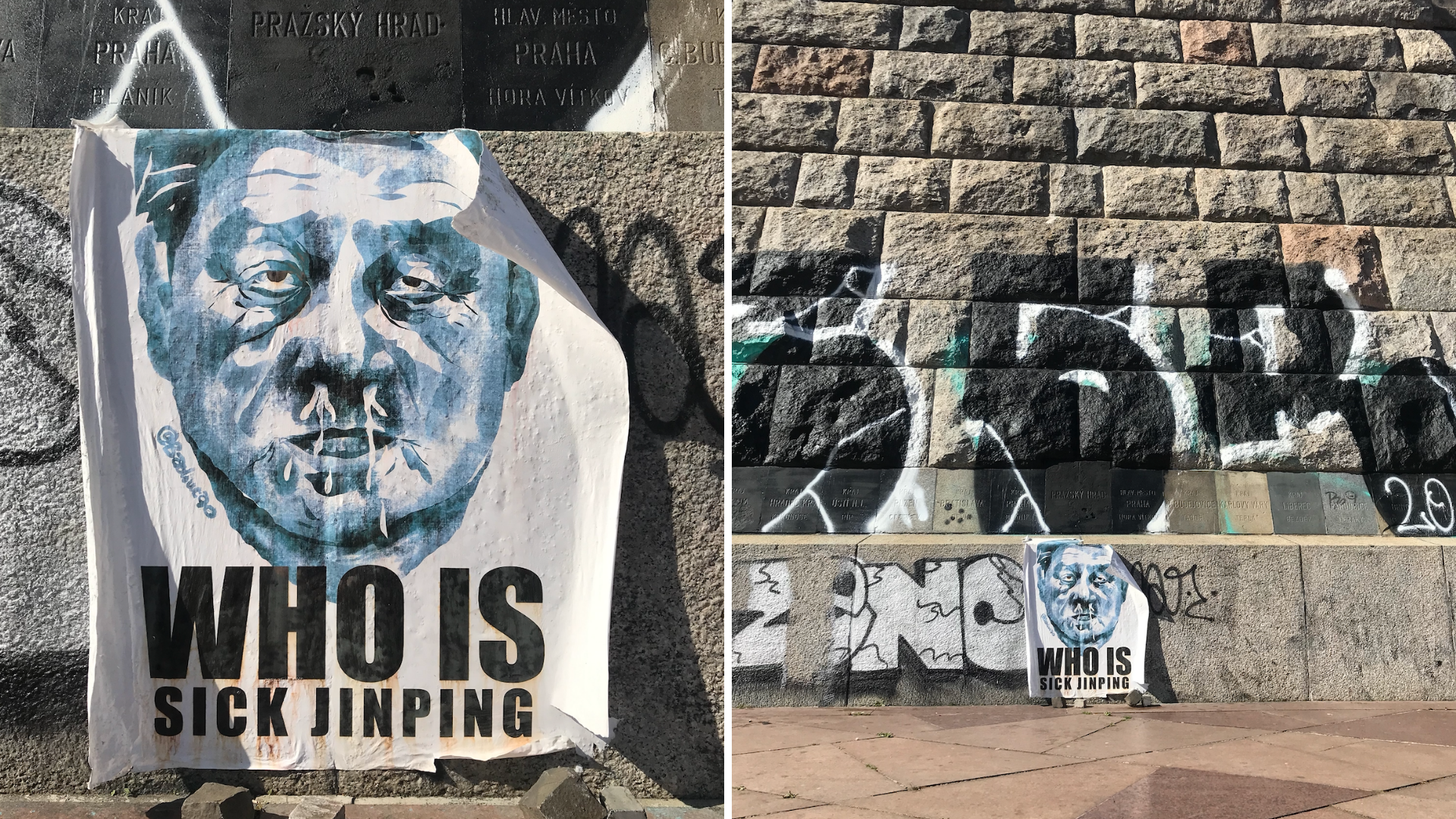
By Maximilian Colloredo-Mansfeld—Anglo American University The COVID-19 (Corona-virus) started in Wuhan (Hubei), China, in late 2019 apparently from a mutated animal virus. Before the lockdown of the city of Wuhan and the Hubei province, the disease was not considered such a danger by the Chinese government, and even though necessary measures were eventually taken, it was too late and a pandemic soon struck globally, reaching Prague in March. Badiucao, a suddenly famous Chinese human-rights activist and political caricaturist, who is exiled from China, but with his family still there in danger because of the strict Chinese government, has since mid-March also put up posters throughout Prague in an attempt to protest how the Chinese government has handled this situation. Badiucao was born in 1986 in the outskirts of Shanghai and, after Ai Weiwei, he is today becoming one of the most famous activist artists coming from China. Since he started with his rebellious caricatures career back in 2011, he has been featured in CNN, BBC, and Amnesty International, to name a few. And while his exhibitions travel throughout the world, criticizing China for their actions against human rights, he and his family are naturally under constant threat from the Chinese...
Don’t have an account? Register
Already have an account? Log In
How Would You Like to Promote Your Business? PR ArticleDisplay bannersVideo productionNewsletter adsJob ListingsInfluencer Marketing
Your Email
We will come back to you within 24 hours with our proporsal