From January 1, 2026, Czechia will begin punishing individuals who promote communism with prison terms of up to five years, following a change to the Criminal Code signed by President Petr Pavel on July 17. The legislation aligns the punishment for advocating communism with that for promoting Nazism, which has long been criminalized in the country. The amendment, supported by lawmakers Martin Dlouhý (TOP 09), Marek Benda (ODS), and Šimon Heller (KDU-ČSL), specifies that any movement promoting the suppression of rights and freedoms—explicitly including “Nazi, communist, or other” movements—can lead to criminal prosecution. Although the previous law already allowed for punishment of such movements, it did not name specific ideologies. While the Communist Party of Bohemia and Moravia (KSČM) labeled the change as “discriminatory” and “purposeful,” its representatives say they do not fear for the party’s survival. “The amendment is an attempt to silence opponents of the system by restricting constitutional rights and freedoms,” said KSČM spokesperson Roman Roun. The law targets individuals, not historical artifacts. For example, buildings with hammer and sickle reliefs are exempt, but selling merchandise with communist symbols—such as T-shirts—will become illegal. More severe penalties of three to five years in prison will apply in cases...
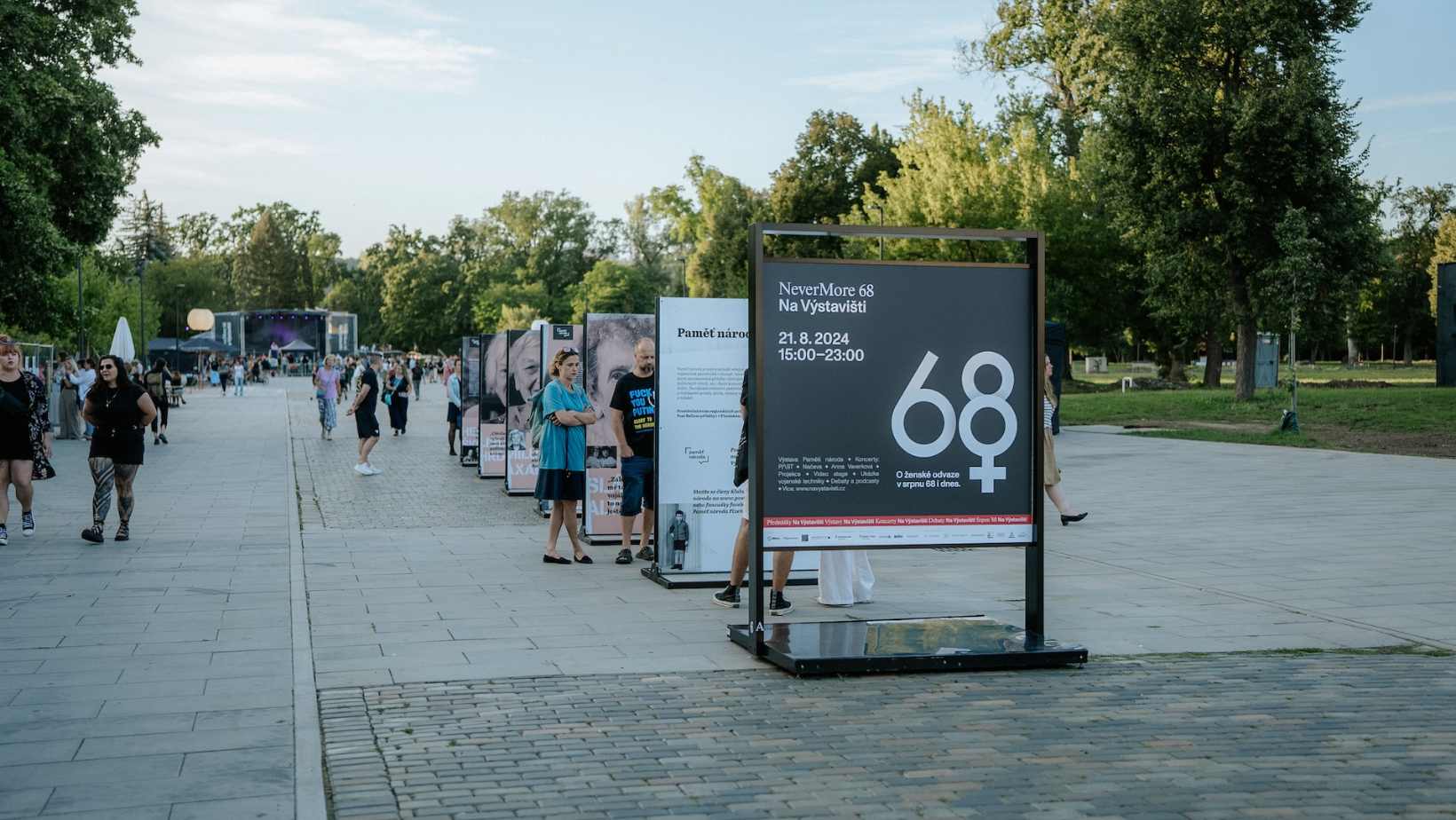
If you’ve wandered Prague’s streets, you probably know the usual stories—old kings, famous battles, and stunning architecture. But there’s a lot that rarely gets mentioned: the women who quietly, and sometimes not so quietly, shaped the city’s history. That’s exactly what Prague Feminist Tours is about. Founded by Averil Huck, a long-time Prague resident, the initiative grew out of a personal interest and a desire to make women’s stories more visible. “It was an eye-opening experience to rediscover the city I lived in through the lens of women’s history. When I moved to Prague, I started looking for something similar here… and realised it didn’t exist.” At the time, she was working at the Centre for Gender & Science at the Czech Academy of Sciences and noticed a glaring gap. “There were so few accessible, English-friendly resources about Czech feminism or women’s contributions,” she adds. That sparked the creation of Prague Feminist Tours—the first English-language walking tour in the city dedicated to women’s history. It’s not just about dates and facts; it’s about real women who fought for education, voting rights, and social change—stories that can surprise and inspire. One of their standout tours, To The Roots Of Czech Women’s...
Whether it’s a quiet morning coffee under leafy trees, a long lunch with castle views, or a golden-hour beer with friends, outdoor seating is one of the best ways to enjoy Prague in warm weather. Here are some of the best places in Prague to eat and drink outside this summer. Kuchyň Next to Prague Castle, Kuchyň offers traditional Czech dishes and a spacious outdoor terrace with a clear view of the city. The kitchen follows a “cook what’s fresh” approach — the menu changes daily and guests are invited to look directly into the kitchen to see what’s available. The view stretches across the rooftops of Malá Strana and beyond. It’s a quiet spot even though it’s close to major tourist routes, and a good place for a relaxed lunch or early dinner. The menu includes roasted meats, seasonal sides, and homemade desserts. U Pinkasů U Pinkasů is one of the oldest beer restaurants in Prague. It opened in 1843 and was the first place in the city to serve Pilsner Urquell. Today, it’s known for its reliable Czech cooking and large courtyard garden, hidden behind the Church of Our Lady of the Snows. The courtyard is shaded...
Starting January 2026, Prague will officially become the operational base for one of the seven regional contingents of the European Border and Coast Guard Agency, known as Frontex. The Czech capital will manage the activities of hundreds of border officers, mainly stationed at airports in ten EU countries that do not share a land border with non-EU states—countries like Germany, Denmark, and Switzerland. The move marks a shift in the agency’s strategy to decentralize its operations from its central headquarters in Warsaw, Poland, to regional hubs. Prague will host the sixth contingent, which currently operates under a temporary structure established earlier this year. It is set to be transformed into a permanent “antenna office”—a fully functional logistics and command unit—by next January. The announcement was made by Jiří Perníček, coordinator of the Frontex National Contact Point. “This office will handle logistics, staff management, and daily coordination across member airports,” said Perníček. “Our goal is complete operational independence of the contingent based in Prague.” The Prague-based contingent includes officers from 10 countries: Czechia, Belgium, Switzerland, Germany, Denmark, France, Ireland, Iceland, Luxembourg, and the Netherlands. Its responsibility extends to 25–30 airports and select maritime border posts. The agency aims to have 10,000...
Czech citizens enjoy one of the most powerful passports in the world, according to the latest Henley Passport Index 2025. The Czech passport now grants visa-free access to more than 180 countries, securing its spot in the global top 10. The Henley ranking, based on exclusive data from the International Air Transport Association (IATA), highlights just how much the strength of a passport shapes your experience abroad. The top-ranked passports in 2025 — including France, Germany, Italy, Japan, and Singapore — offer visa-free access to 194 destinations. Czechia is close behind with access to over 180. In contrast, passport holders from countries like Afghanistan, Syria, and Iraq can travel visa-free to just 28 to 31 destinations. A passport doesn’t only determine where you can go, but also how you are treated when you arrive. It influences how long you wait at border control, whether you’re questioned, how much you’ll pay for paperwork, and how locals perceive you. A strong passport often brings a smoother, more respectful travel experience. A weaker one, even with a visa, can bring delays and suspicion. Czechia’s rise in the rankings reflects decades of diplomatic agreements, international trust, and relative political stability. Yet even with one...
Martina Sobková has made history as the first transgender woman from Czechia to earn a spot at the Miss International Queen pageant — the world’s largest beauty contest for transgender women. The competition will take place in Thailand later this year. Sobková, a model and activist, also stood out in this year’s Miss Universe Czech Republic, placing among the top 20 finalists. While she didn’t win the national crown, her presence marked a shift in visibility and representation for the country’s transgender community. “I started my transition late because I was ashamed of who I really am for a long time,” Sobková shared. “I don’t have the fine features some people are born with, but I’ve worked hard — through diet, exercise, voice training, and learning how to walk and express myself. That’s why I’m grateful for this opportunity.” Since the first edition in 2004, Miss International Queen has become one of the most visible platforms for LGBT+ rights. Held annually in Pattaya, Thailand, the pageant brings together transgender contestants from around the world. All proceeds from the event go to the Royal Charity AIDS Foundation of Thailand. Sobková is also active outside of modeling. She founded the platform “Be...
A Czech couple’s attempt to bring home comforts on vacation backfired—literally—when their suitcase full of beer exploded during airport handling in Egypt. Planning ahead for a trip can be a good idea—until it gets soaked in… lager. A married couple from the Czech Republic packed over 20 cans of Kozel beer into their suitcase before flying to Egypt. According to a report from iDNES.cz, the pair weren’t fans of the local alcohol options and decided to take matters into their own hands. But their plan to rely on familiar Czech brews quickly turned into a logistical disaster. “The couple had more than twenty cans of Kozel in their luggage, but they didn’t package them properly. During baggage handling at the airport, several cans exploded,” said a local delegate from the travel agency. “The beer smell spread through the bus and even reached the hotel.” The mishap led to beer-soaked clothing, a strong odor throughout their luggage, and a lesson in the risks of traveling with alcohol. While beer is readily available at many all-inclusive resorts in Egypt, tourists often complain it is served in small plastic cups and frequently not chilled. As a result, some travelers opt to bring their...
Alcohol consumption in the Czech Republic is once again under debate, as doctors, public health experts, and policymakers call for stricter rules on sales, advertising, and availability. Emerging data and mounting pressure are forcing politicians to consider legislative changes—some of which now appear in party platforms ahead of the next elections. According to statistics cited in Seznam Zprávy, the average Czech drinks over 160 liters of alcoholic beverages annually, equal to more than 9 liters of pure alcohol per person. Beer remains the dominant drink (46%), followed by spirits (28%) and wine (25%). But the figures that worry experts most involve teenagers. Nearly three-quarters of Czech 15-year-olds have already tried alcohol. Despite existing laws prohibiting sales to minors, availability remains high, and enforcement is patchy at best. Random police checks are carried out, but their effectiveness is limited. Price is also a factor—alcohol remains affordable even for teenagers, and the cultural norm treats drinking as a casual part of adolescence. “There is no such thing as a safe dose of alcohol,” said Dr. Tomáš Šebek, founder of the Minister of Health think tank. “People associate drinking with liver damage or pregnancy complications, but they overlook increased risks of cardiovascular disease...
Prague officials are pushing for a full transition to electric and hydrogen-powered taxis—but drivers warn of rising costs and job losses. A new plan introduced by Prague’s deputy mayor for transport, Zdeněk Hřib (Pirates), could drastically change how taxis operate in the Czech capital. If passed, it would ban all petrol and diesel-powered taxis from Prague’s streets within five years, forcing a switch to electric or hydrogen vehicles. The move is part of a broader push to reduce vehicle emissions in the city. “We need to send a clear signal,” said Hřib. “Cars that operate daily in the city—especially for commercial transport—must be as environmentally friendly as possible.” But the proposal has sparked immediate resistance from taxi drivers and ride-hailing operators. They argue the plan is economically unsustainable and will leave many drivers unable to afford the transition. Prague currently has around 16,000 active taxi vehicles, most of them operating through ride-hailing apps like Bolt and Uber. That number has been rising by nearly 20% every year, according to city estimates. The city is now considering an intermediate step: banning vehicles older than six years within two years. Eventually, all fossil-fuel taxis would be barred from operating. Taxi drivers say...
The Czech Senate is expected to approve sweeping changes to the country’s migration and asylum laws during its session today. The legislation was submitted by the ruling coalition and is framed as a response to long-standing concerns about system abuse and capacity constraints. At the heart of the proposal is a set of measures that would give authorities greater control over the movement, identification, and accommodation of migrants and asylum seekers. The Ministry of the Interior says the changes are necessary to streamline the process for granting international protection, reduce opportunities for misuse, and strengthen public order and security. One of the most controversial aspects of the draft law is the use of mobile phone data by police and migration officers to verify the identity of migrants. The proposal would also introduce mandatory health screenings for epidemiological purposes and expand the powers of authorities to determine where asylum seekers are required to live—potentially obliging them to stay in state-run facilities. Another provision would allow the rejection of applications for temporary protection from Ukrainian nationals who have already been granted similar status in other EU countries. Repeat Offenders Face Removal Foreign nationals who commit three administrative offences in a single year—ranging...
Police in Prague’s Holešovice district are investigating a hit-and-run incident that left five parked cars damaged and temporarily disrupted tram service on Komunardů Street. The crash occurred early Wednesday morning, just before 9 a.m., according to Prague Police spokesperson Eva Kropáčová. The suspect fled the scene on foot after abandoning his wrecked vehicle directly on the tram tracks. Police say the search is ongoing. “At the moment, officers are combing a wide area,” Kropáčová told reporters around 10 a.m. Traffic police are also in contact with the affected car owners and are documenting the scene. The Prague Fire Department confirmed there were no injuries in the incident. The abandoned vehicle caused a half-hour suspension of tram service between the Ortenovo náměstí, Dělnická, and U Průhonu stops. According to the Prague Public Transport Company, full service resumed shortly after 9:30 a.m. Police have not yet released a description of the suspect or any details about the vehicle involved. The case is under active investigation. Zasahujeme u dopravní nehody 5 osobních vozidel v Holešovicích, v ulici Komunardů. Nehoda se obešla bez zranění, zablokovaný je jeden tramvajový pás. pic.twitter.com/8YwkIhBnyz — Hasiči Praha 🚒 (@HasiciPraha) July 23, 2025 Would you like us to write...
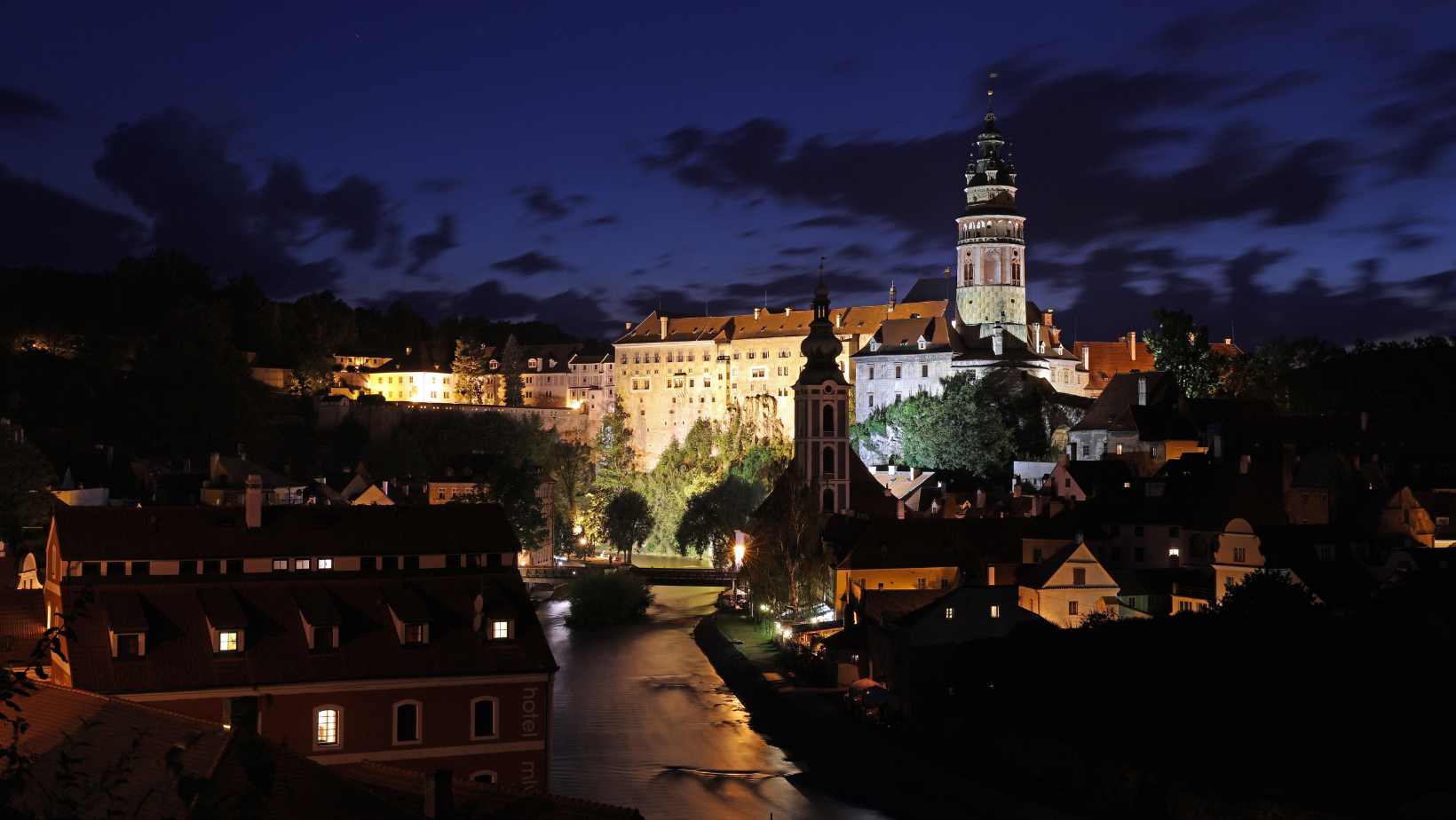
Tourism from China to the Czech Republic is rising sharply again, with nearly 30,000 Chinese visitors arriving in the first quarter of 2025 — a 39% increase compared to the same period last year. While the figures are still below pre-pandemic levels (nearly 91,000 in Q1 2019), the recovery is evident, especially in Prague, where the share of Asian travelers continues to grow, according to the Czech Statistical Office. One surprising catalyst for the renewed interest? A Chinese reality show filmed in Czechia. The seventh season of Divas Hit the Road, one of China’s most popular TV programs, brought a crew of celebrities to the country in late 2024. Filmed in iconic locations such as Prague Castle, Old Town Square, and Český Krumlov, the program puts Czech landmarks and everyday culture in front of millions of viewers in China. The show’s cast includes major stars like singer Na Ying and actors Chen Shu, Gong Jun, and Li Qin, who explored the Czech capital’s historical sights and cultural heritage in a format combining travel and entertainment. Its domestic impact is enormous — past seasons have reached up to 860 million viewers and routinely top China’s streaming and social media charts, including...
Don’t have an account? Register
[swpm_registration_form level=”6″]
Already have an account? Log In
How Would You Like to Promote Your Business? PR ArticleDisplay bannersVideo productionNewsletter adsJob ListingsInfluencer Marketing
Your Email
We will come back to you within 24 hours with our proporsal