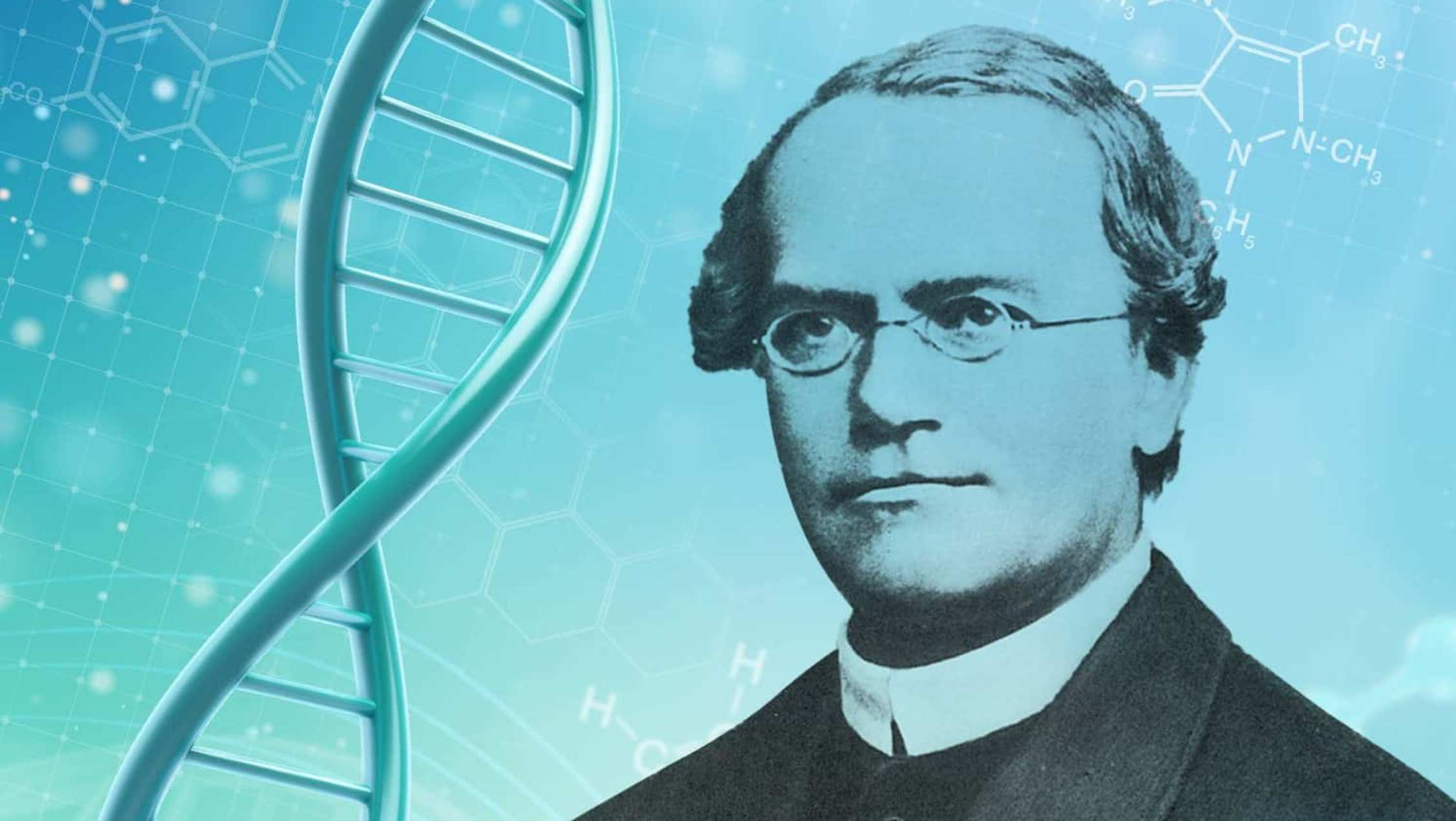
Gregor Mendel: The Monk Whose Legacy Shaped Modern Genetics
Gregor Mendel, born on July 20th, 1822, in the small village of Heinzendorf (now Hynčice, Czech Republic) is perhaps one of the most influential yet initially unrecognized figures in the history of science. Though today he is celebrated as the father of modern genetics, his cultural impact on Czech identity is profound and multifaceted. Mendel’s life story, while dominated by his groundbreaking scientific achievements, also intertwines with the cultural fabric of 19th-century Czech society, a period marked by political, social, and cultural transformation. Mendel’s birthplace, situated in what was then part of the Austrian Empire, was deeply embedded in the broader fabric of Czech lands. His German-speaking family, however, was part of a complex ethnic landscape in the Czech-speaking region. This multilingual and multicultural backdrop shaped Mendel’s worldview, which was grounded in the local traditions, language, and folklore of the region. While his work in genetics would earn him international recognition in later decades, his Czech heritage remained an important part of his identity throughout his life. As a young man, Mendel was keenly aware of the political climate in the Czech lands, which were under Austrian rule. This context of national awakening—where Czechs sought greater recognition and autonomy—was pivotal,...