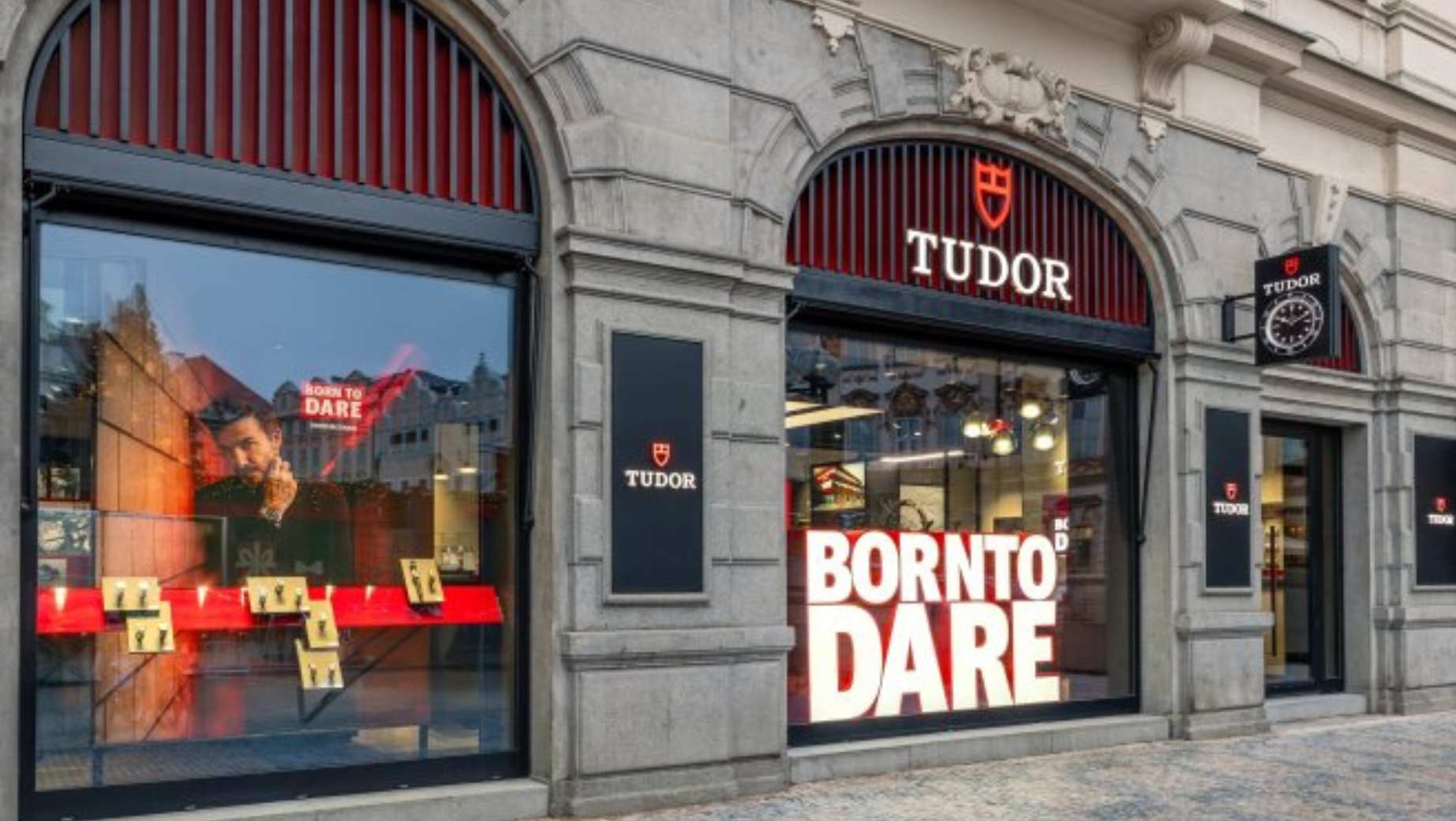
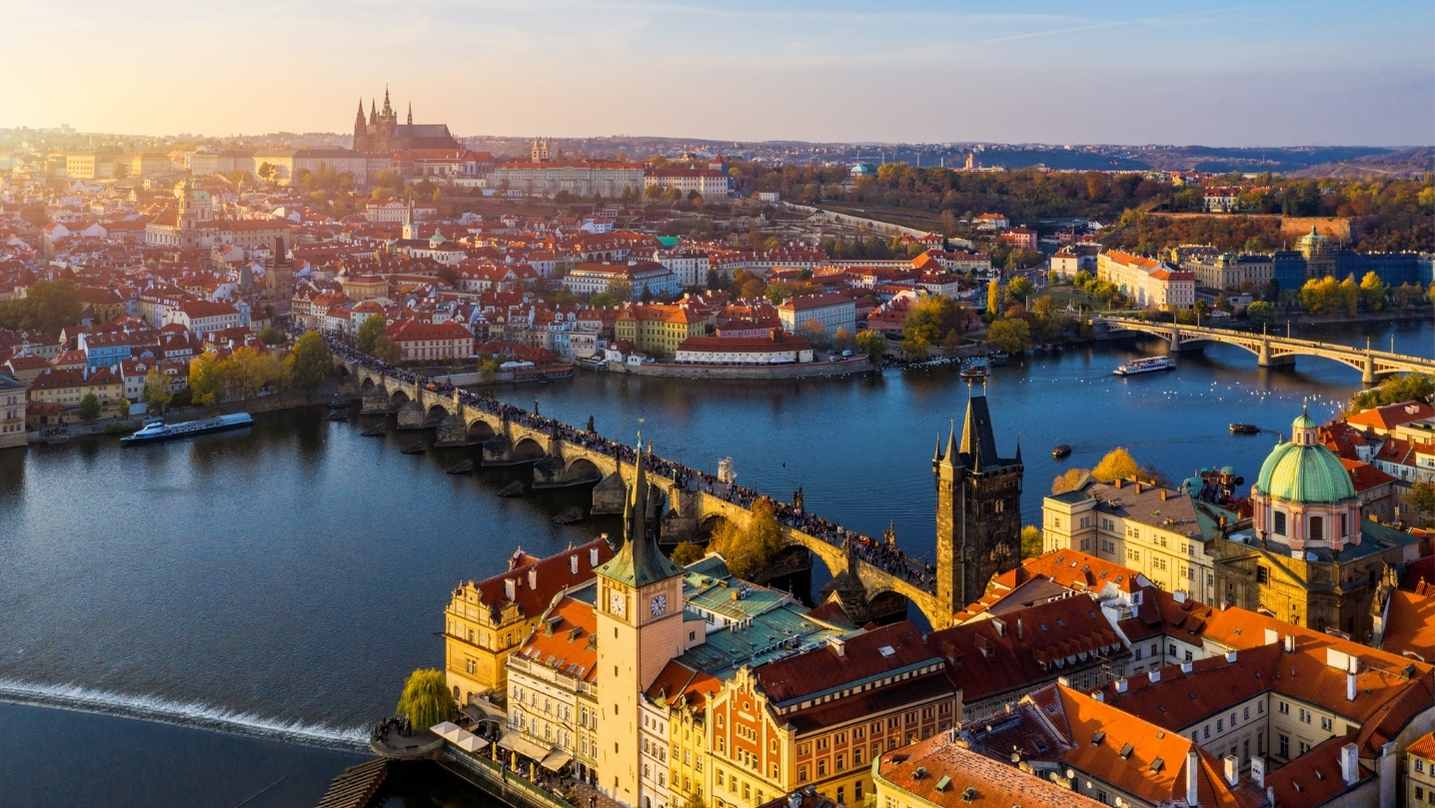
According to a survey by Cushman & Wakefield, which has been tracking new entries for 11 years, 47 brands entered the Czech market in 2024. This is the highest number of brands to enter the Czech market, compared to 40 brands in 2023. The F&B segment is represented by the largest number of brands, as in previous years. In the Palladium shopping centre in Prague, the flagship stores of Lviv Croissants and The Box Donut opened, in the Máj shopping centre the fast food Amerikanos, and in the Quadrio shopping centre the Georgian fresh bar SKA. On Prague’s premium shopping streets (high streets), Georgian fine dining Dergi in Revoluční and Ukrainian fine dining Nai in Kobrová, bubble tea Makamaka in Jungmannova, Matcha Crew in Rumunská, bar Nalyvky zi Lvova in Trojanova, the French olive oil store Oliviers&Co in Dlouhá, and Le Petit Beefbar of the famous steakhouse chain Beefbar on Wenceslas Square were introduced. Jan Kotrbáček, Head of Retail Agency CEE at Cushman & Wakefield: “While previously the majority of brands entering the Czech market came from Western countries, we now see a clear trend where newly entering brands are largely from the East, especially from Ukraine, Poland, Slovakia, and...
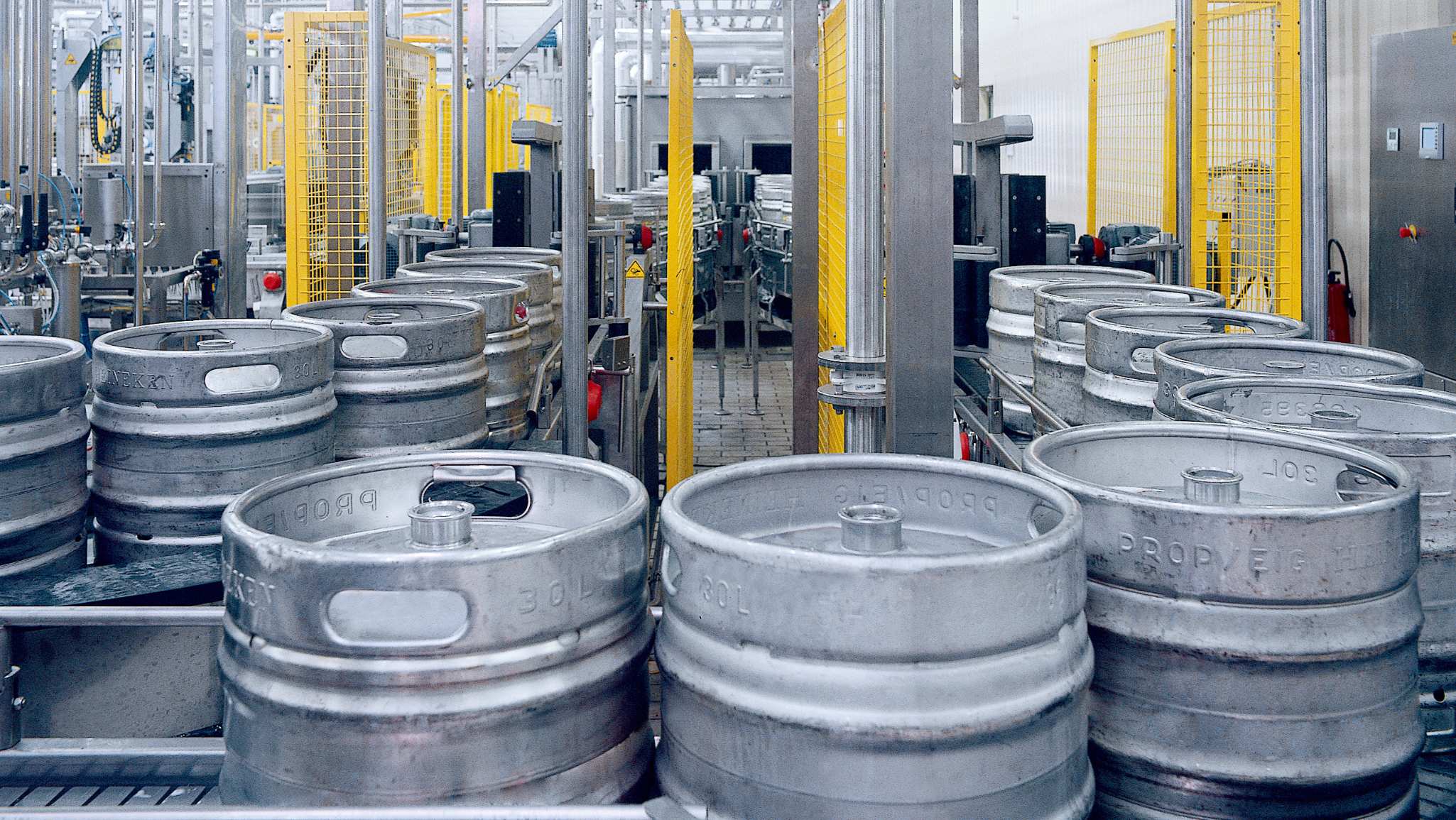
The Russian state media outlet RIA Novosti recently reported the largest beer exporters to Russia during the first ten months of 2024. According to their data, the top suppliers are Germany (105.3 thousand tons), the Czech Republic (33.1 thousand tons), and China (29.8 thousand tons). This report gained attention in the Czech media, prompting inquiries about its accuracy. The iDNES portal contacted the Czech Union of Breweries and Malthouses for clarification. However, the organization’s press secretary requested time to verify the figures before commenting. Meanwhile, the Czech News Agency (ČTK) confirmed that the export volume reported by RIA Novosti aligns with official data from the Czech Statistical Office (ČSÚ). Between January and October 2024, the Czech Republic exported nearly 33.1 thousand tons of beer to Russia—equivalent to approximately 62 million half-liter bottles. Russia: A Key Market for Czech Beer During this period, Russia ranked as the third largest export market for Czech beer producers, following Germany and Slovakia. Trinity Bank Chief Economist Lukáš Kovanda revealed that Czech beer exports to Russia increased by 27% year-on-year. The 2024 export volume even surpassed pre-pandemic and pre-invasion levels. For comparison, from January to October 2019, the Czech Republic exported roughly 60 million bottles...
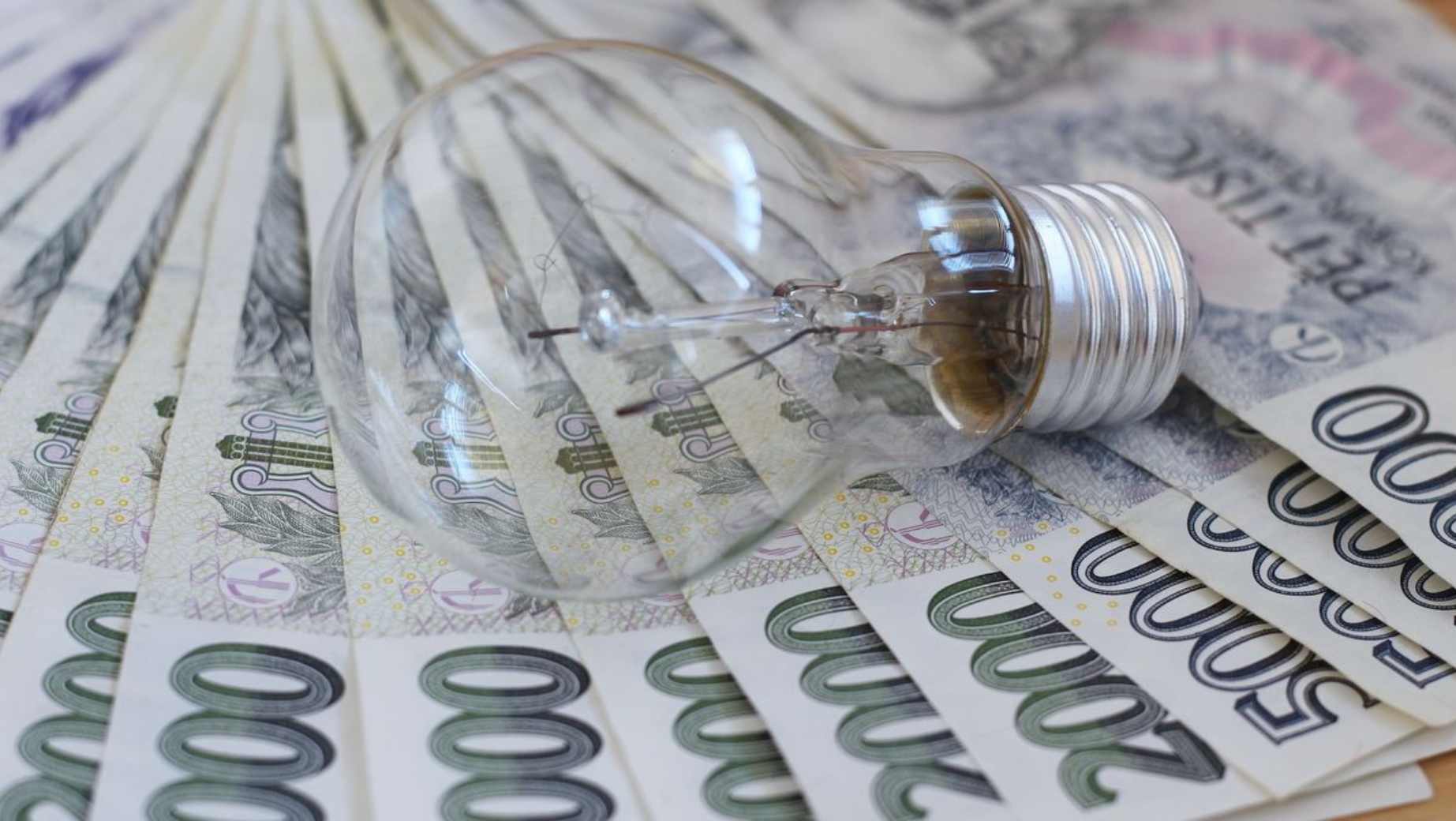
The price of electricity for households in the Czech Republic has risen sharply, even though the nation is one of Europe’s largest electricity exporters. According to Eurostat, the cost reached €0.321 per kilowatt-hour in purchasing power parity (PPP) terms during the first half of last year. This marks an 85% increase compared to the same period in 2021 for a household with average consumption levels. Czech Prices Outpace Regional Neighbors The steep price hikes in the Czech Republic contrast starkly with trends in other Visegrad Four (V4) countries, where electricity costs have remained relatively stable, states Lukáš Kovanda Chief Economist at Trinity Bank. Slovak households paid an average of €0.1543 per kilowatt-hour, less than half of what Czech households were charged. Slovakia saw a modest increase of around 12% over the same period. Polish households fared even better, paying €0.1531 per kilowatt-hour, with a surprising 2% price reduction compared to the first half of 2021. Hungary boasts the lowest electricity prices not only in the V4 but also across the EU, at just €0.1234 per kilowatt-hour, a mere 1% increase over three years. A Sharp Shift in Czech Pricing Trends Electricity prices in the Czech Republic were once on par...
The Czech Republic faces significant challenges in creating a supportive environment for businesses, ranking as the sixth worst among EU member states. The primary issues include soaring energy costs and limited access to financing, as revealed by the Prosperity and Financial Health Index. This marks a drop of two places compared to last year. Energy Prices as a Major Burden Rising electricity prices remain the most pressing concern for businesses. According to Milan Mařík, an analyst for the Europe in Data project, electricity costs for companies consuming between 500 and 1,999 megawatt hours more than doubled between 2021 and 2023. Businesses now pay the EU’s 13th highest rates for electricity, nearing the European average but with a sharper price increase compared to other nations. This energy burden makes it difficult for local businesses to compete, with costs hindering profitability and growth. By contrast, countries like Finland, which boasts the EU’s best business conditions, offer significantly lower electricity costs and other advantages, such as a thriving startup culture and low corporate taxes. Tax Increases Add to Struggles Corporate income tax in the Czech Republic rose from 19% to 21% this year, aligning with the EU average but further straining businesses. Historically,...
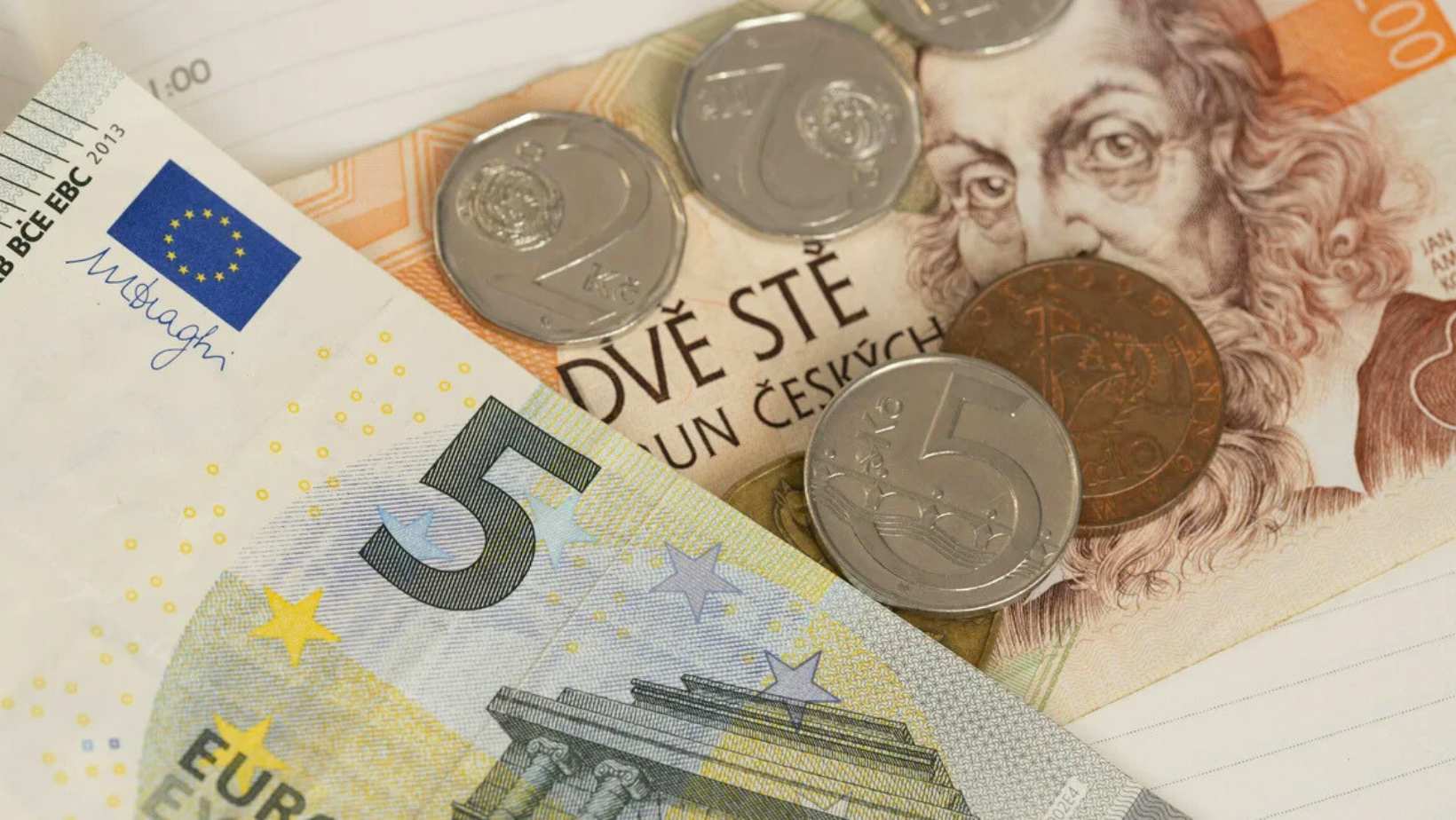
Martin Dvořák, Minister for European Affairs, believes that the Czech Republic’s adoption of the euro could depend on a shift in financial transactions. “My vision of qualifying for the UEFA Euro in 2028 while simultaneously adopting the euro isn’t going exactly as planned,” Dvořák remarked at a press conference. He emphasized that a significant rise in euro-based financial transactions could render the Czech koruna obsolete. Drawing parallels with Croatia, Dvořák explained: “It’s somewhat similar to what happened there. When euro transactions dominate, maintaining a separate currency becomes economically impractical.” At a recent cabinet meeting, Finance Minister Zbyněk Stanjura of the ODS party stressed the importance of building both political and public consensus for euro adoption. “We need either widespread political agreement or overwhelming public support—ideally both,” he said. Analysis Highlights Barriers to Euro Adoption Dvořák expressed surprise at the findings of a National Economic Council (NERV) analysis, which identified a lack of political and public backing as the main hurdles to adopting the euro. “It’s not strictly an economic issue,” he said, referencing the analysis discussed at a recent government meeting. STAN had proposed appointing a national euro coordinator, but the government ultimately rejected the idea. Dvořák emphasized that such...
European Union ministers on Thursday agreed to let Bulgaria and Romania fully integrate into Europe’s ID-check-free travel zone, known as the Schengen area, by lifting land border controls from next year, the EU’s Hungarian presidency said. Bulgaria and Romania joined the Schengen area in March after years of negotiations, providing free access for travelers arriving in both countries by air or sea. However, land border checks remained in place due to opposition, chiefly from Austria, over concerns that the two countries were not doing enough to prevent migrants from entering without authorization. “Interior ministers have just adopted a decision to lift internal land border controls with and between Bulgaria and Romania,” the Hungarian presidency posted on X. “A great victory for Bulgaria, Romania, and all of Europe!” Land border checks will end from Jan. 1. Romania’s Prime Minister Marcel Ciolacu said the decision would be a “major benefit” to his country’s economy and enable “faster journeys home for the millions of Romanians” living and traveling within the Schengen area. Freedom of movement is central to European integration. More than 420 million people live in the Schengen area, and their freedom to move across borders helps businesses and tourism to flourish. Romanian President...
The Czech lower house of parliament approved changes in rules for state aid to solar power plants on Wednesday that may reduce support for some projects, drawing criticism from industry representatives who said they violated government commitments. The bill, which still needs approval by the upper house, requires power plants built in 2009-2010 – when profits were high – to produce annual profitability calculations that will be used to judge if they should get state aid. It also extends the scope of the calculation to the full lifetime of a plant rather than just the period in which state support is granted. Lawmakers did not approve some of the most controversial proposals, which would cut the allowed return on investment of solar plants, or halt aid paid for electricity produced at times when surplus production cuts market prices below zero. The government, which faces a parliamentary election next year, has said it needs to limit state aid to shore up the budget. Industry representatives said the bill was damaging. “It is absurd that the government is trying to fill holes in the budget by violating commitments to investors, Czech and European law,” Jan Krcmar, head of the industry group Solar...
A majority of Czech employees fear job loss in 2025 and are considering changing jobs, driven by financial dissatisfaction, work-life balance, and limited career growth opportunities, according to a new survey. More than half of Czech employees are concerned about losing their jobs in the coming year, a new survey by personnel company Randstad CR has revealed. At the same time, a significant proportion of workers are considering changing jobs on their own initiative, driven primarily by dissatisfaction with wages. According to the survey, 54.4 percent of Czech workers fear job loss in 2024. Despite Czechia’s historically low unemployment rate — 3.8 percent in October — economic uncertainty stemming from the Covid-19 pandemic and high energy prices has heightened anxieties. Analysts predict unemployment could exceed 4 percent by early 2025 but remain relatively stable. As cited by Echo24, Randstad CR director Martin Jánský attributed these fears to broader economic and technological factors. “The turbulent development of the economy in recent years has left a psychological impact,” he explained. “Additionally, sectors such as automotive are particularly vulnerable to developments abroad, notably in Germany.” Concerns about technological advancements, including artificial intelligence, further contribute to the insecurity with Jánský noting that Rapid technological changes...
Czechia continues to have the lowest unemployment rate in the whole of the European Union, as the bloc’s overall unemployment figure remained at 5.9% in October, unchanged from September. Compared to the same period last year, the EU unemployment rate has dropped by 0.2 percentage points, according to the latest report from Eurostat. In October, unemployment in the Czech Republic decreased by 0.2 percentage points from September, reaching 2.6%. It’s worth noting that Eurostat’s methodology differs from that of the Czech Labour Office. While the EU-wide unemployment rate held steady, the eurozone unemployment rate also remained at 6.3%, reflecting a year-on-year decrease of 0.3 percentage points. Malta and Spain at Opposite Ends of the Spectrum Following the Czech Republic, Malta reported the second-lowest unemployment rate in October, holding steady at 3%, a 0.3 percentage point decline compared to the previous year. On the other hand, Spain recorded the highest unemployment rate among EU countries, standing at 11.2%, followed by Greece at 9.8%, which saw a significant month-on-month increase of 0.5 percentage points. Finland ranked third, with an 8.8% unemployment rate. Gender Disparities in EU Employment Eurostat’s report also highlighted disparities between men and women across the EU. In October, the...
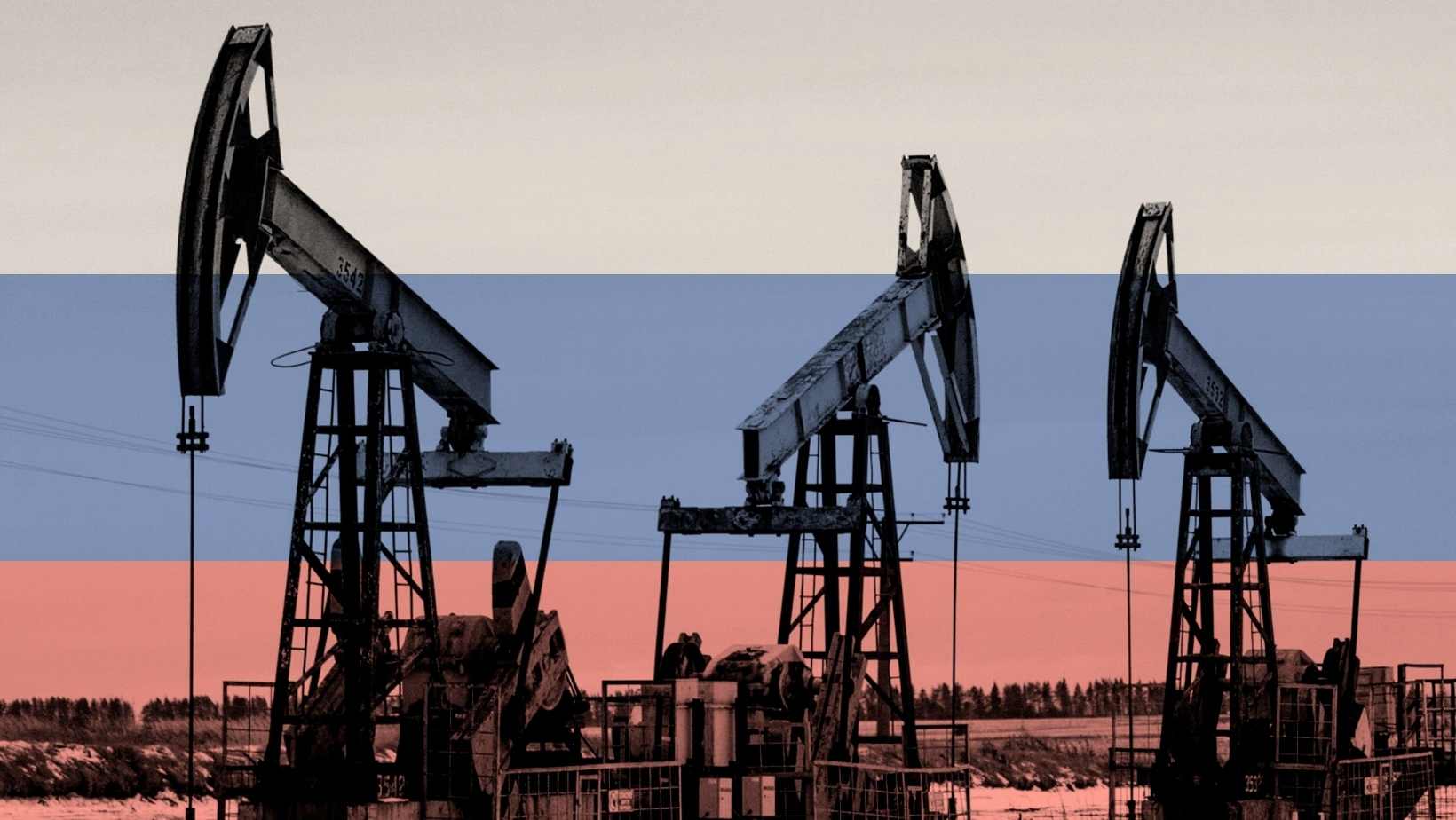
The Czech Republic is set to end its reliance on Russian oil as it closes the pipeline taps after more than 60 years. Starting December 5, the country will no longer benefit from an EU exemption on Russian oil imports, halting the flow of crude through the Druzhba oil pipeline. This decision marks a turning point in Czech energy independence and reflects broader European efforts to counter Russia’s aggression in Ukraine. The Druzhba pipeline, a Cold War-era project, was the first to deliver oil to Czechoslovakia, beginning in 1962. For decades, it served as a vital artery, delivering up to 18 million tons of oil annually before the fall of communism in 1989. Marek Vošahlík, spokesperson for the Ministry of Industry, confirmed the decision: “In light of the Czech Republic’s steps toward independence from Russian oil, there is no reason to extend the exemption.” Transitioning to Alternative Oil Supplies The Czech Republic has outlined a plan to replace Russian oil. Central to this strategy is the expansion of the Transalpine Pipeline (TAL), which will double its capacity to deliver up to eight million tons of oil annually starting next year. The country imports oil through two main sources: the Druzhba...
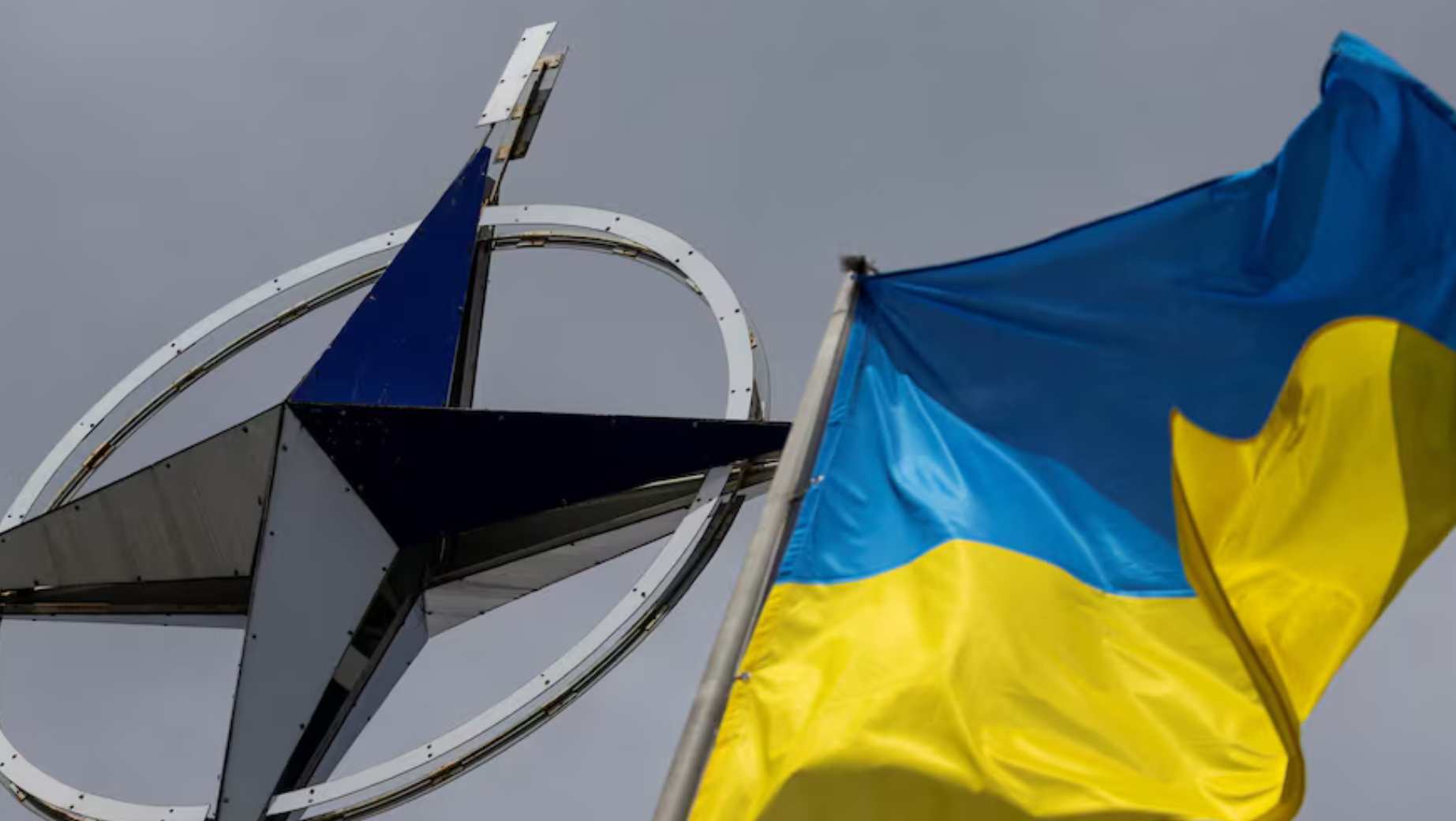
The Czech government has approved a donation of CZK 12.1 million to the NATO Trust Fund, aimed at providing non-military aid to Ukraine. This decision, made during a government meeting on Wednesday, aligns with the Czech Republic’s foreign and defense policy priorities. The NATO Trust Fund, which has been operational since 2016, serves as a vital tool for delivering non-military assistance to Ukraine. Contributions to the fund include fuel, medical supplies, food, winter clothing, and defensive systems against unmanned aerial vehicles (drones). While weapons and other military equipment are supplied by individual countries, the European Peace Facility also plays a role in supporting military needs. The Czech Ministry of Foreign Affairs emphasized that this latest contribution is in line with commitments made at the NATO summit in Vilnius last year. At that summit, the Trust Fund was designated as a long-term initiative, focusing on security and defense sector reforms in Ukraine, as well as helping the Ukrainian armed forces align with NATO standards for full cooperation. Contributions to the NATO Trust Fund are voluntary, and the Czech government had previously pledged a donation of approximately 60 million crowns a year ago. Would you like us to write about your business? Find out...
Coffee prices have surged to record highs in recent years, with the trend showing no signs of slowing down. Increasing global demand, coupled with a shrinking supply, has created concerns about potential shortages, warn analysts. In the Czech Republic, the price of coffee has risen by a staggering 46% since 2015, compared to a 34% average increase across the EU, according to XTB data derived from Eurostat statistics. “In the first eight months of 2024, the average cost for 250 grams of roasted coffee beans reached CZK 130, ten crowns more than in the same period last year,” explained Jiří Tyleček, an analyst at XTB. He predicts that coffee prices could climb another 10% to 30% in 2025, affecting both retail costs and café offerings. Global Factors Driving the Surge The rising prices are driven by multiple global factors. According to Lubomír Kadaně, director of Fairtrade Czech Republic and Slovakia, the cost of Arabica coffee has soared to over $3 per pound—its highest level since 2011. A prolonged drought in Brazil, the world’s largest coffee producer, has sharply reduced production, creating a ripple effect in global markets. “This reduced supply has driven traders to respond with significant price hikes,” Kadaně...
Don’t have an account? Register
Already have an account? Log In
How Would You Like to Promote Your Business? PR ArticleDisplay bannersVideo productionNewsletter adsJob ListingsInfluencer Marketing
Your Email
We will come back to you within 24 hours with our proporsal