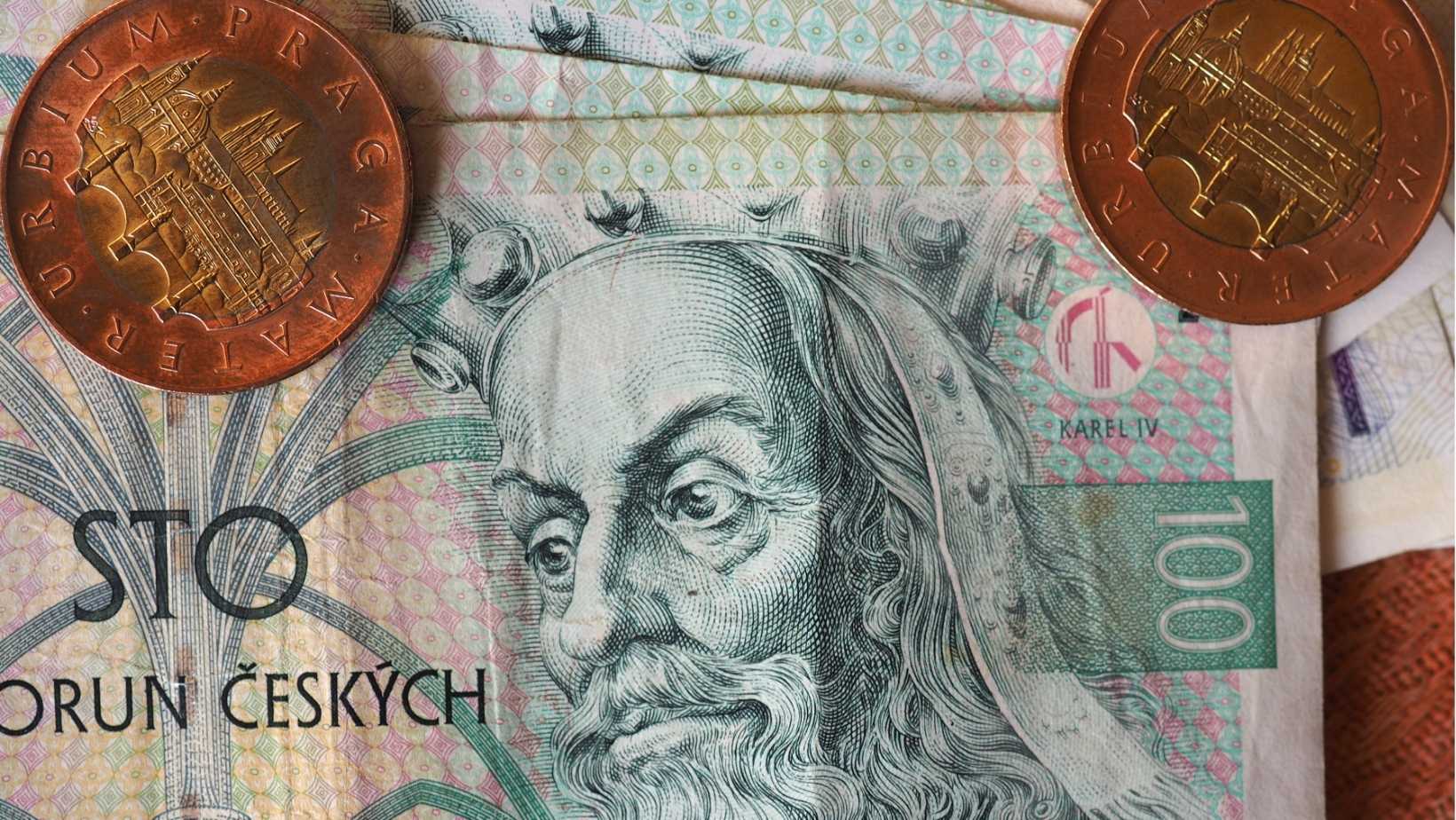
The inflation rate across the European Union decreased to 2.1 percent in September, down from 2.4 percent in August, according to a report released by the Eurostat statistical office. In contrast, inflation in the Czech Republic has increased, rising from 2.4 percent in August to 2.8 percent. It’s important to note that Eurostat utilizes a calculation methodology that is harmonized with EU standards, which differs from the approach taken by the Czech Statistical Office (ČSÚ). In the Eurozone, the inflation rate fell to 1.7 percent in September from 2.2 percent in August. This revised figure is lower than the initial estimate of 1.8 percent for September inflation in euro-using countries. Last September, the inflation rates were significantly higher: 4.9 percent in the EU and 4.3 percent in the Eurozone, while the Czech Republic recorded an inflation rate of 8.3 percent. Ireland reported the lowest inflation rate this September, registering at zero percent. Following closely were Lithuania with 0.4 percent, and both Slovenia and Italy at 0.7 percent. On the other hand, Romania faced the highest inflation rate at 4.8 percent, trailed by Belgium at 4.3 percent and Poland at 4.2 percent. When compared to August, annual inflation decreased in twenty...
American expats in the Czech Republic are navigating a complex political landscape as the 2024 U.S. election looms near. Their unique position—balancing American identity with local influences—shapes their political views and engagement. However, this blending of cultures can lead to the formation of echo chambers that may distort their understanding of the broader political climate back home. Here are some key considerations for American expats in Prague and the Czech Republic as they prepare for the upcoming election. The Formation of Echo Chambers An echo chamber refers to an environment where individuals primarily encounter information that confirms their existing views. For American expats in Prague, this dynamic can be particularly pronounced due to the liberal leanings of their social and political surroundings. The dominant left-leaning perspectives prevalent among expats in Prague and the local media can create a skewed narrative, obscuring the diverse and polarized political landscape of the U.S. This environment may lead expats to overlook critical viewpoints from conservative Americans and those with differing ideologies. This bias could unintentionally limit their understanding of the electoral dynamics at play back home. Voting Behaviour and Low Turnout When it comes to voting habits, U.S. citizens living abroad tend to lean...
Veteran diplomat and former Deputy Defense Minister Daniel Koštoval has been appointed and is expected to take up his responsibilities in early 2025, says Czech Foreign Minister Jan Lipavsky. Daniel Koštoval, a veteran diplomat and former deputy defense minister, has been appointed for the diplomatic post and is expected to take up his responsibilities in early 2025, Czech Minister of Foreign Affairs Jan Lipavsky said in a statement. “I wish the ambassador much strength in this challenging mission to advance Czech interests,” Lipavsky said, noting that the country’s key strategic allies, the UK, France, Germany, Poland, and US, all have ambassadors in Russia. Diplomatic relations between Moscow and Prague deteriorated in 2021 when the Czech Republic accused Russia of being responsible for a series of explosions at Czech munition warehouses in Vrbetice in 2014. In response, both countries reduced the number of diplomatic staff stationed at their respective embassies. Earlier, President Petr Pavel said it is in Czech interest to have diplomatic representation in Moscow at the ambassador level in the backdrop of Russia’s invasion of Ukraine. Tensions between the Czech Republic and Russia have intensified in recent years, owing primarily to an espionage scandal and Russia’s armed conflict with...
Ever wondered if it’s time to switch to a better-paying job? This overview might help you find the position of your dreams. In the Czech Republic, air traffic controllers hold the crown for the highest salaries. With the heavy burden of responsibility, they also enjoy substantial rewards, earning an average of 215,000 CZK per month. By contrast, a courier can expect to earn less than a tenth of that amount. For a full breakdown, including over 300 different occupations, you can view the detailed infographic on Aktuálně. Occupation: air traffic controller median salary in 2023: CZK 215,091 median salary in 2013: CZK 154,203 Occupation: electrical engineers of air traffic control median salary in 2023: CZK 153,742 median salary in 2013: CZK 96,548 Occupation: managers in the field of financial and insurance services median salary in 2023: CZK 121,127 median salary in 2013: CZK 73,127 Occupation: managers in the field of ICT median salary in 2023: CZK 120,368 median salary in 2013: CZK 60,425 Occupation: managers in the field of strategy and policy of organizations median salary in 2023: CZK 108,411 median salary in 2013: CZK 60,744 Occupation: pilots, navigators and flight technicians median salary in 2023: CZK 104,242 median salary...
The Czech government has approved a draft revised National Energy and Climate Plan (NECP), which aims to phase out coal by 2033 and oil and gas by 2050. Under the plan, nuclear resources will be strengthened, mainly through the construction of new reactors, while the share of renewables will be increased to 40% by 2030 and to 60% in the next decade. The government also plans to increase the share of renewable energy sources from 15% to 30% by 2030. “The plan presents an outlook for the development of the energy sector until 2030. By then, electricity consumption will increase by around one-tenth compared to today. On the other hand, we foresee a significant drop in energy consumption and a reduction in coal-fired electricity generation,” Czech Energy and Trade Minister Jozef Síkela said on Wednesday. “We will also stop exporting brown coal electricity, the production of which will no longer be profitable due to the price of emission permits,” he added. In 2022, Czechia’s coal and nuclear power plants made it one of the world’s leading electricity exporters. However, the country is ready to lose this status and become an importer of clean energy from EU partners. “This will be...
The Czech government has unveiled an ambitious plan to place the country among the top ten European Union nations by gross domestic product (GDP) per capita by 2040. Currently ranked 14th, the Czech Republic aims for significant economic growth through the recently approved Economic Strategy. Key Pillars of the Strategy The strategy, presented by the new Minister of Industry and Trade Lukáš Vlček (STAN), focuses on four main areas: human capital development, strategic infrastructure, high-value industrialization, and enhanced financing options. “This strategy will not be another unfulfilled document,” Vlček assured. The plan emphasizes the importance of education, particularly in STEM fields (science, technology, engineering, and mathematics), which are critical for the country’s future economic growth. The government also seeks to strengthen ties between companies and educational institutions to create innovative study programs that better align with market needs. In terms of infrastructure, the strategy outlines improvements in transport, energy, and digital infrastructure. These upgrades will be coupled with investments in sustainable energy and technological innovation to boost competitiveness and reduce environmental impact. The plan also highlights the need to develop the capital market to improve companies’ access to financing, reducing their reliance on traditional bank loans. “This includes venture capital...
Czech President Petr Pavel swore in two new ministers on Tuesday as part of a reshuffle of the government following the decision of junior coalition partner, the Pirates, to leave the Cabinet. Prime Minister Petr Fiala’s government retains a majority in Parliament’s lower house even without the Pirates, with four other parties remaining in the coalition. The president appoints and dismisses the government ministers at the request of the prime minister. The crisis began on September 24 when Fiala announced the dismissal of Regional Development Minister Ivan Bartos, head of the Pirates. He said he had lost trust in Bartos’s ability to deal with problems linked to a new digital system for issuing building permits. The Pirates said the move was in breach of their coalition agreement. Two other ministers representing the Pirates offered their resignations. But Fiala refused to accept the resignation of Foreign Minister Jan Lipavsky. The vocal supporter of Ukraine’s efforts to fight Russia’s invasion then opted to leave the Pirates and stay in the government. Fiala eliminated the post of the minister for legislation which had been occupied by the other member of the Pirates party who resigned. The changes came after a major opposition party...
Jan Lipavsky is to remain the Czech minister of foreign affairs as an independent after he left the liberal Czech Pirate Party. Lipavsky and Minister for Legislation Michal Salomoun resigned from the party on October 1 following an internal party vote in which nearly 80% of voters decided to leave the centre-right cabinet of Petr Fiala after Fiala dismissed the Pirate Party leader, Ivan Bartos. “It will be an honour to continue in this work. Chairmen of four coalition parties backed me to continue,” Lipavsky told media following his talk with Fiala on October 2, adding that “I believe I will be able to continue working on Czechia being a reliable and pro-Western partner.” Fiala also announced the legislation portfolio will be taken over by the Ministry of Justice, headed by the controversial Pavel Blazek, Fiala’s neoliberal ODS party colleague. The foreign ministry under Lipavsky was credited for steering Czech diplomacy more clearly into the Western core after the previous cabinet of populist billionaire Andrej Babis openly flirted with Hungary’s radical rightwing leader Viktor Orban. During Lipavsky’s tenure, Czechia also held the EU presidency in the second half of 2022 and profiled itself as a staunch backer of Ukraine. Along with Hungary, Czechia...
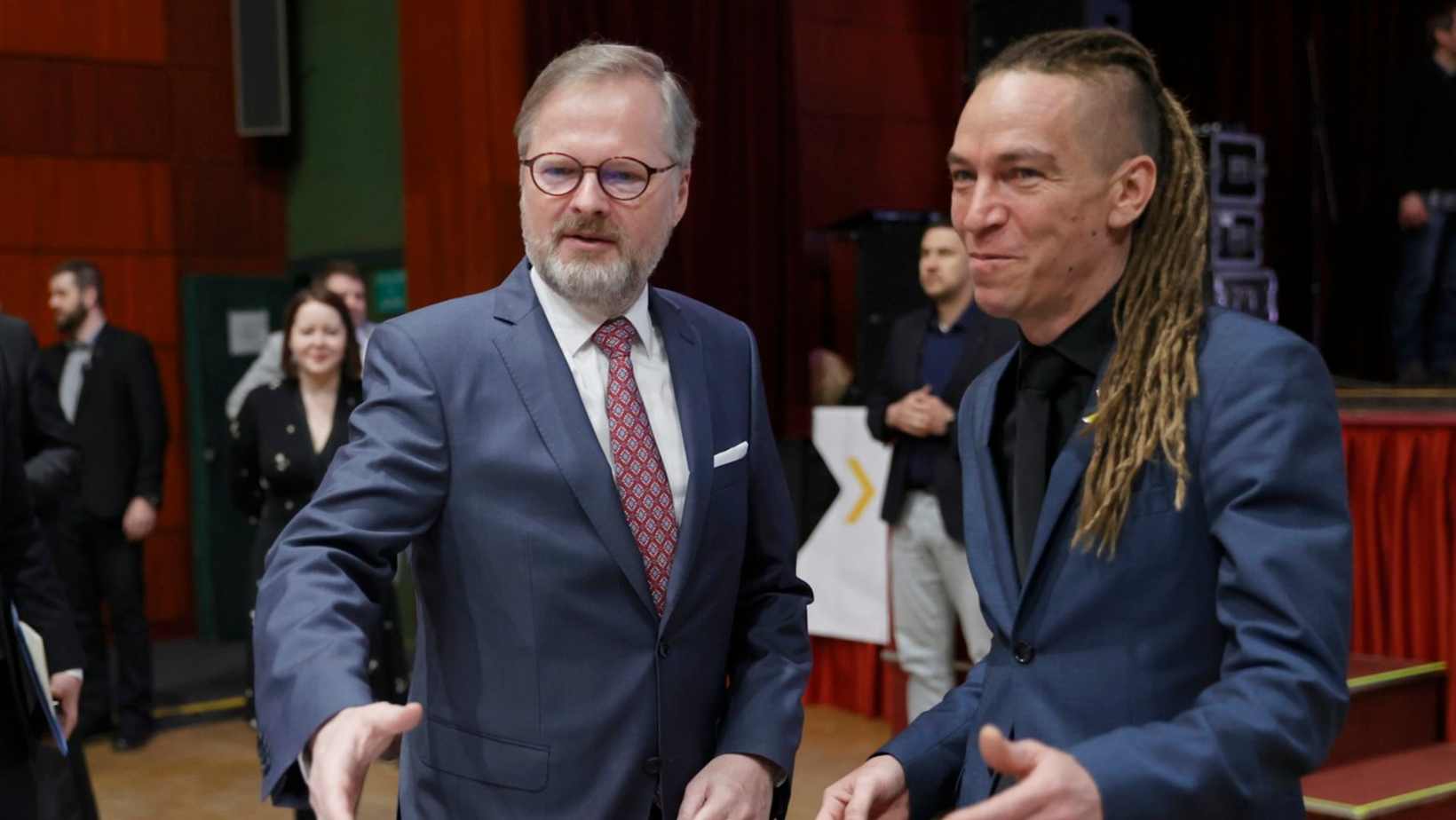
The five-party centre-right Czech governing coalition weakened on Wednesday as the small centrist Pirate Party said it had been “ousted” over a personnel dispute. Prime Minister Petr Fiala said Tuesday he would dismiss Pirate Party chairman Ivan Bartos as regional development minister over his failure to introduce a digital building permit procedure. The move angered the Pirate Party, whose three cabinet ministers had included Foreign Minister Jan Lipavsky. “The Pirates are leaving the cabinet, or better, they have been ousted,” dreadlocked former IT expert Bartos told reporters. This will likely reduce the backing for Fiala’s cabinet in the 200-seat parliament from 108 to 104 votes as the Pirates have four lawmakers in the lower house. Bartos’s dismissal has yet to be approved by President Petr Pavel, who was at the UN General Assembly in New York with Lipavsky. Lipavsky said he would submit his resignation but also quit the Pirate Party, which would allow him to stay on as minister, possibly as an independent. The coalition, also comprising Fiala’s Civic Democrats, the small rightwing TOP 09 and centrist STAN and Christian Democrats parties, took power after a 2021 election. Grappling with fallout from the pandemic, high inflation sparked by the...
Czech Prime Minister Petr Fiala proposed the dismissal of Development Minister Ivan Bartos on Tuesday, a surprise move that shook the centre-right coalition and likely means the exit of the smallest party. Fiala said Bartos, the outgoing head of the Pirate party, should leave his ministerial post after mismanaging the introduction of a digital system for issuing building permits. Fiala’s proposal will head to President Petr Pavel, who will officially need to fire Bartos. The Pirates have just four seats in the 200-seat lower house of deputies, and the ruling coalition would maintain a slim majority without the party, but the dismissal showed cracks in the government which faces a tough challenge from the populist opposition in an election in a year’s time. Bartos, who said he had met Fiala on Tuesday morning but only learned hours later of the intention to dismiss him, called the firing a “dirty trick.” Fiala praised two other ministers from the Pirate party, including Foreign Minister Jan Lipavsky, who has been the main voice of the government’s strong support for Ukraine in its war with Russia. Fiala told a televised briefing that he was not breaking up the coalition but said: “I am asking...
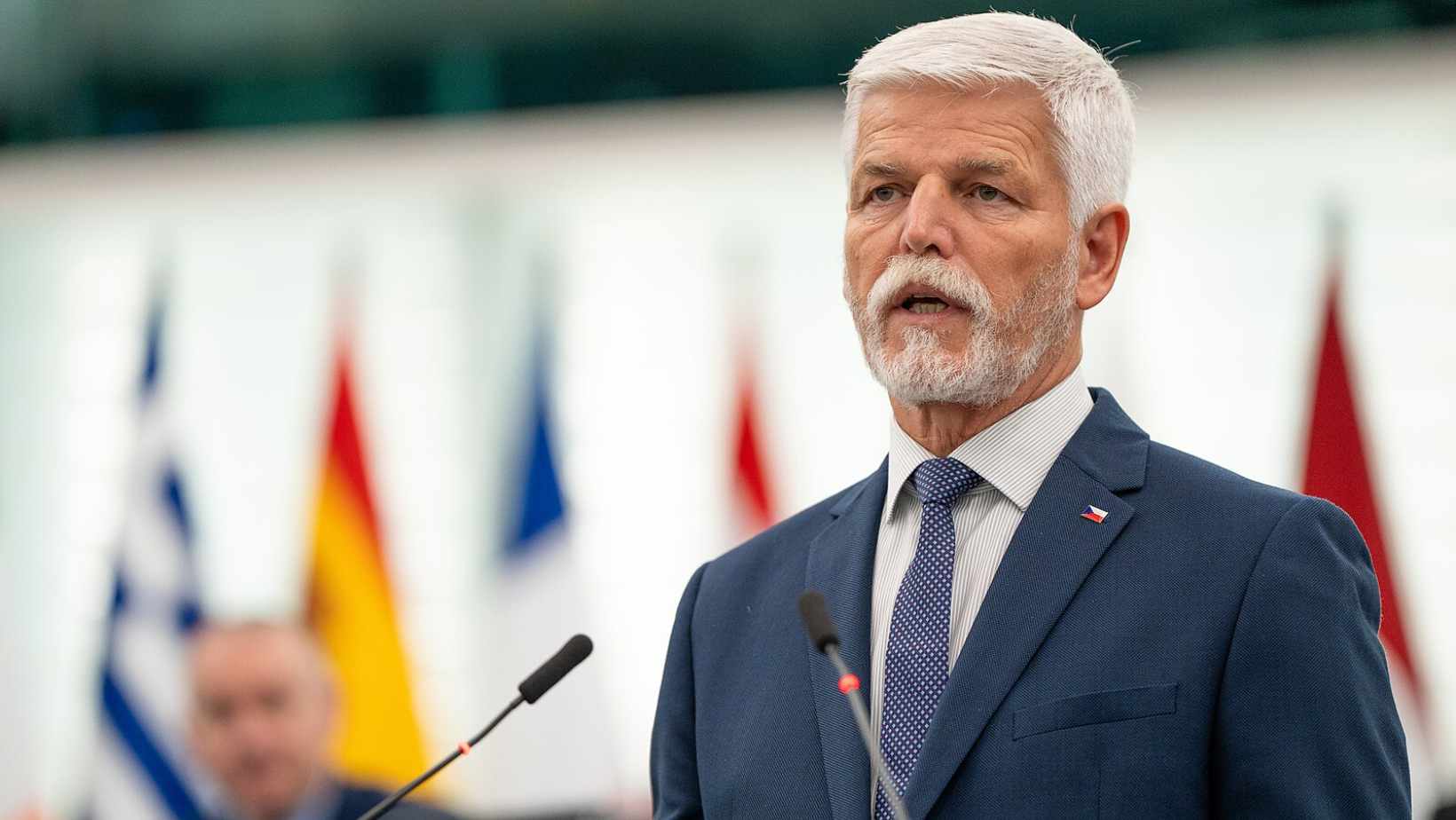
In an interview with The New York Times (NYT) published on Monday, Czech President Petr Pavel said that Ukraine must be realistic about its war objectives and accept that some territory may remain, at least temporarily, under Russian occupation. Pavel, described by the NYT as one of Ukraine’s strongest supporters against Russian aggression, stressed that Ukrainians and their allies need to face what he called “reality.” “The most likely outcome of the war (…) is that part of Ukrainian territory will be temporarily under Russian control,” Pavel stated during his visit to the United States. He noted that there are “many examples” of territories held by Moscow on a temporary basis. Maximalist Goals Unattainable Pavel argued that neither side—Ukraine nor Russia—will achieve their maximalist goals. “Talking about the defeat of Ukraine or Russia is unrealistic,” he said, adding, “the resolution will lie somewhere in between.” His comments were echoed by Czech Foreign Minister Jan Lipavský (Pirate Party), who admitted that Ukraine is currently unable to reclaim all its lost territory. “That’s the reality we see,” he stated. However, Lipavský clarified that this doesn’t mean Ukraine should be pressured into ceding territory to Russia, thereby legitimizing the aggressor’s claims. Ukraine’s Future...
Czech Deputy Prime Minister Ivan Bartoš has stepped down as leader of the Pirate Party following a significant electoral defeat over the weekend. The Pirate Party managed to secure only three regional council seats, a steep drop from its previous 99, as the opposition ANO movement, led by former prime minister Andrej Babiš, dominated the elections, winning in 10 out of 13 regions. “Given the outcome of the regional and senate elections, the leadership of the Pirate Party is collectively resigning,” Bartoš announced in a social media statement on Sunday. In addition to Bartoš, other high-profile resignations include vice-chair Klára Kocmanová, MEP Markéta Gregorová, and municipal representative Dominika Poživilová Michailidu. Jana Holomčík Leitnerová, another vice-chair of the party, had already announced her resignation, set to take effect by the end of September. The party plans to elect a new leadership team on November 9. These resignations signal a significant shift not only for the Pirate Party but also for the Czech political scene. Despite the party’s focus on anti-corruption and digital governance, its popularity has waned, reflecting a broader trend of declining support for progressive parties across Europe. “I’m proud of what we’ve achieved, but it’s clear the party needs...
Don’t have an account? Register
Already have an account? Log In
How Would You Like to Promote Your Business? PR ArticleDisplay bannersVideo productionNewsletter adsJob ListingsInfluencer Marketing
Your Email
We will come back to you within 24 hours with our proporsal