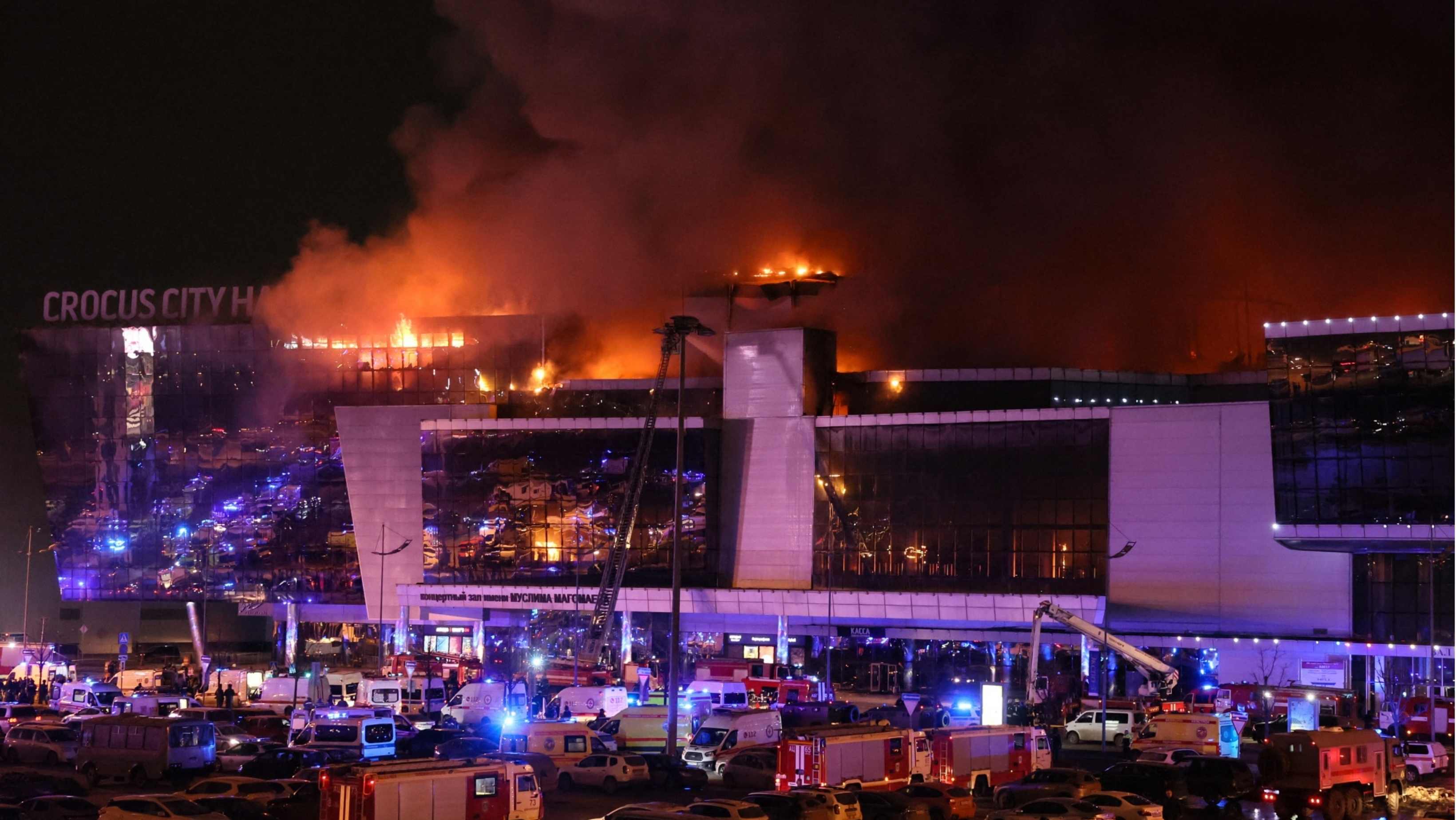
The Czech Foreign Ministry has condemned the terrorist attack in Krasnogorsk, near Moscow, in which 140 people were killed and more than 100 injured. “The Czech Republic condemns the terrorist attack near Moscow. The attack on the civilian population is unacceptable. Our condolences to the families of the victims,” the ministry said on social networks. Words of condemnation have also come from the Czech Interior Ministry. “A terrorist attack on defenseless civilians is unjustifiable under any circumstances. My condolences to the families and loved ones of all the victims of today’s shocking violence in Krasnogorsk,” Interior Minister Vít Rakušan wrote on the X network shortly after the news broke. What happened Gunmen in combat fatigues opened fire and detonated explosives at Moscow’s Crocus City Hall killing at least 140 people and injuring 100 in a brazen attack claimed by the ISIL (ISIS) group. At least five camouflage-clad gunmen with automatic weapons burst into the packed concert hall in the Russian capital’s western suburbs on Friday night as the audience was gathering to watch the veteran rock band Picnic, shooting into the crowd and setting off explosives that started a massive fire. ISIL, the hardline group that once sought control over...
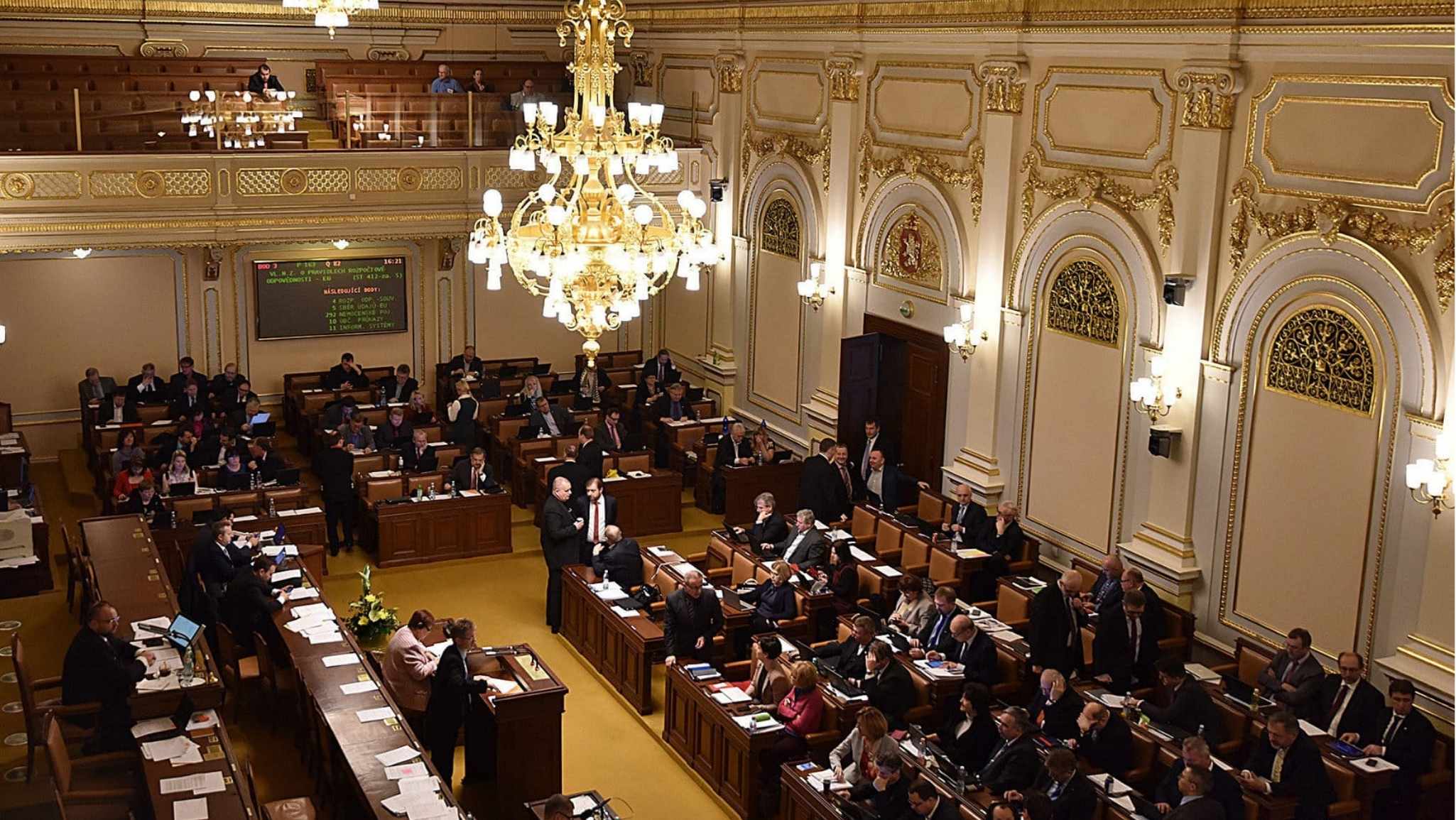
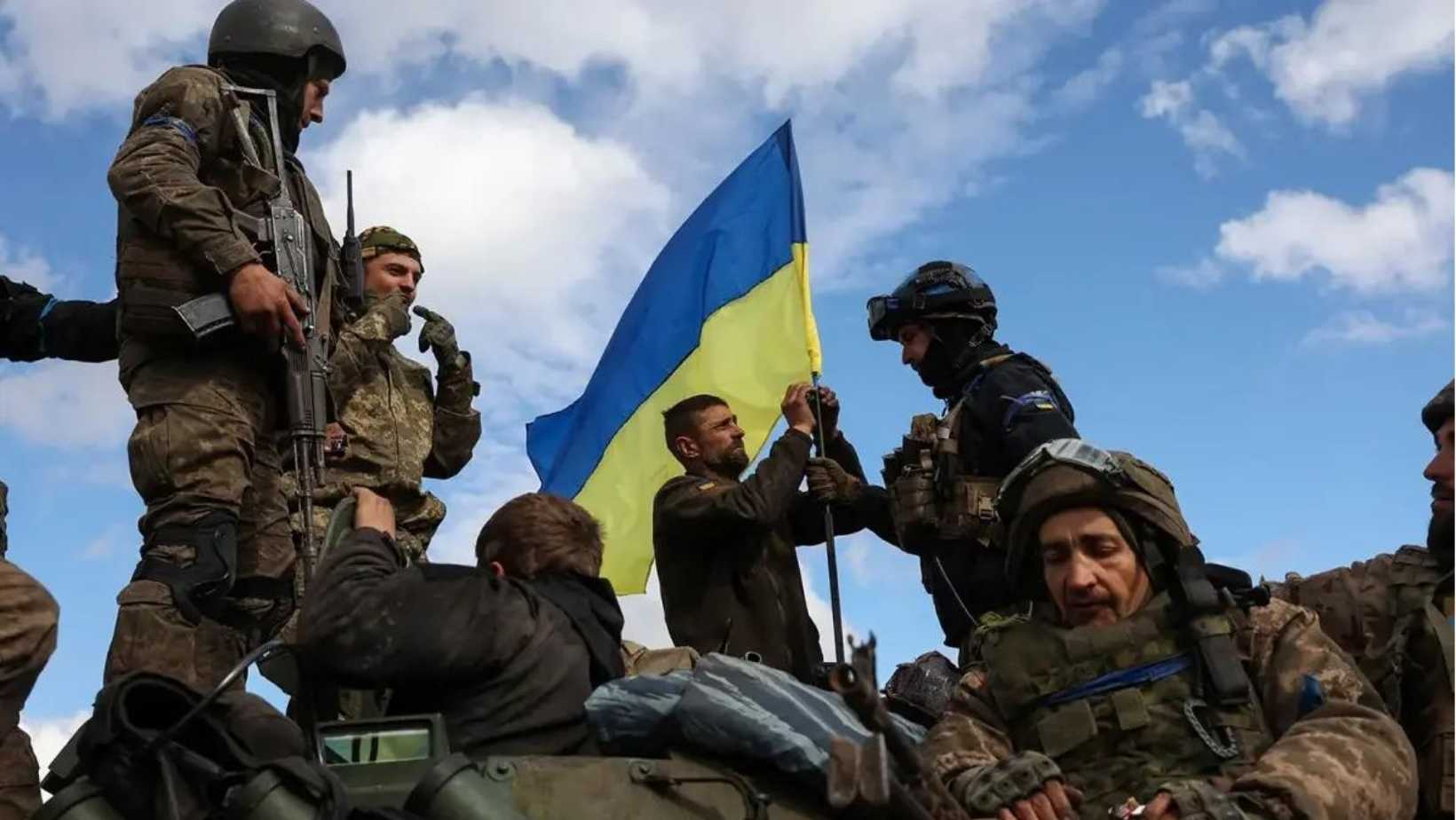
The lower chamber of the Czech Parliament, the House of Deputies, now officially defines Russia as Czechia’s main security threat and declares the need for continued support for Ukraine. “The current terrorist regime in Russia, with its expansiveness and efforts to expand its sphere of influence on Ukraine and other European nations, accompanied by war crimes, poses the greatest security threat to the Czech Republic; therefore, it is in the fundamental interest of the Czech Republic that Putin’s war against Ukraine sees no success, that Ukraine defends and restores its territorial integrity within internationally recognized borders, and that the Russian regime is effectively deterred from further aggression against Europe,” reads the resolution adopted on March 21. The resolution was developed by the ruling coalition and received the support of 84 lawmakers with a minimum threshold of 72 votes. “Stopping the supply of military equipment would lead to the conquest and devastation of Ukraine by the Russian terrorist regime and the encouragement of this regime to further conquests against European states,” the resolution adds. The House of Deputies also agreed that the government must continue to increase Czechia’s defense capability and fulfill its obligations to NATO, meaning contributing 2% of GDP...
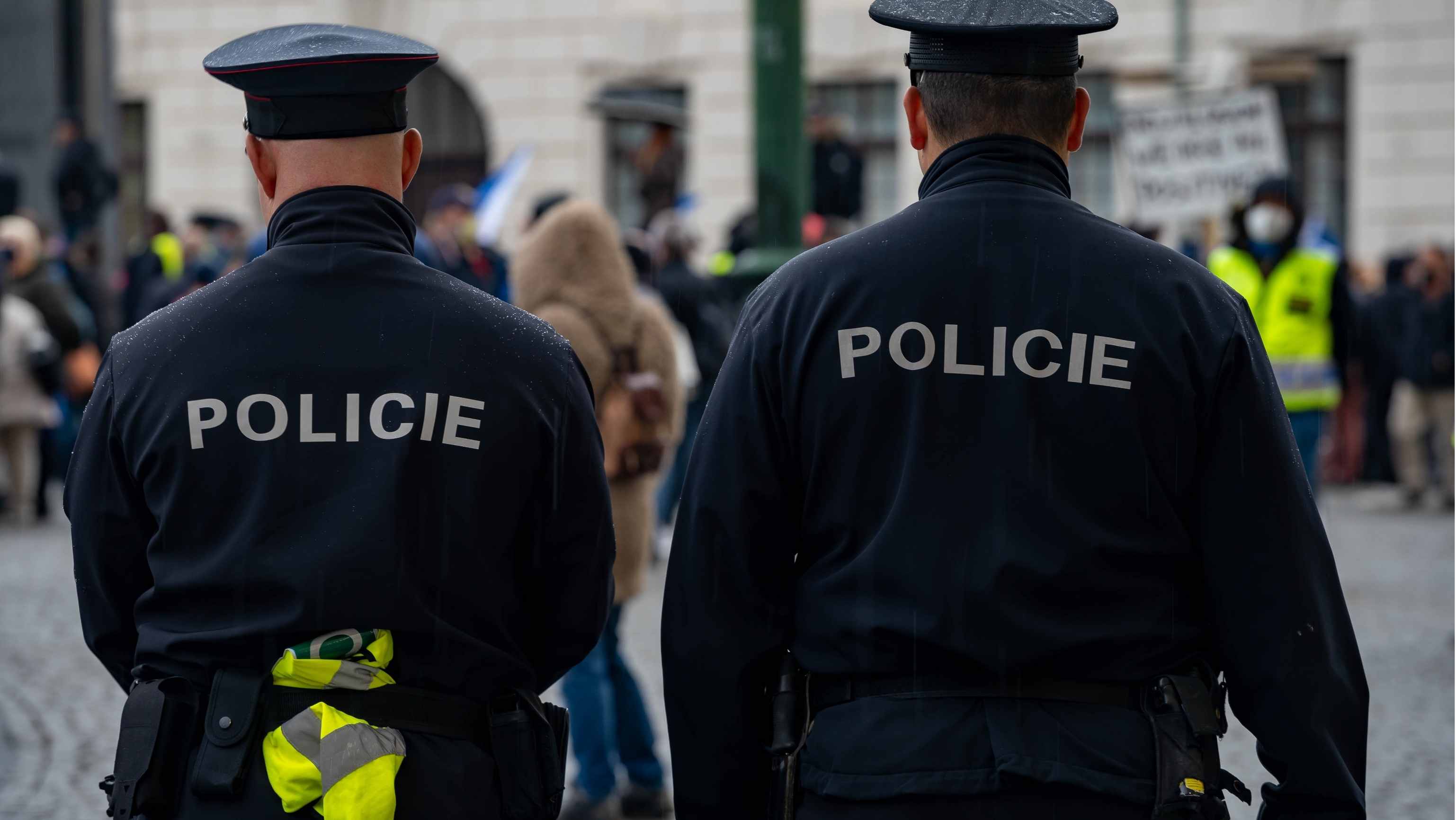
Czechia wants to make it possible for other European Union citizens to become members of the police and other security forces. The proposal to make this change has been put forward by the Ministry of Interior of Czechia, with the aim of diversifying the police and security forces members. However, not everyone is eligible to apply. In line with the proposal, only EU/EEA citizens who have been legally residing in Czechia for a minimum period of three years and who are proficient in the Czech language will be eligible to apply to become police and other security officers members. Citizens of other EU and EEA countries will also be able to become members of the security forces if they have lived in the Czech Republic for at least three years and speak the Czech language. However, the Ministry has emphasized that the change in the rules will not extend to intelligence services. This is because the country wants to maintain strict requirements for these roles, Česká Justice explains. In case the proposal is approved, the applicants need to prove that they have no criminal records in their country of origin. The aim of the amendment is to modernize the law,...
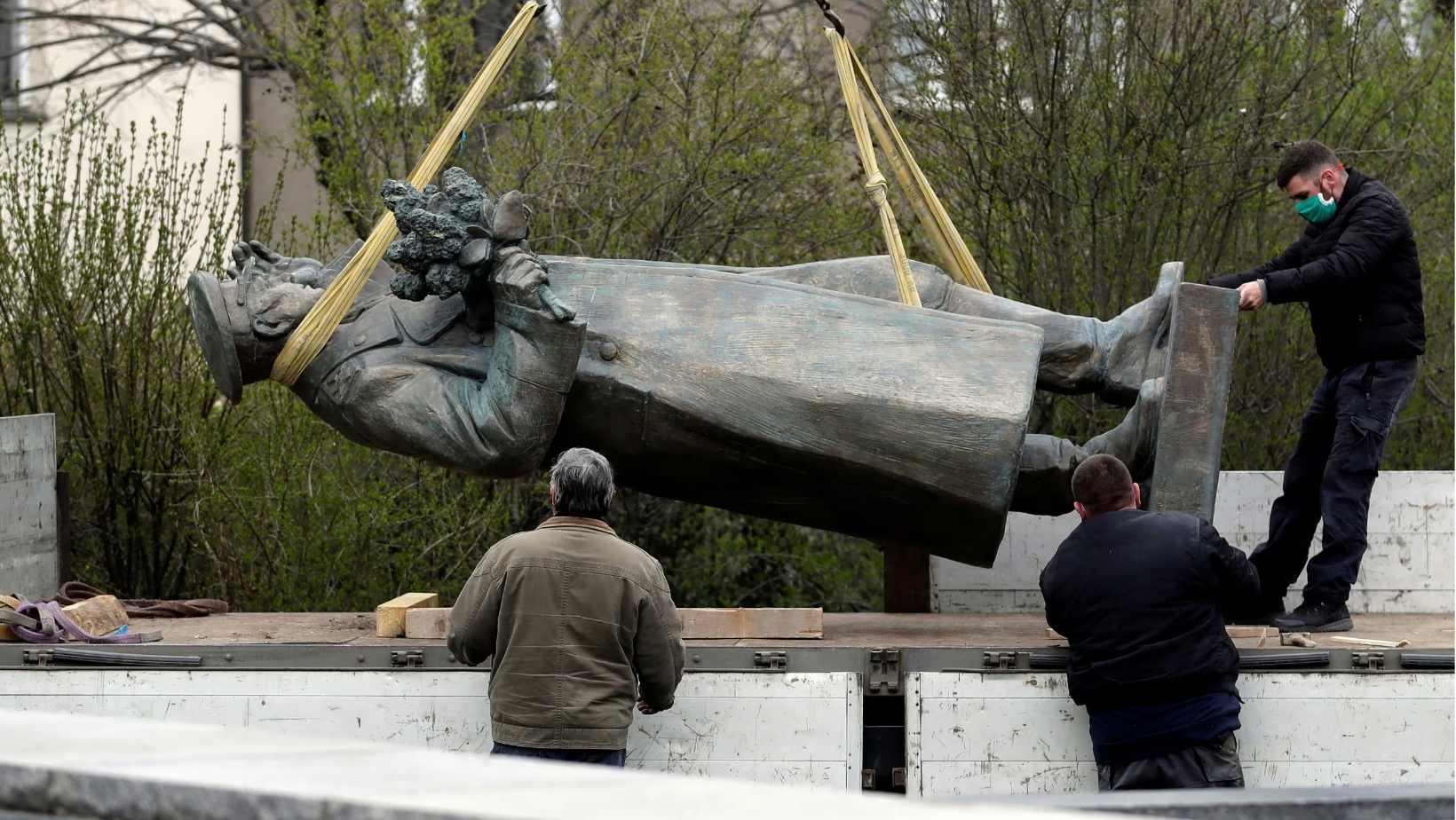
Russia is initiating criminal prosecutions against over 50 politicians from the Czech Republic, Poland, Lithuania, Latvia, and Estonia for the removal of Soviet-era monuments. Among those targeted are Prague 6 Mayor Jakub Stárek and predecessor Ondřej Kolář for removing a statue of Soviet Marshal Ivan Konev. Mr. Kolář said he was “in good company and that the news had motivated him to continue his work”. He headed the district when a monument to Soviet commander Ivan Konev was taken down in 2020. Russian law provides for up to five years in prison but Czech officials condemn the prosecutions as “unenforceable”. Konev is regarded as a hero in Russia for retaking much of Eastern Europe from Nazi German forces during World War II. But many Czechs view him an enforcer of Soviet rule after the war. He led the Soviet troops that entered Prague after it had been liberated from the Nazis by resistance forces. But he also commanded the troops that crushed the 1956 anti-Soviet uprising in Hungary and helped build the Berlin Wall. Some historians say Konev also participated in planning the 1968 Soviet-led invasion of Czechoslovakia. President Vladimir Putin has accused Russia’s detractors of diminishing the Soviet war...
Ammunition bought in non-EU countries under the Czech initiative could reach Ukrainian battlefields as early as June, Tomas Pojar, the Czech national security adviser and the prime minister’s advisor, said on Tuesday. In February, the Czech Republic proposed to buy ammunition for Ukraine from third countries in response to the EU’s lack of ammunition production capacity. Since then, it has received support from several European countries willing to finance the purchases. “The purpose of our initiative is to source ammunition on world markets, arrange financing and coordinate delivery to Ukraine,” Czech Prime Minister Petr Fiala said on Tuesday (12 March) at the conference ‘Our Security Cannot Be Taken for Granted,’ organised to mark the 25th anniversary of Czech NATO membership. So far, over 15 countries have pledged funding for the ammunition. These include Belgium, the Netherlands, Germany, France and Norway, as well as non-European allies such as Canada. While the Czech Republic identifies available ammunition worldwide, other countries provide the necessary funding. The Czech Republic will then coordinate delivery to Ukrainian battlefields. According to Fiala, the purchase of 300,000 rounds has been confirmed and a further 200,000 have been pledged. The aim is to deliver the ammunition to Ukraine this...
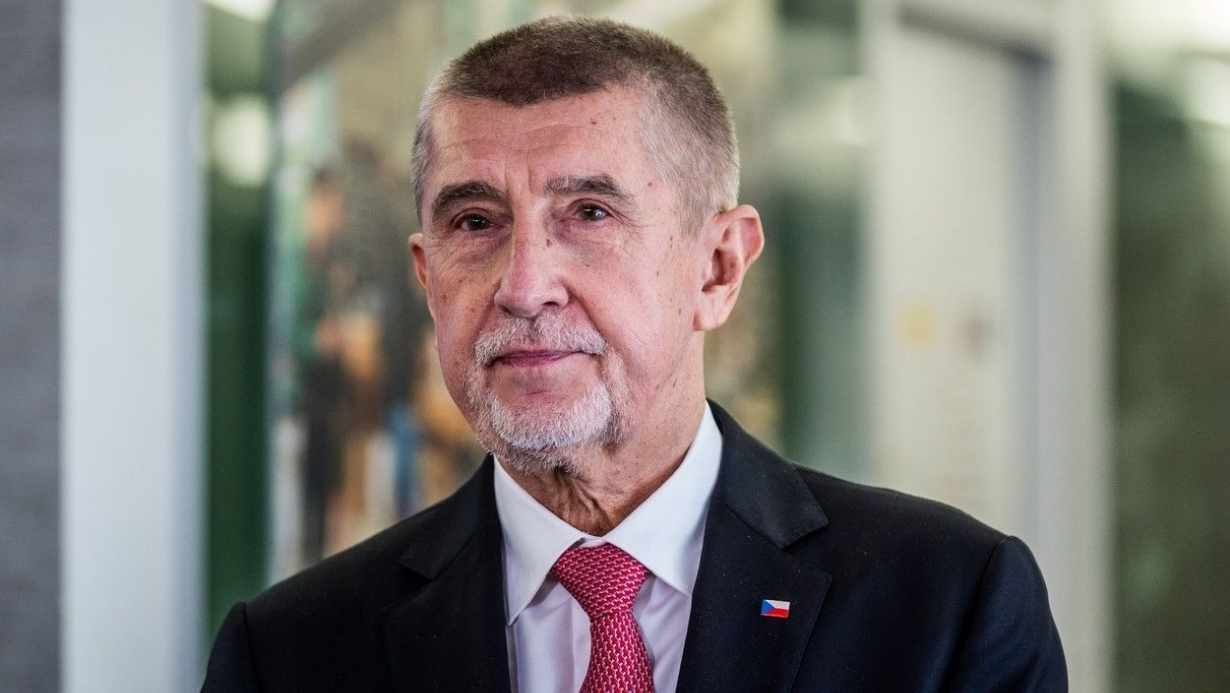
Always double-check your recipient before you hit that “send” button. That’s a lesson former Czech Prime Minister Andrej Babiš is digesting today after his request that an aide dig up dirt on Czech Foreign Minister Jan Lipavský went public. “Give me some topics, some background on this motherfucker [Lipavský],” Babiš wrote in a chaotic email that he intended to send to his adviser, Jan Rovenský, with several people from his ANO party copied in. “Write me the Israel story, how he turned his back on our people, how he went to Doha, how he goes everywhere, campaigning, mail-in voting.” Lipavský had called Babiš “a security risk” during a March 10 talk show on the ČT public broadcaster. Babiš’ mail also contained mentions of Lipavský’s daughter and a wife. “Does he have kids? Does he speak languages?” the sender asked. Unfortunately for the former PM, there’s another Jan Rovenský in Czech public life — an ecological activist, who was not best pleased to receive the communication. “It’s not the first time that Andrej Babiš has accidentally sent me an email, apparently addressed to my namesake, who is his spin doctor,” Rovenský wrote on Facebook. “I never published any of them. I...
Together with Poland and Hungary, the Czech Republic joined NATO on March 12, 1999. The anniversary will also be commemorated by a flypast of fighter jets over Prague. The admission of three former Eastern Bloc countries to the Alliance confirmed the definitive end of the Cold War in Europe. The documents were signed by Secretary of State Madeleine Albright for the United States, by Foreign Minister Jan Kavan for the Czech Republic, by Foreign Minister János Martonyi for Hungary, and by Foreign Minister Bronisław Geremek for Poland. It signaled further waves of NATO enlargement that brought stability, and for new members a freedom for their own social and economic development leading towards European integration. It came less than a decade after the end of the communist regimes in Eastern Europe and the fall of the Berlin Wall, and less than 8 years after the Soviet-dominated Warsaw Pact was formally dissolved on July 1, 1991. Slovakia, the fourth member of the Visegrad Group, joined NATO in the fifth enlargement of the Alliance, on March 29, 2004, together with other Eastern European states (which have also been EU members for years now) – Bulgaria, Estonia, Latvia, Lithuania, Romania, and Slovenia. Exactly twenty-five...
The Czech Republic’s consumer price inflation eased more-than-expected in February to the lowest level in more than five years, largely due to a decline in food costs, data from the Czech Statistical Office showed on Monday. Consumer prices climbed 2.0 percent year-over-year in February, slower than the 2.3 percent rise in January. Economists had expected inflation to moderate slightly to 2.2 percent. Further, this was the weakest inflation since December 2018, when prices had risen by the same 2.0 percent. Prices for food and non-alcoholic beverages dropped 4.8 percent annually in February. Clothing and footwear charges were 5.8 percent more expensive in February, slightly below the 5.9 percent surge in January. Meanwhile, transport charges rose at a faster pace of 1.1 percent versus a 0.4 percent increase a month ago. On a monthly basis, consumer prices moved up 0.3 percent in February, versus an expected increase of 0.4 percent. Year-on-year inflation has been gradually decreasing over the last year, with the exception of October when it rose again slightly. Last February, inflation was at 16.7 percent.
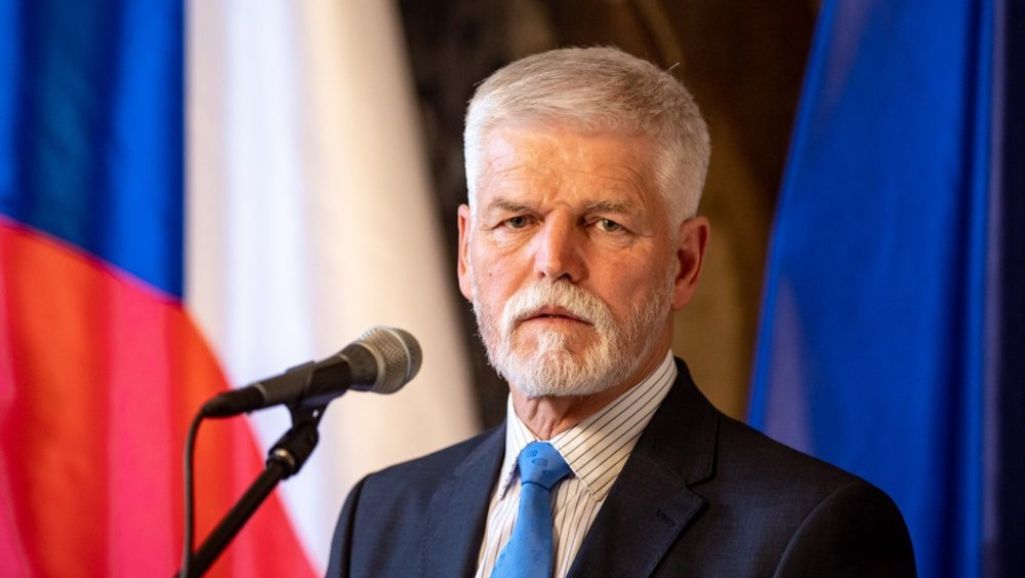
NATO troops could carry out support activities directly on Ukrainian territory as this would not violate any international rules, Czech President Petr Pavel said in an interview for Czech Television. Pavel’s comments about further support for Ukraine during his interview on Friday came just days after he met with French President Emmanuel Macron, who recently broached the subject of sending Western troops to Ukraine. According to Pavel, there must be a clear distinction between deploying combat troops and possibly involving troops in some “support” activities with which NATO already has experience. “It should be remembered that after the annexation of Crimea and the occupation of part of Donbas, which was essentially an aggression, albeit on a much smaller scale than today, a NATO training mission was operating on Ukrainian territory, which at one time included more than 15 countries and numbered around 1,000 people,” Pavel, the former head of NATO’s Military Committee, recalled. “From the point of view of international law and the UN Charter, there would be nothing to prevent NATO member states’ troops – as well as civilians, for example – from assisting in the work in Ukraine,” Pavel stressed. Asked whether he would support the involvement of...
Despite a slight rise in the number of unemployed people, the Czech Republic’s unemployment rate stayed unchanged at 4% in February compared to January, according to data released by the Czech Labor Office. While the number of unemployed individuals increased slightly by 561 to 296,107, job vacancies also went up by 1,796 to 268,579. However, analysts warn of a potential economic slowdown due to a decrease in job vacancies compared to the previous year. “The decline in job vacancies suggests a drop in demand across various sectors,” noted Miroslav Novák, an analyst at Akcenta. Despite this concern, experts predict the unemployment rate will remain below 4% for the rest of 2024. They attribute this to cautious employers and a generally positive economic outlook. Ústí nad Labem Region has the highest unemployment rate at 6%, while Prague boasts the lowest at 2.9%. Most job openings require basic education levels, and around two-thirds are suitable for foreign candidates. Prague leads in job demand, offering nearly 80,000 vacancies. On International Women’s Day, the gender gap in the labor market came into focus. Analysts highlighted the higher unemployment rate faced by women compared to men. Martin Jánský, General Manager of Randstad Czech Republic, emphasized...
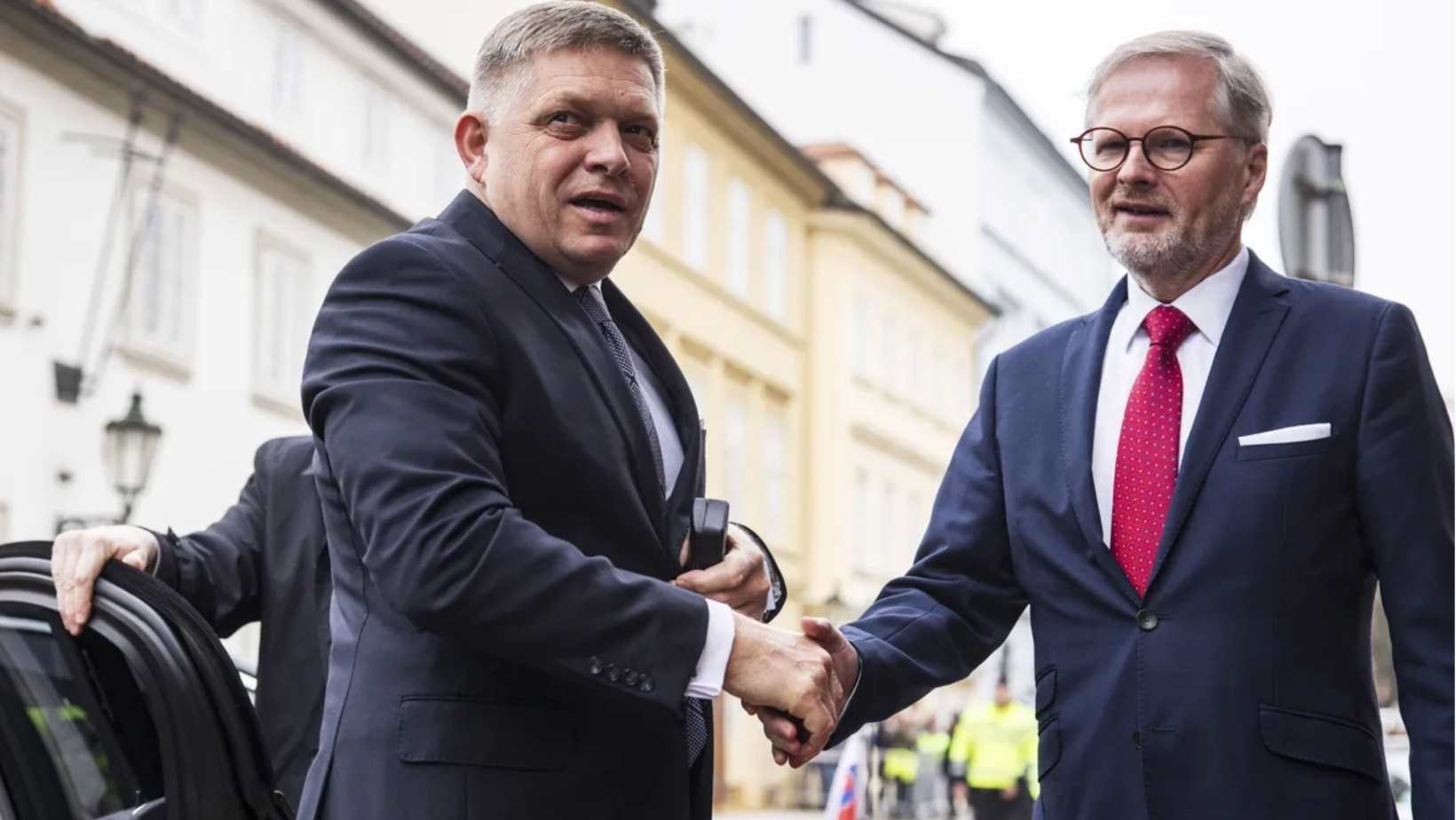
Slovak Prime Minister Robert Fico on March 6 accused Prague of “endangering” Czech-Slovak relations by “supporting the war in Ukraine” while Bratislava “talks about peace.” Fico made the statement in reaction to Czech Prime Minister Petr Fiala’s decision to postpone consultations between the two countries that were planned for April. Fiala justified this by “different opinions on key foreign policy issues.” “We acknowledge that the Czech government decided to endanger (our relations) because it wants to support the war in Ukraine, while the Slovak government openly talks about peace,” Fico said in a video published on his official Facebook page. Initially supporting Ukraine on military and political levels, Slovakia’s foreign policy took a sharp turn after populist leader Fico won the parliamentary elections last September while running on a Ukraine-skeptic platform. Under Fico’s leadership, Bratislava’s foreign policy took a more amicable position toward Russia, mirroring the stances of Hungarian Prime Minister Viktor Orban while growing further apart from other partners like Czechia. “Our partners on the other side of the world understand that Europe’s security affects the security of the whole world, which is why I’m sorry that our Slovak colleagues don’t share this perspective,” Czech Foreign Minister Jan Lipavsky...
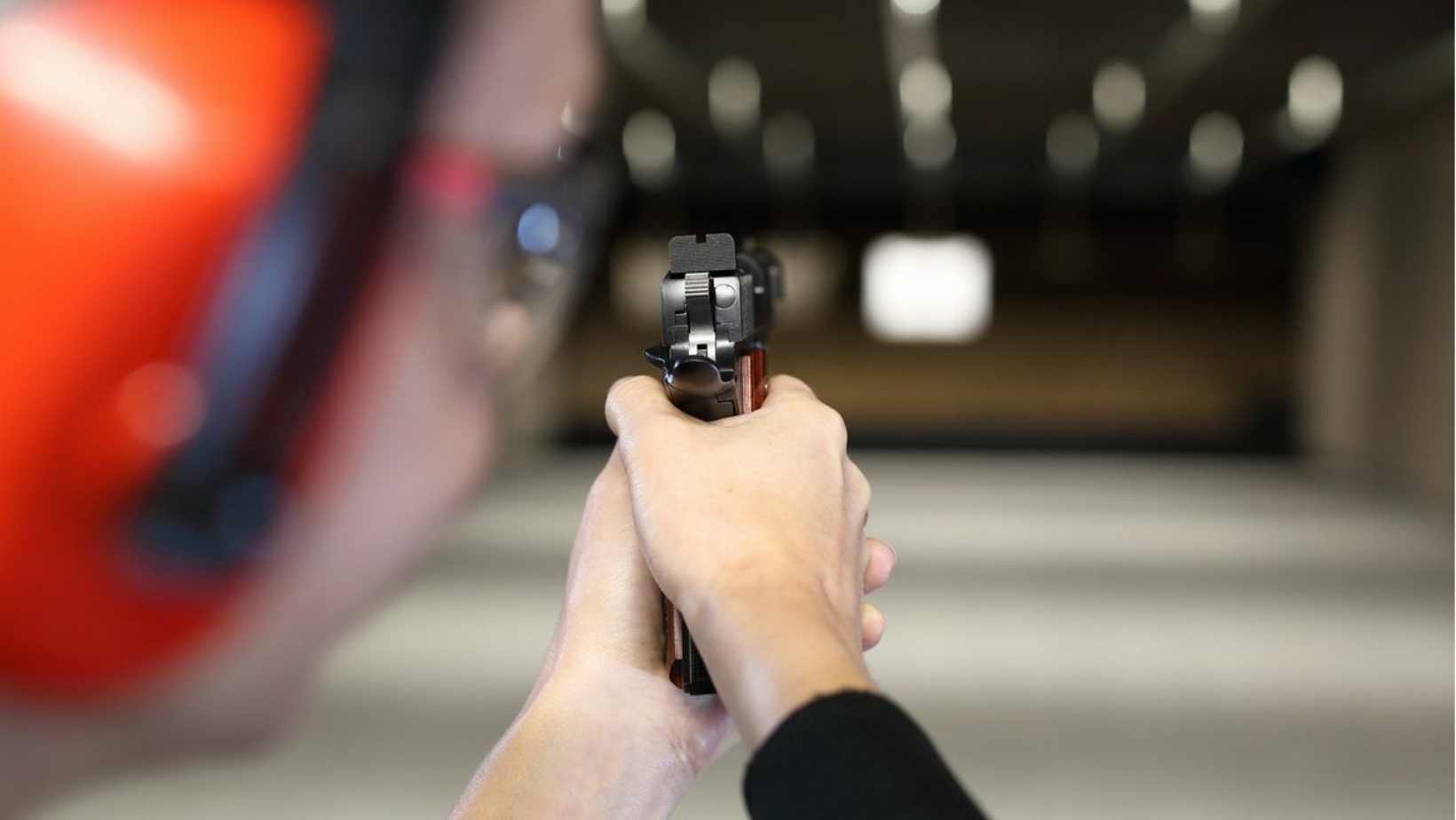
The Czech Parliament’s upper house, the Senate followed the lower house on Wednesday to approve changes in the gun law that tighten requirements for owning a weapon following the worst mass killing in the nation’s history. The legislation now must be signed by President Petr Pavel before becoming law, which is expected. On Dec. 22, a lone shooter killed 14 people and wounded dozens before killing himself at a Charles University building in downtown Prague. The assailant was a 24-year-old student who had a proclivity for firearms and a license to own eight guns, including two long guns. Authorities said he had no criminal record and therefore did not attract the attention of the authorities. The lower house gave the green light to the new law on Jan 26. Under the new law, gun owners would have to undergo a medical check every five years, not every 10 years, as they do now. Businesses would be required to report suspicious purchases of guns and ammunition to the police, while doctors would gain access to databases to find out if their patients are gun owners. Parliamentary debate on the legislation had already begun before that shooting. Interior Minister Vit Rakusan said...
Don’t have an account? Register
Already have an account? Log In
How Would You Like to Promote Your Business? PR ArticleDisplay bannersVideo productionNewsletter adsJob ListingsInfluencer Marketing
Your Email
We will come back to you within 24 hours with our proporsal