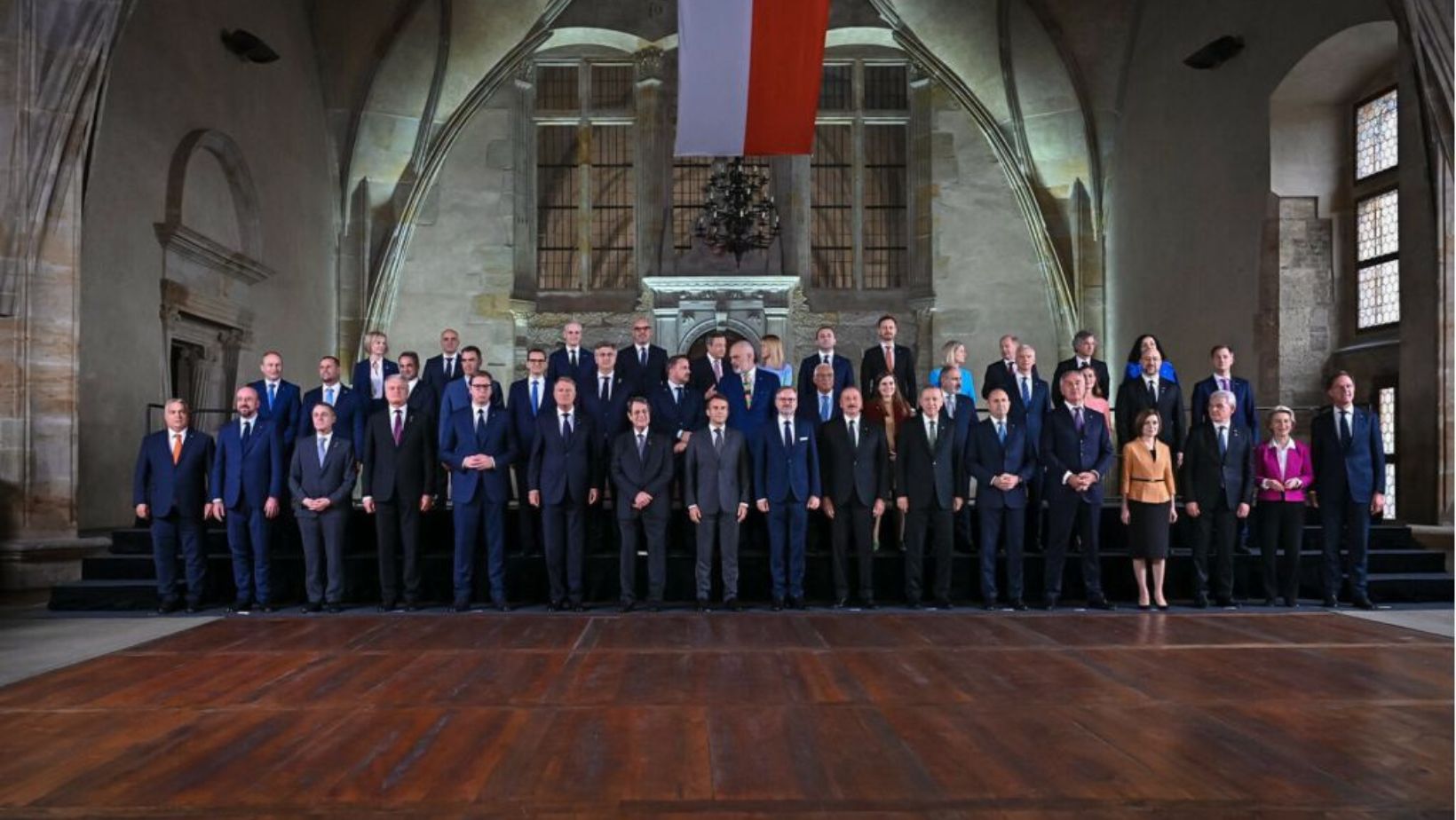
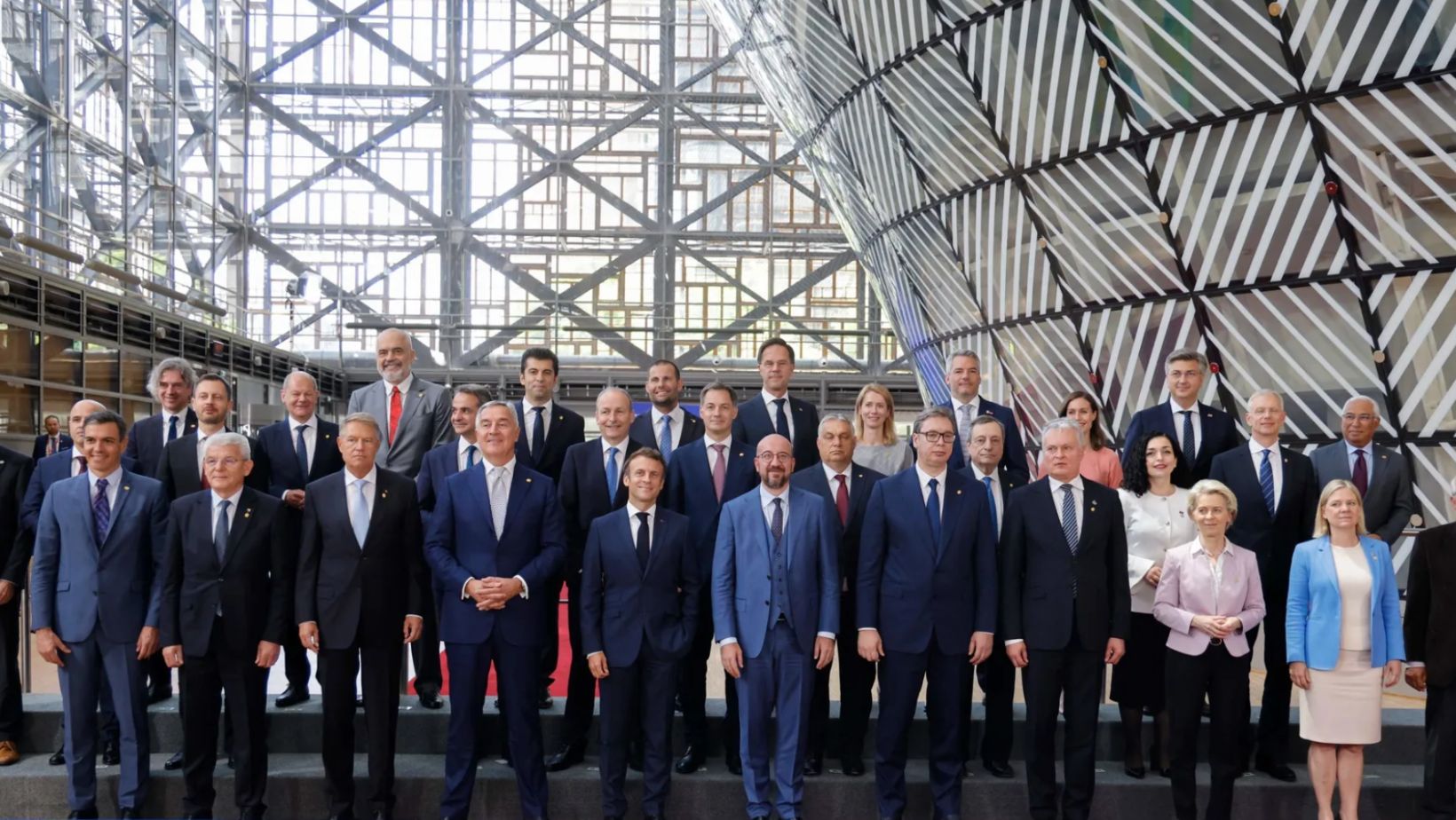
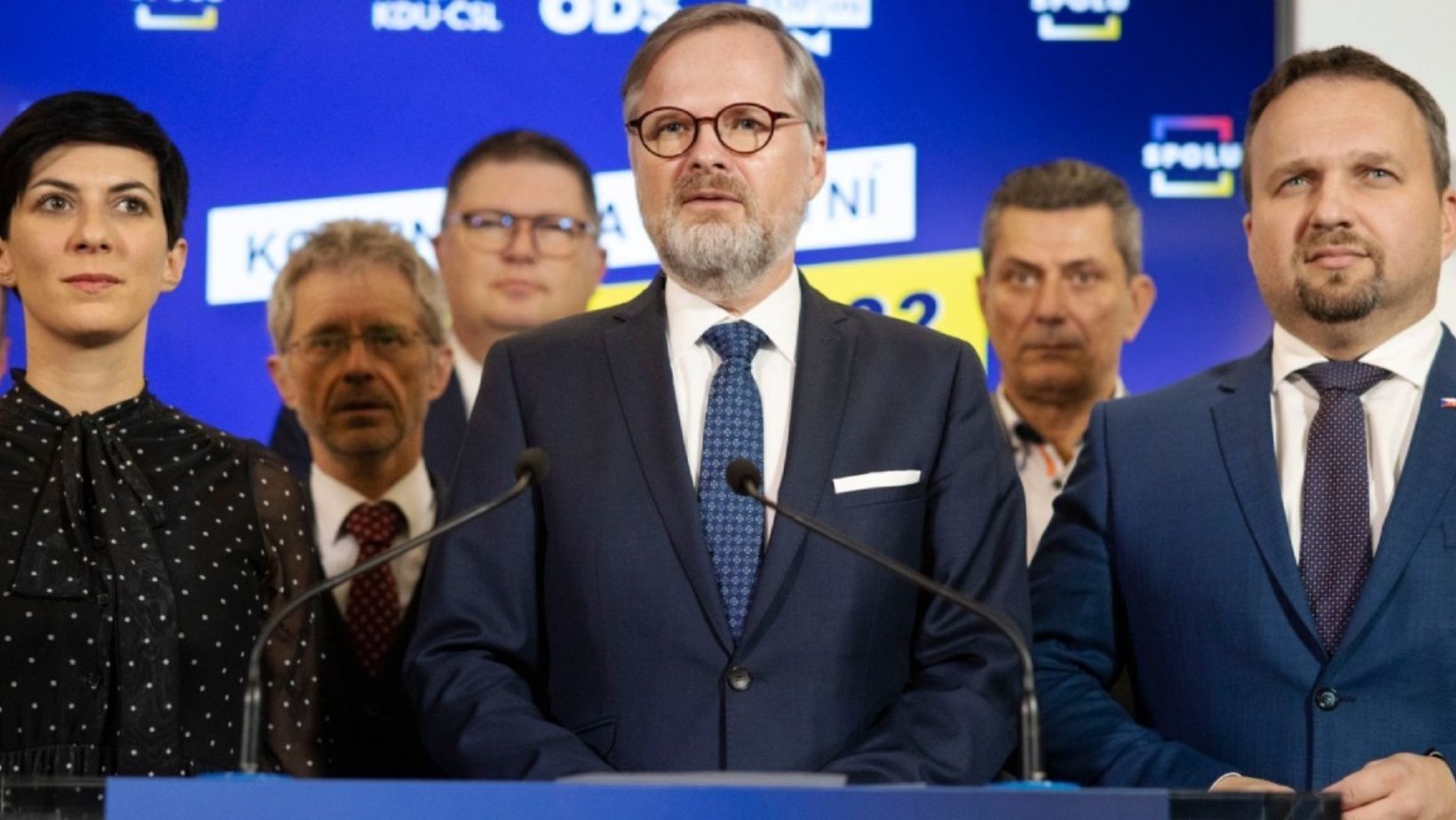
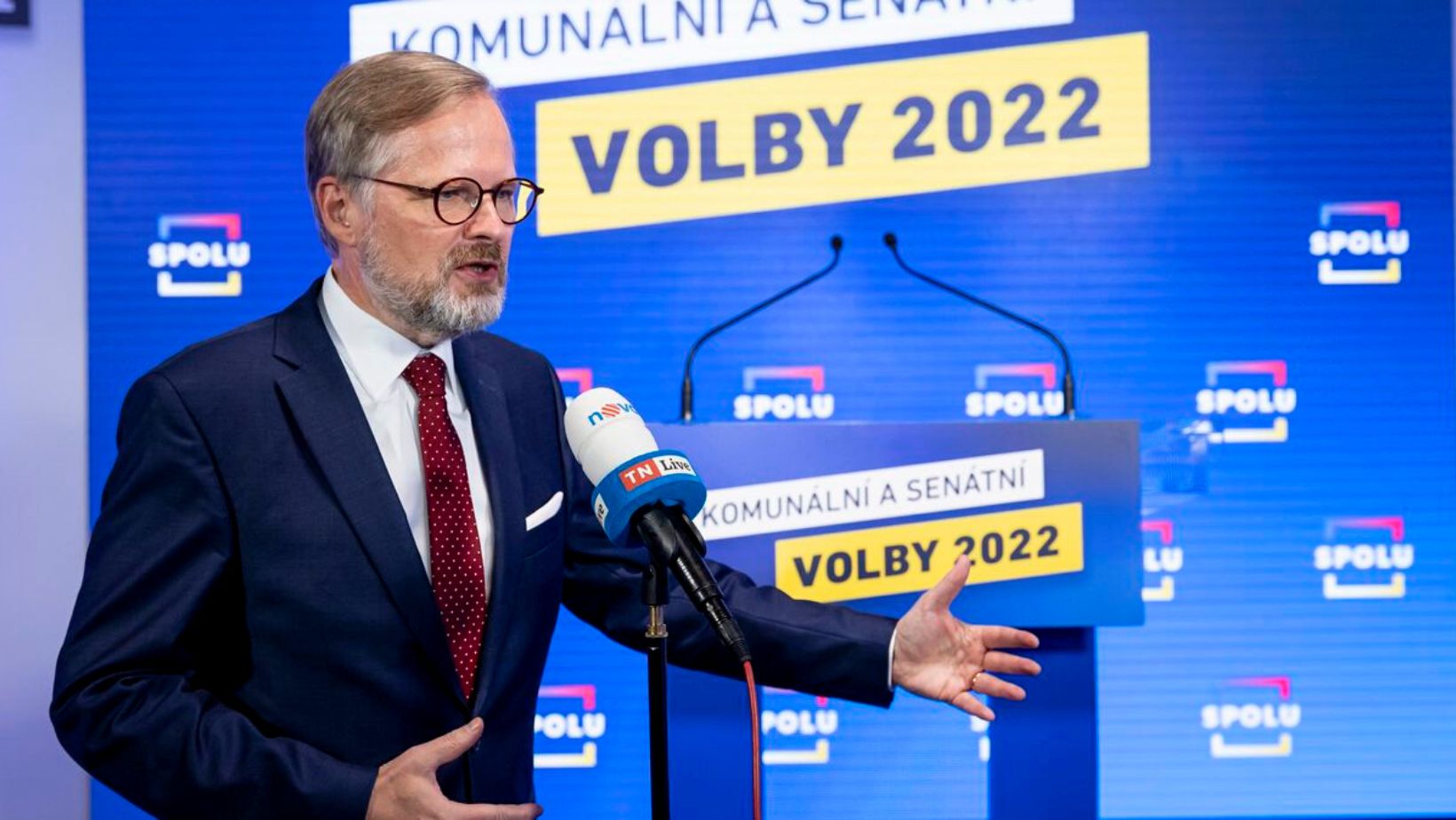
Leaders from nearly all European countries gathered in Prague, on October 6 for the inaugural meeting of the European Political Community (EPC). What’s The Purpose Of The EPC? Many, including some officials from various European countries, wondered beforehand what the point really was of this meeting. It was something of an unknown. Besides, weren’t there already enough summits, institutions, and organizations bringing the continent’s politicians together? Apparently not. Judging from the background briefings and official statements during and at the end of a day full of plenary sessions, bilaterals, and roundtables, the verdict appeared to be that the EPC indeed was a good thing and that leaders liked the “freer” format in which everyone seemed to bump into each other in the labyrinth of corridors in the Prague Castle. “An informal platform” is how the host, Czech Prime Minister Petr Fiala, described it and noted that it offered a space to discuss all sorts of pressing issues among countries that rarely meet. French President Emmanuel Macron, the driver behind the new community, called his oeuvre, “an opportunity to build a strategic intimacy in Europe.” Was Anything Really Achieved? Roughly, three things. Firstly, that it makes sense to continue. Secondly, the...
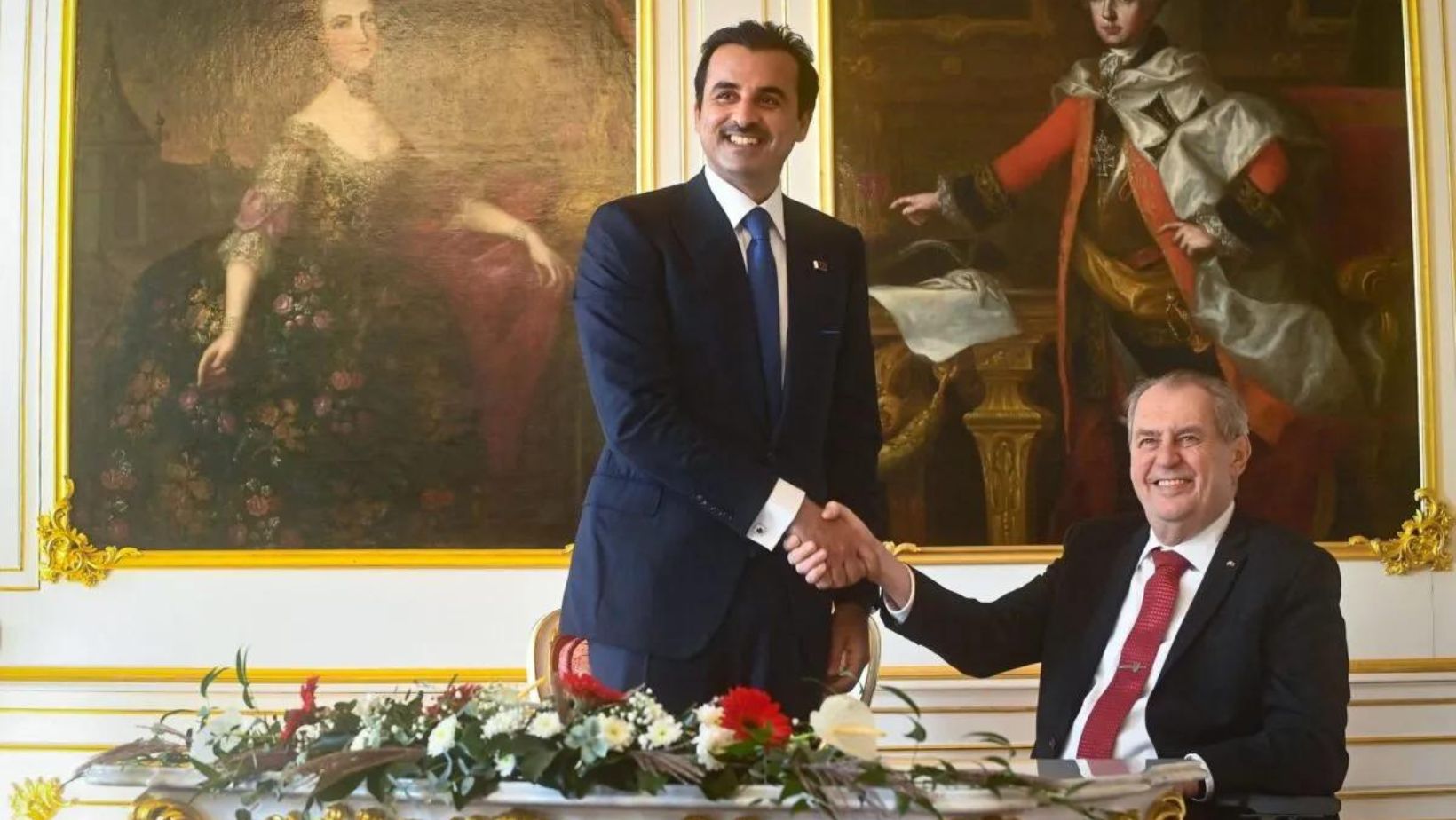
Qatar will open an embassy in the Czech Republic in the coming months, Emir Sheikh Tamim Bin Hamad Al Thani said in a joint press conference with Czech President Milos Zeman yesterday. The Czech Republic opened its embassy in Doha earlier this year. Al Thani, who is on an official visit to Prague, said he is looking forward to Zeman’s visit to Doha, which is preparing for the launch of the FIFA World Cup next month. He added that he discussed with his Czech counterpart the development of mutual economic relations. Al Thani reiterated Qatar’s clear position to resolve all disputes through dialogue and diplomacy. “As far as economic questions are concerned, we signed an agreement on economic cooperation today, as well as a letter of commitment to sign an agreement on the protection of investments after the latter is ratified by the European Commission,” President Zemen said. Al Thani ended his visit to Czechia prematurely after Brussels didn’t approve his attendance at Thursday’s summit of the European Political Community platform. According to Deník N, the sheik wanted to become an official participant in the summit and attend a gala dinner for about 50 political leaders. He reportedly left before...
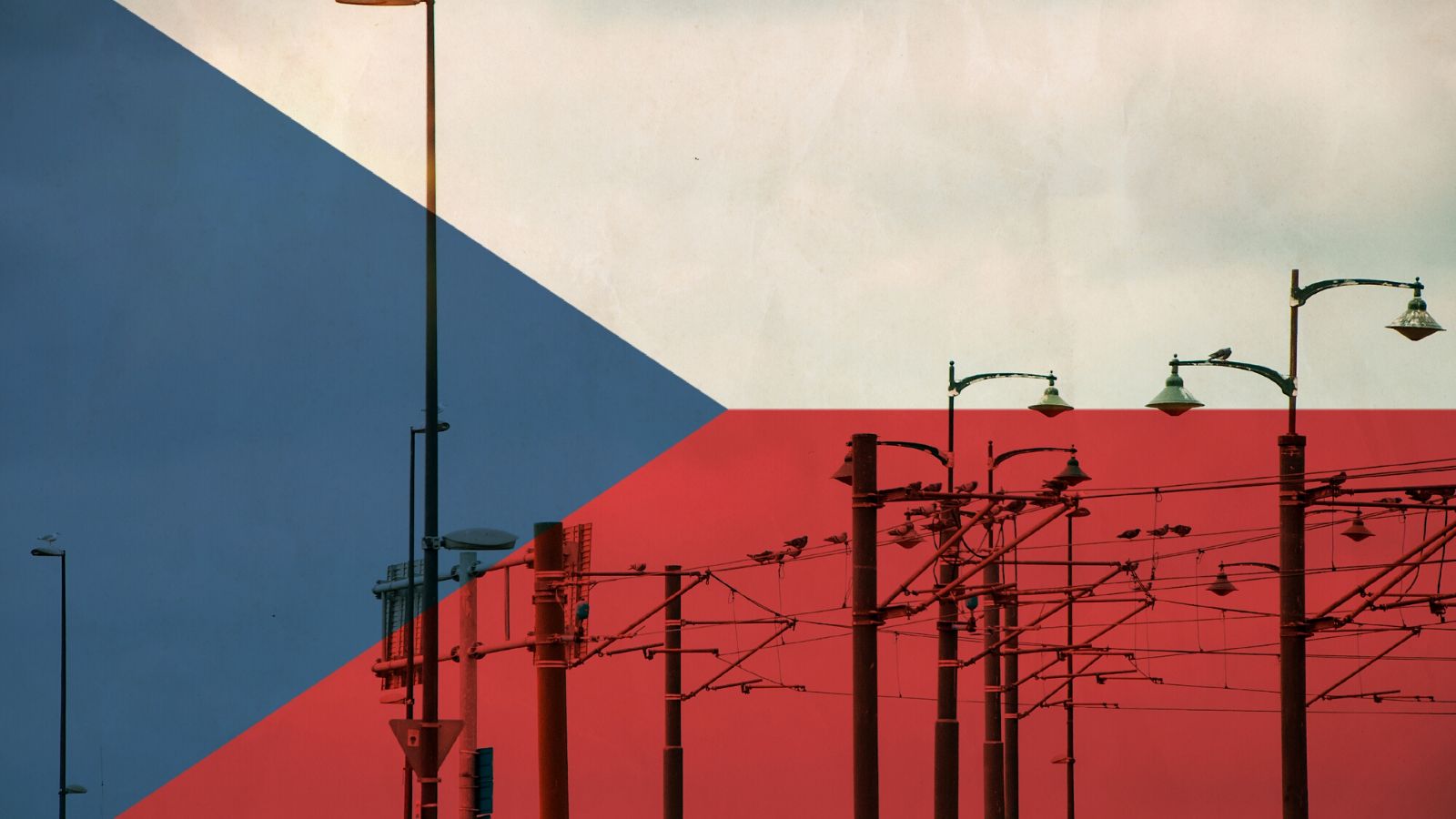
The Czech government cleared the way on Wednesday to impose caps on electricity and gas prices for households, public institutions and small companies for 2023 as the country faces soaring prices pushed higher by the war in Ukraine. The Czech Republic, like others in the European Union, has sought to shield people from soaring energy costs as gas supplies from Russia fell, driving up market prices. The Czech caps, finalised by a government order approved on Wednesday, will be set at 6 crowns per kilowatt hour of electricity and 3 crowns for gas throughout 2023, Prime Minister Petr Fiala said. The caps, first agreed by the government last month, apply also to public institutions like hospitals or schools, are in line with the government’s previous announcements. Smaller businesses will also be covered. Last month, the government agreed larger companies would draw from a 30 billion crown package, and a further 30 billion should be made available for smaller companies within a framework proposed by the European Commission. EU governments have debated a gas price cap for weeks, without reaching agreement, and the topic will be up for talks when member states’ leaders meet on Thursday and Friday in Prague for...
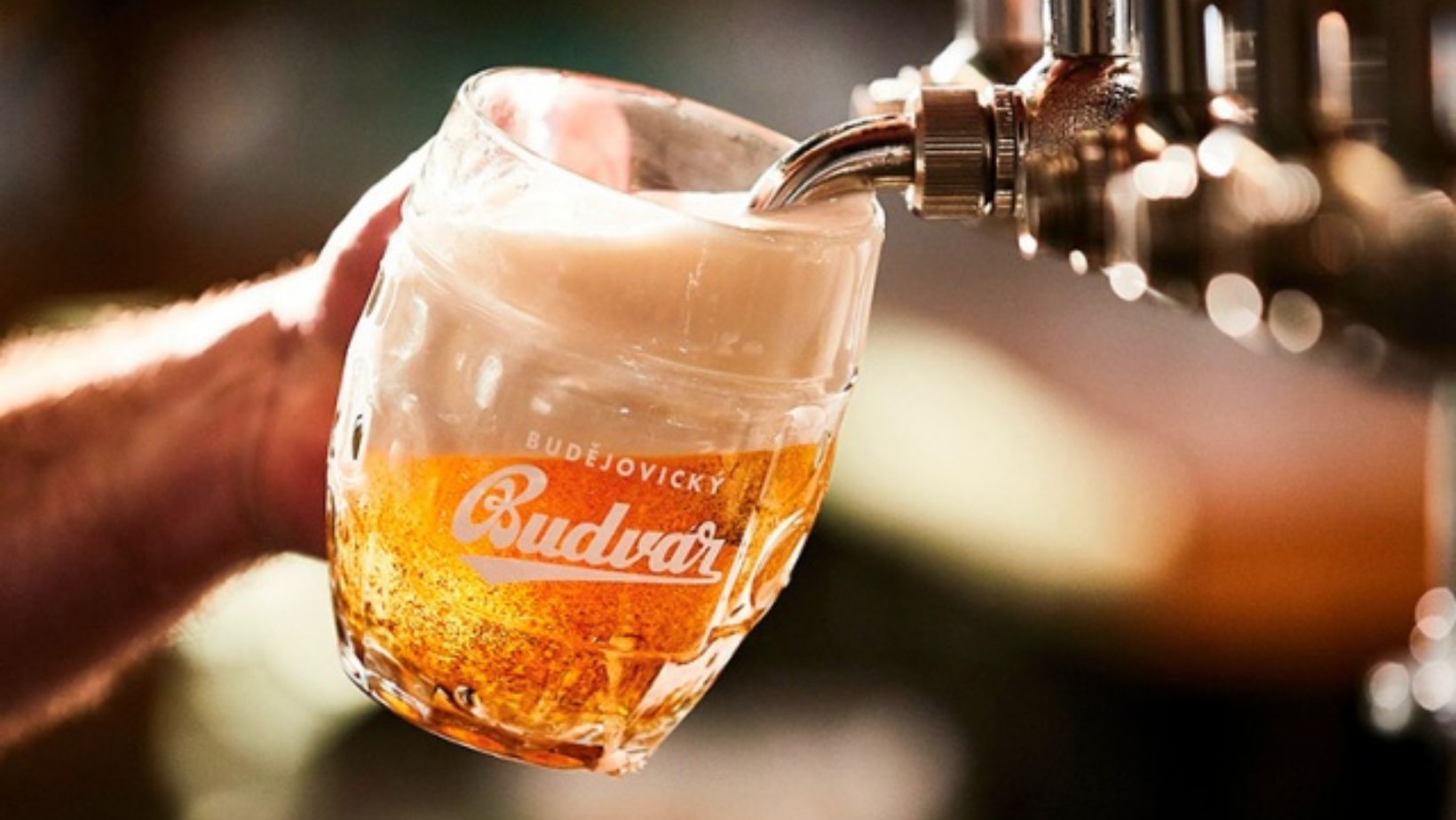
The Czech state-owned brewery, Budějovický Budvar, will raise prices for all brands of its beer, from November. The increase will average 10%. It comes after the company said its prices will rise because of “vicious” cost pressures: electricity, gas, hops, malt and packaging materials. Budějovický Budvar’s chief executive Petr Dvorak said: “These kinds of price increases and inflation, I think we have not seen in a generation.” He added that putting up prices could lead to “softer beer consumption” as drinkers reined in their spending due to soaring living costs. “Electricity has risen in price by 300%, which means tens of millions of crowns per year. The same applies to the prices of cans, bottles, cardboard boxes, packaging materials and gas. For example, we expect a larger increase in the price of malt, which is our most important expense. Reports from hop factories show a catastrophic harvest. “Although we have long-term three-year contracts, I expect that they will not be fulfilled because hops simply do not exist. Raw materials and packaging have already increased in price by more than 10%,” he added. Budějovický Budvar increased its net profit by some 10% for the second straight year as it saw record...
On Thursday 6 and Friday 7 October, the heads of state of the 27 EU Member States and the leaders of 17 European countries outside the EU will attend two meetings hosted by the Czech Presidency of the Council of the EU in Prague. The first-ever meeting of the European Political Community will take place on Thursday, followed by an informal meeting of the members of the European Council on Friday. The aim of the European Political Community is to provide a policy coordination platform for countries across the European continent. Its inaugural meeting will be held at the level of heads of state or government. The agenda for the meeting will include thematic roundtable discussions in small groups focusing on security and stability, the economy, energy and climate, in addition to the opening and closing sessions. Along with the heads of state or government of the 27 EU Member States, the meeting will be attended by the leaders of 17 European countries outside the EU. Representatives from the following non-EU countries have been invited to attend: Albania, Armenia, Azerbaijan, Bosnia and Herzegovina, Georgia, Iceland, Kosovo, Liechtenstein, Moldova, Montenegro, Northern Macedonia, Norway, Serbia, Switzerland, Turkey, Ukraine and the United Kingdom....
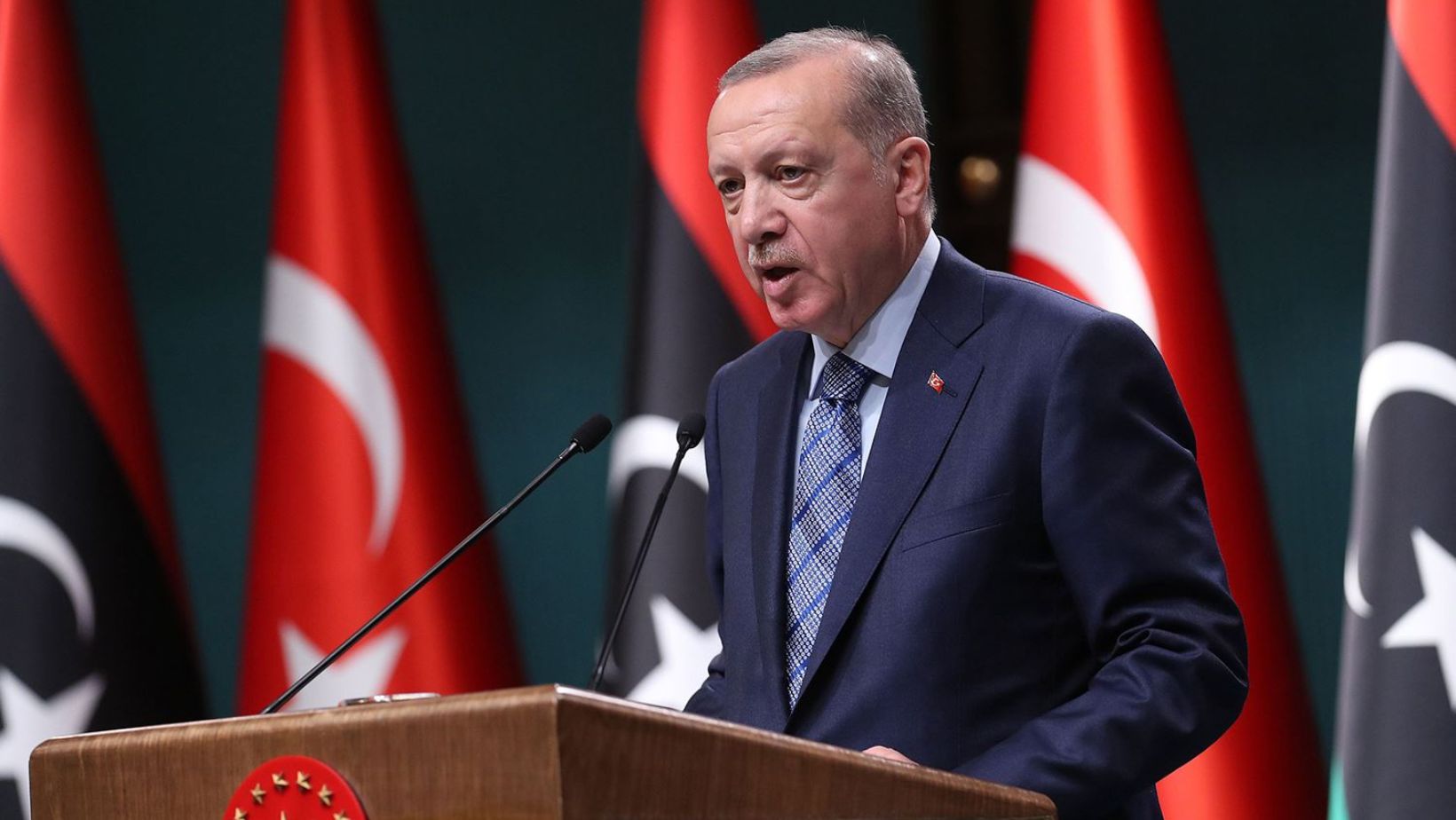
Turkish President Recep Tayyip Erdogan will attend the informal EU summit which will start in Prague on Thursday, Turkish Ambassador to the Czech Republic Egemen Bagis confirmed. EU leaders and the leaders of 17 non-EU countries, including from the UK and Ukraine, have received invitations to the two-day summit organised by the Czech EU presidency. Turkey has recently signalled via its ambassador that it would like to strengthen its relationship with the EU after years of stalemate. A meeting between Armenian Prime Minister Nikol Pashinyan and Erdogan, requested by Armenia, could take place in Prague, Bagis told Lidovky. Discussions at the summit will focus on protecting gas pipelines and critical infrastructure after the damage to the Nord Stream 1 and 2 pipelines. It is also expected to see the signing of a joint EU-NATO declaration and to present the new format of cooperation with non-EU members known as the European Political Community. The project, first proposed by French President Emmanuel Macron, aims to bring together democratic European nations that share the EU’s values and may seek to join the bloc. Those invited to the summit include the leaders of non-EU countries Armenia, Azerbaijan, Georgia, Switzerland, Norway, Kosovo and the UK. NATO Secretary-General...
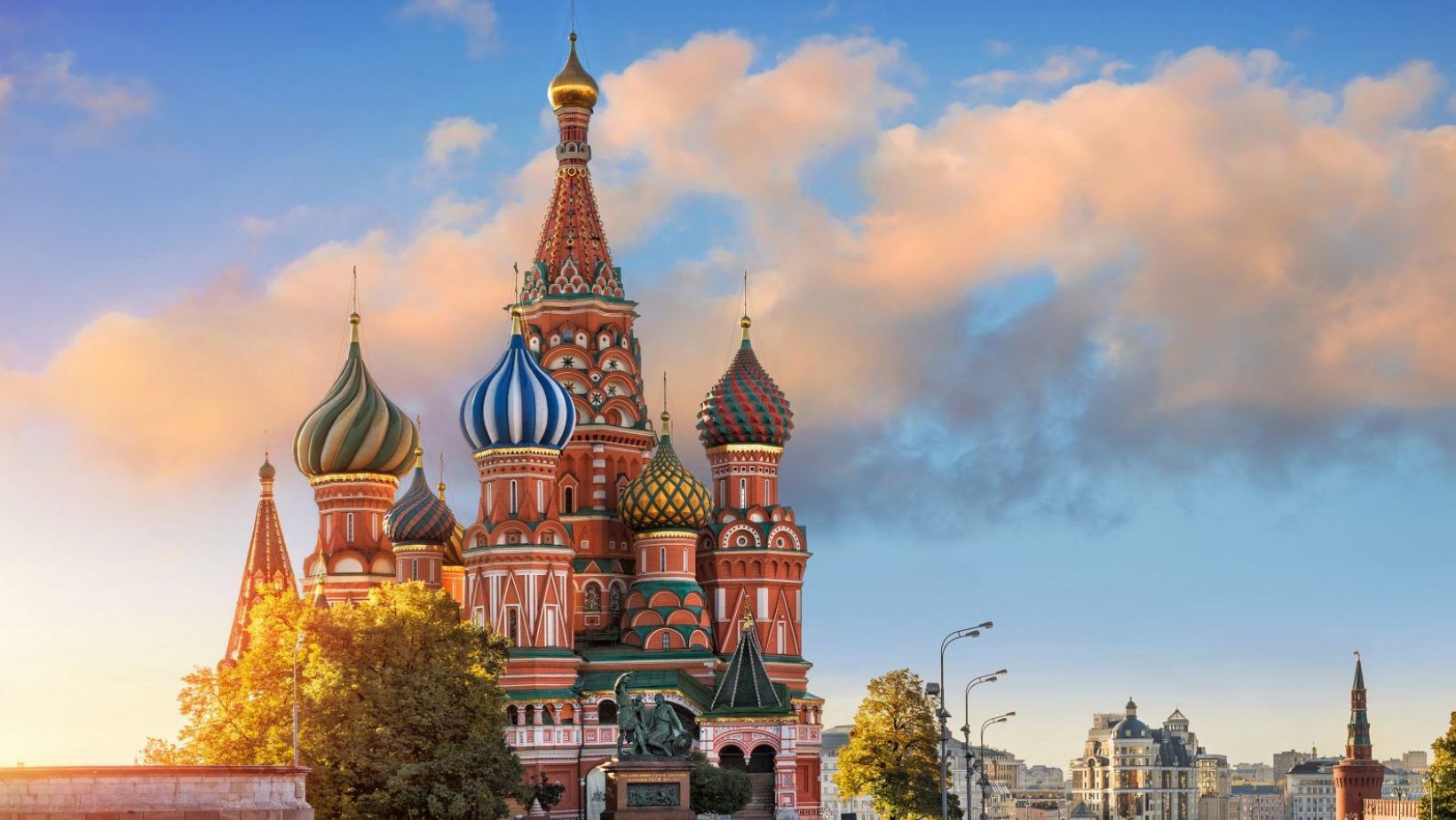
The Czech Republic widened a warning for its citizens to leave Russia on Monday following Moscow’s mobilisation orders last month, the Foreign Ministry said. The Czech government had already warned against travel to Russia and urged citizens there to leave in February after the country’s invasion of Ukraine. On Monday, the ministry expanded its warning, saying Czechs simultaneously holding Russian citizenship faced risks after a mobilisation call in September, a ministry spokeswoman said. “Citizens of the Czech Republic who also hold Russian citizenship should bear in mind that if they are on the territory of the Russian Federation, they are perceived by Russian authorities primarily as citizens of the Russian Federation,” the ministry said on its website. “The Czech Embassy in Moscow cannot provide them with adequate, full consular protection.” The ministry also newly warned about the inability to use bank cards issued in the Czech Republic in Russia due to sanctions. The Czech Republic has been one of Ukraine’s biggest supporters, sending military aid to Kyiv, and it has also taken in hundreds of thousands of Ukrainian refugees. The country stopped issuing visas for Russians, apart from for humanitarian issues, on Feb. 24, the day of the invasion, which...
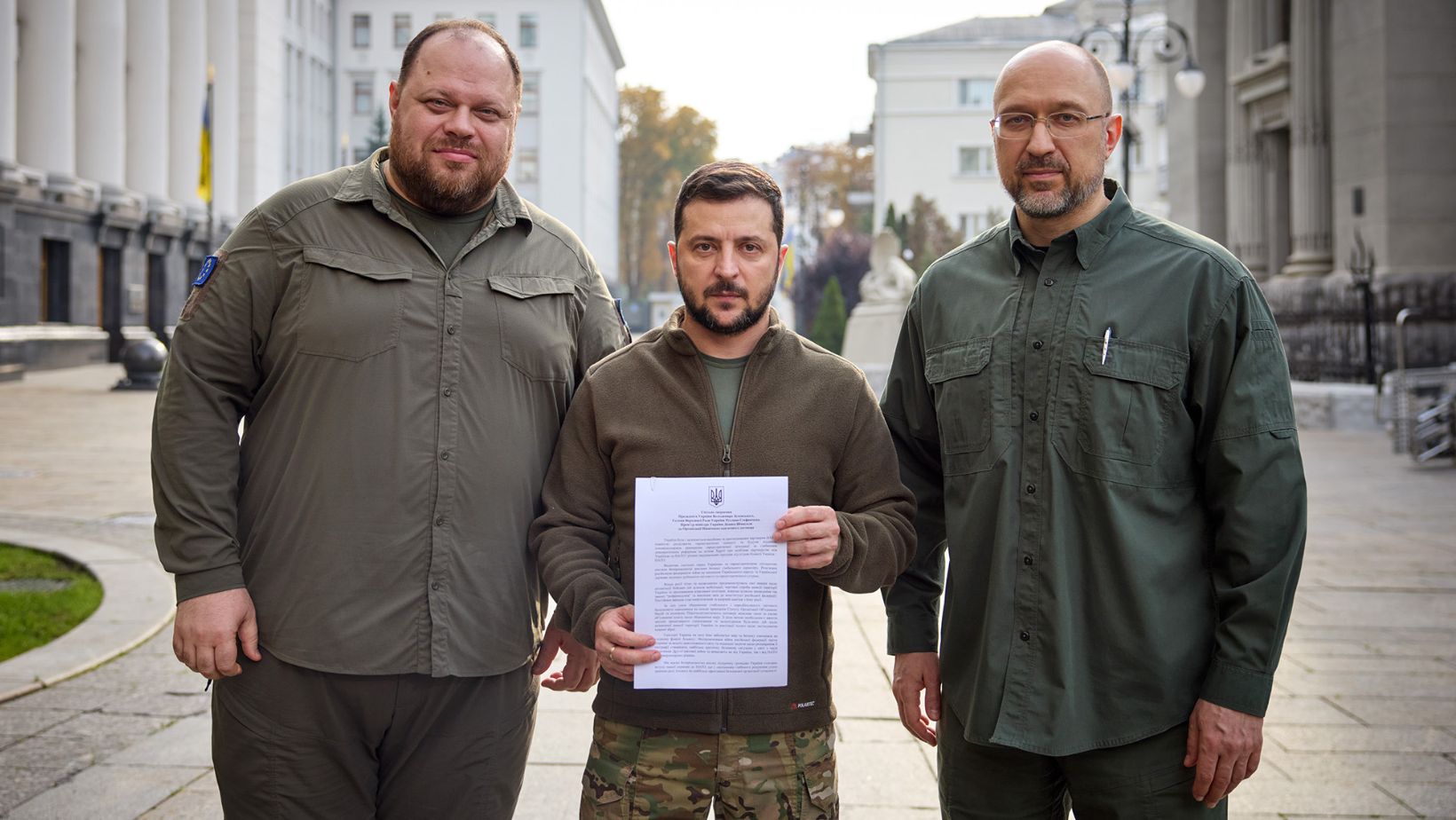
The leaders of nine NATO nations from Central and Eastern Europe issued a joint statement on Sunday in support of Ukraine’s path to membership in the alliance. “We firmly stand behind the 2008 Bucharest NATO Summit decision concerning Ukraine’s future membership,” the presidents of Estonia, Latvia, Lithuania, Montenegro, Poland, Czechia, Romania, North Macedonia, and Slovakia said on Sunday. At that 2008 summit, NATO allies said they “welcomed” Ukraine and Georgia’s aspirations to the join the alliance, though no clear timetable has ever been announced. Mykhailo Podolyak, an adviser to Ukrainian President Volodymyr Zelenskyy, tweeted on Sunday that 10 NATO countries support Ukraine’s bid for membership, including some nations that used to belong to the Soviet Union. “We are grateful for the leadership and responsibility,” Podolyak tweeted. “History is being made today.” Within 48 hours of @ZelenskyyUa signing application to join NATO, 10 bloc countries supported Ukraine’s membership in the Alliance – mostly countries that remember poisonous claws of ru-empire. We are grateful for the leadership and responsibility. History is being made today. — Михайло Подоляк (@Podolyak_M) October 2, 2022 Zelenskyy said on Friday that Kyiv has “accelerated” its application for NATO membership after Russia annexed four Ukrainian territories. “De facto, we have already proven...
Government coalition leaders the Civic Democrats have emerged as the biggest winners of elections to one-third of the seats in the Czech Senate, taking eight of the 27 mandates contested. Second-round, two-candidate runoffs were held in 24 constituencies on Friday and Saturday after three candidates won seats by gaining more than 50 percent in last weekend’s first round. Overall, the ruling coalition parties won 18 seats in the ballot. Recent large demonstrations against the Czech government due to its handling of the energy crisis and its support for Ukraine didn’t translate into gains for the opposition. Former populist Prime Minister Andrej Babis called the ballot a referendum about the government but his centrist ANO movement won only three seats. The major anti-migrant party, Freedom and Direct Democracy remained without a single seat in the upper house. Parliament´s lower house dominates the legislative process, but the Senate plays an important role in passing constitutional amendments and approving Constitutional Court judges. The current Czech government firmly stands behind Ukraine after it was invaded by Russia. The country has donated arms, including heavy weapons, to the Ukrainian armed forces and welcomed some 430,000 refugees from Ukraine.
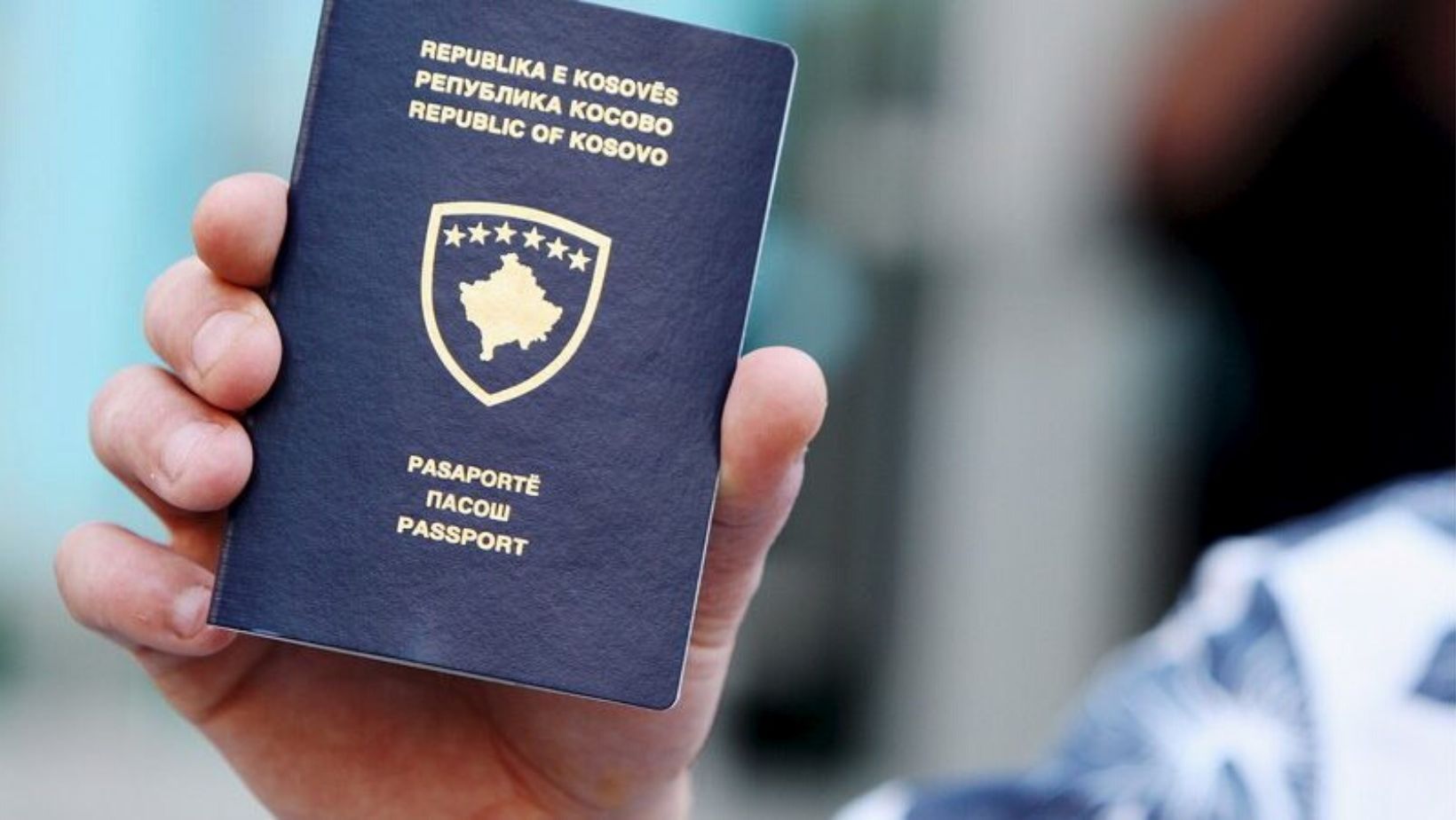
The Czech EU Presidency will reopen the discussion on visa liberalisation for Kosovo this autumn according to Czech Foreign Minister Jan Lipavský (Pirates, Greens/EFA) and Kosovo’s foreign ministry. The topic should be discussed this autumn as soon as the European Commission finalises the updated version of its report on Kosovo’s preparedness. Kosovo remains the only country in the Western Balkans and Europe that does not enjoy visa liberalisation despite having met the conditions several years ago. Pushback reportedly comes from France, but also a handful of countries that do not accept its independence from Serbia including Greece, Romania, Spain, Cyprus and Slovakia, mainly due to their own territorial disputes. “Kosovo, which I will visit this week, is the last Western Balkan country whose citizens still need visas for travelling to the EU. Yet the goal of the Czech Republic and the EU is to integrate the Western Balkan countries into the EU. Our presidency is an opportunity to push the entire integration process forward,” Lipavský said, quoted by the Czech News Agency. It is expected the topic will be on the table in the autumn as soon as the European Commission finalises the updated version of its report on Kosovo’s...
Fifty percent of people have already reduced their spending. Moreover, nine out of ten Czechs expect to tighten their belts even more due to inflation. More than half of people are actively looking for discounts as their main cost-saving tool and are also cutting back on excessive current spending. That’s according to a Median survey of 1,022 respondents for Broker Consulting. A job or second job is being sought by 23 percent of respondents. The general price increase is felt by 94 percent of Czechs, more than a third of them very strongly, the authors of the survey said. Therefore, a third of people are also trying to significantly or partially reduce the cost of eating out in restaurants, while a quarter is cutting back on culture or travel. Every fourth respondent is already planning to cover increased energy costs during the heating season in this manner, and another 35% are still considering it. Three-quarters of respondents are concerned about the impact of inflation on domestic budgets. They use savings and current accounts most often for saving, and in one-third of cases, they put their savings into investment or mutual funds. Nearly three-quarters of Czechs with a reserve of more...
Former Czech Prime Minister Andrej Babis’s opposition ANO party won most of the country’s major cities in municipal elections seen as a test for the ruling coalition’s handling of the energy crisis. The Czech Republic, similar to other European Union member countries, has been struggling with soaring inflation pushed up mainly by high energy prices. The opposition has been saying that the government of Prime Minister Petr Fiala has done too little too late to help the people. Czechs voted in more than 6,000 municipalities on Friday and Saturday, with the final results declared on Sunday morning due to a complicated system of vote distribution. The ANO party, in opposition since last autumn, won in 17 out of 27 large cities, but it came second in the two largest ones – the capital Prague and Brno, where parties of the current ruling coalition won. Of the 13 regional towns, ANO has won in eight, the ruling parties in five. The ANO party won in Hradec Králové, Jihlava, Karlovy Vary, Olomouc, Ostrava, Pardubice, Ústí nad Labem and Zlín. The most seats in the local assemblies – 38,099 out of the total 61,796 – go to various groups of independent candidates, which...
Don’t have an account? Register
Already have an account? Log In
How Would You Like to Promote Your Business? PR ArticleDisplay bannersVideo productionNewsletter adsJob ListingsInfluencer Marketing
Your Email
We will come back to you within 24 hours with our proporsal