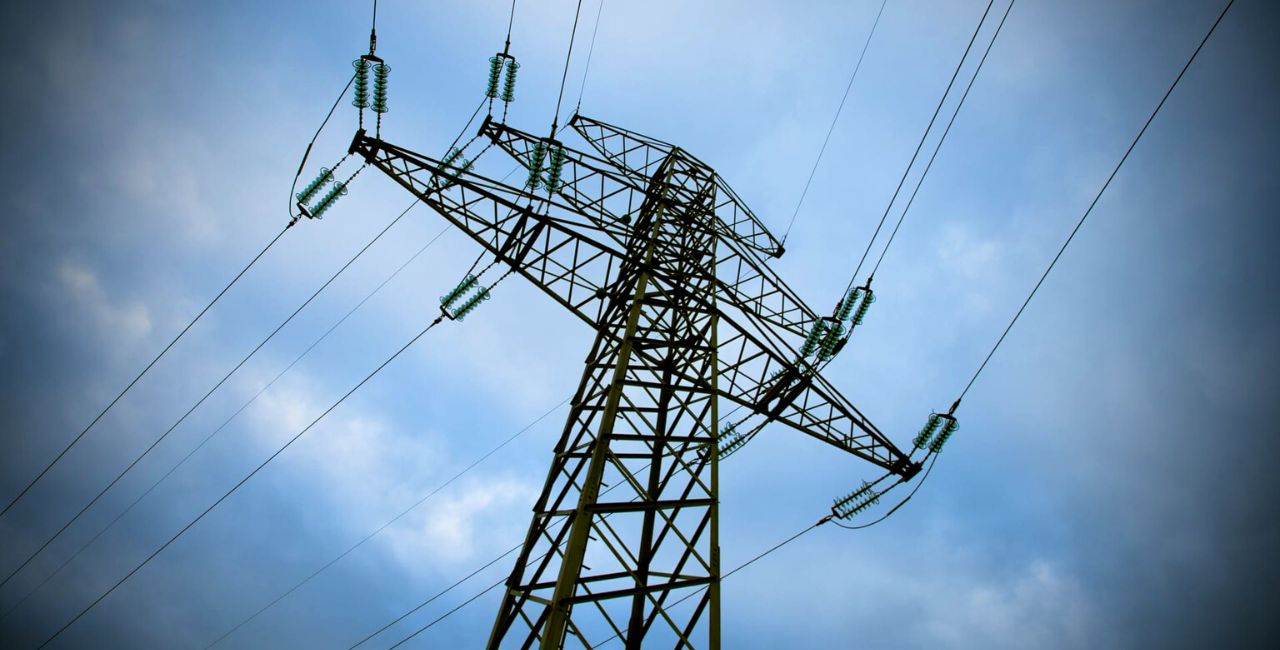
The Czech government will look at putting a limit on industrial electricity bills at the same time as it tries to help households and state institutions get through Europe’s energy crisis, Finance Minister Zbynek Stanjura said on Sunday. The centre-right government is readying more measures to go alongside European Union plans to ease the burden of soaring energy prices after an emergency meeting of the bloc’s energy ministers on Friday. The Czech government is due to meet on Monday. “I am for a bold solution,” Stanjura said on Czech Television’s Sunday debate show, referring to guaranteeing electricity prices for industry. He backed the move “even with the possible risk that it will be assessed that there was some unauthorized support,” he added, in a possible reference to EU competition and aid rules. This step could be in place by the end of the year and would last up to two years, he told the show. Stanjura told daily Hospodarske Noviny last week that national plans to ease the burden of soaring energy costs, including some form of price cap, could cost up to 130 billion crowns. The Czechs have started implementing a reduced electricity tariff for households as part of...
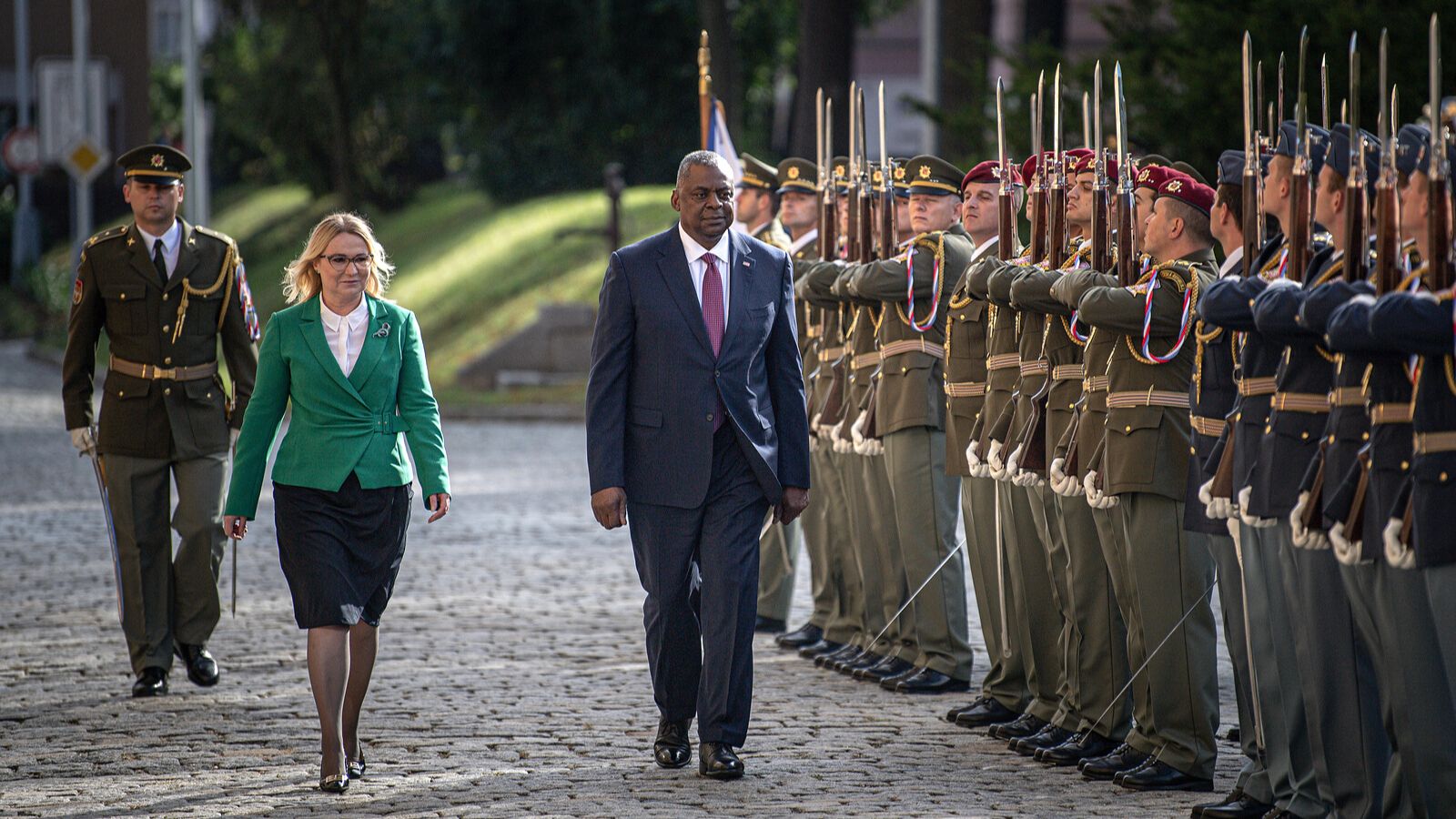
Secretary of Defense Lloyd J. Austin III visited the Czech Republic, September 9, where he met with Czech Minister of Defense Jana Cernochova, Prime Minister Petr Fiala, and President Milos Zeman. During the meetings, he discussed Czech Republic’s defense modernization work to enhance interoperability with NATO, opportunities for further defense cooperation, and the importance of continuing to provide support to Ukraine. He began his trip to Prague on Friday with a visit to the Church of Saints Cyril and Methodius, where seven Czechoslovak paratroopers died in June 1942 in a gun battle with German troops after having assassinated high-ranking Nazi Reinhard Heydrich. The Secretary applauded the Czech Republic for its leadership in Europe and in the NATO Alliance, for ratifying the accession of Finland and Sweden into NATO, and for its extraordinary support to Ukraine as it defends against Russia’s unprovoked and unjustified war. Ms. Černochová described the United States as Czechia’s most important ally. The two countries want to speed up negotiations on a defence cooperation agreement, with the next meeting scheduled to take place in two weeks’ time. Secretary Austin also met with U.S. Marines at U.S. Embassy Prague and several U.S service members participating in the Czech...
From the new year, we will see some changes to facilitate smart working employees. Mainly it is meant to be a reimbursement of costs incurred by working from home: expenses for heating, electricity and water mainly. The minimum fee is CZK 2.80 per working hour. It is not part of the salary, so it is out of contribution payments. In addition, this amount will be decided year to year by the ministry by decree and is based on data provided by the Czech Statistical Office about the costs per adult in an average Czech family. In addition, the text requires employer and employee to make an agreement about the details of remote work: location from which work is performed, scope, time conditions (hours and on-call), way of communications, task assignment, and cost refund. Until the Covid-19 pandemic, smart working was seen as a company benefit; now it is guaranteed to workers in all EU countries by the Work-Life Balance (WLB) Directive. This is for workers to make it easier to take care of their children and loved ones. According to a recent survey conducted for Raiffeisenbank, about 29 percent of Czech employees have the option of working remotely, but only 18...
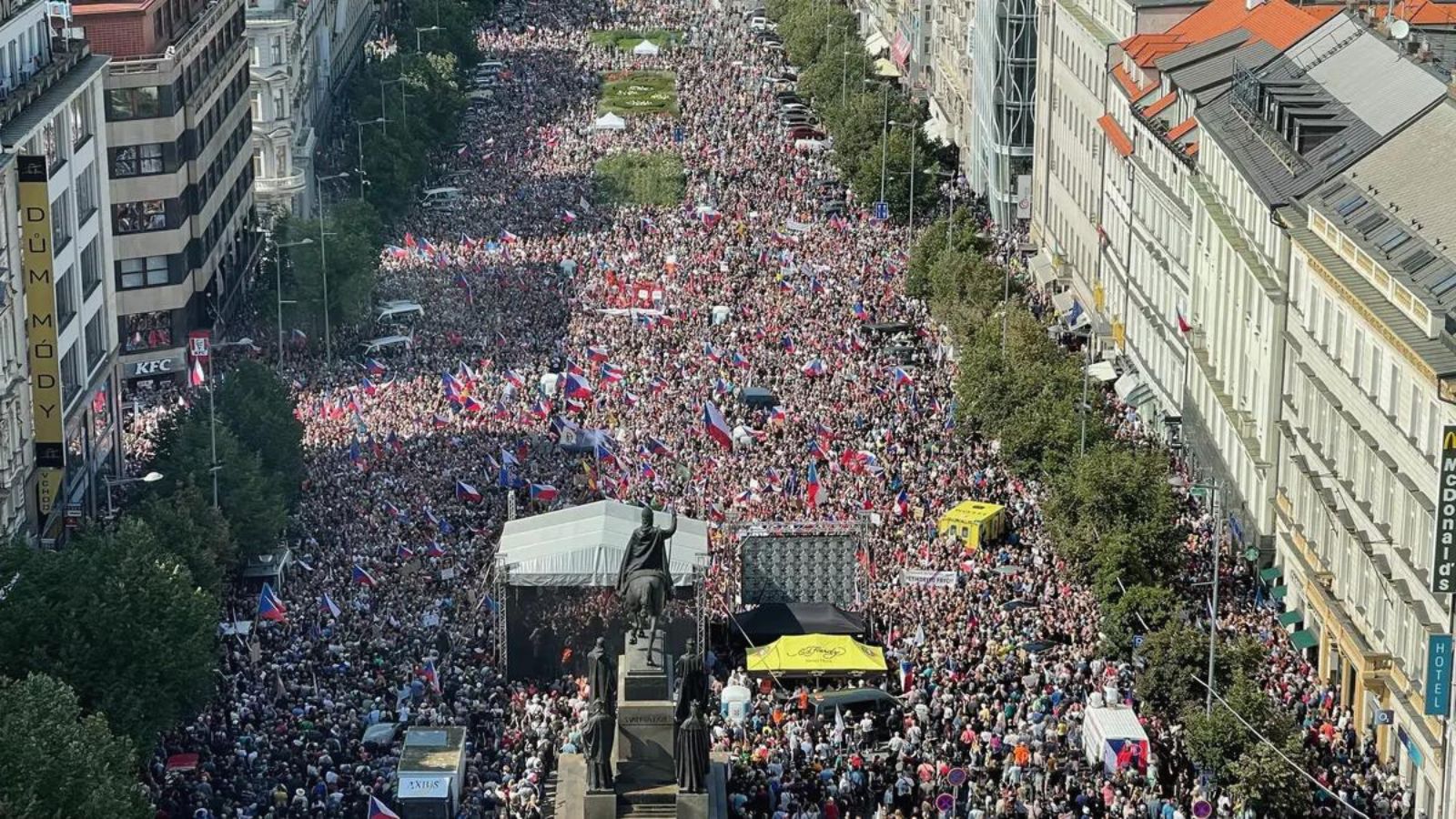
Czech Prime Minister Petr Fiala is blaming pro-Russian forces for mass demonstrations this weekend that saw tens of thousands of people protest against the government, the European Union and NATO amid soaring energy prices and inflation. The “Czechia First” demonstration saw 70,000 people gather to protest the government in a development the Czech prime minister is blaming on elements influenced by Russian propaganda. “It is clear that Russian propaganda and disinformation campaigns repeatedly appear on our territory and that someone is simply succumbing to them,” Fiala said. Protesters, brought together by the Communist Party, the Freedom party, the Direct Democratic Party, and other groups labeled as “radical”–both far-left and far-right–called on the government to address soaring energy prices and the highest cost of living since the early 1990s for everything from housing to consumer goods. Protesters called for a new deal with Russia for gas supplies, just a day after Moscow said natural gas flows through Nord Stream 1 to Europe that had been cut off for maintenance would not be restored on Saturday as scheduled, and would be delayed indefinitely. Inflation has hit 17% and is marching towards 20% in the coming months, according to Fortune, citing the Czech central...
The average gross monthly salary in Czechia rose by 4.4 percent year-on-year in the second quarter of 2022 to CZK 40,086, according to the data released by the Czech Statistics Agency on Monday. In real terms, taking into account inflation, the real wage dropped by 9.8 percent in the same period. It is the third quarter in a row that it has been falling. Central Europe’s economies are bracing for a rough second half of the year, which could even mean a fall into recession for some, caused by double-digit inflation rates that are hitting consumer demand and taking away a key driver of the region’s post-pandemic recovery. With inflation in the Czech Republic averaging 15.8% in the second quarter, wages were down by real 9.8% from a year before. The nominal wage rose 4.4%. “It was clear that wage growth at such a pace would not be enough (to keep up with inflation),” Raiffeisen analysts said. The real wage drop was slightly deeper than a Reuters poll forecast of a 9.5% decline but less than a central bank forecast of a 13.1% fall. The central bank, which held interest rates unchanged last month but has not fully shut the...
The Czech government survived a no-confidence vote on Friday after a marathon 22-hour debate in parliament amid opposition claims of inaction against soaring inflation and energy prices. The vote showed how Europe’s energy crisis is fuelling political instability as soaring power prices add to inflation, already at levels unseen in three decades. The centre-right, five-party coalition led by Prime Minister Petr Fiala has an eight-seat majority in the 200-seat lower chamber, easily denying two opposition parties the needed 101 majority required by in parliamentary votes. Lawmakers gathered on Thursday and debated the motion throughout the night before a vote at midday on Friday. “Prime Minister Fiala and his ministers are not able to run our country…. the energy crisis has completely got out of their hands,” opposition leader Andrej Babis told lawmakers. Former prime minister Babis, a billionaire who was defeated in an election last year, also accused the government of links to people being investigated for alleged corruption in a scandal that has forced the resignation of the head of the secret service. A loss of confidence would have been an embarrassment for the Czech government, which is leading the European Union’s rotating presidency as the bloc seeks to...
This July, Czech households paid the highest price in Europe for electricity; and yet, something many Czechs see only as a cruel joke, the country remains among the largest exporters of electricity in the world. The July HEPI index (Household Energy Price Index), which compares the price of energy for households in individual European capitals, shows clearly what is occurring. People living in Prague pay the highest price for electricity in all of Europe, according to the purchasing power parity of the currency. This index includes member states and countries outside the EU, such as Switzerland, Norway, and Russia. According to the study, the people of Prague paid roughly 52 euro cents per kilowatt-hour in July. That is roughly twice as much as what residents of Bratislava pay and approximately three times more compared to the costs of residents of Budapest or Moscow. Prague’s residents also pay almost four times more than households in the Swiss capital of Bern and over four times as much as households in Oslo, Norway. Electricity prices in Prague are high even in absolute terms, without conversion, that is, according to the purchasing power parity of the currency. In this case, Prague residents pay the fourth-highest price in the EU, roughly 41 euro cents...
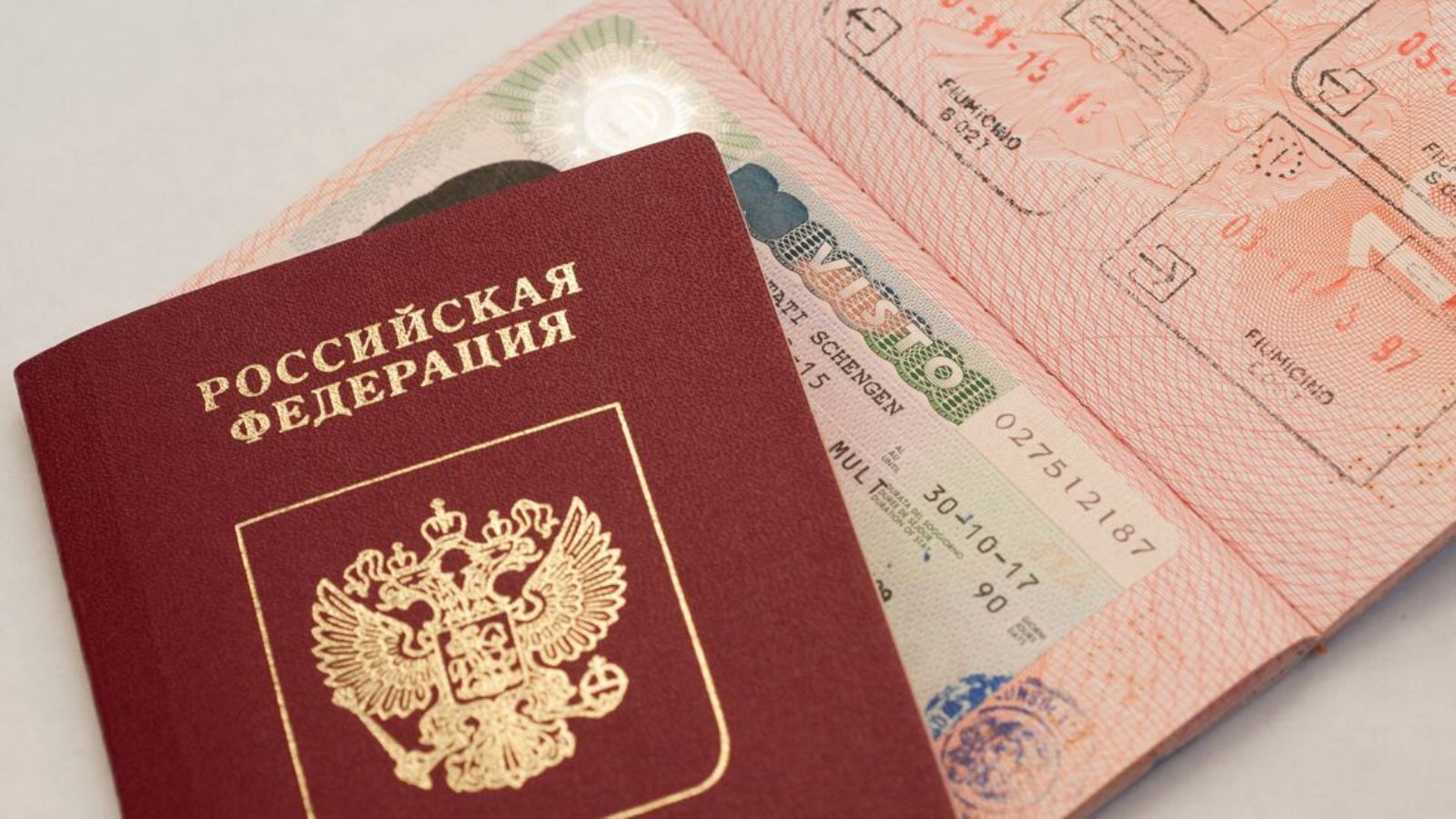
On 30 and 31 August 2022, Prague hosted an informal meeting of EU foreign ministers known as a Gymnich. The ministers primarily discussed two topics, namely the EU’s relations with Africa and the Russian aggression against Ukraine. The main outcome of the meeting was agreement among the Member States to suspend the visa facilitation agreement. The main topic of the meeting of foreign ministers was the Russian aggression against Ukraine and its consequences. The ministers agreed that they would remain united in their approach to the hostile behaviour of Russia, and that they would provide Ukraine with the necessary support. Specific parameters of future military assistance to Ukraine were also discussed, with the ministers also addressing possible steps to strengthen the European Peace Facility to better meet the needs of the Ukrainian army. The discussions also saw an important breakthrough in the visa policy in relation to Russia. The foreign ministers agreed to suspend the visa facilitation agreement that makes it significantly easier for Russian citizens to obtain Schengen visas. In terms of our relations with Russia, we cannot continue as before. We have made progress at the meeting of foreign ministers and want to fully suspend the agreement that...
Russia’s war on Ukraine, like the terrorist attacks of September 2001, has been a turning point for the world, Prime Minister Petr Fiala told the Forum 2000 conference’s opening ceremony in Prague on Wednesday. This period will forever be associated with late Czech president Václav Havel, who co-founded the Forum 2000 conference, said Fiala. He added that Russia’s attack had renewed the alliance of Western democracies, with NATO and the EU expanding and becoming stronger, as a result, the Czech News Agency reported. Ukrainian President Volodymyr Zelenskyy joined the conference via video call. The Ukrainian president recalled the events of the Prague Spring and their violent suppression by the Warsaw Pact armies in August 1968, noting the West’s insufficient reaction at the time meant opporrtunities to liberate the Soviet bloc countries were squandered. Czechs recently commemorated the anniversary of the Soviet invasion by sending 1,968 Czech crowns to Ukraine in a symbolic gesture. During the speech, the president said that Ukraine still needs support from the West in its fight for freedom in the form of weapons, ammunition, money, and additional pressure on Russia. He proposed introducing more sanctions packages covering energy and finance, adding a special war crimes tribunal should also...
Food self-sufficiency is unrealistic for Czechia due to the world’s interconnectedness. Czechia, therefore, needs to focus on food security, such as maintaining adequate stocks of key foodstuffs, said Prime Minister Petr Fiala at the beginning of the agricultural fair Země živitelka in České Budějovice. According to Fiala, the effects of the war in Ukraine on Czech agriculture can only be estimated. The prices of inputs are increasing. At the same time, the demand from abroad is growing, and thus does the value of goods. In Fiala’s view, Czechia will have to deal with the risks arising from the conflict for a long time. Grain flows from Ukraine not only affect the European continent but also Africa, which especially depends on it. According to the prime minister, Czechia cannot be independent when it comes to food. The customer is not ready to pay for it, and products from abroad bring more choices and lower prices. “Customers vote by choosing goods,” Fiala said. Czechia is self-sufficient in only three food groups According to the latest data from the Czech Statistical Office for the year 2020, the Czech Republic was fully self-sufficient in only three food groups: beef, milk and milk products, and sugar....
A clear signal needs to be sent as European Union ministers debate tightening the issuance of visas for Russians, Czech Prime Minister Petr Fiala said on Monday, adding that suspending tourist visas would be a step in the right direction. Speaking after talks with German Chancellor Olaf Scholz and before EU foreign ministers discuss the issue in Prague on Tuesday and Wednesday, Fiala said a facilitation agreement on visas for Russians should be suspended, and that EU talks on the issue were continuing. Germany, Greece, Cyprus on the other hand, have been more reserved and oppose a strict travel ban against Russians. Last week German Chancellor Olaf Scholz said that it was Russian President Vladimir Putin’s war, and for that reason it was difficult for him to support a blanket travel ban that would also impact innocent people. A suspension of the visa agreement would complicate applications for short-term visas in the Schengen Area and make them more expensive. The diplomats also stated that a blanket travel ban, which would require unanimous support, isn’t expected. In the meantime, the policies of individual EU states won’t make much of a difference. Short-term tourist visas are valid in all 26 countries in the...
The Czech Republic will convene an extraordinary meeting of EU energy ministers on September 9, Reuters reported with reference to the Minister of Industry and Trade of the Czech Republic, Jozef Sikela. Prague announced its intention to convene an urgent meeting on August 26. Earlier, Prime Minister Petr Fiala on Twitter also said that the Czech Presidency of the EU would convene an extraordinary meeting of energy ministers. According to him, this meeting it is planned to consider specific emergency measures to address the energy situation. On August 28, Austrian Chancellor Karl Nehammer called to stop the madness that is happening in the energy market and work out a common solution for the EU. He also called for abandoning the principle of linking the price of gas to the cost of electricity. Fiala and German Chancellor Olaf Scholz agreed on Monday that a Europe-wide solution to the issue of energy prices had to be found. Mr. Scholz said that present electricity prices were unjust because the cost of production was not so high, adding that structural change was needed. Mr. Fiala reiterated that Czechia wished to be involved in the development of a European energy infrastructure and to acquire capacity in...
Don’t have an account? Register
Already have an account? Log In
How Would You Like to Promote Your Business? PR ArticleDisplay bannersVideo productionNewsletter adsJob ListingsInfluencer Marketing
Your Email
We will come back to you within 24 hours with our proporsal