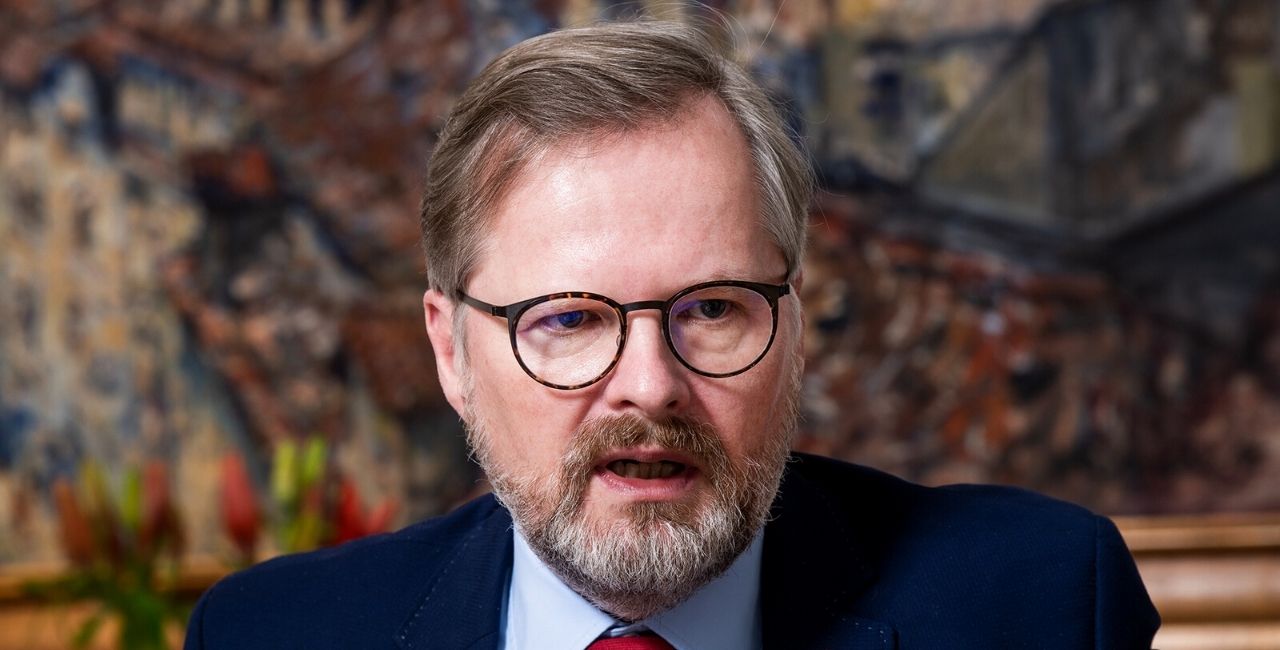
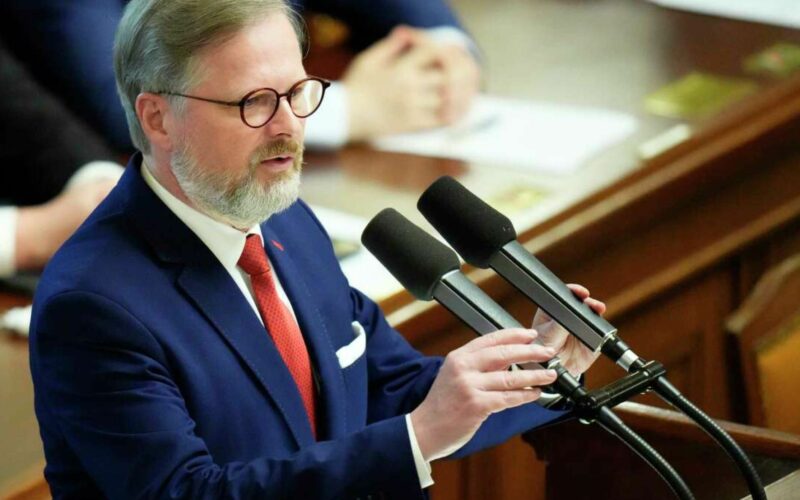
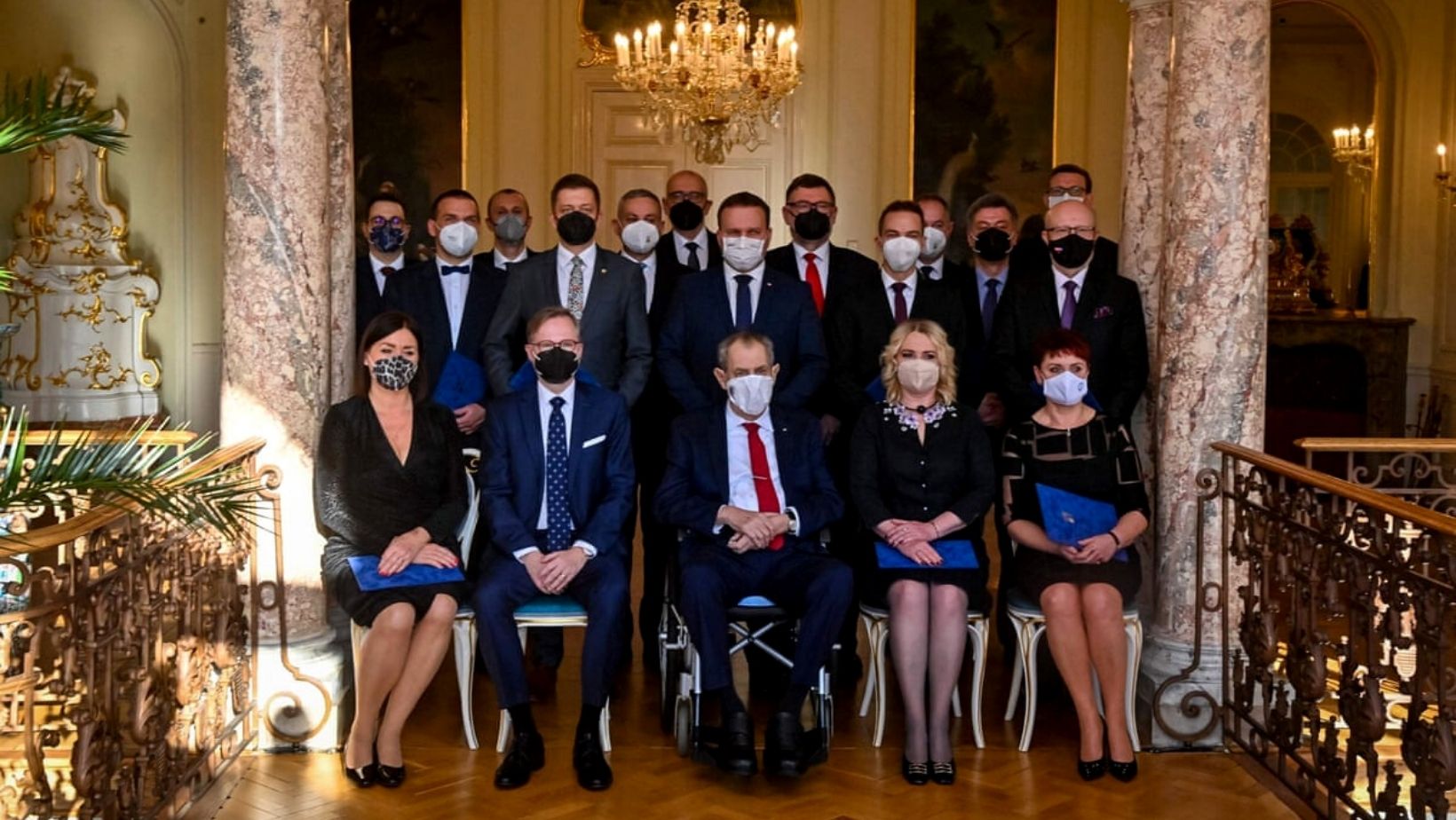
Prime Minister Petr Fiala’s (ODS) government has published a program statement setting out its priorities, such as stabilizing public finances and orienting the state towards the European Union and NATO. It also includes pension reform, education, environmental protection, digitalization of the public administration and support for the free market, science and research, and housing. Mr. Fiala added that the declaration also takes into account current topics such as the pandemic or investment in sustainable development on the basis of the Green Deal. The aim is to ensure the energy self-sufficiency of the Czech Republic. The new center-right government will seek to lay the ground for a possible phasing out of coal by 2033, while also supporting nuclear power as part of its energy future. Other plans aim at simplifying life for businesses, something to be expected from a centre-right government. Though Finance Minister Zbyněk Stanjura (Civic Democrats) presented some changes to the taxation system, he has avoided wider reforms. The program does not mention concrete steps to fight inflation, public debt, or the budgetary deficit, the highest ever in 2021. The government wants to continue developing a strategic partnership with Israel and that cooperation in Visegrad, which has been united...
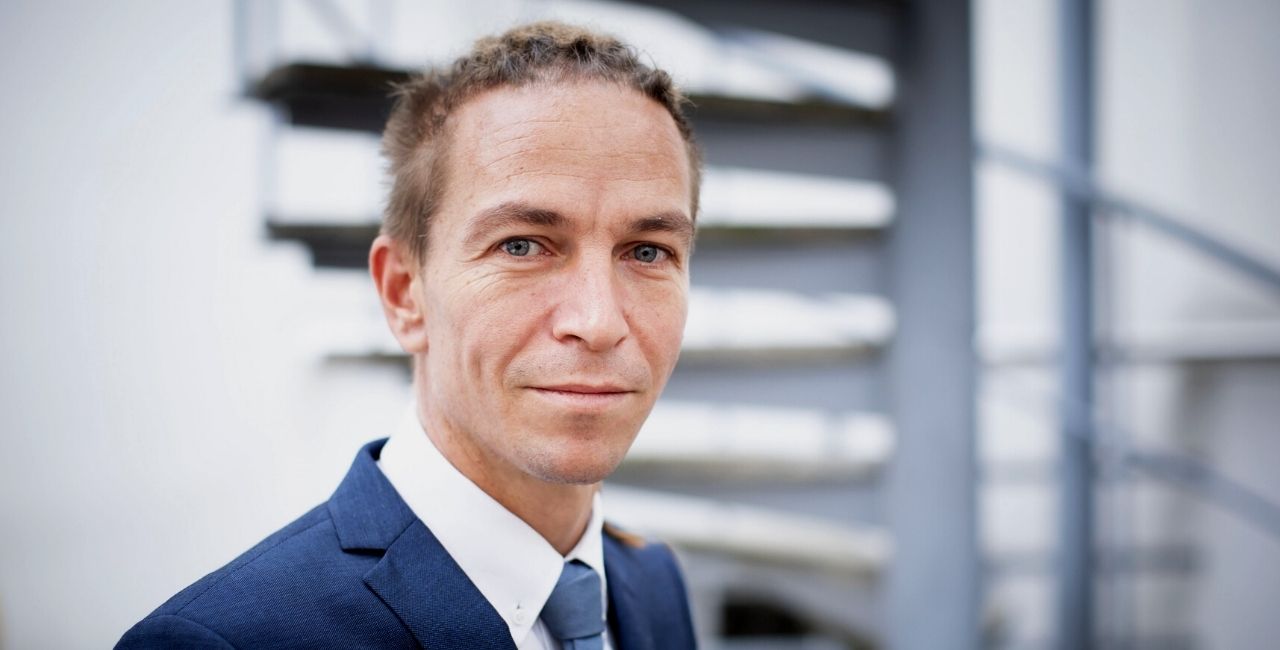
Ivan Bartoš was re-elected chairman of the Czech Pirate Party by its national forum for another two years.
Many things happened in 2021, and there is probably no one who was not affected by the events of the year in any way. I would like to look back at the situation in the real estate and mortgage markets and follow up with the coming changes. – by Světlana Lanza, Finance specialist at M&M finance The beginning of the year was marked by the pandemic uncertainty, which increased the volume of interest in people looking to invest in the real estate market – by using their savings that were sitting in a common savings account losing value due to inflation. Low-interest rates, which were usually below 2 %, also contributed to people becoming more interested in real estate. It was predicted that there would be a decline in interest in real estate during this time, however, this did not happen. Therefore, due to the high demand in real estate – prices have risen. Today, auctions are a common practice where the highest bidder wins. We have recorded a huge demand for real estate and mortgages. In the middle of the year, the banks had already met their annual targets. Mortgage processing became slower and we had to wait longer than...
Czech PM Petr Fiala has commented on the country’s lower wage growth, the nuclear alliance with France and the ongoing search for President Miloš Zeman’s successor in an interview with Seznam Zprávy. Fiala discussed at length his efforts to get on with President Zeman despite their clear political differences and expressed his desire for the country’s governing parties to find a common candidate for Zeman’s successor. “I think the public rightly expects me to be able to talk to Miloš Zeman, even though we each represent different voters and different views, and that’s how it should be in a democracy. These people must be able to talk to each other, or the state won’t work,” Fiala told the media outlet. Fiala refused to name anyone specifically for the presidential role but expressed the need for any viable candidate to have significant public political experience. “We need a personality who respects the nature of parliamentary democracy and the constitution. I would like someone who will unite society rather than agitate it with different opinions.” He stated that his government took office at the most difficult moment in the history of the independent Czech Republic, acknowledging that he and his ministers must find...
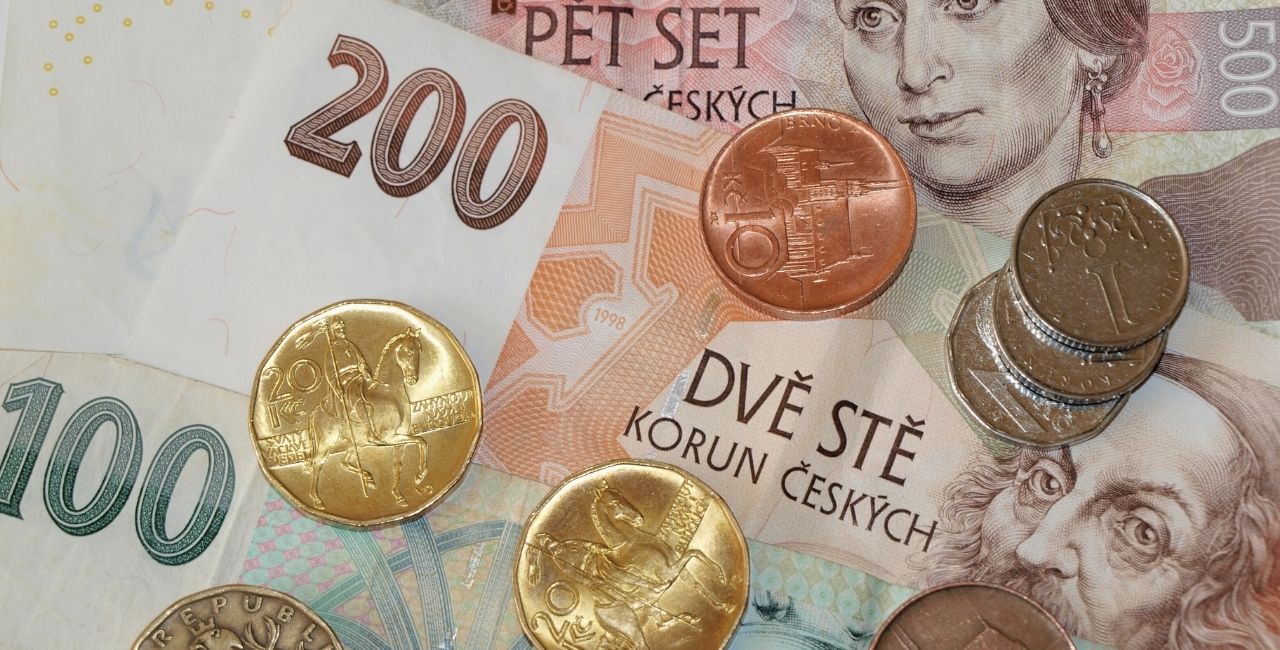
The Czech central state budget showed a 419.7 billion crown deficit at the end of 2021, Finance Ministry data showed on Thursday. It is the largest deficit in the modern history of the Czech Republic, surpassing the CZK 367.4 billion deficit registered in 2020. However, it is still below the CZK 500 billion ceiling approved by Parliament. Adjusted for funds from the EU, the end-December budget would show a deficit of 408.4 billion crowns, versus 364.9 billion crowns deficit in the previous year. Overall expenditure rose 3.5% while income was up 0.8% in 2021. Since the start of the year, the Czech Republic has been on a provisional budget, which is expected to last until the end of March. This is because the Chamber of Deputies failed to approve the draft state budget for 2022 by the end of last year. The central budget is the main part of the EU country’s overall public sector finances, which also include local and regional administrations, the health insurance system and various off-budget funds. The ministry has forecast the 2021 public sector deficit at 7.2% of gross domestic product. For 2022, the public gap is estimated at 4.4% of GDP.
The Czech crown hit its highest level since 2012, gaining in new year trading from higher interest rates and data showing stronger manufacturing sentiment. The Czech crown added 0.32% and was trading at 24.820 to the euro after earlier breaking the key level of 24.774 and rising to its strongest since October 2012. The currency has been steadily firming since a hefty interest rate hike on Dec. 22. “The market is rather illiquid today, but it can be expected to further strengthen, as it usually happens at the start of a year, that ‘missed train syndrome’ that some may want to jump on,” an FX trader in Prague said. PMI data published in the Czech Republic also showed growth with output and orders rising the most in months, although supply snags and rising prices spelled uncertainty for the year ahead. At its pre-Christmas meeting, the central bank raised the key interest rate by one percentage point to 3.75 percent, trying to dampen expectations that consumer prices will continue to rise rapidly. The CNB’s key interest rate is thus the highest since 2008. The koruna reacted to the increase in interest rates by strengthening between the holidays. On Tuesday, December 28,...
The Czech Republic will seek to use its European Union presidency in the second half of 2022 to build stronger links with the bloc’s mainstream members, counterbalancing ties with traditional regional allies Poland and Hungary that are in conflict with Brussels. “We have a system in place for pretty close cooperation with our counterparts in the Visegrad Group” that also includes Hungary, Poland and Slovakia, Czech Minister for European Affairs Mikulas Bek said in an interview Monday. “That’s good and it has been productive for us but we need to reach beyond that and create something similar with other countries too.” The Czech Republic sides with the EU against Poland and Hungary on issues ranging from the treatment of LGBTQ communities to the independence of the Polish judiciary, said Bek. “Our position in their rule of law stand-off with the European Union will definitely be different to theirs,” he said. Led by Petr Fiala, the new administration has pledged to continue cooperation with the Visegrad Four group founded in 1991 by the Czech Republic, Slovakia, Hungary and Poland to promote their entry to the EU and NATO. The Czech Republic could ally with Germany, its biggest trading partner, and Austria...
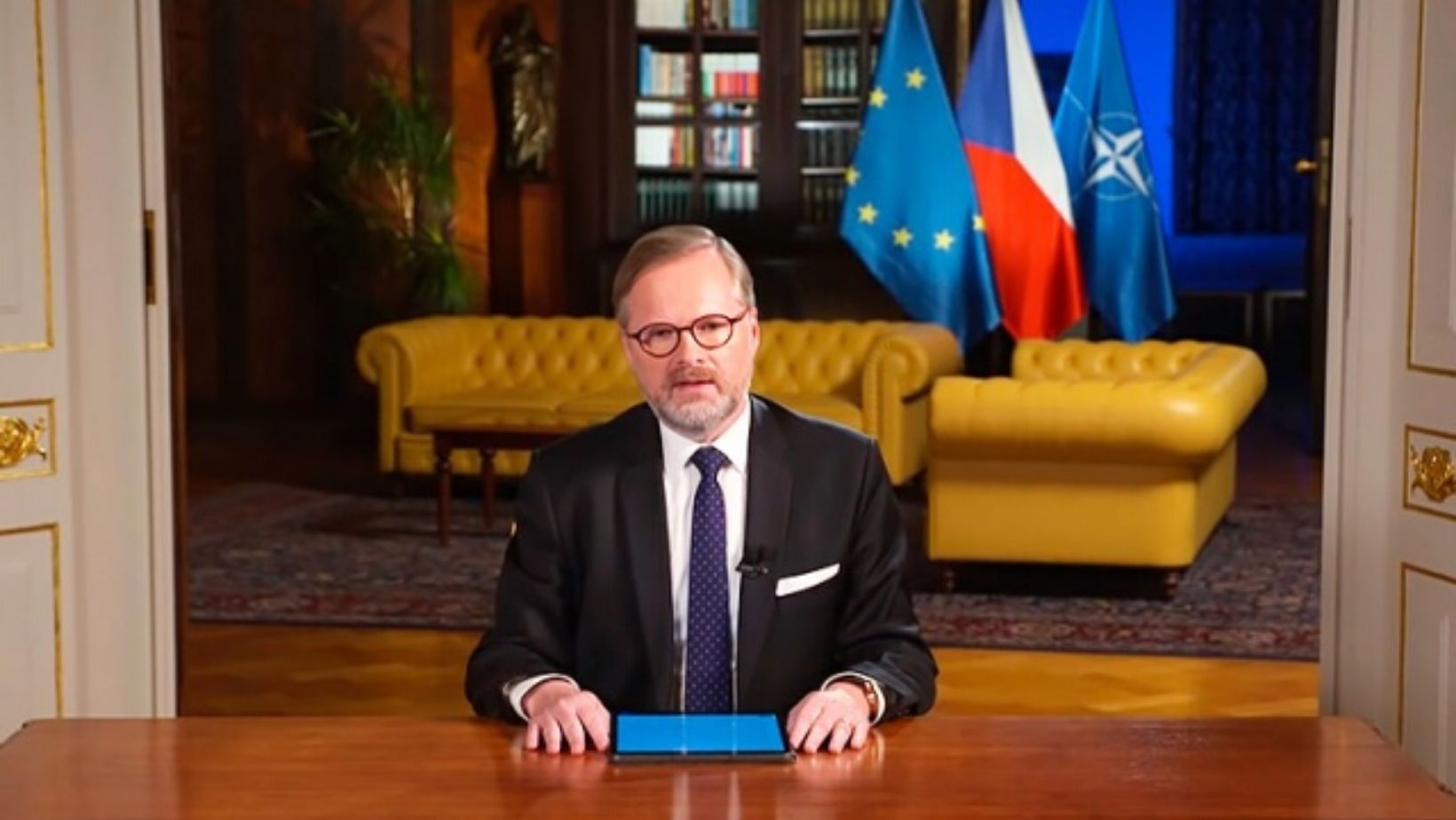
2022 will be one of the most difficult in the country’s modern history, Prime Minister Petr Fiala told Czechs in his New Year’s address to the nation. “Unfortunately, I do not have much good news. This year will probably be one of the most difficult since the establishment of the independent Czech Republic,” said Fiala. Energy prices, inflation and covid are three serious dangers that the Czech Republic will face this year. After winning the elections to the Chamber of Deputies, Fiala formed a government of representatives of the ODS, KDU-ČSL, TOP 09, Pirates and STAN, which replaced the minority cabinet of Andrej Babiš. “The previous government paid little attention to our future. And it literally lived from day to day,” said the Prime Minister. “Postponing problems to the next term is always easier than biting into a sour apple and starting to solve them. But our country has no choice because every day our problems will only get worse,” he added. “We inherited a huge deficit but I promise that we will look for savings, especially where they don’t affect directly our citizens,” he continued. As regards the country’s economic situation, he said that would take time to heal,...
Following the recent change of government, half of the members of the government of Petr Fiala are part of Christian churches. Given the fact that the Czech Republic is a nation known for its strong atheist leanings, experts believe that political conflicts may arise over “ethical” issues, which has already occurred during the discussion of same-sex couple marriages. For many years, the Czech Republic has been described as one of the most atheist and most secularized countries in the world, together with Estonia, Sweden, and the eastern part of Germany. So far, the latest available data from the 2011 census show that only 20.6 percent of the population identify themselves as believers. In contrast to the high share of atheists in the population, the composition of the new Czech government might be surprising. Half of the government members report that they belong to Christian churches. This is true for the prime minister, Petr Fiala, and four of the five heads of the governing coalition parties, except Mayors and Independents (STAN) chairman Vít Rakušan. However, he also refers to Christian principles as the basis of his value system. Experts from the ranks of historians, political scientists, and politicians identify at least three reasons...
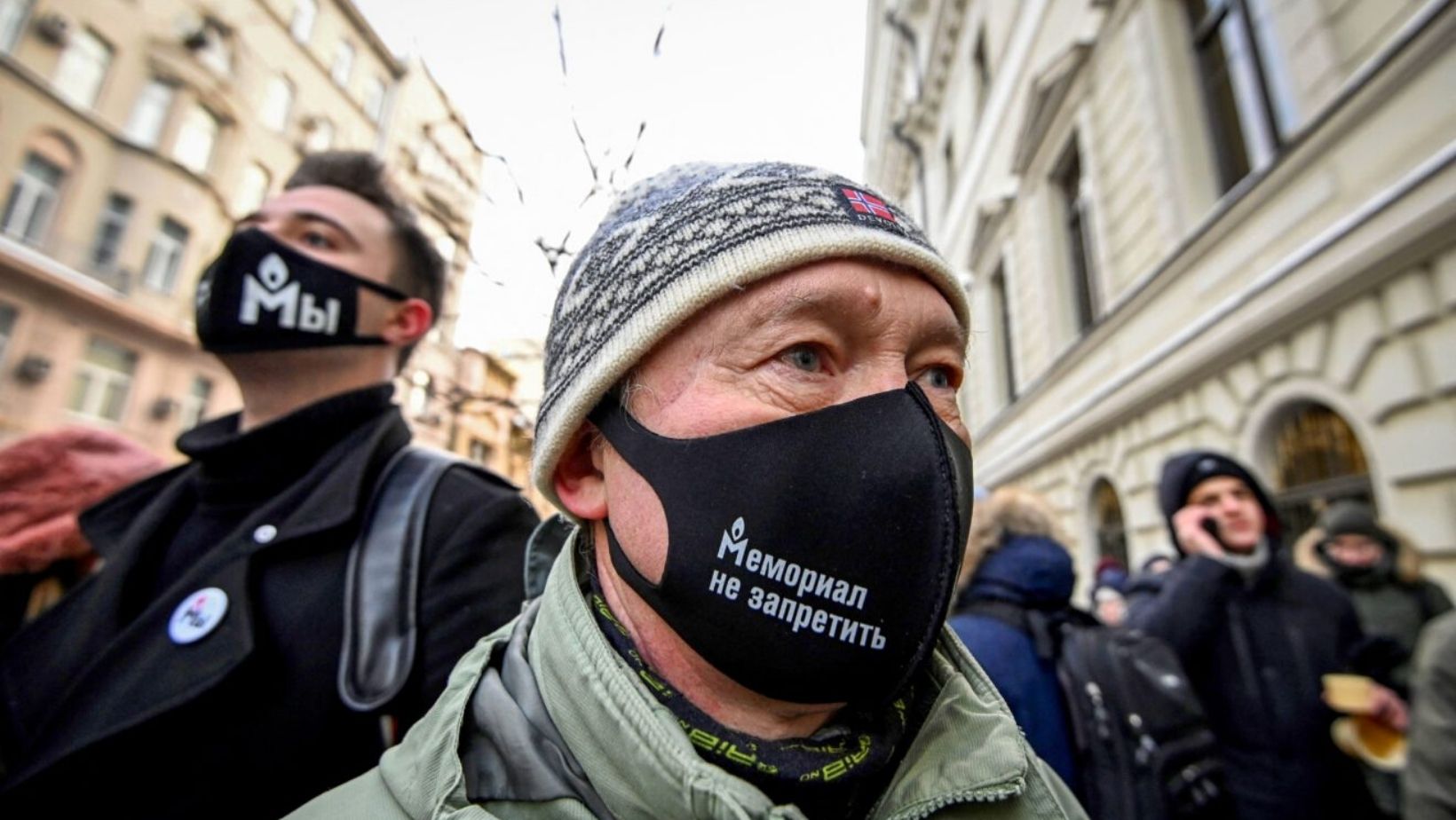
The Czech Ministry of Foreign Affairs on Tuesday said it condemned a Russian court decision to shut down the country’s oldest human rights group, Memorial International, and is following with concern Russia’s ongoing efforts to close sister organization Memorial Human Rights Center. “We urge Russian authorities to end their harassment of independent voices and human rights defenders and stand in solidarity with those who have been targeted for repression for exercising their rights to freedom of expression, association and peaceful assembly”. Memorial has highlighted repressions against civil society and the absence of an independent judiciary in the Russian Federation, as well as exposing the murders of millions of Soviet citizens and foreigners, including several thousand Czechs, the statement says. The decision triggers the closure of “Memorial International Historical, Educational, Charitable, and Human Rights Society, its regional branches and other structural units,” said Judge Alla Nazarova, according to the Interfax news agency. Founded in the late 1980s by Andrei Sakharov and other Soviet-era dissidents, the group took the new freedoms offered under Mikhail Gorbachev and used them to reveal raw truths about the fate of millions of victims of Stalin’s repressions. It was a poignant symbol of Russia’s new openness, but for...
Several members of the new government will not be able to lead working meetings in English and therefore will use an interpreter. As Hospodářské noviny reports, at least five ministers have insufficient language skills. English in particular will be key to the Czech Republic’s forthcoming EU presidency. “We will prepare the Czech presidency of the EU professionally and responsibly in the autumn of 2022. We will guarantee that every member of the government can properly speak at least one foreign language,” Pirates and STAN parties representatives said. “According to my teachers, my English is at B1 level and I am trying to improve my skills further,” said Minister of Defense Jana Černochová (ODS), who speaks Polish and can passively speak Russian. Level B1 corresponds to independent users of the language, i.e. those who have the necessary fluency to communicate without effort with native speakers. Minister of Finance Zbyněk Stanjura (ODS) stated that he would need an interpreter for important business meetings. “I haven’t been very active in English lately, and I admit that my level of English is not good enough, yet” he said. During his presidency, Stanjura will chair the Ecofin Council of Finance Ministers, which regularly addresses important financial...
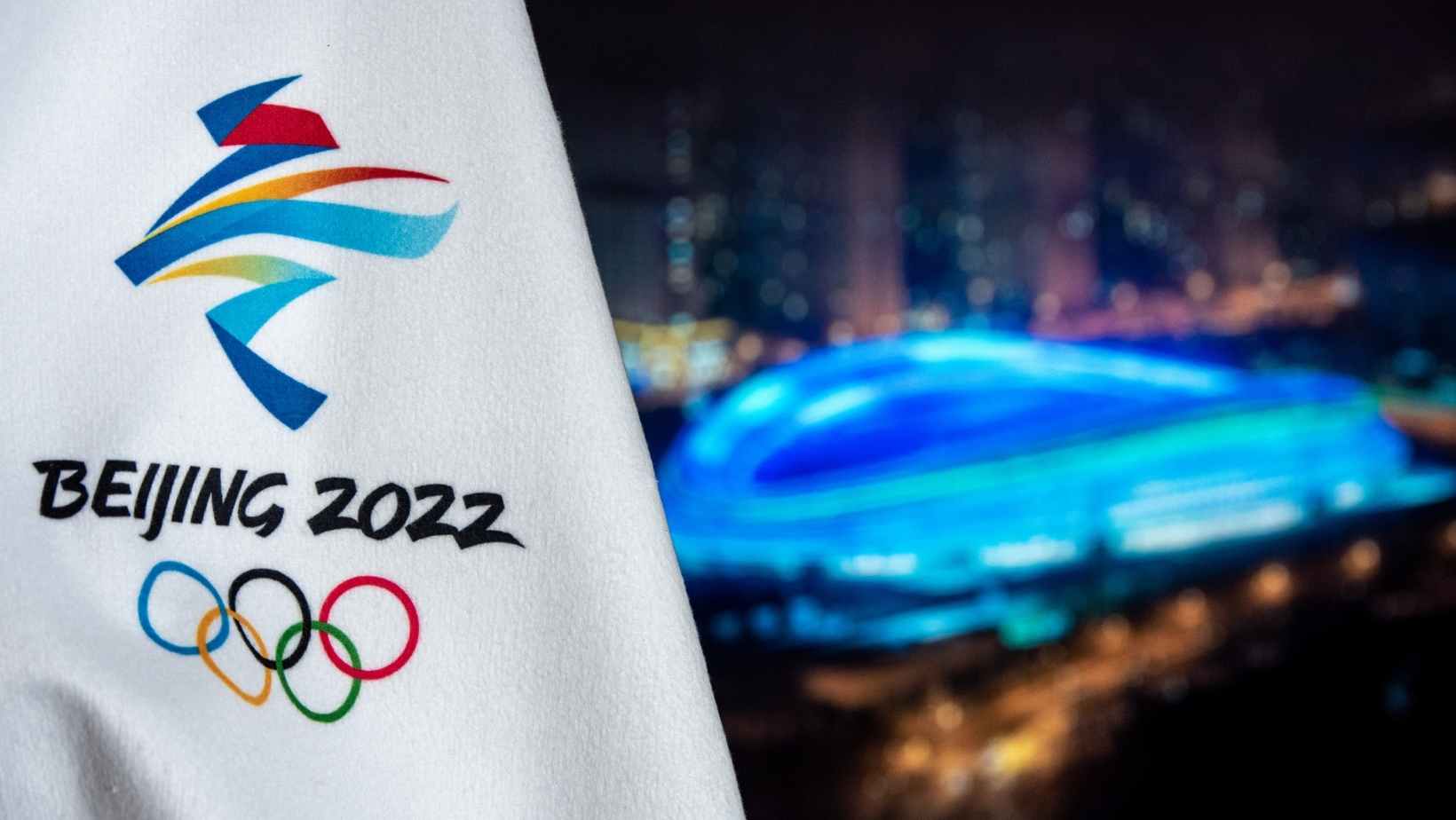
As the new Czech government was sworn into office last week, a pressing question for Prime Minister Petr Fiala’s cabinet is whether to join a growing international boycott of the Beijing Winter Olympics. Earlier this month, Fiala said he understood the reasons why officials from the United States, the United Kingdom and several other English-speaking countries will boycott the games that begin in February. He said his incoming top team would make a decision on the Czech response through a collective vote. The person likely to lead the campaign is Jan Lipavsky, the Czech Republic’s new foreign minister, who has publicly stated that he backs a diplomatic boycott, which will see politicians and official delegations shun the events in Beijing, even while Czech athletes still participate. Jakub Janda, director of the Prague-based European Values Center for Security Policy, says it is “highly probable” that Czech officials will boycott the games. It’s most likely that Lipavsky and other ministers won’t travel to Beijing for the Winter Olympics, but the second stage would be to declare an official diplomatic boycott of the Games, said Richard Q. Turcsanyi, a senior researcher at Palacky University Olomouc. European leaders were expected to discuss the boycott...
Don’t have an account? Register
Already have an account? Log In
How Would You Like to Promote Your Business? PR ArticleDisplay bannersVideo productionNewsletter adsJob ListingsInfluencer Marketing
Your Email
We will come back to you within 24 hours with our proporsal