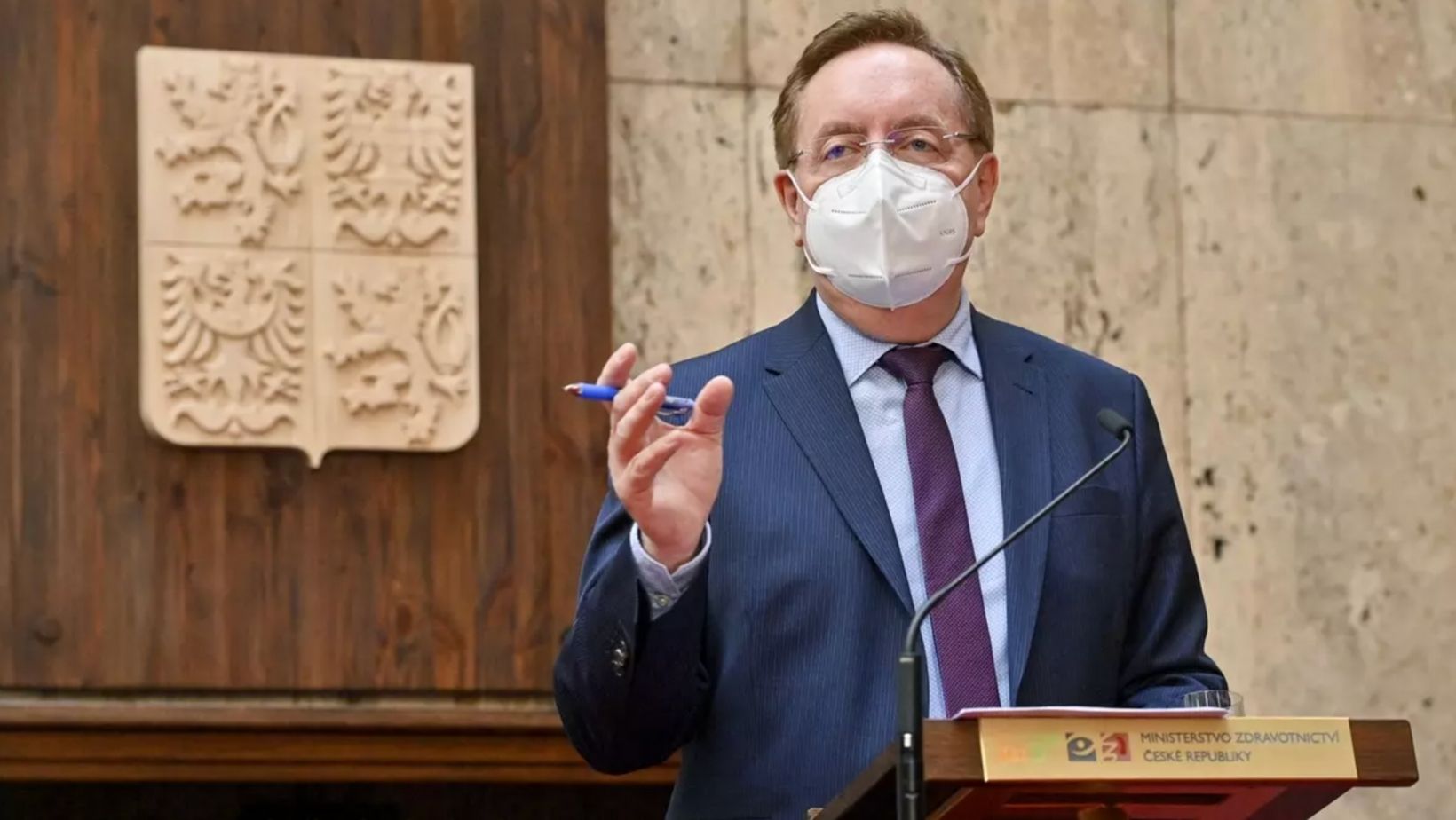
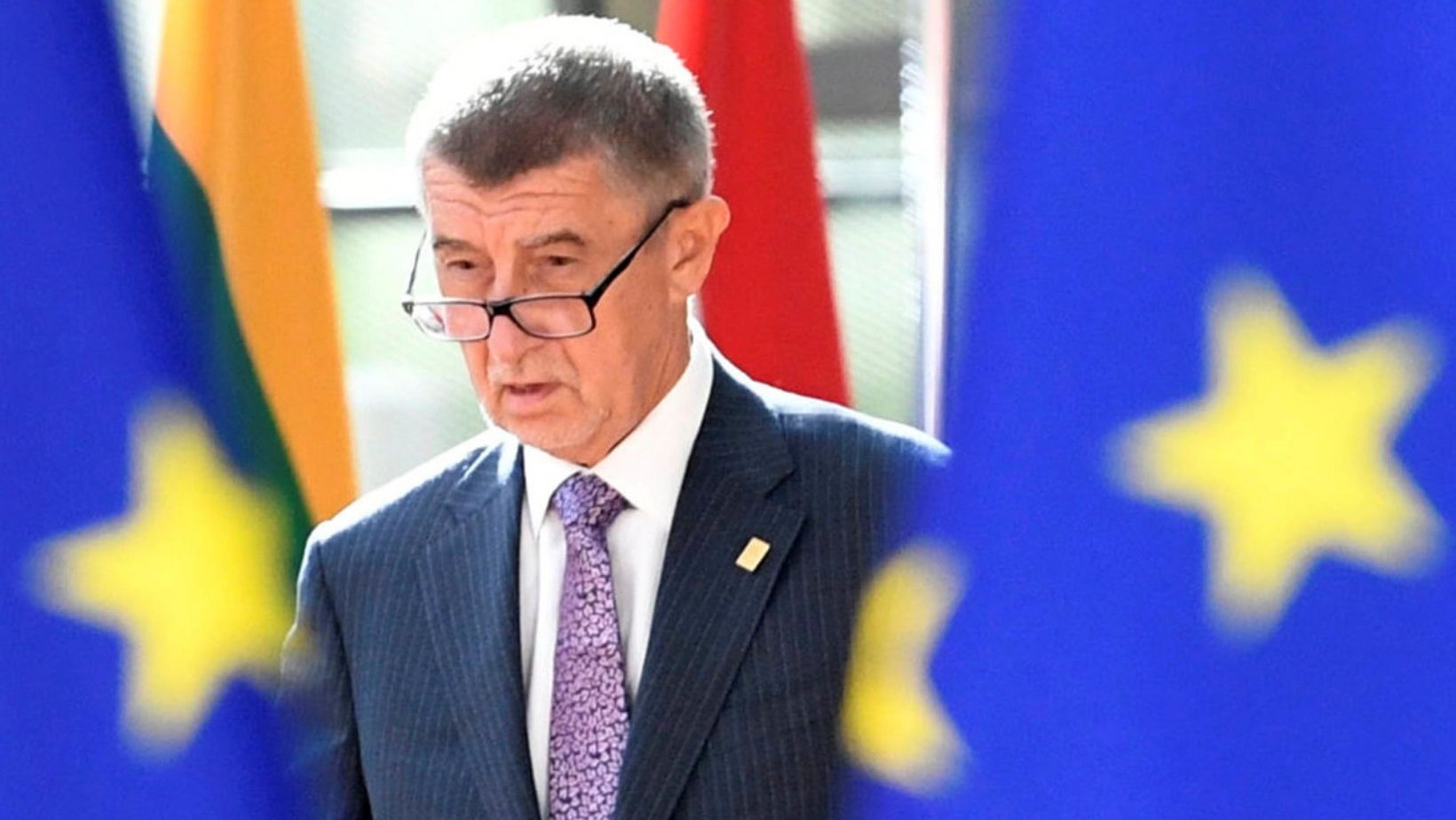
Minister of Health Petr Arenberger announced on Tuesday morning that he is stepping down.
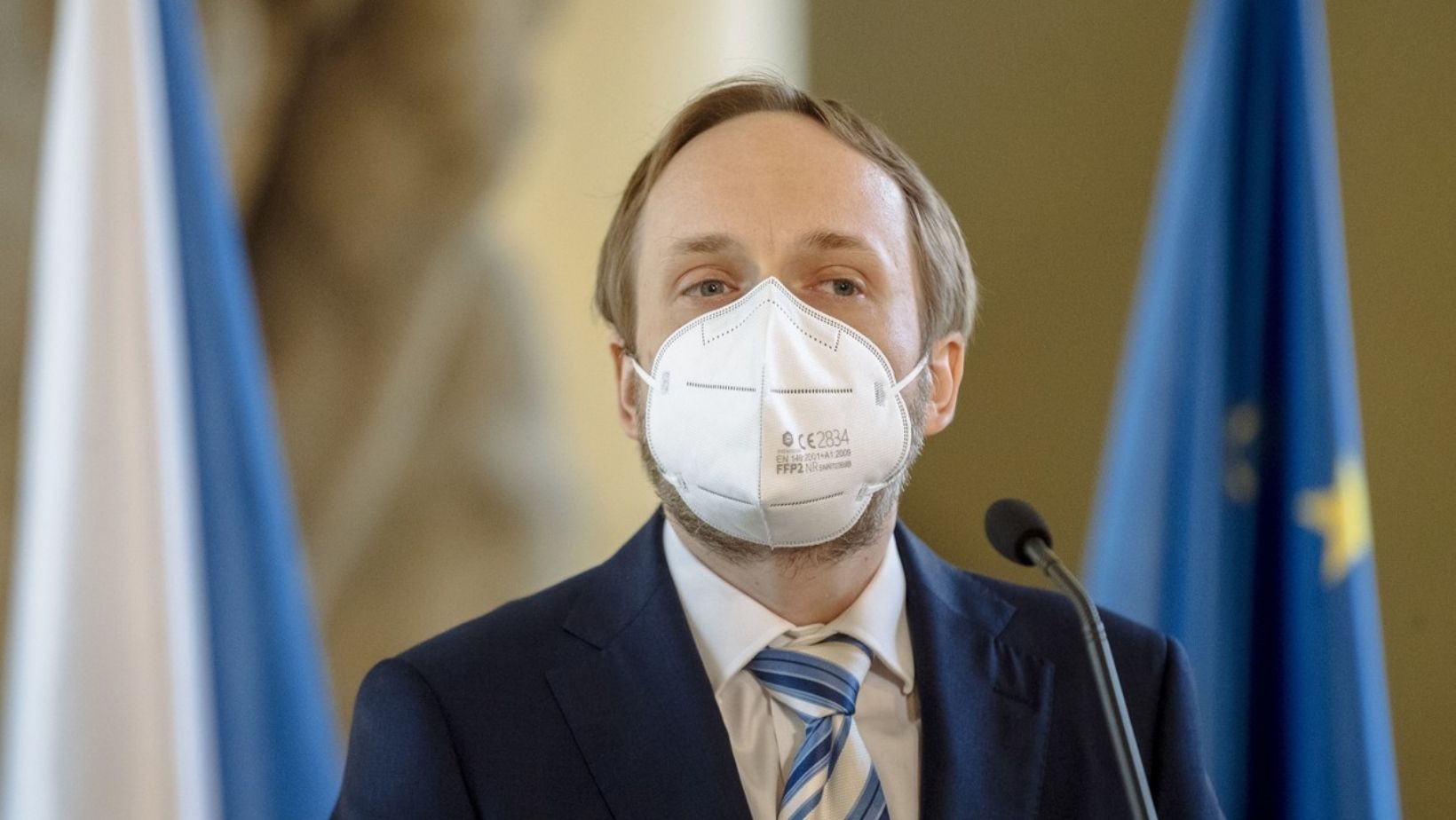
The foreign ministers of Austria, the Czech Republic and Slovenia voiced unanimous support on Saturday for North Macedonia and Albania to start EU membership talks, arguing that bilateral issues should not block the EU’s enlargement into the Western Balkans. Bulgaria on May 21 said it did not plan to lift its veto on long-delayed accession talks between North Macedonia and the EU over a language and history dispute with its neighbor Bulgaria, which joined the EU in 2007, wants Skopje to acknowledge that both its identity and language have Bulgarian roots. Skopje has long insisted Macedonian is a distinct South Slavic language that forms part of the country’s culture and national identity, while Sofia says Macedonian is a regional dialect of Bulgarian. Unanimity is required from all EU member for the adoption of the negotiating framework. The Czech Republic’s Kulhánek said it is “not fair” for one EU member nation to condition the enlargement process on a bilateral dispute. “This is a crucial time, and we cannot allow [the process] to be stuck with such demands,” he said. On Friday, Zoran Zaev, North Macedonia’s prime minister, said the two EU officials (Olivér Várhelyi, commissioner for enlargement, and Augusto Santos Silva,...
Czech Health Minister Petr Arenberger is taking heat for dismissing an interdisciplinary group of experts who had been advising him on the coronavirus crisis. Arenberger — the country’s fourth health minister since the start of the pandemic — dismissed the group on Tuesday without warning or explanation. Deputy Health Minister Martina Vašáková later told journalists that he made the decision because the public health situation is improving, and said the ministry would deal with the pandemic without outside experts from now on. But the move immediately prompted a backlash, with many pointing out it came a day after the group’s head, Petr Smejkal, had blasted the government for mismanaging the crisis. Smejkal, the chief epidemiologist at the Institute of Clinical and Experimental Medicine, told Czech Television on Wednesday that he believed the October general elections probably played a role in the panel getting the boot. “We are probably uncomfortable to [the government],” he said. “We’ve done all the necessary work, and since there’s probably nothing serious ahead of us now, why should they continue to have us?” Roman Prymula, one of Arenberger’s predecessors, told Czech Television the move was “a mistake” given that the upcoming summer holidays and increased travel meant...
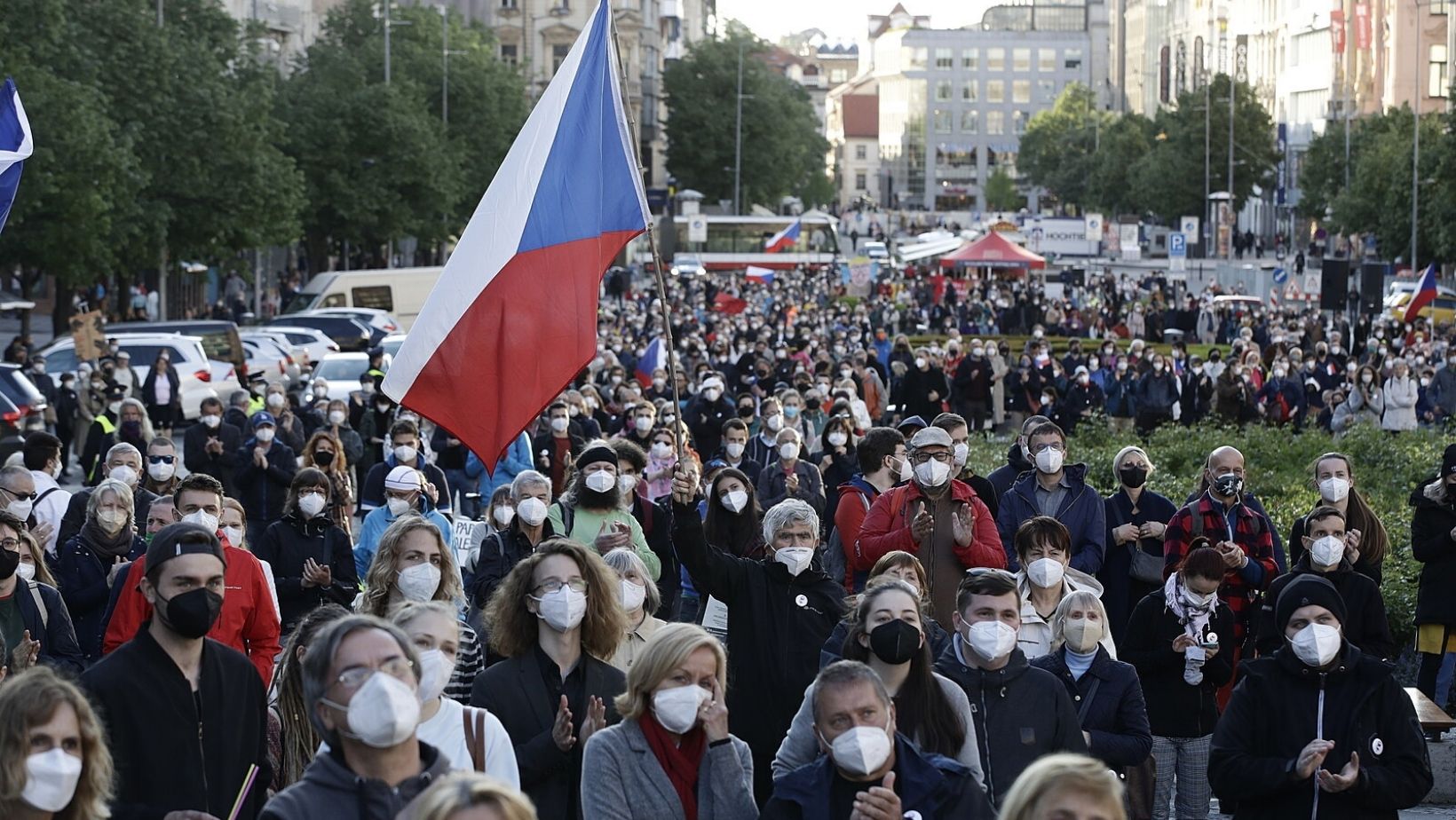
Thousands of people rallied against the Czech Republic’s justice minister Thursday, accusing her of undermining the independence of the country’s legal system and spreading misinformation about the investigation of a huge ammunition depot explosion allegedly caused by Russian spies. The protesters in Prague called on Czech Justice Minister Marie Benesova to resign and said if she does not, they will hold more rallies across the country next week and march through the capital on June 1. Benesova was the only member of the current coalition government who backed President Milos Zeman after he said that the 2014 blast could have been caused by human error or some other cause. The demonstrators repeatedly accused Zeman of treason. Zeman claimed there was no conclusive evidence about the Russian involvement in the ammunition explosion. His words were widely repeated by Russian media and authorities. All other government ministers, including Prime Minister Andrej Babis, as well as lawmakers and officials briefed on the investigation, said that´s not true. Banesova, a close ally of the president, strongly criticized the country´s prosecutor general, Pavel Zeman, for his public comments on the blast investigation. The prosecutor general resigned from his post last week, citing pressure from the...
On Wednesday, MEPs debated with Council and Commission about the findings on the breach of conflict of interest rules involving Czech Prime Minister Andrej Babiš. European deputies have harshly criticized Mr. Babiš for failing to resolve his conflict of interest while the recent European audit concluded that the Czech prime minister is in a situation of conflict of interest because he “still controls Agrofert”. Thirty legislators joined the debate, and no one, except for two members of Babiš’s ANO movement, spoke in support of him. The discussion thus showed that Babiš has no allies in the EU Parliament. In the debate, MEPs commented on the recent conclusions of the Commission’s 2014-2020 audit into a case of conflict of interest in which Andrej Babiš has been implicated, saying that the extent to which oligarchic structures have developed in Czechia is “inacceptable”, and that the funds in question have to be retrieved. Others said that this issue should not be used as an excuse to enhance EU competencies, and some underlined that the recommendations of the audit are being implemented now. Whereas the Portuguese Minister Augusto Santos Silva, President-in-Office of the Council, said the Council could not formulate any view on such specific cases,...
The Czech government also approved a National Recovery Plan draft worth nearly CZK 200 billion (EUR 7.8 billion) at its meeting on 17 May. Therefore, it was agreed that the funds from the National Recovery Plan will be used in the form of various investments which will modernize the Czech economy. The plan is ready to be submitted to the European Commission for approval. However, the final version has faced criticism from the Chamber of Commerce, which said the plan suggests insufficient funding for digitalization that would simplify red tape for business. NGO Hnutí DUHA (Friends of the Earth Czech Republic) said the government “greenwashed” the plan at the last minute. Czech regional leaders are also among the plan’s critics, Hospodářské noviny has reported. Leaders representing the Pardubický region said that the plan “is addressing only central needs” and not regional ones. “We are convinced that such an approach is in breach with requirements of the European Commission,” the region wrote in a statement. According to the government’s aforementioned press release, the country will invest in greener modes of transport, healthcare, high-speed internet networks, and the construction of new pre-school care facilities, among others. The National Recovery Plan has also been made public so...
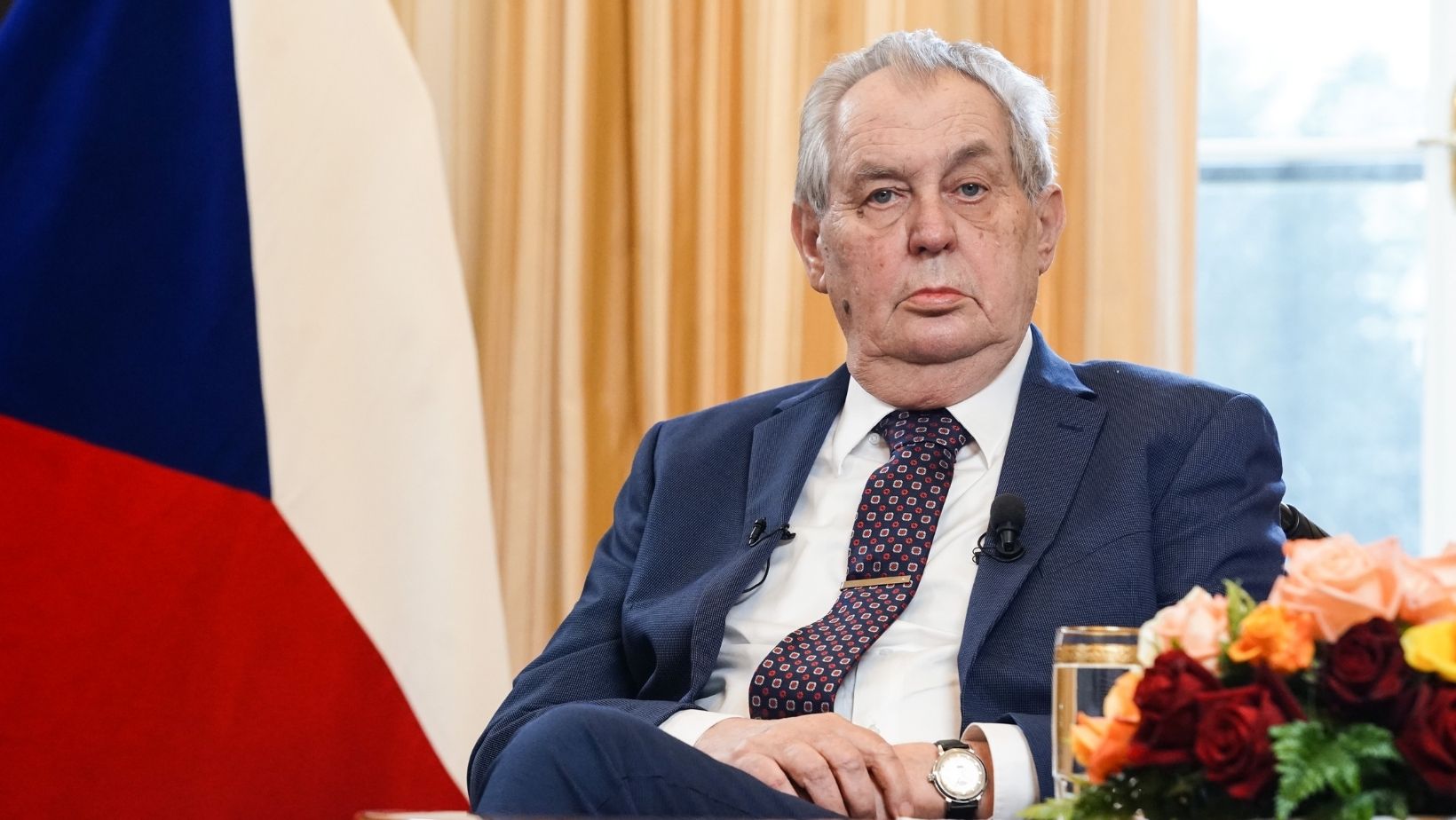
The Czech Republic’s President Milos Zeman on Tuesday apologized for NATO’s bombardments of Yugoslavia in 1999. He made a statement to this effect during negotiations with his Serbian counterpart Aleksandar Vucic, who is in the Czech Republic on a visit, the Czech leader’s spokesman Jiří Ovčáček tweeted on Tuesday. “President Milos Zeman presented public apologies to President Aleksandar Vucic for the [NATO] bombardments of Yugoslavia in 1999,” Ovcacek said. He stressed that Zeman “personally asked the Serbian people for forgiveness.” The Czech Republic joined NATO on March 12, 1999. The alliance’s bombardments followed on March 24 to continue till June 10, 1999. Zeman, the then Czech prime minister, strongly protested against NATO’s actions and stressed the historical and cultural proximity of the people of the Czech Republic and Yugoslavia. The Czech authorities then denied permission to NATO planes participating in the operation to land in the country’s territory. After the talks with Vucic on Tuesday Zeman told the media: “We were hopelessly looking for at least one more [NATO] country that would join us and come out against [the bombardments of Yugoslavia]. We remained all alone.” Nevertheless, he is certain that his country should have pressed for an end to...
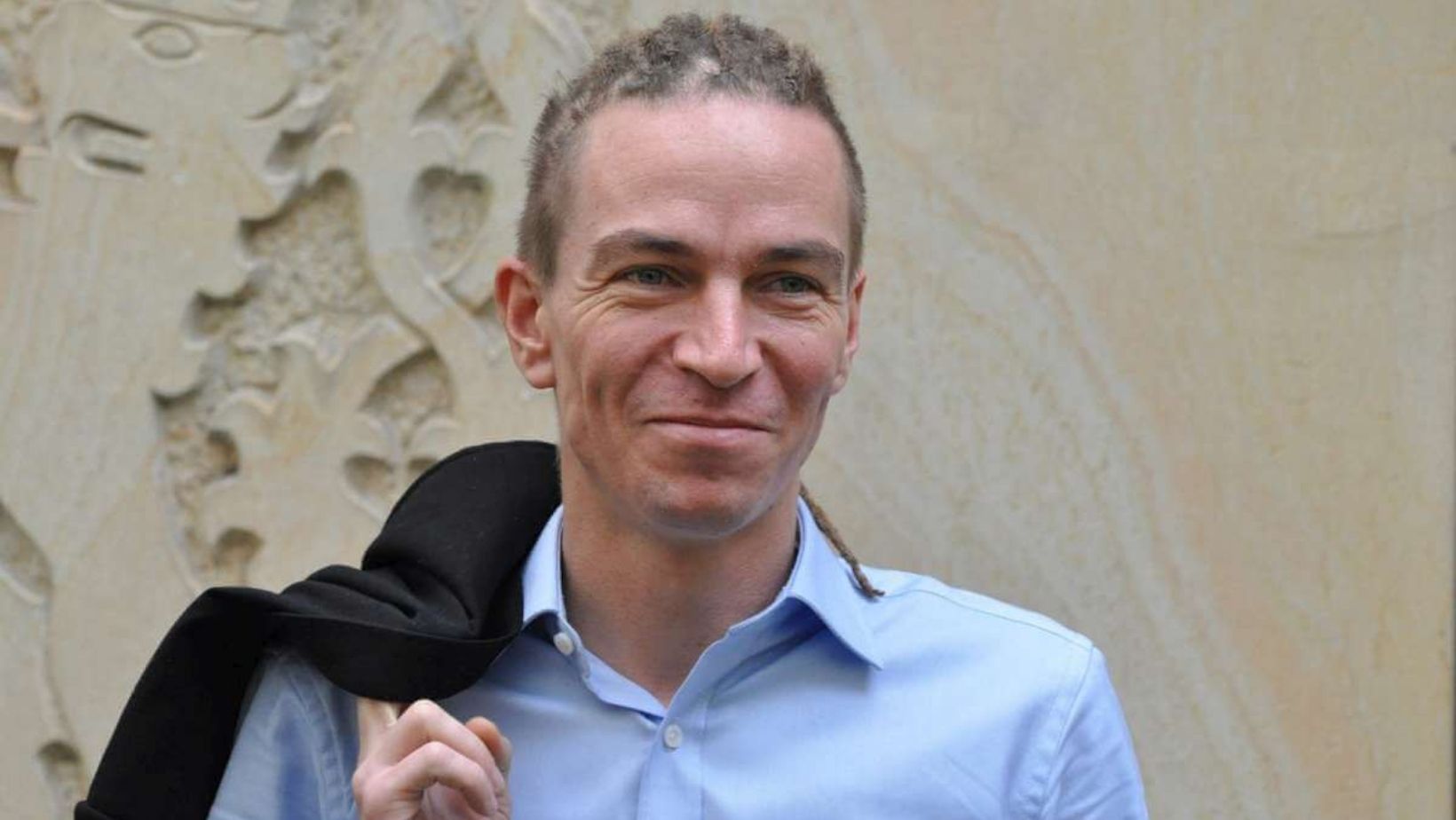
According to the most recent polls, the Czech Pirate Party has gained in voter preferences a few months before parliamentary elections in the Czech Republic. If elections were to be held now, a coalition between the Pirates and the party of The Mayors and Independents (STAN) would be in pole position with 27 percent, a centre-right electoral alliance called SPOLU would gain 21.5 percent, and the party of current prime minister Andrej Babiš would be relegated to third place with 21 percent. The surprising shift in voter preferences has prompted the Pirates to start collecting signatures in Parliament in order to schedule a vote of confidence against the current government, and if successful, they planned to call for early parliamentary elections as soon as July. The move was mostly a demonstration of strength and a provocation that will play well with their young urban electorate. However, apart from embarrassing the prime minister, the motion has little practical effect, as elections are scheduled for Oct. 8 regardless. For a vote of confidence, they needed the signature of 50 currently serving MPs, and although a united opposition could easily produce this amount of signatures, the fact is that the Pirates being on the far left...
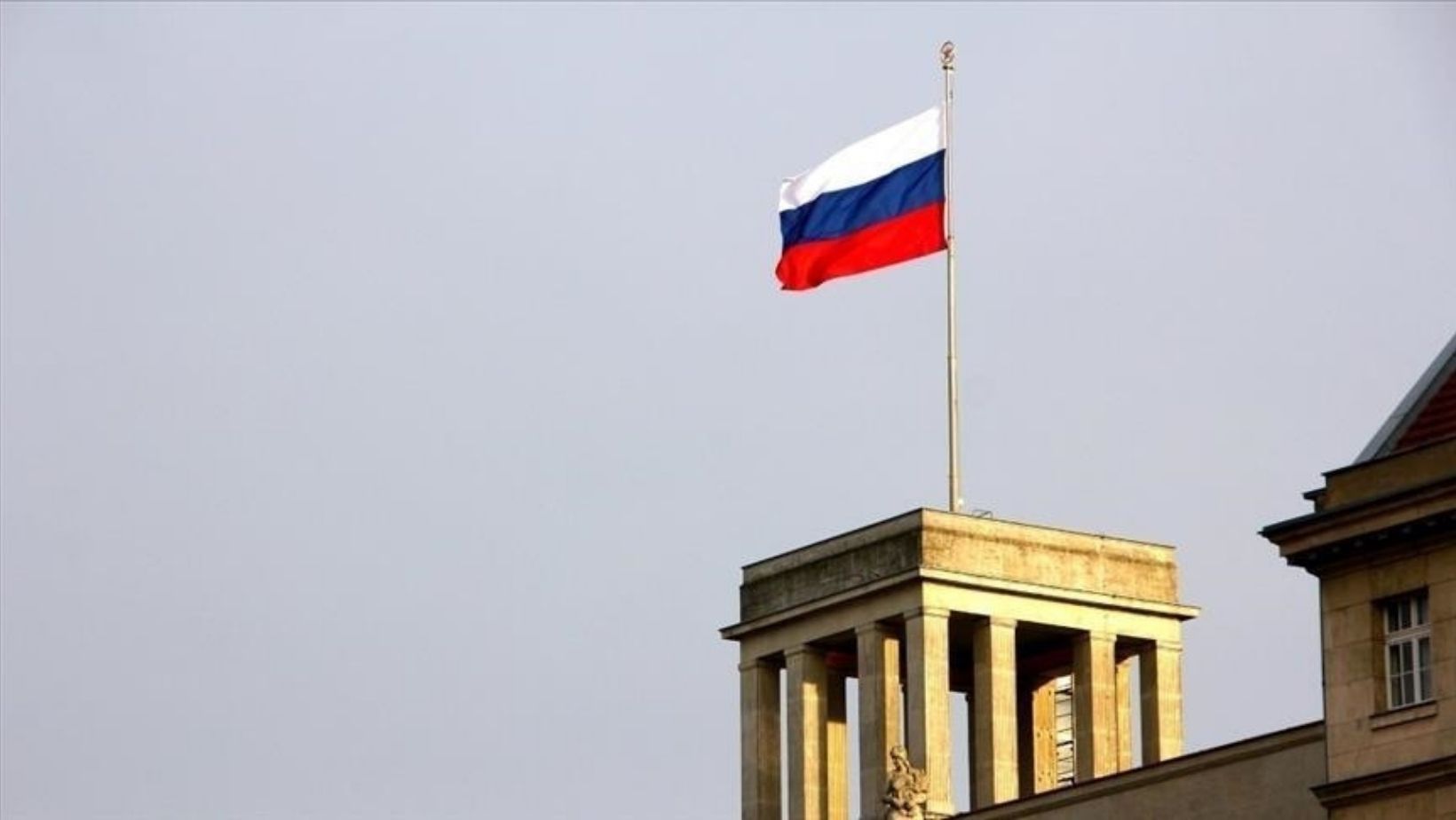
Russia on Friday formally designated the United States and the Czech Republic as “unfriendly states” amid the biggest crisis in ties between Moscow and Washington in years. The Russian government released a decree signed by Prime Minister Mikhail Mishustin that was accompanied by a list of countries that “have carried out unfriendly actions” against Russia, Russian nationals or Russian entities. The list now includes the US and the Czech Republic. The US diplomatic missions could no longer employ local staff while Czech missions could employ a maximum of 19. The Czech embassy will be allowed to employ no more than 19 Russian nationals and the US embassy none at all, Moscow said. Kremlin spokesman Dmitry Peskov said on Friday that Moscow remained ready for dialogue, state news agency TASS reported, stressing the fact that Russia had now only two nations on its “unfriendly states” list. In recent months tensions have spiralled between Russia and the West over a litany of issues, including Russia’s troop build-up on Ukraine’s border, interference in US elections and other perceived hostile activities. Russia-US relations have rapidly deteriorated after Joe Biden increased pressure on the Kremlin since becoming US president in January. Washington in April announced...
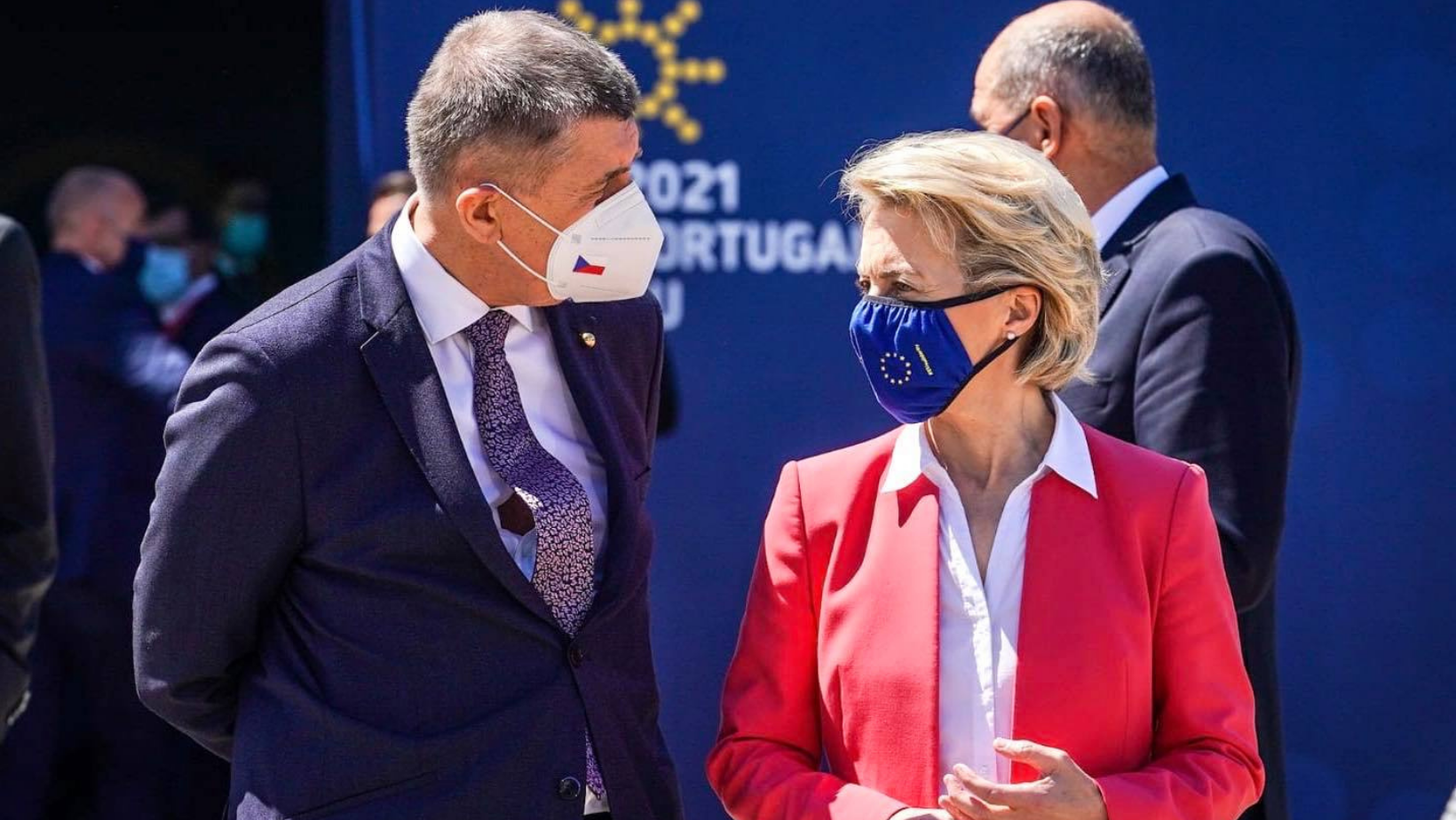
During the European Council summit in Porto, Czech Prime Minister Andrej Babiš asked European Commission President Ursula von der Leyen to try to get additional Covid-19 vaccines for June. “That’s the most important thing for us now,” he said. According to him, Europe should also launch a joint campaign to promote vaccination. According to Babiš, the Czech Republic will reach a stage in July or even earlier when it will have to start a campaign promoting vaccination. “I told colleagues to ask the European Commission to run a Europe-wide campaign. It seems that the lower the age, the lower the interest in vaccinations,“ added Babiš. “People need to understand that vaccines are safe, that this will allow them to enter everywhere without any problems. While those who are not vaccinated will have to be tested, and it will complicate their lives,“ the prime minister said. He also expressed the Czech Republic’s position on the possible release of patents for Covid-19 vaccines. “The European Union stands is to discuss any proposal that addresses this crisis effectively and pragmatically. (…) We call on all countries producing vaccines to allow exports and to avoid anything that could disrupt supply chains,“ said von der...
On Monday, Moody’s rating agency warned that Czech public finances might not be sustainable in the long run. According to the agency, the government’s budget plans for the medium term do not include any significant consolidation objectives, which has a negative effect on the assessment of creditworthiness. According to Moody’s, the consolidation of the state budget will be a task for the next government, which will be formed after the parliamentary elections scheduled for October. The rating agency pointed out that creating a strategy for reducing budget deficits and stabilizing or reducing the government’s debt will be key to Czechia’s future creditworthiness. At the beginning of February, Moody’s confirmed the Czech Republic’s credit rating at Aa3 with a stable outlook. A credit rating is an important guide for investors, as it shows them the likelihood that loans will be repaid, which has a significant effect on the willingness of creditors to provide loans to the state or other entities. It also affects the terms of the loan, such as the interest rate. The higher the rating, the better creditors perceive the borrower and the more likely they will accede to cheaper loans. “Moody’s warning is the first shot, fiscal consolidation was...
Annual GDP growth will strengthen to 6% in the short term in 2Q 2021, but this will be mainly due to a low comparative base. This is expected by the Czech National Bank (ČNB) with the view that the domestic economy will breathe into robust and sustained growth only with a more significant lifting of anti-epidemic measures during 2H 2021. According to ČNB, exports of Czech companies will return to dynamic growth thanks to the resolution of current problems in industry and international trade, as well as the gradual recovery of foreign demand. Overall, the GDP dynamic is projected to slightly exceed 1% in 2021 and then accelerate above 4% in 2022. Industrial production in the Czech Republic grew by 14.9% y/y in real terms in March 2021. The value of new orders increased by 23.0% y/y. The high annual growth in production was recorded mainly in sectors that have been hit by a complete closure since mid-March last year and which are also very closely linked. That is the production of cars, where production increased by 47% y/y, the production of rubber and plastic products with a growth of 22% and the production of electrical equipment.
Don’t have an account? Register
Already have an account? Log In
How Would You Like to Promote Your Business? PR ArticleDisplay bannersVideo productionNewsletter adsJob ListingsInfluencer Marketing
Your Email
We will come back to you within 24 hours with our proporsal