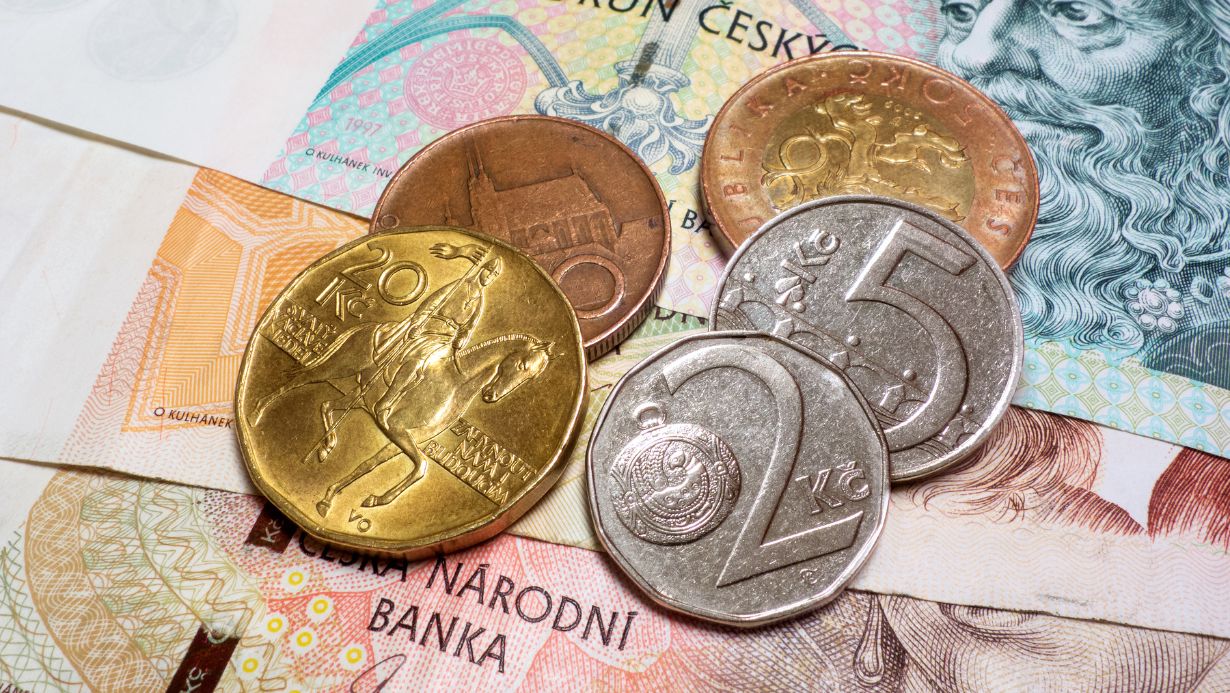
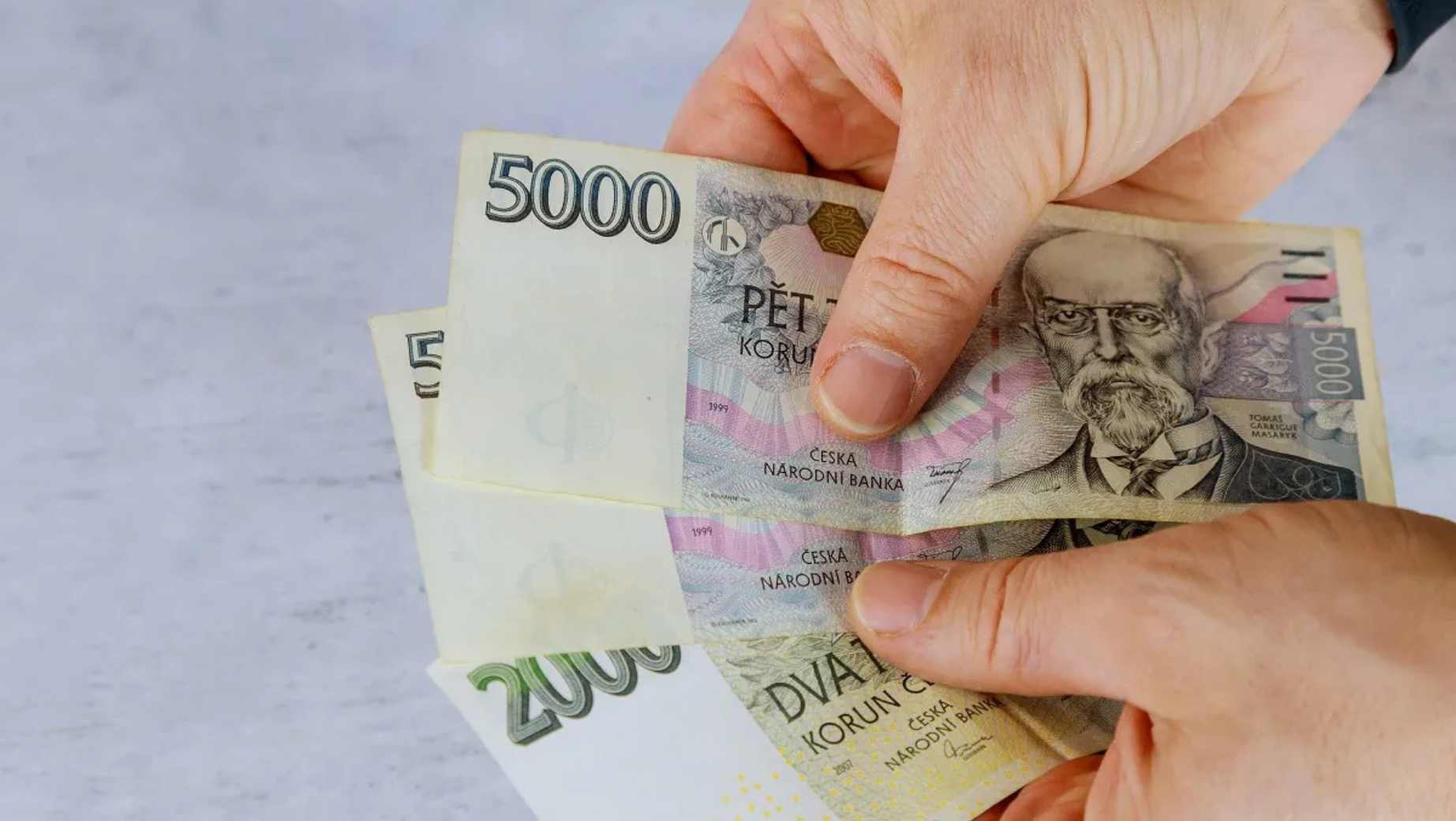
The Czech state debt has climbed to its highest level in history, nearing 3.7 trillion crowns, and economists warn that the trend is becoming increasingly hard to reverse. In just six years, the figure has more than doubled, turning public finances into one of the most pressing political and economic issues in the country. The impact of this growth is no longer abstract. Spread across the population, the current debt equals roughly 337,500 crowns per person. At the end of 2019, that figure stood at about 153,500 crowns, meaning the individual burden has more than doubled in a short period of time. Finance Minister Alena Schillerová has acknowledged that the situation is deteriorating. She recently pointed out that the share of state debt in gross domestic product has risen again, crossing the 43 percent mark. Only a few years ago, it stood closer to 42 percent. Forecasts suggest the ratio will continue to increase unless major changes are made to public spending and budget planning. Economists are increasingly vocal in their concerns. David Marek warns that the current path is unsustainable. In his view, debt is rising steadily without a clear plan to stop it, and the longer the trend...
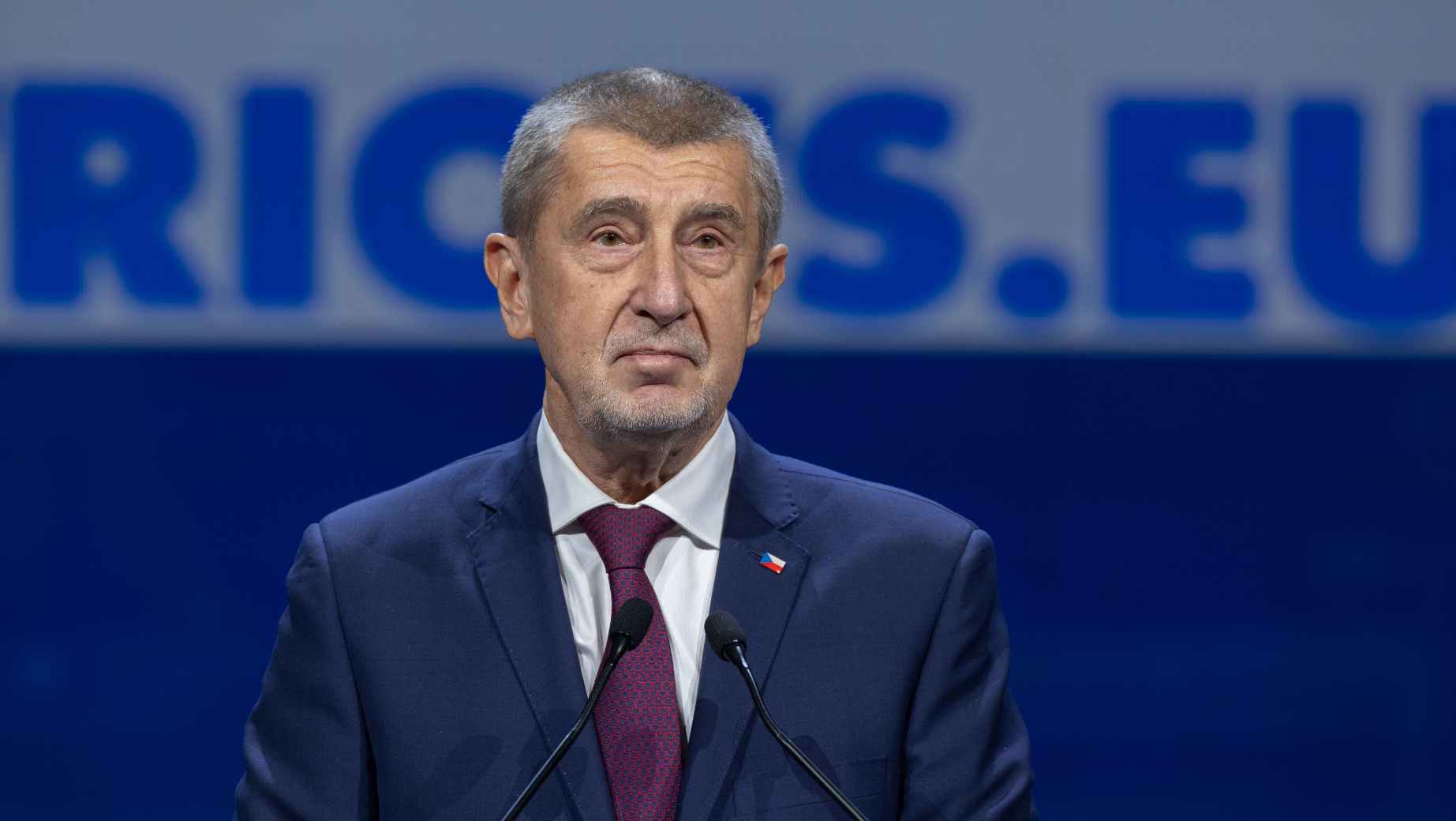
Czech Prime Minister Andrej Babiš will review his predecessors’ initiative to supply ammunition to Ukraine. He considers the initiative “a good thing” but demands a corruption check and will discuss it on January 7. As Babiš noted, the initiative regarding weapons for Ukraine is a “good thing,” but the Czech Republic must ensure that the project will be implemented without corruption. He added that currently, the main task is to stop the military conflict. According to Babiš, he first learned about the ammunition initiative at a meeting with the director of the Czech Agency for Intergovernmental Defense Cooperation on December 22, 2025. This issue is to be discussed on January 7 at a meeting of the Czech State Security Council. Czech Parliament Speaker Tomio Okamura spoke out against providing weapons to Ukraine, calling the war “senseless.” He stated that Czech pensioners’ money should not go to support “pro-war propaganda.” In response, Czech opposition deputies want to initiate a vote on the dismissal of SPD party leader Tomio Okamura from the post of Speaker of the lower house of parliament. Czech President Petr Pavel expressed concern about Tomio Okamura’s anti-Ukrainian statements. He stated that he would raise this issue for discussion...
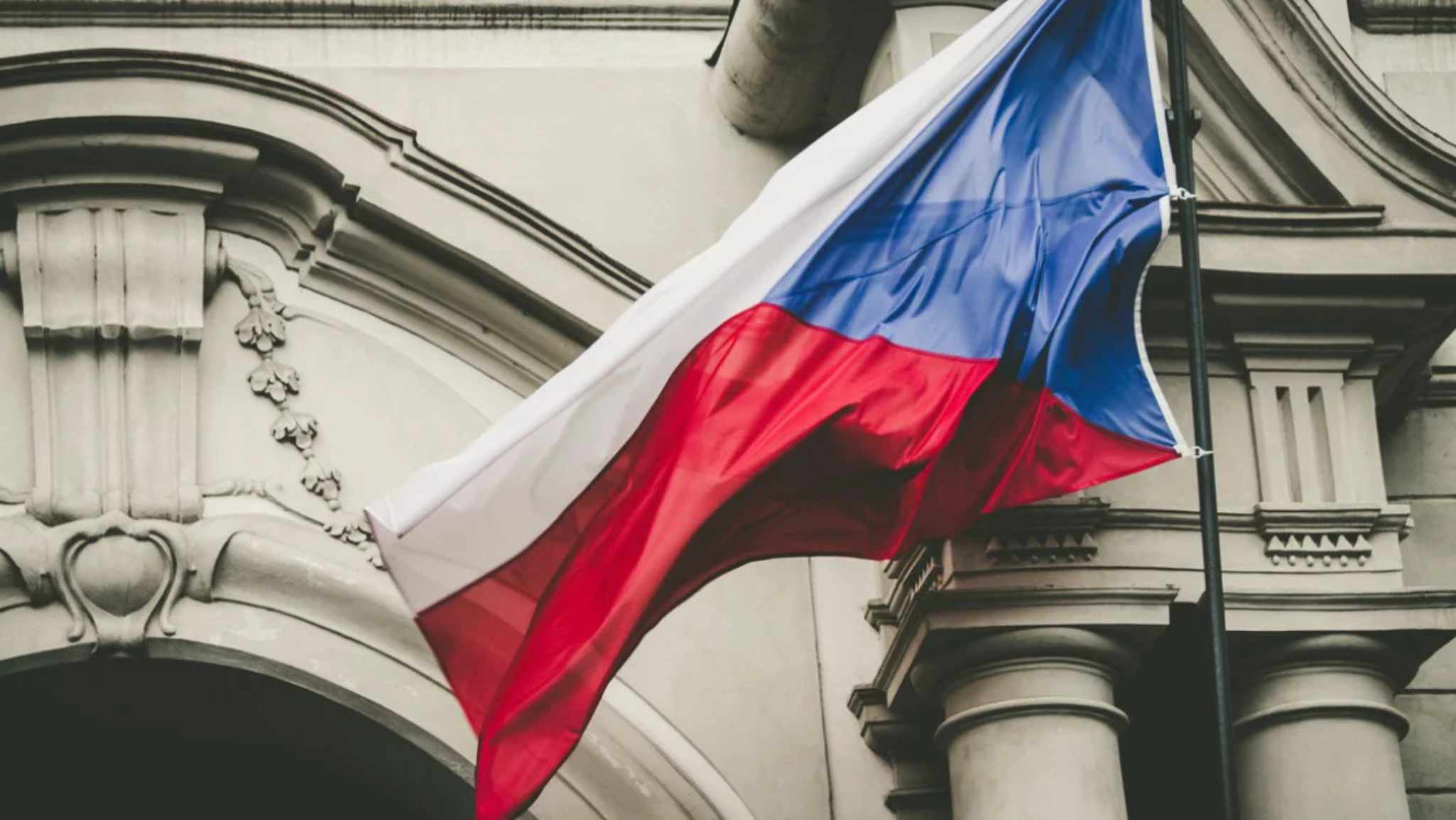
When Prime Minister Andrej Babiš used his New Year’s address to suggest the creation of a Czech Flag Day, he likely expected a symbolic gesture of national unity. Instead, the proposal has revived an old and unresolved dispute rooted in the breakup of Czechoslovakia more than three decades ago. Babiš has said he wants March 30 to be marked as Czech Flag Day, recalling the moment in 1920 when the flag was formally adopted. Yet that date refers not to a Czech national symbol, but to the flag of Czechoslovakia — a state that ceased to exist in 1993. The distinction matters, particularly in Slovakia, where the legacy of the shared federation remains sensitive. When Czechoslovakia dissolved peacefully at the end of 1992, the federal parliament adopted a constitutional law governing the separation. The law was clear: neither successor state was permitted to use the former federation’s state symbols. This included the flag, which until that point represented both nations equally. Despite this, when the Czech Republic formally came into existence on January 1, 1993, it adopted a national flag identical in design to the former Czechoslovak banner. Slovakia objected at the time, arguing that the move violated the agreed...
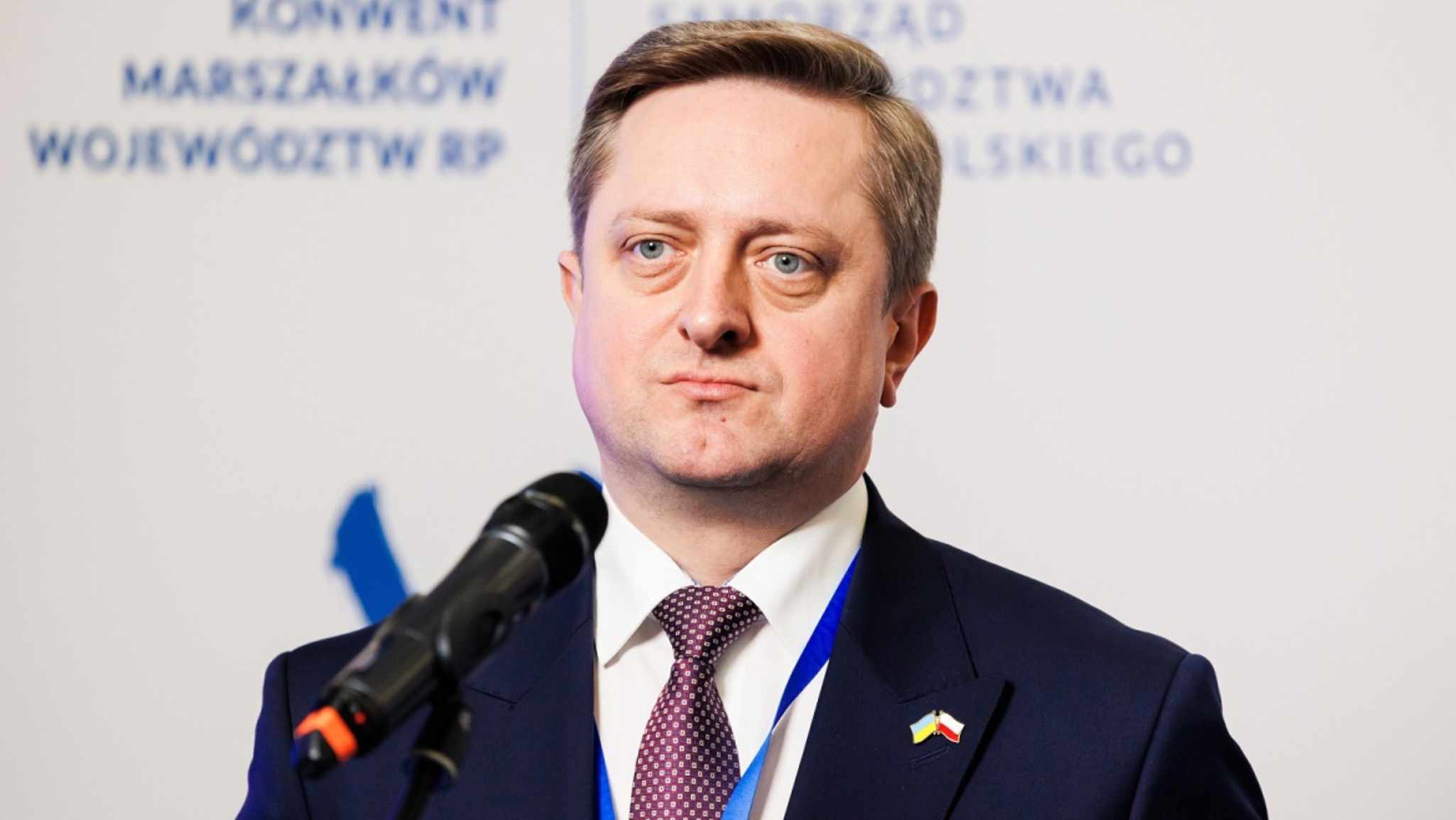
The Ukrainian ambassador to the Czech Republic, Vasyl Zvarych, voiced sharp criticism of the statements by the Speaker of the Chamber of Deputies of the Czech Republic, Tomio Okamura, voiced in his New Year’s address. He stressed that Okamura’s words indicate a position formed under the influence of Russian propaganda. “The insulting and hateful statements by Tomio Okamura about Ukraine and Ukrainians, voiced today in his New Year’s address, we regard as his personal position, formed, evidently, under the influence of Russian propaganda. The words he has used about my fellow citizens and Ukraine, in particular about the democratically elected leadership of the Ukrainian state, are unworthy and absolutely unacceptable. They contradict the principles of a democratic society and the values on which the Czech Republic rests as an integral part of the European community”, said Zvarych Zvarych expressed hope that state authorities and Czech civil society will provide due assessment of these statements and their alignment with the high public office held by Okamura. “I believe that our republic will jump off the Brussels train, which, despite warnings from the U.S. government, is heading toward World War III, – said Okamura. – Money flows in all directions, and everyone...
Households in the Czech Republic are expected to earn more in real terms in 2026, as wages adjusted for inflation are forecast to grow at one of the fastest rates in Europe. New economic projections point to a year of recovery after several difficult years marked by high inflation and falling living standards. According to forecasts published by Euronews, the Czech Republic is set to rank second among European Union countries for real wage growth. Real wages, which reflect income adjusted for price changes, are projected to increase by 2.7 percent. The same rate is expected in Bulgaria and Poland, placing the three countries just behind Hungary, which is forecast to lead the EU with growth of 3.5 percent. Elsewhere in Central Europe, wage growth is expected to be more modest. In Slovakia, for example, real wages are predicted to rise by around 1.9 percent. The European Commission’s outlook broadly supports these expectations. While nominal wages in the Czech Republic are forecast to rise by roughly five percent in 2026, the key figure for households is the real increase after accounting for price pressures. Economists see this as a sign that incomes will finally start to catch up with the...
The Czech government is preparing to end its military support for Ukraine. Tomio Okamura, chairman of the SPD party and speaker of parliament, announced after a nearly three-hour meeting that the Ministry of Defense has been instructed to prepare documentation to terminate the Czech Republic’s participation in the ammunition supply program for Ukraine. Okamura emphasized that the Czech state budget will no longer finance Ukraine’s military efforts. The prepared documents are scheduled for discussion first at a coalition council meeting and then at the cabinet level. The SPD leader also reported that Defense Minister Jaromír Zuna, representing SPD in the government, declined an invitation to visit Ukraine, reversing his earlier announcement to journalists regarding such a trip. Budget allocations for purchasing ammunition and weapons for Ukraine will cease, Okamura confirmed. He stressed that any remaining support should aim to expedite the conflict’s resolution and contribute to a peaceful settlement, which, in his view, should proceed through negotiations with Russia based on a plan associated with former US President Donald Trump. The Czech government has not yet reached a decision regarding the acquisition of American F-35 fighter jets. Okamura reiterated SPD’s stance that the purchase is unsuitable and prohibitively expensive. He...
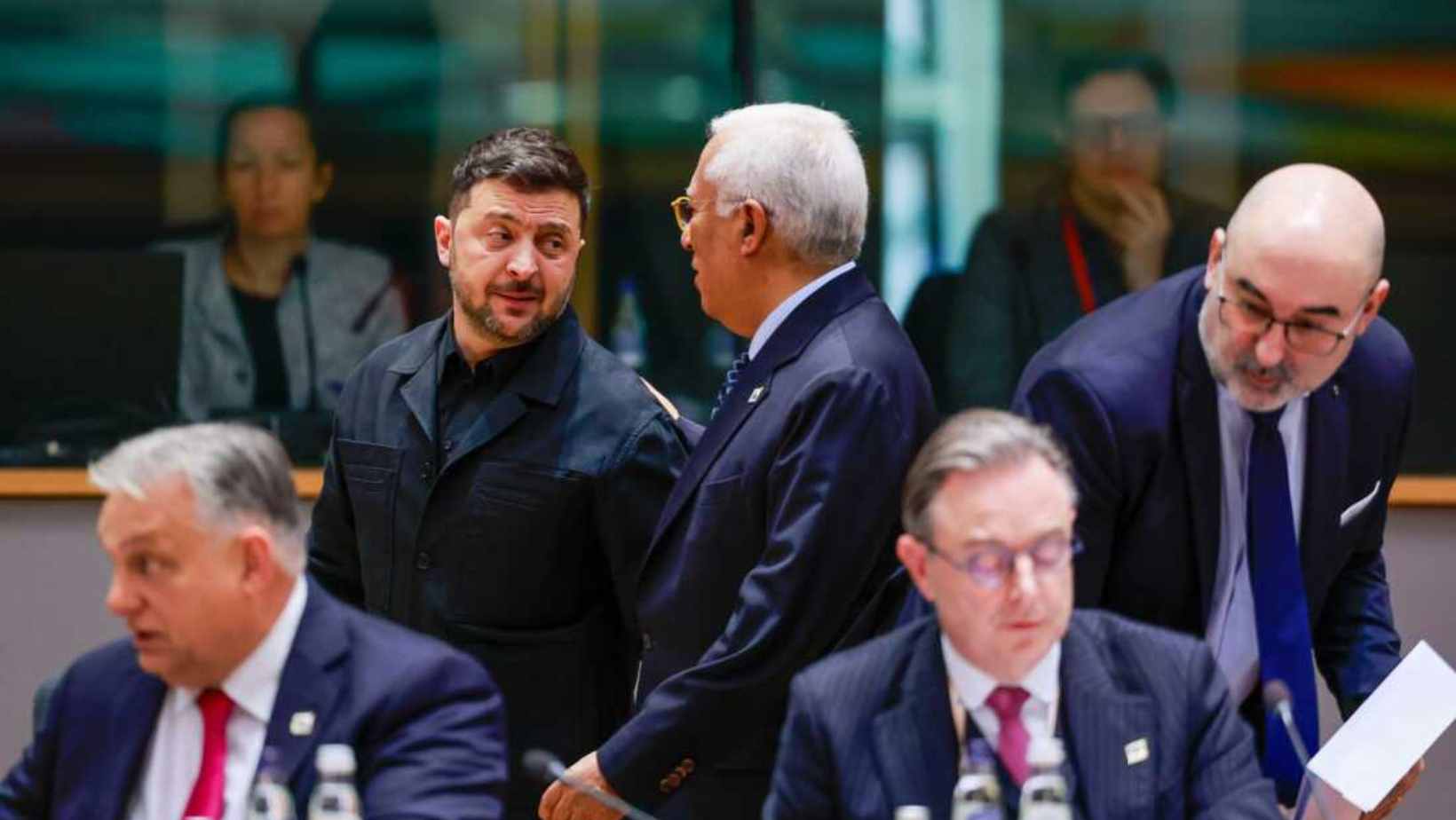
European Union leaders decided on Friday to borrow cash to loan 90 billion euros to Ukraine to fund its defence against Russia for the next two years rather than use frozen Russian assets. The leaders also gave the European Commission a mandate to keep working on a so-called reparations loan based on Russian immobilised assets but that option proved unworkable for now, above all due to resistance from Belgium, where the bulk of the assets is held. “Today we approved a decision to provide 90 billion euros to Ukraine,” EU summit chairman Antonio Costa told a press conference early on Friday morning after hours of talks among the leaders in Brussels. “As a matter of urgency, we will provide a loan backed by the European Union budget.” The idea of EU borrowing initially seemed unworkable as it requires unanimity and Hungary’s Russia-friendly Prime Minister Viktor Orban had opposed it. But Hungary, Slovakia and the Czech Republic agreed to let the scheme go ahead as long as it did not impact them financially. The EU leaders said Russian assets, totalling 210 billion euros in the EU, will remain frozen until Moscow pays war reparations to Ukraine. If Moscow ever takes such...
The Czech Republic’s new foreign minister, Petr Macinka, announced his intention to relocate the country’s embassy from Tel Aviv to Jerusalem. The comments were made during a Hanukkah lighting in Prague. “It should have been done a long time ago,” said Macinka, who entered office on Monday. During his speech, Macinka also addressed the antisemitic terror attack in Sydney, which led to the murder of 15 people. Macinka expressed solidarity with Israel and the Jewish community, and noted that one way of acting on that solidarity would be to move the embassy to Jerusalem, which Israel recognizes as its capital. Israel’s ambassador to the Czech Republic, Amir Weissbrod, praised Macinka for attending. “In Prague, many people gathered to celebrate the holiday together and express solidarity in the fight against antisemitism,” wrote Weissbrod on X. “My sincere thanks go to all the distinguished guests who attended this evening. This evening there was an exceptional atmosphere.” The Czech Republic’s new government was sworn in on Monday, led by Andrej Babiš. He is expected to follow in the footsteps of Hungary’s Viktor Orbán and Slovakia’s Robert Fico, whose countries have refused to provide military aid to Ukraine and oppose EU sanctions on Russia....
Agricultural producer prices in Czechia fell sharply on a month-on-month basis, while several key food items moved in opposite directions. Fresh data released by the Czech Statistical Office (CZSO) show that fruit prices dropped significantly, even as eggs recorded a steep increase. Compared with the previous month, agricultural producer prices declined by 4 percent. At the same time, industrial producer prices rose by 0.3 percent. Construction work became slightly more expensive, increasing by 0.1 percent, while prices of market services for businesses edged down by 0.1 percent. Looking at developments over the past year, trends remain mixed. Industrial producer prices fell year-on-year for the tenth consecutive month, declining by 1.3 percent. Agricultural producer prices rose by 1.2 percent, marking the slowest annual growth since September 2024. Construction work prices were 0.1 percent higher than a year earlier, while prices of market services for businesses increased by 4.3 percent. Within agriculture, price movements varied widely. Fruit prices fell by 9.5 percent month-on-month, potatoes dropped by 8.2 percent, and pig prices declined by 6.1 percent. In contrast, egg prices jumped by 12.4 percent, and poultry prices rose by 2.1 percent. Industrial producer prices recorded their strongest monthly increases in refined petroleum products....
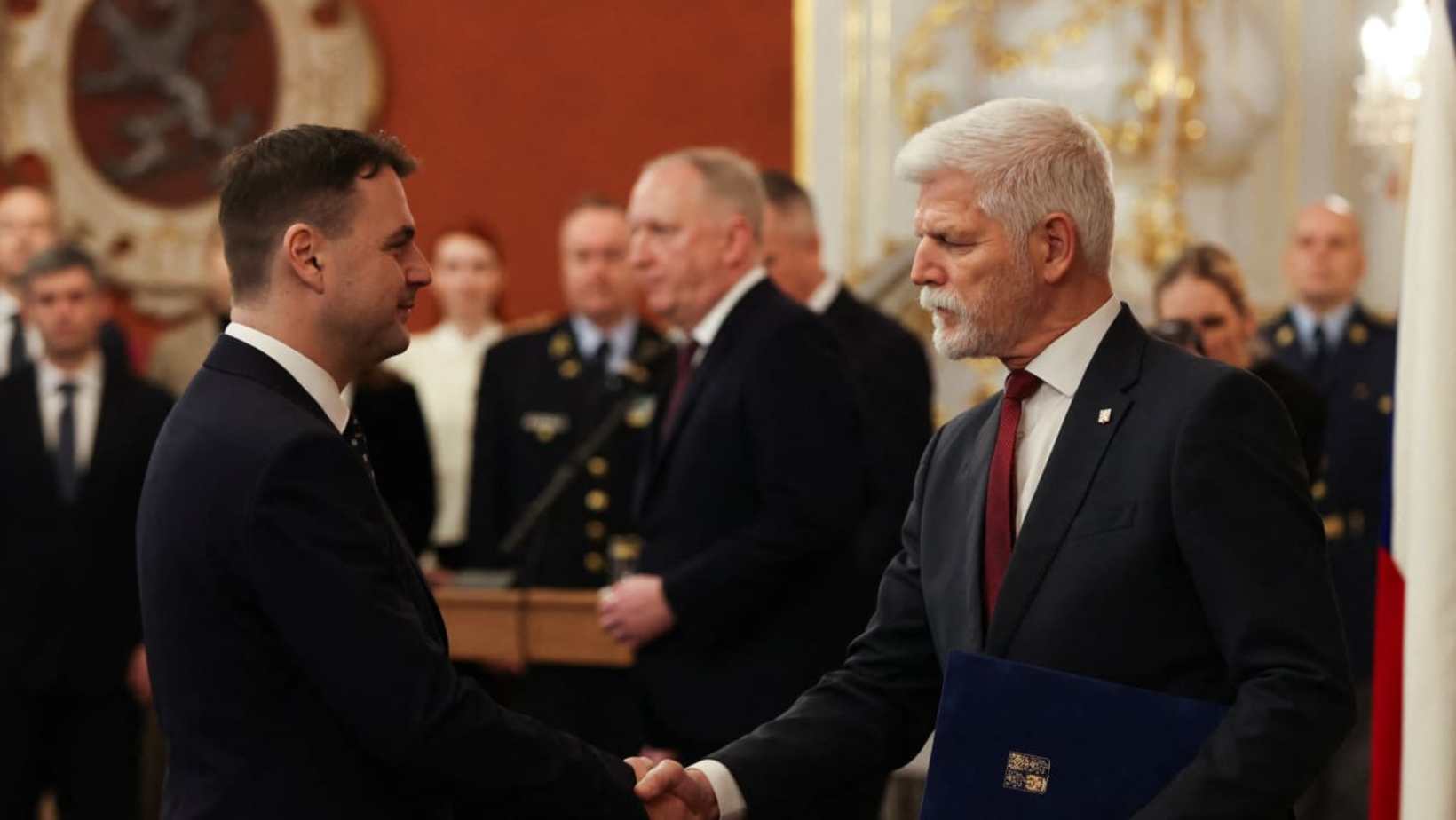
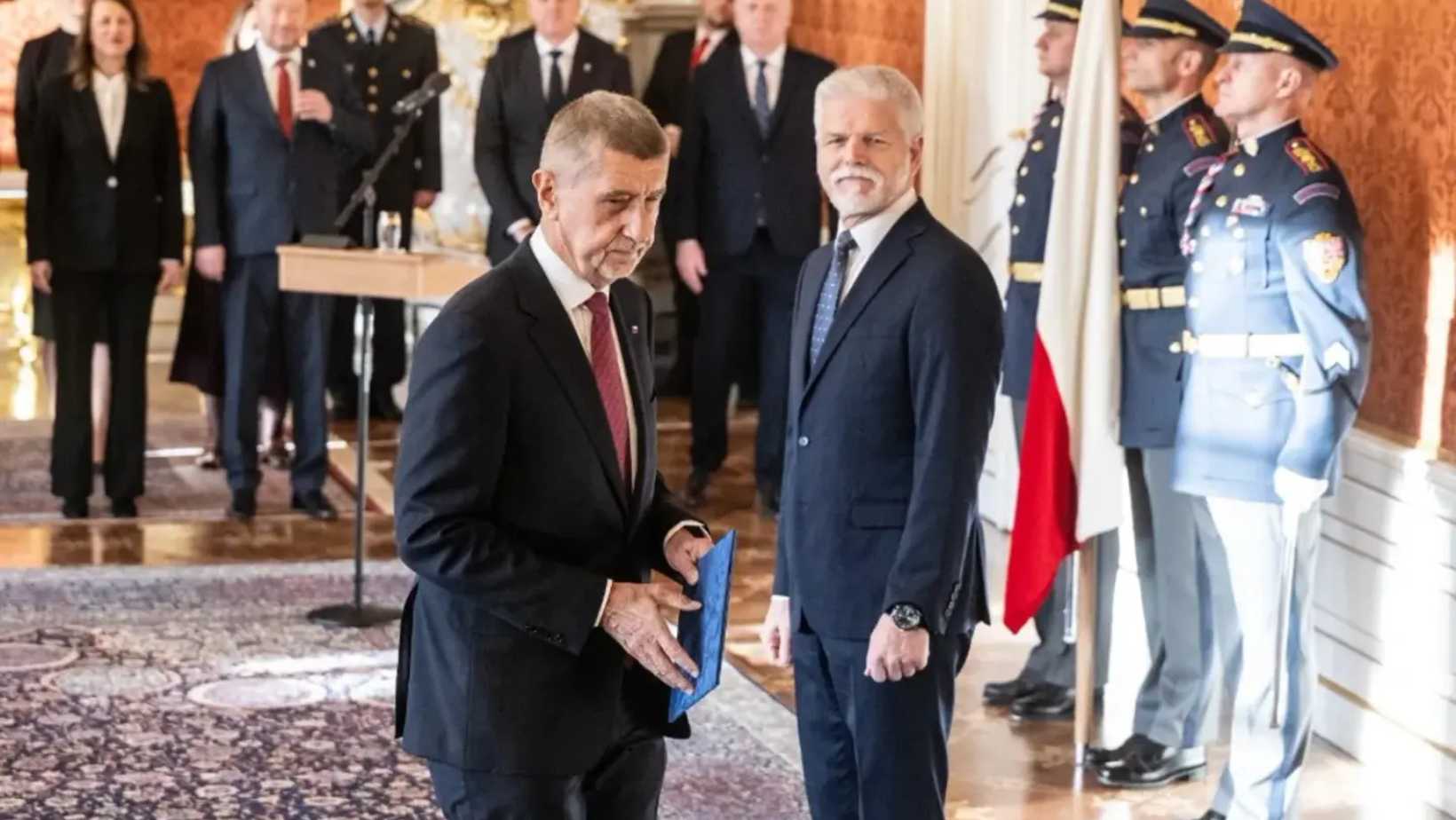
Czech President Petr Pavel has appointed a new government led by Prime Minister Andrej Babiš. The government includes representatives of ANO, SPD, and “Motorists,” who have taken 16 ministerial portfolios. It includes the ANO, SPD, and Motorists movements. Babiš will present the ministers in their departments today. Karel Havlíček, Alena Schillerová from ANO, Petr Macinka (“Motorists”), and Jaromír Zuna from SPD will become deputy heads of government in Andrej Babiš’s third cabinet. In the government, ANO receives eight portfolios in addition to the prime minister, SPD — three ministers, and “Motorists” head four ministries. The head of “Motorists,” Petr Macinka, temporarily heads two departments: in addition to the Ministry of Foreign Affairs, also the Ministry of Environment. The “Motorists” candidate, Filip Turek, has not yet met with the president due to health reasons, and the president simultaneously has doubts about his possible participation in the cabinet. The government in the Chamber of Deputies will rely on a majority of 108 seats; a vote of confidence is planned for January 13. After the appointment ceremony, Babiš will move to the Strakova Academy, where the prime minister works and government meetings are held. He will be met there by Petr Fiala (ODS),...
The Czech government is preparing to introduce stricter regulations for taxi drivers from abroad, including a possible requirement to demonstrate knowledge of the Czech language. The proposed rules aim to enhance both safety and service quality for passengers in the country. The announcement follows recent amendments to the Road Transport Act, which tightened rules on foreign driving licenses and expanded the powers of municipal inspections. Since July, the law requires taxi drivers to hold a license issued either in the Czech Republic or elsewhere in the European Union. Taxi licenses are now also granted only for the duration of the driver’s legal stay in the country. Municipal police now have the authority to stop taxis and verify compliance with the law, giving authorities stronger tools to enforce safety standards. Coalition Plans Further Tightening The newly formed coalition government has announced its intentions to go further. The draft program suggests unifying requirements for taxi drivers and transport platforms while introducing the obligation for drivers to demonstrate Czech language proficiency. The goal is to ensure that passengers receive safe, high-quality service across all platforms. Although the government has not detailed all planned requirements, sources suggest that mandatory Czech language exams could be...
Designated Prime Minister Andrej Babiš has said the Czech Republic should not take part in financially guaranteeing assistance to Ukraine. The responsibility for future funding must rest with the European Union rather than individual member states, he added. “Prague does not have the resources to underwrite aid for other countries. The European Commission must find alternative mechanisms to cover Ukraine’s needs, and ending the war should remain the priority.” During the next European Union summit, leaders will debate how to cover Ukraine’s financial needs in 2026 and 2027. The European Commission has presented two options: a joint EU loan backed by the EU budget, which would require unanimous approval, or a reparations-style loan secured by frozen Russian state assets, which could pass with a qualified majority. Members of the outgoing Czech government reacted sharply. Agriculture Minister Marek Výborný, who also leads the Christian Democrats (KDU-ČSL), warned that withdrawing from active support for Ukraine would harm Czech security and economic interests. He said continued participation in joint initiatives, including ammunition supplies, directly benefits the country and its industry. Interior Minister Vít Rakušan, leader of the STAN movement, criticised what he described as a break from the Czech Republic’s established approach within...
Don’t have an account? Register
Already have an account? Log In
How Would You Like to Promote Your Business? PR ArticleDisplay bannersVideo productionNewsletter adsJob ListingsInfluencer Marketing
Your Email
We will come back to you within 24 hours with our proporsal