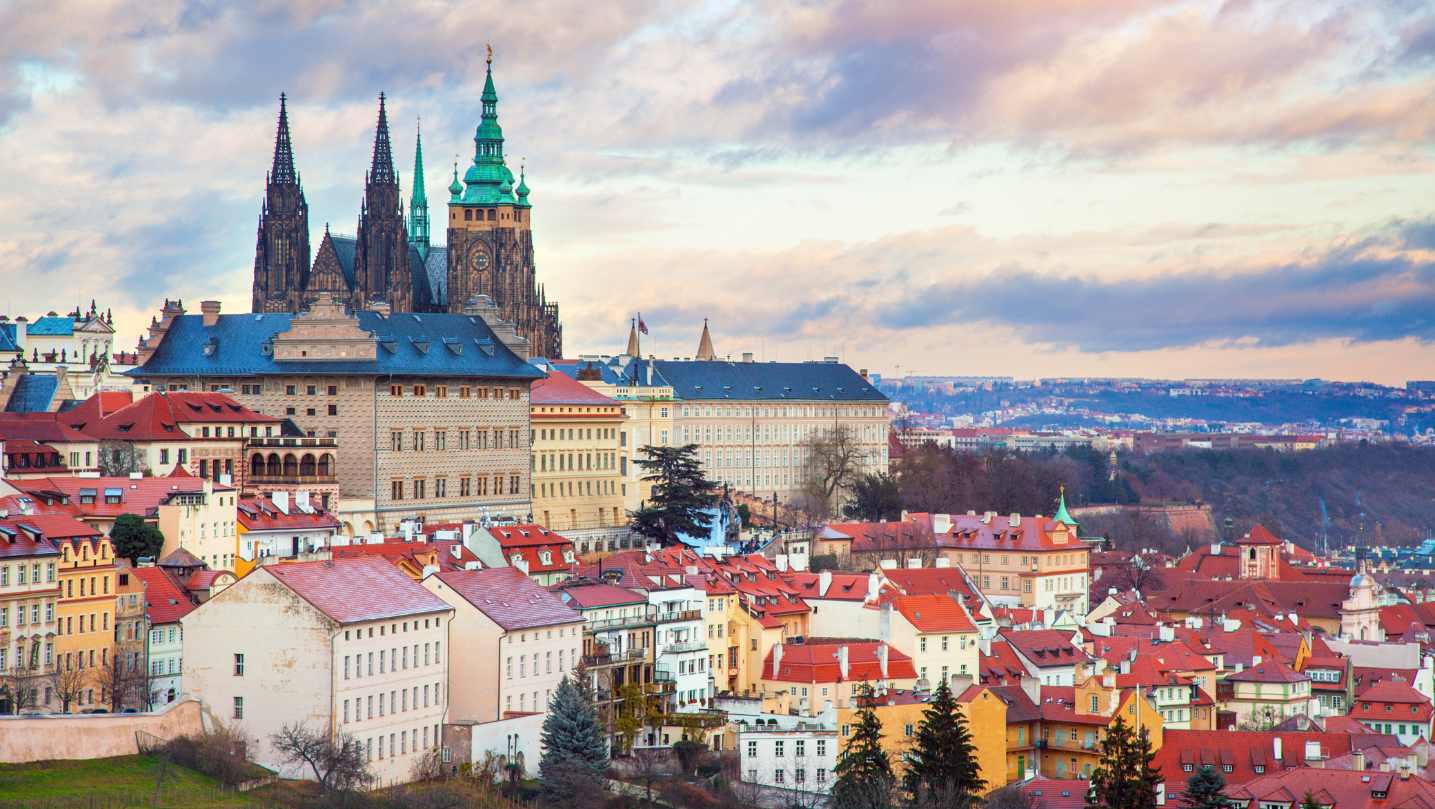
The Czech Republic has jumped twelve places in The Economist’s annual ranking of the world’s best-performing economies, moving from 18th last year to 6th in 2025. Despite political debates suggesting economic difficulties, experts note that the country has sustained steady growth, with most estimates pointing to GDP growth of around 2.5 percent this year. “The Czech Republic and Colombia are showing decent growth in both gross domestic product and employment, which moves them into the top third of our ranking,” The Economist highlighted, also noting strong performance on the Prague Stock Exchange, where the PX index rose 41.6 percent from January to November. The magazine’s ranking does not rely solely on GDP growth. Other factors include inflation management, employment trends, and stock market performance, all reflecting broader economic stability. According to the Czech National Bank, average inflation is projected at 2.5 percent for 2025, slowing to 2.2 percent in 2026, while unemployment held steady at 4.6 percent in November. Despite these positive indicators, the Czech economy still faces structural challenges: a heavy reliance on the automotive sector, low investment levels by both the state and private companies, labor shortages, high energy costs, housing affordability issues, and ongoing bureaucracy. Broader Regional...
As electricity and gas prices continue to ease across Czechia, a new government service is reshaping how households and companies choose their energy suppliers. The Ministry of Industry and Trade, together with the Energy Regulatory Office, has launched an independent price-comparison platform that allows users to review current electricity and gas offers without entering any personal data. Developers say the system now handles around a thousand comparisons a day. What the Platform Actually Does The tool gathers all active offers from the Czech energy market and displays them in a simple, ad-free interface. It draws from datasets newly required under the LEX OZE III legislation, which obliges suppliers to send the regulator complete and regularly updated documentation on their products. These legal changes also force companies to publish a seller security index, their contract structure, and detailed price lists. The rules target past practices where intermediaries moved clients between providers without fully transparent conditions. Why It Matters for Households and Businesses Tariffs have dropped by more than ten percent since January, and experts estimate that switching suppliers can lower annual costs by several hundred to several thousand crowns. In some cases, the total bill may fall by tens of percent,...
President Petr Pavel will appoint ANO leader Andrej Babiš as prime minister on Tuesday, December 9, after the billionaire announced that he would step away from his business empire Agrofert to resolve a conflict of interest. The move clears the final obstacle following ANO’s victory in October’s parliamentary election and its subsequent coalition deal with the Freedom and Direct Democracy party and Motorists for Themselves. Babiš confirmed the decision in a video message on Thursday evening, saying he would “irrevocably give up” Agrofert and have no contact with the conglomerate going forward. The business group, which includes more than 200 companies and is one of the country’s largest recipients of EU subsidies, has been at the centre of his legal and political battles for years. “Of course, I could have left politics after winning the election and lived a comfortable life,” Babiš told voters. “But I am convinced you would see it as a betrayal. That is why I have decided to give up Agrofert forever. I will not own it again, I will not profit from it, and I will not communicate with it.” According to the plan he outlined, Agrofert’s shares will be moved into an independent trust...
Outgoing Prime Minister Petr Fiala said on Thursday that the Czech state has spent CZK 91.3 billion on assistance to Ukraine since Russia launched its full-scale invasion in 2022. When all revenues linked to the aid package are counted, the state actually comes out CZK 12.7 billion ahead. Fiala explained that the government received CZK 79 billion through taxes and social and health insurance payments, while an additional CZK 25 billion was reimbursed for military assistance. The combination of these two revenue streams pushed total income above the cost of aid. According to Fiala, the Czech public and institutions have played a key role in sustaining support for Ukraine since the first days of the invasion. He thanked those who contributed to humanitarian, financial, and military assistance. A large share of the help came in the form of military equipment, mostly older stock. Since 2022, the Czech Republic has supplied military aid worth CZK 17.4 billion, receiving CZK 25 billion in compensation from partner countries. The refunded amount reflects the value of donated material and the cost of training Ukrainian soldiers. Defense Minister Jana Černochová later clarified that CZK 5.77 billion of the total represented donations of surplus equipment that...
Filip Turek stated that his Nazi salute and posting of Nazi memorabilia were due to “bad humour” rather than any affinity to Nazism or racism. The Czech Republic’s populist ANO party proposed appointing to the cabinet a right-wing eurosceptic who has been criticised for performing a Nazi salute on Wednesday, complicating efforts to form a government after last month’s election. ANO, led by Andrej Babis, won the most votes in an October election and has been trying to form a cabinet with the far-right, anti-EU, and pro-Russian SPD party and the right-wing eurosceptic Motorists party. Babis on Wednesday submitted a list of nominees to President Petr Pavel that included Filip Turek of the Motorists party, who has said his Nazi salute and posting of Nazi memorabilia was down to bad humour rather than any affinity to Nazism or racism. He has also disputed the authenticity of some old social media posts that were published by Czech media, where he appeared to make racist comments. President’s objections remain “The president repeated that his objections to Filip Turek as a member of the future government remain,” the office of President Petr Pavel said in a statement. Pavel, a pro-EU liberal and strong...
Starting your trading journey is exciting, but it can feel overwhelming. With so much information online, it’s easy for beginners to follow the wrong advice, misread the market, or jump in too quickly. As mistakes are part of learning, certain missteps can cost you more time, money, and confidence than necessary. Understanding these common pitfalls early helps you build a stronger, more resilient trading foundation and prevents unnecessary setbacks. Below are the key trading mistakes beginners commonly make, and how to avoid them so you can approach the markets with clarity and discipline. Relying on Unverified Information and Impulse Decisions A lot of new traders get caught up in hype-driven tips and social media speculation. Anyone can give trading advice online, and without knowing which voices to trust, beginners can end up following unreliable opinions that lead to poor trades. That’s why researching market fundamentals, confirming trends across several trusted sources, and using structured learning tools, such as reputable crypto guides, can help you separate fact from noise. When you build your strategy on verified insights, you reduce your chances of getting swept up in impulsive, emotion-based decisions. Another common issue is trading before fully understanding market conditions. Beginners might...
The Czech economy has moved into the European spotlight after several difficult years marked by inflation and weak household spending. According to new Eurostat data, Czechia now ranks among the fastest-growing economies on the continent, driven mainly by stronger domestic demand. The turnaround has been gradual. Inflation has eased, real wages are rising again, and people are returning to normal spending habits. This renewed confidence is pushing household consumption up, while companies are increasing investment after months of caution. Although exports remain slower, domestic demand has been strong enough to lift overall growth. Czechia now sits in third place in Europe, behind only two countries. Spain, with growth of 2.8%, continues to benefit from a resilient tourism sector and a strong expansion of technology and service industries. Close behind is Portugal, also at 2.4%, where higher real incomes are helping support steady consumer activity. Sweden is growing at the same pace, helped by rising household spending and gradually improving wages. Further east, Lithuania is maintaining a 1.9% growth rate. Its economy started the year strongly but slowed slightly in the third quarter. Even so, higher wages have supported consumer confidence, keeping the trend stable. The Netherlands, growing at 1.6%, is...
The Chamber of Deputies will hold an extraordinary session on Thursday, November 27, to discuss the conflict of interest involving ANO movement leader Andrej Babiš. The session was requested by the outgoing government coalition—KDU-ČSL, ODS, STAN, and TOP 09—as well as the opposition Pirate Party. The parliamentary opposition insists that Babiš should publicly clarify how he intends to address the conflict of interest stemming from his ownership of the Agrofert holding before he can take office. Czech President Petr Pavel has also called for transparency, stating that he will not appoint Babiš as prime minister without a clear explanation. Babiš has described the matter as sensitive and pledged to disclose his proposed actions immediately prior to his potential appointment. Tomio Okamura, chairman of the Chamber of Deputies and leader of the SPD movement, announced the session to journalists but made it clear that his party will not support the agenda. Okamura considers convening the meeting unnecessary, arguing that Babiš’s conflict of interest has already been extensively discussed. He also noted that as an ordinary member of parliament, Babiš is not currently bound by the same legal requirements, and will have 30 days to resolve the matter once appointed prime minister....
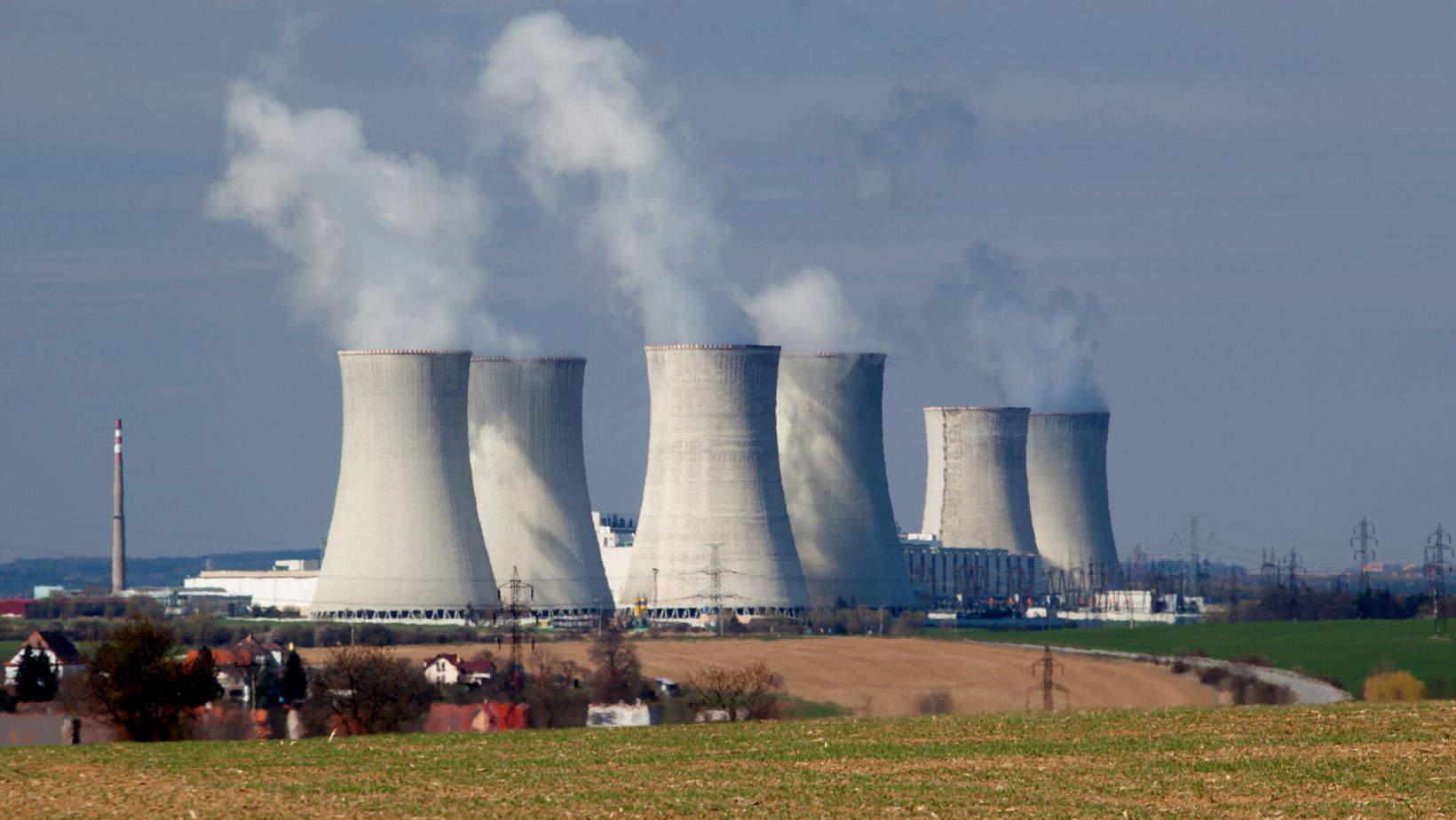
The Czech Republic is moving ahead with a $19 billion project to expand its nuclear energy capacity. Two new reactors will be built at the Dukovany plant, more than doubling the country’s nuclear output and reducing dependence on coal and gas. South Korea’s KHNP won the contract over France’s EDF. The reactors, each producing over 1,000 megawatts, are expected to begin operating in the second half of the 2030s. The deal also allows for future expansion at the Temelín plant, which currently has two 1,000-megawatt reactors, and includes plans for small modular reactors. Nuclear power currently supplies about 40% of the country’s electricity, with projections of 50–60% by 2050. Officials say the expansion will ensure stable, low-emission electricity for households, data centers, and electric vehicles. Fuel supply contracts with Westinghouse and Framatome remove reliance on Russia. While the plan has public support, environmental groups criticize its high cost and lack of permanent nuclear waste storage, and Austria continues to oppose Czech reactor projects. The Czech project is part of a wider European nuclear revival. Countries including France, Hungary, Slovakia, and Poland are investing in new reactors, while Belgium and Sweden have canceled plans to phase out nuclear power. The EU...
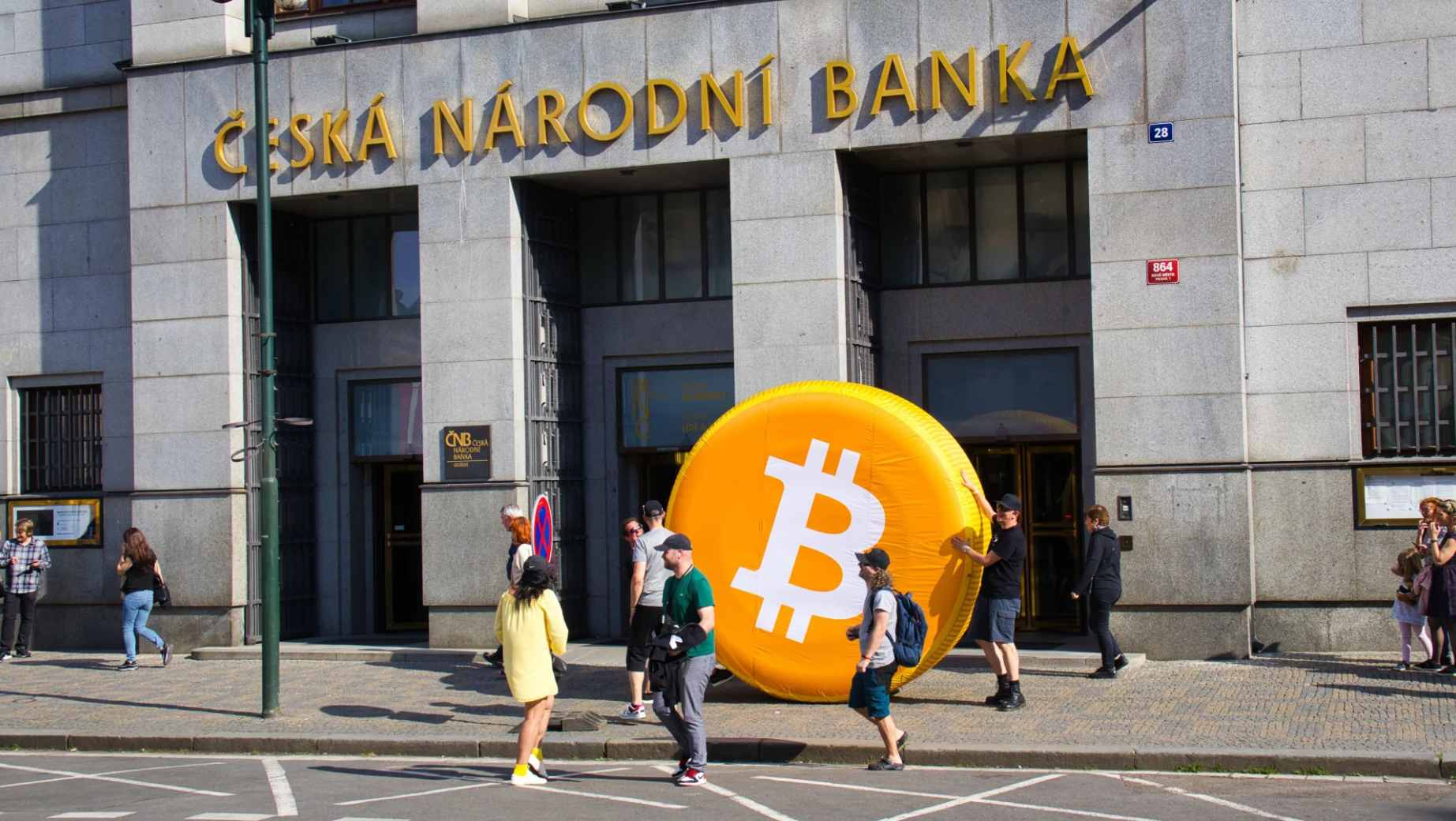
The Czech National Bank launches a $1M digital asset test portfolio including Bitcoin, marking its first step into blockchain-based finance. The portfolio is mostly made up of bitcoins, but also includes U.S. dollar-based stablecoins and a tokenised deposit, all bought through a regulated exchange it said, without giving specifics on the market used or exact assets. “The purpose of the portfolio is to gain practical experience with holding digital assets and to implement and test the necessary related processes,” the bank said. It will be held separately from the bank’s international reserves, and will not be actively increased. “In the test portfolio, the central bank will test the whole chain of processes associated with the purchase, holding and management of digital assets – from technical administration of keys and multi-level approval processes, through crisis scenarios and security mechanisms, to verifying anti-money-laundering compliance,” the bank said. Governor Ales Michl, who originally floated the idea of looking at bitcoin in January, said new ways of making payments and investments were emerging, and the bank wanted to be ready. “It is realistic to expect that, in the future, it will be easy to use the crown to buy tokenised Czech bonds and more...
Czech inflation rose to 2.5% year-on-year in October, slightly above expectations, mainly due to higher food prices. Processed foods jumped by 4%, and overall consumer prices increased by 0.5% month-on-month. Service prices grew by 4.6%, while goods rose by 1.3%, indicating that core inflation likely reached 2.9%. Economists expect inflation to ease next year as energy prices decline. Distributors plan to cut electricity and gas prices by around 10% in January 2026, which could lower headline inflation to about 2.2%—and possibly below 2% if the government reduces regulated energy costs as planned. Still, core inflation is likely to stay above the Czech National Bank’s target, supported by household spending and expected wage hikes in the public sector ranging from 5% to 13%. The economy is projected to grow 2.6% this year and 2.7% in 2026, driven by rising investment and strong household consumption. Czech companies are increasingly investing abroad, especially in Germany, taking advantage of opportunities in its slowing economy. Interest rates are expected to remain stable next year, as steady growth and resilient consumer demand offset the effects of lower energy costs. If the EU delays the new emissions trading system (ETS2) by a year, analysts say 2027 could...
Czech far-right leader Tomio Okamura won the post of speaker of the lower house in a vote on Wednesday, the first appointment of populist billionaire Andrej Babis’s newly formed coalition with fringe right-wing groups. The vote was a key step in forming a new government following a parliamentary election won by Babis’s ANO party a month ago. The outgoing centre-right government of Prime Minister Petr Fiala is required to hand in its resignation following the speaker’s election, which it will do on Thursday. But it will stay in office until a new administration is in place. Okamura, 53, has faced criticism as head of the Freedom and Direct Democracy party (SPD), which has campaigned against European Union membership. The SPD is a partner of Germany’s far-right Alternative for Germany in the European Parliament. Opposition parties have said his views are incompatible with holding one of the highest positions in Czech politics. “I understand that I am not everyone’s candidate, but I promise that if I receive confidence and am elected, I will be an impartial chairman for everyone,” Okamura said during a more than six-hour debate. Babis aims to form a government with Okamura’s SPD and the right-wing Motorists party...
Don’t have an account? Register
Already have an account? Log In
How Would You Like to Promote Your Business? PR ArticleDisplay bannersVideo productionNewsletter adsJob ListingsInfluencer Marketing
Your Email
We will come back to you within 24 hours with our proporsal