Ibiza Is Coming to Prague: A Night of DJs, Lasers and Tropical Vibes
Partner article


Prague Morning
 Follow us on Google Discover
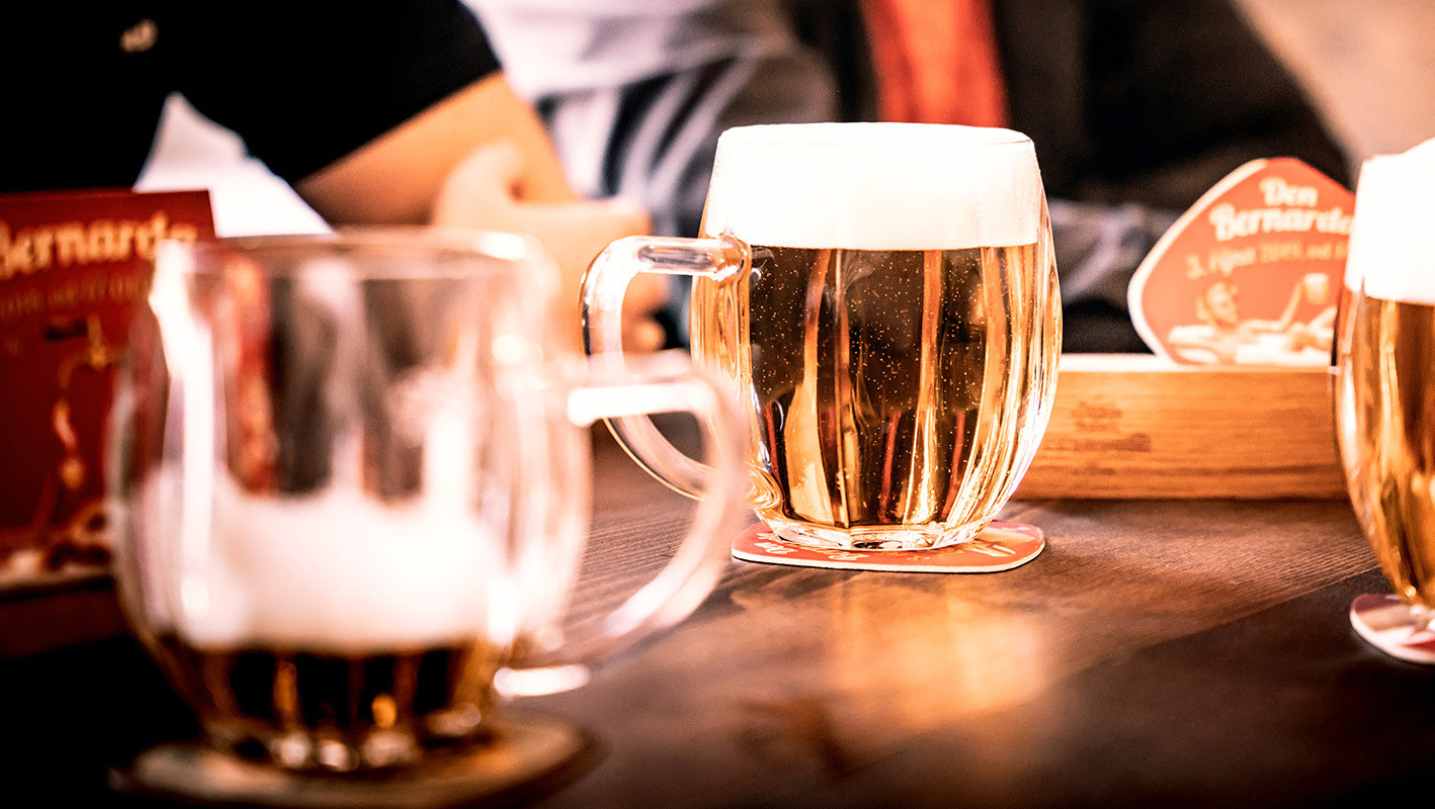
Beer production in the Czech Republic has fallen to its lowest level in 15 years, reflecting a broader shift in how and where people drink.
Data from the Czech Association of Breweries and Malteries show that breweries produced 19.96 million hectoliters last year, down 4.3 percent from the previous year and well below pre-pandemic levels.
Consumption is also declining. The average Czech drank 121 liters of beer last year, a drop equivalent to eight large beers compared to the year before.
The figures point to a deeper change in behavior, especially among younger people. Beer is no longer treated as a default part of social life in pubs. Instead, younger consumers are choosing non-alcoholic options, fruit radlers and specialty beers. Overall consumption is lower, but more selective.
Brewers say the shift reflects a growing focus on lifestyle and moderation. Drinkers are paying more attention to quality and variety rather than volume. Interest in non-alcoholic beer has risen steadily, while demand for stronger, traditional lagers has weakened.
Non-alcoholic beer, once a marginal category, has become one of the fastest-growing segments. Production reached 1.68 million hectoliters last year, with consumption more than doubling over the past decade. Industry representatives say this is not a short-term fluctuation but a structural change.
According to addiction specialist Matěj Hollan, the trend reflects a broader transformation. Lower alcohol consumption may appear positive, but it is accompanied by a rise in other forms of dependency. He points to increased use of nicotine products, synthetic substances and kratom, as well as growing reliance on digital platforms.
Many have expanded their range of lighter beers, specialty brews and alcohol-free options. Smaller serving sizes are also becoming more common, replacing the traditional half-liter pour.
At the same time, concerns are growing about mental health among younger generations. Hollan warns that reduced alcohol consumption does not necessarily translate into healthier lifestyles. Increased screen time, lack of sleep and rising anxiety levels are becoming more common.
Despite the decline, alcohol consumption remains high by international standards. According to the 2024 Alcohol Report, around 10 percent of people over the age of 15 drink excessively on a daily basis.
The changes are not limited to what people drink, but also where they drink. Pubs, once central to Czech social life, are losing ground as more consumption moves into homes. Last year, only 28 percent of beer was consumed in restaurants and bars, compared with a roughly even split a decade ago.
The decline has direct consequences for the hospitality sector, particularly in smaller towns and rural areas. Falling customer numbers are affecting revenues, with some establishments struggling to remain viable. Local economies are also at risk, as pubs often serve as social hubs and sources of employment.
Breweries are now pushing for government support. They are calling for a reduction in value-added tax on draft beer and more stable conditions for the hospitality industry. Industry representatives argue that pubs play an important social role beyond alcohol consumption.
Would you like your story featured here? Get in touch with our team at [email protected]




Already have an account? Log In