When Prime Minister Andrej Babiš used his New Year’s address to suggest the creation of a Czech Flag Day, he likely expected a symbolic gesture of national unity.
Instead, the proposal has revived an old and unresolved dispute rooted in the breakup of Czechoslovakia more than three decades ago.
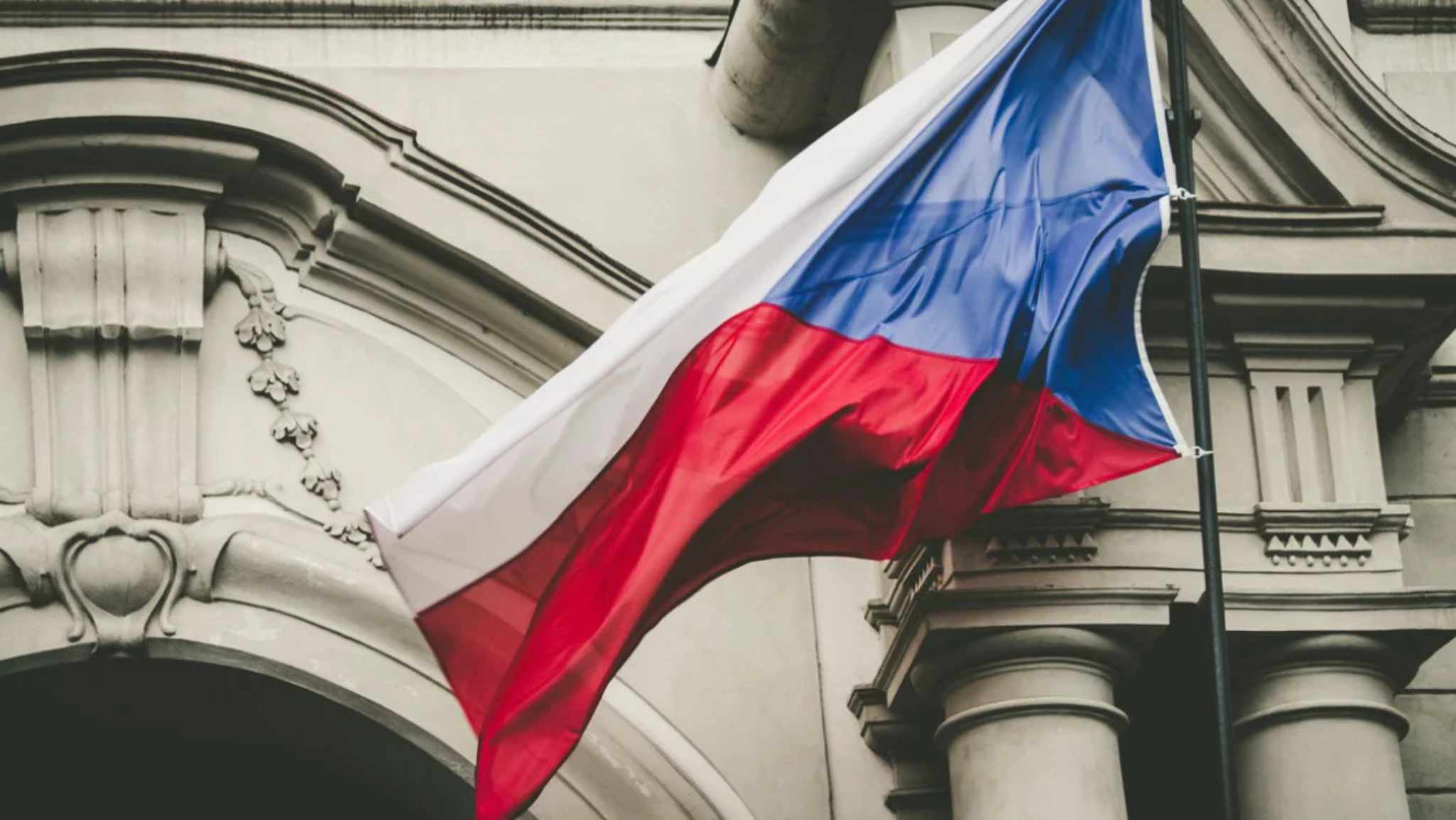
Babiš has said he wants March 30 to be marked as Czech Flag Day, recalling the moment in 1920 when the flag was formally adopted. Yet that date refers not to a Czech national symbol, but to the flag of Czechoslovakia — a state that ceased to exist in 1993.
The distinction matters, particularly in Slovakia, where the legacy of the shared federation remains sensitive.
When Czechoslovakia dissolved peacefully at the end of 1992, the federal parliament adopted a constitutional law governing the separation. The law was clear: neither successor state was permitted to use the former federation’s state symbols. This included the flag, which until that point represented both nations equally.
Despite this, when the Czech Republic formally came into existence on January 1, 1993, it adopted a national flag identical in design to the former Czechoslovak banner. Slovakia objected at the time, arguing that the move violated the agreed legal framework of the dissolution. The protests, however, had no practical effect.
The issue has since faded from everyday debate, but historians and experts on state symbolism have not forgotten it. Aleš Brožek, a leading Czech vexillologist, has described the decision bluntly, stating that the adoption of the former federal flag as the Czech national symbol amounted to a political betrayal by lawmakers at the time.
The symbolism of the flag itself deepens the controversy. The blue triangle was originally intended to represent Slovakia — specifically its mountainous geography. After the split, Czech authorities informally reinterpreted the element as a symbol of Moravia, a shift that further fueled Slovak resentment.
Underlying the dispute is a broader difference in how the two nations understood the end of Czechoslovakia. In Slovakia, independence was framed as the creation of a new state with new symbols.
In Czechia, many viewed the process as a continuation of the existing state under a shortened name, rather than the birth of something entirely new.
That perception helps explain why Czech leaders felt entitled to retain the old flag, even at the cost of breaching the dissolution agreement. For many Slovaks, however, the decision reinforced a sense of imbalance in the former federation — one in which Czech institutions and identity were often seen as dominant.
Babiš’s background adds another layer to the debate. Born in Slovakia and granted Czech citizenship only in 2000, he has often presented himself as a bridge between the two nations. His support for improving Czech-Slovak relations has been consistent.
Yet by proposing a Czech Flag Day tied to a Czechoslovak symbol, critics argue he risks reopening a chapter best handled with care.
Would you like us to write about your business? Find out more
-
NEWSLETTER
 Subscribe for our daily news

Most Popular