Ibiza Is Coming to Prague: A Night of DJs, Lasers and Tropical Vibes
Partner article


Prague Morning
 Follow us on Google Discover
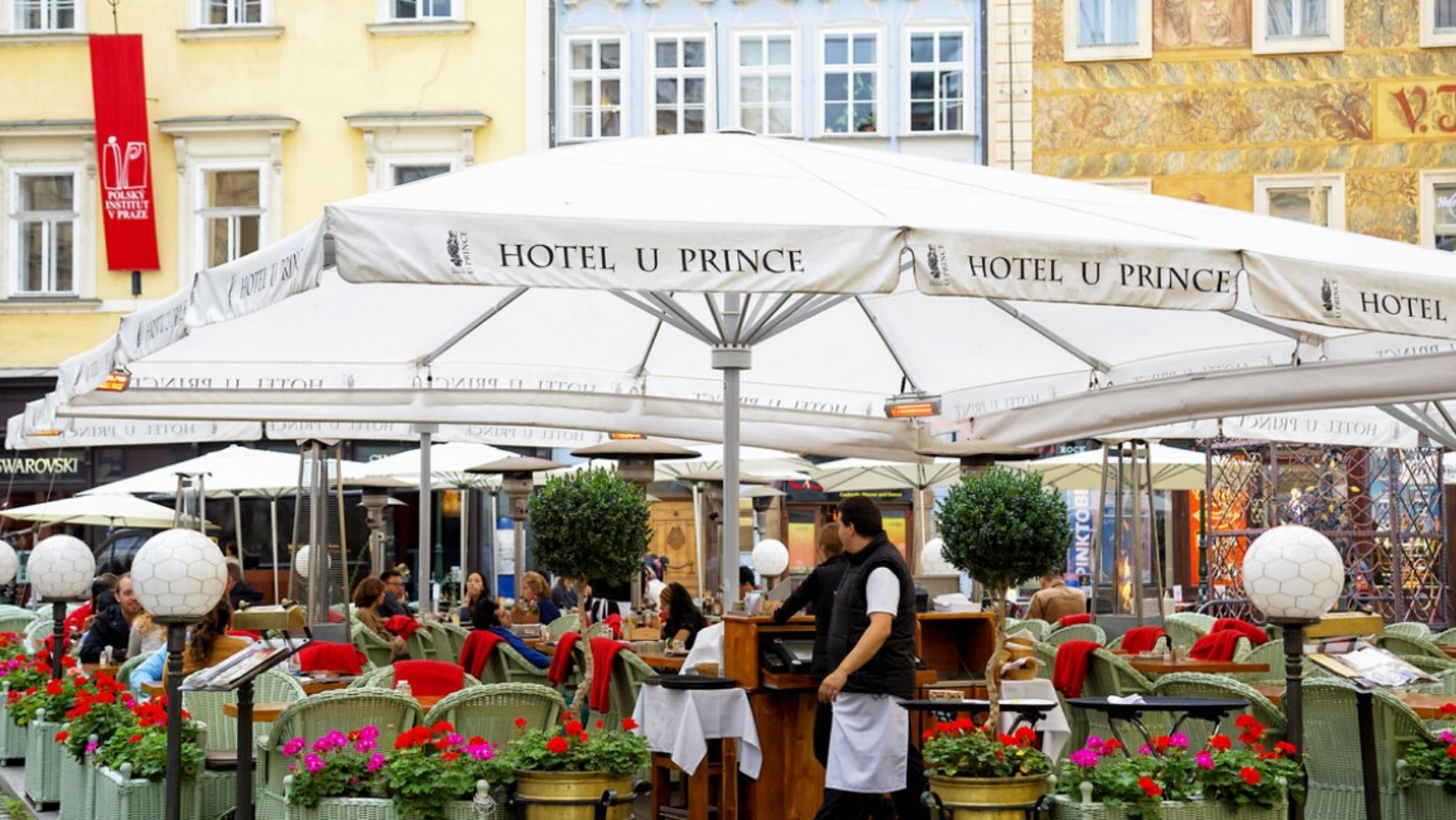

Food stalls, bistros, cafés and restaurants are all still short of staff. According to the Association of Small Businesses, there are up to 20 percent fewer restaurant staff than four years ago.
Currently, the chance to find a job or a temporary job in the industry is not difficult.
The interest in hospitality jobs has waned since before the coronavirus pandemic.
The pandemic changed the image of the industry. The connection that restaurant jobs can bring has been seriously underestimated in the wake of the pandemic. For young people, starting their working lives, hospitality is the perfect opportunity to gain experience with customer service and teamwork.
Luboš Kastner from the Association of Small and Medium Enterprises and Entrepreneurs says all hospitality jobs are understaffed at the moment but most of the pain comes in the kitchen with chefs and kitchen professions, like line cooks particularly understaffed.
These are professions that require a certain education and craft so they cannot be temporary workers, says Kastner.
There is also a lack of front of house servers. Since servers can be trained on the job, these positions do not require as much experience as the kitchen staff. The temporary work that is available in kitchens is perfect for part-time positions that young people can fill.
Compared to the generation of thirty and forty year olds who were more interested in kitchen work, the younger generation does not consider hospitality as a first choice. Young people today face less pressure to enter the workforce which could contribute to the lack of them in hospitality professions. Parents may also be afraid to let young people into the workforce.
Kastner does say that hospitality workers do earn good wages. Salaries start at 150 crowns an hour and in restaurants where they are severely understaffed, new employees can earn over 200 crowns an hour.
Not only young people can help to staff the hospitality industry, anyone of any age can help alleviate the worker shortage. Anyone who is not afraid to interact with people fit into gastronomy since it is about being in contact with people, doing service.
Kastner says “the restaurant industry needs anyone who really feels that approach to work, who is proactive, we welcome them, but we welcome everybody at this point. We’re not afraid to teach, we’re not afraid to show how the craft can be done well, professionally. So anyone has a chance with us.”
Not only restaurant work has changed but so has customer behavior. Customers are spending differently in the aftermath of the pandemic. “People consume differently, especially on certaindays. The overall foodservice sales this year are down from last year. We’ve felt the decline” says Kastner.
People want either a service that is valued for their money or they want an experience. Kastner realizes that customers are “looking more for an experience, for quality. And when they do go to a restaurant, they want to be served well and they want to enjoy themselves.
He sees more of an inclination towards quality.
The government wants to increase the tax on draught beer in January so the strain restaurants currently feel is transferring to pubs that are becoming more expensive. Kastner says the increase in price has the potential to close local pubs, because the drop in business is dramatic
Would you like your story featured here? Get in touch with our team at [email protected]



Already have an account? Log In