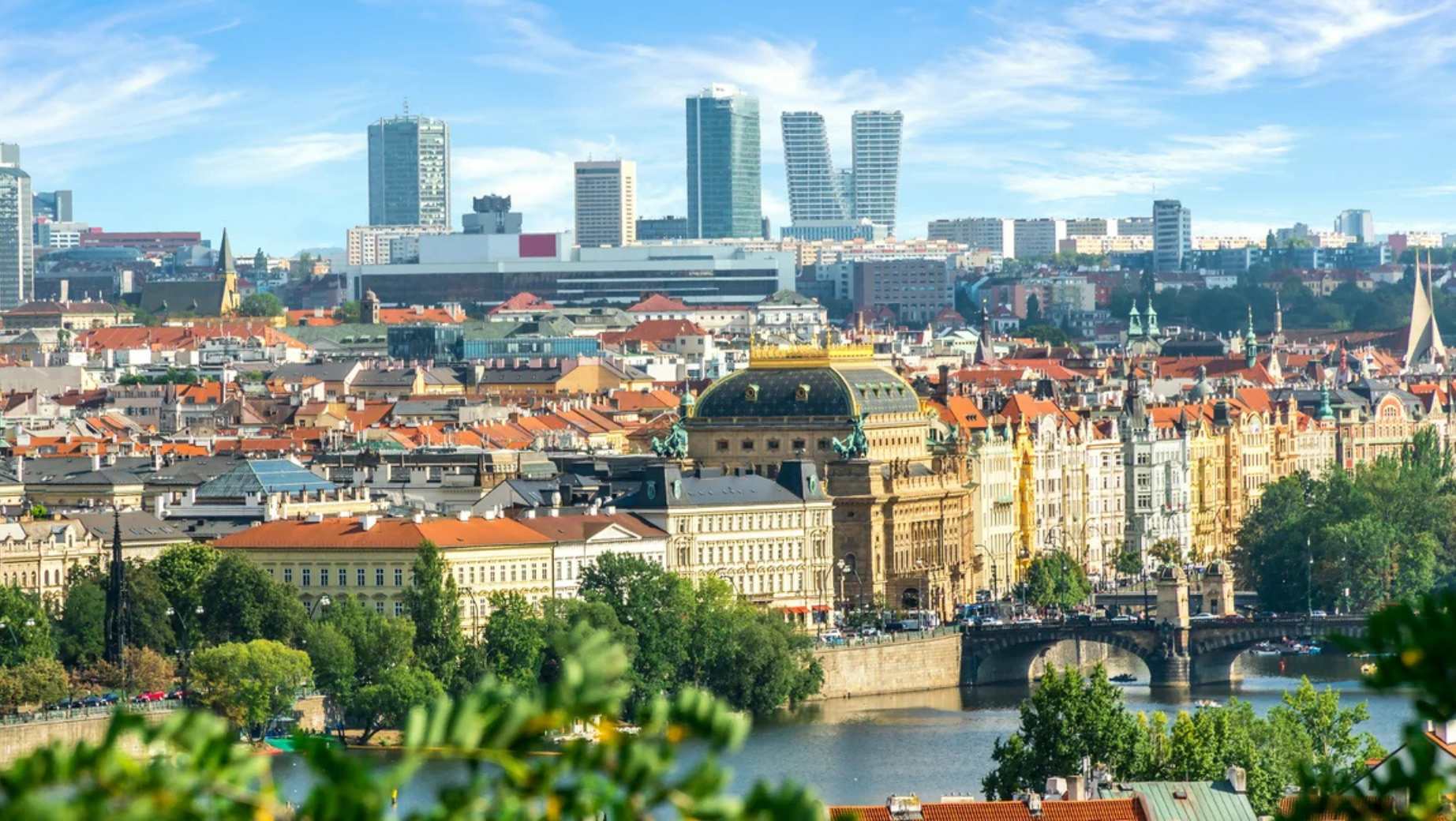
The Caspian Sea coast of Azerbaijan is rapidly emerging as a new tourism hotspot for Europeans. This week, as Baku hosts the Formula 1 Grand Prix, the city is drawing even more visitors. Travelers here explore not only the historic landmarks of the capital and the country but also the rich tapestry of Azerbaijani cuisine. They come to savor not just scenic beauty, but the magic of flavors, the warmth of local hospitality, and the thrill of discovering unique culinary delights.
Azerbaijani cuisine, with its millennia-old history, is a fragrant memory of the ancient Silk Road. Walking through the narrow streets of Baku, one is greeted by the scent of steaming sac qutab, while in the cool evenings of Shaki, the aroma of piti guveci fills the air. These dishes do more than satisfy hunger—they transport visitors through time. The saffron-infused plov, the crispiness of Irevan kətəsi, and the refreshing dovğa all capture the soul of Azerbaijan in flavor.
Contemporary local cuisine, celebrated for its hospitality and deliciousness, draws heavily on Western Azerbaijani culinary traditions. Irevan, now within Armenian territory, was historically one of Azerbaijan’s khanates. Founded in the mid-18th century, the Irevan Khanate embraced the sophisticated culinary techniques of its era. Many elaborate dishes perfected in the Safavid palaces were adapted here.
Like the cuisines of Ganja, Karabakh, Tabriz, Derbend, and Kars, Irevan cuisine is an essential part of Azerbaijani gastronomy, adding richness and variety. When thinking of Western Azerbaijani cuisine, the opulent palace tables of the Irevan khans come to mind, reflecting history, dining etiquette, and culinary artistry.
Traditional dishes of Irevan khanate
One key factor shaping the cuisine of Western Azerbaijan, including Irevan, is the practice of cooking food over an open flame or in a tandir (clay oven). This tradition has survived through centuries. Today, one can enjoy breads and meat dishes baked in tandir across Azerbaijan.
Western Azerbaijani food blogger Vesile Akbarova, in her blog “Irevan Mətbəxi” (“Irevan Cuisine”), showcases regional specialties. Each area, she notes, has its own unique dishes, influenced by Irevan’s geography and rich natural resources. Examples include kelechosh, pasos dolma, sucuq, and Irevan ketesi.
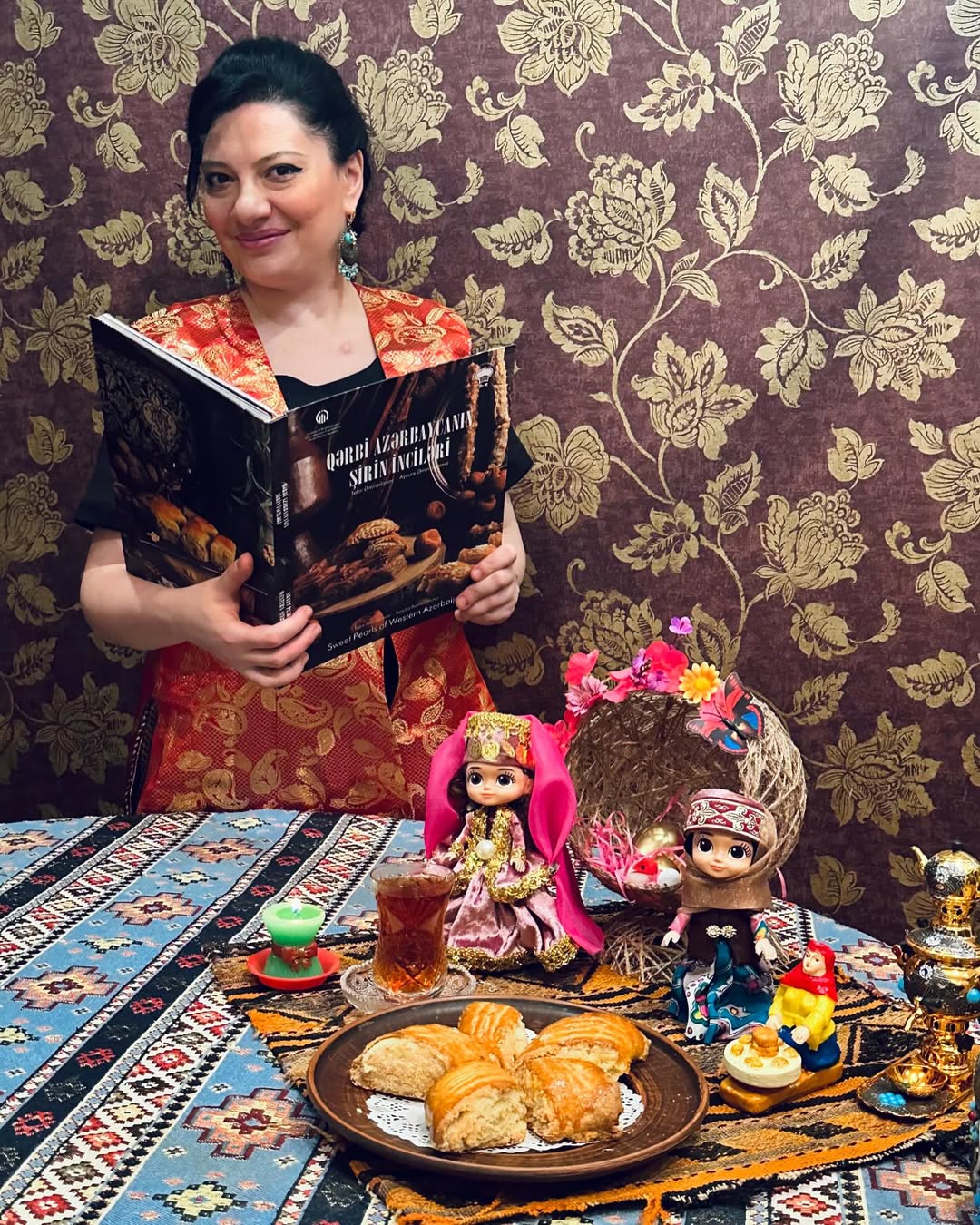
Many traditional dishes from the Irevan Khanate—such as borani, arishta (əriştə), khashil, kufta, dolma, govurma, bozartma, kete (gata, kata) lavash, goguplov, odplov, muammarplov, and imam bayıldı—retain their original Azerbaijani names and culinary roots. Despite historical attempts to redefine them, linguistic and cultural evidence confirms their Azerbaijani heritage.
Qovurma: Preserving Flavor Without Refrigeration
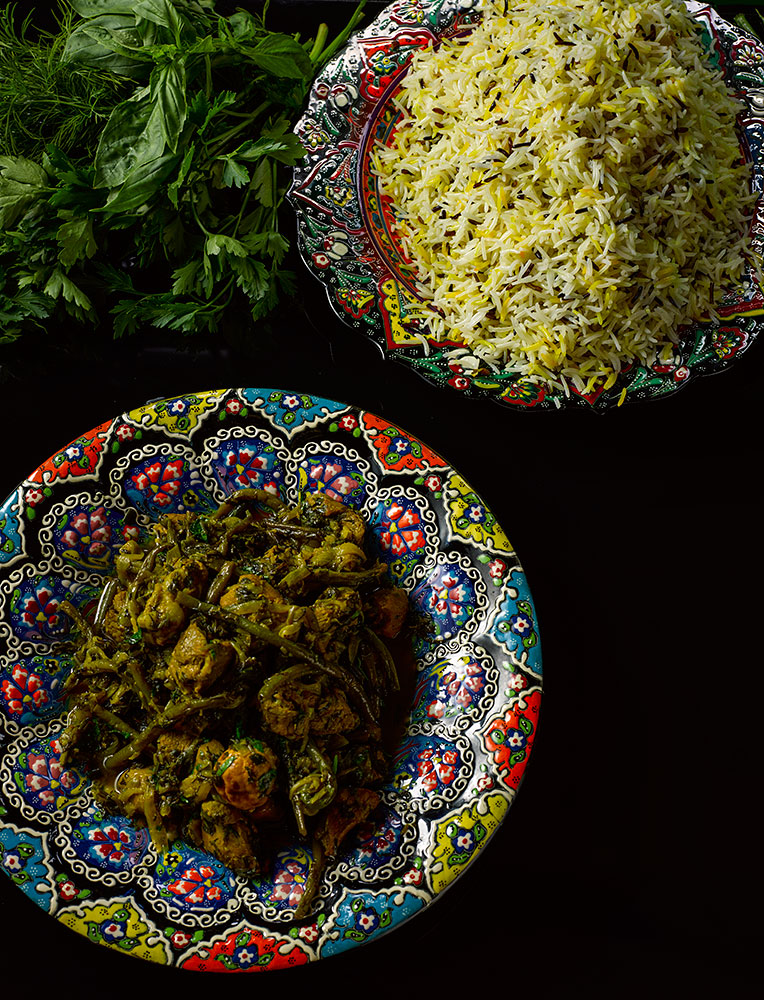
One of the most iconic Western Azerbaijani dishes is qovurma (it means meat roasted in its own fat). Before refrigeration, meat was preserved in its own fat, allowing it to last up to six months. Today, qovurma remains indispensable. Another hallmark is the use of mountain herbs alongside meat, exemplified by the Irevan “sabzi plov with Tarkhun” (tarragon), made with meat, abundant kever, onions, tarragon and lemon salt, without any additional herbs. Notably, tarragon and kever grow naturally only in the Irevan and Nakhchivan regions.
Beaten Meat and Daş Kufte
Unlike in Baku, where dough-based dishes dominate, Western Azerbaijan favors kebabs, sac (pan – traditional convex metal griddle used in Azerbaijani cuisine) dishes, tandir-baked foods, and cereals.
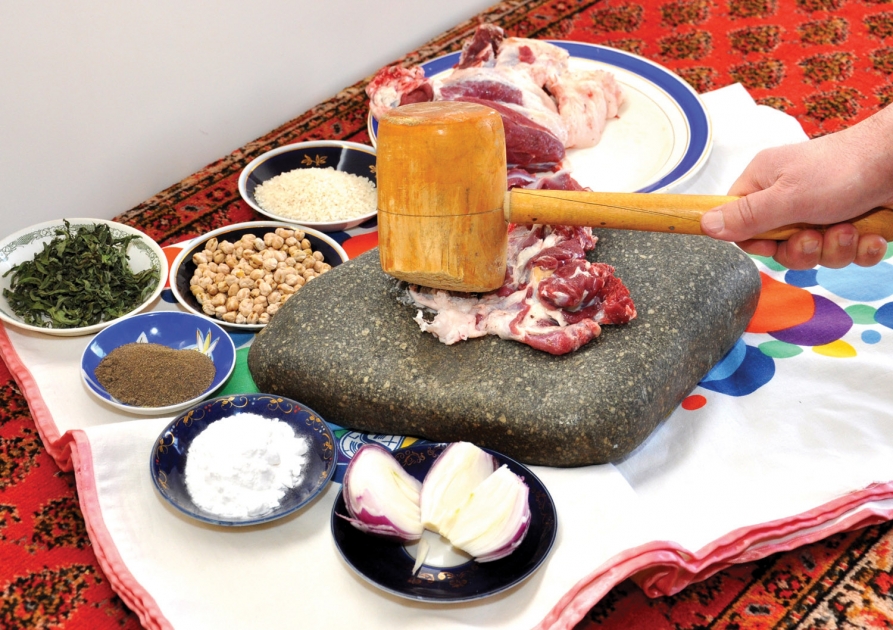
Even today, most locals do not grind meat for kufte (Azerbaijani-style meatball, hand-beaten and cooked traditionally); instead, they use a traditional tool called tokhmag to beat the meat. The finely beaten meat is mixed with chickpeas (noxud ləpəsi) and dried basil (reyhan), then cooked in tomato-infused meat broth—this is called daş (stoun) kufte.
Irevan Ketesi and Pastry Heritage
While Baku’s festive tables are adorned with pakhlava and shekerbura, Western Azerbaijani tables feature kombec, Irevan kete (kata, gata), and dried fruits filled with nuts, hazelnuts, and cardamom.
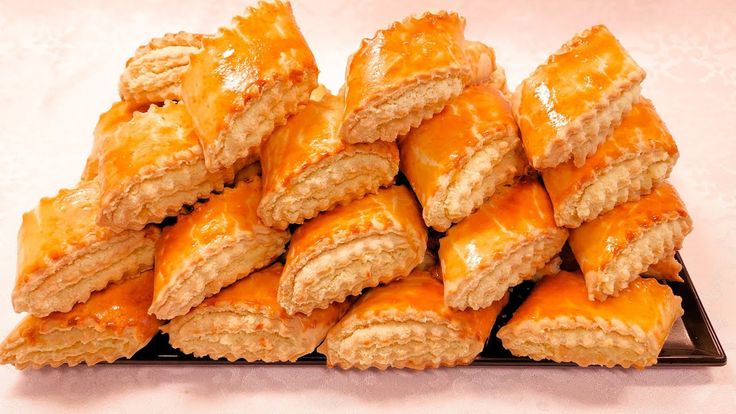
Pastry dough here is carefully beaten—giving Irevan ketesi its crisp, tender texture. It uses homemade cream, butter, and honey, with no herbs omitted, creating one of the most exquisite traditional desserts.
No Plant Goes to Waste
Every plant cultivated in Western Azerbaijan is valued. Special delicacies include grape and mulberry doshab (traditional dark sweet fruit syrup), and pomegranate molasses (nar bəkməzi). Cabbage dolma (kələm dolması), a regional specialty, combines cabbage, tomatoes, peppers, and eggplants, sometimes with chickpeas. Fatty beef or lamb is paired with local herbs, particularly white and black basil, producing remarkably flavorful dishes.
Salted watermelon
Pickled vegetables, salted soups (shoraba), and marinated salads are indispensable. The creativity of local cuisine extends even to pickling slightly unripe watermelon.
Medicinal Wild Herbs – chashir (ferula)
The wild herb çaşır turşusu (pickle chashir), native to Western Azerbaijan, is highly valued for its health benefits, including use in oncology. It grows in Irevan, Daralagez, and Goycha regions. Other essential pickled items include cauliflower, cornelian cherry (əzgil), cornel (zoğal), cucumbers, cabbage, eggplants, red onions, and shallots.
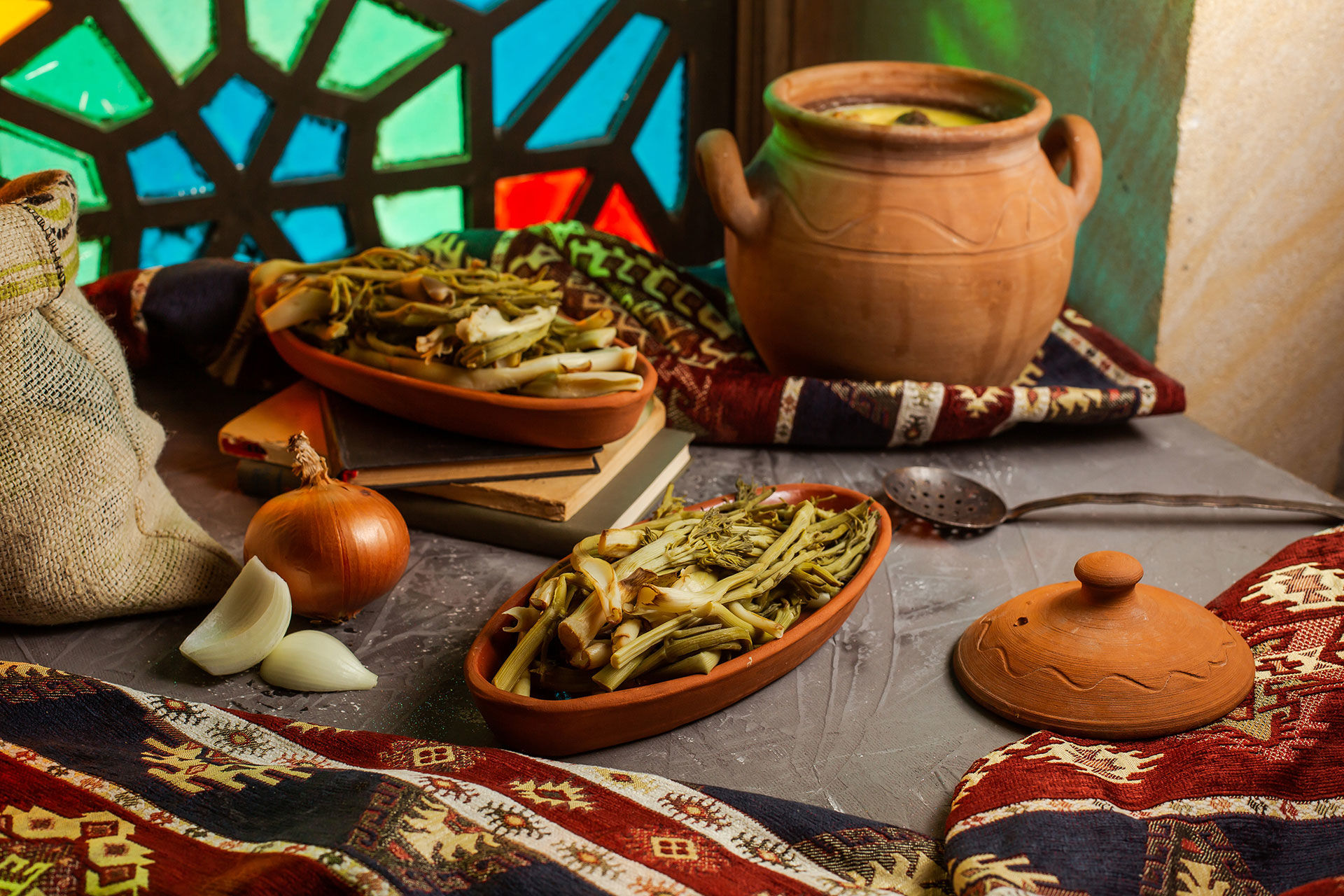
Of the 2,400 plants grown in the region, qırxbuğum is unique to Western Azerbaijan. Its most flavorful period is early April to mid-May; after mid-May, the buds become too thick to eat.
Western Azerbaijani cuisine is a living testament to centuries of tradition, where every ingredient, herb, and spice tells a story of culture, geography, and history—a culinary journey every visitor must experience.
Cuisine is often the most enduring aspect of a culture, deeply reflecting a people’s history, traditions, and worldview. The cuisine of Western Azerbaijan is a rich heritage that has been shaped over centuries and passed down from generation to generation. Therefore, the history of this unique cuisine, along with its forgotten dishes and recipes, is being restored and systematized. The book “Regional Cuisine of the Irevan Khanate”, prepared by the Azerbaijan National Culinary Association, has been published. This book presents numerous food products, a rich variety of kitchen utensils, and 413 types of dishes and beverages along with their preparation methods, all related to the Irevan cuisine.
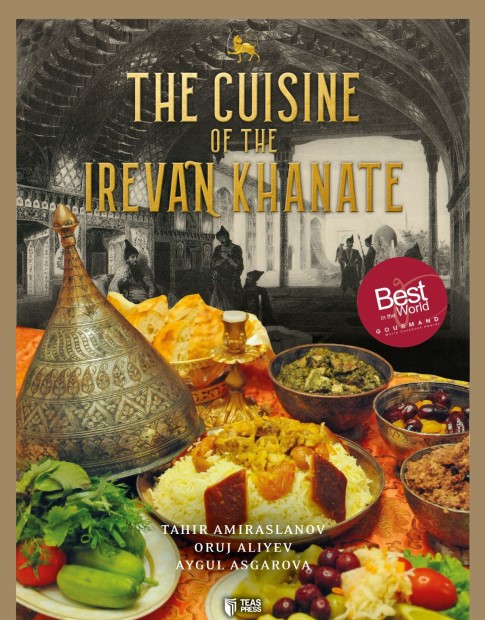
This book has earned high acclaim from culinary experts worldwide. In November 2020, it received first place at the Gourmand World Cookbook Awards in Paris, France. İt also proudly on display at the Alfred Nobel Prize Museum (Alfred Nobels Björkborn) in Karlskoga, Sweden.
This book documents the rich culinary heritage of hundreds of thousands of Western Azerbaijanis who once lived in the Irevan Khanate (now within the borders of present-day Armenia), but who, since 1828, were expelled from their ancestral lands and dispersed across different parts of the world.
İn 2016, the UNESCO Intergovernmental Committee for the Safeguarding of the Intangible Cultural Heritage inscribed “lavash” on its Representative List as a tradition of the Turkic peoples. Similarly, in 2017, “dolma” was recognized as an element of Azerbaijani cuisine and included in UNESCO’s Intangible Cultural Heritage list provide compelling evidence that the Irevan Khanate was an ancient territory inhabited by Azerbaijanis.
P.S. Published by the Impartial Journalists Organization of Azerbaijan
-
NEWSLETTER
 Subscribe for our daily news

Most Popular