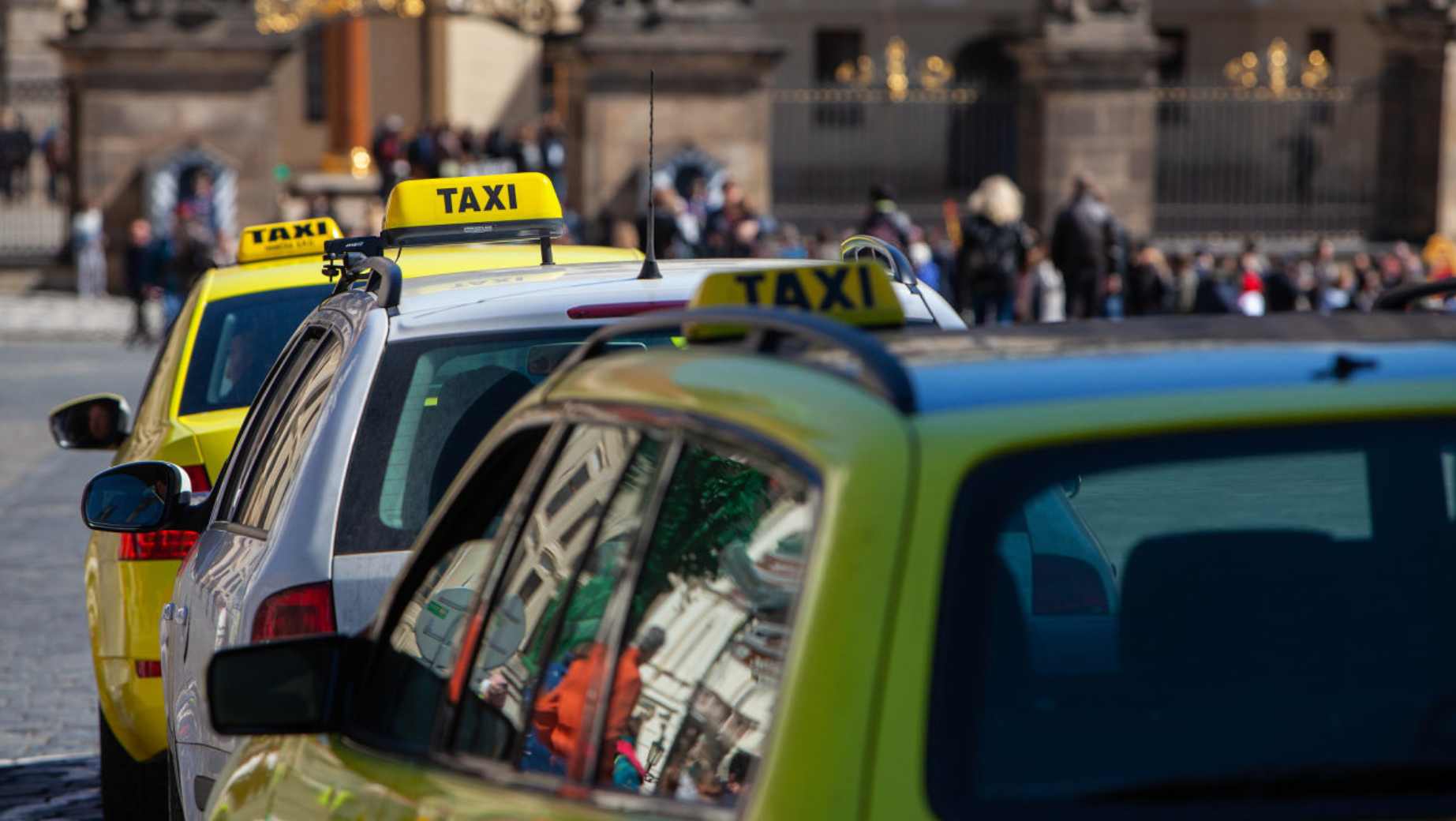
Prague is moving to limit the oldest and most polluting taxis on its streets, a step city officials say is necessary to improve air quality. Taxi operators warn it could also make rides more expensive.
The change follows the approval of new rules targeting vehicle emissions in the capital.
From mid-2027, all taxis operating in Prague will have to meet the Euro 6d emission standard, which applies to cars first registered from January 2021. A more ambitious plan to require zero-emission taxis from 2030 was ultimately rejected.
The debate has focused on the rapid growth of older diesel vehicles in Prague’s taxi fleet, a trend city officials link to the expansion of app-based ride-hailing platforms over the past decade.
The approved measure is aimed primarily at cheaper alternative taxi services that rely on older vehicles, some more than 15 years old. City officials argue that taxis play an outsized role in traffic volume and pollution.
Data from the Technical Administration of Roads shows taxi services account for roughly 2.5 million vehicle kilometers per day, around 10 percent of all motor traffic in Prague.
Based on vehicle registration data and traffic statistics, the city estimates that tightening the rules could cut nitrogen oxide and particulate matter emissions from the taxi sector by tens of percent compared with doing nothing.
The financial impact on drivers and operators remains a sensitive issue. Used cars that meet the Euro 6 standard are often cheaper than second-hand electric vehicles, and full electrification remains costly despite falling prices.
Komrsková acknowledged that fares could rise. Transport officials expect some increase in the price per kilometer, though the final effect will depend on how operators manage charging and vehicle purchases. Drivers who rely on slow charging at home or at company facilities may significantly reduce operating costs. The choice between new vehicles and used electric cars will also play a role.
Concerns about charging infrastructure have also surfaced. Prague currently has more than 16,000 licensed taxis. City planners say that by 2030 they expect to build around 4,000 to 4,500 slow charging points and up to 200 fast and ultra-fast stations.
Officials argue this would be enough to serve between 70,000 and 120,000 electric vehicles. They also note that data from the Czech Republic and abroad suggests around 40 percent of electric car users do not rely on public chargers at all.
Would you like us to write about your business? Find out more
-
NEWSLETTER
 Subscribe for our daily news

Most Popular