Sinatra Tribute Pairs Frank Sinatra Classics With 1930s Dining at Prague's Mánes
Partner article


Prague Morning
 Follow us on Google Discover
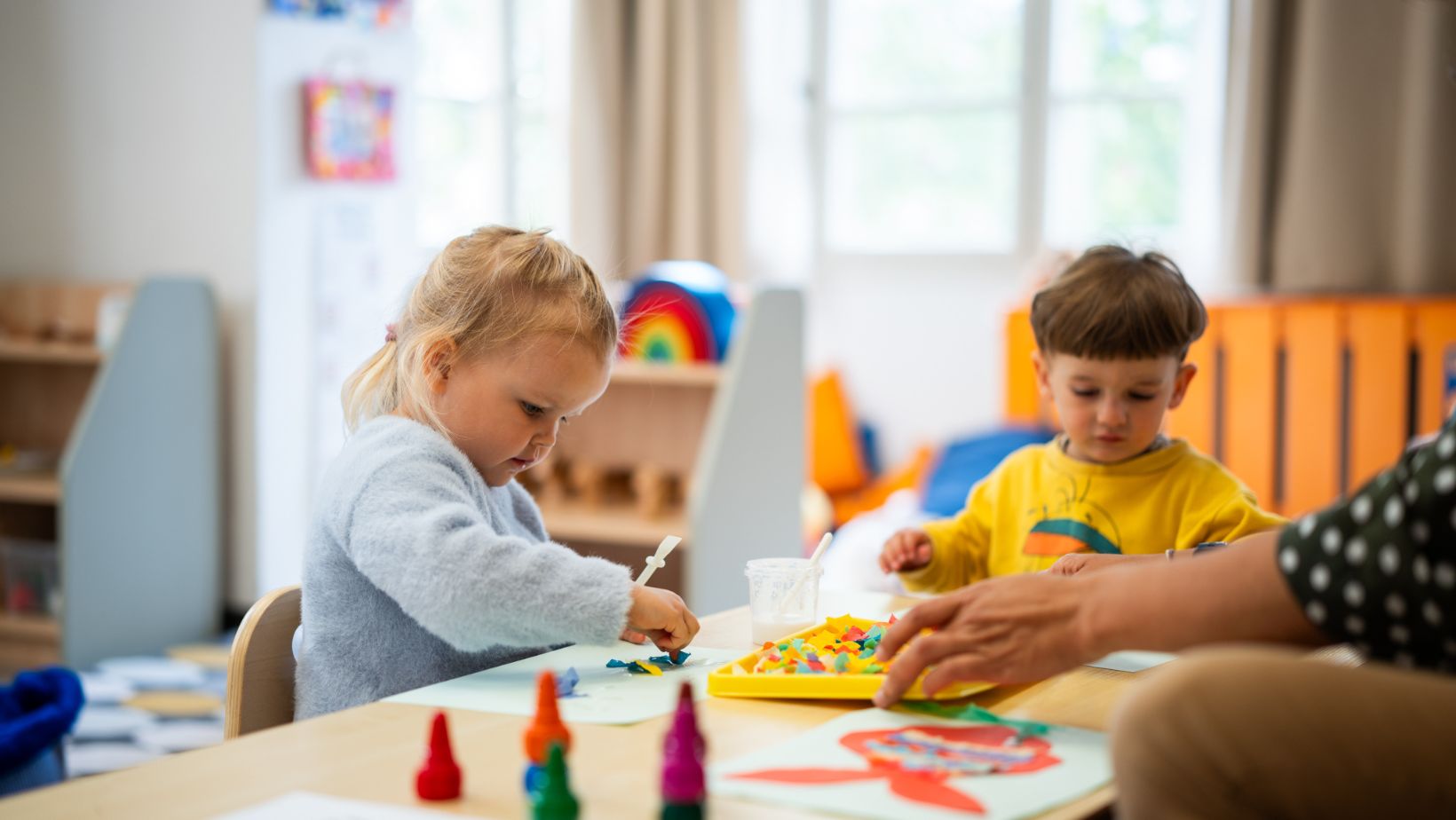

For a one-year-old, starting preschool is not about learning letters or sitting through lessons.
It is about feeling safe without Mum or Dad nearby, discovering the joy of playing alongside other children, and slowly gaining the confidence to explore the world independently. At Tiny Tots in Prague, these small everyday moments are at the heart of the programme.
A favourite toy clutched tightly in one hand. A cautious look back at Mum or Dad from the classroom door. Perhaps a few tears (from either side).
For families with children aged one or two, the first experience of leaving a little one in someone else’s care can feel like a very big step.
And for the child, it is one too.

At this age, development happens through moments that can look almost insignificant to adults: reaching for a spoon without help, joining another child in play, recognising a familiar song, saying a new word, or feeling comfortable enough to wander a little further away from a trusted adult.
These are precisely the moments that Tiny Tots, a programme for children aged 1–2 at Nessie English Preschool, part of Park Lane International School, is designed to encourage.
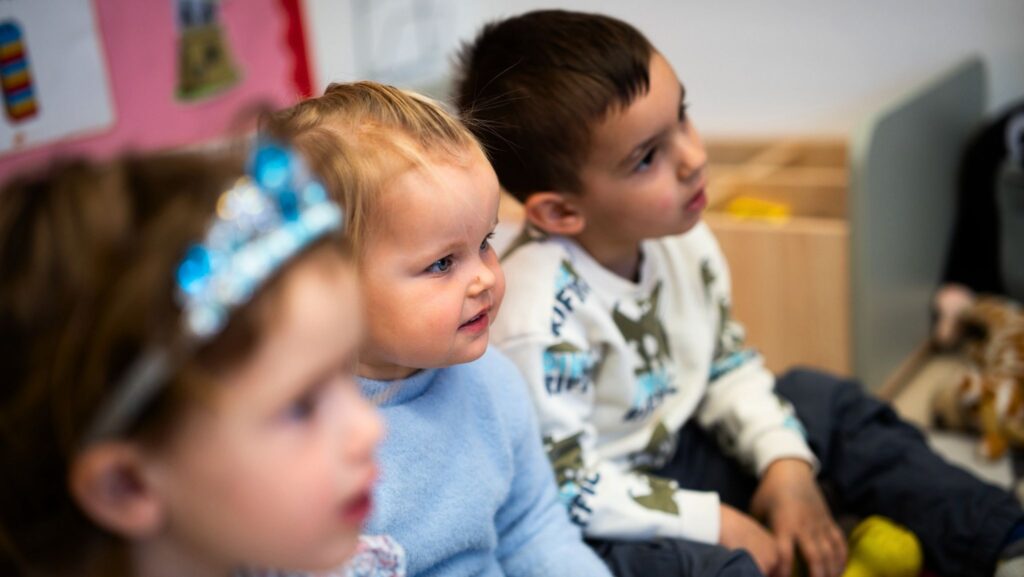
For very young children, a good first preschool experience begins with something much more fundamental than an academic curriculum: trust.
“Parents often want to know how their child will cope with separation, whether we can follow the rhythm they are used to at home and, above all, whether their child will really be seen as an individual,” says Catalina Gonzalez-Got, who leads the Tiny Tots programme.
Catalina knows the feeling from both sides. An early-years educator with international experience, she is also a mother herself. Becoming a parent, she says, gave her a much deeper understanding of how emotional it can be to entrust a young child to somebody else for the first time.
That is why settling in is treated as a process rather than a test that a toddler is expected to pass on day one.
Some children may quickly become curious about their new surroundings. Others need more time, reassurance and proximity to a familiar adult before they are ready to explore.
Both are perfectly normal. The goal is to allow each child to find that confidence at their own pace.
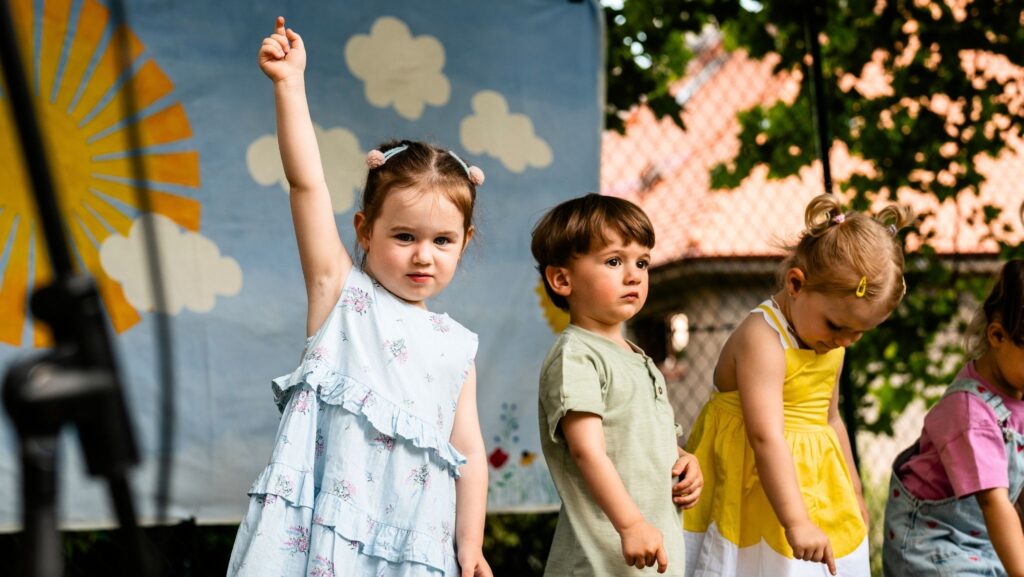
Adults sometimes separate “playing” and “learning”. Toddlers do not.
When a child squishes playdough between their fingers, listens to a story, sings along to a familiar song, explores the garden or watches another toddler build something, they are constantly learning.
They are practising movement and coordination. They are discovering cause and effect. They are learning how to communicate, negotiate space with other children, manage emotions and make choices.
Tiny Tots therefore follows a play-based approach inspired by the English Early Years Foundation Stage framework, with activities designed around the developmental needs of one- and two-year-olds.
There are no miniature school desks or pressure to perform.
Instead, children encounter language, movement, music, creative activities, sensory experiences, stories and outdoor play as a natural part of their day.
The programme keeps the class to a maximum of eight children, allowing teachers to pay close attention to individual personalities, routines and developmental stages.
The same philosophy applies to language.
At one or two years old, learning English does not mean memorising vocabulary lists. Children absorb language through relationships and repetition: hearing the same words during snack time, listening to songs, following simple instructions, sharing a picture book or hearing an adult describe what is happening during play.
Tiny Tots provides an English-language environment, giving children regular, natural exposure to the language throughout their day.
Catalina, who raises her own child in a multilingual family, sees communication as something that should grow out of connection rather than performance.
Toddlers often understand far more than they can say, she explains. What matters is creating a positive environment in which language is associated with people, experiences and emotions that make sense to the child.
Anyone who lives with a toddler knows how powerful those words can be.
Between one and two, children increasingly want to try things independently — even when the result is a spoon on the floor, mismatched shoes or a task that takes considerably longer than if an adult simply did it for them.
Tiny Tots gives children safe opportunities to practise that emerging independence while knowing that an adult is close by when they need help.
The milestone may be eating more independently, choosing an activity, joining a group song, approaching another child or simply becoming comfortable enough to explore a new corner of the room.
For a toddler, these are significant achievements.
And independence does not mean pushing children away from adults. In fact, the opposite is often true: children are more willing to explore when they know they have a trusted person to return to.
For international families in particular, early-years programmes can provide something else that is easy to overlook: a sense of community.
Many parents raising children in Prague live far from grandparents, siblings and the wider family network that might otherwise form part of everyday life.
A nurturing preschool environment can therefore become more than somewhere a child spends part of the day. Familiar teachers, other children and their families can gradually become part of the support network that makes a new city feel more like home.
Tiny Tots is based at Nessie English Preschool in Prague 5, in a quiet residential setting with its own garden. The programme combines experienced early-years teachers, personalised attention and structured routines with plenty of room for children simply to play, discover and be little.
Because at one or two years old, success does not need to look impressive.
Sometimes it is a child who cried at the door last week walking in happily today.
Sometimes it is making a first little friend.
Sometimes it is a new word, a messy painting, a favourite song or the confidence to let go of a teacher’s hand and go exploring alone.
Those tiny steps are exactly where the big journey begins.
Tiny Tots at Nessie English Preschool is designed for children aged 1–2 years. Families interested in the programme can arrange a visit to the Prague 5 campus to see the environment and meet the team.
Enrolment for the 2026/27 school year is now open.
Would you like your story featured here? Get in touch with our team at [email protected]



Already have an account? Log In