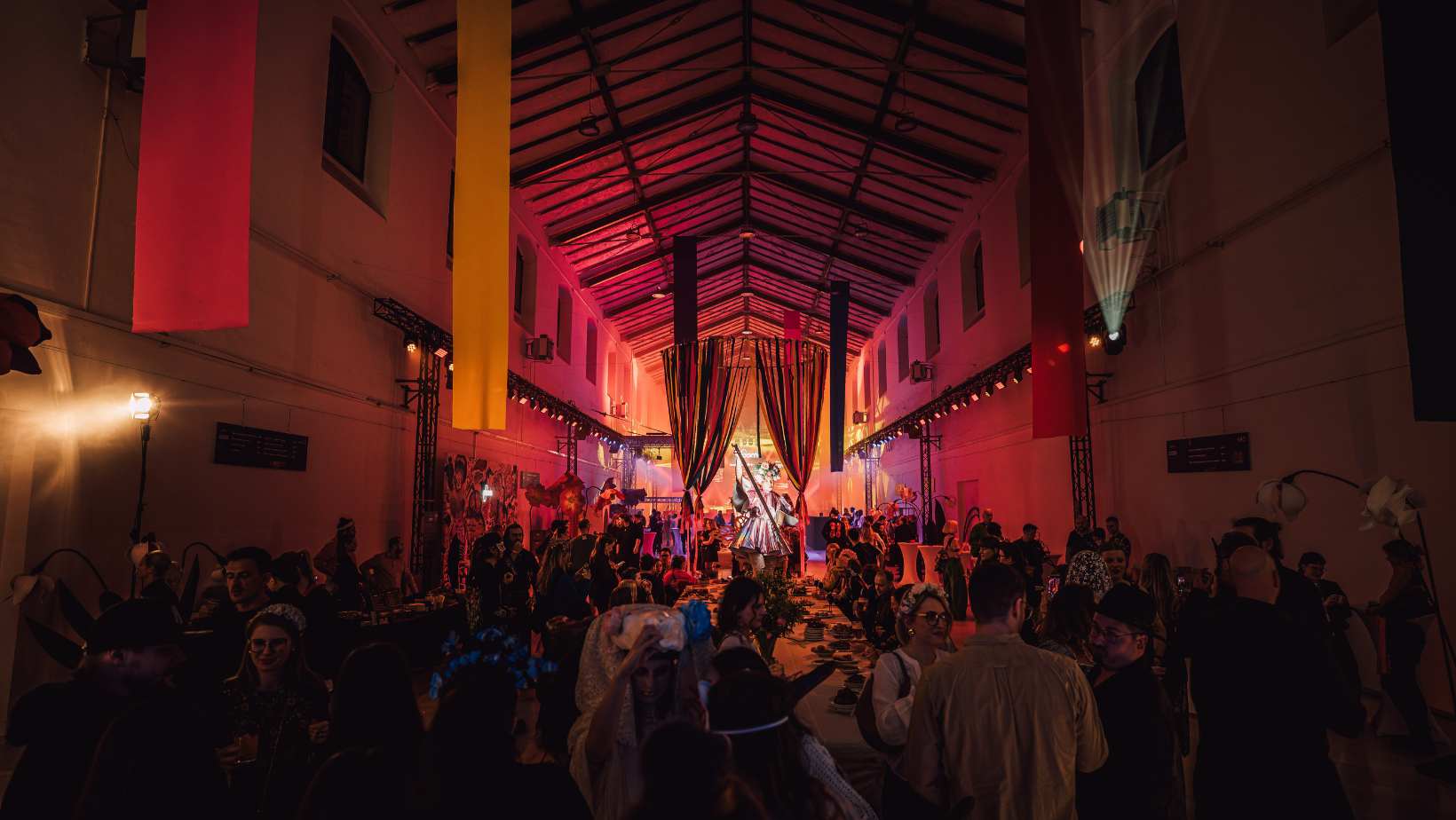

When Filmasia launched in 2005, the intention was simple: introduce Prague audiences to the pace and ambition of contemporary Asian cinema.
The 21st edition of the Filmasia Asian Film Festival will explore subversive new releases and rediscover classics under the theme of Twists and Returns. In addition to nine film screenings, the festival will launch the year-long Filmasia Presents project.
Running December 4–8 at Bio Oko, the 2025 edition gathers nine films from five Asian countries, arranged around the theme “Reversals and Returns.” Instead of focusing on a region, the festival follows stories in which characters double back, confront their own histories, or cross boundaries — including the line between life and death.
All films will be screened in original versions with English and Czech subtitles.
A Strong Korean Presence
South Korean cinema, long a pillar of the festival, features prominently again. Three national titles will screen, each reflecting a different approach to revisiting the past.
The film likely to draw the most attention is My Daughter Is a Zombie, the most-watched South Korean film of 2025. Screening on Sunday, December 7, director Pil Gam-seong mixes the country’s trademark flair for genre with a family story about a tiger tamer raising his undead daughter. Instead of relying solely on horror, the film blends humour, grief, and social observation, showing once again how flexible the Korean “undead” tradition has become.
On Monday, December 8, Filmasia presents Park Chan-wook’s Oscar submission No Other Choice. The screening will be followed by a showing of his landmark film “Oldboy,” offering viewers a chance to see how the director has shifted from the meticulously stylised revenge narratives of his early career toward a more satirical and politically edged mode.
Visualizza questo post su Instagram
Hong Kong’s Anselm Chan opens the festival with The Last Dance, a quiet exploration of tradition, care, and how rituals can offer structure in moments of grief. Though he built his career on comedies, Chan uses a calmer, more reflective tone here, letting the emotional weight accumulate gradually.
Thailand’s Useful Ghost takes the opposite path. Director Ratchapoom Boonbunchachoke blends absurd comedy with slow-cinema aesthetics in a story about a woman whose devotion to her partner carries beyond the grave — quite literally, as she returns as a ghost possessing his vacuum cleaner. The film uses its odd premise to examine attachment and the refusal to let go.
Survival Mode: Fighting the System
The Survival Mode section highlights two films that remain strikingly contemporary.
Battle Royale, Kinji Fukasaku’s 2000 cult classic, returns to cinemas with its portrait of Japanese teenagers forced into a violent competition. Its commentary on institutional pressure and generational strain still resonates.
Alongside it is Park Chan-wook’s Oldboy, whose protagonist fights his way out of a mysterious confinement. The film’s blend of psychological tension and moral ambiguity continues to define Korean cinema’s international image.
Under Pressure: Women Confronting Their Worlds
The festival’s final section, Under Pressure, focuses on female-led narratives.
Stanley Kwan’s “Center Stage” revisits the life of early Chinese film star Ruan Lingyu, blending biography and reconstruction in a way that examines how public expectations shape private lives.
Tam Wai Ching’s “Someone Like Me” stays closer to contemporary Hong Kong, following people living with disabilities and the pressures that structure their daily routines.
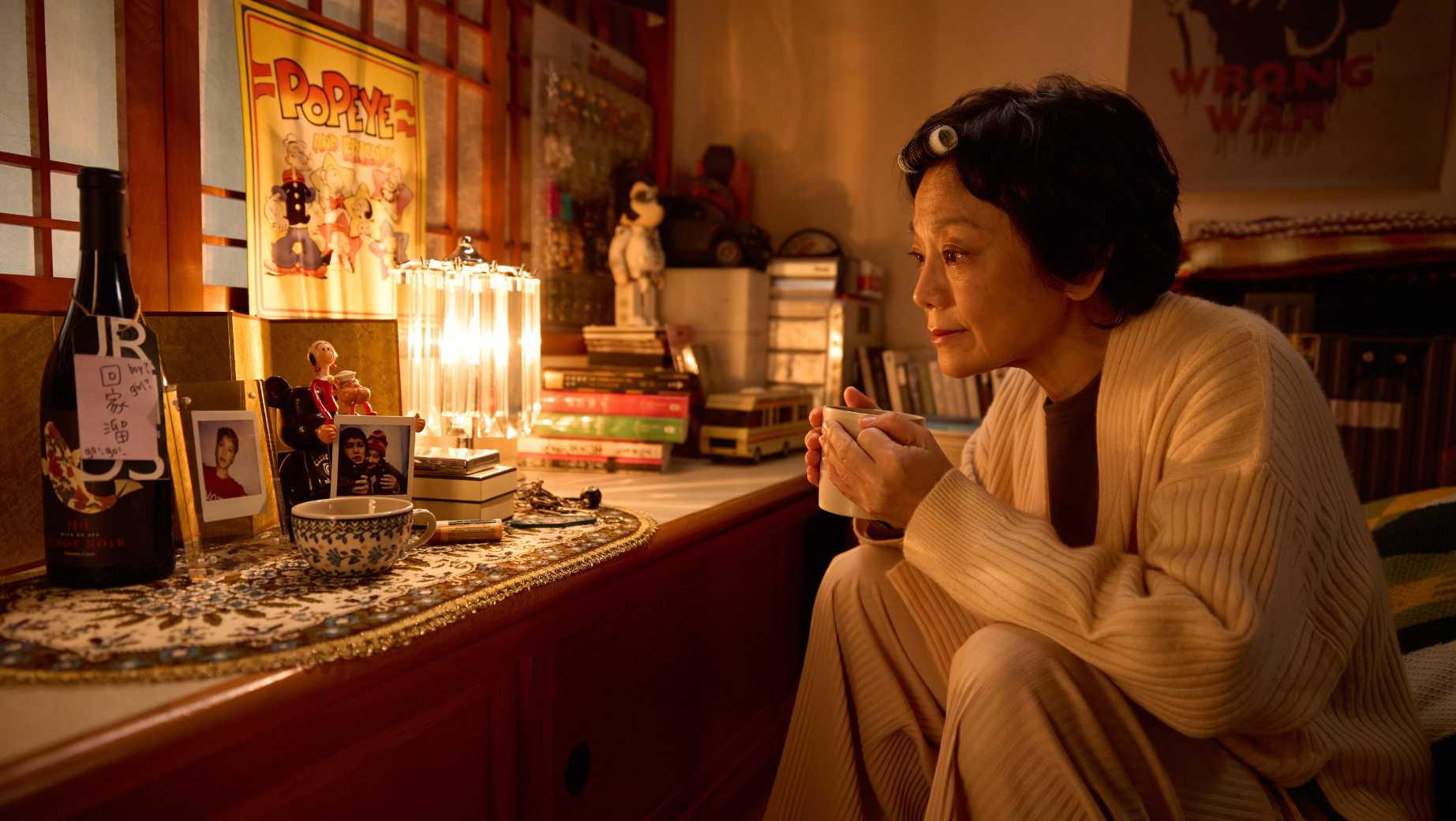
From Taiwan comes “The Women in My Family,” directed by Huang Xi and featuring a standout performance by Sylvia Chang. The film is a generational drama about emotional wounds that echo across decades, produced with support from Hou Hsiao-hsien.
Would you like us to write about your business? Find out more
-
NEWSLETTER
 Subscribe for our daily news

Most Popular