September 19: Celebrate South Africa's Heritage Braai Day in Prague by Saffa Maso Bistro
Partner article


Prague Morning
 Follow us on Google Discover
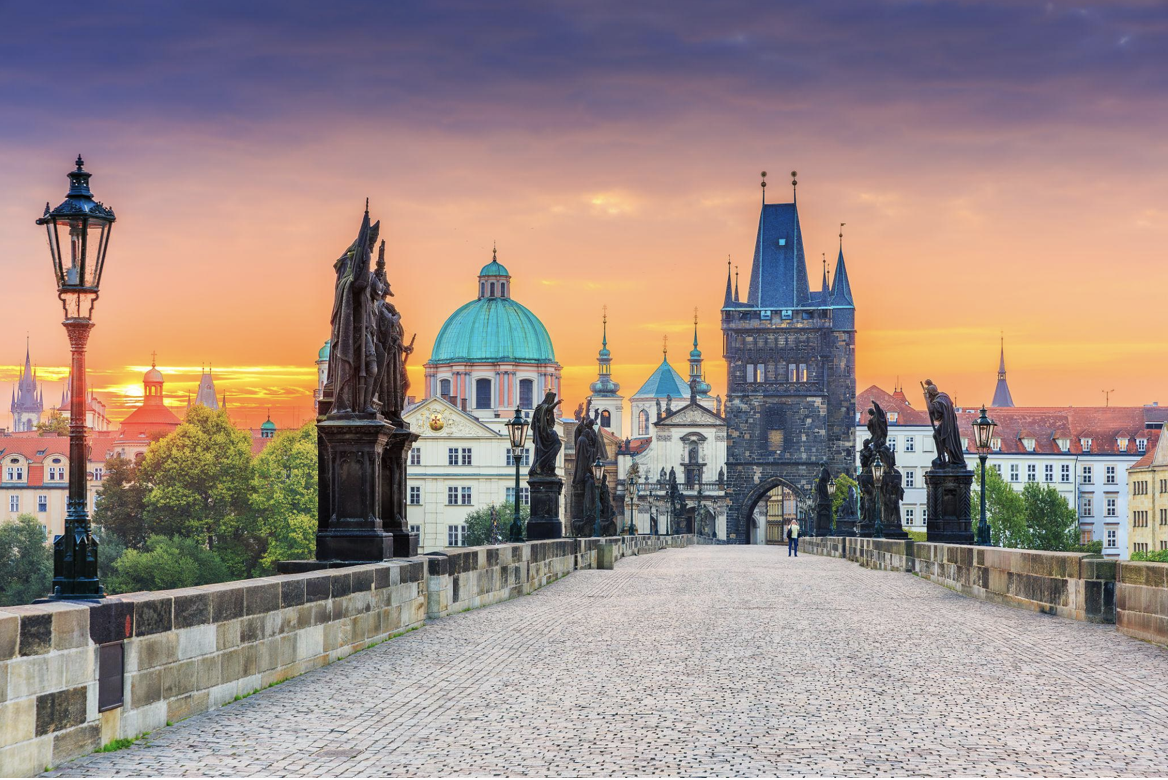
Cities have little influence over how the world perceives them. Over hundreds of years, a city develops its identity through architecture, culture, art, and social memory. However, in the age of social media, visual identity includes additional elements: algorithms, photography trends, and digital narratives.
In the era of competing creators who try to attract viewers and engage them through https://blastup.com/buy-instagram-views, images of cities become an important part of the global visual economy.
One of the locations that confirms this transformation is Prague. Its image has turned into a modernized digital icon that is widely seen on social media and in travel-related photos.
The Foundations of Prague’s Visual Character
A City Built Across Centuries
The visual identity of Prague was not formed overnight. Over the course of more than a thousand years, Prague was developed into a unique urban environment consisting of Gothic spires, Baroque churches, Renaissance facades, and early modernist structures, preserved in a truly unique historical environment. According to UNESCO, Prague is one of the most important examples of urban architectural complexes in Europe featuring different artistic epochs.
It is safe to say that such architectural variety was one of the key elements that gave birth to the visual language long before there was even photography. Such elements as towers, twisting streets, and preserved public areas helped to shape the identity that exists until today.
The Bohemian Influence
The image of Prague as a cultural destination goes beyond architecture. Artists, writers, musicians, and intellectuals contributed to the creation of an image of a city of freedom, experimentation, and culture. Modern marketing campaigns emphasize Bohemian heritage as a major element of the identity of Prague.
Why Prague Became a Photographer’s Dream
Even before social media started influencing traveling, there were various aspects that attracted photographers to Prague.
Several characteristics make the city exceptionally photogenic:
Research regarding visual attention in the historical center of Prague showed that travelers constantly paid attention to specific architectural landmarks and skyline elements, reinforcing the city’s strong visual appeal.
These qualities translate naturally into compelling photographs, making Prague one of the most recognizable urban landscapes in Europe.
The Shift from Postcards to Digital Feeds
For much of the twentieth century, cities built their image through postcards, brochures, and travel magazines. Today, social media performs the same function at a much larger scale.
|
Traditional Visual Identity |
Digital Visual Identity |
|
Postcards and brochures |
Reels and short-form videos |
|
Curated tourism campaigns |
User-generated content |
|
Landmark-focused imagery |
Experience-focused storytelling |
|
Limited distribution |
Global instant sharing |
|
Professional photographers |
Everyday creators |
The result is a more democratic form of city branding. Visitors now contribute directly to how destinations are perceived worldwide.
How Modern Feeds Reinterpret Historic Spaces
The impact of social media is not limited to changing the way cities are perceived but also changing the experience one has while visiting them.
Visual media favors the most attractive content. Historic streets serve as a background for videos. Architectural details become aesthetic content. Landmarks become an object of sharing.
This is where the discussion of how historic architecture shapes modern social media aesthetics becomes especially relevant. It turns out that the centuries-old traditions of architecture in Prague are highly aligned with modern visual preferences.
Thus, the creators often end up creating modern content even when shooting it in a space built hundreds of years ago.
Analysis of recent studies concerning tourism and digital visibility indicates that visual storytelling becomes an increasing determinant of destination selection and traveler expectations. Nowadays, user-generated content plays a crucial role in travelers’ decision-making process.
Authenticity Versus Algorithmic Appeal
The rise of digital visibility brings both opportunities and challenges.
Benefits
Social media helps:
Challenges
At the same time, highly repeated visual trends can create a narrow perception of a place.
Recent commentary on tourism in Prague notes that visitors often recreate identical photographs and follow similar content-driven itineraries. This can reduce complex cultural spaces into predictable visual templates designed primarily for sharing online.
When this happens, the city’s deeper stories risk being overshadowed by its most photographed viewpoints.
A New Era of Visual Branding
Responding to those trends, Prague’s tourist organization has significantly shifted from one branding strategy to another.
Nowadays, new projects focus on authenticity, culture, literature, creativity, and the stories told by residents of the city instead of focusing only on popular tourist sites. Also, new visual identities are being created specifically for web platforms and social media.
This marks an overall trend towards rebranding the image of destinations. Today’s cities are not sold merely as places full of sights. They are sold as cultural organisms with stories and characters behind them.
Conclusion
The visual identity of Prague is the result of many centuries of evolution in art, architecture, and culture. What sets the city apart is not just the preservation of the old but the continuous visual relevance of today’s digital age.
From Bohemian classicism to social media feeds, Prague shows how heritage and modern technologies can coexist. The city’s skyline may be designed for a different age, yet its visual power remains strong in an image-dominated world.
Instead of changing heritage, modern platforms have become a new way for Prague to express itself. The task for the future is to keep the stories behind the pictures as visible as the images themselves.
Would you like your story featured here? Get in touch with our team at [email protected]