The National Gallery Prague (NGP) will mark 230 years since its founding in 2026, but visitors should expect a slimmer program.
Economic pressures have led the institution to scale back exhibitions and public events compared with previous seasons, even as it prepares several key anniversary projects.
The anniversary traces back to February 5, 1796, when members of the Society of Patriotic Friends of Art opened a picture gallery in Prague.
Enlightened aristocrats and intellectuals, including Franz Joseph of Šternberk-Manderscheid and Franz Antonín Kolowrat-Novohradský, sought to strengthen artistic standards and public cultural life in what was then a provincial Habsburg city.
Anniversary exhibitions begin in February
The first commemorative exhibition, “Opened for 230 Years,” opened in early February in the Veletržní Palace Korzo. It outlines key moments in the institution’s history and invites visitors to reflect on its development over more than two centuries.
A broader anniversary project, “NGP 230,” is scheduled to open at the end of March. Around 70 works from all five gallery collections will be presented in themed sections within the exhibition “1796–1918: Art of a Long Century.” The same period will also feature presentations connected to the UMPRUM Generation Z Biennial.
Autumn focus on royalty and surrealism
The main autumn event will centre on Anna Jagiellonska (1503–1547), queen of Bohemia and wife of Ferdinand I. The exhibition will coincide with the 500th anniversary of the Habsburg dynasty’s accession to the Czech throne.
More than 200 historical objects are expected, including loans from major European museums in Vienna, Krakow and Berlin. Works attributed to artists such as Albrecht Dürer, Titian and Lucas Cranach are planned for display. The exhibition will open in October 2026 at the Wallenstein Riding School.
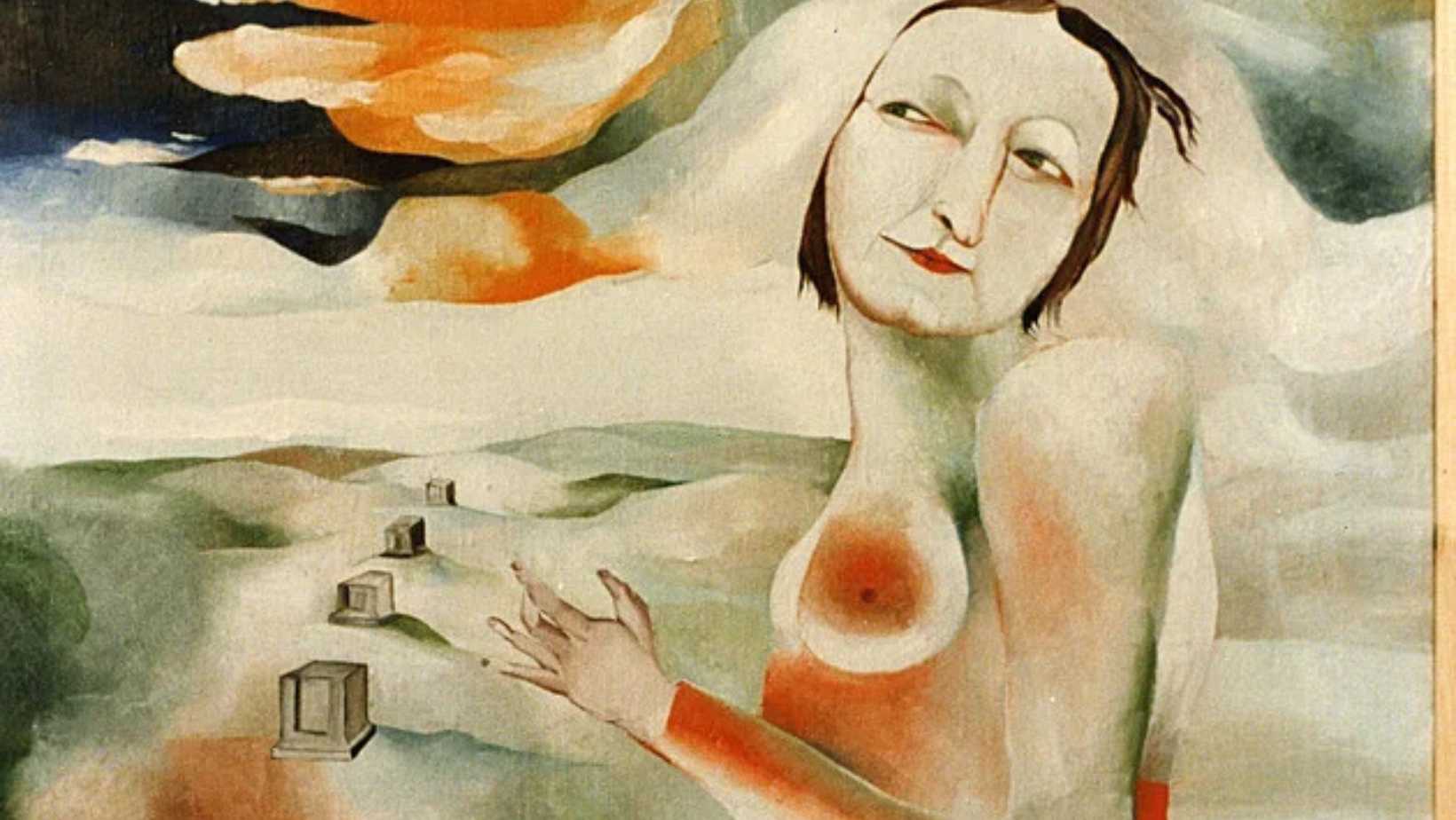
Another major project, “Against the Current: The Surrealist Group 1934–2024,” is scheduled for late November at the Veletržní Palace. The exhibition will examine Prague’s role in the development of surrealism since the 1930s. Prague hosted one of the earliest surrealist exhibitions in Central Europe in 1935, and the movement remains active in the Czech Republic today.
Fewer events due to financial pressure
Alongside exhibitions, the gallery continues to run guided tours, school programs and public discussions. However, the overall offer is smaller than in past years.
Gallery officials attribute this mainly to financial constraints affecting cultural institutions across Europe.
Would you like us to write about your business? Find out more
-
NEWSLETTER
 Subscribe for our daily news

Most Popular