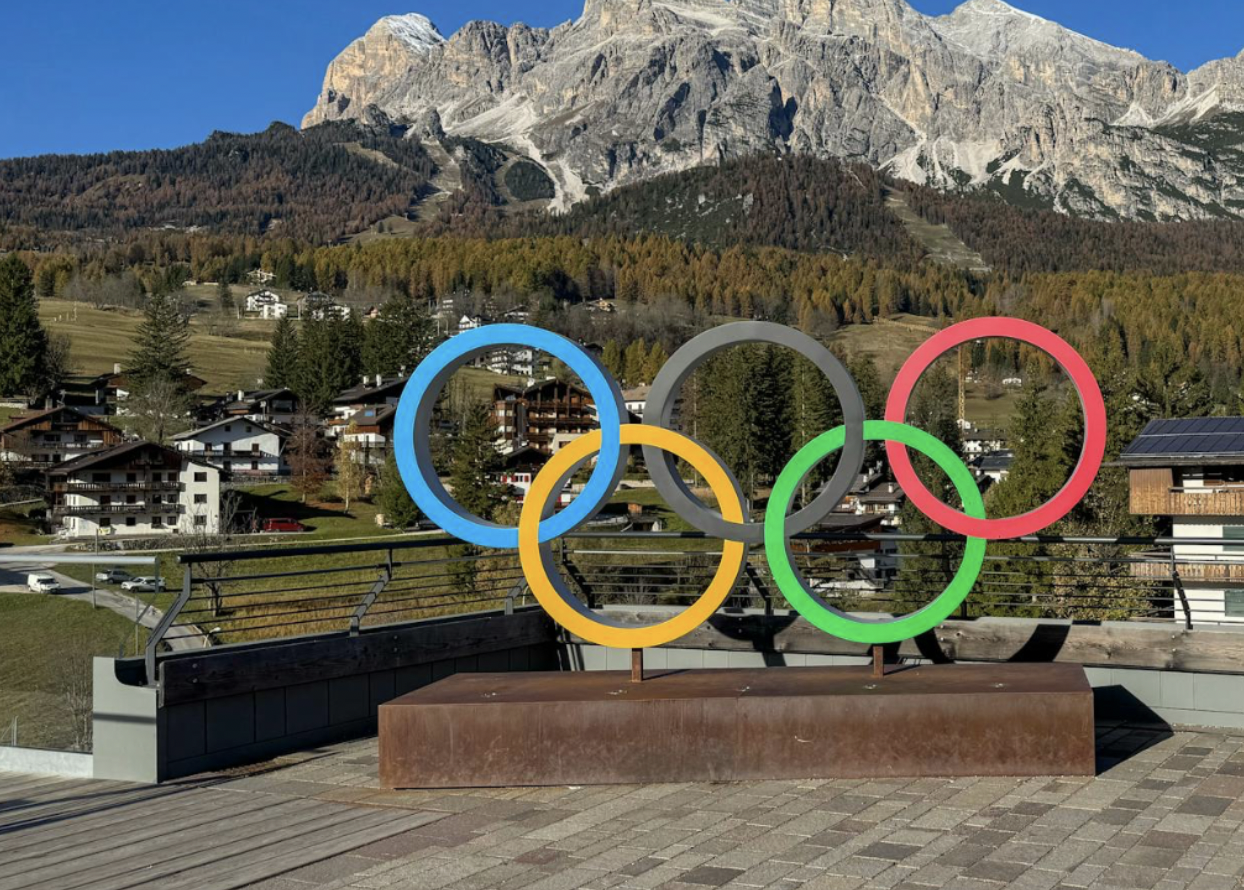

As global attention turns once again to the Olympic Games, demand for compelling visuals rises sharply. For journalists, editors and digital content creators, Olympic photography is essential for telling timely stories that capture athletic excellence, national pride and human emotion. But unlike many other types of imagery, Olympic photos are governed by strict editorial licensing rules that can be confusing even for experienced professionals.
With enforcement becoming more rigorous and digital publishing moving faster than ever, understanding how editorial photography licenses work during the Olympics is no longer optional. It is a practical necessity.
Why Olympic photography is tightly controlled
The Olympic Games are organized and governed by the International Olympic Committee, which maintains exclusive commercial and media rights related to the event. These rights cover everything from broadcasting and sponsorship to logos, athlete imagery and venue visuals.
As a result, nearly all photographs taken at Olympic events fall under editorial use only unless explicitly licensed otherwise. This means they are intended to inform, report or comment on newsworthy events rather than promote products, services or brands.
For journalists this aligns naturally with standard reporting. For content creators and digital publishers however the distinction between editorial and commercial use is where problems often arise.
What editorial use actually means in practice
Editorial photography can be used to accompany news articles, commentary analysis, blog posts and educational content that discusses the Olympics athletes or competitions. The key requirement is that the image is used in a factual informational or journalistic context.
Acceptable editorial uses typically include coverage of events, medal wins, athlete profiles and cultural or political stories connected to the Games. These images can appear on news websites, digital magazines and informational blogs as long as the surrounding content is clearly editorial in nature.
What editorial licenses do not allow is just as important. Olympic photos cannot be used in advertising marketing landing pages branded social promotions merchandise or any context that implies endorsement by the Olympics an athlete or an official sponsor.
Even subtle promotional use can be considered a violation. For example using an Olympic photo to promote a paid webinar, a subscription product or a brand announcement would likely fall outside editorial boundaries.
The role of captions attribution and context
One of the most critical elements of using Olympic editorial photography correctly is context. Images must be accompanied by accurate captions that explain who is shown what is happening and when and where the photo was taken.
Most editorial licenses require that original captions remain intact or are only minimally edited for clarity. Removing identifying details or repurposing images in misleading ways can violate license terms and journalistic standards.
Attribution is also non negotiable. Credit must be given to the photographer and the source agency exactly as specified. Failure to include proper attribution is one of the most common licensing mistakes and can result in takedown notices or legal claims.
Social media use and Olympic images
Social media presents a gray area that requires extra caution. While many editorial licenses allow images to be published on social platforms when linked to a news article, standalone image posts can be risky.
Posting an Olympic image on social media without accompanying editorial context or linking it to a reporting piece may be interpreted as promotional use. This is especially true for accounts associated with brands creators or monetized pages.
The safest approach is to ensure that Olympic images shared on social platforms are clearly tied to journalistic coverage and include captions that reinforce their informational purpose.
Blogs newsletters and independent creators
The rise of independent journalism newsletters and niche content sites has expanded who qualifies as a publisher. Many creators now operate outside traditional newsrooms but still produce legitimate editorial content.
Editorial Olympic images can be used in these contexts as long as the content remains informational and non promotional. A newsletter analyzing performance trends or a blog covering athlete stories may qualify but a paid course sales page would not.
Creators should also be mindful of mixed use pages. If an article includes affiliate links, product promotions or strong commercial calls to action using Olympic imagery on that page may violate license terms even if the article itself is informational.
Enforcement and consequences
Rights holders actively monitor the use of Olympic imagery. Unauthorized or improper use can result in takedown requests, retroactive licensing fees or legal action. In recent Olympic cycles enforcement has increased particularly on digital platforms and social media.
For journalists and content creators this makes due diligence essential. Keeping records of licenses, saving screenshots of terms and understanding platform specific rules can help protect against disputes.
A cautious but usable framework
Editorial sports photography licenses for the Olympics are strict but not prohibitive. When used correctly they allow journalists and creators to tell powerful stories that reflect one of the world’s most significant global events.
The guiding principle is simple. Use Olympic images to inform not to promote. Maintain accurate context clear attribution and respect the boundaries set by rights holders.
As the media landscape continues to evolve those who understand and respect editorial licensing will be best positioned to cover the Games confidently and responsibly.
-
NEWSLETTER
 Subscribe for our daily news

Most Popular