Sinatra Tribute Pairs Frank Sinatra Classics With 1930s Dining at Prague's Mánes
Partner article


Prague Morning
 Follow us on Google Discover
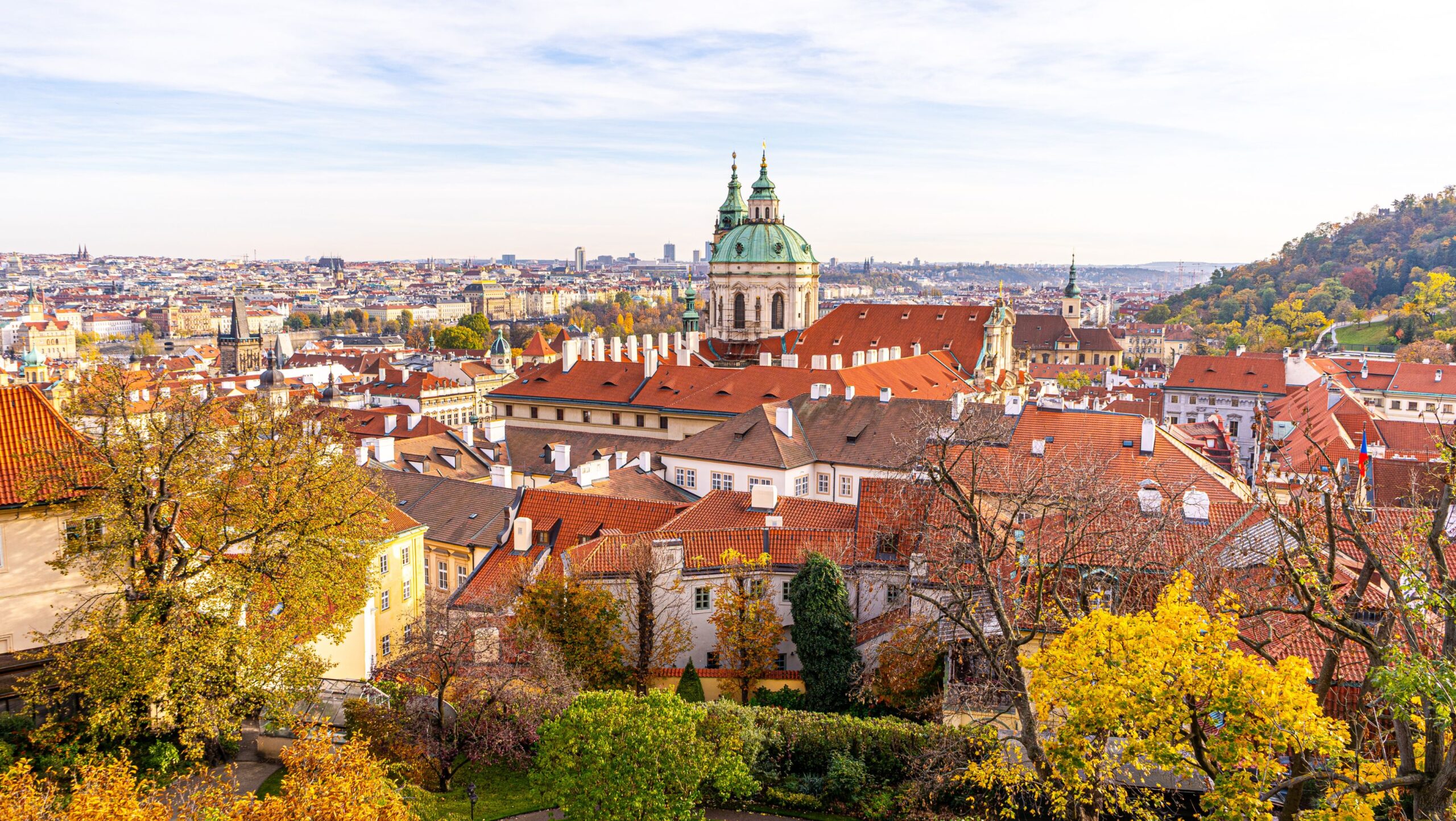

Prague’s short-term rental market has grown into a professional business but Airbnb accounts for only a small share of the city’s housing stock, according to a new analysis.
In June 2026, around 7,878 entire apartments and houses in Prague were actively listed on Airbnb. With roughly 720,000 apartments across the capital, that represents about 1.1 percent of the total housing stock.
The situation is very different in individual parts of the city. In Prague 1, Airbnb-listed properties account for around one-fifth of all apartments, according to the Prague Institute of Planning and Development (IPR). In Prague 2, the share is around 7 percent, while in some outer districts it is below 0.5 percent.

The concentration of short-term rentals has also changed the nature of the market. IPR data show that hosts managed an average of two apartments in 2019. By 2024, that figure had risen to three, while more than half of Prague’s Airbnb listings were operated by hosts with at least five properties.
This means short-term accommodation is increasingly being run as a business rather than as occasional home-sharing.
Despite the impact Airbnb can have in central neighborhoods, the analysis points to a much bigger problem behind Prague’s housing crisis — a long-term shortage of new construction.
Since 2006, Prague has accumulated a housing deficit of more than 91,000 apartments, according to the analysis. That shortfall is about 11.5 times larger than the number of apartments currently listed on Airbnb.
Even if every Airbnb property in the city were suddenly returned to the long-term rental market, Prague would still be short more than 83,000 homes.
The accumulated construction deficit reportedly became larger than the number of active Airbnb apartments around 2009 or 2010. Since then, the gap has continued to grow.
This suggests that Prague’s housing crisis began well before short-term rentals reached their current scale.
Housing availability is also not the only issue surrounding short-term rentals.
Residents in central Prague have complained about noise, disruption and visitors staying in residential buildings.
The city also collects accommodation fees from short-term stays, although payment is not automatic because apartment owners must register and pay the fees themselves.
The debate over Airbnb in Prague therefore extends beyond housing. While short-term rentals can change the character of central neighborhoods and create problems for residents, the latest figures suggest that the city’s wider housing shortage is primarily the result of years of insufficient construction.
Would you like your story featured here? Get in touch with our team at [email protected]




Already have an account? Log In