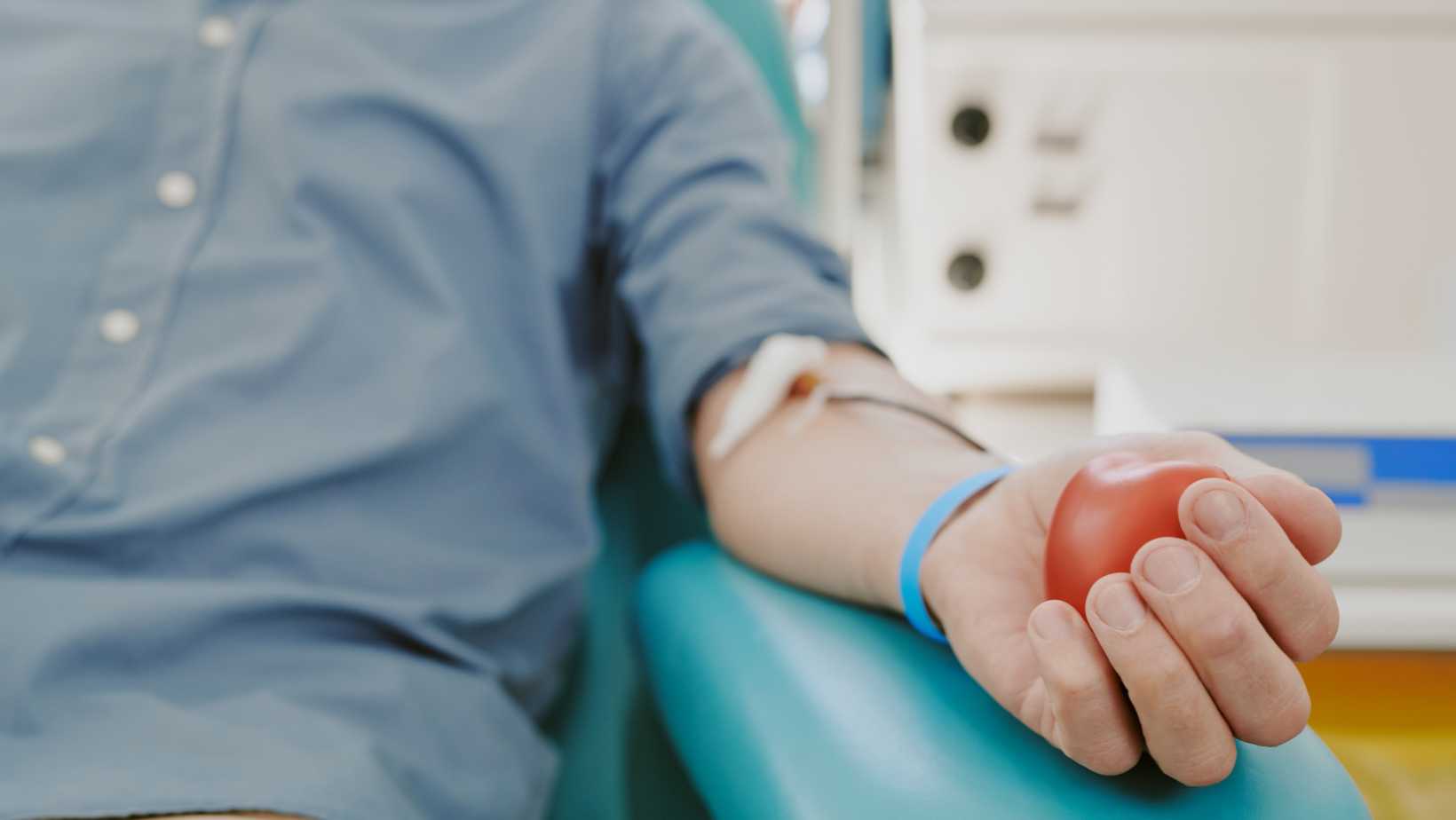
Hospitals across Prague say the number of young voluntary blood donors is falling, leaving transfusion services under strain even as overall demand for blood products remains steady.
Medical staff warn that without a new generation stepping forward, maintaining stable supplies could become harder in the coming years.
At General University Hospital in Prague, the transfusion department estimates it would need roughly six thousand additional regular donors to keep reserves comfortable.
Department head Daniela Dušková said the Czech Republic overall may be short by as many as 80,000 to 100,000 unpaid donors. She noted that hundreds leave donor registries each year, most often because of age, health concerns, or relocation. Younger replacements are not arriving in sufficient numbers.
A comparable trend is reported at Thomayer University Hospital, where officials describe the donor list as gradually aging. According to spokesman Petr Sulek, people born after 2000 represent a smaller demographic group and cannot fully replace older donors stepping back from regular donation.
The hospital also provides blood derivatives beyond its own wards, including supplies for IKEM, which increases pressure on available stocks. Cooperation with hospitals outside Prague has become necessary to keep supplies stable.
Some healthcare professionals believe the visibility of paid plasma collection centers may influence decisions among potential donors. Advertising for compensated plasma donation is widespread, and financial incentives can attract younger people who might otherwise donate blood voluntarily.
Hospitals say recruitment strategies are evolving. Outreach campaigns, mobile donation units and direct communication with registered donors are increasingly common. Emergency appeals through local media and social networks are used when specific blood types are urgently needed, and rare-type donors may be contacted individually by phone or text.
Health authorities also maintain coordination between public transfusion services and private plasma centers. Donation intervals are carefully monitored to ensure donor safety when individuals participate in multiple programs.
Despite these efforts, healthcare professionals agree on one point: attracting younger donors remains essential if Prague’s hospitals are to maintain reliable blood supplies in the long term.
Would you like us to write about your business? Find out more
-
NEWSLETTER
 Subscribe for our daily news

Most Popular