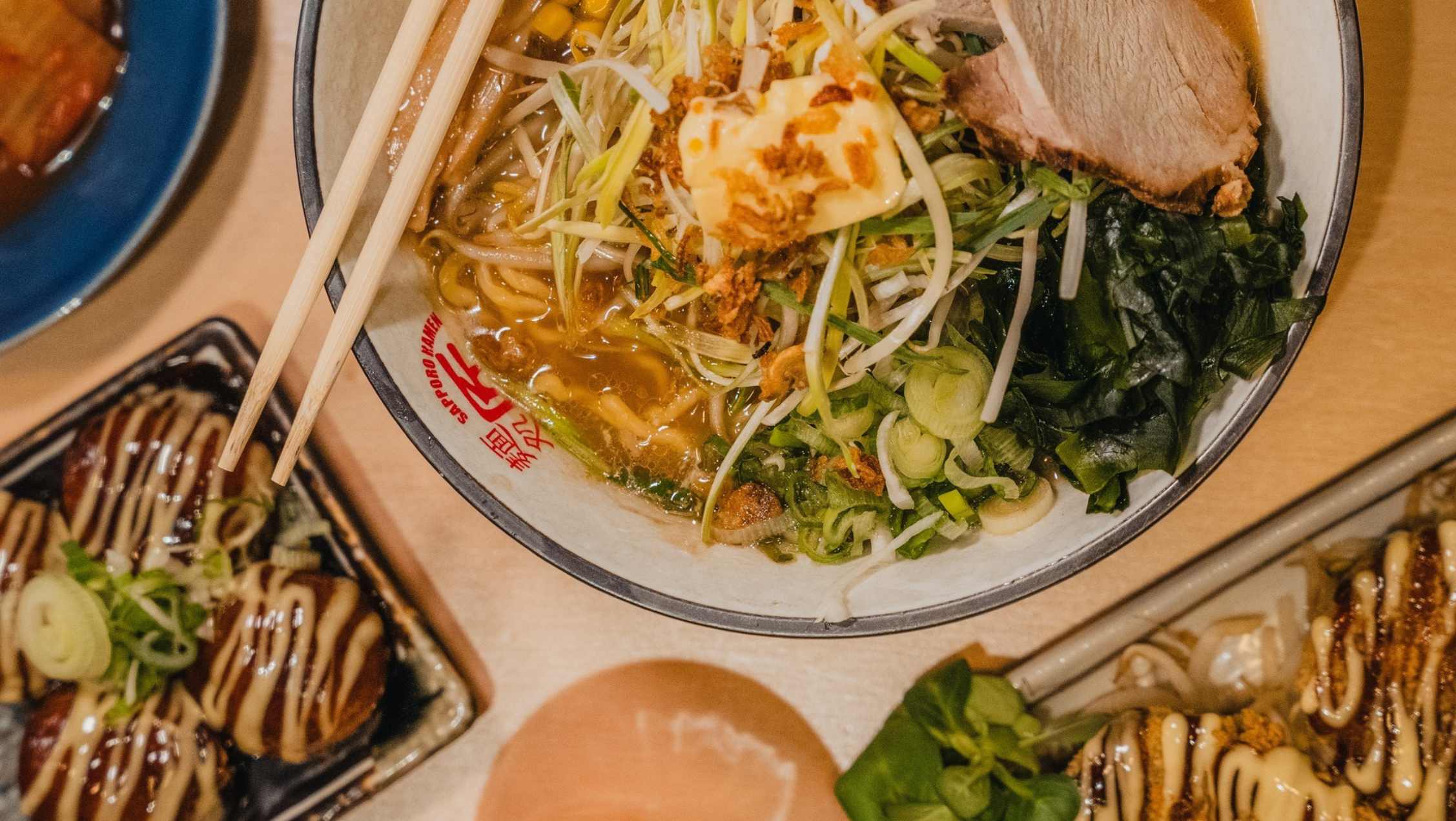
Prague’s dining scene has no shortage of international influences, but one of its newest arrivals brings a distinctly Japanese comfort food to the city center. Takumi, which opened this summer on the square next to the Franz Kafka rotating head, is the second Czech branch of the ramen chain that began nearly two decades ago in Germany. The first Czech location introduced local diners to Sapporo-style noodles and long-simmered broths. The new branch is meant to make the brand more visible — set in one of the busiest parts of the city, it’s easy to find for both office workers on their lunch break and tourists exploring the area. Inside, the design stays close to the brand’s aesthetic: pared down, warm wood, and a Japanese-inspired minimalism that doesn’t feel intimidating. The menu highlights the chain’s staples — miso and shoyu ramen — but the kitchen is also adapting to Europe’s changing tastes. Visitors can find Ajitama Tonkotsu Ramen — a rich, creamy pork-bone broth, slow-cooked to depth and served with a marinated egg. For those who prefer a little fire, there’s Mala Paitan, a silky chicken broth layered with Sichuan pepper that leaves a warm, tingling finish. Diners looking for...
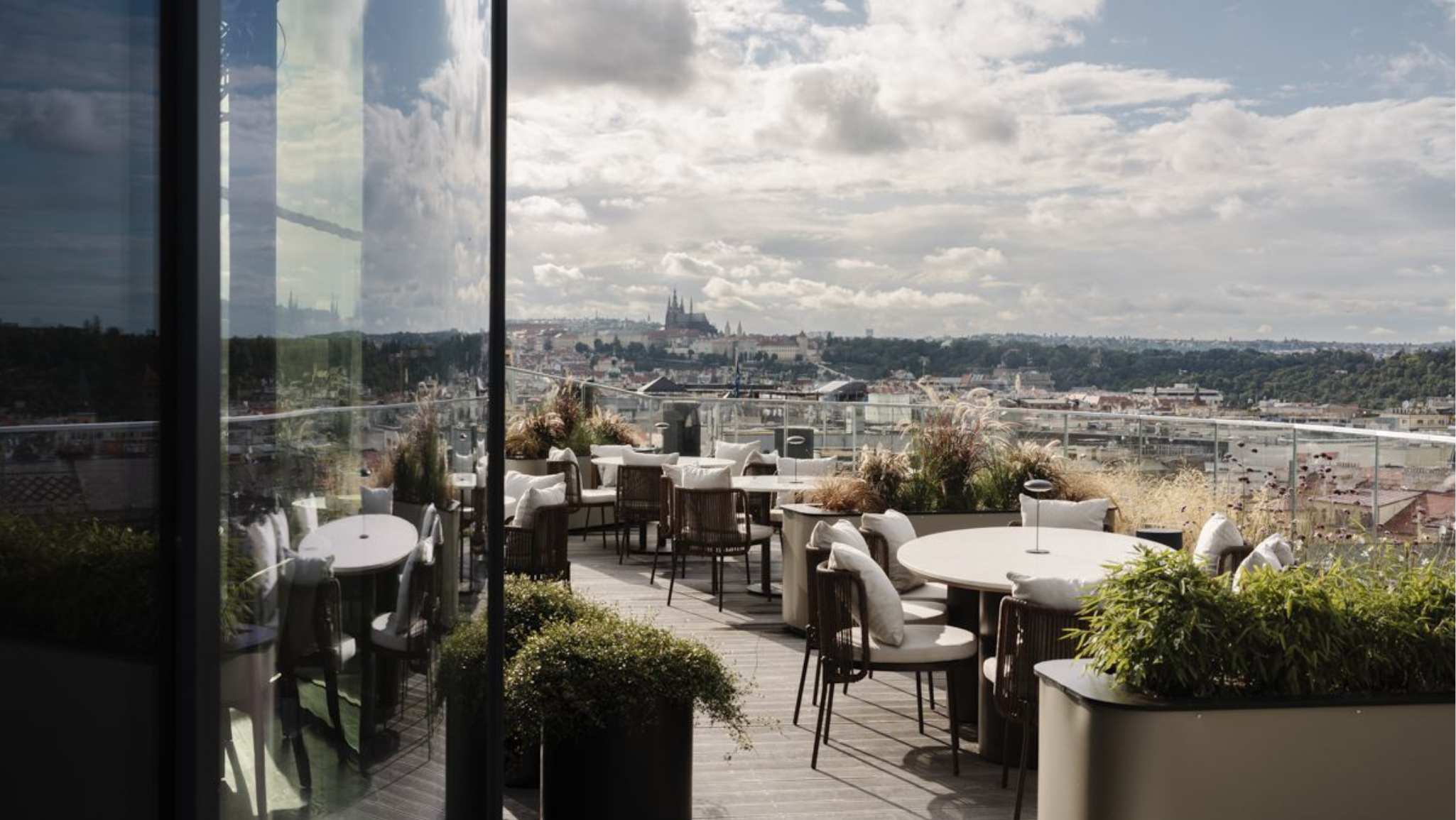
Prague’s Masaryčka building has added a new culinary attraction. Eleven floors above the city streets, the rooftop restaurant Reason offers a blend of Mediterranean and Scandinavian flavors, promising a fresh take on Prague’s dining scene. Chef Jan Horák, who leads Reason, brings experience from Michelin-starred restaurants in Germany and Switzerland, luxury hotels in Abu Dhabi, and Prague’s Augustine Hotel. He also led the Czech junior national culinary team to historic results at the Culinary Olympics. His approach combines Nordic techniques with the flavors of the Adriatic, creating innovative dishes from both premium and humble ingredients—such as pasta crafted from stale bread paired with Pecorino Pepato cheese. Reason seats 40 diners inside and another 60 in its rooftop lounge, ensuring an exclusive atmosphere and personalized service. Guests can enjoy a three-course lunch for 1,000 CZK or a ten-course tasting menu for 4,290 CZK, with dishes presented directly by the chefs. Each tasting experience starts with champagne and concludes with the brand’s cognac, emphasizing the restaurant’s commitment to luxury through authenticity and flavor. The interior, designed by architect Zisis Papamichos in collaboration with Kallon Studio, features fully custom-made furniture, tableware, and glassware. The project is backed by the Remedis Group, signaling a...
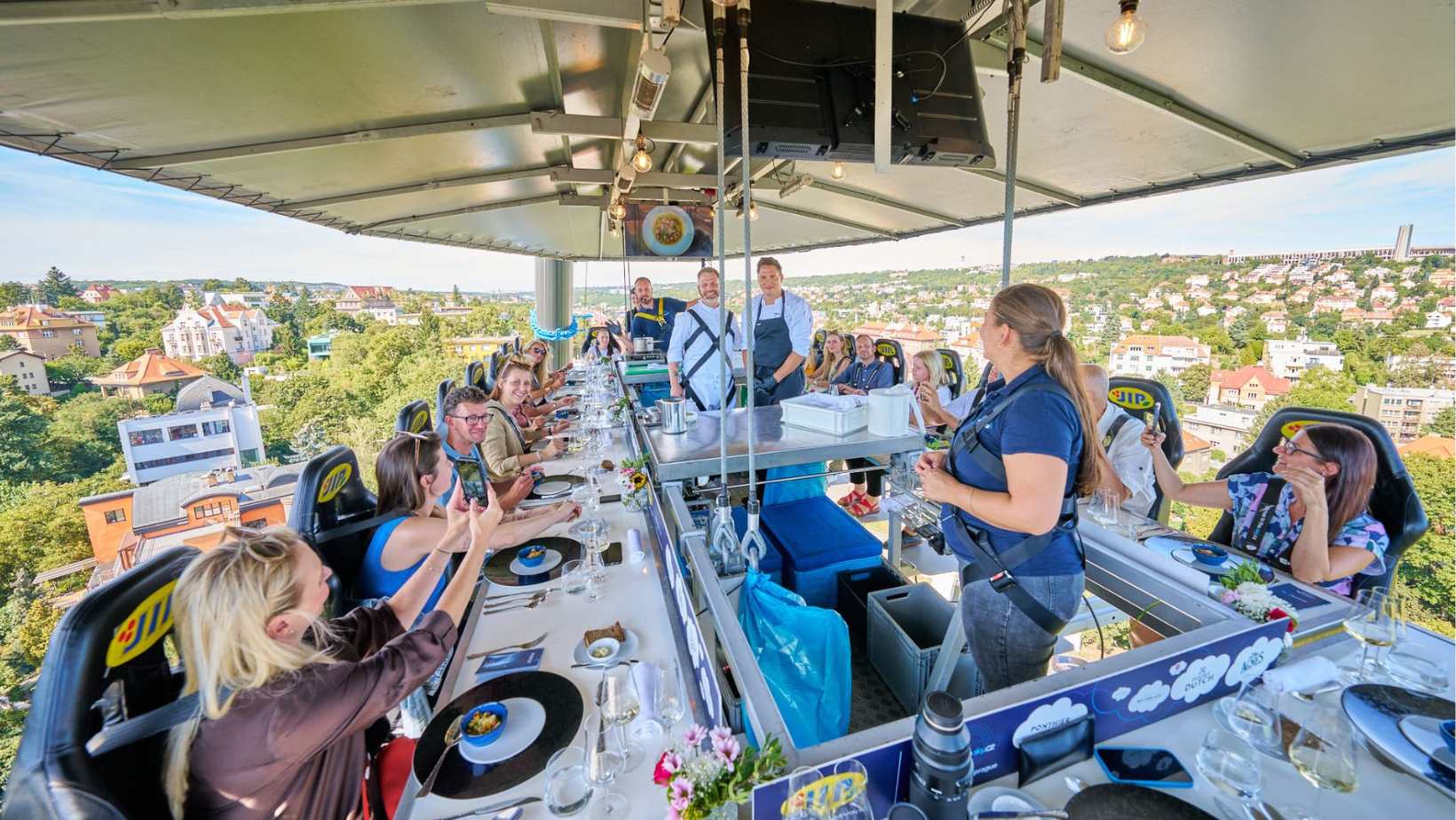
Dinner in the Sky returns until September 14! Slovak chef Peter Slačka will serve a crafted menu 40 meters above the city, suspended from a crane at Mrázovka in Prague 5. The experience begins at ground level, beneath the crane, where a long oval table is prepared with safety belts and ropes. The meal lasted roughly an hour and a half. The menu highlighted seasonal flavors: eggplant ceviche with herbs, dill kulajda with espuma, veal cheeks with Jerusalem artichoke puree and hazelnuts, and a raspberry crème brûlée with nitrogen smoke and mint. Vegetarian alternatives included roasted cauliflower with burnt apple. Each course was served by Slačka and his small team, moving carefully on the central platform of the table. Slačka, a chef with experience across Portugal, Sweden, Australia, and Great Britain, previously ran Michelin-starred kitchens and opened the Bratislava restaurant Baroza. He also created the menu for London’s Kwãnt bar, which appeared on a top 50 global bar list. Pricing ranges from 3,190 CZK to around 6,000 CZK, depending on the menu selection, and a new shorter option with dessert and prosecco is available for the first time. Dinner in the Clouds Menu – Lunch Ceviche: Tomato, Herbs from Beladice,...
On Křemencova Street, just a few steps from Národní třída and the peaceful banks of the Vltava River, you will find a restaurant that combines the best of traditional Czech cuisine with a modern approach to gastronomy. U Matěje Kotrby is a place where lovers of quality food, craft beer, and a pleasant atmosphere will find what they are looking for. The new menu, which has just been introduced, offers a combination of first-class meat and fresh creativity. The restaurant has two parts: Old Bohemian Restaurant and Old Prague Restaurant with Cocktails. And it is up to you which one you choose. In the hot summer, the shaded terrace and well-chilled Pilsner Urquell, which is tapped here with a love for craftsmanship, are particularly appealing. Whether you come here for a quick lunch or a long dinner with friends, you can expect cuisine that has depth and a story. The new menu was created under the leadership of chef Marek Šáda. Czech classics are transformed into an experience – for example, in the form of creamy garlic soup with barley and cracklings, apple strudel with vanilla curd, or baked plums with hazelnut crumble. However, the real specialty of the restaurant...
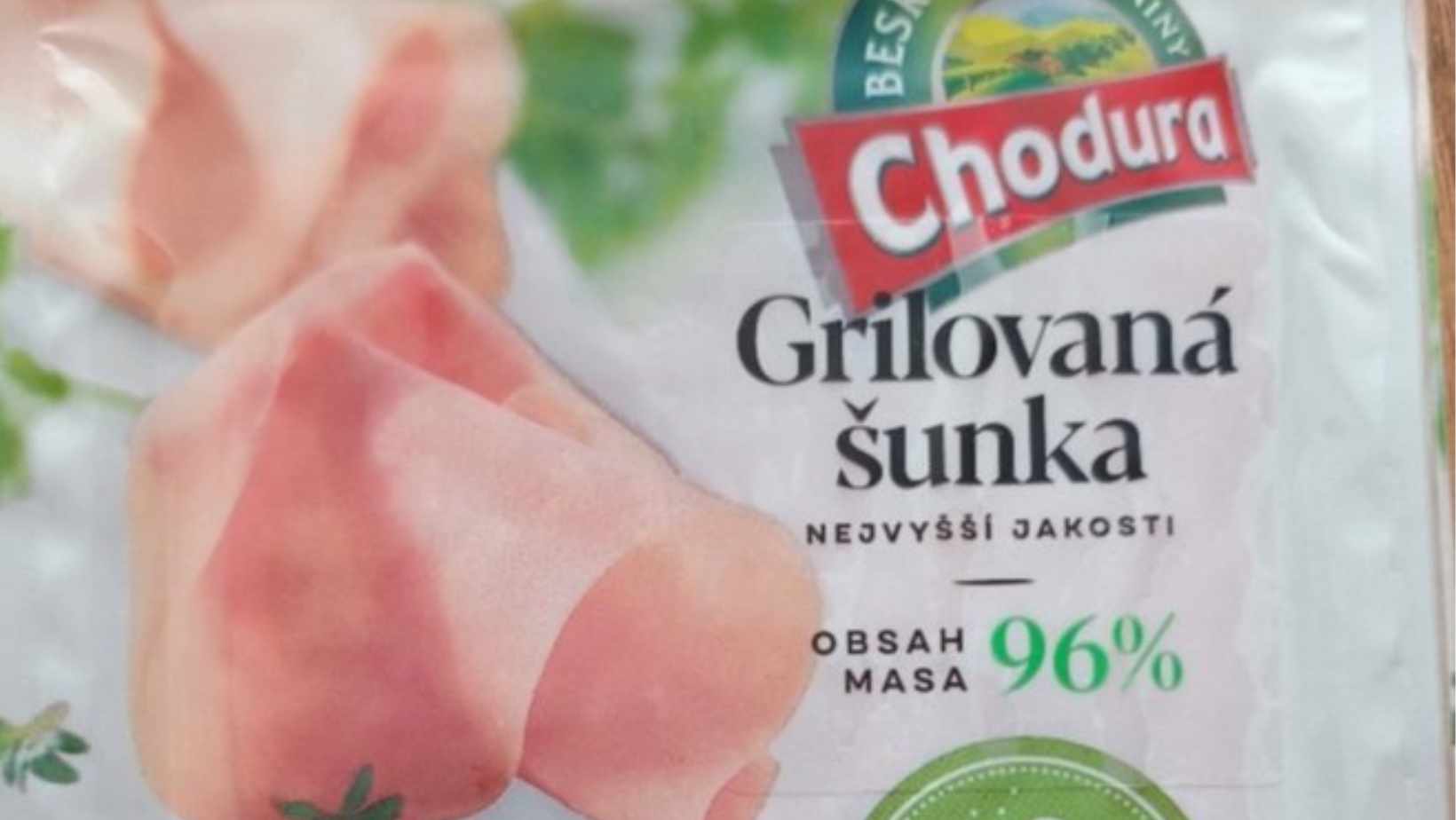
The Czech State Veterinary Service (SVS) has ordered the withdrawal of a batch of ham from supermarket shelves and online retailers after tests confirmed the presence of Listeria monocytogenes, a bacteria that can cause serious illness. The recall concerns the product “Roasted ham with reduced salt content, premium ham” (Grilovaná šunka se sníženým obsahem soli, šunka nejvyšší jakosti), produced by the company Beskydské uzeniny. The affected batch was manufactured on August 18, 2025, with an expiration date of September 15, 2025, under batch number 250818. In total, more than 206 kilograms were produced. According to SVS spokesman Petr Vorlíček, inspectors from the Moravian-Silesian Region collected samples directly from the factory. Laboratory analysis by the State Veterinary Institute in Olomouc confirmed the contamination. A portion of the production, 15.5 kilograms, was immediately detained and destroyed at the company’s warehouse. However, around 190 kilograms were shipped to retail outlets across the country, including: Rohlík.cz and Košík.cz online stores Makro, Tesco, Globus, Hruška, and Tempo supermarket chains Unsold packages are now being pulled from circulation. Customers who already purchased the ham are urged not to eat it and instead return it to the store. Beskydské uzeniny must cover the cost of destroying all...
Lunch in Czech restaurants is now more expensive than ever. New data from June 2025 shows the average midday meal costs around 197 CZK, with prices in six regions already surpassing the 200 CZK mark. The rise is driven by higher costs for ingredients, energy, and wages. Since 2014, when a lunch in Prague averaged 98 CZK, prices have climbed by 130%. In the same period, average wages have grown by just 82%, meaning the cost of eating out has outpaced income growth. Restaurant owners say their biggest challenge is staff shortages. Salaries in the sector rose by up to 8% last year, but operating costs—from rent to utilities—are increasing even faster. “The reality is that price hikes cannot be postponed forever,” says Václav Stárek, President of the Czech Association of Hotels and Restaurants. The South Bohemian Region currently tops the list with average lunch prices around 212 CZK. In Prague, diners pay roughly 203 CZK. In some areas, prices have already hit a ceiling, slowing further increases. In the past five years, the entire industry has seen costs jump by over 50%. One of the sharpest blows came in January 2024, when the VAT rate on draft beer doubled...
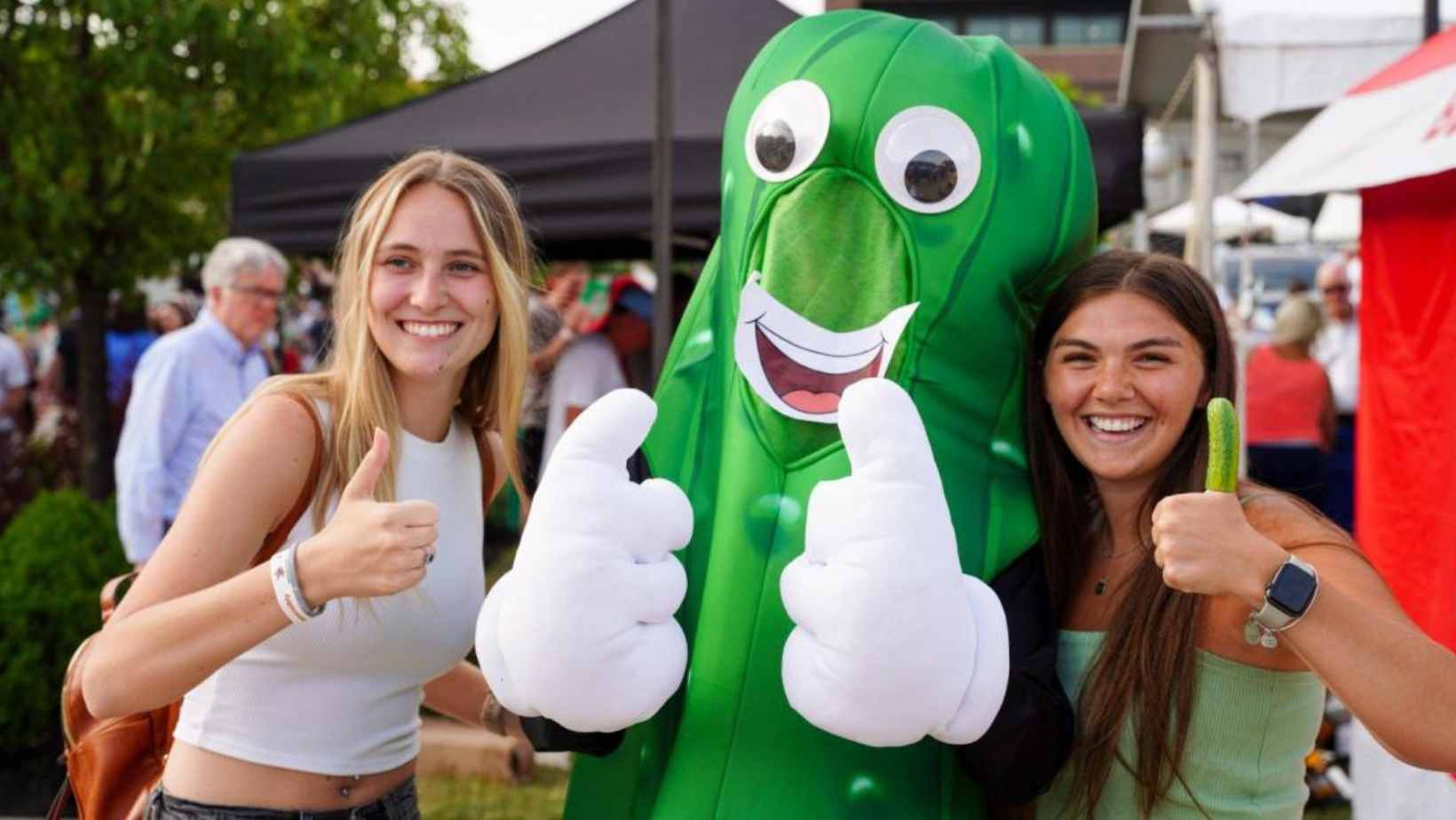
On Saturday, September 21, the Prague Exhibition Grounds will host the first-ever Pickles Prague Festival – a full day dedicated to the sharp, salty, and sour world of pickled and fermented vegetables. Running from 10 a.m. to 6 p.m., the festival will bring together producers, chefs, and enthusiasts to share traditional recipes, modern twists, and flavours from both Czech kitchens and beyond. Visitors can sample a wide range of items, from classic cucumber pickles and spicy peppers to beetroot, sauerkraut, kimchi, and lesser-known varieties that are rarely found in shops. Many of the products come from local farms, with others sourced from abroad to show how different cultures preserve their harvests. The event is organised in partnership with Efko CZ, and alongside the tastings and market stalls, there will be live music throughout the day. Families can utilize a dedicated children’s zone featuring games and activities, while food enthusiasts can participate in workshops and talks on topics such as pickling techniques, the benefits of fermentation, and the role of preserved vegetables in various cuisines. Find more info here. Would you like us to write about your business? Find out more
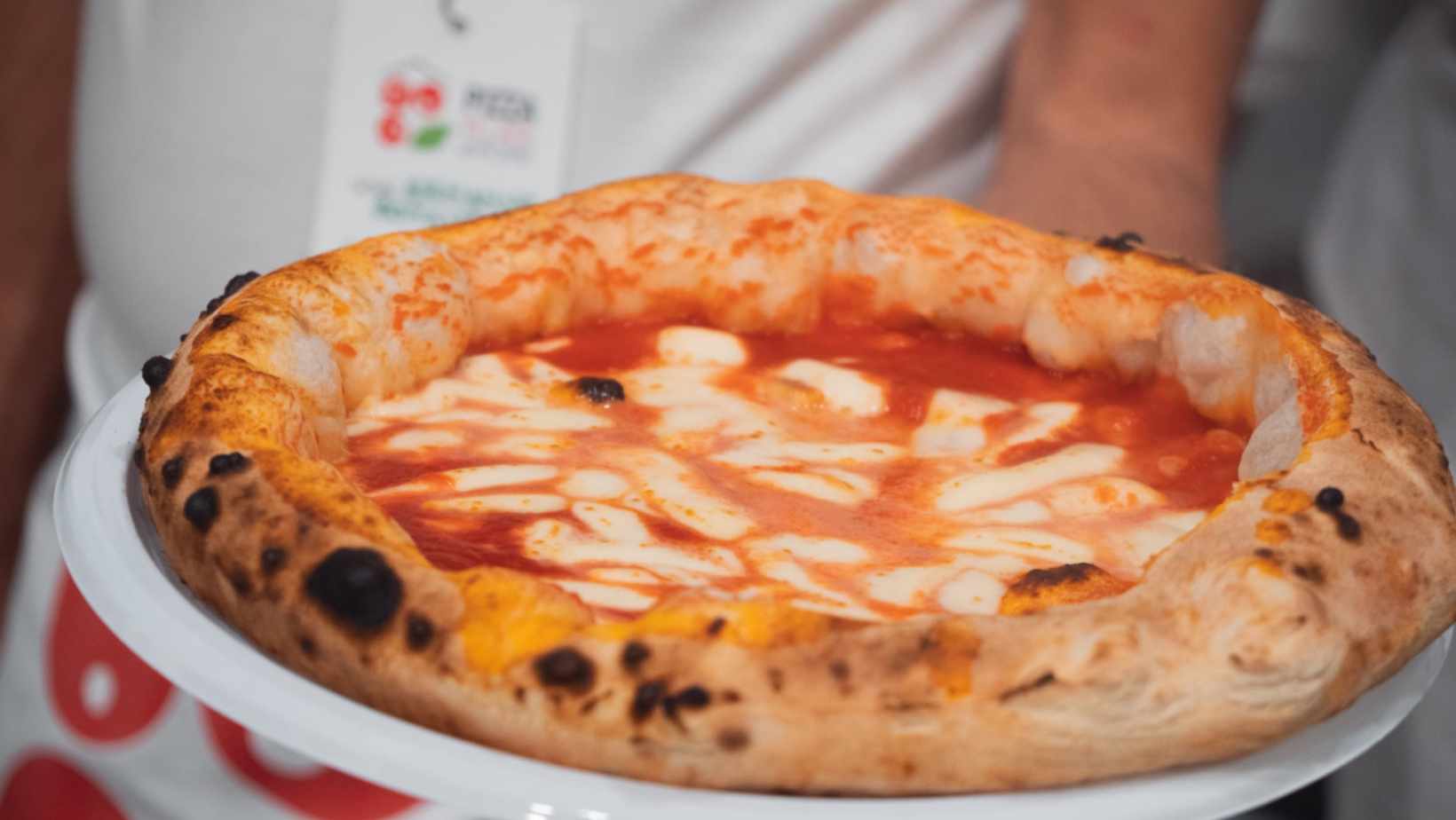
One of Prague’s most popular late-summer events is returning to Holešovice Market! On Thursday, September 4, the central area of Holešovice Market will once again transform into an Italian piazza with the PIZZA! PIZZA! POP UP festival — a one-day celebration of authentic pizza, aperitivo culture, and outdoor gatherings. The festival kicks off at 11:00 a.m. and runs until 10:00 p.m., offering a full day of Neapolitan-style pizzas, spritzes, and Italian wines. The idea is simple: pizza, drinks, and time outdoors. Organizers say they were inspired by the Italian concept of aperitivo — a few hours in the late afternoon when people gather outside, talk, eat, and enjoy a drink after work. “We’re not trying to make a big show,” says Aleš Víšek, who handles the programming at Holešovice Market. “It’s more about creating a relaxed spot where people can enjoy good pizza and unwind — the same way you’d do in a town square in Italy.” The main focus, unsurprisingly, is pizza — made by a range of local pizza makers from across Prague. The food lineup includes some of Prague’s familiar pizza names — like Spojka Karlín, Pizza Metro, Picoška, Mate’s Pizza Truck, and Your Pizza Therapy —...
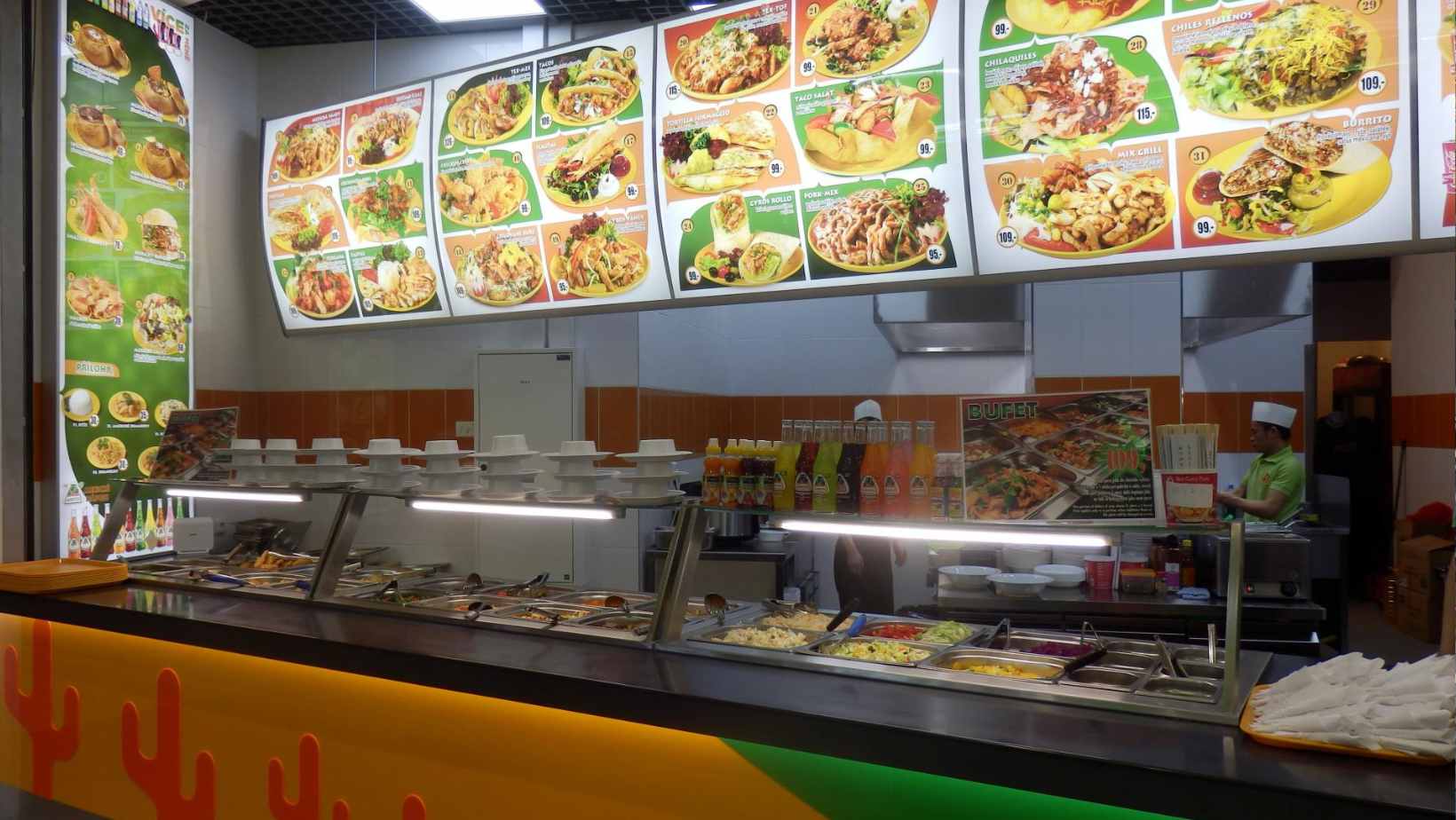
Grease-covered equipment, rotting food on the floor, and non-functional sinks—these are the reasons why yet another Prague restaurant has been forced to close. On August 1, food safety inspectors shut down Mex Dan, located in the Eden Shopping Center, citing severe hygiene breaches. Inspectors found the Mexican restaurant in an alarming state. Floors beneath the kitchen appliances were coated in grime and littered with food scraps. The cooking equipment, including tools that come into direct contact with food, was dirty and slick with grease. “The operator had neglected cleaning the restaurant for an extended period,” said SZPI. “Surfaces were visibly contaminated, and food residues were present throughout the kitchen.” To make matters worse, none of the handwashing sinks were functional. This meant that staff preparing and serving food had no access to basic hygiene facilities, which violates food safety laws. The inspection team responded by immediately prohibiting the use of the space and ordering the restaurant to close until the violations are corrected. Eden Shopping Center, located near the Slavia Stadium, is one of the busiest malls in Prague. With over 100 shops, cafes, and services, including a hypermarket, pharmacy, and children’s play area, the presence of such violations in...
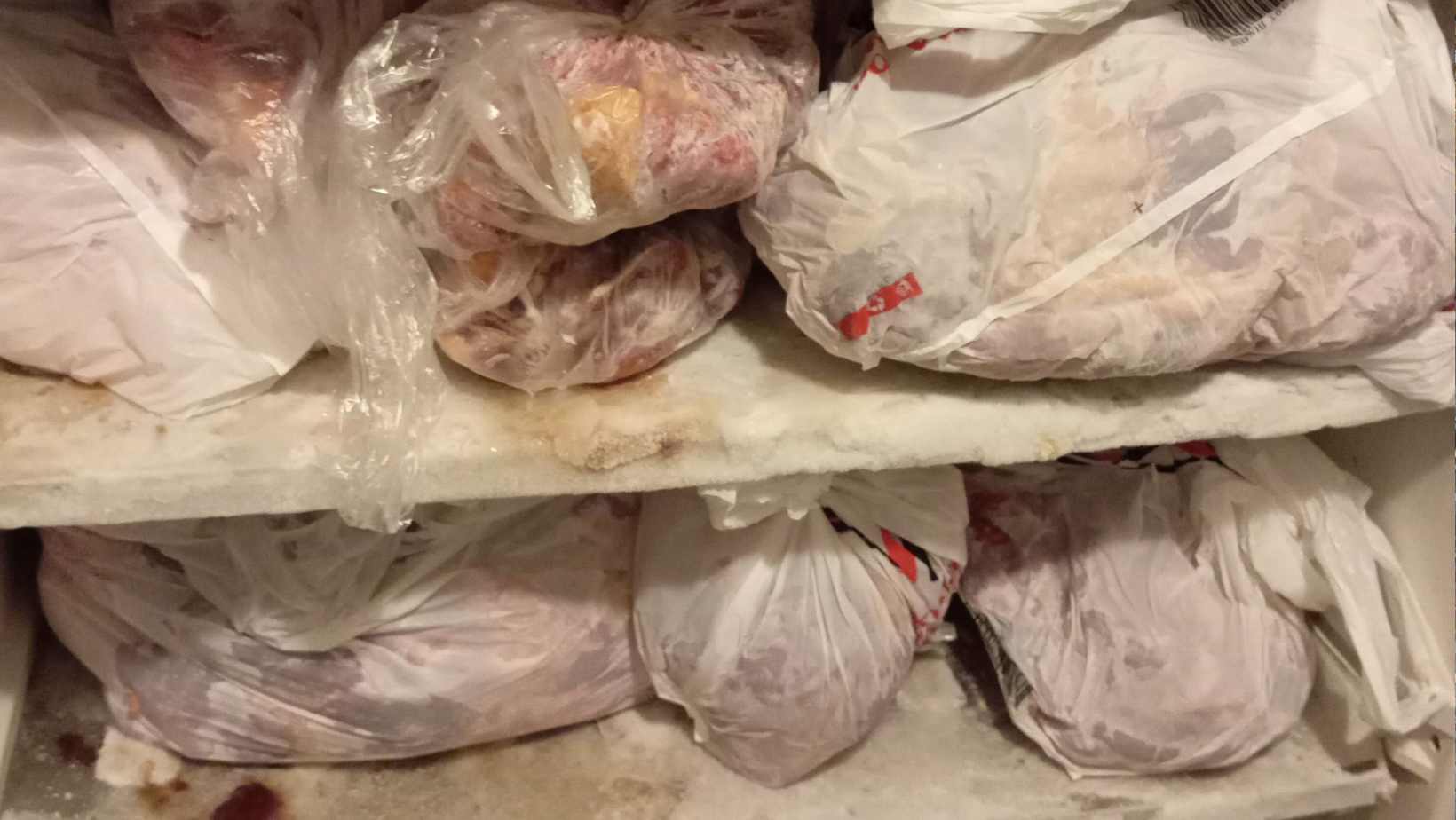
A restaurant serving Uzbek cuisine in Prague 3 is under investigation after veterinary inspectors discovered nearly 300 kilograms of potentially dangerous meat, including a cow head with eyes, stored in unsanitary and illegal conditions. The business could face a fine of up to CZK 50 million for serious violations of food safety regulations. The inspection, carried out by the State Veterinary Administration (SVS), revealed over 130 kilograms of frozen meat kept in non-original packaging without proper labeling or proof of origin. Much of it showed signs of improper freezing, raising concerns about contamination. “It was packed in non-original containers without any markings or documents. Some of the meat had damaged packaging that could not prevent contamination. Several items showed signs of ‘freezer burn,’ indicating incorrect freezing procedures,” said SVS deputy spokesperson Petr Majer. In addition to the frozen stock, inspectors found over 160 kilograms of unrefrigerated meat, including lamb carcasses lacking health certification and beef cuts without any identification marks. One of the most shocking finds was a cow head with eyes still intact, which under Czech law must be classified as specified risk material due to the possibility of BSE (mad cow disease) contamination. “These products must be destroyed...
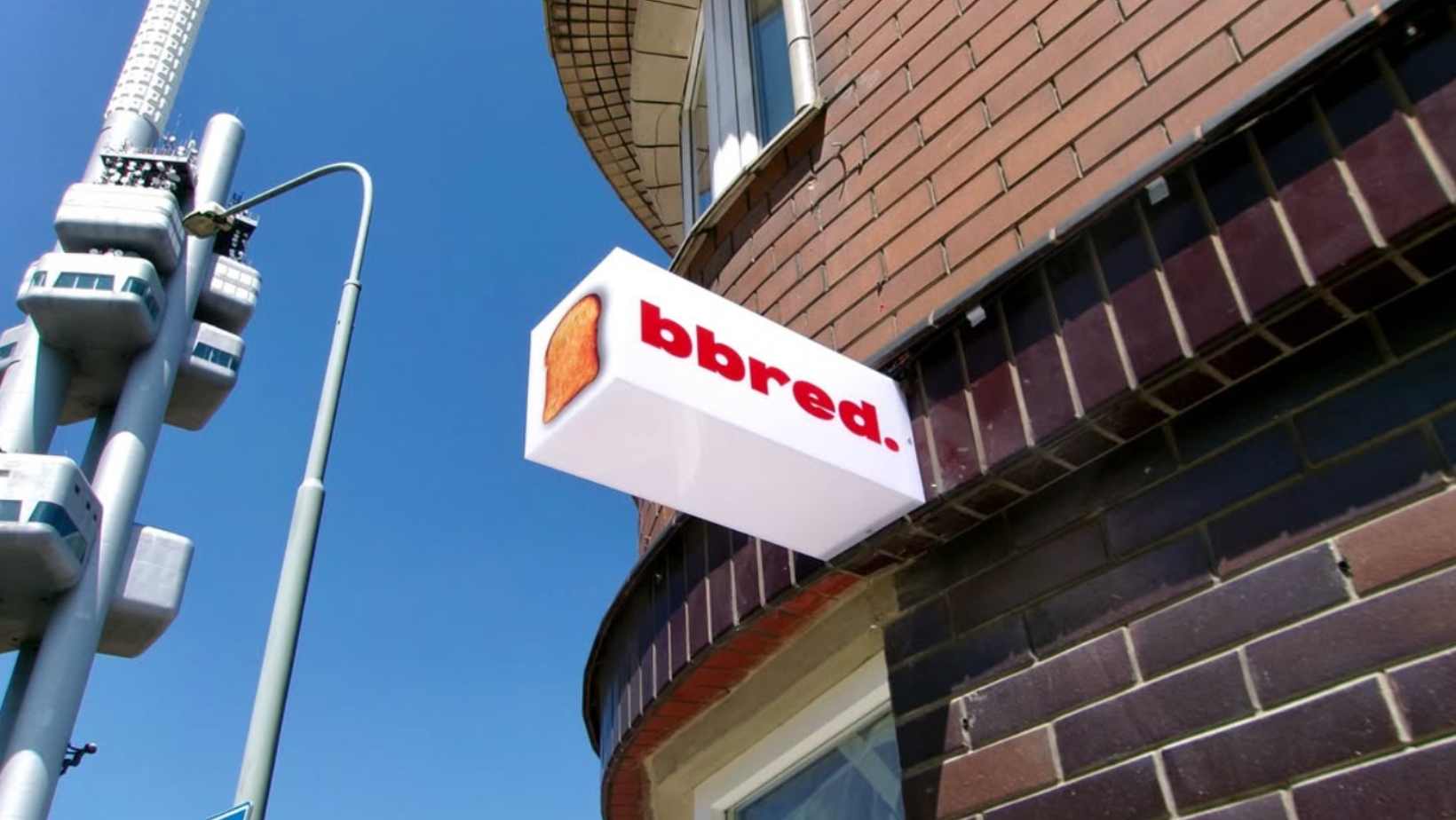
Fresh bread, sharp design, and no shortcuts. That’s the idea behind bbred.prg, a new sandwich shop opening soon in Prague’s Vinohrady. After five months of renovation and recipe testing, a group of friends is now preparing to unveil their labor of love. More than just another place to grab a bite, bbred.prg aims to blend simple food done right with a strong sense of identity. From the logo on the door to the bolts in the furniture, nearly everything inside the shop was made — or chosen — by hand. “We’re not part of some big food chain,” one of the founders said. “This is something personal. We built it from the ground up — literally.” The space itself reflects that. Expect a clean, minimal design, with subtle DIY elements and a stripped-back atmosphere that keeps the focus on the food. The interior avoids trends and opts instead for function and feel, giving the place an unpretentious character. Though the official launch date hasn’t been announced, a soft opening is expected soon. The menu will focus on well-crafted sandwiches, with an emphasis on fresh ingredients and balanced flavors. The team behind bbred.prg isn’t interested in hype. They’ve been quietly working...
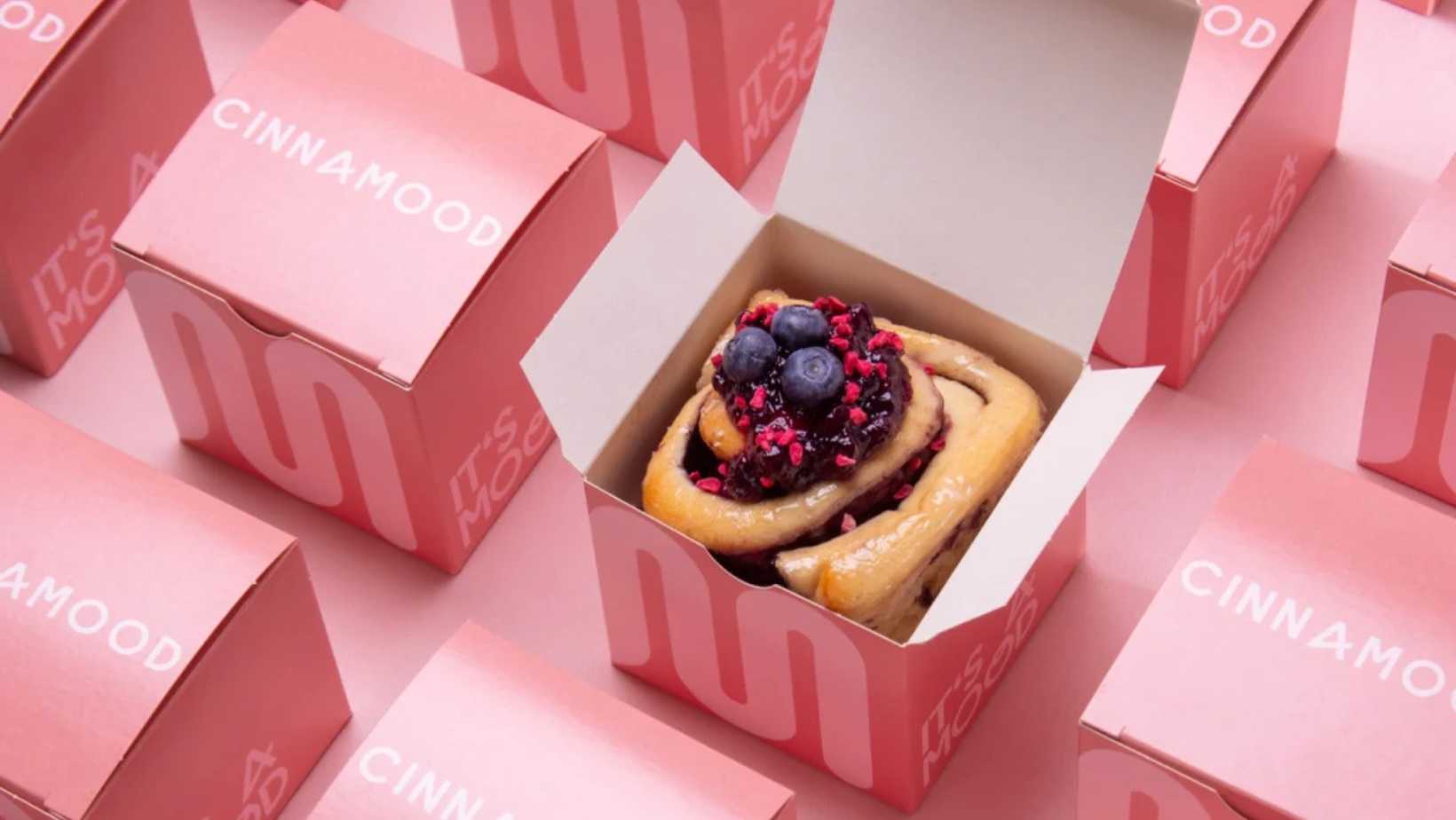
The German cinnamon roll brand Cinnamood is entering the Czech market with the opening of two new shops in Prague. Known for its creative approach to the classic pastry and a strong social media presence, the brand is set to open one branch on Jungmannova Street and another at Jiřího z Poděbrad Square, the latter offering indoor seating. Founded in Cologne in 2022, the brand quickly grew from a small local bakery into a name recognized in four European countries—now expanding into its fifth market: Czechia. The brand’s product line features over 15 flavor varieties, many of which are entirely plant-based. Options include Pistachio, Coconut, Matcha, Chocolate Cherry, and even Kinder Bueno. “We didn’t want to just bake another cinnamon roll,” says co-founder Luca Breuer, who came to Prague to personally support the launch. “We wanted to craft a pastry that blends artisanal values with a bit of modern flair—something people remember not just for taste, but for how it made them feel.” Visualizza questo post su Instagram Un post condiviso da cinnamood_ (@cinnamood_) The expansion into Prague was made possible by Rufina Tsybyktarova, who discovered the brand in Berlin and saw its potential. Originally from Kazakhstan, Tsybyktarova says she...
Don’t have an account? Register
Already have an account? Log In
How Would You Like to Promote Your Business? PR ArticleDisplay bannersVideo productionNewsletter adsJob ListingsInfluencer Marketing
Your Email
We will come back to you within 24 hours with our proporsal