Jáchymov is a lonely mining town in the Ore Mountains which has played an important role in the history of modern man. The US dollar is the most widely used currency in the world. It is both the primary de facto global tender and the world’s unofficial gold standard. According to the International Monetary Fund, 62% of the planet’s financial reserves are held in US dollars – more than double the total foreign holdings of euros, yen and renminbi combined. Thirty-one nations have either adopted it as their official currency or named their money after it; more than 66 countries peg the value of their currencies to it. Yet, one place where the dollar is not accepted is in the tiny Czech town of Jáchymov – which is ironic, because it was here, tucked deep into the wooded folds of Bohemia’s Krušné hory mountains, where the dollar originated 500 years ago in January 1520. The Discovery of Silver and the Rise of Joachimsthal At the beginning of the 16th century, a rich silver deposit was found in the local valley, so in 1516 the owner of the Ostrov estate, Count Štěpán Šlik, decided to establish the town of Thaler. It...
Kolkovna Brewery will host its traditional zabíjačka festival from February 21 to March 1 at Prague Výstaviště, offering an authentic taste of Czech culinary heritage. Visitors can enjoy classic pork specialties, live accordion music, and a festive atmosphere that recalls historic pig-slaughtering gatherings. On February 21 and 22, a special takeaway stand will be open from 11:00 to 16:00 outside the brewery. Guests can purchase zabíjačka delicacies to take home, try bread with crackling spread, and enjoy a complimentary shot of slivovitz or pear brandy. From February 23 to March 1, the brewery will serve a full zabíjačka menu, featuring dishes crafted from all parts of the pig. While modern families rarely perform their own pig slaughters, the recipes and flavors of this centuries-old tradition remain widely cherished. Zabíjačka historically took place in winter, when cold temperatures helped preserve the meat. Families and sometimes entire neighborhoods would participate, preparing dishes from every part of the pig. Participants kept portions of meat and shared extras with relatives and neighbors. Reservations are recommended for visitors wishing to fully enjoy this celebration of Czech culinary tradition at Prague Výstaviště. Zabíjačka products The purpose of zabíjačka was to make use of the whole animal...
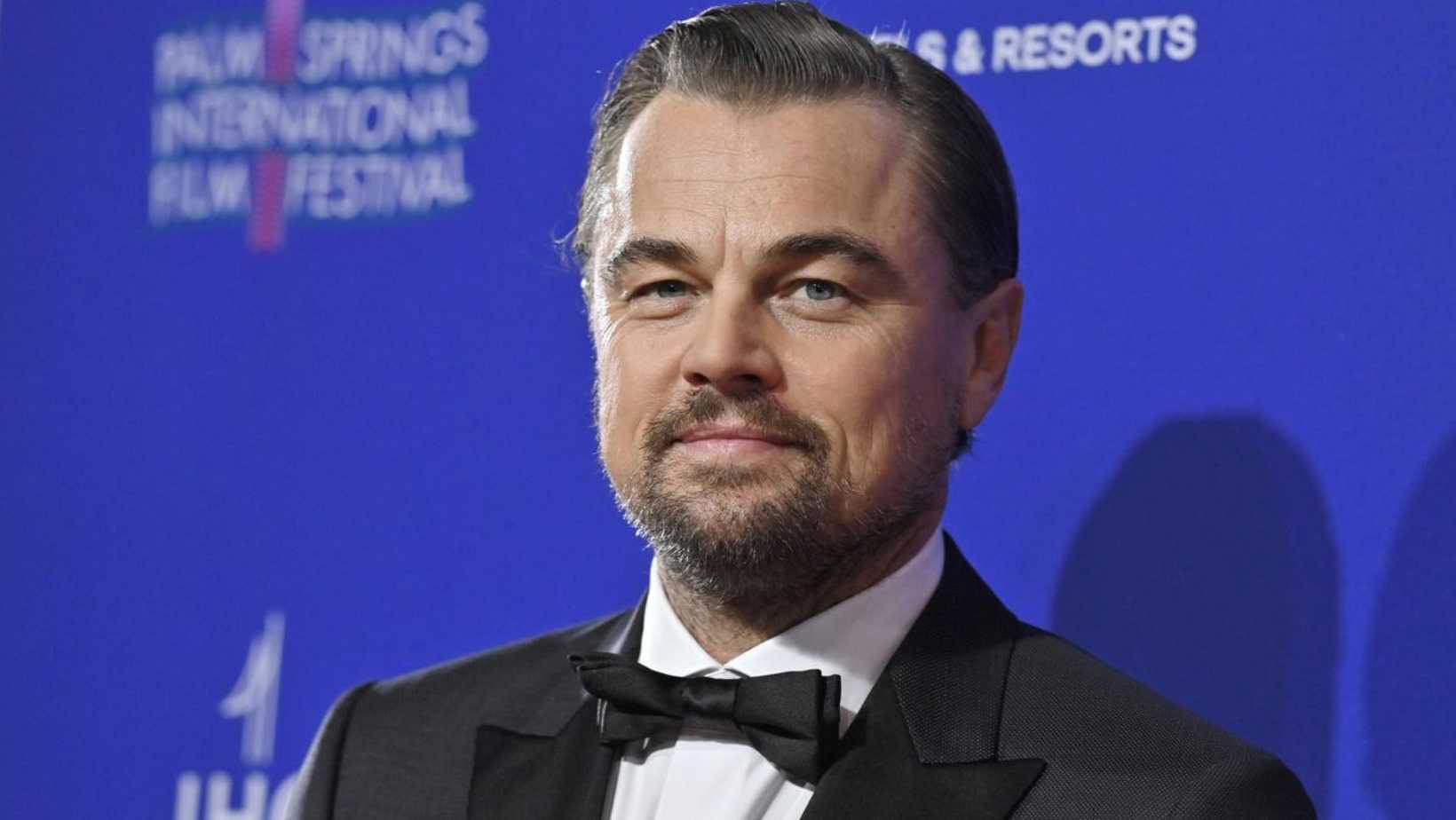
Prague is preparing to welcome some of Hollywood’s biggest names. Leonardo DiCaprio will soon arrive in the Czech capital to begin filming under acclaimed director Martin Scorsese. Scorsese, who has already been in Prague for several days, has shared glimpses of the city’s streets and landmarks on social media, hinting at the locales that will feature in the upcoming movie. The film, titled What Happens at Night, is an adaptation of Peter Cameron’s novel. The story follows a couple traveling from the United States to Europe to adopt a child, only to find themselves trapped in an unusual hotel. DiCaprio will star alongside Jennifer Lawrence as the central couple, bringing international attention to the production. Although DiCaprio has not yet arrived in Prague, he confirmed at a recent panel during the SBIFF festival that he will be joining the shoot in two weeks. While the production has not officially disclosed the length of filming, such projects typically span several months, giving the actors time to immerse themselves in the local culture and nightlife. What Happens at Night – Scorsese’s Latest Thriller Martin Scorsese, known for films such as Casino, The Wolf of Wall Street, and The Cursed Island, is teaming...
The music festival Žižkovská noc is celebrating its 15th anniversary this year. The jubilee edition will feature more than 150 bands and DJs across genres during two early spring evenings, performing in fifteen clubs and cultural spaces throughout Žižkov. The festival will take place on Friday, March 20 and Saturday, March 21, 2026. One ticket allows visitors to freely move between all participating venues. Fifteen venues and the return of a legendary space Symbolically, the 15th anniversary edition will involve fifteen stages across Prague’s Žižkov district. Alongside traditional venues such as the pubs U Vystřelenýho oka and Nad Viktorkou, visitors can look forward to concerts in two churches as well as the return of the Distrikt club, which continues the legacy of the legendary Storm and Matrix venues at Tachovské Square. All festival locations are within a maximum ten-minute walking distance from each other, often significantly less. Visitors can therefore attend multiple concerts during one evening across different genres and venue types – from intimate clubs to large halls, from pubs and cafés to community centers. View this post on Instagram A post shared by Žižkovská noc (@zizkovskanoc) More than 150 artists across the scene This year’s program...
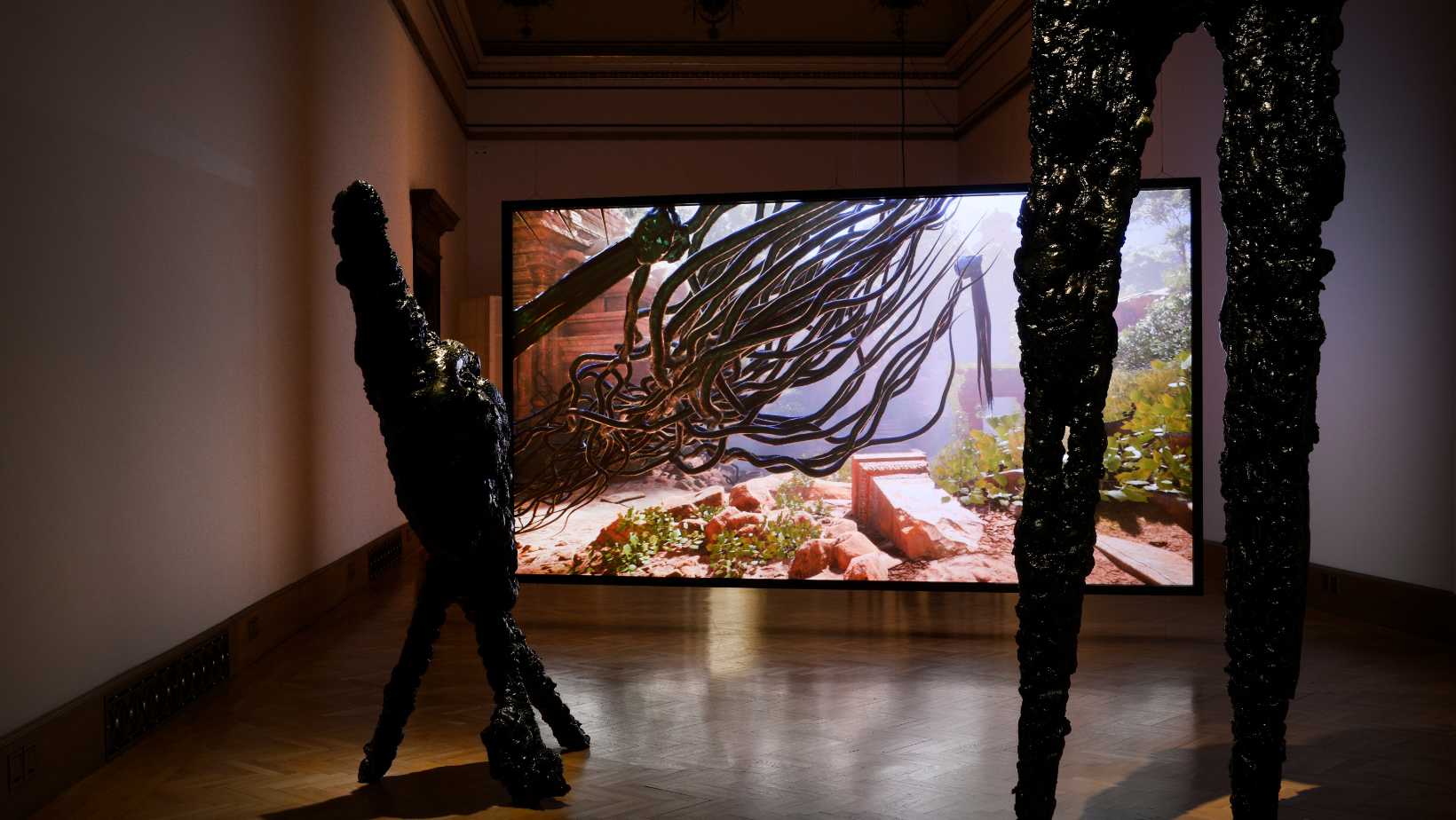
Just days before the opening of the exhibition, the usually quiet Galerie Rudolfinum is suddenly full of energy. Staff gather for a preview tour of Beyond the City of Time, led by the artist himself, Sahej Rahal. I was fortunate to join the walkthrough, which suggests Prague’s art audience is about to encounter a striking blend of digital mythology and speculative storytelling. The Mumbai-based artist explains how his three-legged sculptures, AI-driven simulations and pigment paintings combine Indian folklore, video-game logic and science fiction to question how we perceive time and reality. For his Prague debut, Rahal has turned the gallery into a collaborative game environment, inviting visitors to shape evolving myths alongside unpredictable, creature-like forms that react to sound, movement and touch. Asked about his name, Rahal said it carries personal symbolism. “Sahej comes from the idea of the path of least resistance — my aunt chose it — while Rahal means traveller,” he explained. Originally trained as a fine-art painter at Mumbai’s Rachana Sansad, Rahal first considered engineering and has a background in programming. He eventually merged those interests. “Art school helped me improve my drawing, but I realised I could combine that with programming. Ultimately, I’m interested in...
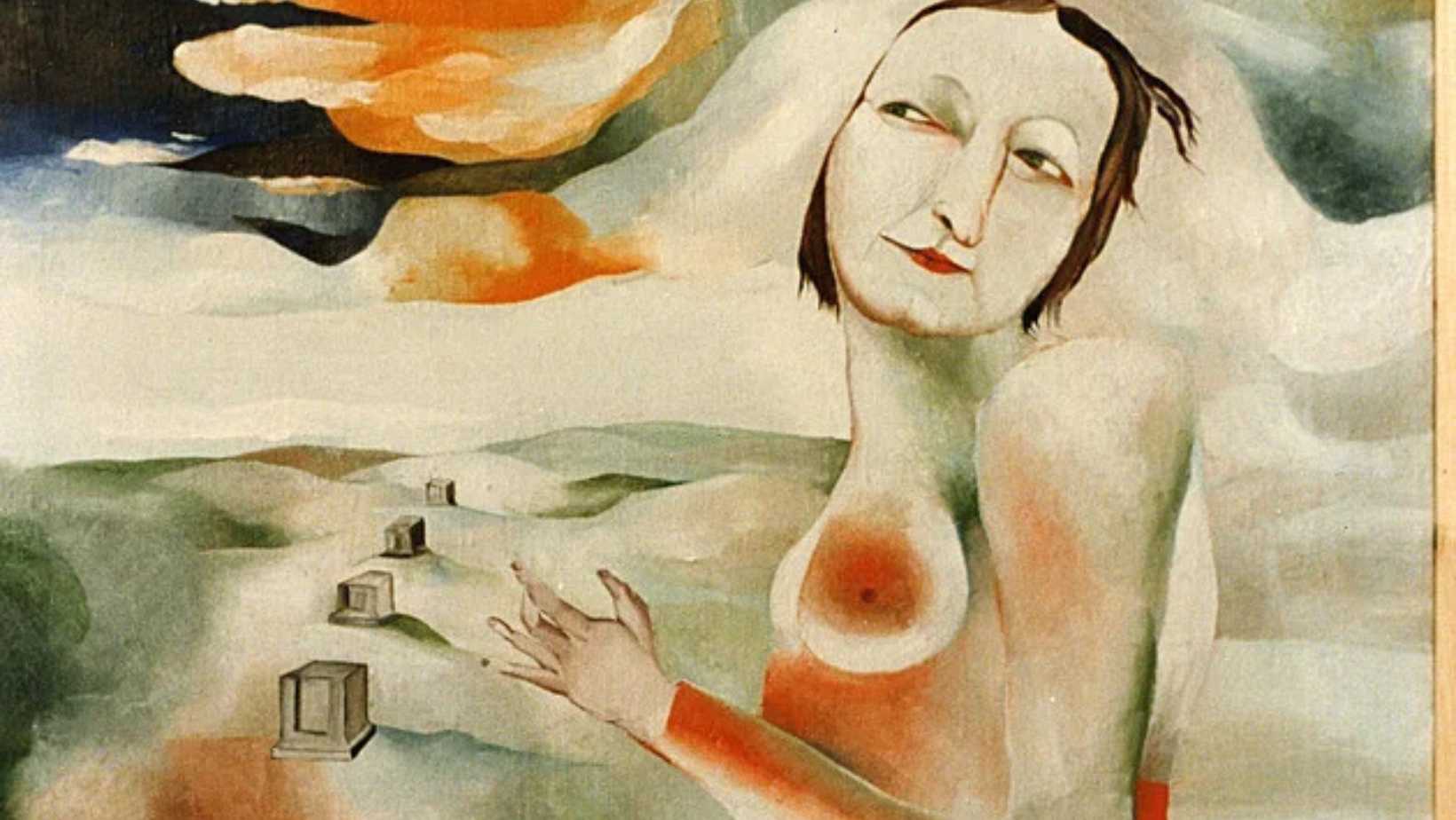
The National Gallery Prague (NGP) will mark 230 years since its founding in 2026, but visitors should expect a slimmer program. Economic pressures have led the institution to scale back exhibitions and public events compared with previous seasons, even as it prepares several key anniversary projects. The anniversary traces back to February 5, 1796, when members of the Society of Patriotic Friends of Art opened a picture gallery in Prague. Enlightened aristocrats and intellectuals, including Franz Joseph of Šternberk-Manderscheid and Franz Antonín Kolowrat-Novohradský, sought to strengthen artistic standards and public cultural life in what was then a provincial Habsburg city. Anniversary exhibitions begin in February The first commemorative exhibition, “Opened for 230 Years,” opened in early February in the Veletržní Palace Korzo. It outlines key moments in the institution’s history and invites visitors to reflect on its development over more than two centuries. A broader anniversary project, “NGP 230,” is scheduled to open at the end of March. Around 70 works from all five gallery collections will be presented in themed sections within the exhibition “1796–1918: Art of a Long Century.” The same period will also feature presentations connected to the UMPRUM Generation Z Biennial. Autumn focus on royalty and...
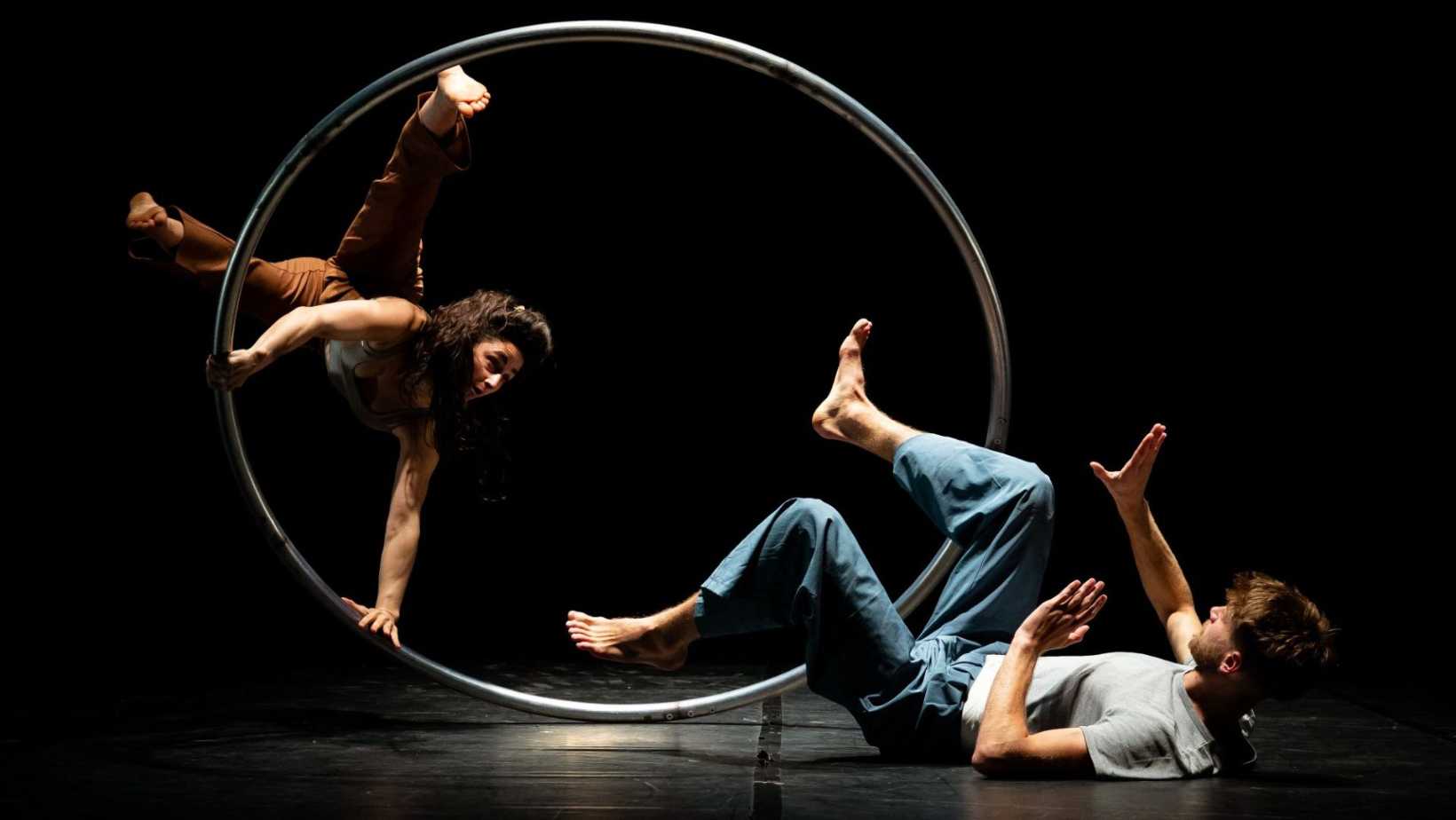
The Cirkopolis contemporary circus festival opens in Prague on Sunday with Tout Rien by the Belgian company Cie Modo Grosso at Palác Akropolis. The biennial event brings together Czech artists with leading French and Belgian performers and runs across several Prague venues until February 14. Performances will take place across several Prague venues, including Palác Akropolis, ARŠE+, La Fabrika, Jatka78, DOX and CIRQUEON, a local hub for contemporary circus training and production. International Program Highlights The opening performance, “Tout Rien” by Belgian artist Alexis Rouvre, explores time and movement through object manipulation. Chains, nets and stones replace traditional juggling props. The work focuses on rhythm, balance and perception rather than spectacle. The production will also appear in Hradec Králové and Ostrava outside the Prague run. French performer Rémi Luchez brings “L’Homme Canon,” a minimalist duet created with Lola Calvet. The piece draws on the image of a human cannonball. The staging avoids technical effects. The focus stays on risk, trust and physical interaction between two performers. Another project, “In Difference,” comes from Jef Everaert and Marica Marinoni, both recognised by the European circus platform circusnext. The performance centres on the Cyr wheel, used here as a shared performance space. The work...
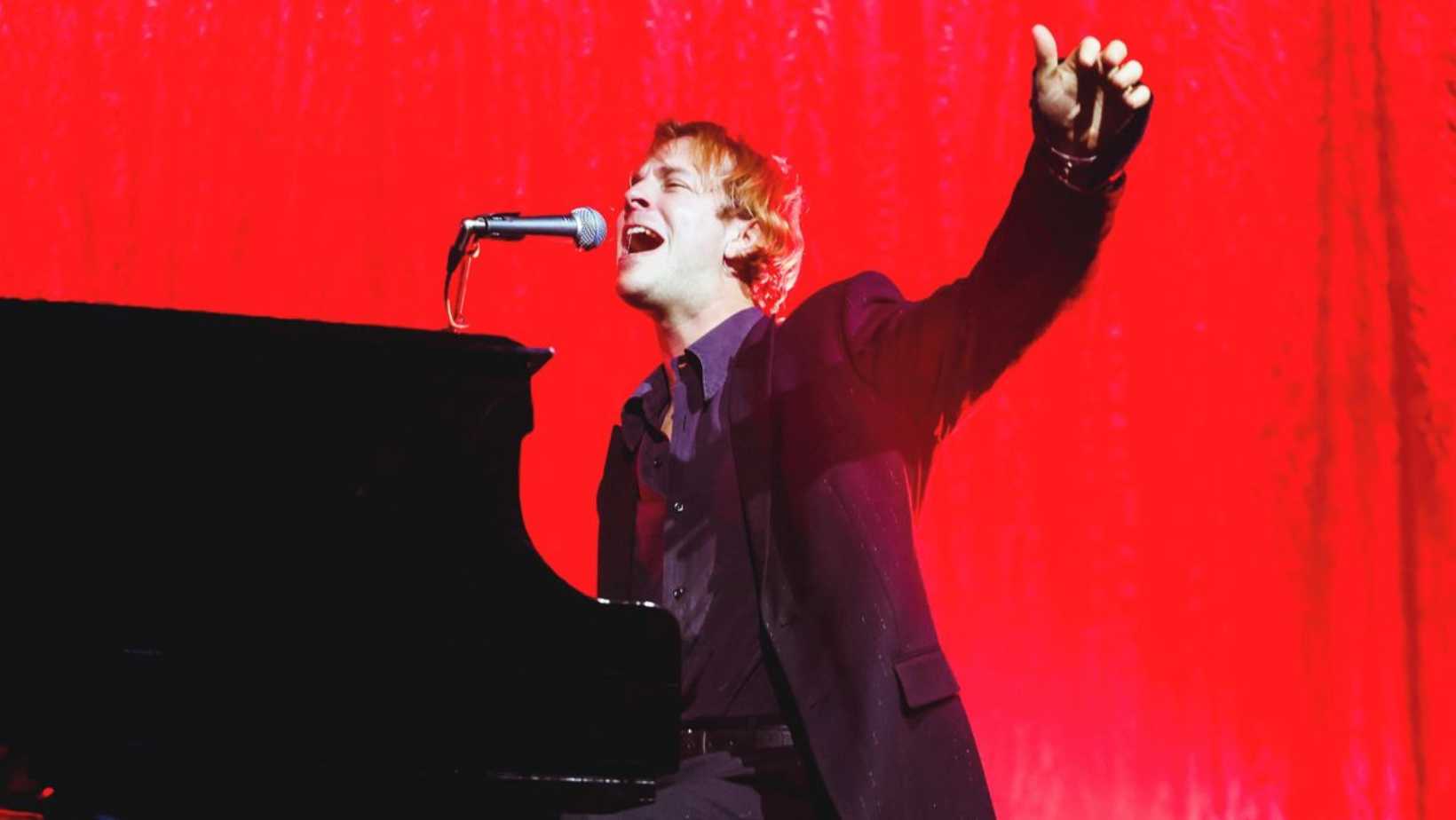
Organizers of Metronome Prague 2026 have confirmed the last performers for this year’s edition, finalizing a program that already includes Nick Cave & The Bad Seeds, Sting, Manic Street Preachers, Jade, Don West and The Flaming Lips. Newly announced names include Tom Odell, Lykke Li and Balu Brigada, alongside Prague rapper Anki. British singer-songwriter Tom Odell will headline Friday’s program. He previously appeared at the festival in 2018. Known for the global hit Another Love, he returned to Prague last year for a sold-out show and has also toured as support for Billie Eilish. The Saturday schedule opens with Balu Brigada, an indie pop band from New Zealand. The group gained wider exposure while touring with Twenty One Pilots. Their appearance at Metronome Prague will mark their first headline concert in the Czech capital. Swedish artist Lykke Li is also set to perform. It will be her first Prague show. She plans to present new material and has indicated that her upcoming album The Afterlife could be her final release after several years away from regular touring. The lineup also features Prague rapper Anki, whose album I Want to Feel Safe won the Vinyl Award, a Czech music critics’ prize....
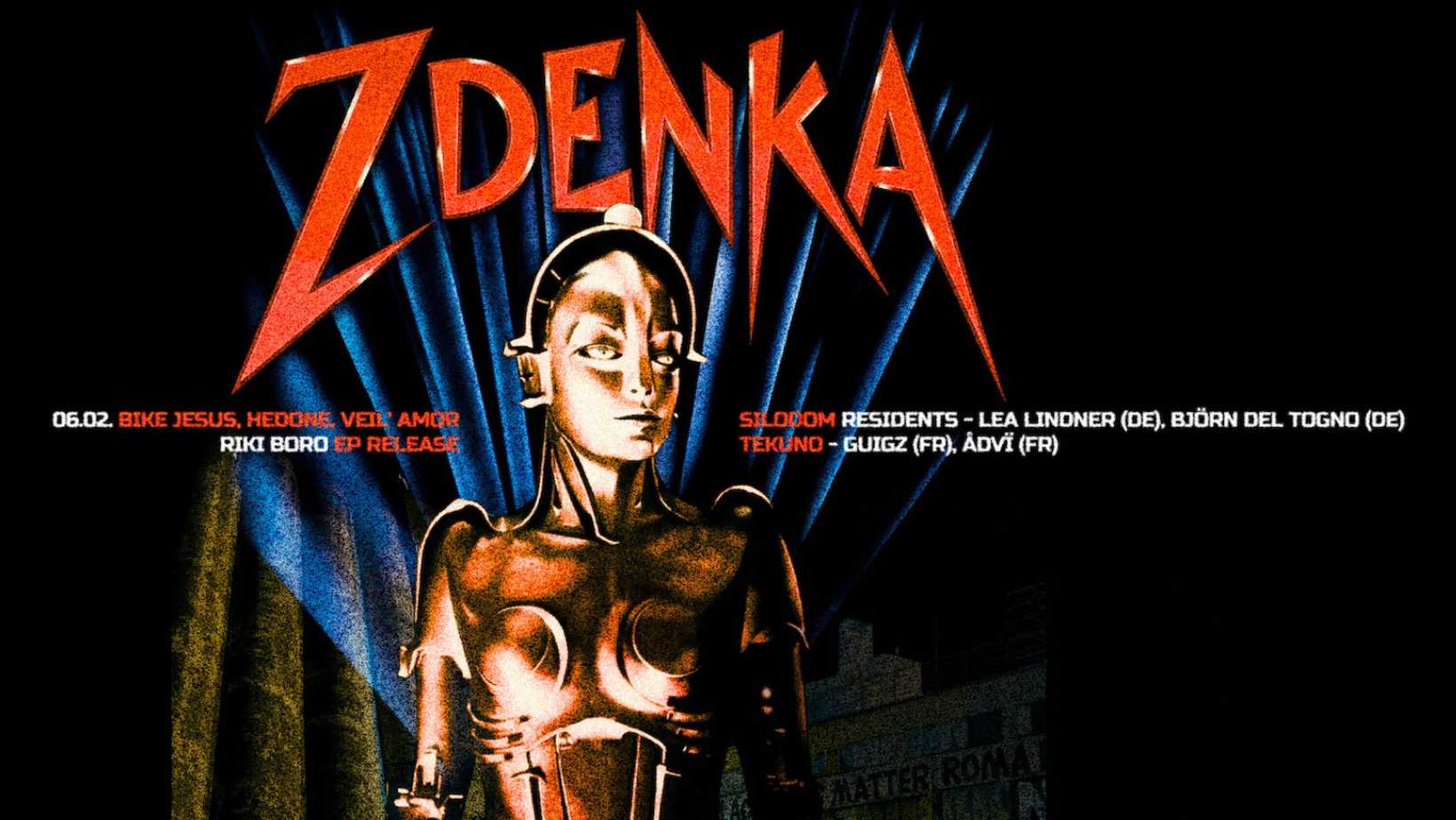
Bike Jesus will host a joint club night with Berlin-based Silodom, bringing electronic music, live performances, and film screenings to the Prague venue. The event is supported by Hedone and Veil’ Amor and will take place across several indoor and outdoor spaces. The main room opens at 10 p.m. with Riki Boro from Hedone and Bike Jesus. Berlin DJs Björn De Togno and Lea Lindner, both linked to Silodom, follow later in the night. The early morning hours are led by French artists Guigz and Ådvï from the Tekuno collective, with the final set starting at 5 a.m. A second space, the Revolution room, runs alongside the main programme and is curated by Veil’ Amor. DJs Kawa, SNRI, and Diva will play throughout the night, offering an alternative sound and atmosphere. Live performances are part of the programme, including guided shibari sessions led by trained performers. Organisers state that the performances are based on consent, safety, and clear boundaries. Film screenings curated by Local Movie Meetups will take place earlier in the evening, including Metropolis. Later at night, guests will move outside Bike Jesus for the Zdenka burning ritual. Tickets start at 200 CZK for early bird entry to the...
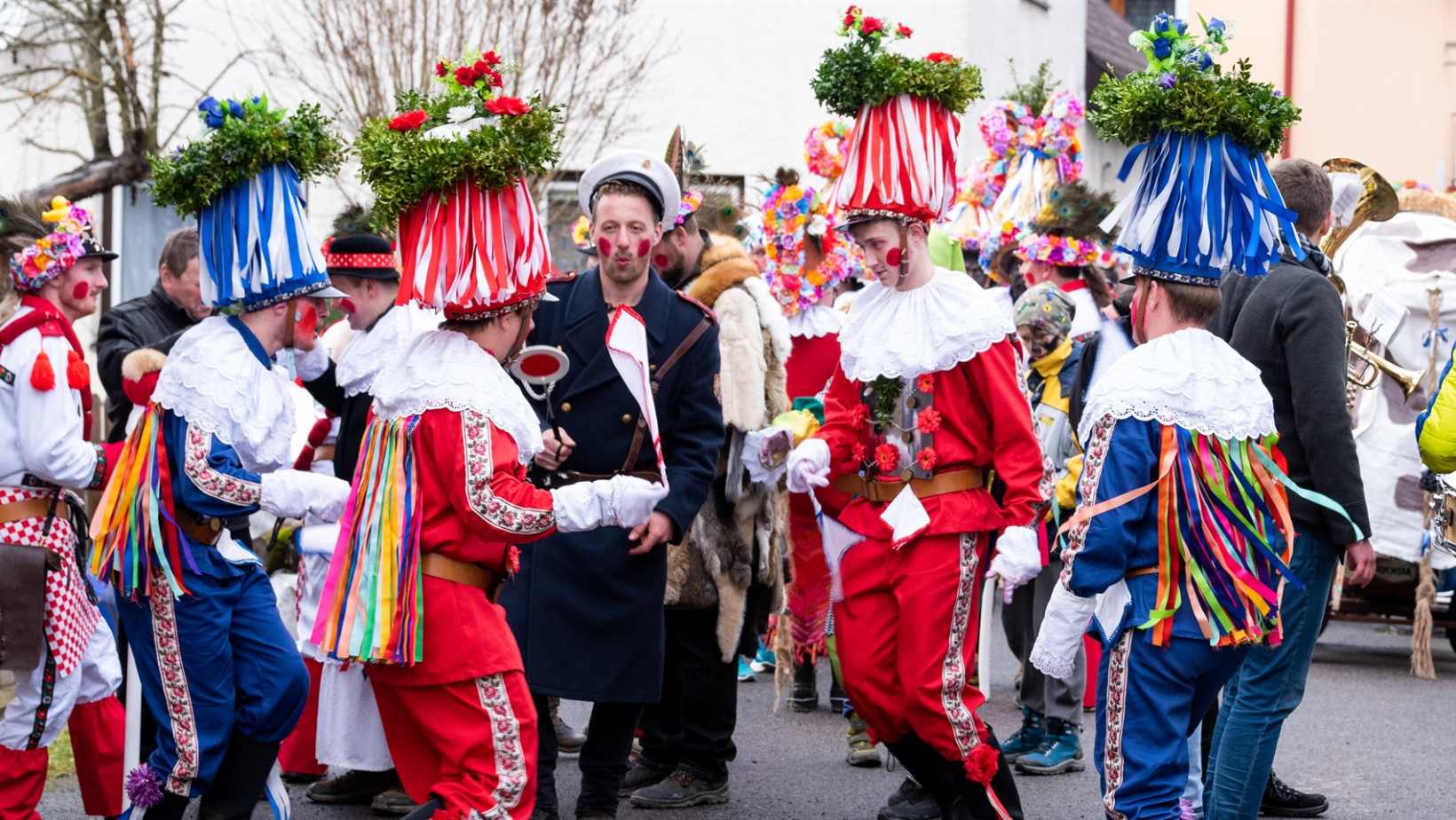
The traditional Žižkov Carnival is entering its 31st year. This popular neighborhood celebration will take place on Saturday, February 7, 2026, and will once again offer a colorful carnival parade, a rich accompanying program for children and adults, theater, music, crafts, and authentic carnival delicacies. There will also be an original selection of beverages and the opportunity to join in the fun in costume. The carnival parade of masked participants will begin at 4 p.m. on Jiřího z Poděbrad Square. Participants will begin lining up at 3 p.m., accompanied by the Lovesong Orchestra. The parade will then proceed via Lucemburská, Bořivojova, Ondříčkova, Lupáčova, Havlíčkovo náměstí, Štítného and Husinecká streets to Radost Park. At approximately 4:45 p.m., the traditional handover of the key to Žižkov and the symbolic takeover of the district will take place at the Prague 3 City Hall. The parade will arrive at its destination in Radost Park about ten minutes before 5 p.m. “Carnival celebrations were not organized under communism, and Prague 3 was the first or second district in Prague where the tradition was revived in the 1990s. Today, Carnival is an integral part of Žižkov. It is a celebration of good cheer and neighborly gatherings,...
Masopust, a centuries-old Czech carnival, marks the final celebration before the Lenten season. The word itself, meaning “abandonment of meat,” signals the start of Lent, but the festival is about much more than fasting. It celebrates the arrival of spring, human and animal fertility, joy, and community spirit. While Masopust runs for several weeks, the main festivities take place during the last three days. Key dates for 2026 are: Fat Thursday: February 12 Shrove Sunday: February 15 Shrove Monday: February 16 Shrove Tuesday: February 17 Ash Wednesday: February 18 Major Masopust Events in Prague Mardi Gras Celebrations at Little Quarter – 14. 2. 2026 from 1 p.m. to 6 p.m., beginning in Loretanska street, at Black Ox Inn pub The traditional masopust celebrations at the Little Quarter begin at Loretanske square and finish at Kampa. Participants in masks meet at 1 p.m. – 1.30 p.m. in front of the Black Ox Inn (U Černého vola). Masks will then stop at pubs, restaurants and shops located on Nerudova, Thunovská, Mostecka streets and Malostranske square. The carnival procession will reach Kampa around 4 p.m. Find out more on Facebook Mardi Gras Karlin – Masopust celebrations at Karlin square – 7. 2. 2026...
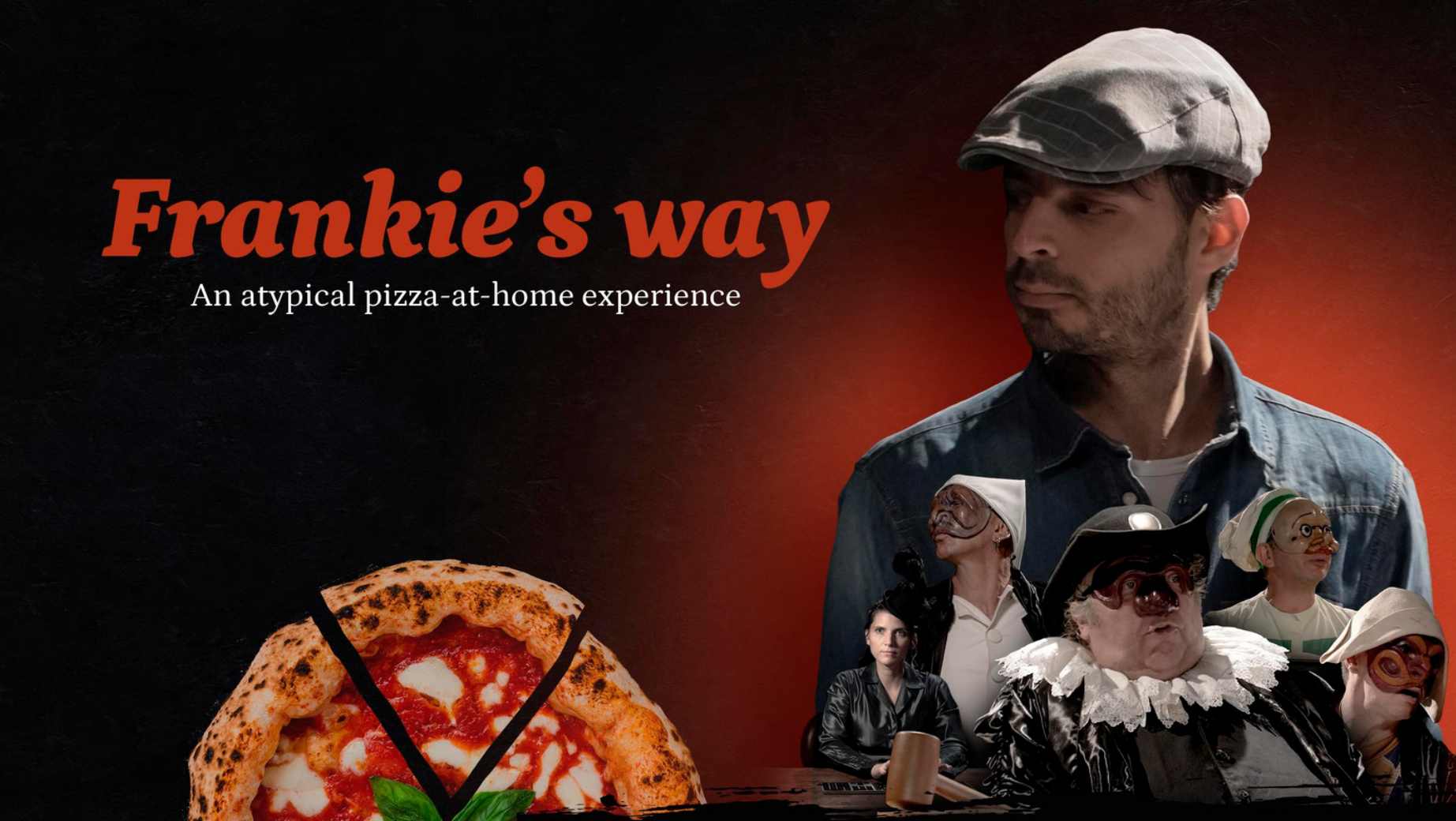
What began as a spontaneous idea between flatmates — filming at-home pizza pickups — has grown into a documentary about pizza, passion, and the pursuit of a personal dream. Frankie’s Way – An Atypical Pizza At-Home Experience will premiere in Prague on January 28 at Kino Pilotů in Prague. The film follows Francesco “Frankie” Gallucci, a self-taught pizza maker, as he brings Neapolitan pizza to the city and builds a community around it, one slice at a time. More information is available via the Facebook event page. “It honestly started as a joke,” Frankie says to Prague Morning. “My flatmate would record people coming to our apartment after finding the Facebook event for Neapolitan-style pizza.” As photos of pizzas such as Margherita and Quattro Formaggi began circulating online, people started asking where they could buy them. That curiosity led to an unusual setup: pizza pickups directly from his home. “Twice a week, I hosted a half-day takeaway from 5 to 8 p.m. People booked in advance through Facebook,” Frankie explains. Guests were welcomed by the smell of fresh dough and ingredients, but also by conversation. People stayed, talked, and watched the pizzas come together. “As more people came, we realised...
Don’t have an account? Register
Already have an account? Log In
How Would You Like to Promote Your Business? PR ArticleDisplay bannersVideo productionNewsletter adsJob ListingsInfluencer Marketing
Your Email
We will come back to you within 24 hours with our proporsal