On Saturday, September 10 you can experience Americká street (and now also Záhřebská) differently. Zažít Americkou Jinak returns for its annual day full of concerts, workshops, theatre, dance, delicious food and refreshing cocktails from around the world. Come and experience the city from a different perspective- a fun, international multicultural street party awaits you. Stalls will be there to tempt and dine you with their delicious cuisines. Americká has many international restaurants so it’s the perfect location to try different foods. Throughout the street, you will also find several stands of non-profit organizations that you can support. Other stores will be open so there is the opportunity to buy a memento from your day out at Americká Street Festival. Among other activities, the neighborhood festival will include a traditional multicultural festival – the Mexican ‘LA CALLE MEXICANA’. Look forward to a great Mexican party with traditional decorations, authentic Mexican food and refreshing cocktails with 100% agave tequila and mezcal. There will also be an entertainment program with traditional music and folk dances, as well as other activities for both parents and children. Throughout the day you can sample delicious street food from Black Sheep bar, Las Adelitas, Pink Floyd Café, Sapori, La Cave d’Adrien, and many...
Festival Božského Vína is preparing a wine festival on the last Saturday in August 2022 – for the second time and in a larger format at Výstaviště, Prague 7. An inclusive festival which has attendees ranging from exhibiting winemakers to musicians, artists and everything in between, they want you to ‘join them and together we will create a wonderful world.’ The quality selection of wines will be provided by the family company @TAG, which will present wines from the Slovak region from the Šalša winery (Kyjov). The legacy of this family winery follows old family winemaking traditions (the first mentioned dates back to 1796). You will be able to taste in addition to traditional varieties such as Chardonnay, Tramin root, Ruland Gray, Palava, Riesling Vlasse as well as less known, interspecified varieties, for example, Hibernal, Malverina, Johanniter, Solaris and black dedicated to Laurot. Winery Žůrek Žeravice will also be in attendance- hailing from Žeravice, which is located in the Slovácko sub-region, near the town of Kyjova specializing in the production of bottled and mostly adjuvant wines. Their flagship varieties are Pinot Noir, Pinot Noir, and especially the red variety Neronet, with which they win many awards every year at international exhibitions. Since 2017, they...
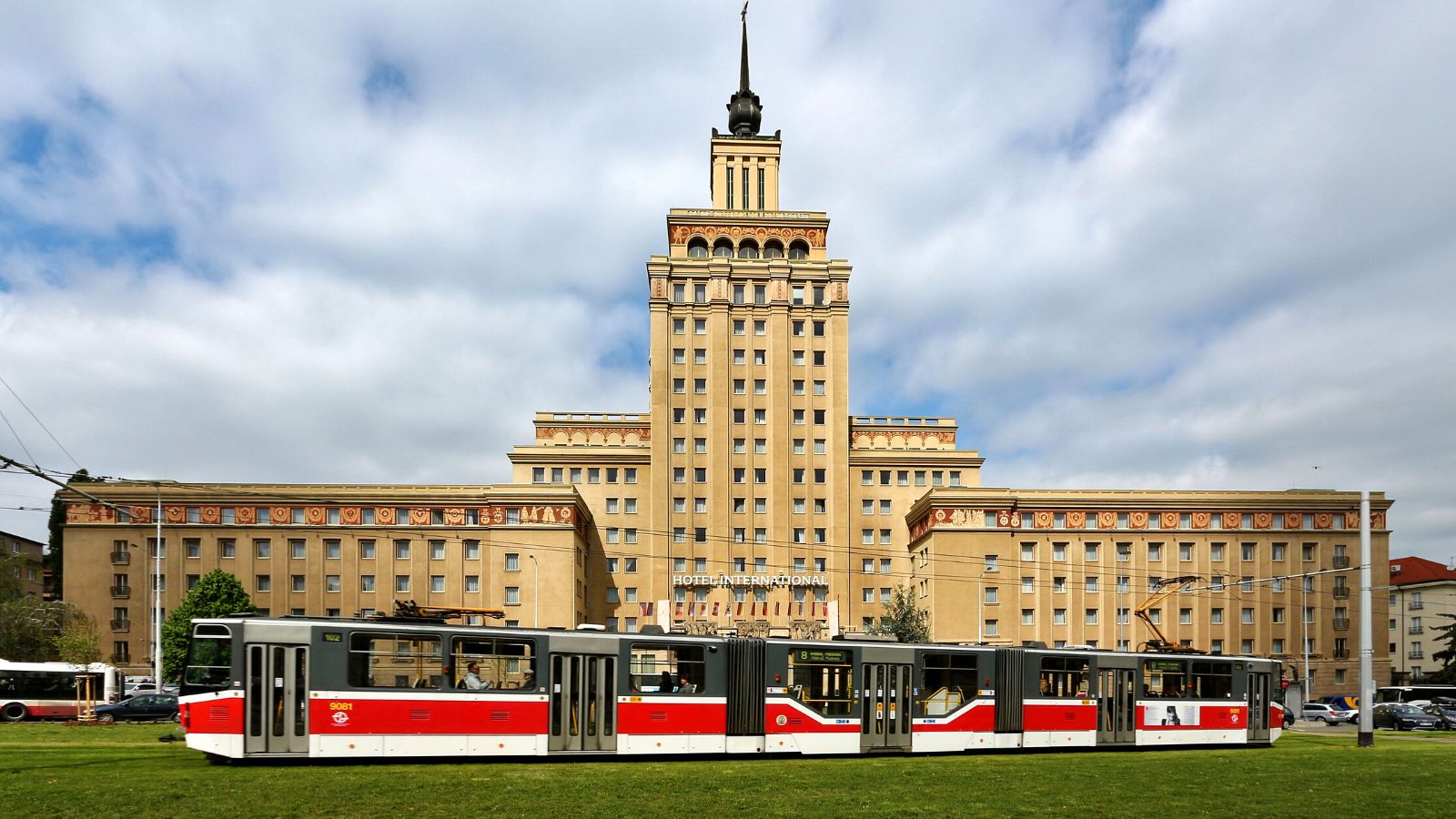
Remnant of social realism stands the test of time — and so does its name It has borne many names, among them Hotel Družba (Friendship), Hotel Čedok, Hotel Holiday Inn and Hotel Crowne Plaza Prague. But for most of its nearly 50-year existence, the 88-meter tall luxury accommodation establishment in Prague’s upper-class Dejvice neighborhood was known as Hotel International, and it is a name to which its latest owners have now returned after two decades. The only Stalinist building of its size in Prague, construction of the hotel started shortly before the deaths of the longtime Soviet leader and his man in Eastern Europe, Czechoslovakia’s first communist president, Klement Gottwald. The development of the hotel was the idea of the country’s defense minister at the time, Alexej Čepička, who wanted to have a hotel built that would epitomize the newly formed Czechoslovak Republic and boast its rapprochement with the communist Soviet Union to the east. The building was completed in 1956 (around the same time Čepička was getting blamed for the cult of personality around Gottwald, who was also his father-in-law, and was purged by being demoted to a job in the government patent office), but finishing touches on the decorations inside were still...
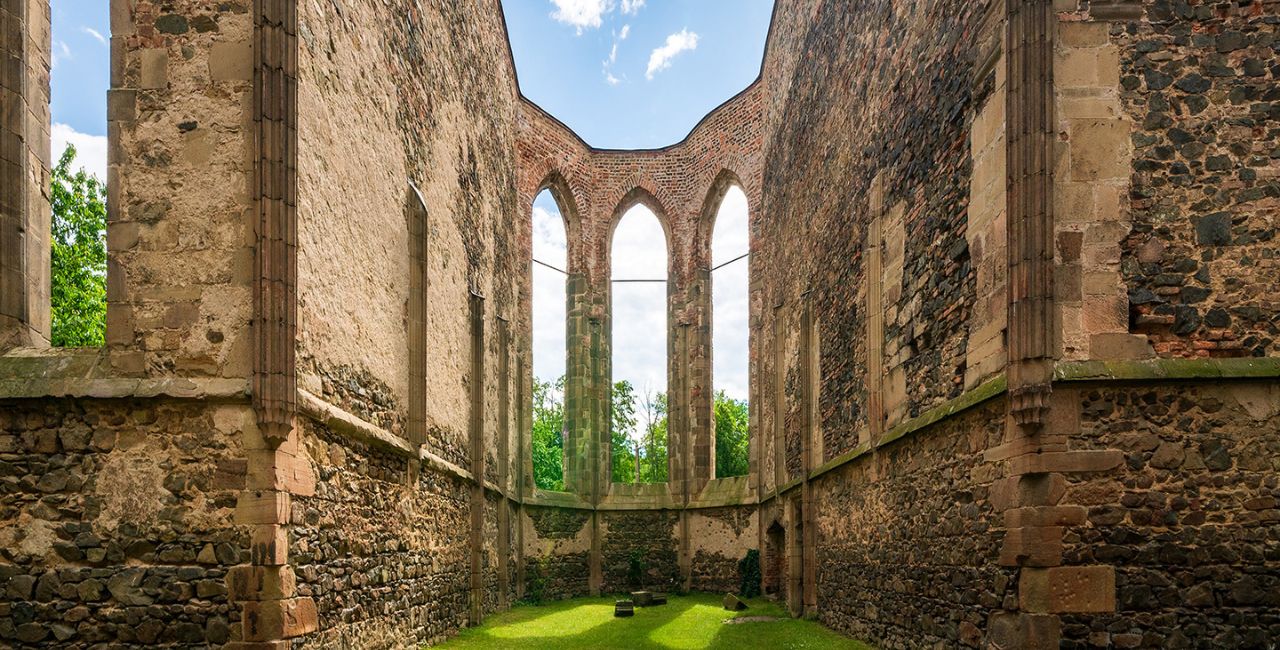
If you are looking for an ancient, mysterious place to visit in Moravia south of Brno, look no further than the Rosa Coeli convent. According to legend, whoever enters here absorbs only positive energy, despite a complicated history of the place. “Just a few minutes of staying in the magical spaces of the raw Gothic of the former monastery will improve your mood,” says its website. The ruin is located in the town of Dolní Kounice in the district of Brno-venkov in South Moravia. You can get here by car from Brno in about half an hour, and by public transport with a transfer in less than an hour. The approximate driving time from Prague depends on traffic, but expect at least 2 hours and 15 minutes. During the summer holidays, the Rosa Coeli Monastery is open daily from 10 a.m. to 6 p.m. Before you go here, check that you are following the stated opening hours, because the building is locked when closed. The full entrance fee is 80 CZK, with various discounts and tours available. According to contemporary sources, the monastery was to be founded in 1181 by the Moravian noble Vilém of Pulín as an apology for...
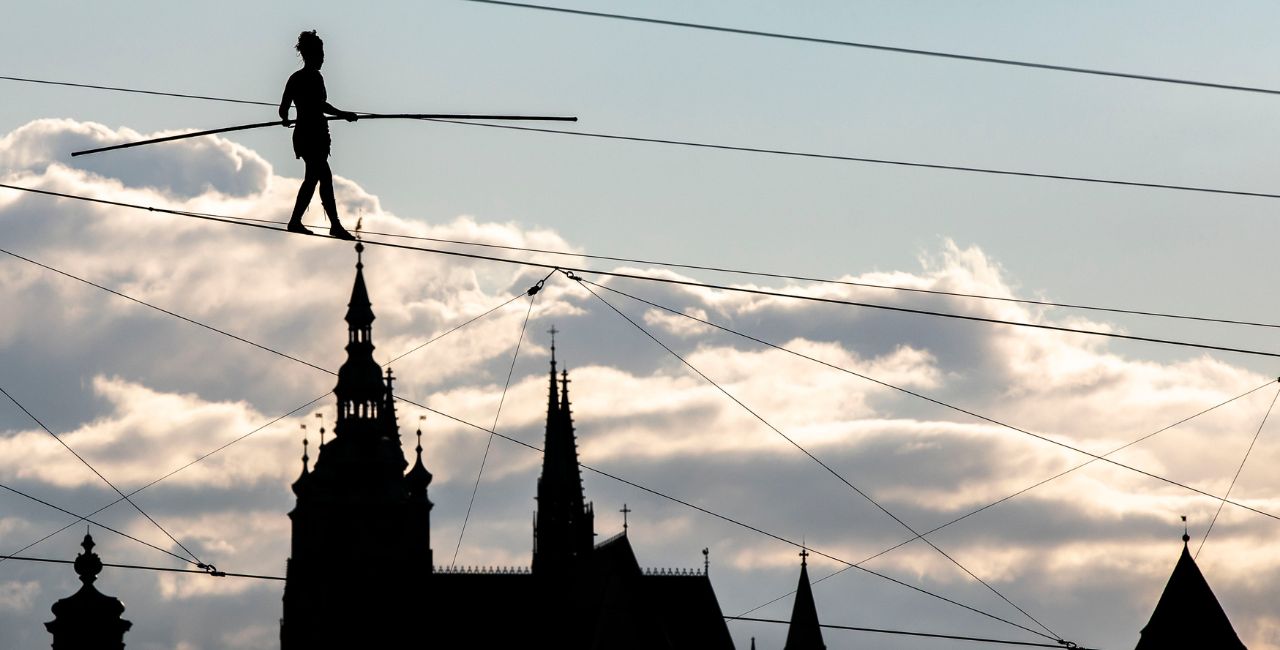
The festival of new circus and theater Letní Letná will present, in addition to foreign guests, the work of 17 Czech groups. The event will take place from August 11 to 31 in Prague’s Letenské sady. The festival will also provide experiences for children on a separate stage, with free open-air performances as well as evening concerts and other accompanying programs. From France, which is considered the cradle of the new circus, Johann Le Guillerm will come with the Terces project. Acrobat, manipulator, theater artist and the most famous representative of the new circus Le Guillerm will return to Prague several times. The Swedish Cirkus Cirkör is also returning to Letní Letná to present a new version of Knitting Peace. The Czech stage will be the center of domestic new circus art. The program in the marquee will be opened by the premiere of the AirGym Art Company. Especially for the festival, she prepared NonSen(s), a performance that draws the audience into dreams, fantasies and illusions, using elaborate aerial and ground acrobatics. Illusions also help to create the novelty of the Pilsen Žongléros Ensámbl. A light show inspired by the principle of Camera Obscura leaves the audience wondering who is...
After postponing their 2020 tour to 2021, and then once more to this summer, Pearl Jam has finally hit the road on their most recent European tour. On July 22nd, they are coming to Prague’s O2 Arena as they wrap up their latest tour. They will be supported by the band White Reaper. Pearl Jam, started in Seattle, Washington, will perform an extensive set list of their biggest hits from their over a 30-year run. The set includes a number of songs off of their most recent release, Gigaton. It is their eleventh studio album and was released in March of 2020, just as concerts were shut down due to the COVID-19 pandemic. It has topped several charts in Europe. This long-awaited tour was originally set to accompany said release. Eddie Vedder is still performing the lead vocals, alongside Mike McCready, Matt Cameron, Jeff Ament, and Stone Gossard, with the occasional fill-in, including touring musician Josh Klinghoffer. The band and its members have remained remarkably constant over the years, with all the founding members still performing. Seen as one of the vanguards of American grunge and punk rock, their distinctive riff-heavy, gritty but still catchy sound is sure to fill...
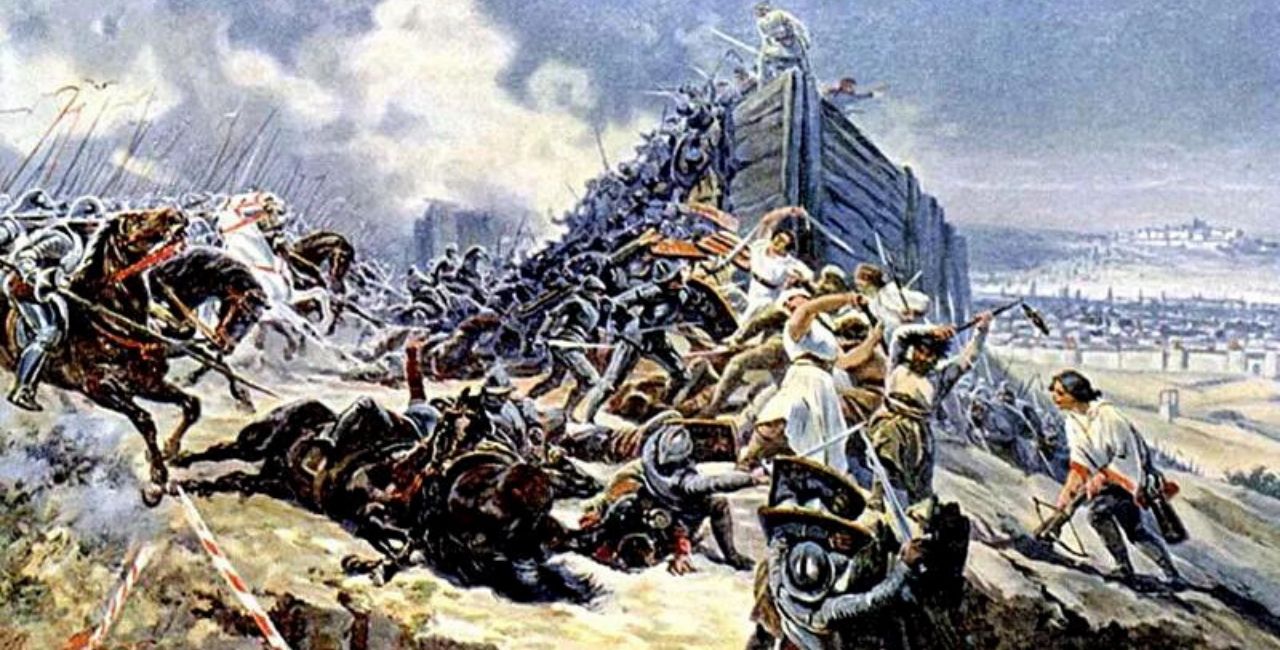
The hill of Vítkov today provides a suggestive panorama of Prague and is particularly known for hosting one of the largest equestrian statues in the world, that of the Hussite leader Jan Žižka. It was here that on 14 July 1420 an important battle took place within the Hussite Wars which saw the armies of the Holy Roman Emperor, Sigismund, opposed the Hussite deployments under the command of Žižka. Sigismund began assembling an army near the Lower Silesian city of Świdnica. The Emperor was joined by German princes as the vast army of crusaders from all parts of Europe crossed the Bohemian border at the beginning of May, captured Hradec Králové and marched on Prague. The siege of the Bohemian capital began on June 12th. Sigismund could count on an army of about 150,000 men who launched the attack on the rebels on 13 July. The armies of the Holy Roman Emperor seized the castles of Vyšehrad and Hradčany, while Jan Žižka kept hold of the most important points in the fortifications of Prague: Vítkov Hill, located on the edge of the city, which was defended by no more than 80 men. The following day, the reorganized Hussite troops attacked enemies...
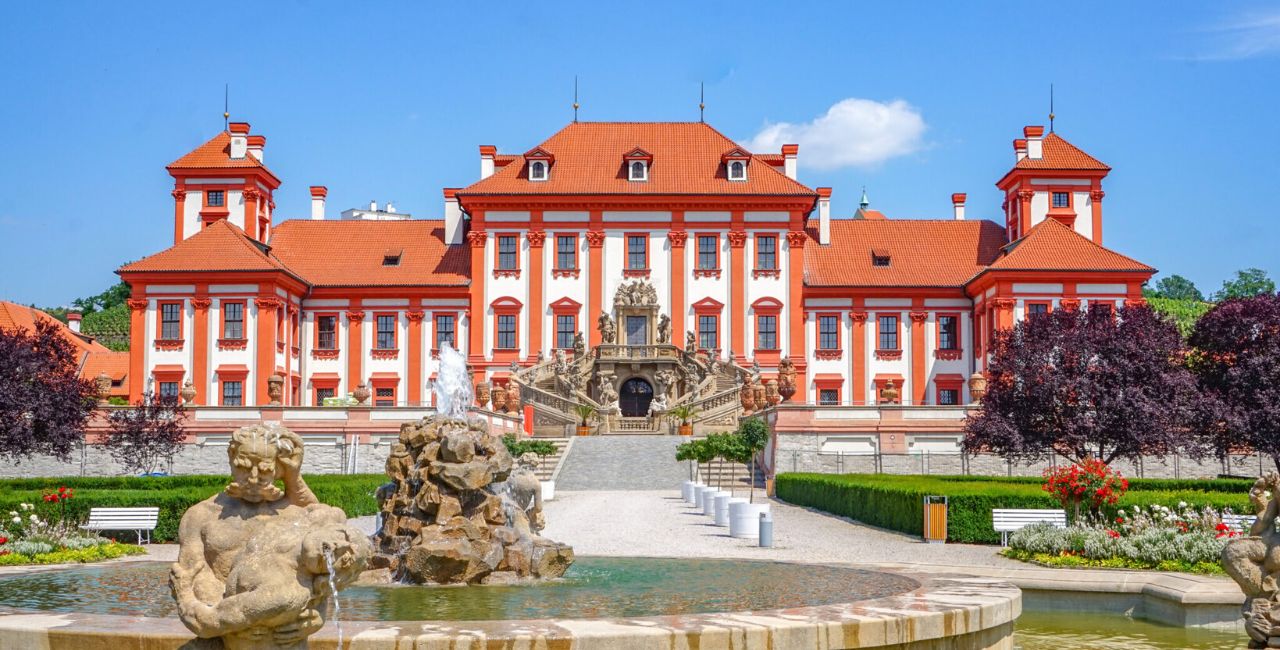
Just next to the Prague Zoo, in Troja district, you can find an exceptional Baroque chateau. Its distinctive red color is complemented by unique interior decorations and pleasant French gardens. Once you visit this chateau, you will be impressed either by the Baroque style frescos or by the temporary exhibitions prepared by the Prague City Gallery. Troja Chateau is actually a luxurious summer residence built by the Sternberk dynasty who planned to host celebrations, concerts, and feast here. That is why the villa is surrounded by a magnificent French garden and old vineyards to host a significant number of visitors. The dominant of Chateau is the impressive staircase leading from the Great Hall to the garden. The statues on the staircase symbolize the battle between the Titans and Olympic Gods, and for people, they symbolized the Troyan war. That is how the Chateau gained its name. The interior of the Chateau is exceptional. All over the castle, there are original frescos that decorate the Chateau better than any furniture. The main dominant is the Great Hall with frescos glorifying Habsburgs’ dynasty and their victory over Turks in 1683 (Chateau was built between 1679 and 1691, so it was quite...
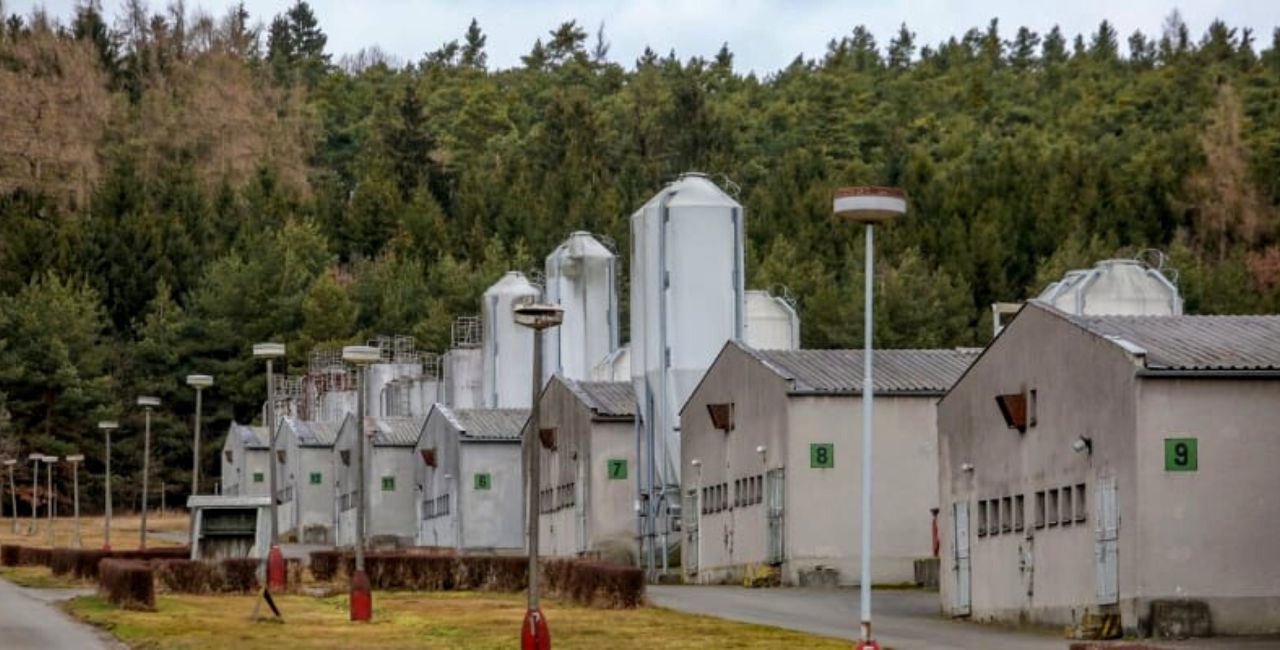
July 22 will see demolition work begin at a former pig farm at Lety in South Bohemia that was the site of a concentration camp for Romanies during World War II. The cost of the demolition should not exceed CZK 110 million and is being financed by the Czech Culture Ministry. Visitors will be given one last opportunity to tour the grounds of the former industrial pig farm in the presence of activists. History: The industrial pig farm was built during the 1970s The industrial pig farm, which was in operation from the 1970s until the spring of 2018, is located on the site of what initially was a disciplinary labor camp and later an internment camp. As of August 1942, the facility at Lety u Písku (just like its counterpart in Hodonín u Kunštátu) became what was called a “Gypsy Camp” where, unlike the two previous types of facilities located there, entire families of Romani people were imprisoned in inhumane conditions – and it thereby became a concentration camp. What was called the “Gypsy Camp I – Lety” saw 1,309 persons pass through it, of whom at least 326 died there. Most of those who died at Lety were...
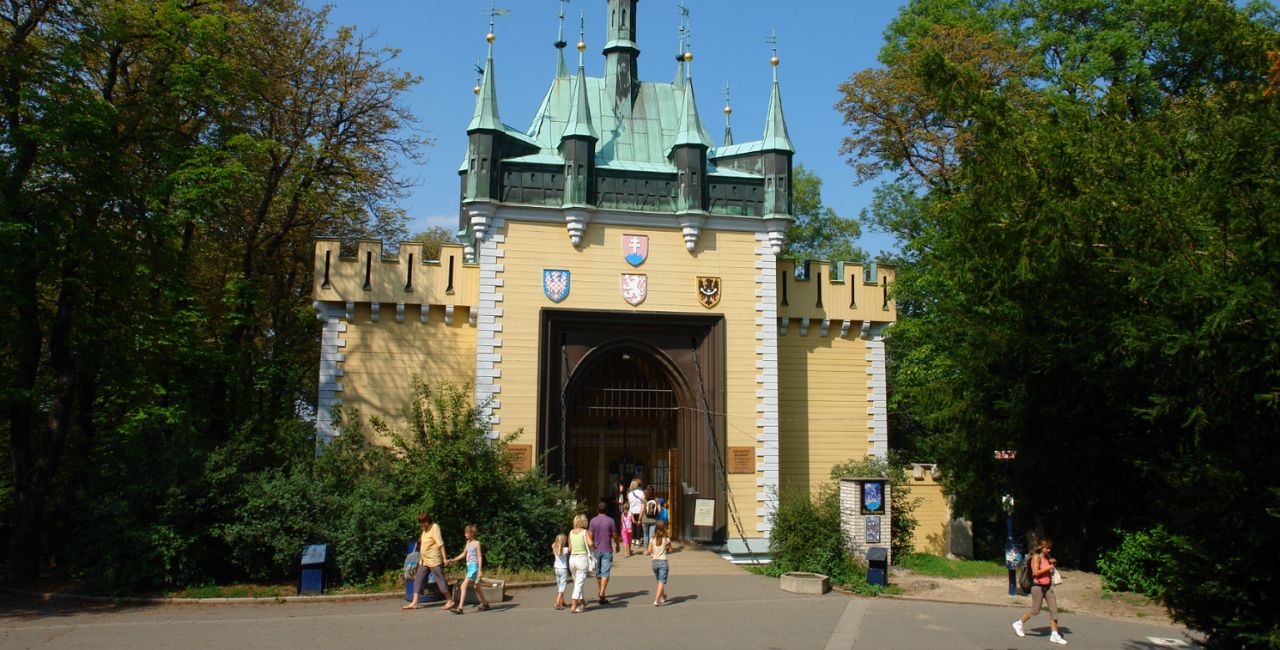
The mirror maze in Petřín has been standing for 130 years. One of the most visited places in Prague, it sees up to 400,000 visitors every year and, unlike other tourist places in Prague, it is mainly visited by Czechs. But while the site is known to millions of Czechs, its history remains obscure. Where did the mirror maze on Petřín even come from? Exhibition exhibit The mirror maze was originally built as a pavilion by the Club of Czech Tourists at the Prague Jubilee Exhibition in 1891. The maze was built by Prague master carpenter and builder Matěj Bílek according to designs from architect Antonín Wiehl. “The maze was located at the Prague Exhibition Center… near the corner of the Industrial Palace. After two years, it was moved to Petřín,” says Zuzana Strnadová, director of the Prague Museum. According to Strnadová, in the front rooms of the original pavilion there was also a circular panorama with twenty windows for 100 alternating stereoscopic slides of interesting Czech locations. “There was also an exhibition of the club’s tourism and publishing activities and an exhibition of tourist products from Czech companies.” Hall of laughter and diorama The building in which the maze is located...
From 12 to 16 July, the 19th year of the summer festival Třeboňská nocturna (the Třeboň Nocturnes) will fill the historical centre of the South Bohemian Renaissance town of Třeboň with music. The internationally recognized harpist Kateřina Englichová and oboist Vilém Veverka will open the festival with a program of compositions by Maurice Ravel, Alphonse Hasselmans, Ilja Hurník, Martin Hybler and Claude Debussy. In addition, Třeboňská nocturna will present the winners of the International Prague Spring Music Competition the Korean Arete String Quartet, the trio of the violinist Martina Bačová, French horn player Hana Šuková and pianist Karel Košárek, the chanson singer Chantal Poullain accompanied by the saxophonist Štěpán Markovič and the pianist Martin Krč, special project Ellaboration by Epoque Quartet and the singer Dasha. The festival will close with a tribute to Ema Destinnová by the Philharmonic of Hradec Králové together with the Slovak opera singer Eva Hornyáková under the direction of the conductor Miriam Němcová. The classical music, crossover, and chanson evenings will take place at several venues in Třeboň, from the chateau’s stable, through the J. K. Tyl Theatre and the Tunel music bar, to the court of the municipal authority. Tickets for Třeboňská nocturna are available...
“Comedy is universal,” asserts Brian Stewart, dressed down after two hours of portraying an exasperated academic and the ditsy wife and muse of a painter. Something of a polymath, with a lengthy career on and off the stage, Stewart, along with an enthusiastic and remarkably international ensemble cast, has spent the last 8 years committed to one project only: the Cimrman English Theatre. It’s difficult to overstate the importance of Jára Cimrman in Czech culture. Voted the greatest Czech of all time—despite being fictional—he represents something essential about what it means to be Czech. He’s a hero who, in Stewart’s words, “never quite made it.” He is said to be responsible, though uncredited, for several scientific achievements: yogurt, the Panama Canal, and the telephone, among others. Cimrman “captures the idea that Czechs have nobody of great prominence,” says Stewart. No other national hero has combined such determined nationalism with playful self-deprecation. As the poet Alexei Tsetkov noted upon his departure from Prague, “I have never heard of a nation mocking itself in such a charming way.” That’s not all, though: Cimrman was an important symbol of resistance under communism and provided a platform for Czechs to criticize the regime while...
Don’t have an account? Register
[swpm_registration_form level=”6″]
Already have an account? Log In
How Would You Like to Promote Your Business? PR ArticleDisplay bannersVideo productionNewsletter adsJob ListingsInfluencer Marketing
Your Email
We will come back to you within 24 hours with our proporsal